Advanced Methods for Guiding Catheter Support Expecting and


- Slides: 32
Advanced Methods for Guiding Catheter Support Expecting and Overcoming Challenges in CTO Revascularization David E. Kandzari, MD, FACC, FSCAI david. kandzari@piedmont. org Director, Interventional Cardiology, Piedmont Heart Institute Chief Scientific Officer, Piedmont Heart Institute Atlanta, Georgia
Disclosure Within the past 12 months, I or my spouse/partner have had a financial interest/arrangement or affiliation with the organization(s) listed below Affiliation/Financial Relationship Company Grant/Research Support Abbott Vascular, Cordis Corporation, Medtronic Cardio. Vascular Consulting Fees/Honoraria Abbott Vascular, Boston Scientific Corporation, Covidien, Medtronic Cardio. Vascular, Micell Technologies, Terumo Medical Major Stock Shareholder/Equity None Royalty Income None Ownership/Founder None Intellectual Property Rights None Other Financial Benefit Insititutional educational grant: Bridgepoint Medical
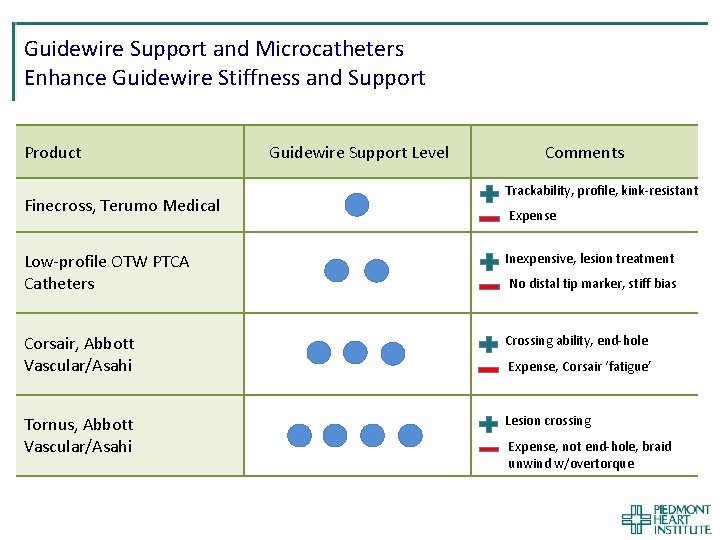
Guidewire Support and Microcatheters Enhance Guidewire Stiffness and Support Product Finecross, Terumo Medical Guidewire Support Level Comments Trackability, profile, kink-resistant Expense Low-profile OTW PTCA Catheters Inexpensive, lesion treatment Corsair, Abbott Vascular/Asahi Crossing ability, end-hole Tornus, Abbott Vascular/Asahi Lesion crossing No distal tip marker, stiff bias Expense, Corsair ‘fatigue’ Expense, not end-hole, braid unwind w/overtorque
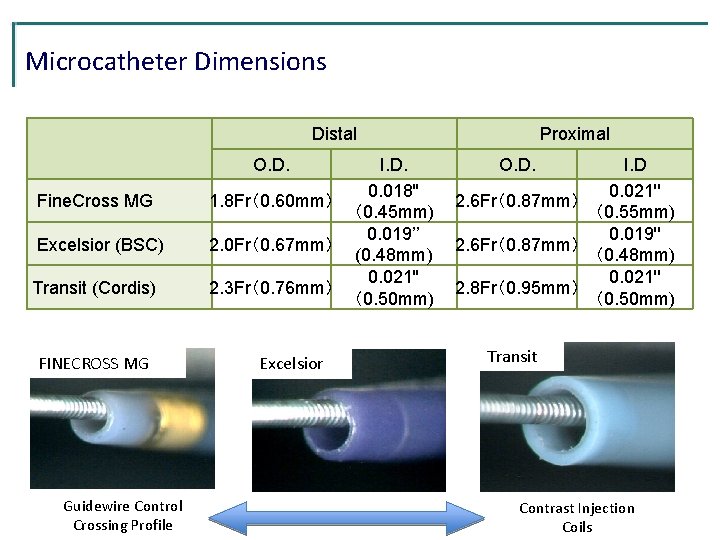
Microcatheter Dimensions Distal O. D. Fine. Cross MG 1. 8 Fr(0. 60 mm) Excelsior (BSC) 2. 0 Fr(0. 67 mm) Transit (Cordis) 2. 3 Fr(0. 76 mm) FINECROSS MG Guidewire Control Crossing Profile Excelsior I. D. 0. 018'' (0. 45 mm) 0. 019’’ (0. 48 mm) 0. 021'' (0. 50 mm) Proximal O. D. I. D 0. 021'' 2. 6 Fr(0. 87 mm) (0. 55 mm) 0. 019'' 2. 6 Fr(0. 87 mm) (0. 48 mm) 0. 021'' 2. 8 Fr(0. 95 mm) (0. 50 mm) Transit Contrast Injection Coils
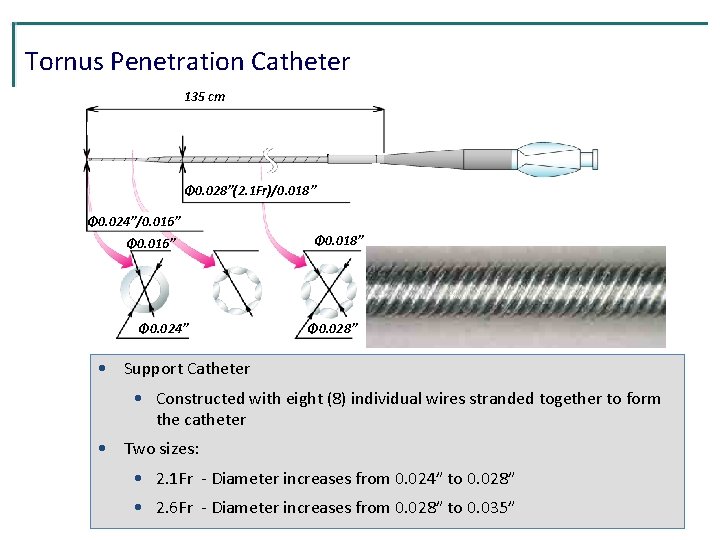
Tornus Penetration Catheter 135 cm Φ 0. 028”(2. 1 Fr)/0. 018” Φ 0. 024”/0. 016” Φ 0. 024” Φ 0. 018” Φ 0. 028” • Support Catheter • Constructed with eight (8) individual wires stranded together to form the catheter • Two sizes: • 2. 1 Fr - Diameter increases from 0. 024” to 0. 028” • 2. 6 Fr - Diameter increases from 0. 028” to 0. 035”
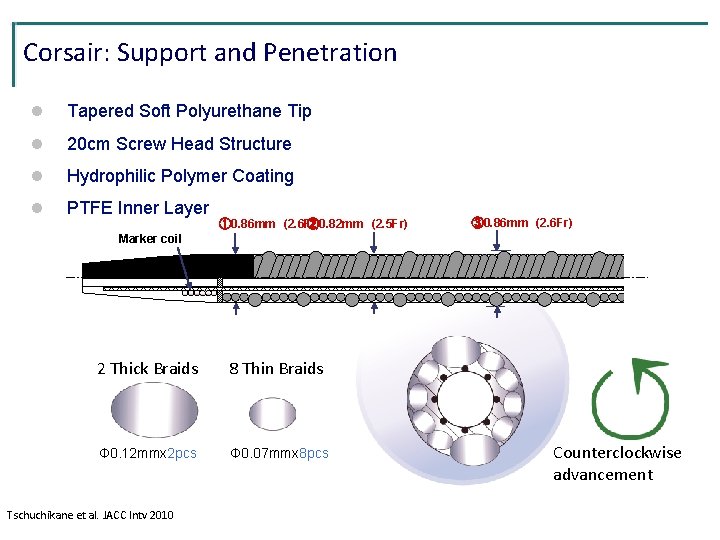
Corsair: Support and Penetration l Tapered Soft Polyurethane Tip l 20 cm Screw Head Structure l Hydrophilic Polymer Coating l PTFE Inner Layer ① 0. 86 mm (2. 6 Fr) ② 0. 82 mm (2. 5 Fr) ③ 0. 86 mm (2. 6 Fr) Marker coil 2 Thick Braids 8 Thin Braids Φ 0. 12 mmx 2 pcs Φ 0. 07 mmx 8 pcs Tschuchikane et al. JACC Intv 2010 Counterclockwise advancement
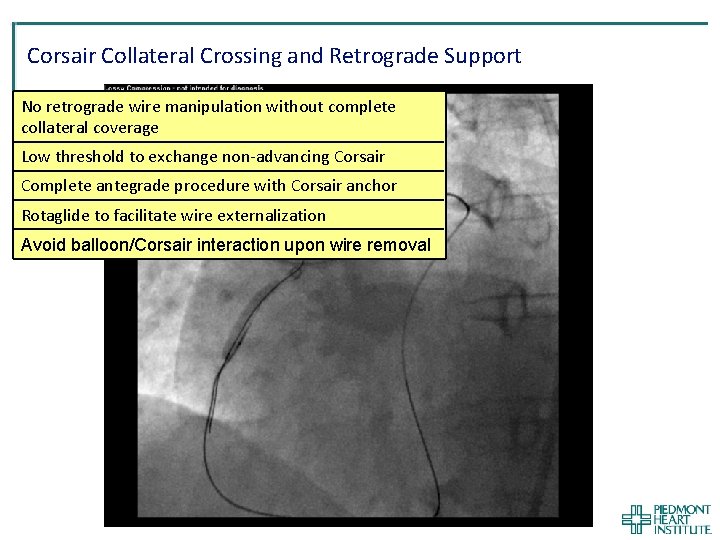
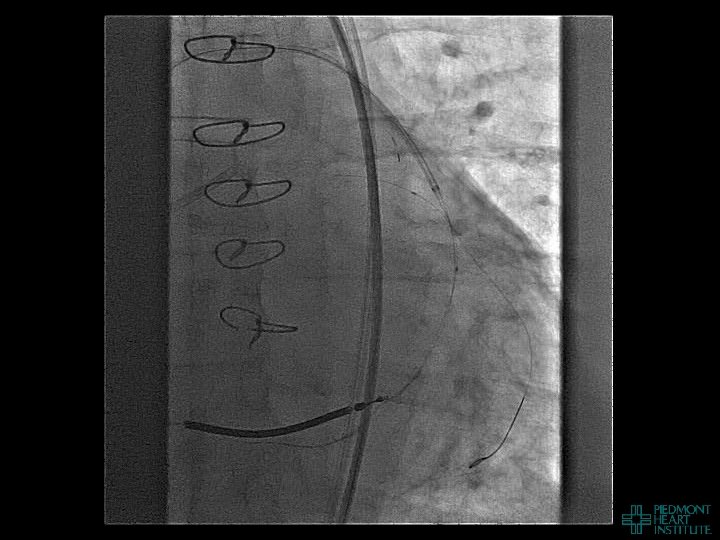
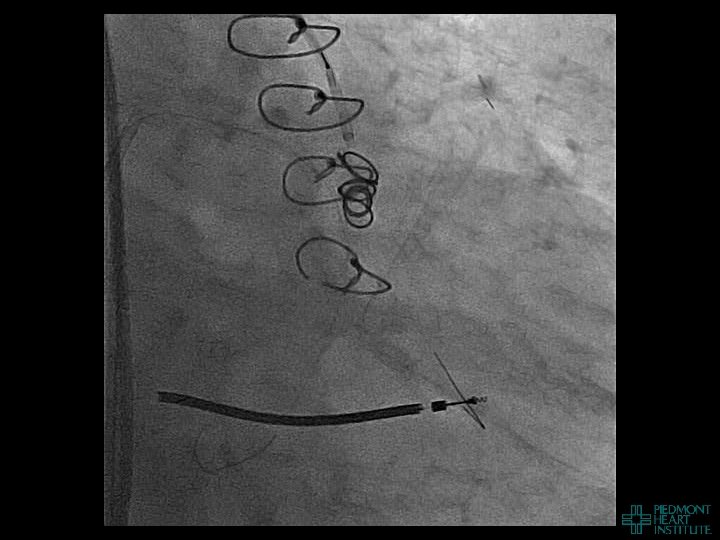
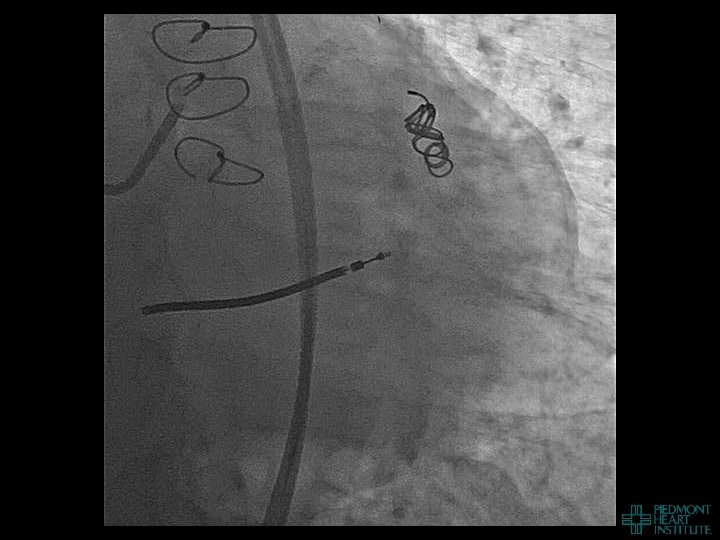
Corsair Collateral Crossing and Retrograde Support No retrograde wire manipulation without complete collateral coverage Low threshold to exchange non-advancing Corsair Complete antegrade procedure with Corsair anchor Rotaglide to facilitate wire externalization Avoid balloon/Corsair interaction upon wire removal
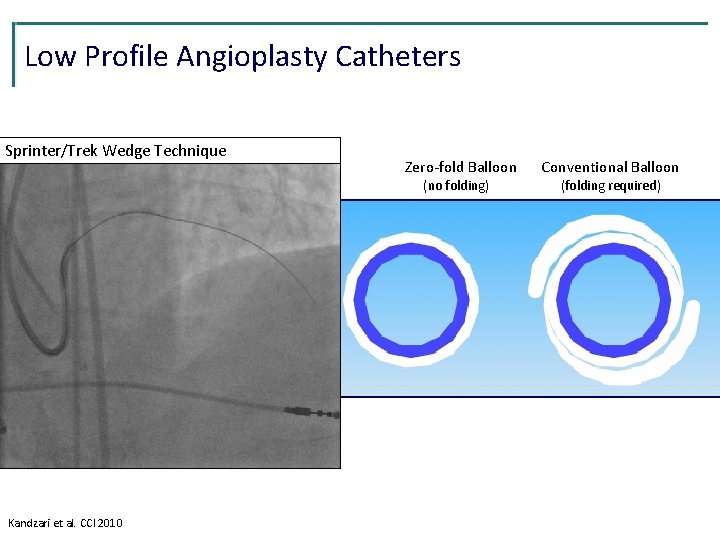
Low Profile Angioplasty Catheters Sprinter/Trek Wedge Technique Zero-fold 1. 25 mm balloon 0. 020” Crossing Profile Kandzari et al. CCI 2010 Zero-fold Balloon (no folding) Conventional Balloon (folding required)
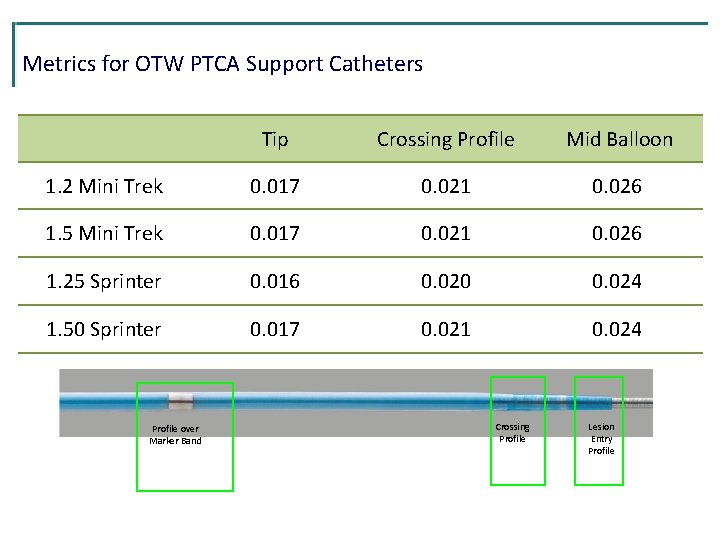
Metrics for OTW PTCA Support Catheters Tip Crossing Profile Mid Balloon 1. 2 Mini Trek 0. 017 0. 021 0. 026 1. 5 Mini Trek 0. 017 0. 021 0. 026 1. 25 Sprinter 0. 016 0. 020 0. 024 1. 50 Sprinter 0. 017 0. 021 0. 024 Profile over Marker Band Crossing Profile Lesion Entry Profile