2030 2004 1996 Age and Depression Curve Flourishing



- Slides: 51
2030 2004 1996
Age and Depression Curve Flourishing 25 35 45 55 65 Age 75+
Insel and Scolnick (2006) “All current medical treatments for mental illnesses are palliative, none are even proposed as cures. ”
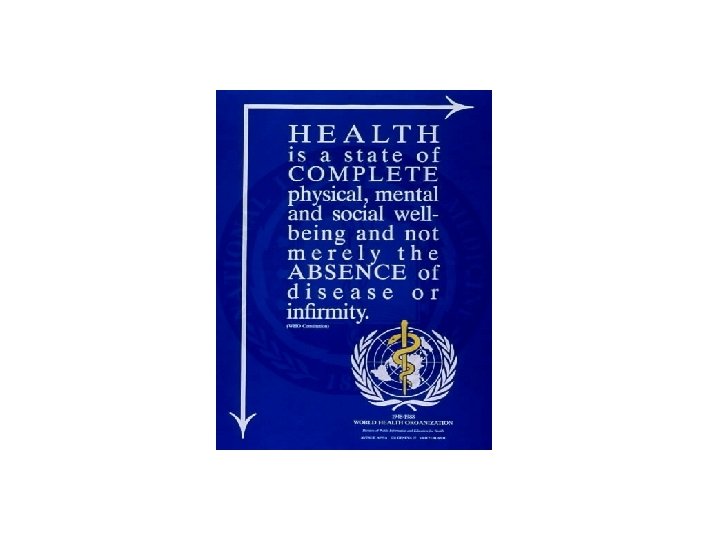
Health is more than the absence, it is something positive
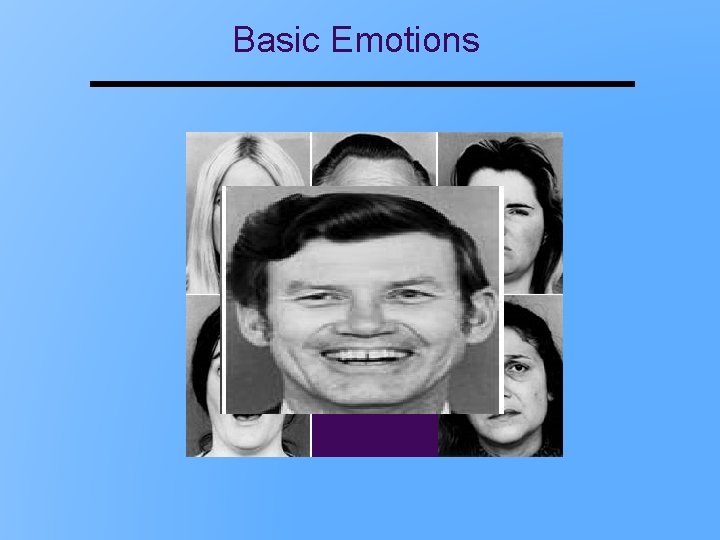
Basic Emotions
EMOTIONAL WELL-BEING Happy Satisfied Interested in Life
Happiness is an activity …
PSYCHOLOGICAL WELL-BEING Self-Acceptance Positive Relations with Others Personal Growth Purpose in Life Environmental Mastery Autonomy
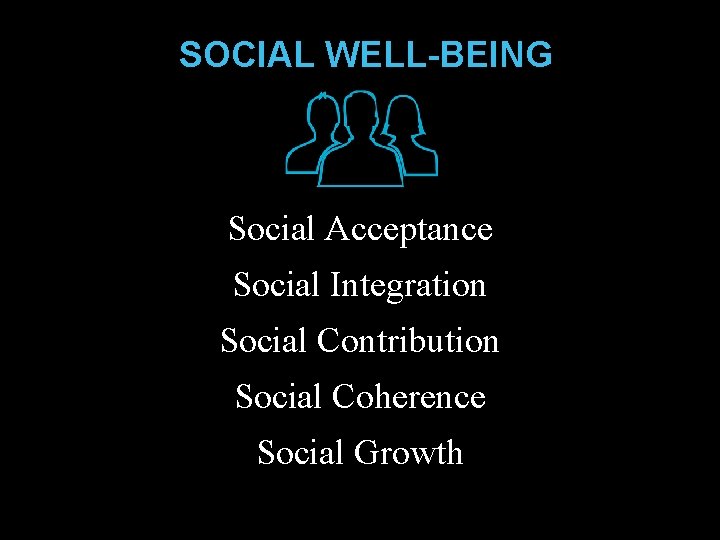
SOCIAL WELL-BEING Social Acceptance Social Integration Social Contribution Social Coherence Social Growth
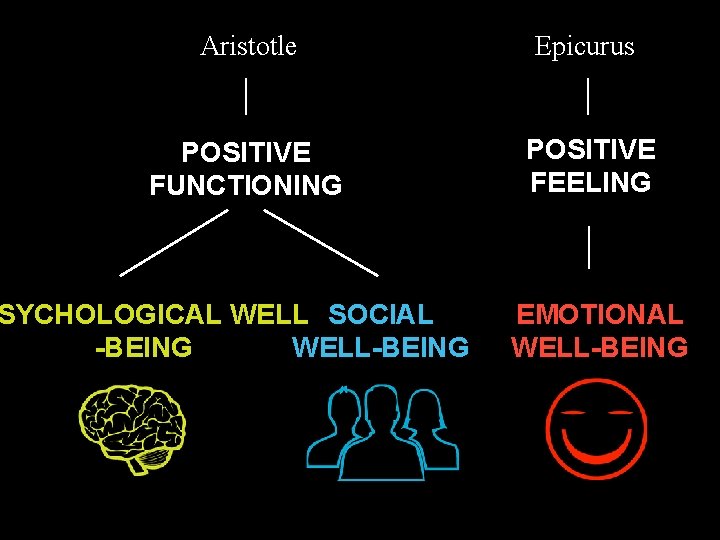
Aristotle Epicurus POSITIVE FUNCTIONING POSITIVE FEELING SYCHOLOGICAL WELL SOCIAL -BEING WELL-BEING EMOTIONAL WELL-BEING
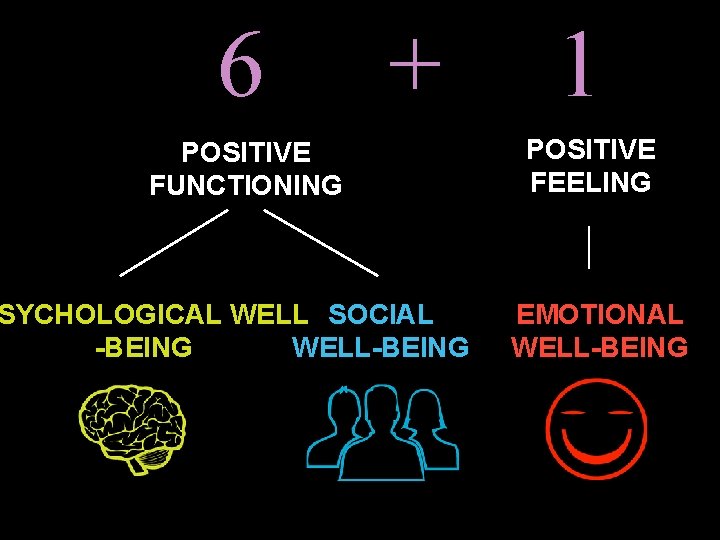
6 + POSITIVE FUNCTIONING SYCHOLOGICAL WELL SOCIAL -BEING WELL-BEING 1 POSITIVE FEELING EMOTIONAL WELL-BEING
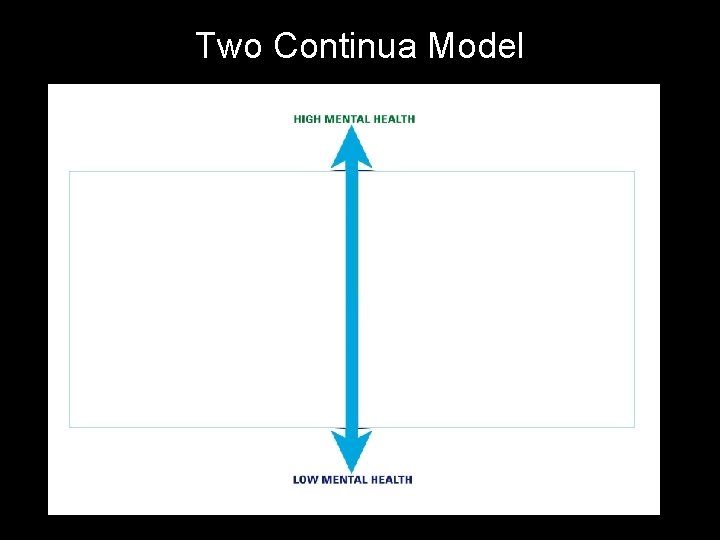
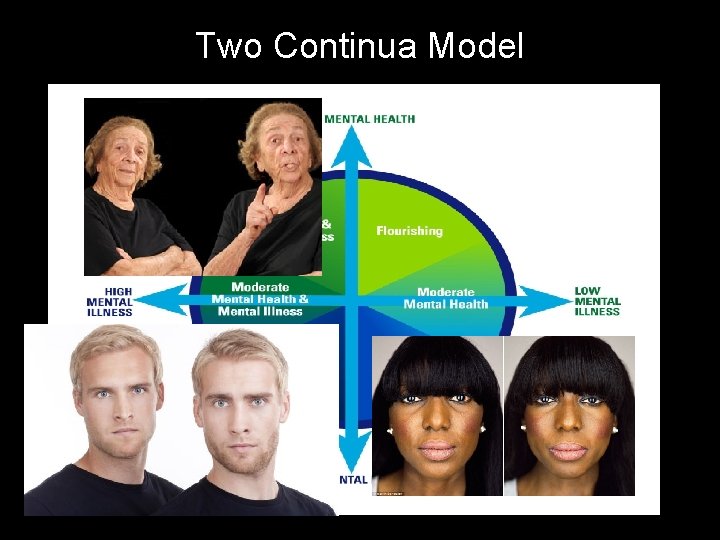
Two Continua?
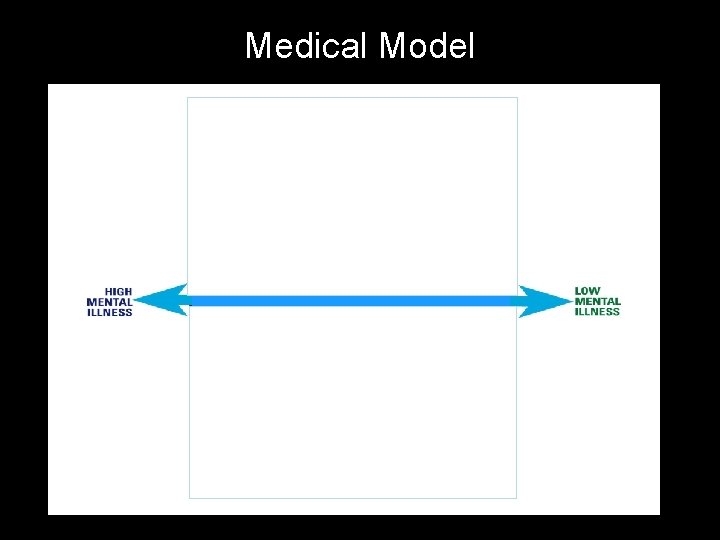
Medical Model dd
Two Continua Model
Two Continua Model
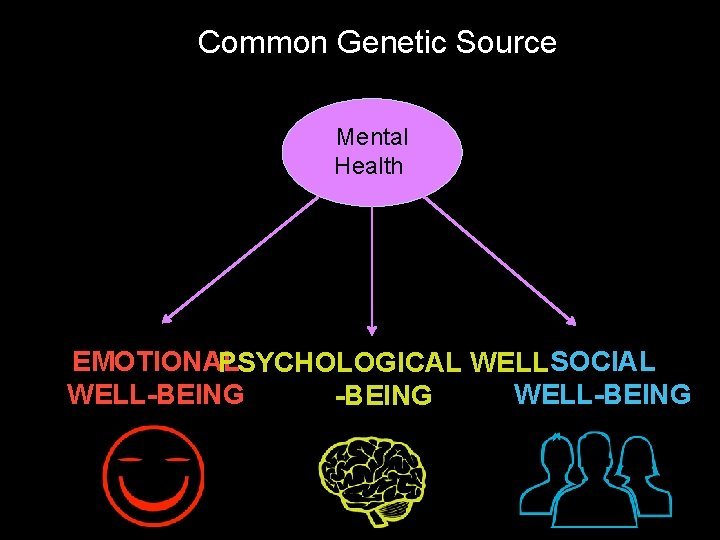
Common Genetic Source Mental Health EMOTIONAL PSYCHOLOGICAL WELLSOCIAL WELL-BEING
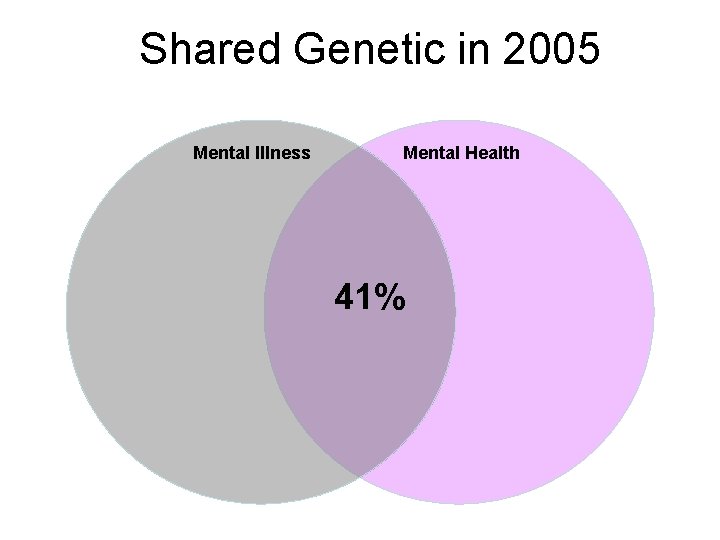
Shared Genetic in 2005 Mental Illness Mental Health 41%
1 The absence of mental illness does not mean everyone is flourishing.
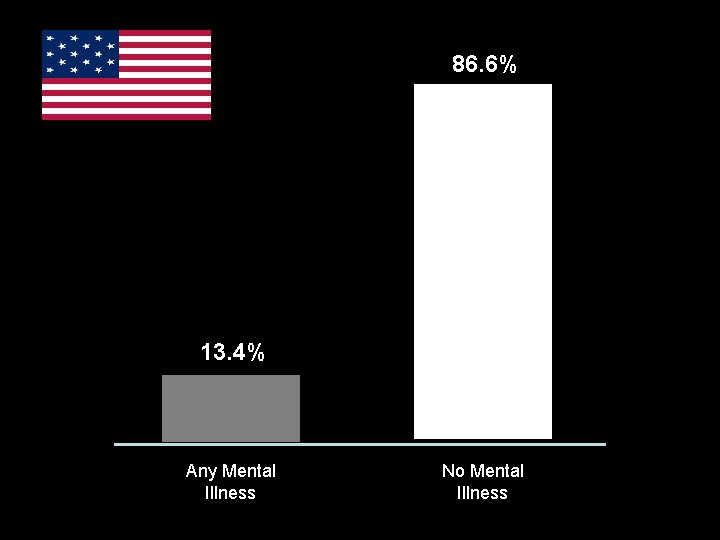
86. 6% 13. 4% Any Mental Illness No Mental Illness
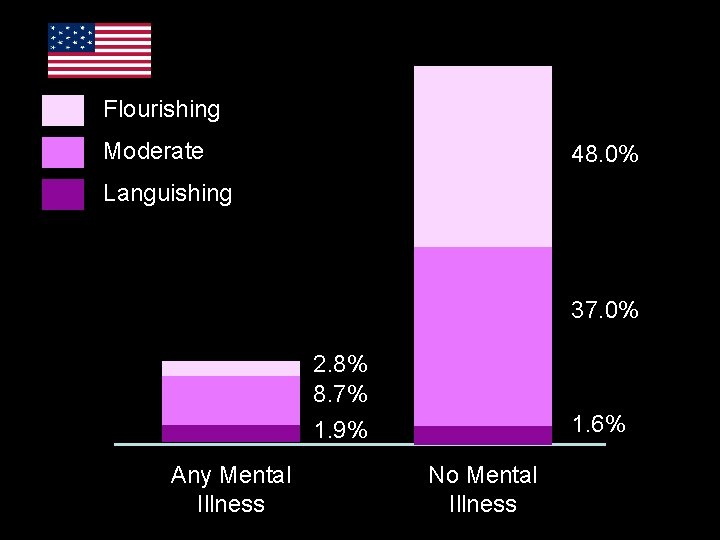
Flourishing Moderate 48. 0% Languishing 37. 0% 2. 8% 8. 7% 1. 9% Any Mental Illness 1. 6% No Mental Illness
Too much mental illness Not enough mental health
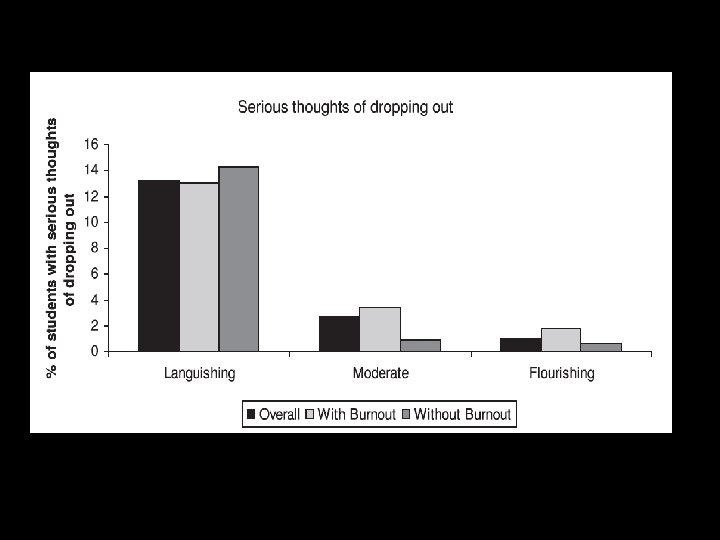
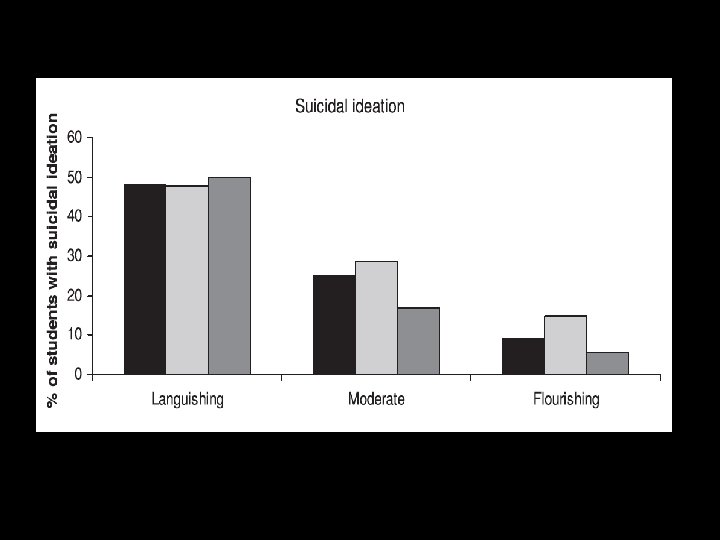
2 Anything less than flourishing results in problems.
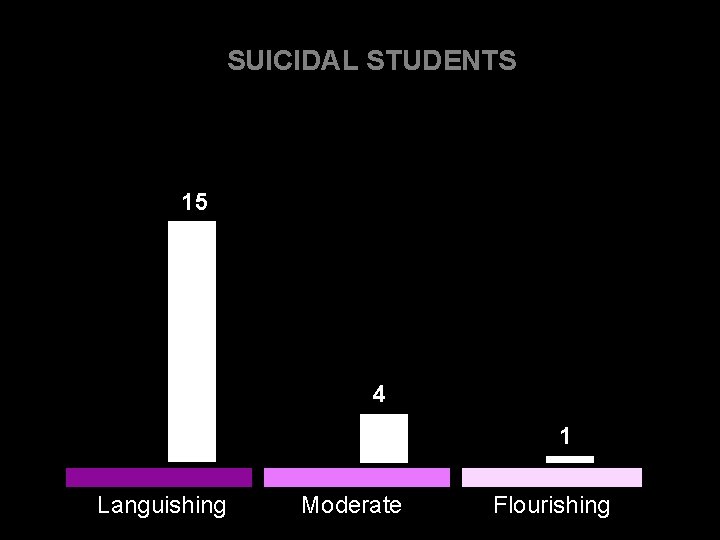
SUICIDAL STUDENTS 15 4 1 Languishing Moderate Flourishing
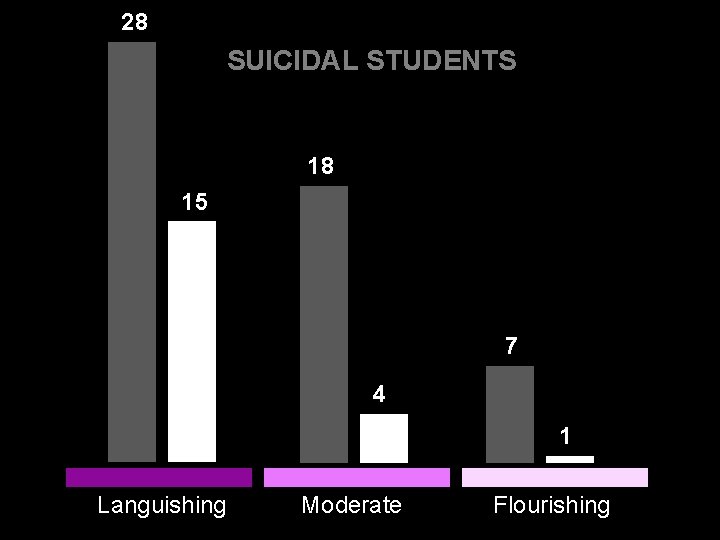
28 SUICIDAL STUDENTS 18 15 7 4 1 Languishing Moderate Flourishing
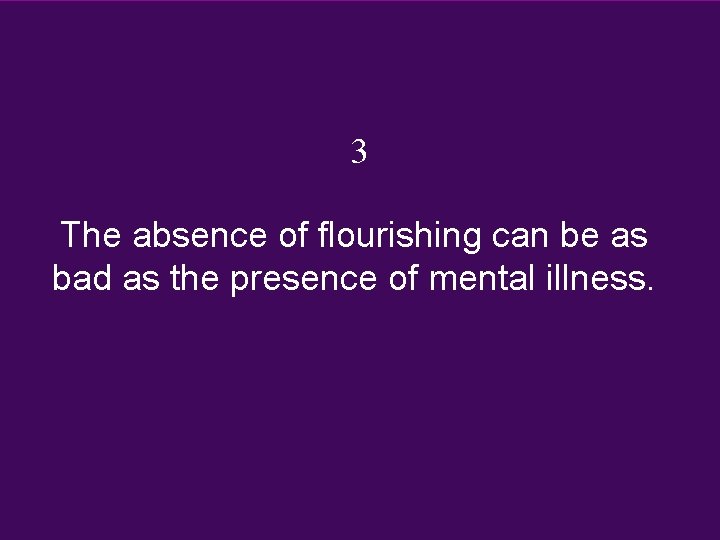
3 The absence of flourishing can be as bad as the presence of mental illness.
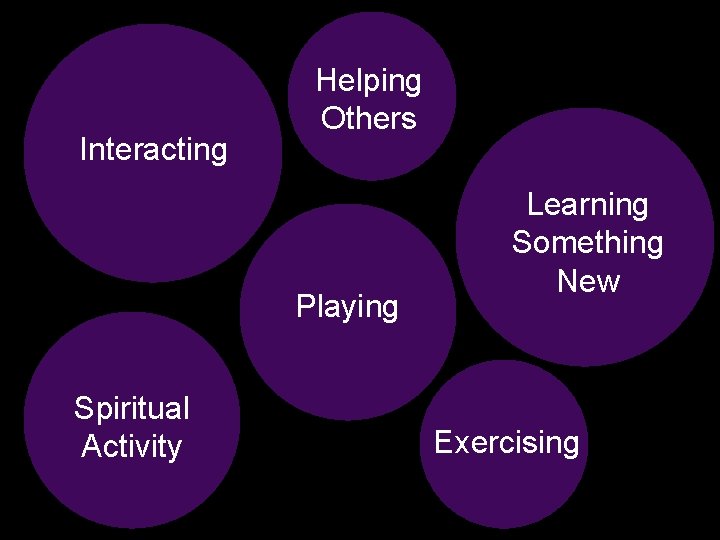
Interacting Helping Others Playing Spiritual Activity Learning Something New Exercising
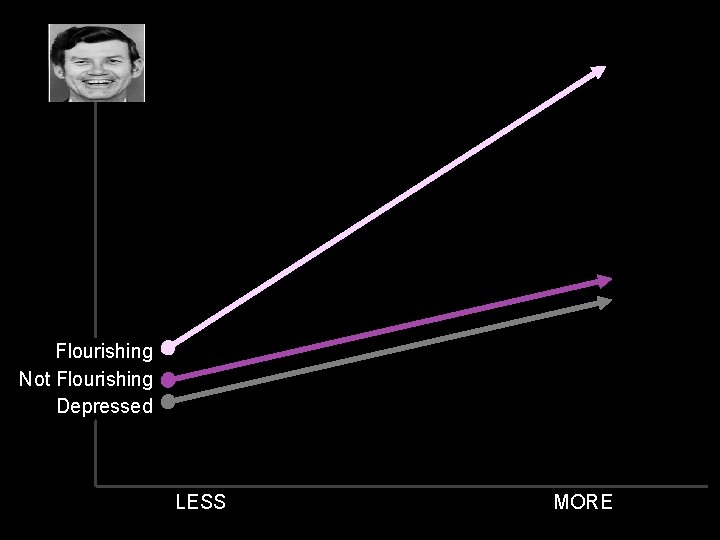
Flourishing Not Flourishing Depressed LESS MORE
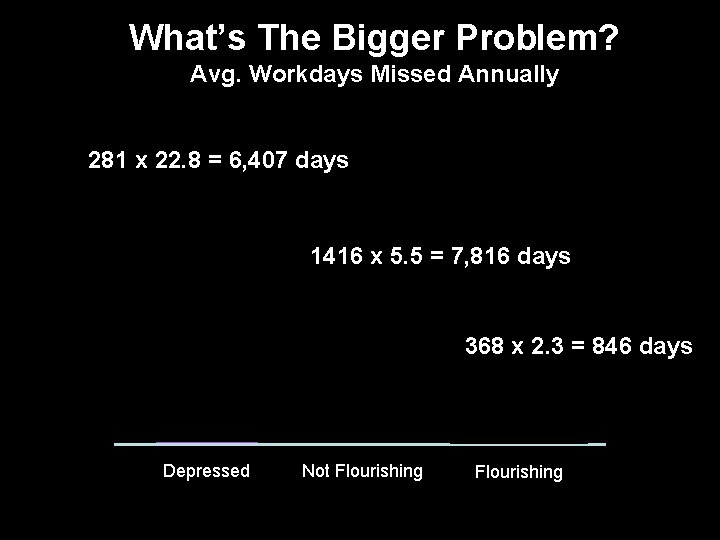
What’s The Bigger Problem? Avg. Workdays Missed Annually 281 x 22. 8 = 6, 407 days 22. 8 1416 x 5. 5 = 7, 816 days 281 5. 5 1, 416 Depressed Not Flourishing 368 x 2. 3 = 846 days 2. 3 368 Flourishing
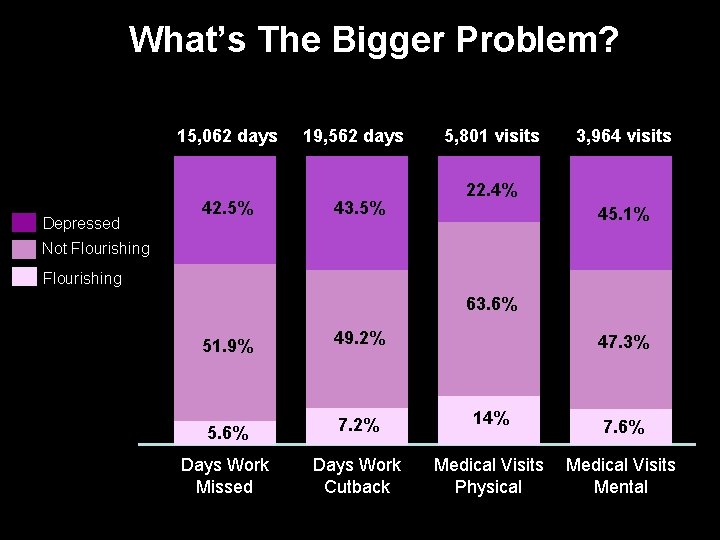
What’s The Bigger Problem? 15, 062 days Depressed 42. 5% 19, 562 days 43. 5% 5, 801 visits 3, 964 visits 22. 4% 45. 1% Not Flourishing 63. 6% 51. 9% 49. 2% 1, 416 47. 3% 1, 416 5. 6% 7. 2% 14% Days Work Missed Days Work Cutback Medical Visits Physical 1, 416 7. 6% Medical Visits Mental
4 Health may be more serious than illness.
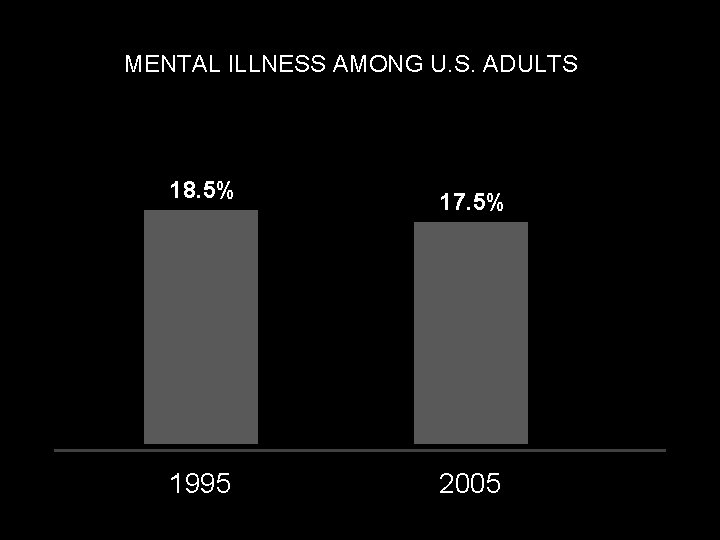
MENTAL ILLNESS AMONG U. S. ADULTS 18. 5% 17. 5% 1995 2005
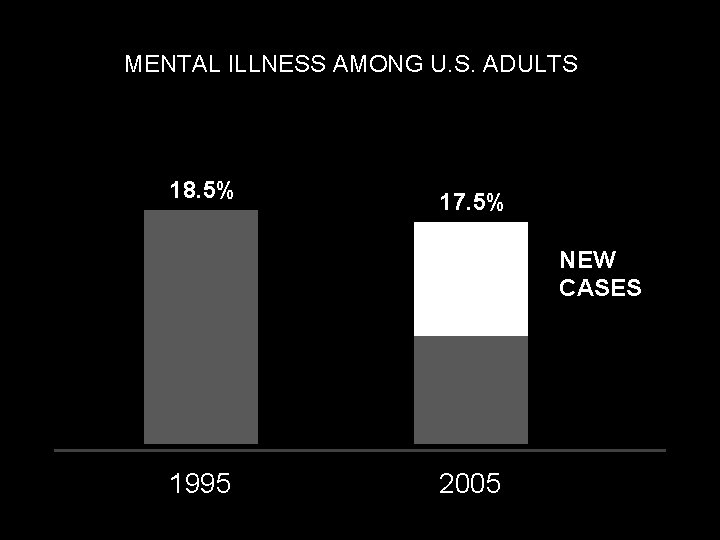
MENTAL ILLNESS AMONG U. S. ADULTS 18. 5% 17. 5% NEW CASES 1995 2005
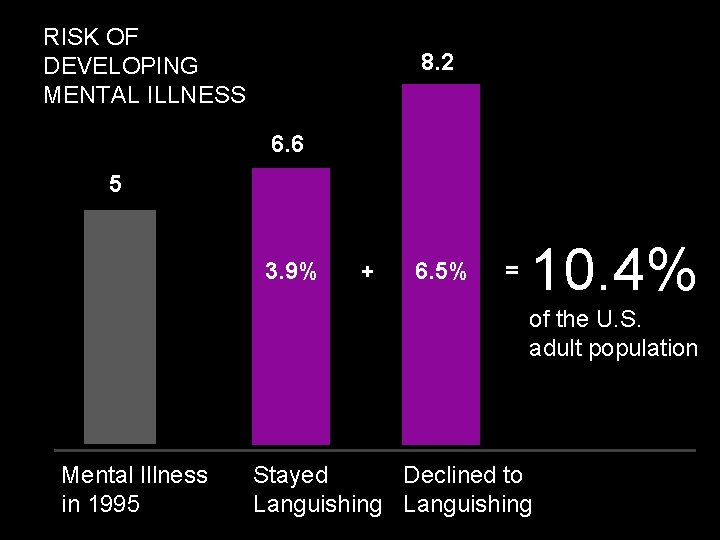
RISK OF DEVELOPING MENTAL ILLNESS 8. 2 6. 6 5 3. 9% + 6. 5% = 10. 4% of the U. S. adult population Mental Illness in 1995 Stayed Declined to Languishing
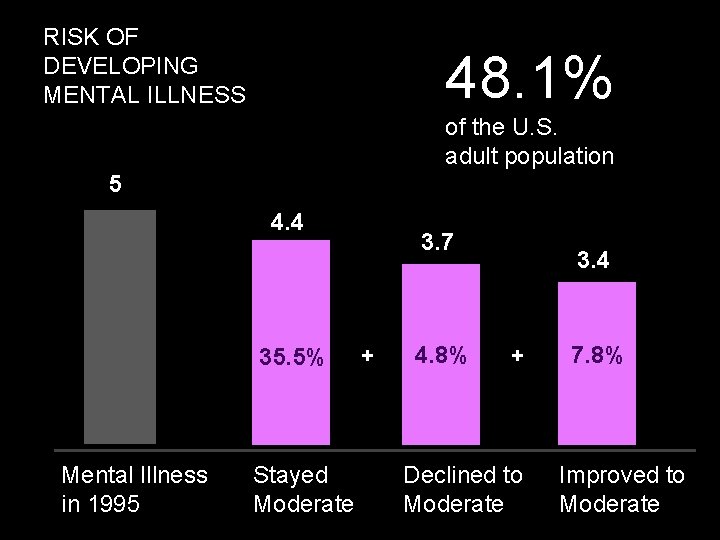
RISK OF DEVELOPING MENTAL ILLNESS 48. 1% of the U. S. adult population 5 4. 4 35. 5% Mental Illness in 1995 Stayed Moderate 3. 7 + 4. 8% 3. 4 + Declined to Moderate 7. 8% Improved to Moderate
Workplace Stress What Is the Role of Positive Mental Health? Kathryn M. Page, Allison J. Milner, Angela Martin, Gavin Turrell, Billie Giles-Corti, and Anthony D. La. Montagne JOEM, 56(8), 2014
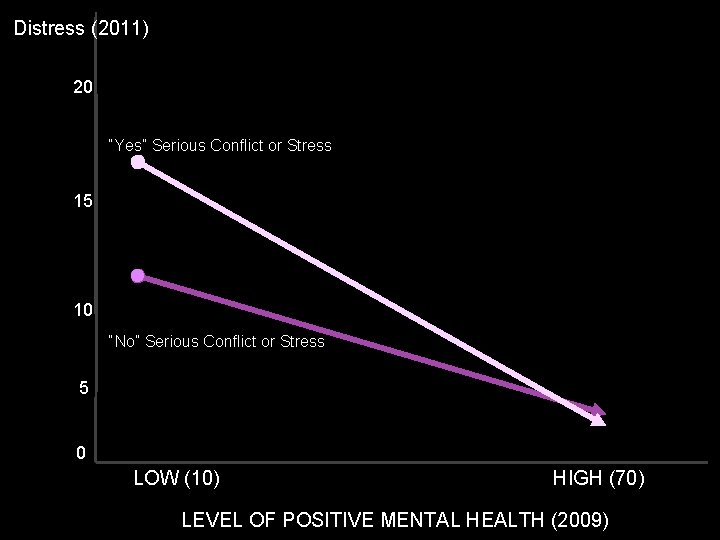
Distress (2011) 20 “Yes” Serious Conflict or Stress 15 10 “No” Serious Conflict or Stress 5 0 LOW (10) HIGH (70) LEVEL OF POSITIVE MENTAL HEALTH (2009)
5 What lowers the bad does not necessarily increase the good.
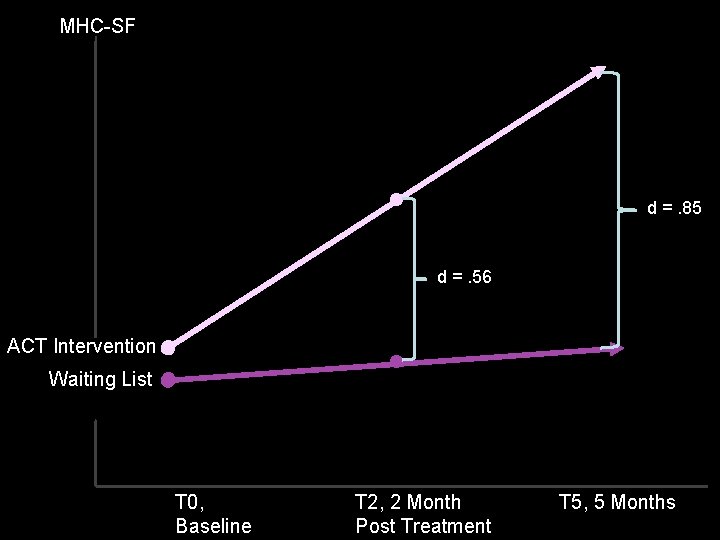
MHC-SF d =. 85 d =. 56 Waiting List ACT Intervention T 0, Baseline T 2, 2 Month Post Treatment T 5, 5 Months
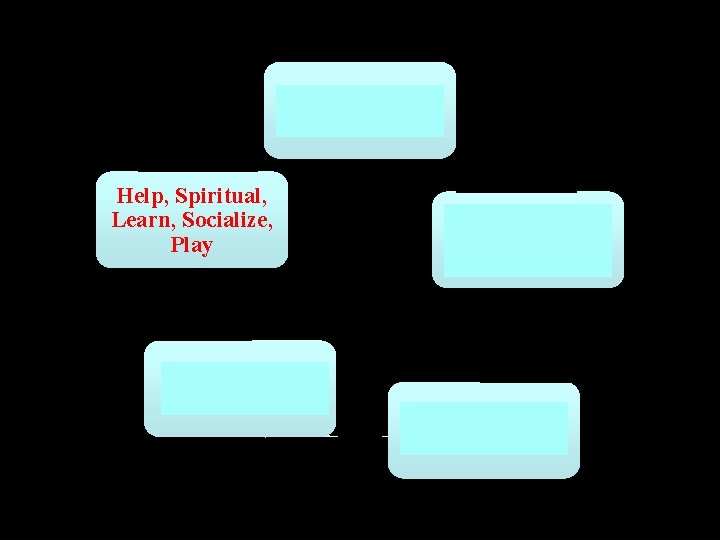
Positive Emotions Help, Spiritual, Learn, Socialize, Play ```````` ` Flourishing Mindful: Less Reactive dcccccc c Mindful: Observant
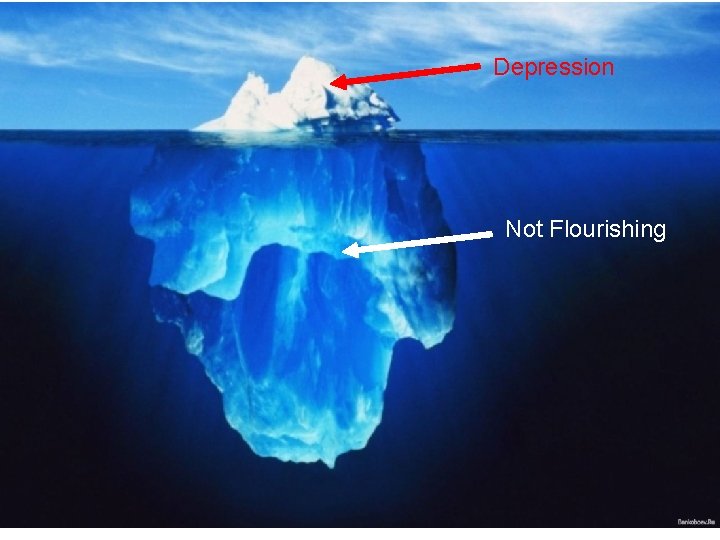
Depression Not Flourishing
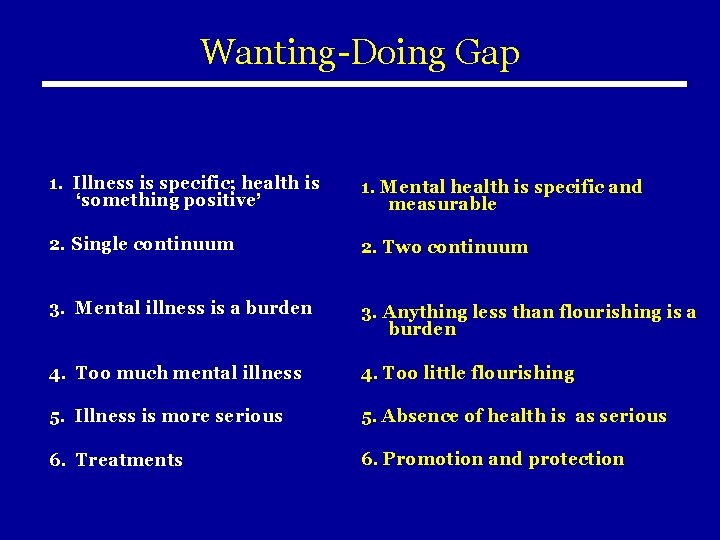
Wanting-Doing Gap 1. Illness is specific; health is ‘something positive’ 1. Mental health is specific and measurable 2. Single continuum 2. Two continuum 3. Mental illness is a burden 3. Anything less than flourishing is a burden 4. Too much mental illness 4. Too little flourishing 5. Illness is more serious 5. Absence of health is as serious 6. Treatments 6. Promotion and protection
One is Negative Which one wins? One is Positive