Why prototype the value of prototypes resides less
- Slides: 21
Why prototype? “…the value of prototypes resides less in the models themselves than in the interactions they invite. ” Michael Schrage – Serious Play 1
Why prototype? “…innovative prototypes generate innovative teams. The prototype plays a more influential role in creating a team than teams do in creating prototypes. ” Michael Schrage – Serious Play 2
What to Prototype? “…Prototypes provide the means for examining design problems and evaluating solutions. Selecting the focus of a prototype is the art of identifying the most important open design questions. ” Houde and Hill – What do Prototypes Prototype? 3
What is the Prototype? “…Prototypes are not selfexplanatory…Clarifying what aspects of a prototype correspond to the eventual artifact─and what don’t─is a key part of successful prototyping. ” Houde and Hill – What do Prototypes Prototype? 4
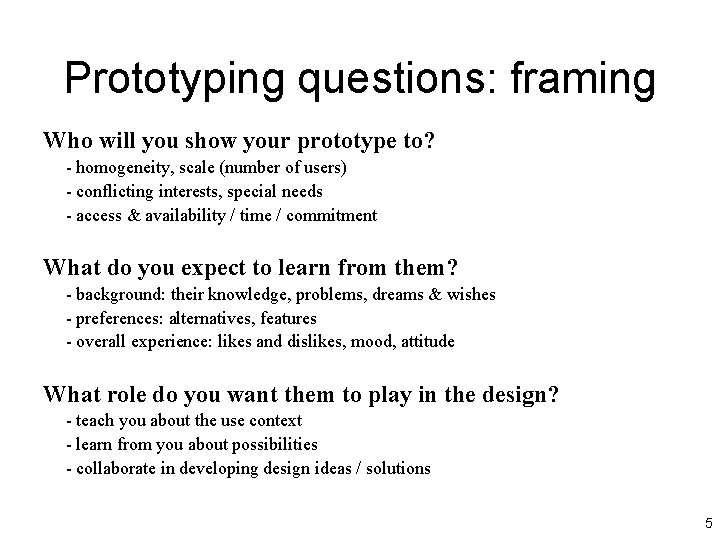
Prototyping questions: framing Who will you show your prototype to? - homogeneity, scale (number of users) - conflicting interests, special needs - access & availability / time / commitment What do you expect to learn from them? - background: their knowledge, problems, dreams & wishes - preferences: alternatives, features - overall experience: likes and dislikes, mood, attitude What role do you want them to play in the design? - teach you about the use context - learn from you about possibilities - collaborate in developing design ideas / solutions 5
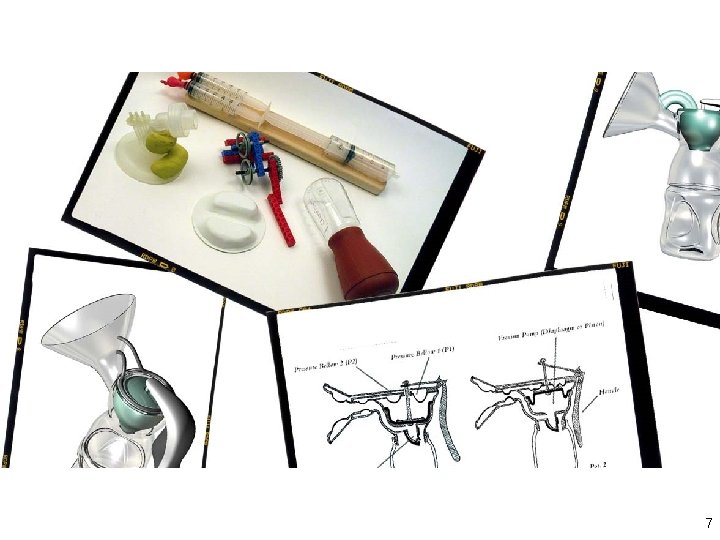
What can be a Prototype? • • • Sketches Diagrams & Frameworks Hand Made Constructions Machined Constructions Virtual Models Graphics Packaging Spaces Role Play, Experiences Video 6
7
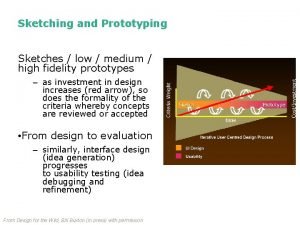
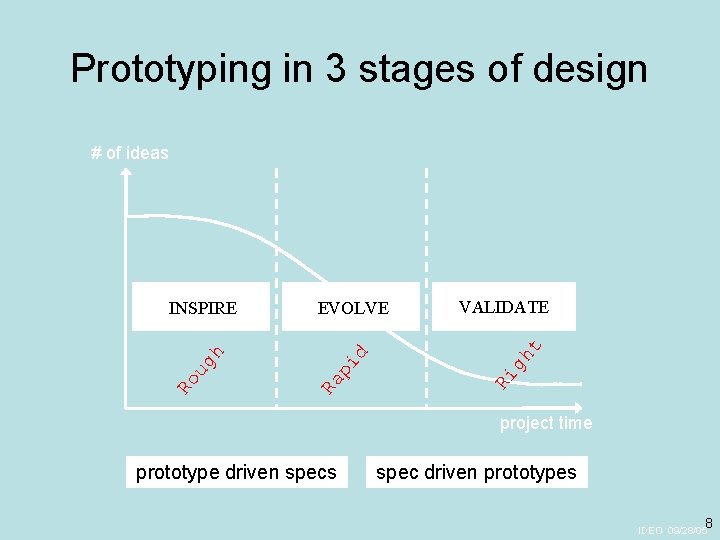
Prototyping in 3 stages of design # of ideas gh t VALIDATE Ri pi d EVOLVE Ra Ro ug h INSPIRE project time LOW prototype RESOLUTION driven specs spec HIGH driven RESOLUTION prototypes 8 IDEO 09/28/05
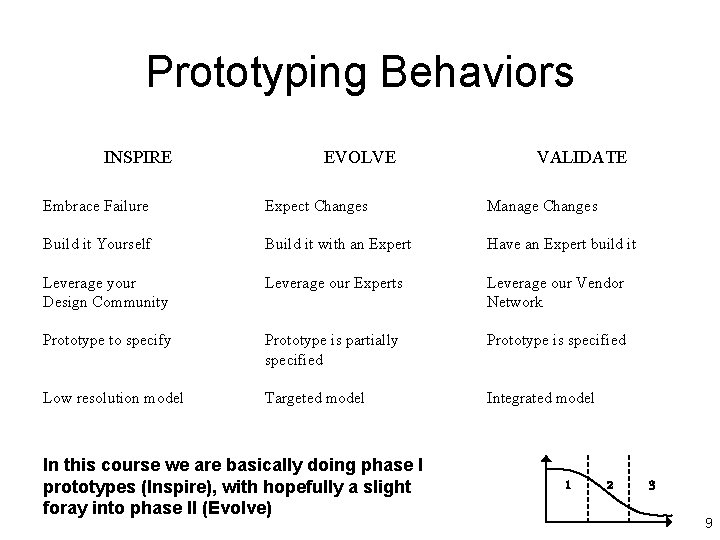
Prototyping Behaviors INSPIRE EVOLVE VALIDATE Embrace Failure Expect Changes Manage Changes Build it Yourself Build it with an Expert Have an Expert build it Leverage your Design Community Leverage our Experts Leverage our Vendor Network Prototype to specify Prototype is partially specified Prototype is specified Low resolution model Targeted model Integrated model In this course we are basically doing phase I prototypes (Inspire), with hopefully a slight foray into phase II (Evolve) 1 2 3 9
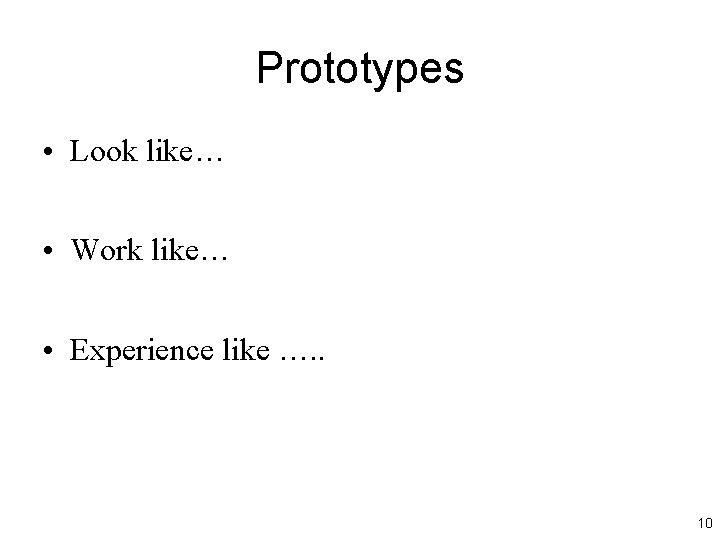
Prototypes • Look like… • Work like… • Experience like …. . 10
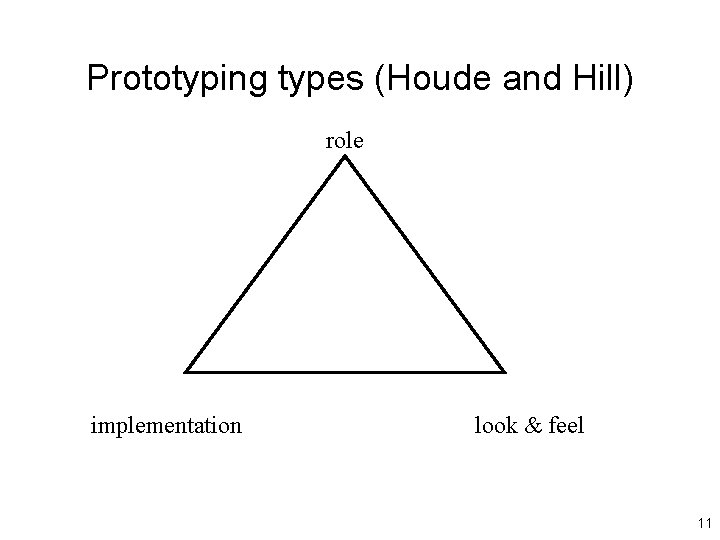
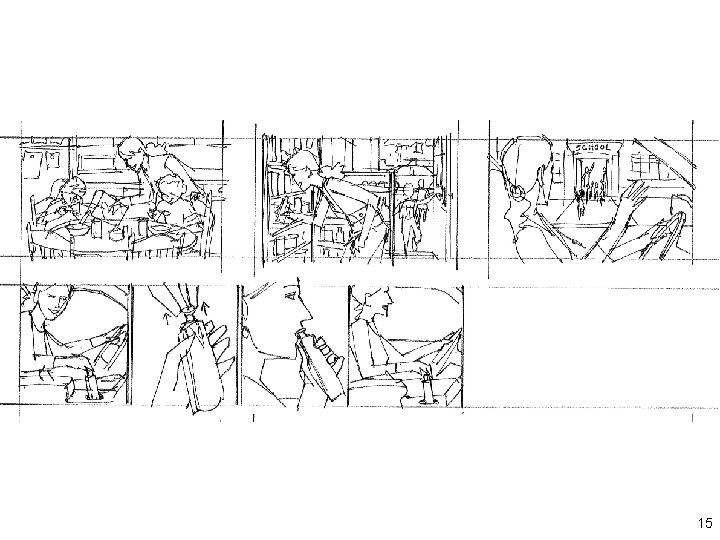
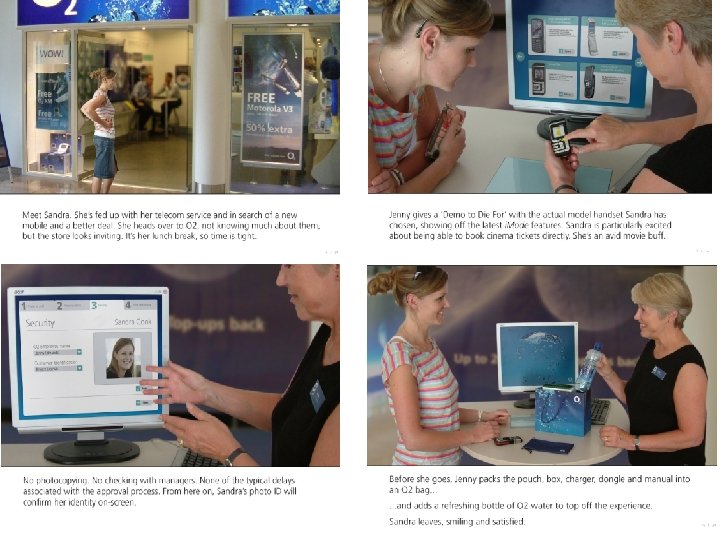
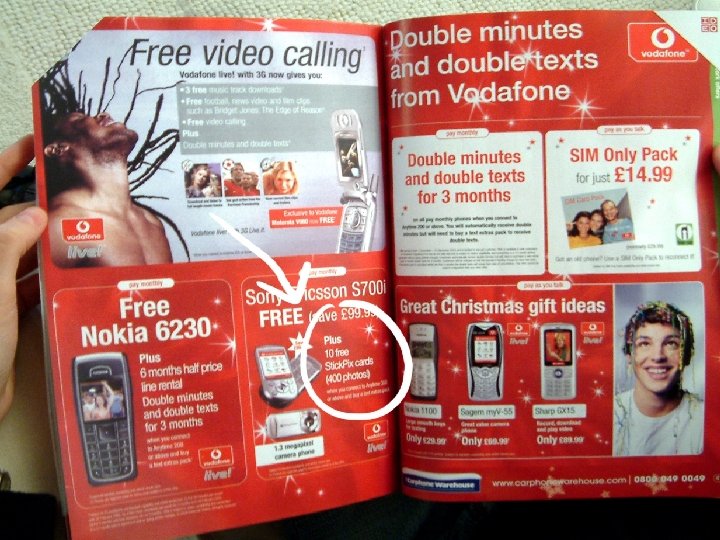
Prototyping types (Houde and Hill) role implementation look & feel 11
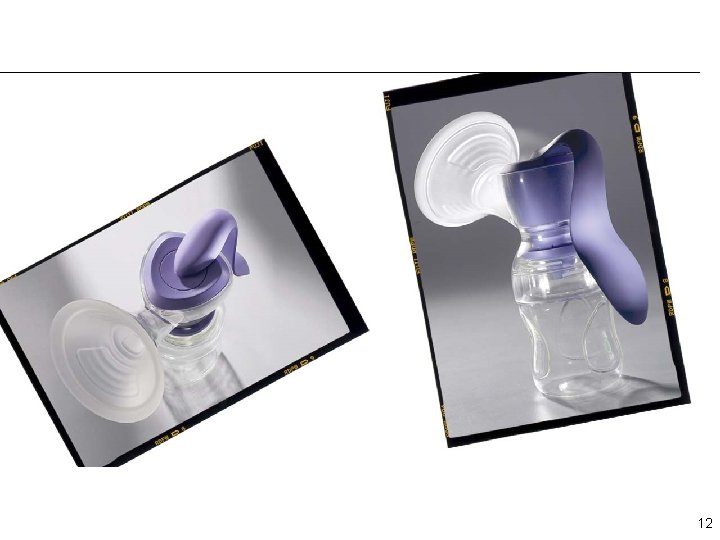
12
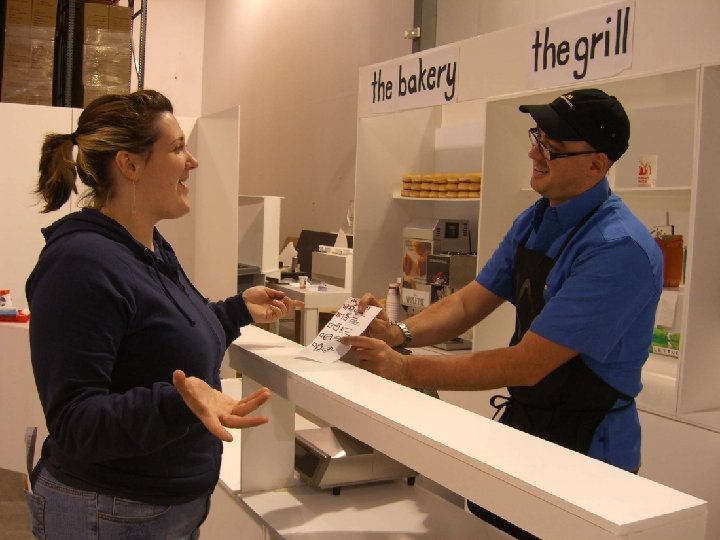
13
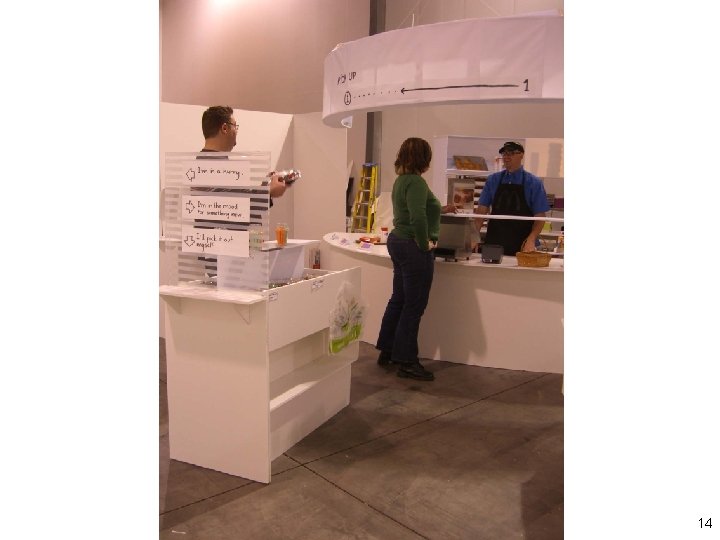
14
15
16
17
Practical Suggestions (Houde and Hill) • Define “prototype” broadly • Build multiple prototypes • Know your audience • Know your prototype; prepare your audience 18
The Key Principle: Know where you are, and act appropriately 19
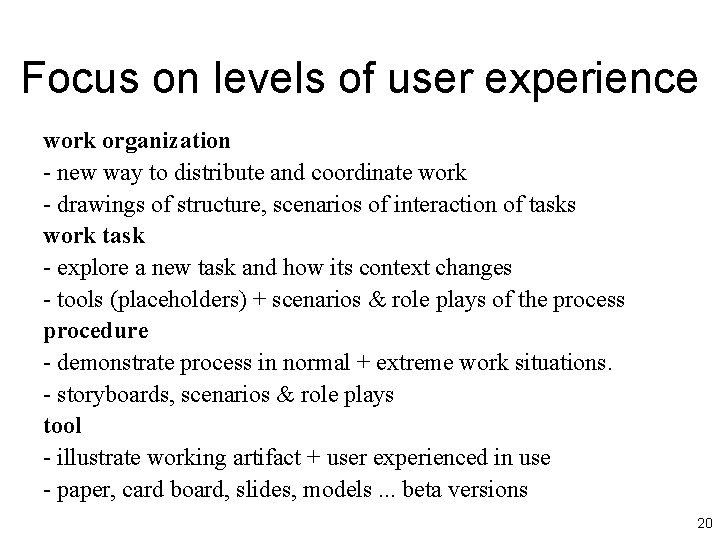
Focus on levels of user experience work organization - new way to distribute and coordinate work - drawings of structure, scenarios of interaction of tasks work task - explore a new task and how its context changes - tools (placeholders) + scenarios & role plays of the process procedure - demonstrate process in normal + extreme work situations. - storyboards, scenarios & role plays tool - illustrate working artifact + user experienced in use - paper, card board, slides, models. . . beta versions 20
Questions for your discussion • What kind of prototype should we develop? • Who will we show it to in what setting? • What do we expect to learn? • How will we evaluate that learning? 21