Using Soils to Reconstruct Climate Dr Rolfe D

- Slides: 59
Using Soils to Reconstruct Climate Dr. Rolfe D. Mandel, Executive Director Odyssey Research Program Kansas Geological Survey University of Kansas
Five Soil Forming Factors • Climatic Factor • Biotic Factor • Topographic Factor • Parent Material • Time Factor
When using soils to reconstruct climate, it is useful to consider the concept of “pedogenic pathways. ” A pedogenic pathway is a set of pedogenic processes leading to a given soil morphology. Soils in different bio-climatic regions follow different pedogenic pathways.
A good way to understand the relationship between bioclimates and pedogenic pathways is to consider modern analogs.
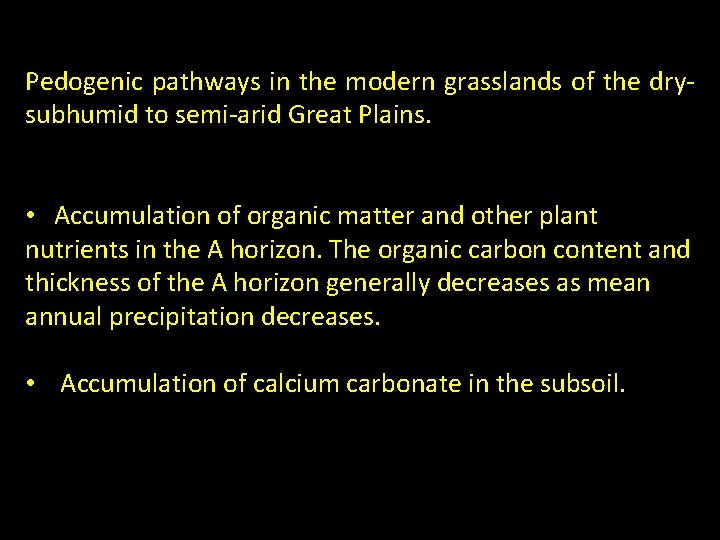
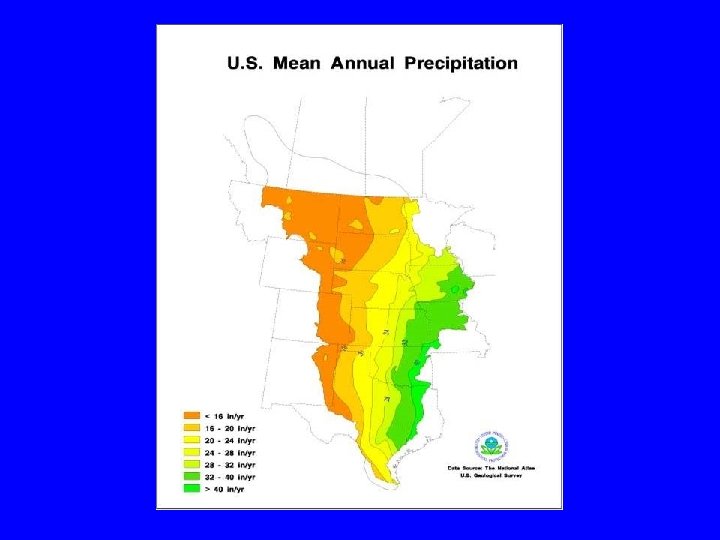
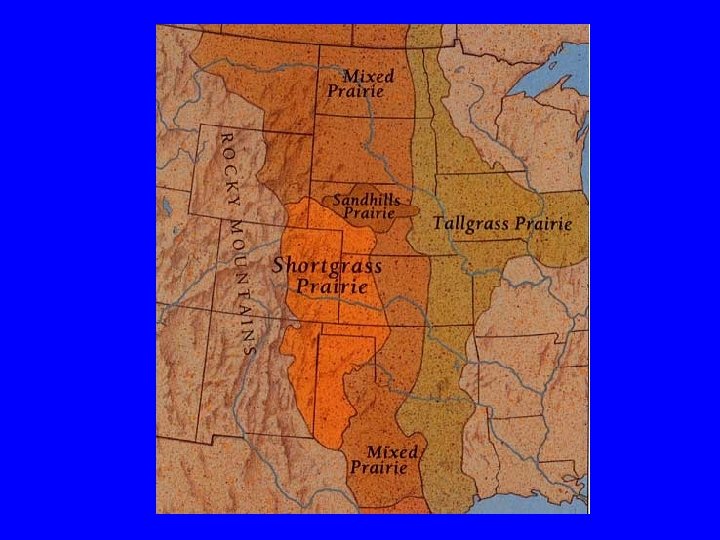
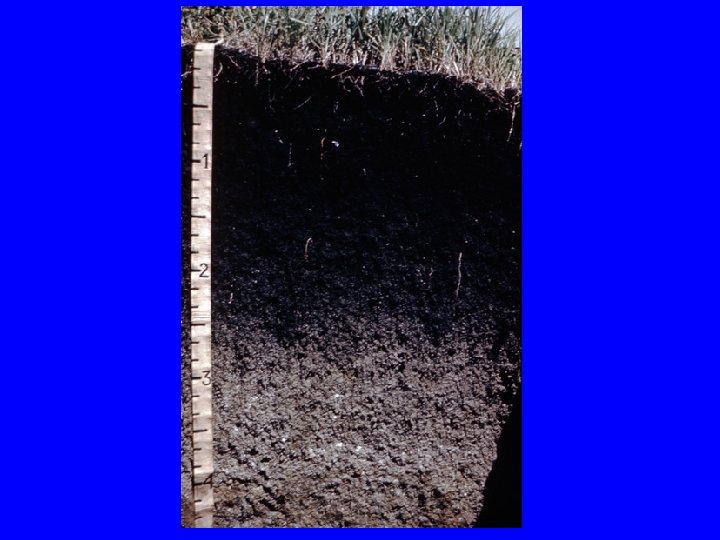
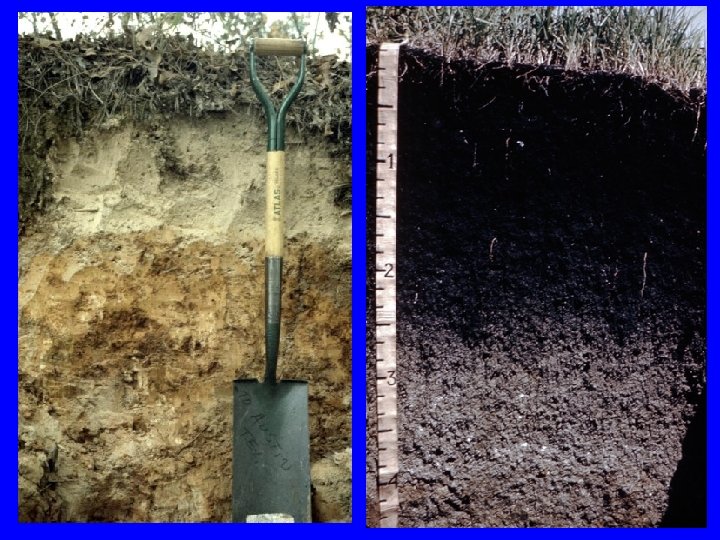
Pedogenic pathways in the modern grasslands of the drysubhumid to semi-arid Great Plains. • Accumulation of organic matter and other plant nutrients in the A horizon. The organic carbon content and thickness of the A horizon generally decreases as mean annual precipitation decreases. • Accumulation of calcium carbonate in the subsoil.
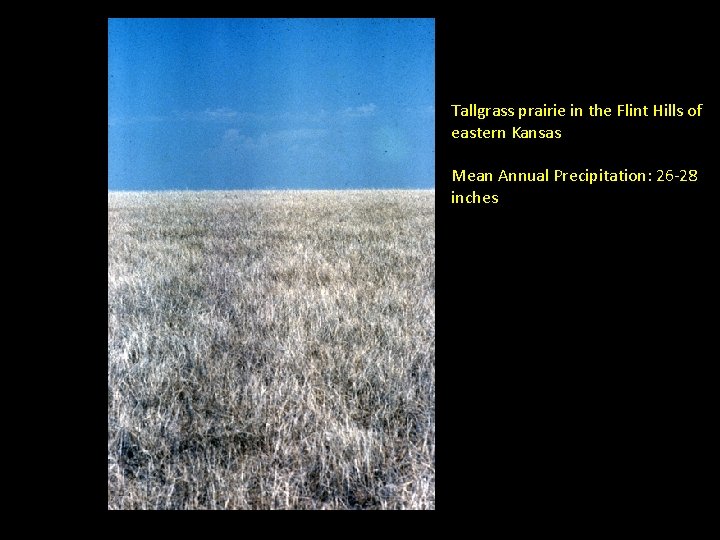
Tallgrass prairie in the Flint Hills of eastern Kansas Mean Annual Precipitation: 26 -28 inches
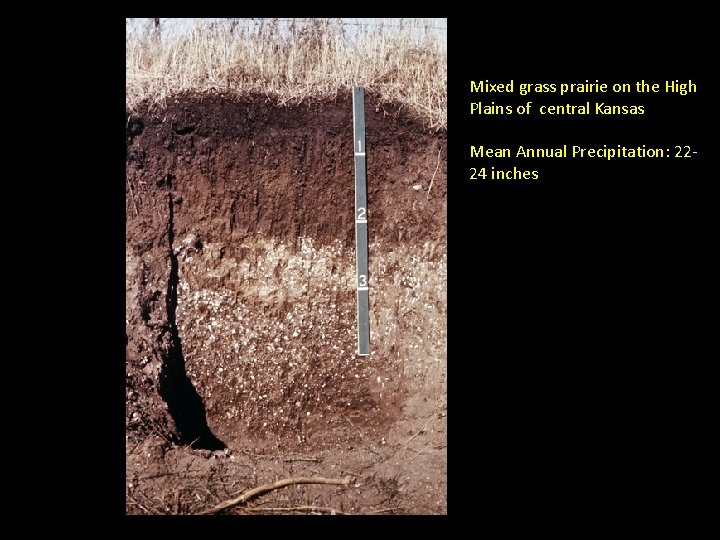
Mixed grass prairie on the High Plains of central Kansas Mean Annual Precipitation: 2224 inches
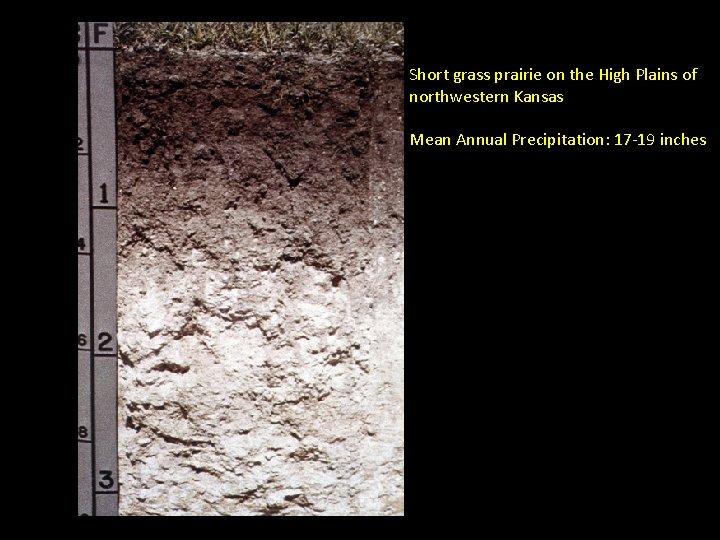
Short grass prairie on the High Plains of northwestern Kansas Mean Annual Precipitation: 17 -19 inches
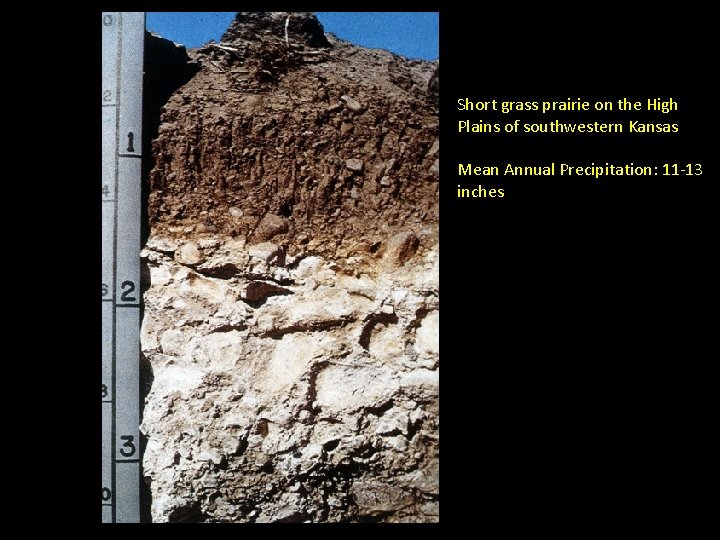
Short grass prairie on the High Plains of southwestern Kansas Mean Annual Precipitation: 11 -13 inches
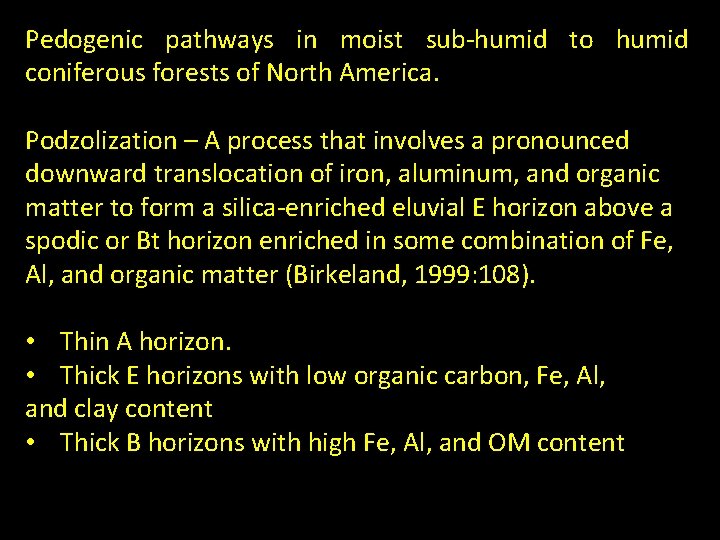
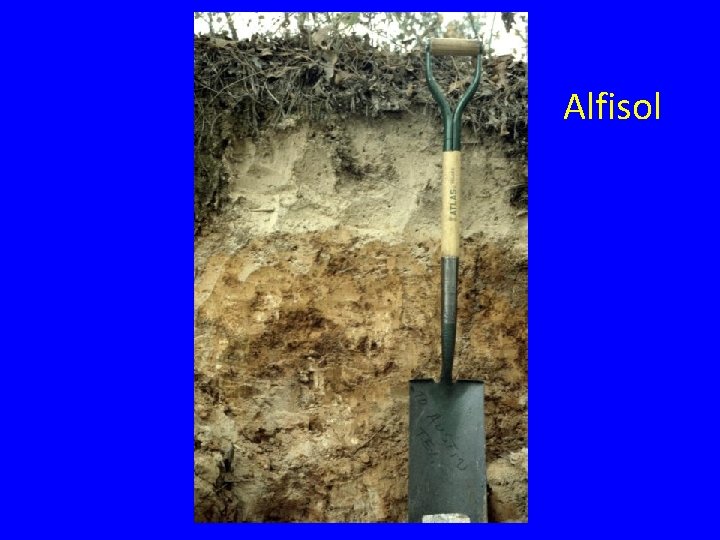
Pedogenic pathways in moist sub-humid to humid coniferous forests of North America. Podzolization – A process that involves a pronounced downward translocation of iron, aluminum, and organic matter to form a silica-enriched eluvial E horizon above a spodic or Bt horizon enriched in some combination of Fe, Al, and organic matter (Birkeland, 1999: 108). • Thin A horizon. • Thick E horizons with low organic carbon, Fe, Al, and clay content • Thick B horizons with high Fe, Al, and OM content
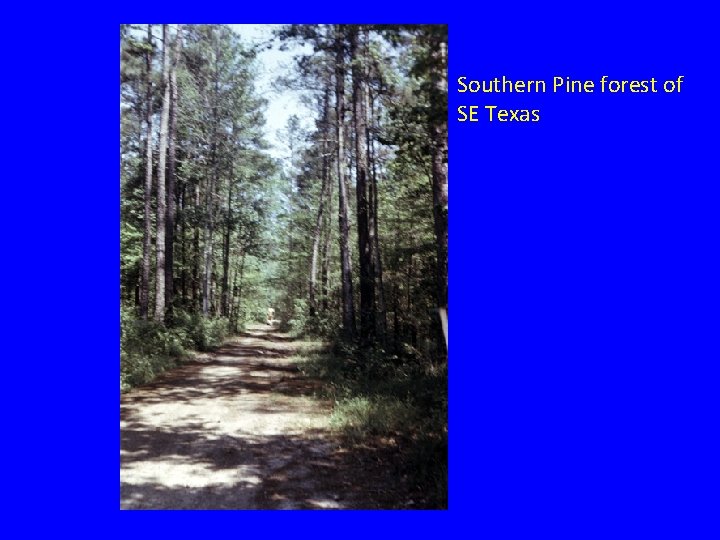
Southern Pine forest of SE Texas
Alfisol
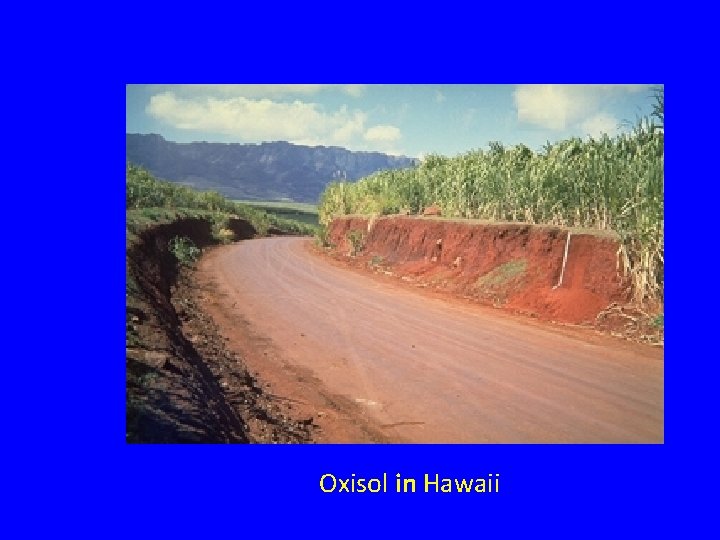
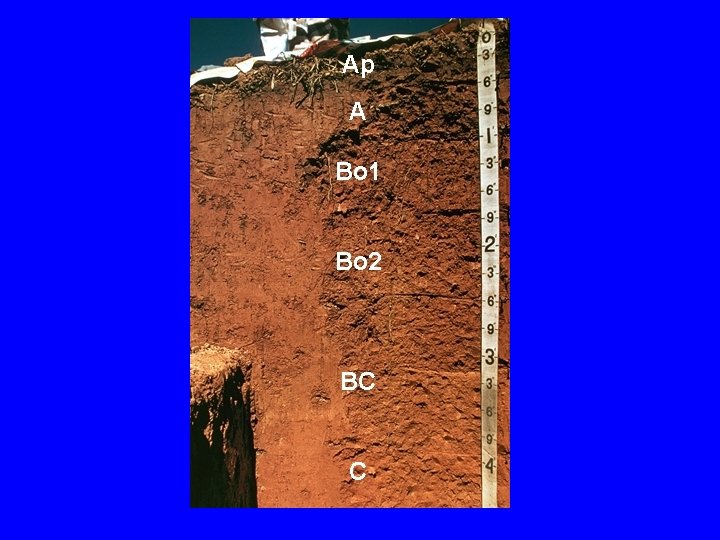
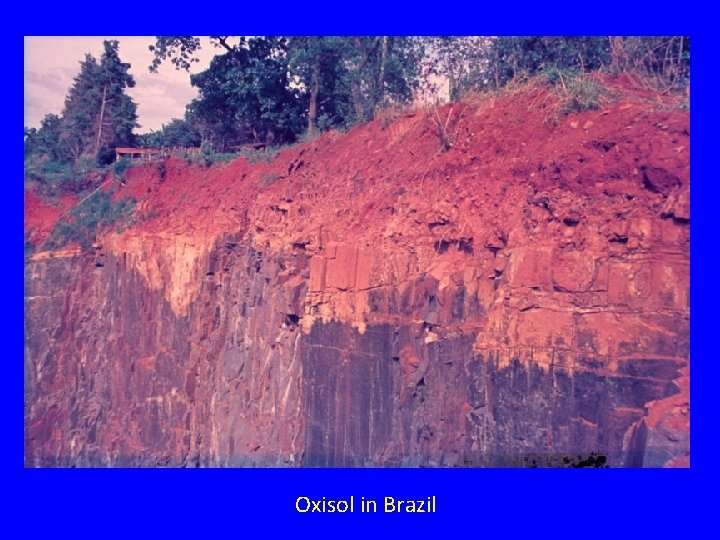
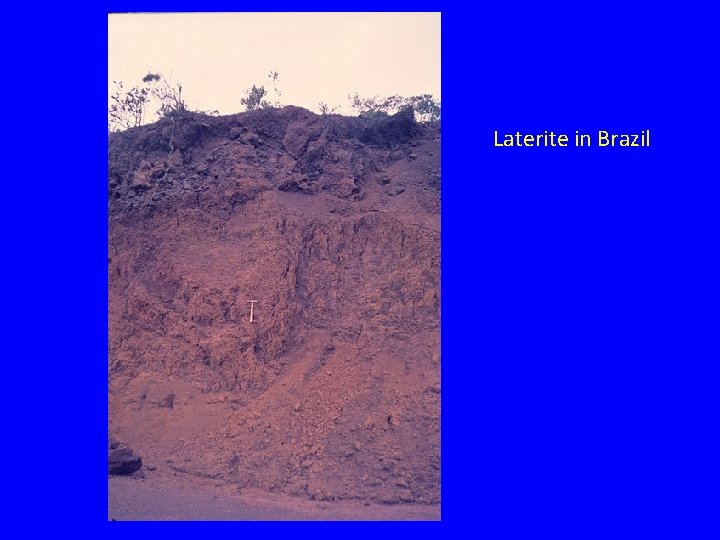
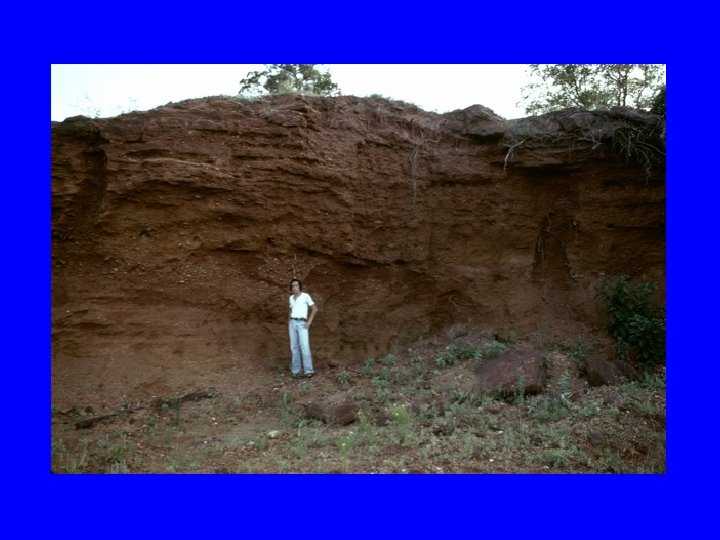
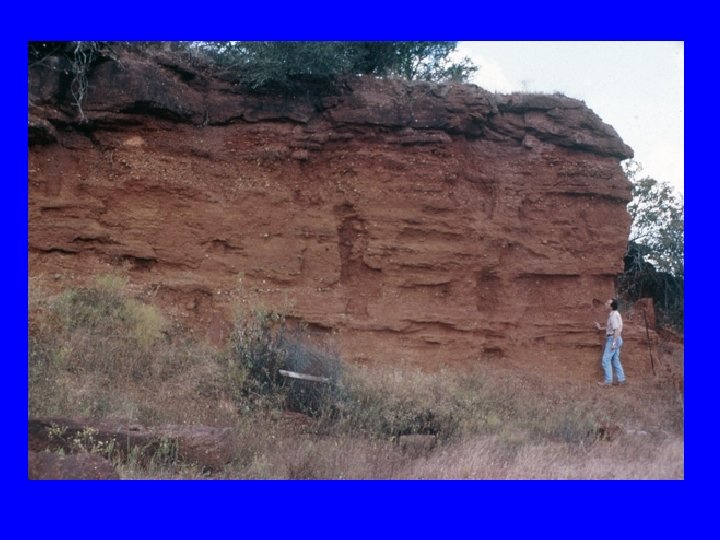
Pedogenic pathways in tropical climates. Evolution of Oxisolic or lateritic profiles – Thick (meters), deeply weathered profiles composed of highly weathered material (Birkeland, 1999: 121). Characterized by: • Massive enrichment of Fe, Al, or both, and associated oxide, hydroxide, and oxyhydoxide minerals. • Massive depletion of silicates (few original minerals are left) • Extensive depletion of bases • Formation of 1: 1 layer clay minerals, especially kaolinite • Part of the profile may harden irreversibly on drying (laterite)
Oxisol in Hawaii
Oxisol in Brazil
Laterite in Brazil
In soil science, paleosols are defined as soils that formed under past environmental conditions; the chemical and physical characteristics of paleosols are not products of the modern bioclimate. There are three types of pleosols: • Relict paleosol – at the surface • Buried paleosols • Exhumed paleosols
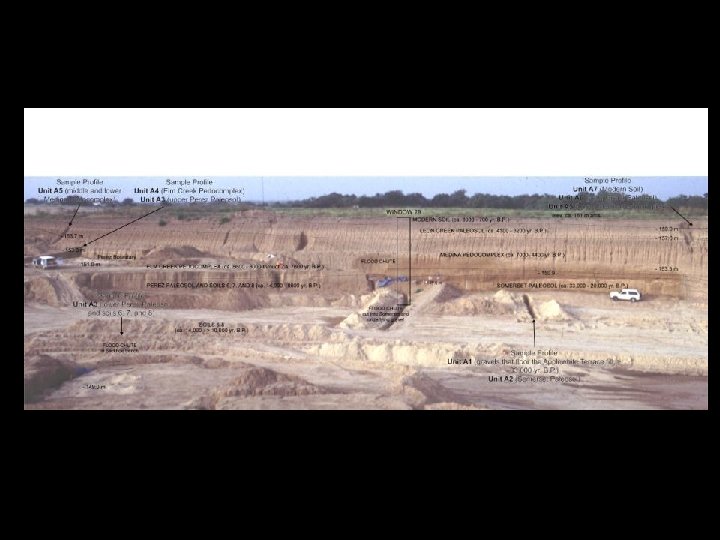
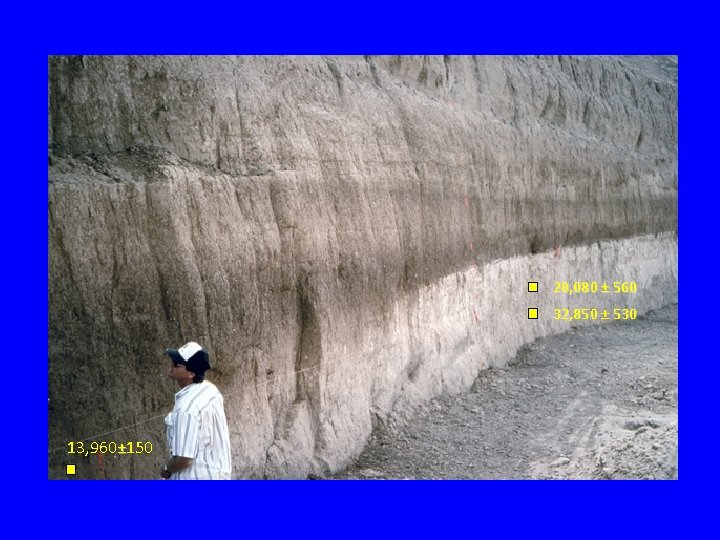
Buried Soils Buried soils represent previous land surfaces (landscapes) that were stable for long enough periods to develop recognizable soil profile characteristics.
20, 080 ± 560 32, 850 ± 530 13, 960± 150
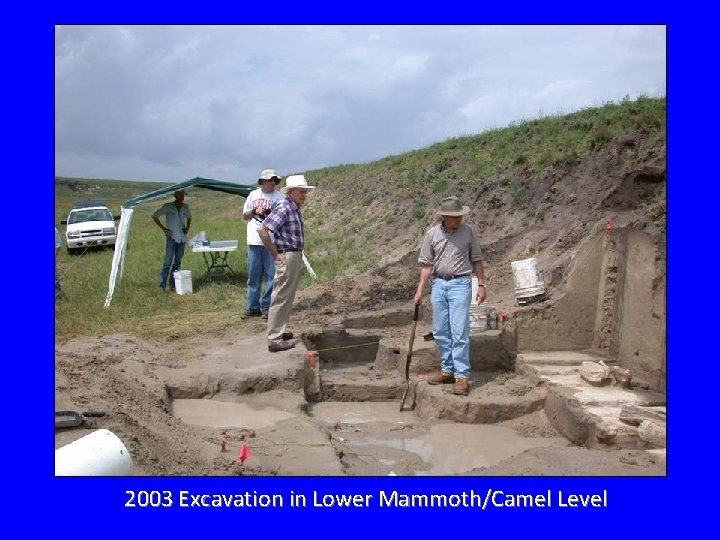
2003 Excavation in Lower Mammoth/Camel Level
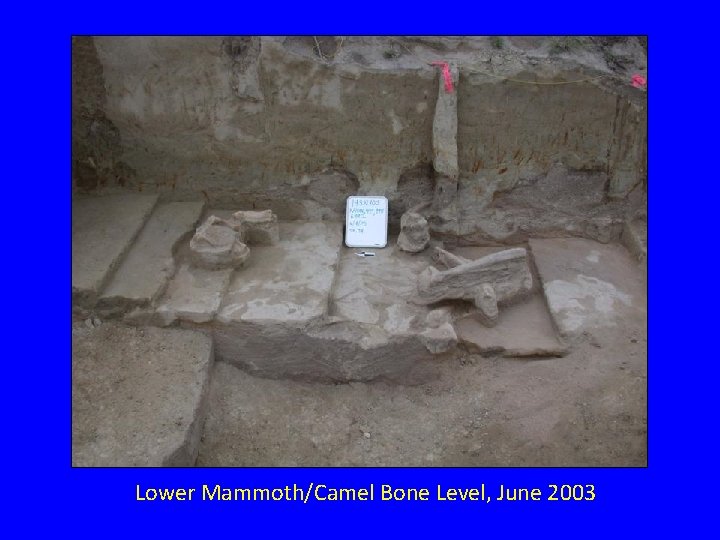
Lower Mammoth/Camel Bone Level, June 2003
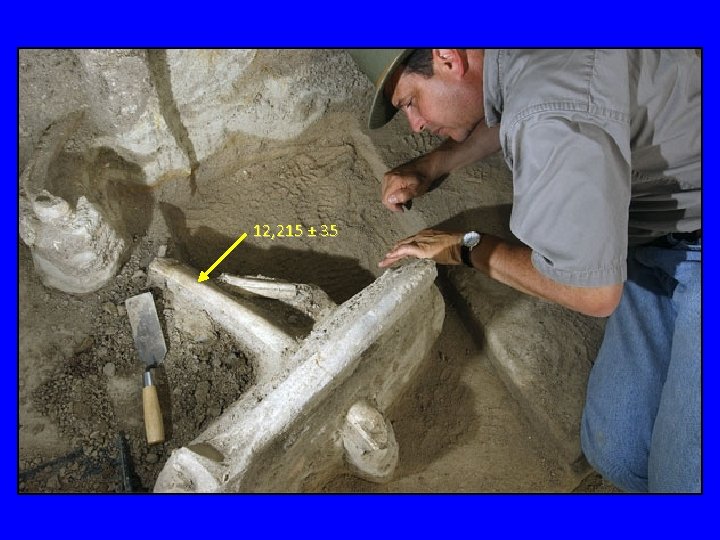
12, 215 ± 35
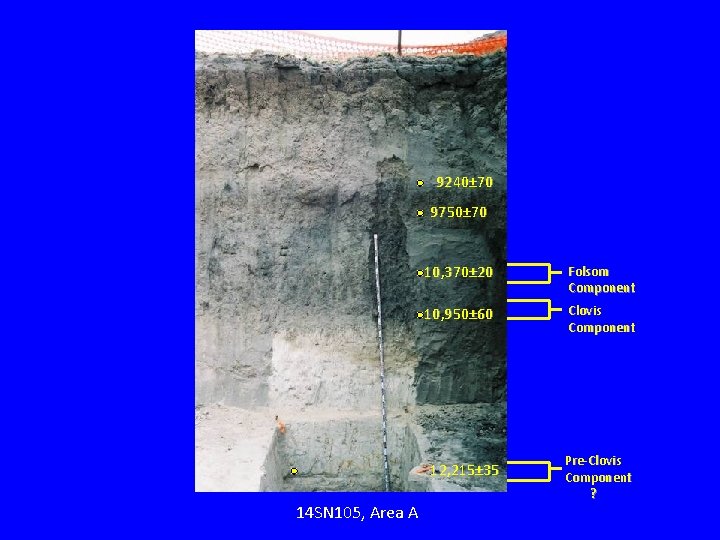
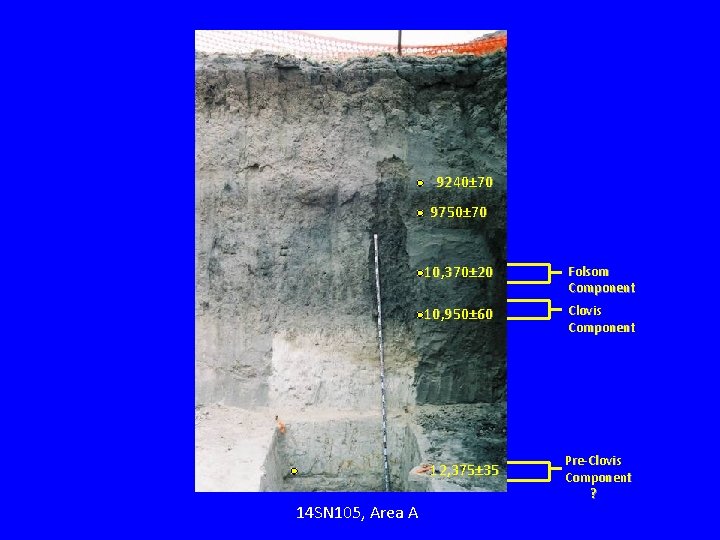
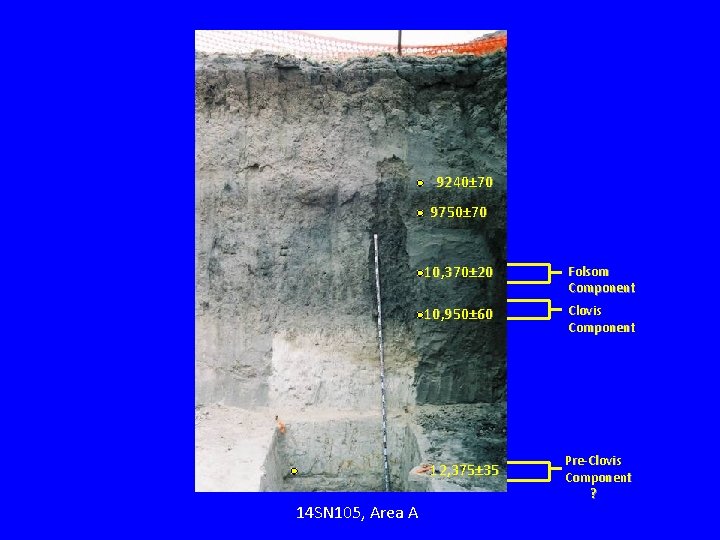
9240± 70 9750± 70 10, 370± 20 Folsom Component 10, 950± 60 Clovis Component 12, 215± 35 14 SN 105, Area A Pre-Clovis Component ?
The following fossils may be preserved in soils and can provide valuable information about climate change: Phytoliths Gastropods There is almost always some organic carbon preserved in soils – Stable carbon isotope (d 13 C) analysis.
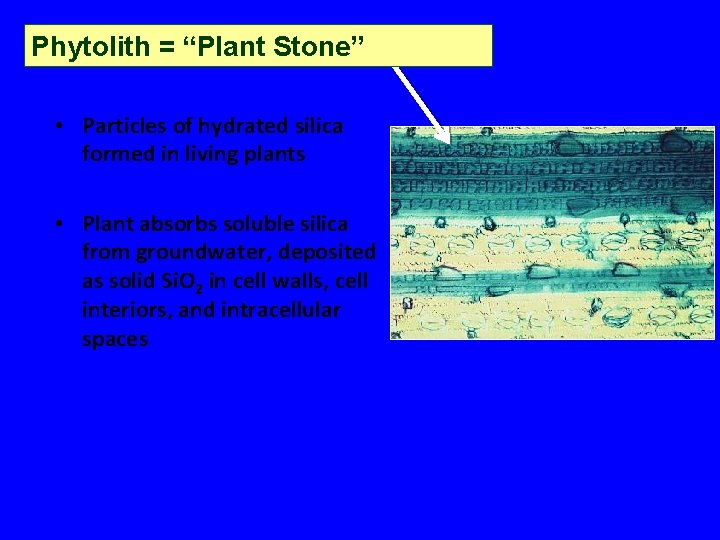
Phytolith = “Plant Stone” • Particles of hydrated silica formed in living plants • Plant absorbs soluble silica from groundwater, deposited as solid Si. O 2 in cell walls, cell interiors, and intracellular spaces
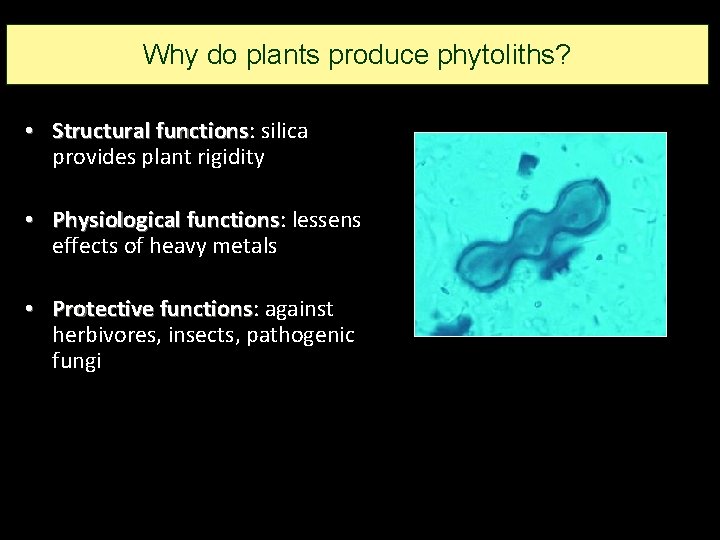
Why do plants produce phytoliths? • Structural functions: functions silica provides plant rigidity • Physiological functions: functions lessens effects of heavy metals • Protective functions: functions against herbivores, insects, pathogenic fungi
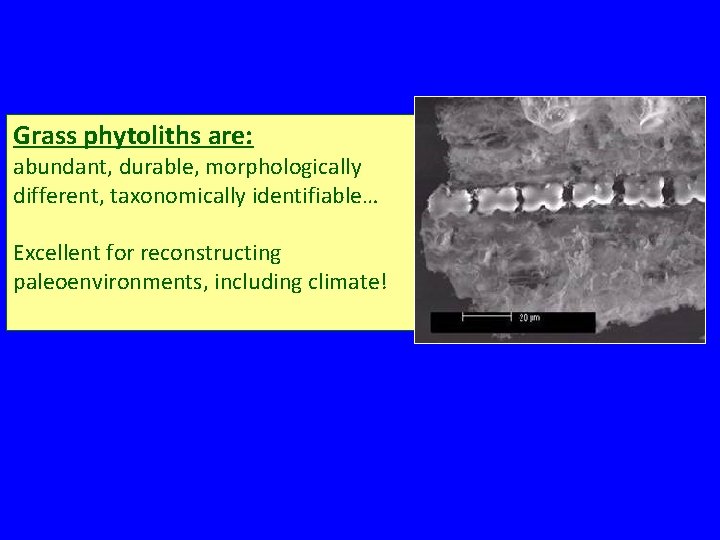
Grass phytoliths are: abundant, durable, morphologically different, taxonomically identifiable… Excellent for reconstructing paleoenvironments, including climate!
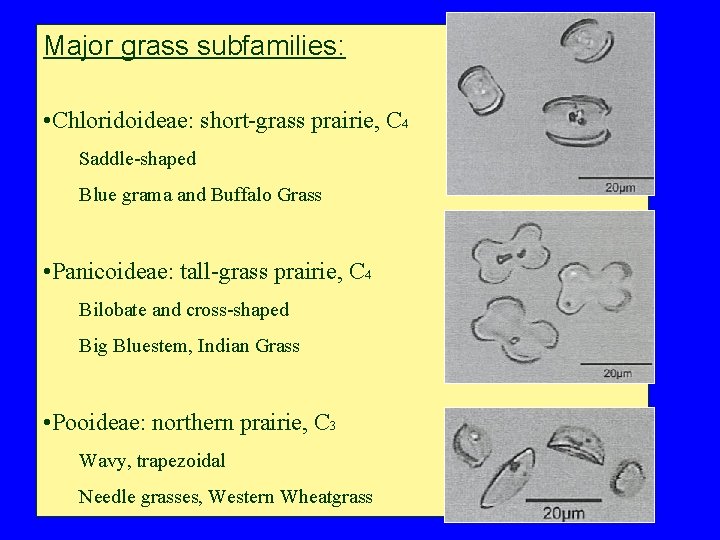
Major grass subfamilies: • Chloridoideae: short-grass prairie, C 4 Saddle-shaped Blue grama and Buffalo Grass • Panicoideae: tall-grass prairie, C 4 Bilobate and cross-shaped Big Bluestem, Indian Grass • Pooideae: northern prairie, C 3 Wavy, trapezoidal Needle grasses, Western Wheatgrass
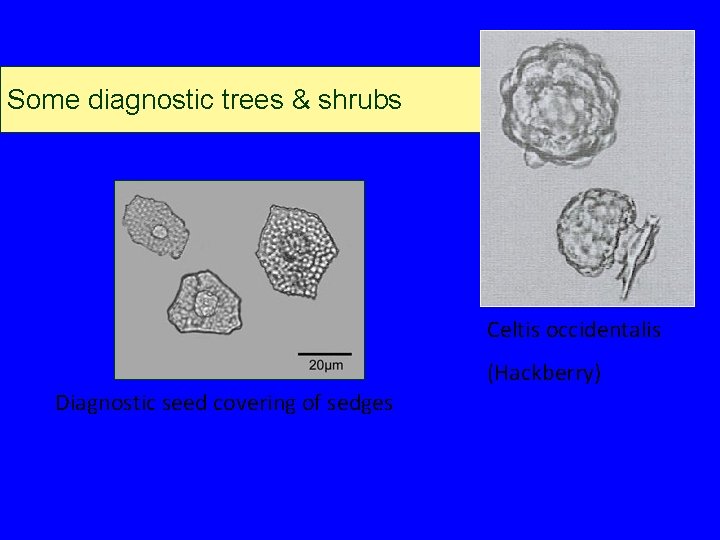
Some diagnostic trees & shrubs Celtis occidentalis (Hackberry) Diagnostic seed covering of sedges
Stable Isotope Geochemistry • Stable Carbon Isotopes in Soil Organic Matter • Stable Carbon and Oxygen Isotopes in Soil Inorganic Carbon • Oxygen Isotopes in Faunal Remains
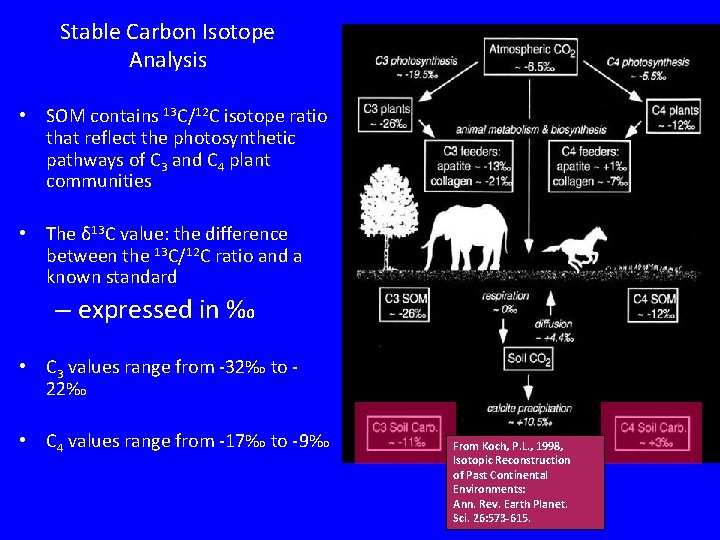
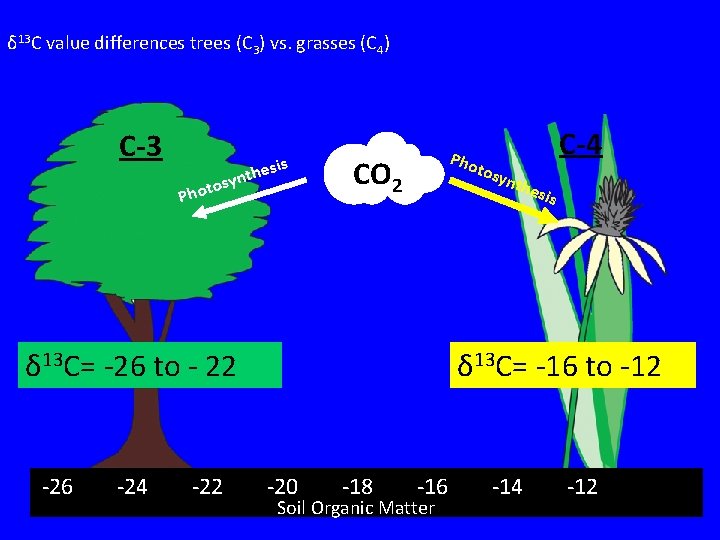
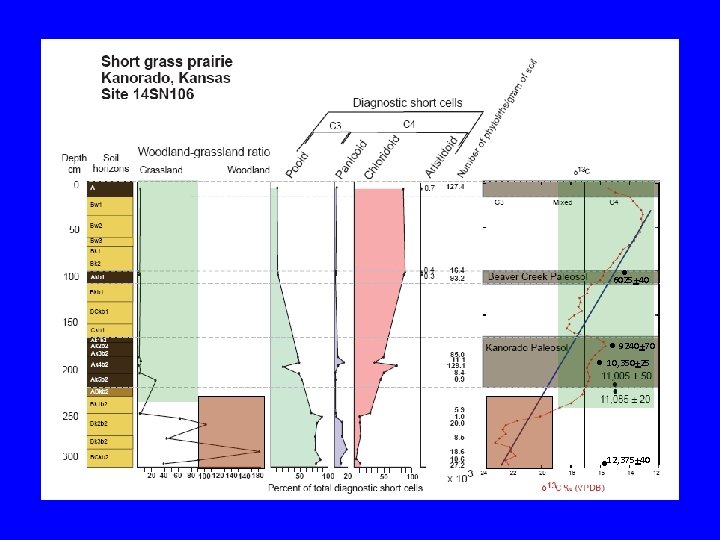
Stable Carbon Isotope Analysis • SOM contains 13 C/12 C isotope ratio that reflect the photosynthetic pathways of C 3 and C 4 plant communities • The δ 13 C value: the difference between the 13 C/12 C ratio and a known standard – expressed in ‰ • C 3 values range from -32‰ to 22‰ • C 4 values range from -17‰ to -9‰ From Koch, P. L. , 1998, Isotopic Reconstruction of Past Continental Environments: Ann. Rev. Earth Planet. Sci. 26: 573 -615.
δ 13 C value differences trees (C 3) vs. grasses (C 4) C-3 o Phot sis e h t syn Pho CO 2 δ 13 C= -26 to - 22 -26 -24 -22 C-4 tosy nth esis δ 13 C= -16 to -12 -20 -18 -16 Soil Organic Matter -14 -12
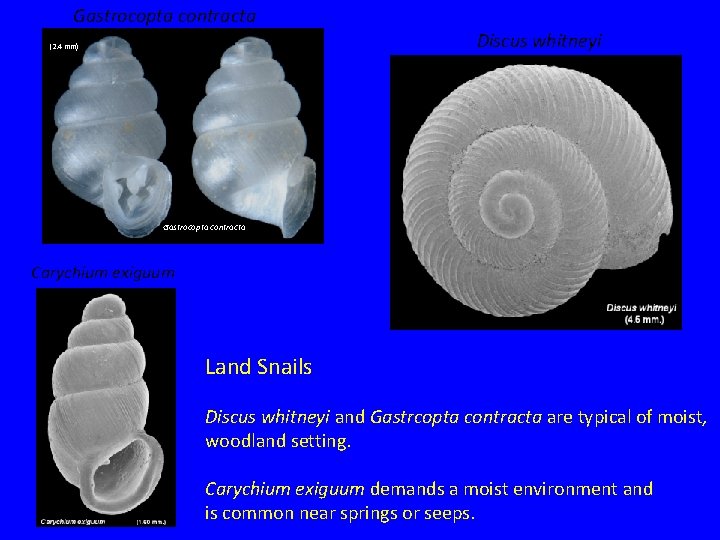
Gastrocopta contracta Discus whitneyi (2. 4 mm) Gastrocopta contracta Carychium exiguum Land Snails Discus whitneyi and Gastrcopta contracta are typical of moist, woodland setting. Carychium exiguum demands a moist environment and is common near springs or seeps.
9240± 70 9750± 70 10, 370± 20 Folsom Component 10, 950± 60 Clovis Component 12, 375± 35 14 SN 105, Area A Pre-Clovis Component ?
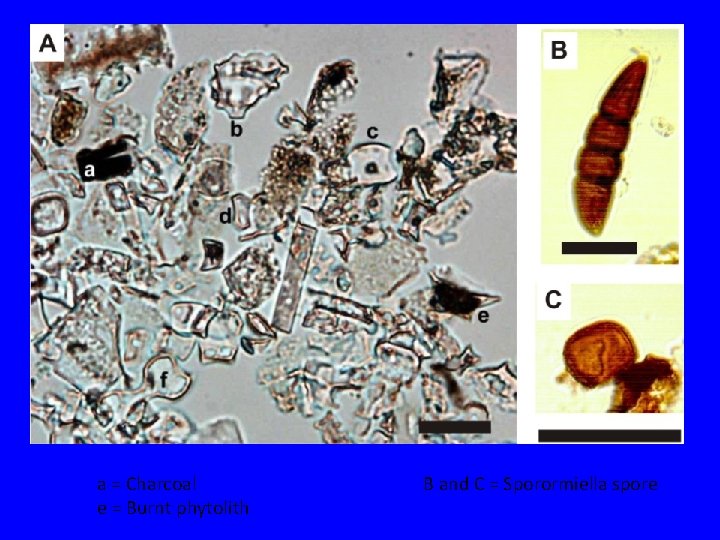
a = Charcoal e = Burnt phytolith B and C = Sporormiella spore
6025+40 9240+70 10, 350+25 12, 375+40
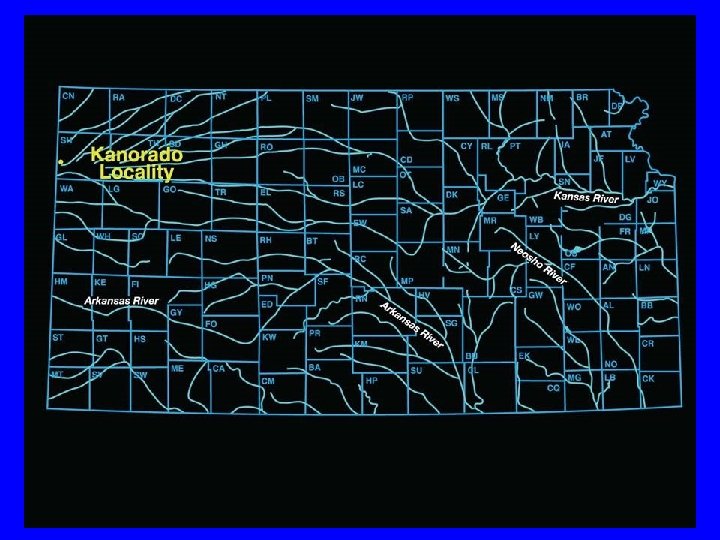
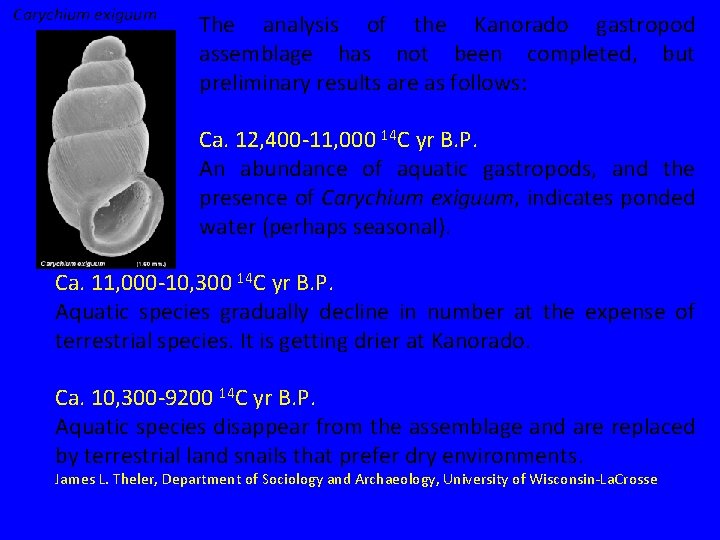
Carychium exiguum The analysis of the Kanorado gastropod assemblage has not been completed, but preliminary results are as follows: Ca. 12, 400 -11, 000 14 C yr B. P. An abundance of aquatic gastropods, and the presence of Carychium exiguum, indicates ponded water (perhaps seasonal). Ca. 11, 000 -10, 300 14 C yr B. P. Aquatic species gradually decline in number at the expense of terrestrial species. It is getting drier at Kanorado. Ca. 10, 300 -9200 14 C yr B. P. Aquatic species disappear from the assemblage and are replaced by terrestrial land snails that prefer dry environments. James L. Theler, Department of Sociology and Archaeology, University of Wisconsin-La. Crosse
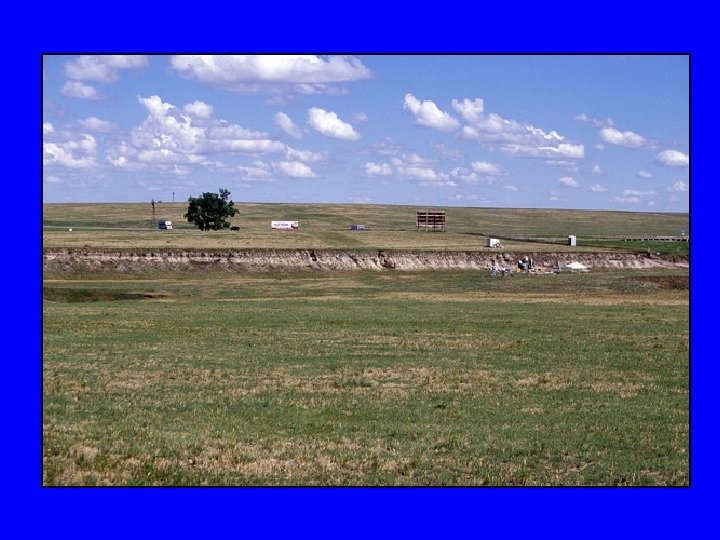
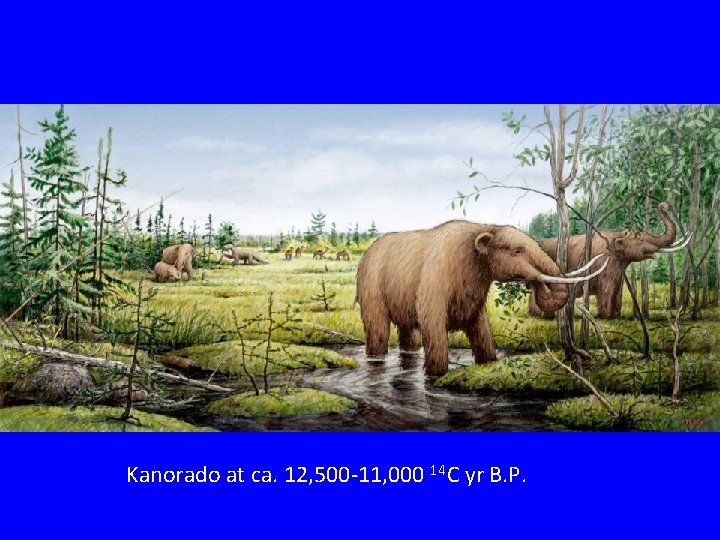
Kanorado at ca. 12, 500 -11, 000 14 C yr B. P.
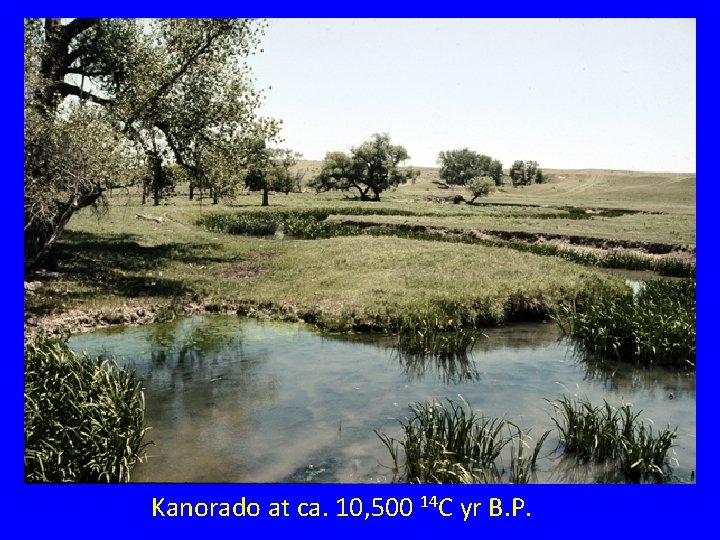
Kanorado at ca. 10, 500 14 C yr B. P.
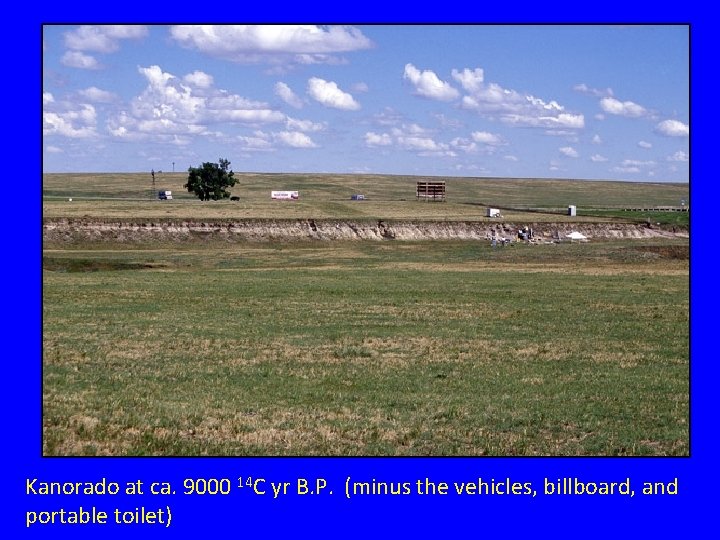
Kanorado at ca. 9000 14 C yr B. P. (minus the vehicles, billboard, and portable toilet)
9240± 70 9750± 70 10, 370± 20 Folsom Component 10, 950± 60 Clovis Component 12, 375± 35 14 SN 105, Area A Pre-Clovis Component ?
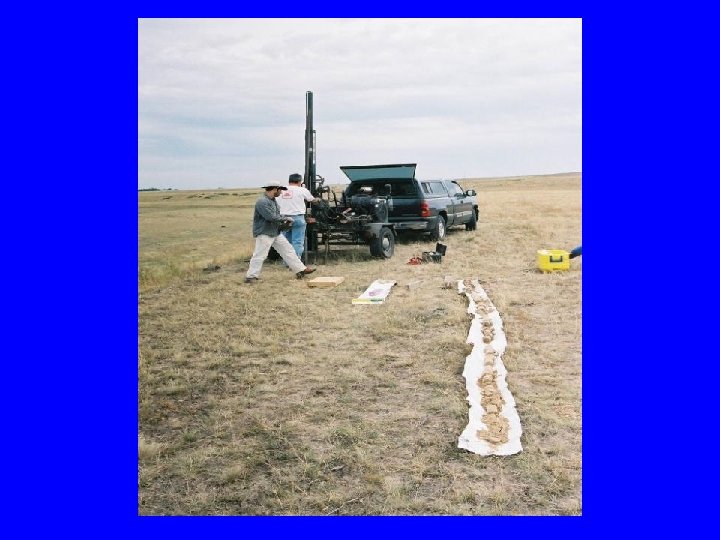
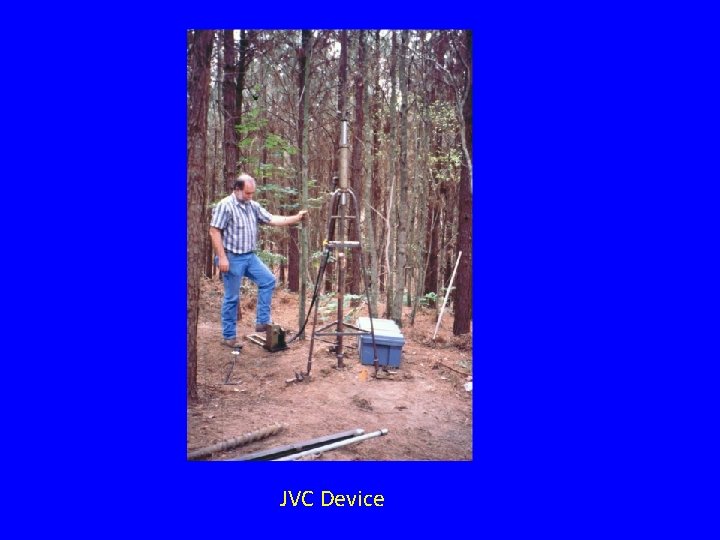
JVC Device
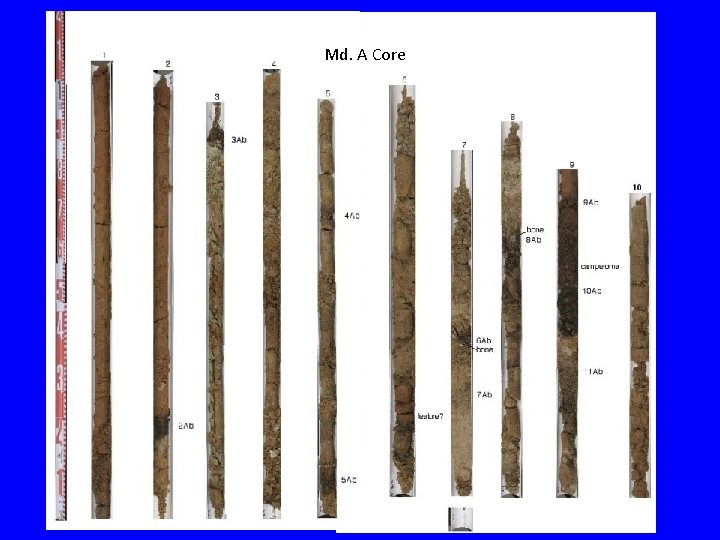
Md. A Core
Let’s look at some soil and learn something about climate change!