UNIT 1 Texas Geography Understanding the physical and

- Slides: 24
UNIT 1: Texas Geography Understanding the physical and human characteristics of our state
Era of Natural Texas and Its People • What is an era? A fixed period of time characterized by particular events, features, developments, or people. • Why do historians divide history into eras? Historians divide history into eras in order to create blocks of time that have similar characteristics in order to organize and present information about the past.
Era of Natural Texas and Its People • TEKS 1 A – Identify the major eras in Texas history, describe their defining characteristics, and explain why historians divide the past into eras, including Natural Texas and its People; Age of Contact; Spanish Colonial; Mexican National; Revolution and Republic; Early Statehood; Texas in the Civil War and Reconstruction; Cotton, Cattle, and Railroads; Age of Oil; Texas in the Great Depression and World War II; Civil Rights and Conservatism; and Contemporary Texas
6 Geographical Questions • Location • Place • Regions • Human-Environment Interaction • Human Systems • Physical Systems
Location – Where is it? • Absolute Location – The exact location of a place on the earth’s surface • Relative Location – The location of a place in relation to other places • The Absolute location and Relative location of Texas affect it in many ways – How has Texas’ relative location to Mexico affected it?
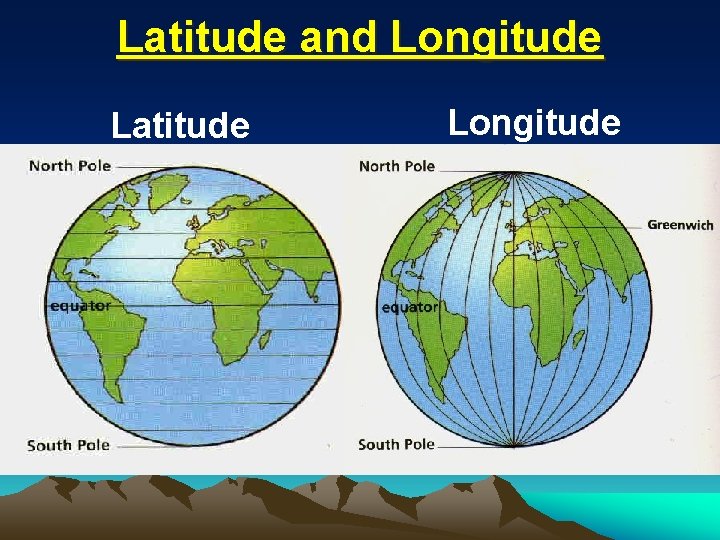
Latitude and Longitude Latitude Longitude
Using Latitude and Longitude • The Absolute Location of a place is given using latitude and longitude coordinates • Coordinates are written using a numerical measurement and a directional label. • Latitude is given first followed by longitude • (29° N, 95° W) is the approximate location of Kingwood on the earth’s surface
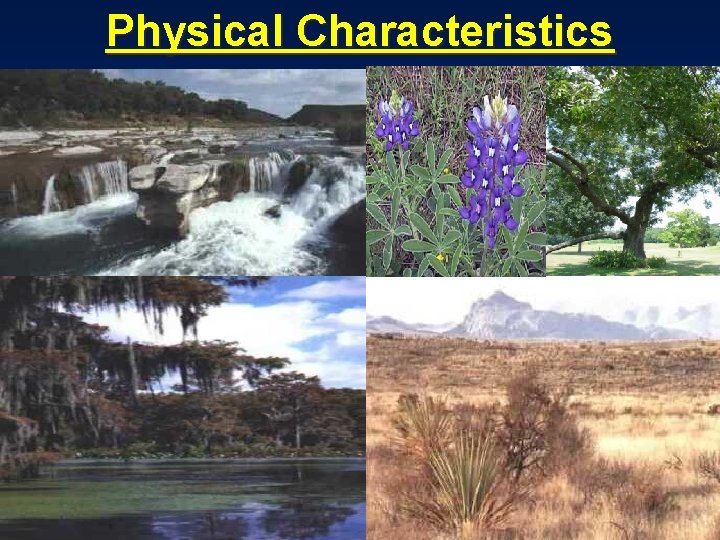
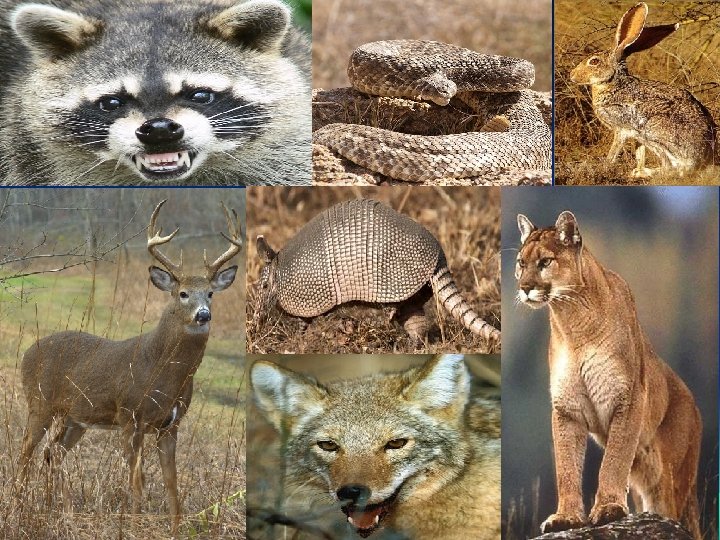
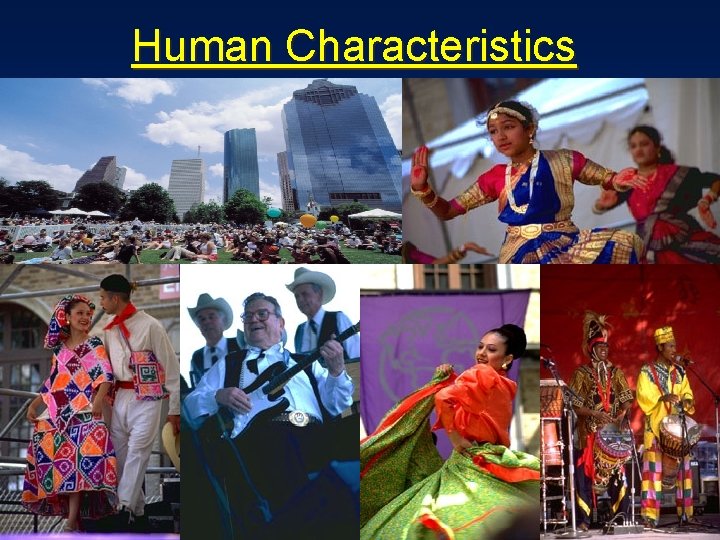
Place – What is it like? • Place refers to the physical and human characteristics of a location • Physical Characteristics include: – Landforms, Climate, plants, animals • Human Characteristics include: – Language, Religion, Architecture, Music, Politics, ways of life
Physical Characteristics
Human Characteristics
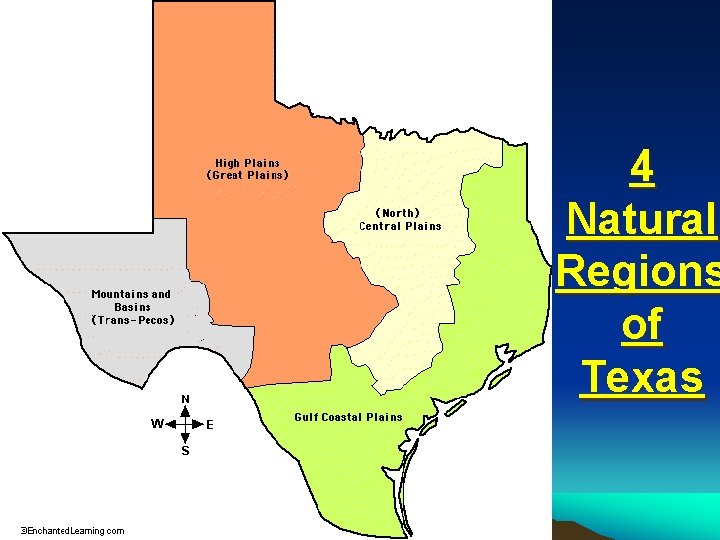
Regions – How does it compare to other places? • Geographers divide areas into regions in order to better study them. • Regions are places that are united based on common characteristics • Regions can be based on physical, human, business and other characteristics
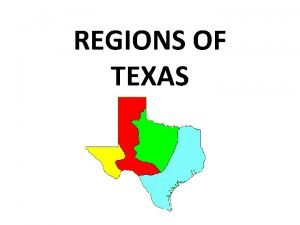
4 Natural Regions of Texas
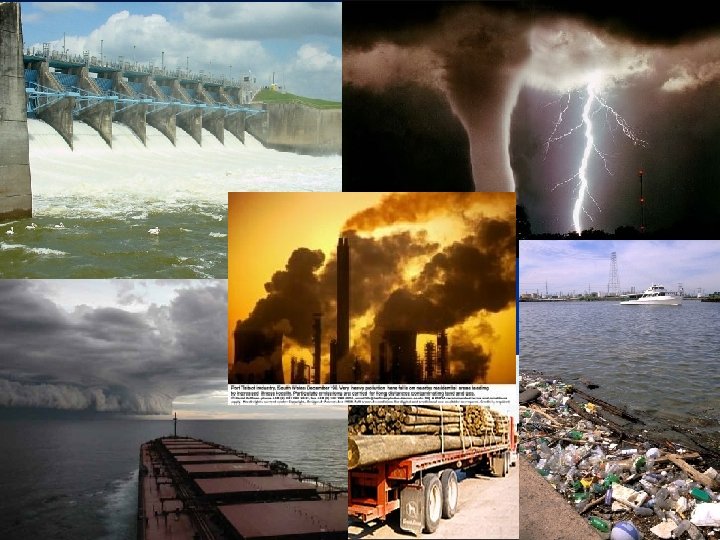
Human-Environment Interaction How do humans react to their environment and how does it affect them? • Ex: Pollution Deforestation Hurricanes/Tornadoes Farming Damming Rivers to make lakes
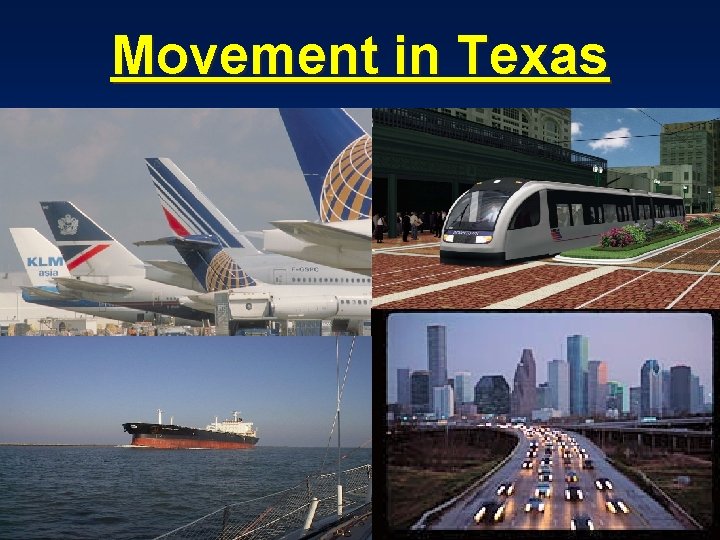
Human Systems • Movement - How people move through the environment • Cultural Diffusion - new ideas brought by migrating people become widely accepted. • People bring ideas and goods with them when they move from one place to another.
Physical Systems • Geographers analyze physical systems such as mountains, volcanoes, hurricanes, glaciers to see how they interact with and shape places and regions. • They also study plant and animal ecosystems that depend on each other and their surroundings in places and regions for their survival.
Movement in Texas
Why Geography? • Geography prepares us for modern life • People, businesses, governments depend on geography everyday to meet their needs • Computer software such as GIS and GPS use geography to help people
Sizing Up Texas • Second largest U. S. State • The area of Texas is 267, 277 square miles • Some parts of Texas are closer to the capitals of other states than to Austin.
Sizing Up Texas • Texas is the size of all of these states combined: New York Pennsylvania Ohio Illinois Connecticut Rhode Island Massachusetts Vermont New Hampshire New Jersey Maine
Sizing Up Texas • El Paso, Texas is closer to the Pacific Ocean than to Houston. • Some students in Texas live 4 hrs from the nearest school • How could these geographic facts affect Texas?
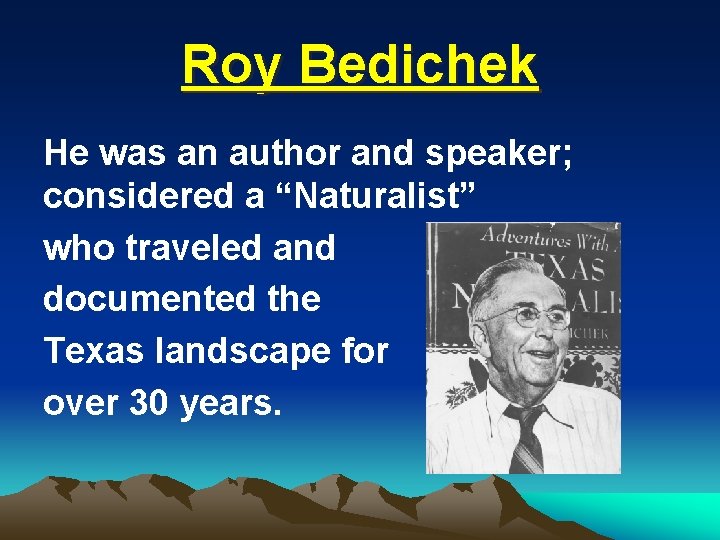
Roy Bedichek He was an author and speaker; considered a “Naturalist” who traveled and documented the Texas landscape for over 30 years.