Trisynaptic Circuit HippocampalCortical Circuitry AMNESIA NOT A SOAP


- Slides: 55
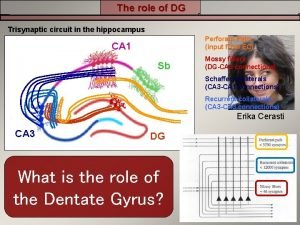
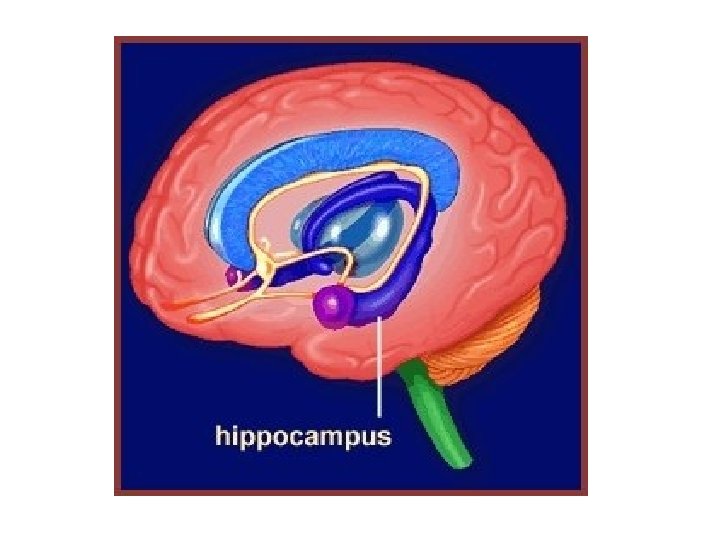
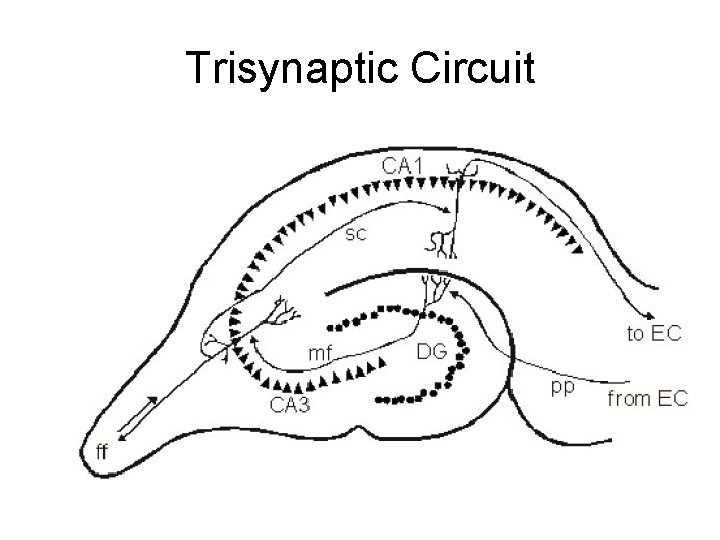
Trisynaptic Circuit
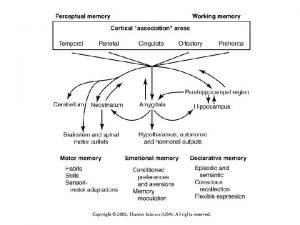
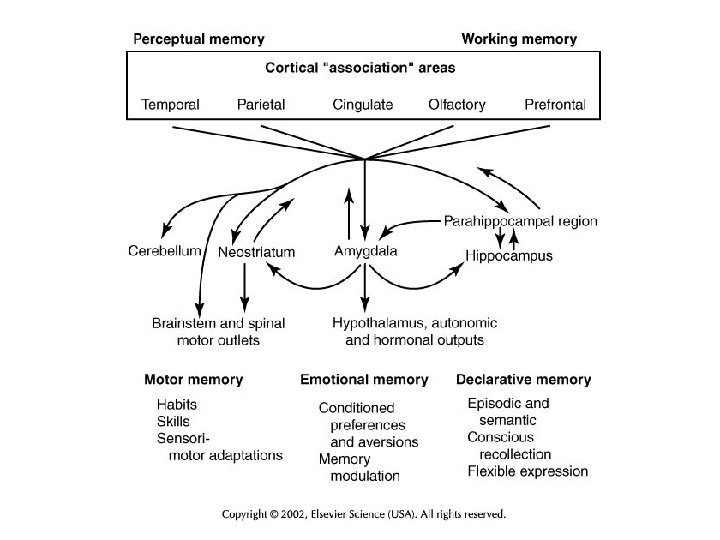
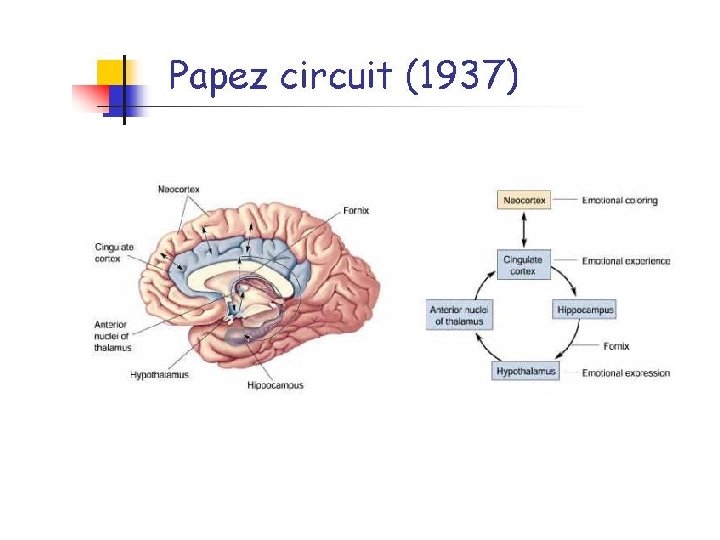
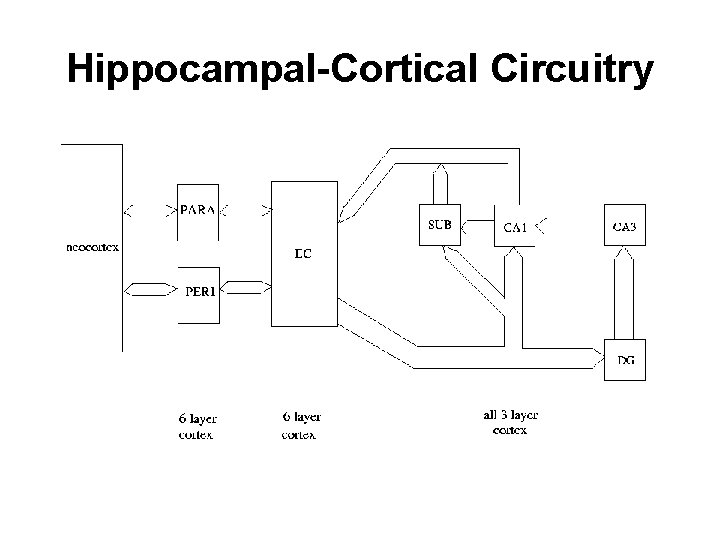
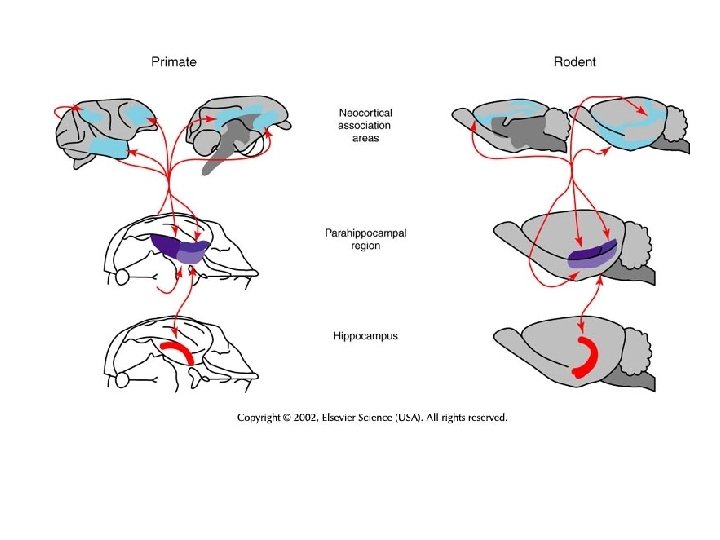
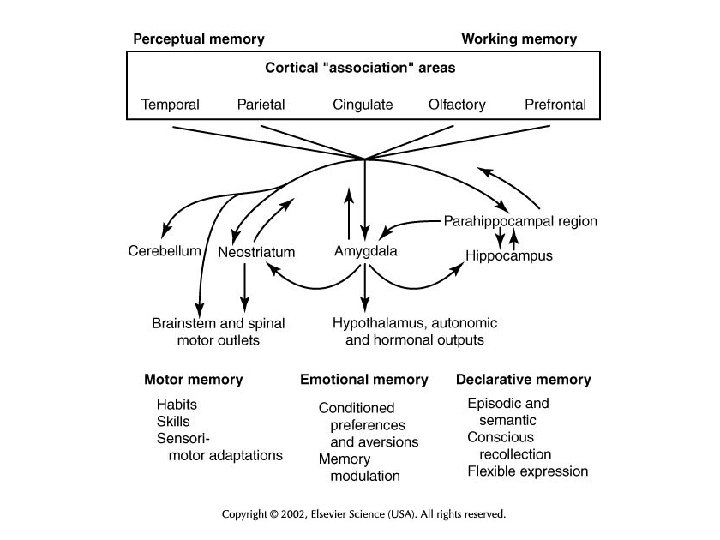
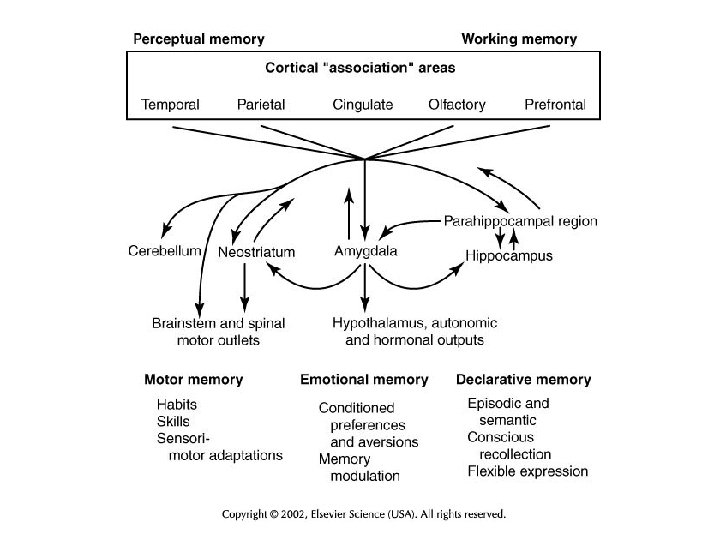
Hippocampal-Cortical Circuitry
AMNESIA…… …………. . NOT A SOAP OPERA
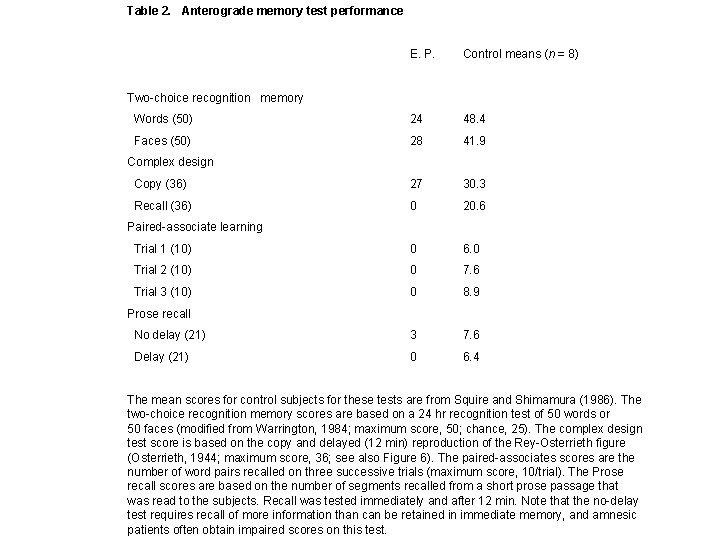
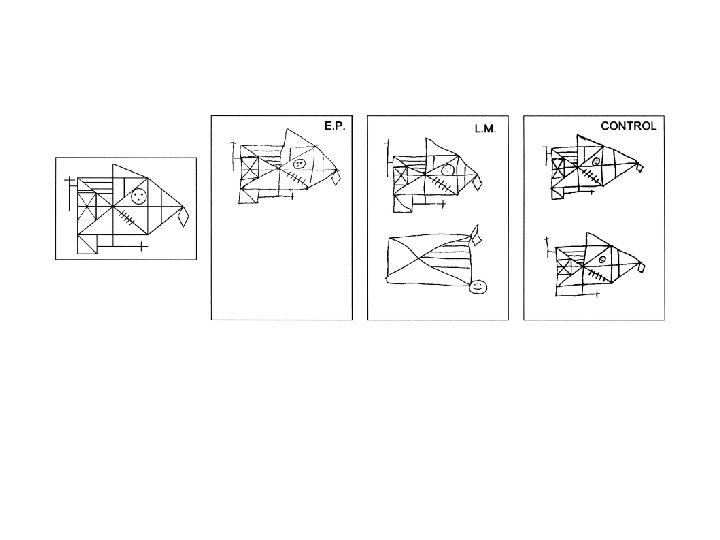
Table 2. Anterograde memory test performance E. P. Control means (n = 8) Words (50) 24 48. 4 Faces (50) 28 41. 9 Copy (36) 27 30. 3 Recall (36) 0 20. 6 Trial 1 (10) 0 6. 0 Trial 2 (10) 0 7. 6 Trial 3 (10) 0 8. 9 No delay (21) 3 7. 6 Delay (21) 0 6. 4 Two-choice recognition memory Complex design Paired-associate learning Prose recall The mean scores for control subjects for these tests are from Squire and Shimamura (1986). The two-choice recognition memory scores are based on a 24 hr recognition test of 50 words or 50 faces (modified from Warrington, 1984; maximum score, 50; chance, 25). The complex design test score is based on the copy and delayed (12 min) reproduction of the Rey-Osterrieth figure (Osterrieth, 1944; maximum score, 36; see also Figure 6). The paired-associates scores are the number of word pairs recalled on three successive trials (maximum score, 10/trial). The Prose recall scores are based on the number of segments recalled from a short prose passage that was read to the subjects. Recall was tested immediately and after 12 min. Note that the no-delay test requires recall of more information than can be retained in immediate memory, and amnesic patients often obtain impaired scores on this test.
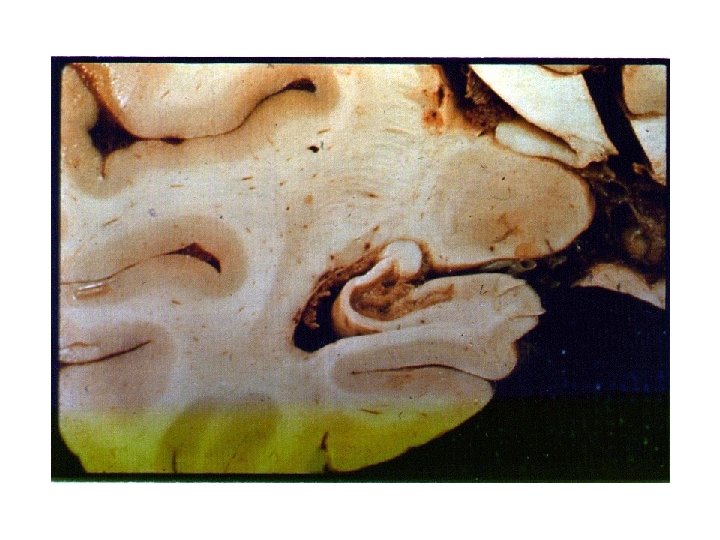
• Next Slide will show a damaged hippocampus…. . Hypoxia; hippocampus: Another area of selective vulnerability is the hippocampus. In this slide the hippocampus is shrunken, cavitated and discolored, the result of a severe episode of hypoxia.
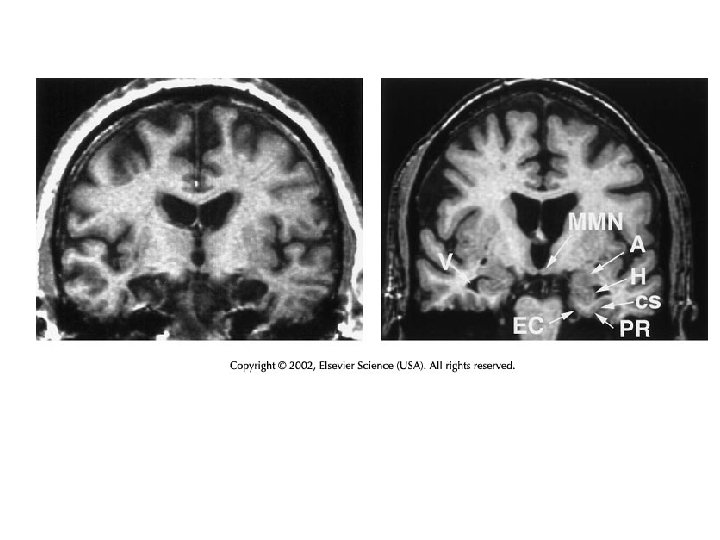
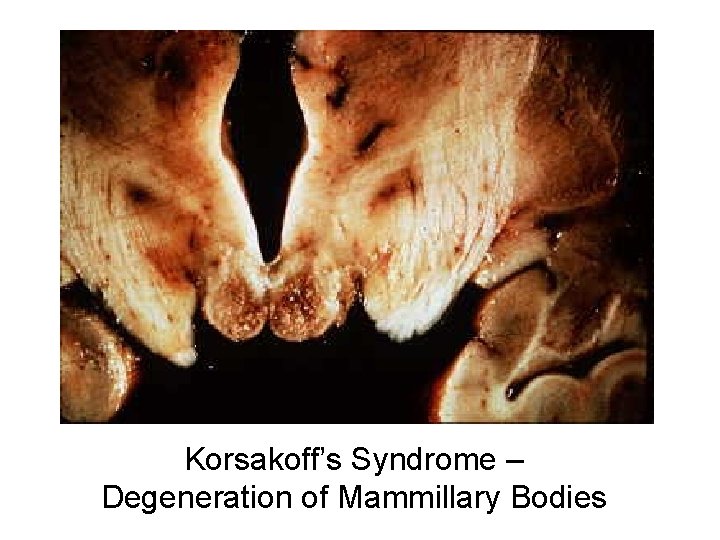
Korsakoff’s Syndrome – Degeneration of Mammillary Bodies
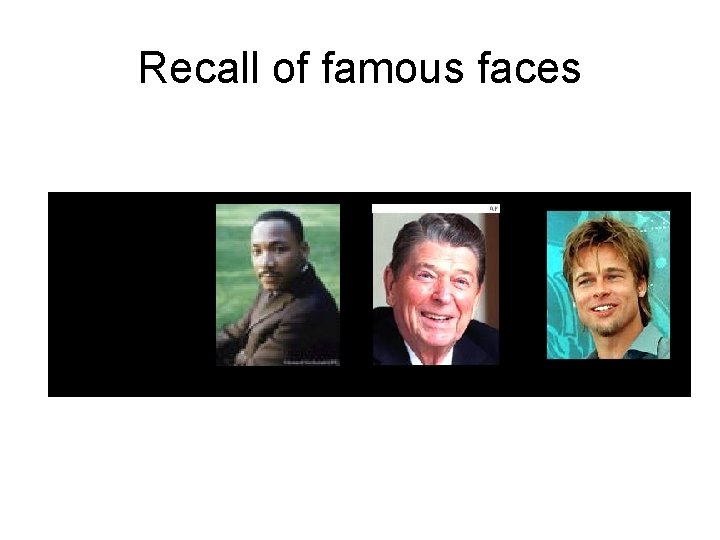
Recall of famous faces
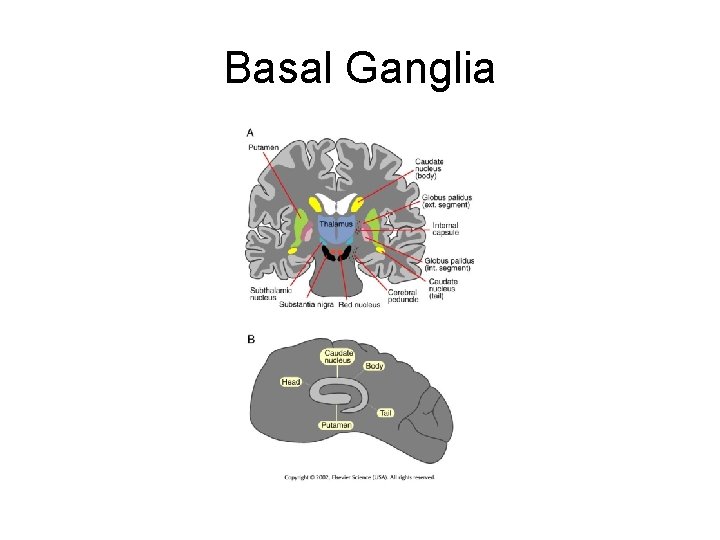
Basal Ganglia
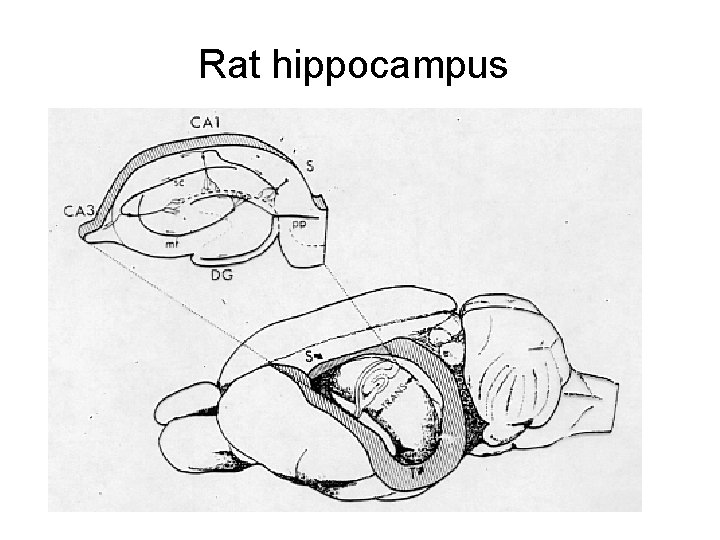
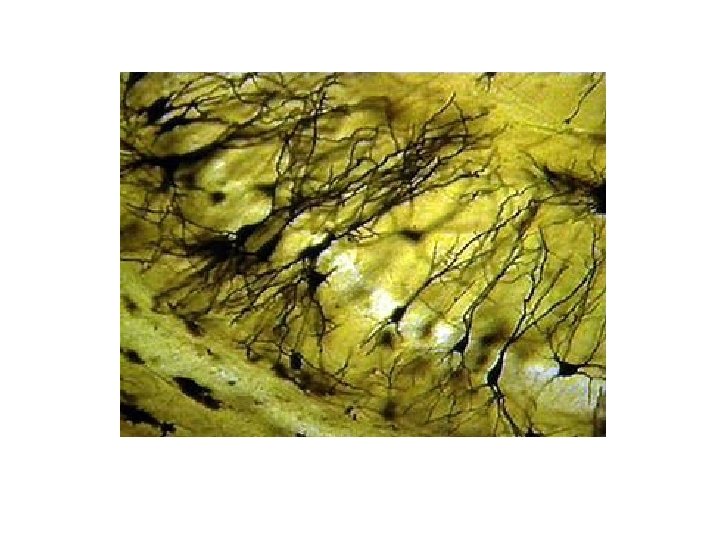
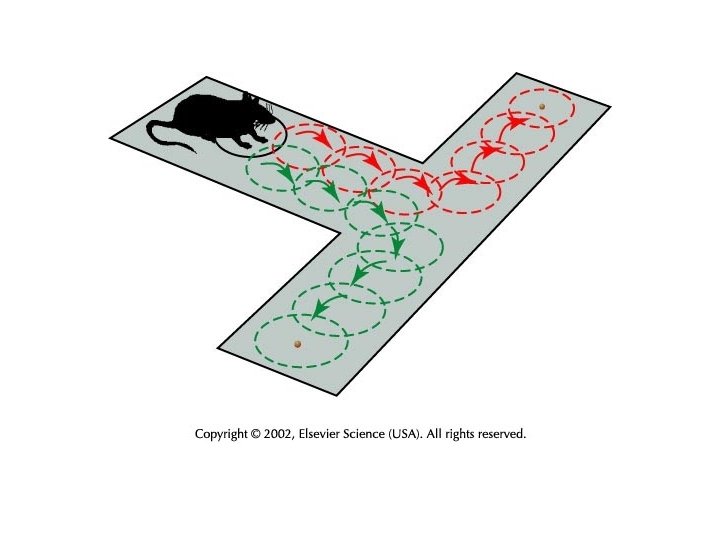
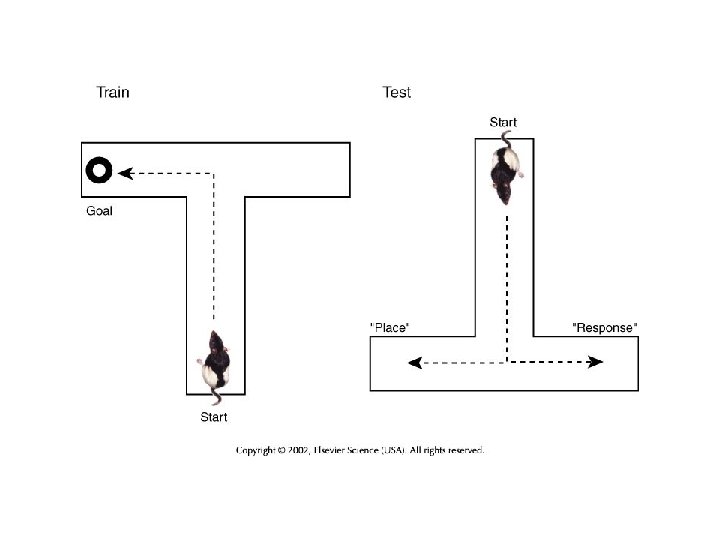
Rat hippocampus
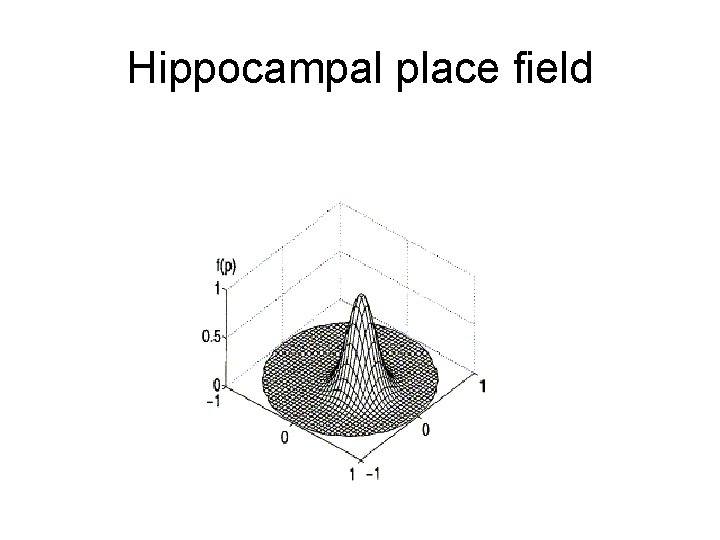
Hippocampal place field
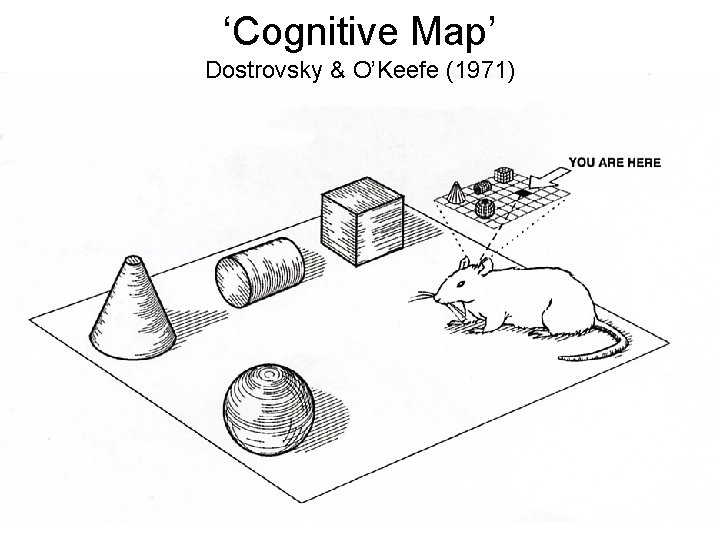
‘Cognitive Map’ Dostrovsky & O’Keefe (1971)
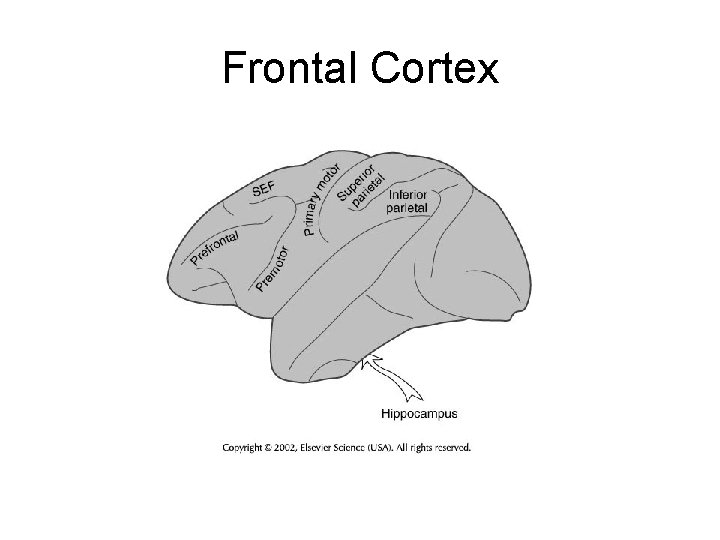
Frontal Cortex
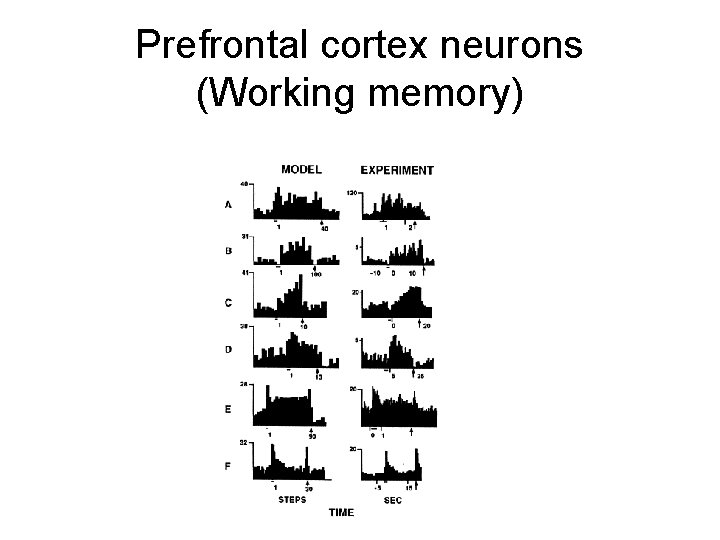
Prefrontal cortex neurons (Working memory)
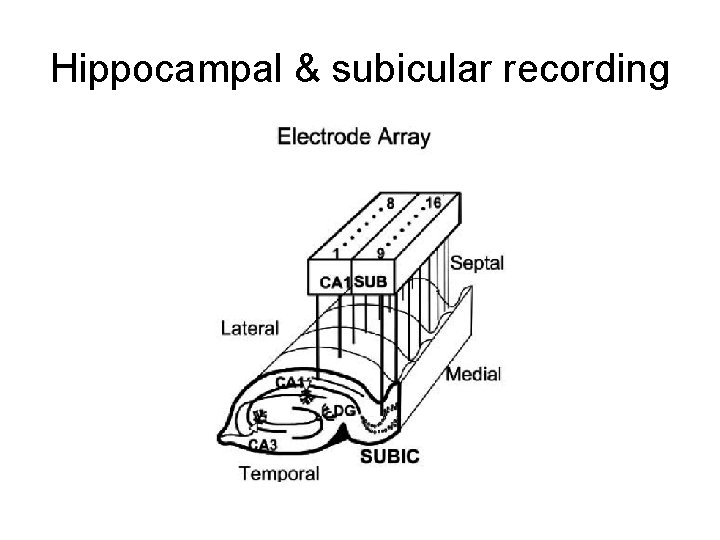
Hippocampal & subicular recording
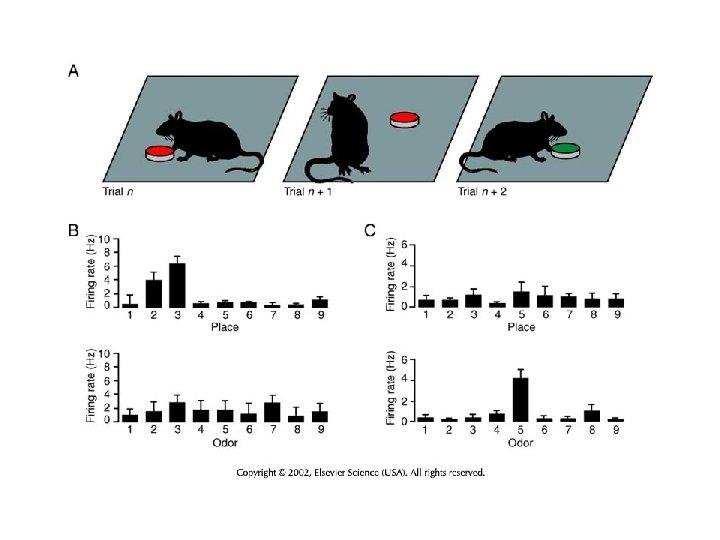
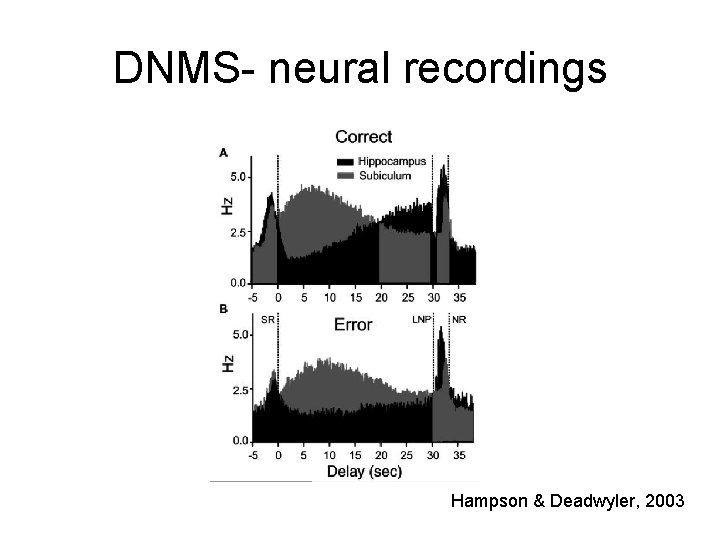
DNMS- neural recordings Hampson & Deadwyler, 2003