Space Exploration DESMA 9 Art Science and Technology





- Slides: 60
Space Exploration DESMA 9: Art, Science and Technology “ "Eventually, everything connects. "—Charles Eames
PARADIGM SHIFTS brought on by NANOTECH: FEELING is BELIEVING BOTTOM UP SCIENCE NEEDS ART
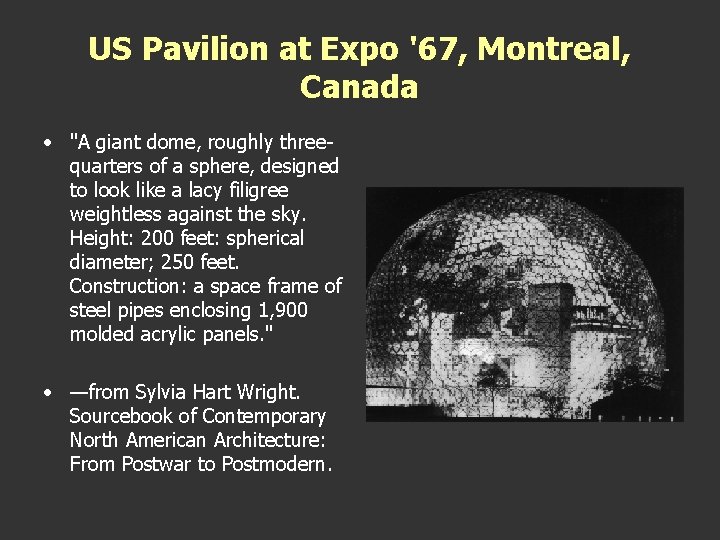
US Pavilion at Expo '67, Montreal, Canada • "A giant dome, roughly threequarters of a sphere, designed to look like a lacy filigree weightless against the sky. Height: 200 feet: spherical diameter; 250 feet. Construction: a space frame of steel pipes enclosing 1, 900 molded acrylic panels. " • —from Sylvia Hart Wright. Sourcebook of Contemporary North American Architecture: From Postwar to Postmodern.
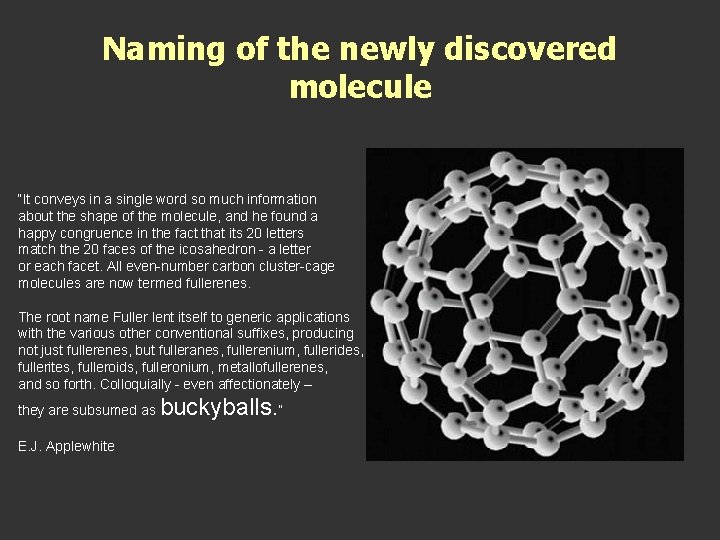
Naming of the newly discovered molecule “It conveys in a single word so much information about the shape of the molecule, and he found a happy congruence in the fact that its 20 letters match the 20 faces of the icosahedron - a letter or each facet. All even-number carbon cluster-cage molecules are now termed fullerenes. The root name Fuller lent itself to generic applications with the various other conventional suffixes, producing not just fullerenes, but fulleranes, fullerenium, fullerides, fullerites, fulleroids, fulleronium, metallofullerenes, and so forth. Colloquially - even affectionately – they are subsumed as E. J. Applewhite buckyballs. ”
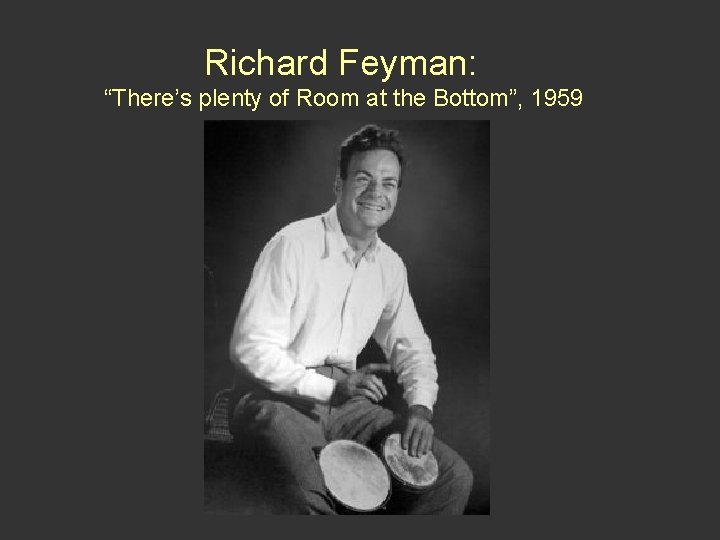
Richard Feyman: “There’s plenty of Room at the Bottom”, 1959
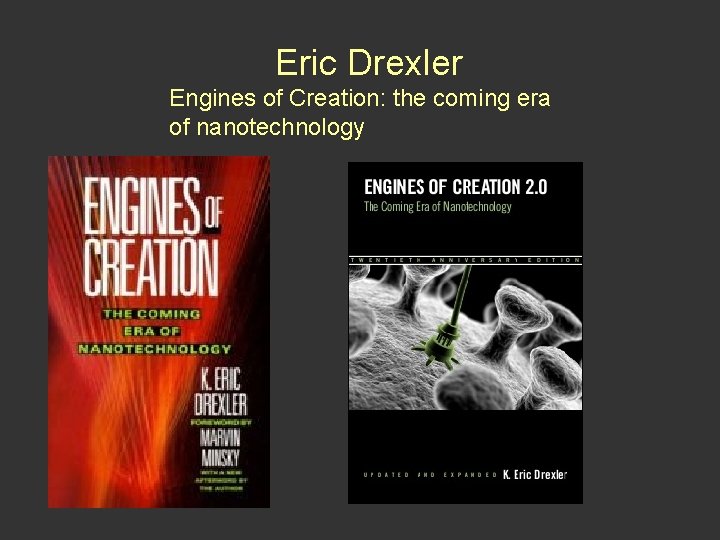
Eric Drexler Engines of Creation: the coming era of nanotechnology
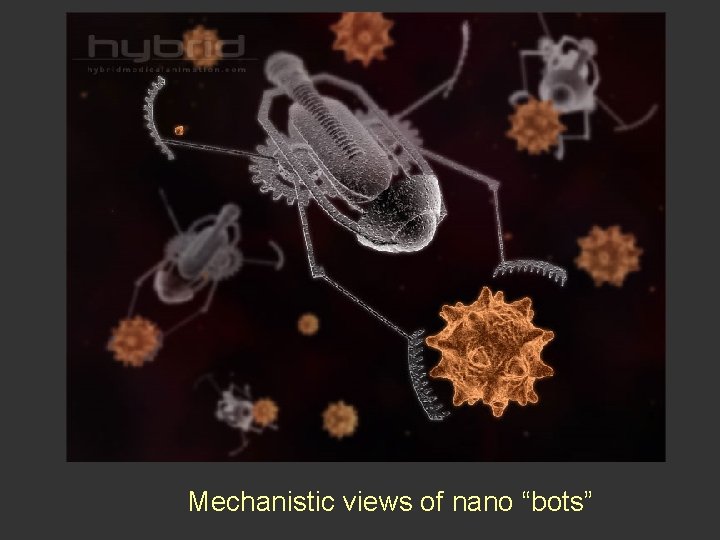
Mechanistic views of nano “bots”
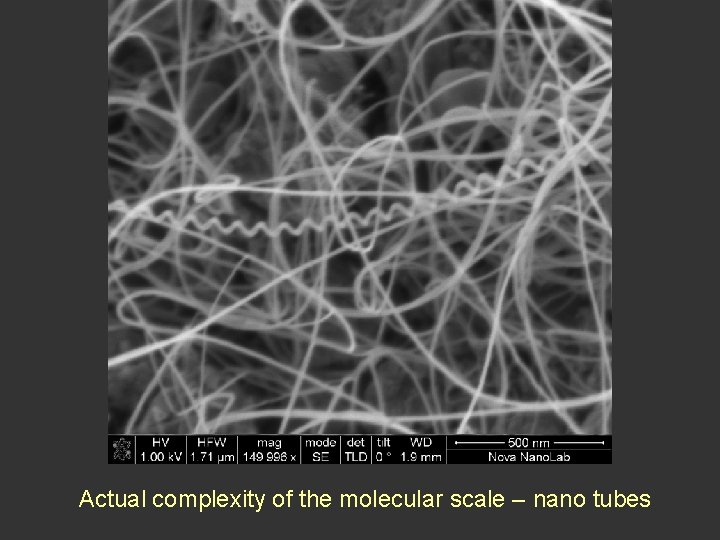
Actual complexity of the molecular scale – nano tubes
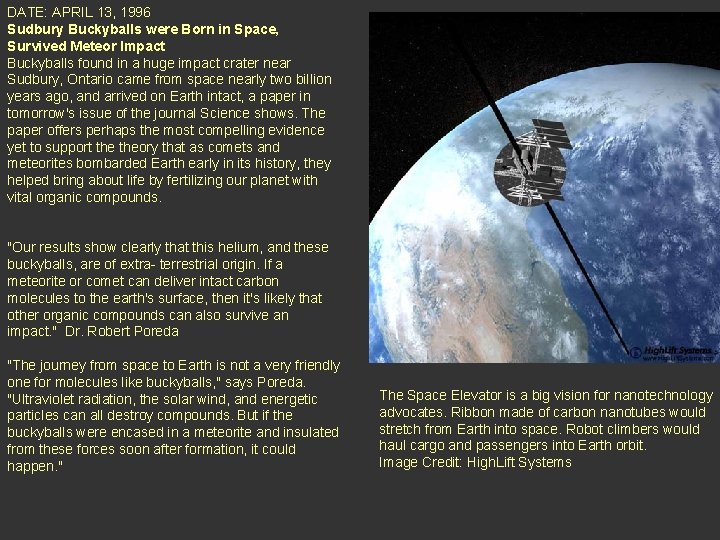
DATE: APRIL 13, 1996 Sudbury Buckyballs were Born in Space, Survived Meteor Impact Buckyballs found in a huge impact crater near Sudbury, Ontario came from space nearly two billion years ago, and arrived on Earth intact, a paper in tomorrow's issue of the journal Science shows. The paper offers perhaps the most compelling evidence yet to support theory that as comets and meteorites bombarded Earth early in its history, they helped bring about life by fertilizing our planet with vital organic compounds. "Our results show clearly that this helium, and these buckyballs, are of extra- terrestrial origin. If a meteorite or comet can deliver intact carbon molecules to the earth's surface, then it's likely that other organic compounds can also survive an impact. " Dr. Robert Poreda "The journey from space to Earth is not a very friendly one for molecules like buckyballs, " says Poreda. "Ultraviolet radiation, the solar wind, and energetic particles can all destroy compounds. But if the buckyballs were encased in a meteorite and insulated from these forces soon after formation, it could happen. " The Space Elevator is a big vision for nanotechnology advocates. Ribbon made of carbon nanotubes would stretch from Earth into space. Robot climbers would haul cargo and passengers into Earth orbit. Image Credit: High. Lift Systems
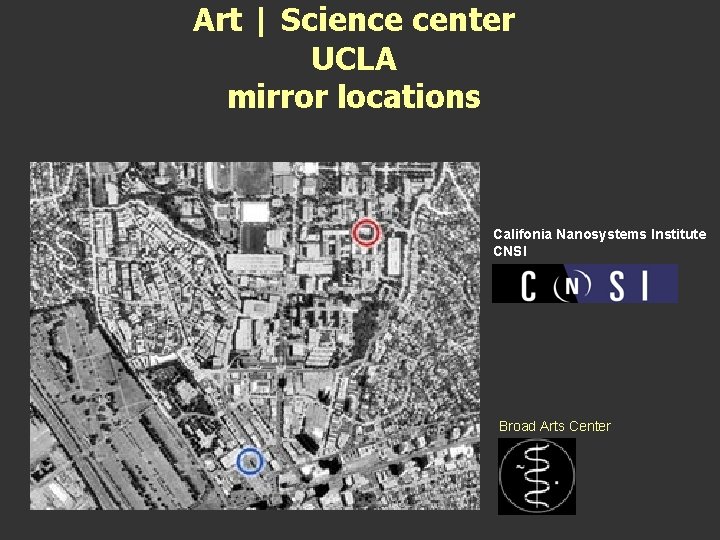
Art | Science center UCLA mirror locations Califonia Nanosystems Institute CNSI Broad Arts Center
SPACE: the final frontier
Building the Berlin wall
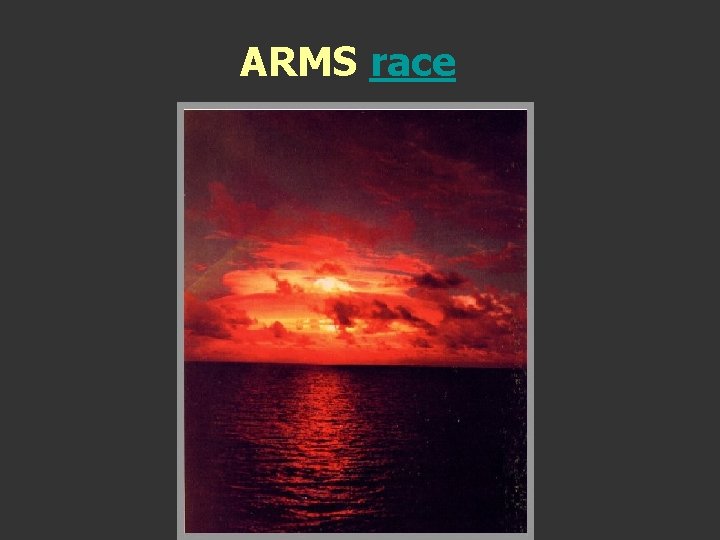
ARMS race
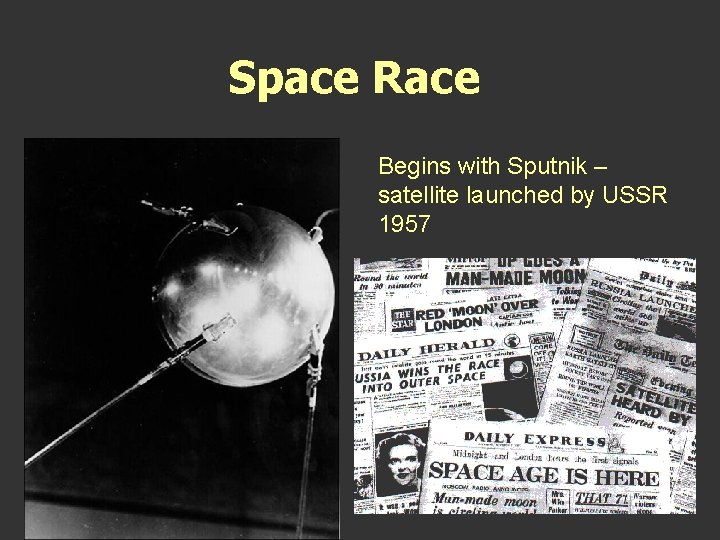
Space Race Begins with Sputnik – satellite launched by USSR 1957
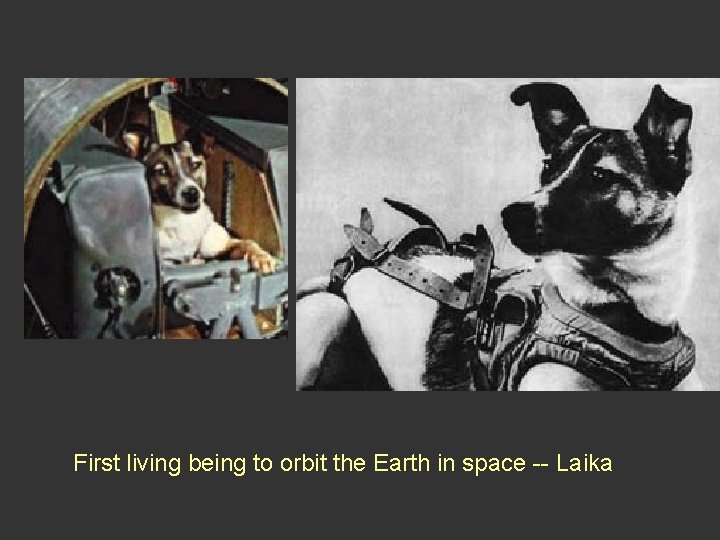
First living being to orbit the Earth in space -- Laika
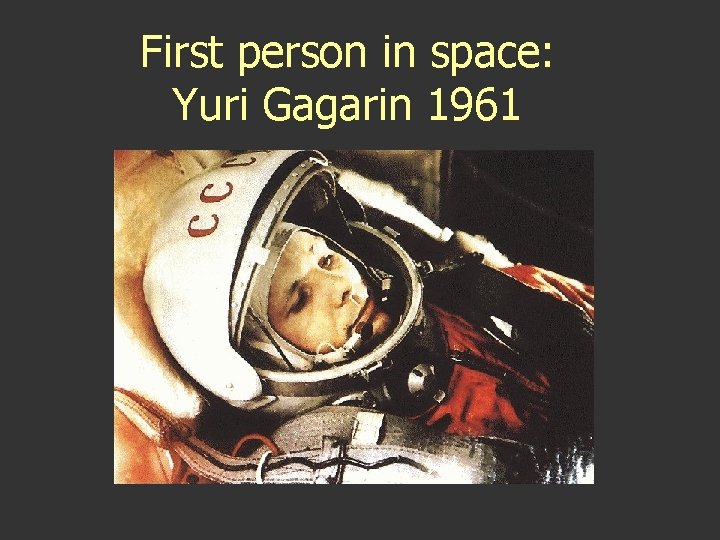
First person in space: Yuri Gagarin 1961
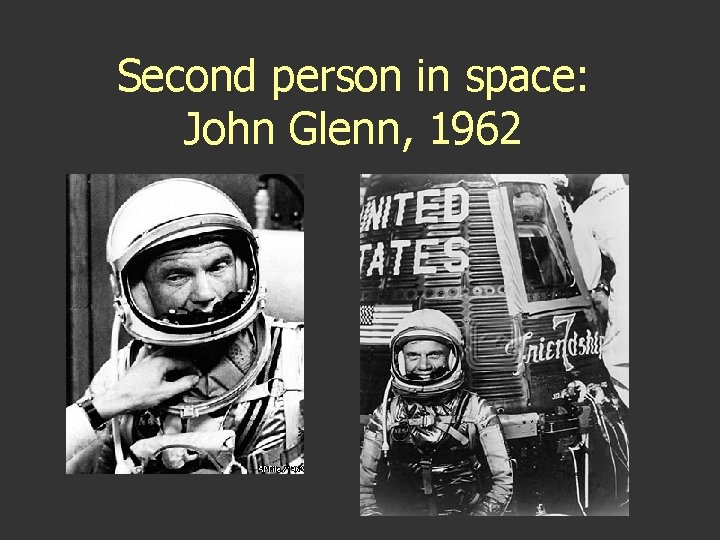
Second person in space: John Glenn, 1962
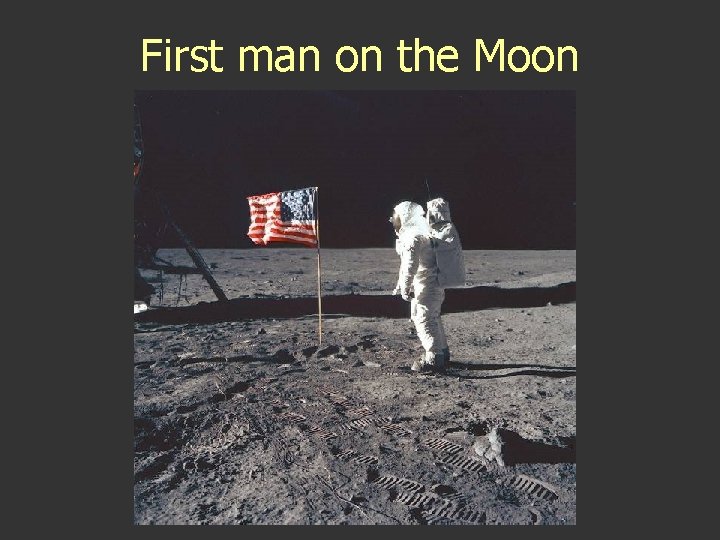
First man on the Moon
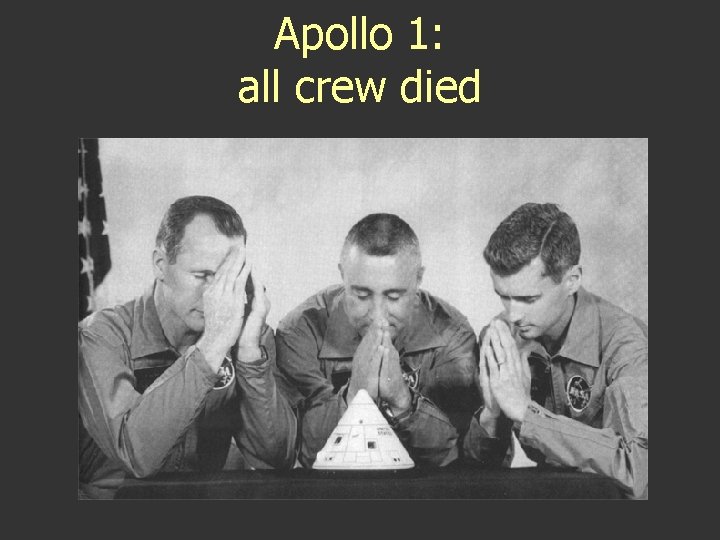
Apollo 1: all crew died
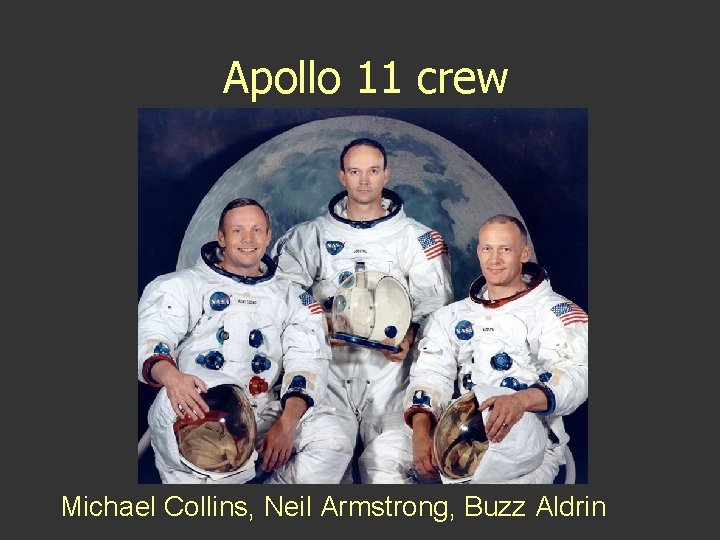
Apollo 11 crew Michael Collins, Neil Armstrong, Buzz Aldrin
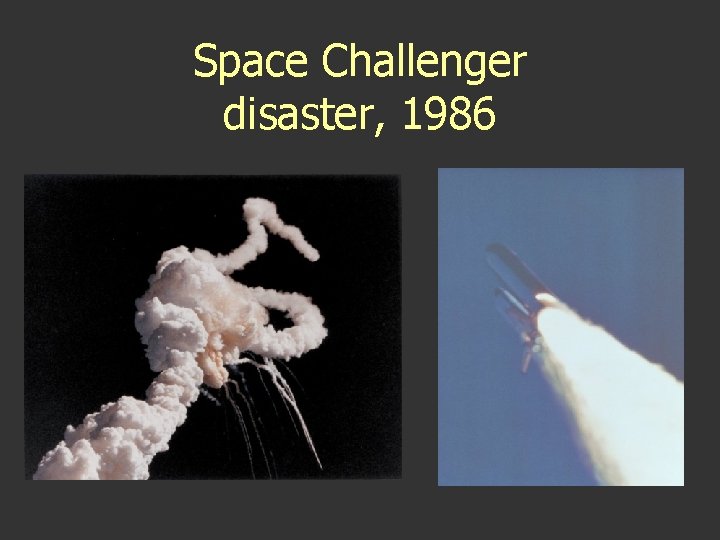
Space Challenger disaster, 1986
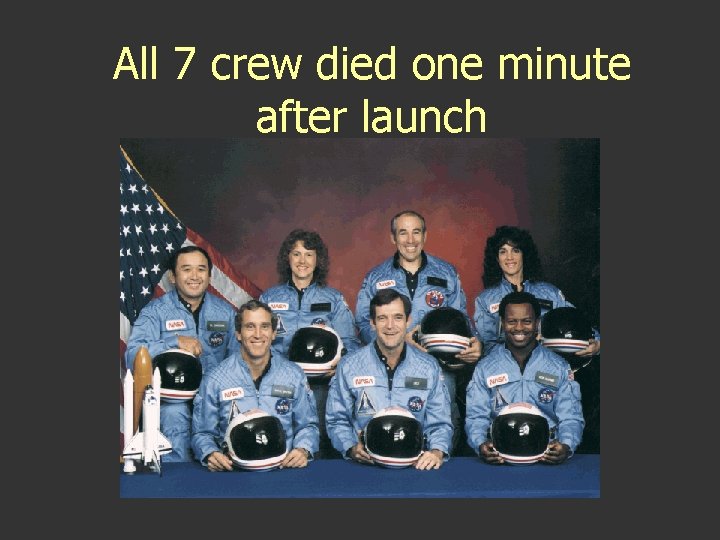
All 7 crew died one minute after launch
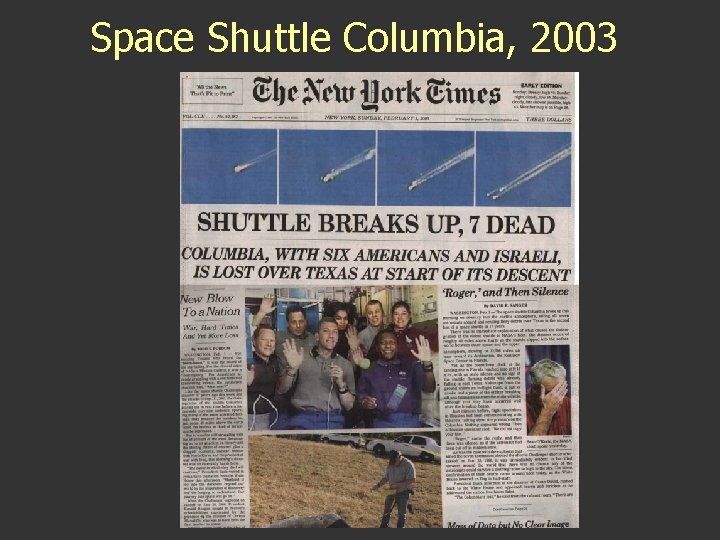
Space Shuttle Columbia, 2003
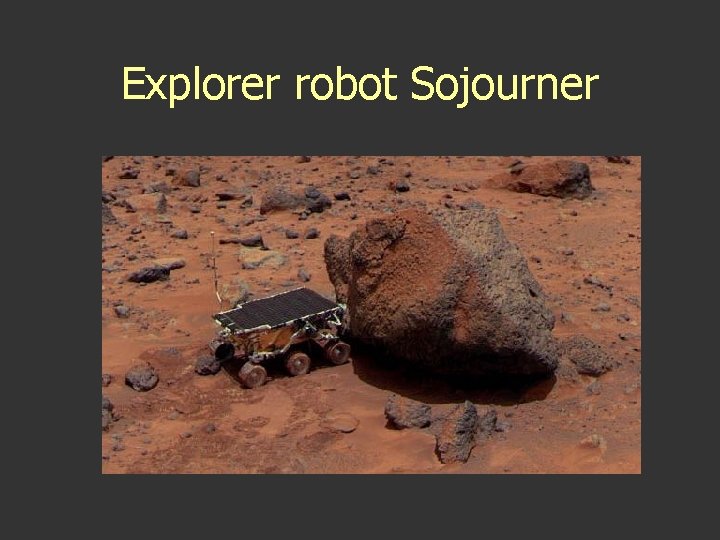
Explorer robot Sojourner
NASA
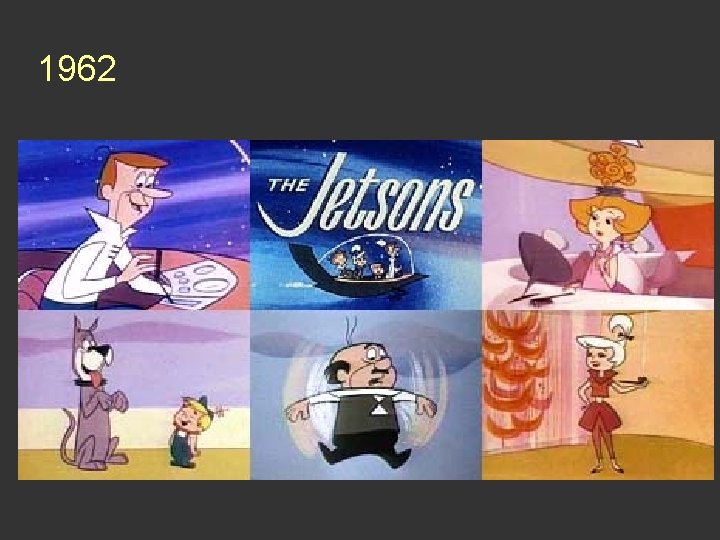
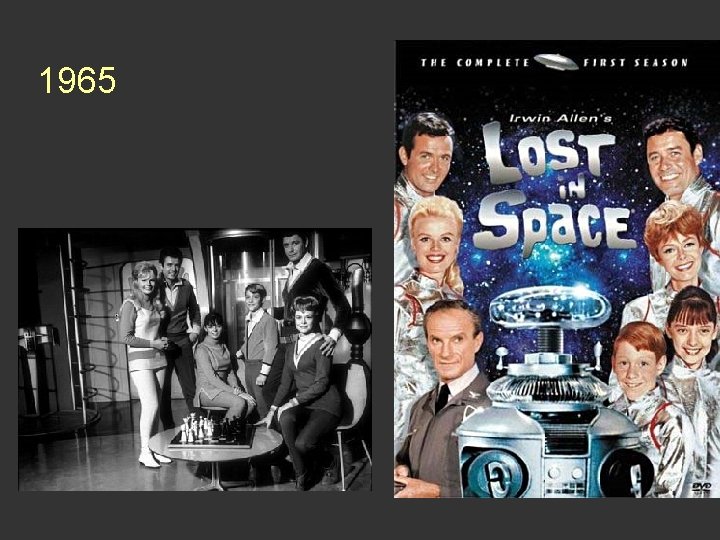
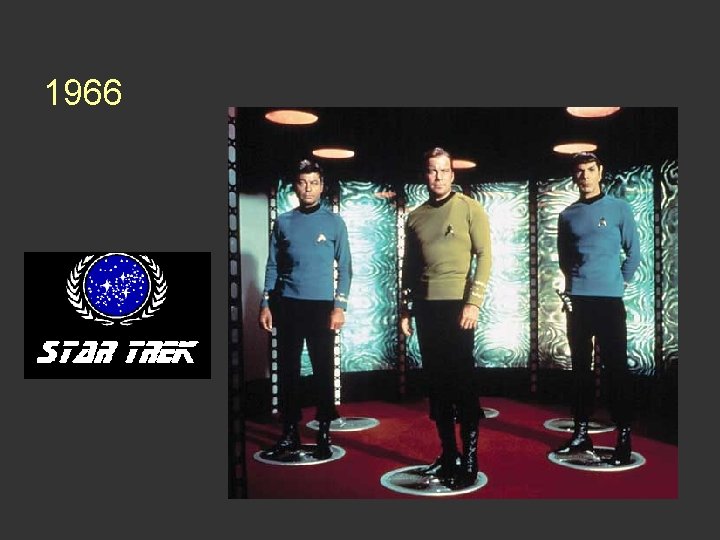
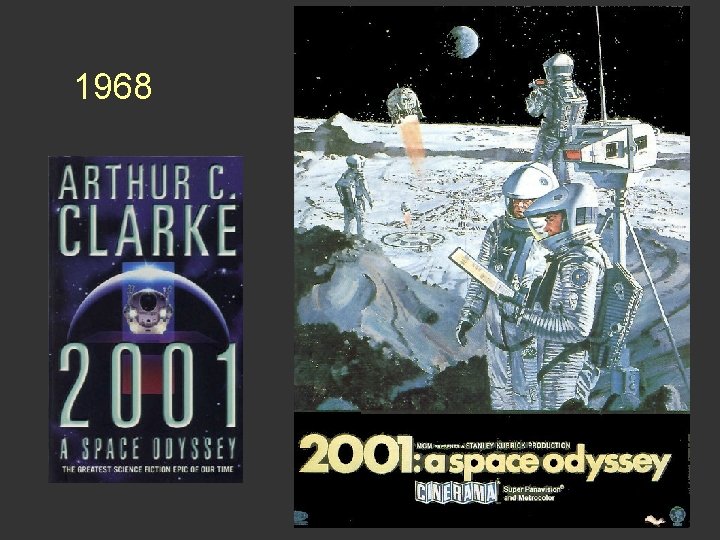
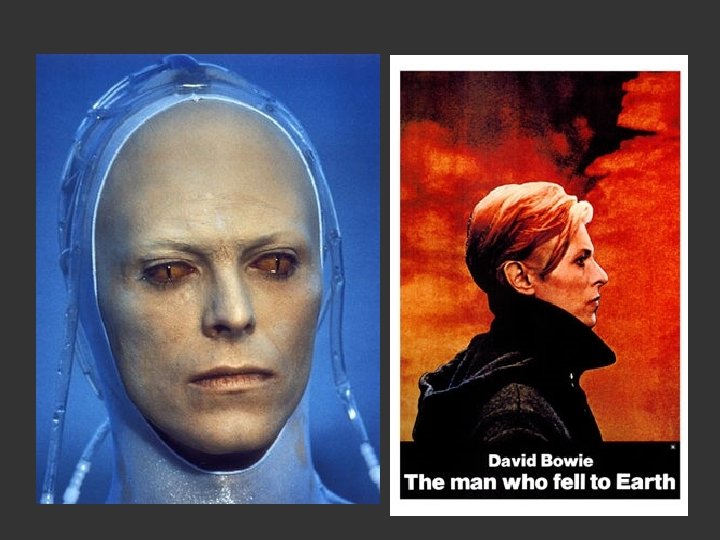
Space in popular culture
1962
1965
1966
1968
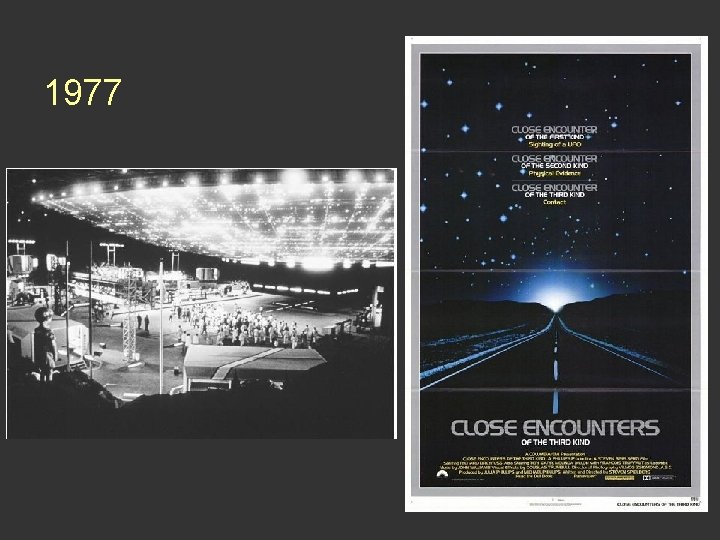
1977
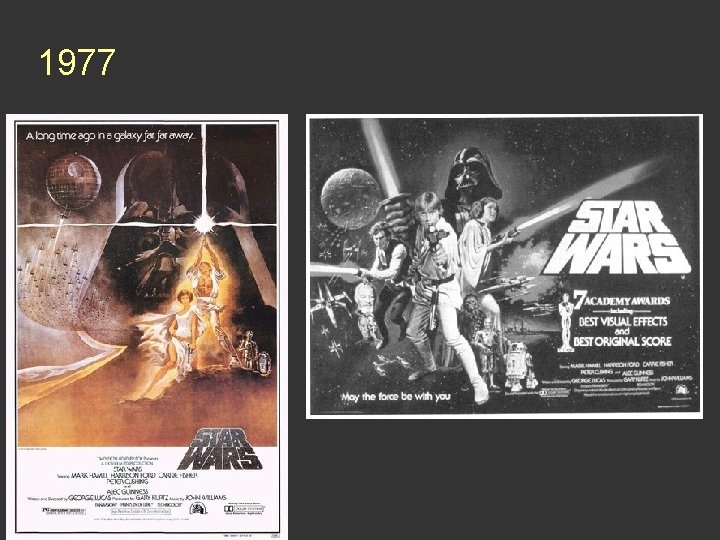
1977
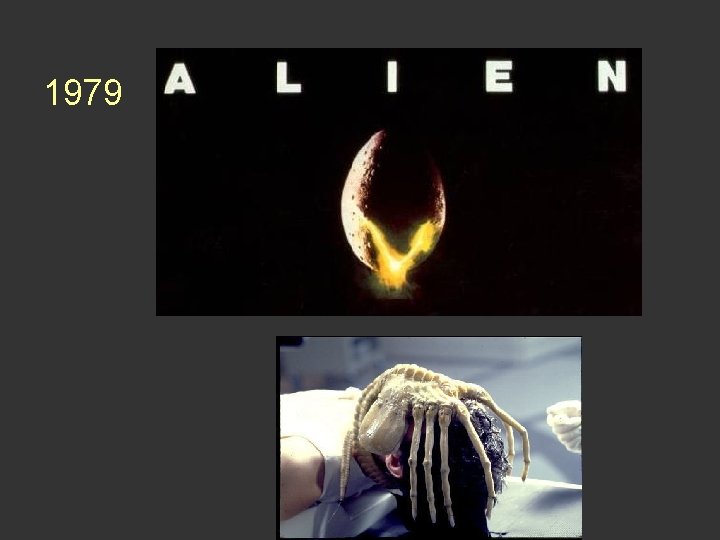
1979
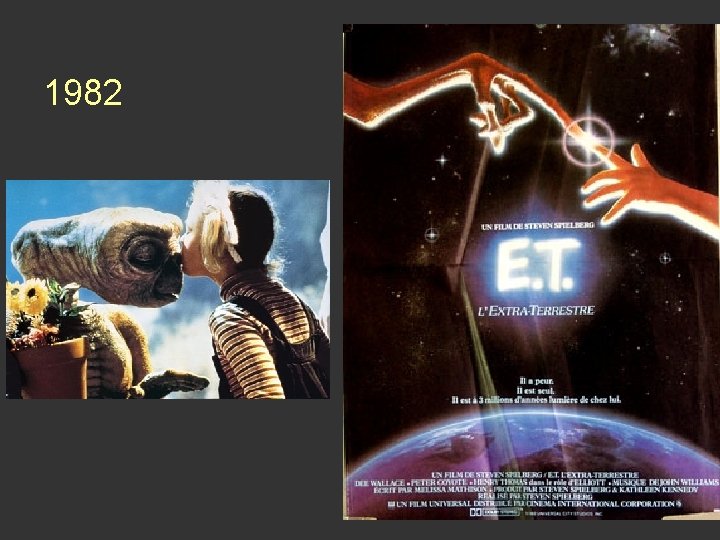
1982
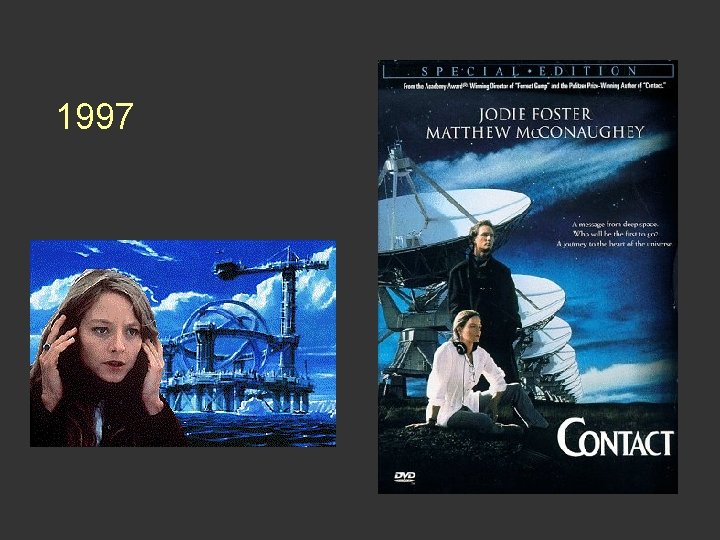
1997
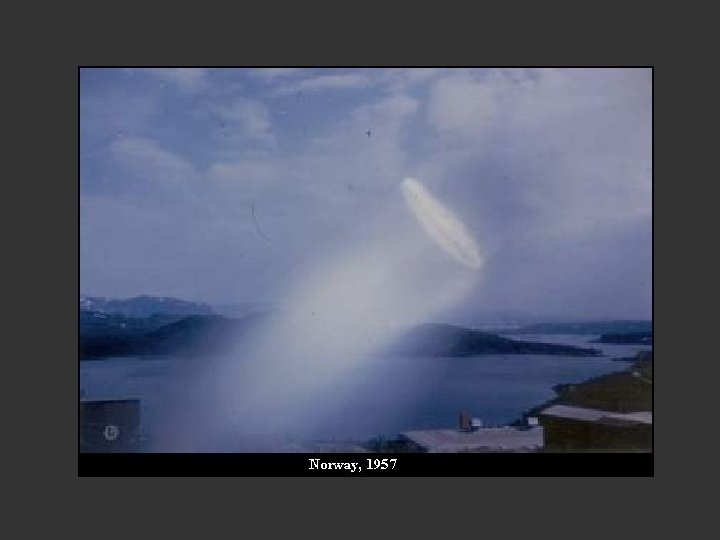
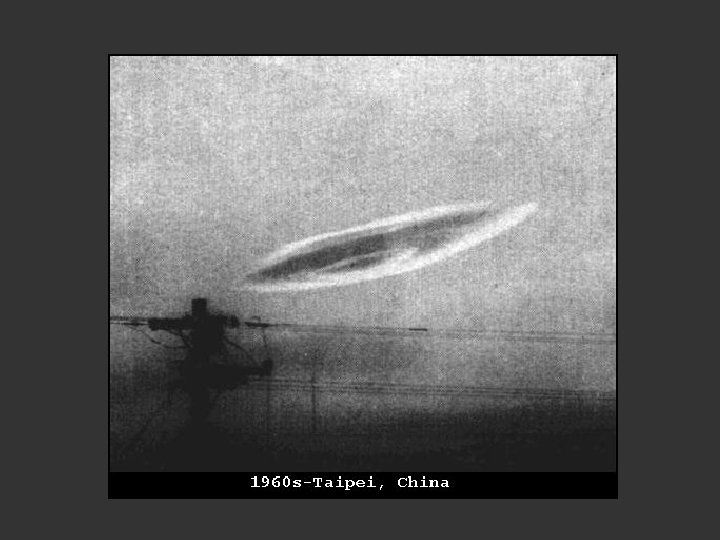
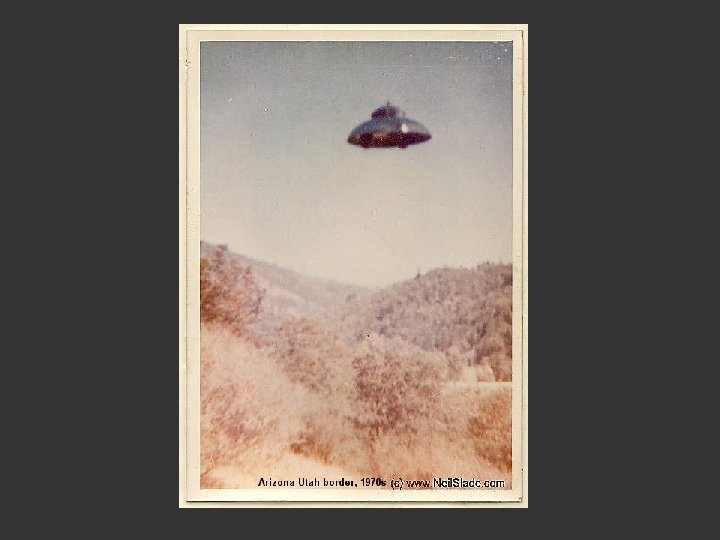
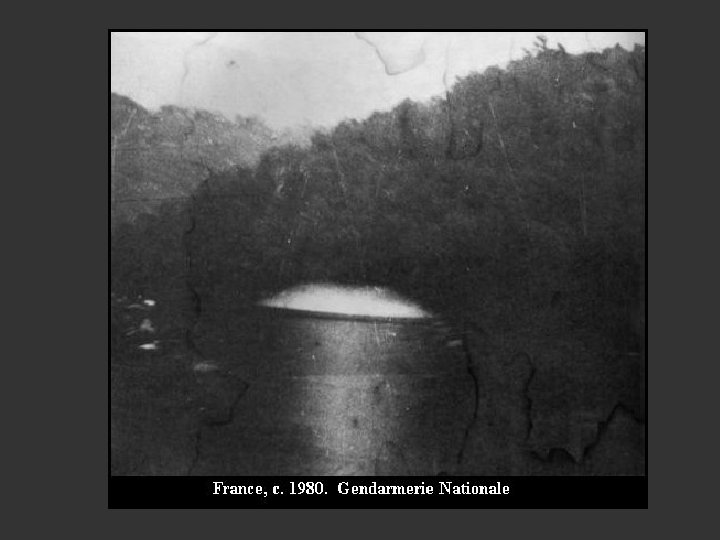
UFO in the news
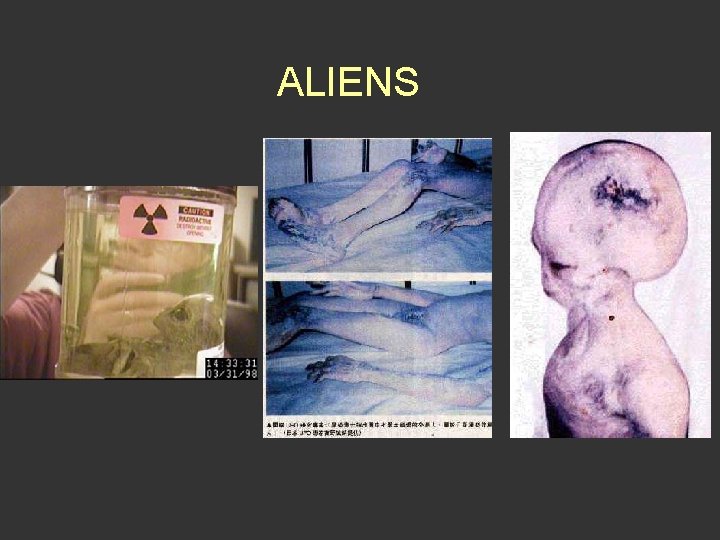
ALIENS
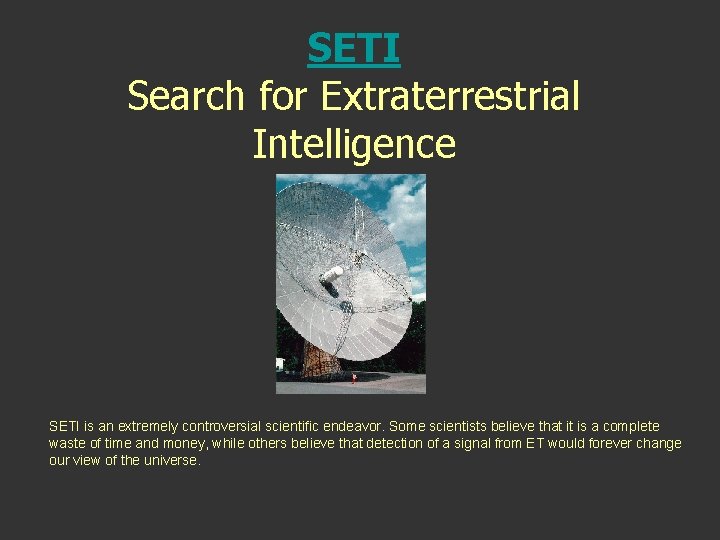
SETI Search for Extraterrestrial Intelligence SETI is an extremely controversial scientific endeavor. Some scientists believe that it is a complete waste of time and money, while others believe that detection of a signal from ET would forever change our view of the universe.
SETI Projects since 1960 Several SETI projects have been conducted since 1960. Some of the major ones are: Project Ozma - The first SETI search, conducted by astronomer Frank Drake in 1960 Ohio State Big Ear SETI Project - Launched in 1973, detected a brief but unconfirmed signal called the WOW! signal in 1977 and was shut down in 1997 to make way for a golf course Project SERENDIP - Launched by the University of California at Berkeley in 1979 NASA HRMS (High-resolution Microwave Survey) - Launched by NASA in 1982 and discontinued in 1993 when the U. S. Congress cut its funding Project META (Mega-channel Extraterrestrial Assay) - Launched at Harvard University in 985 to search 8. 4 million 0. 5 -Hz channels COSETI (Columbus Optical SETI) - Launched in 1990 as the first optical SETI search for laser signals from ET Project BETA (Billion-channel Extraterrestrial Assay) – Launched at Harvard University in 1995 to search billions of channels Project Phoenix - Launched in 1995, SETI Institute's continuation of the NASA SETI effort Project Argus - Launched in 1996, SETI League's all-sky survey project Southern SERENDIP - Launched in Australia in 1998, piggyback project to search the southern sky SETI@home - Available as of 1999, screensaver program for analyzing SETI data using home computers
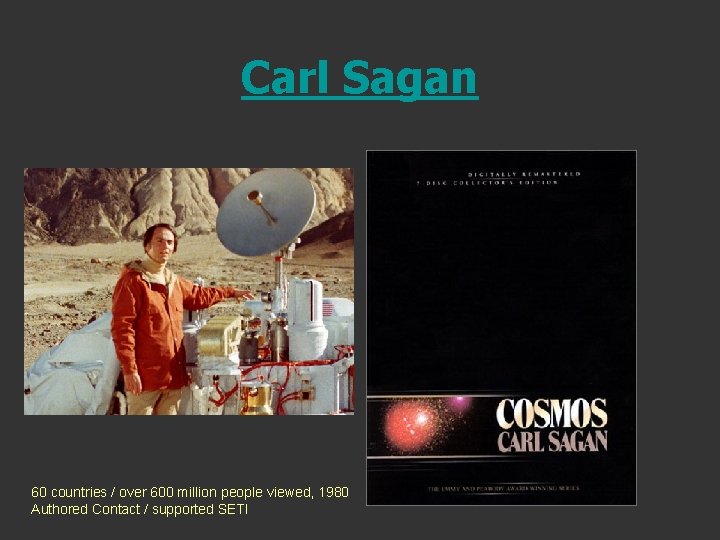
Carl Sagan 60 countries / over 600 million people viewed, 1980 Authored Contact / supported SETI
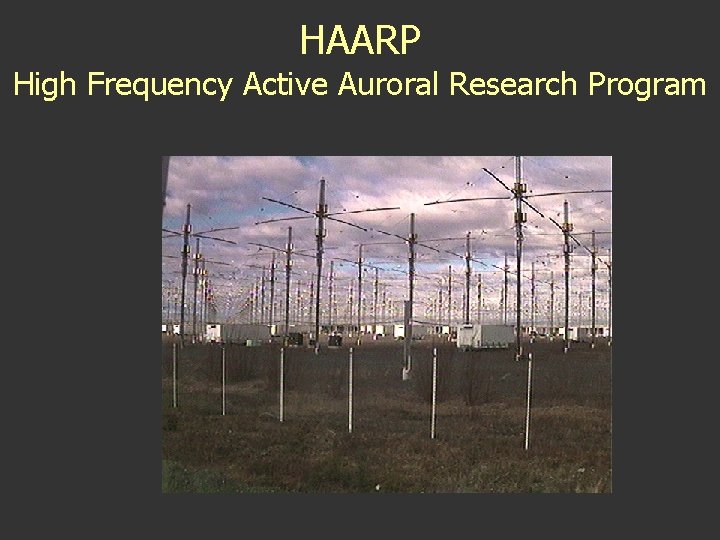
HAARP High Frequency Active Auroral Research Program
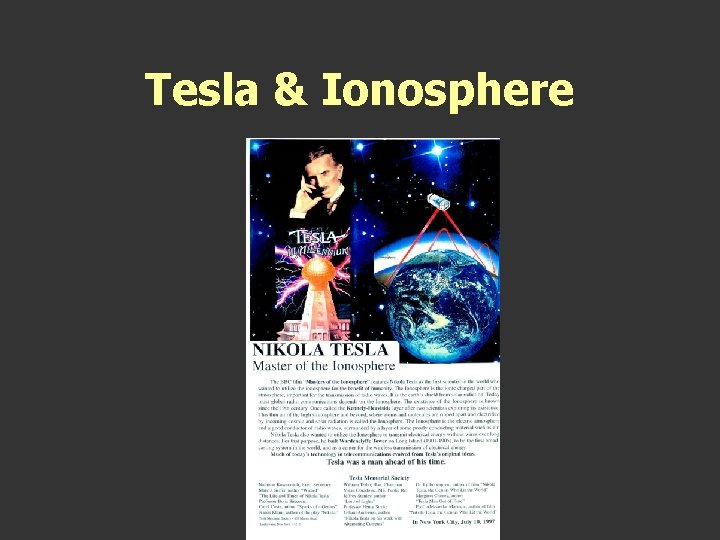
Tesla & Ionosphere
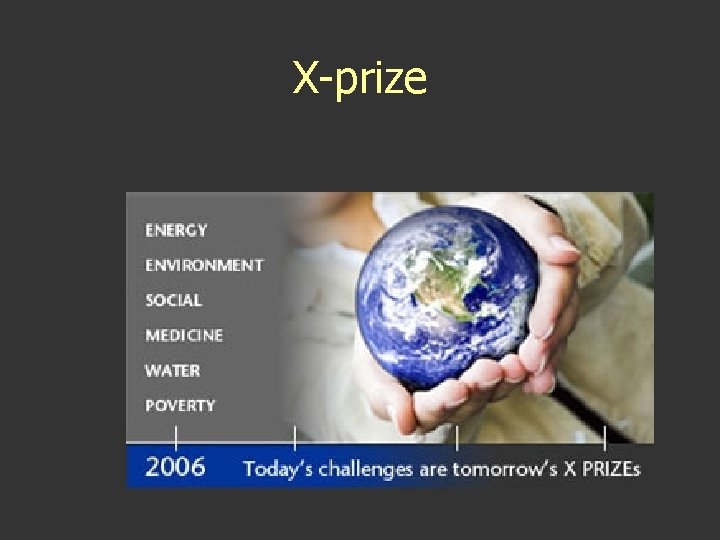
X-prize
Space & the Arts Leonardo
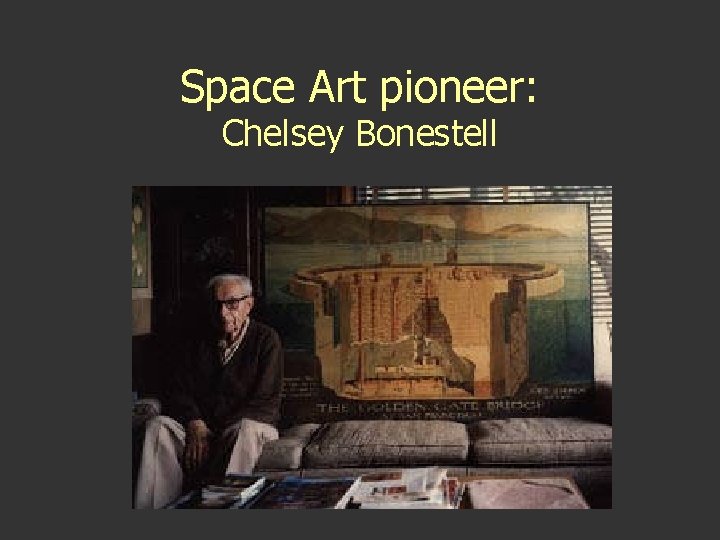
Space Art pioneer: Chelsey Bonestell
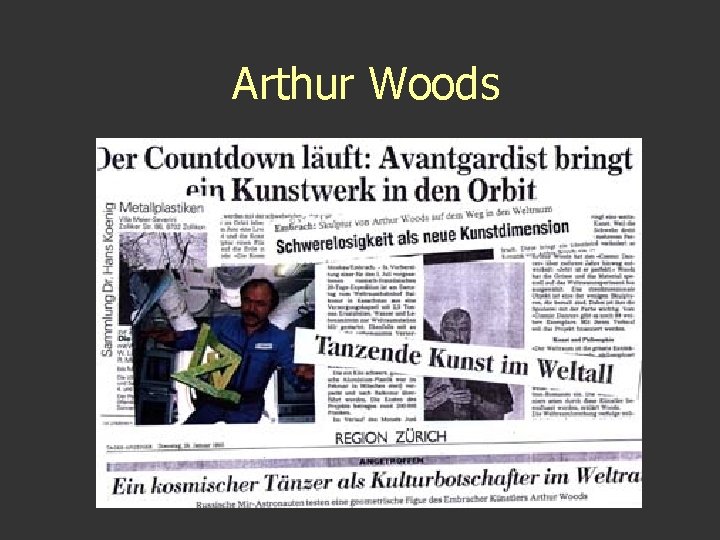
Arthur Woods
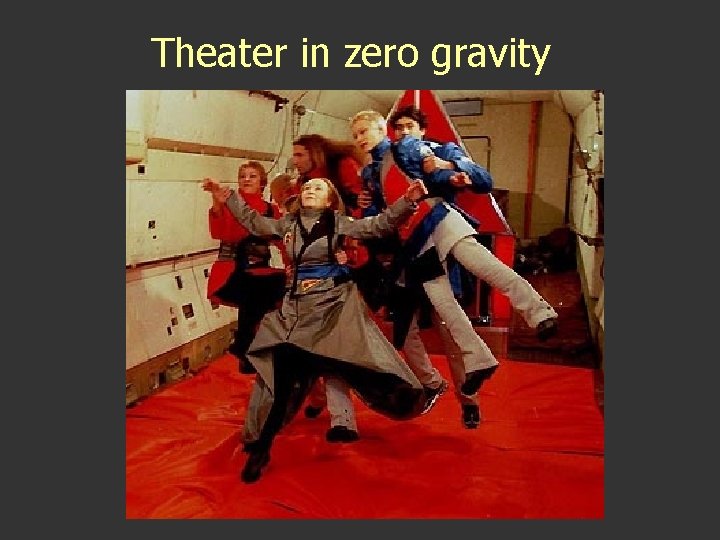
Theater in zero gravity
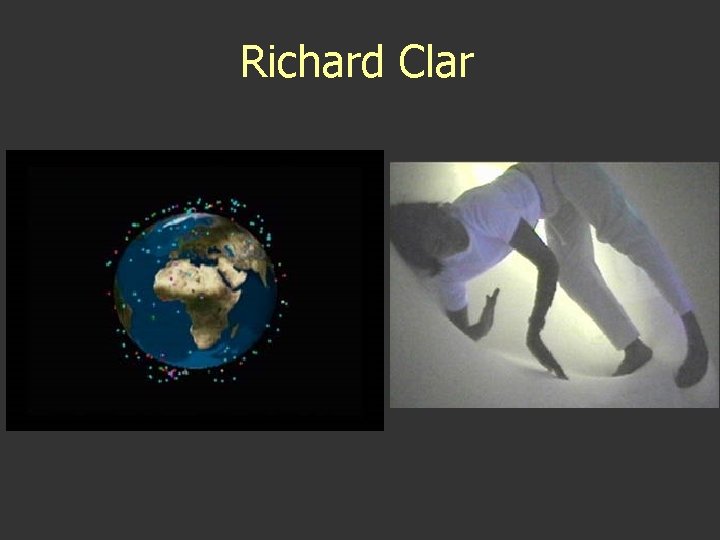
Richard Clar
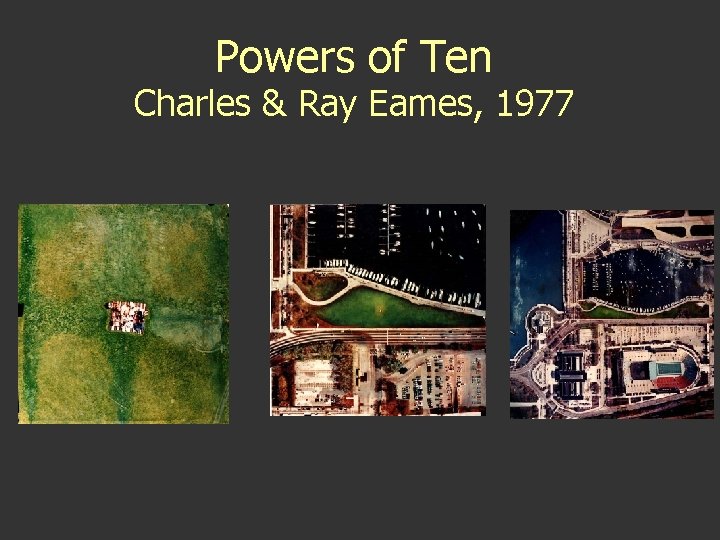
Powers of Ten Charles & Ray Eames, 1977
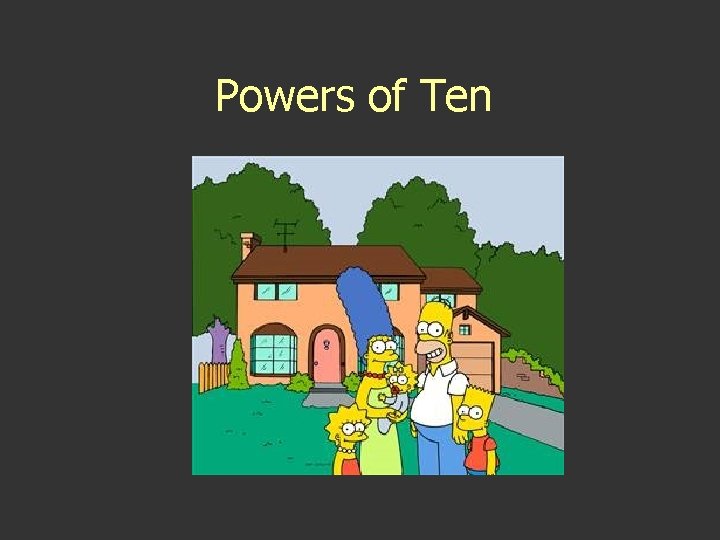
Powers of Ten
California Nanosystems Institute TESLA: visions & inspirations Friday, June 3 rd, 5 -8 pm