TWO CULTURES DESMA 9 Art Science and Technology


- Slides: 35
TWO CULTURES DESMA 9: Art, Science and Technology "the further art advances the closer it approaches science, the further science advances the closer it approaches art. " Buckminster Fuller, 1938
TOPICS: • • • CP Snow’s lecture Stereotypes Evolution of Universities Specialization Economies of Culture Paradigms Methodologies Frank Malina: Leonardo journal Third Culture
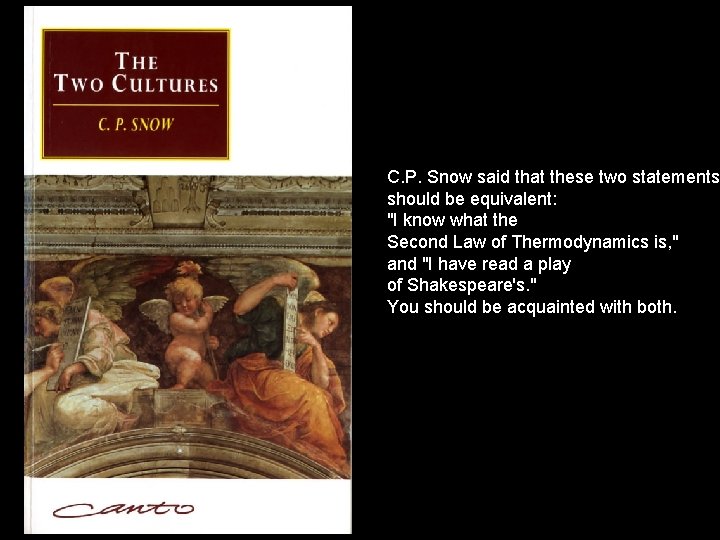
C. P. Snow said that these two statements should be equivalent: "I know what the Second Law of Thermodynamics is, " and "I have read a play of Shakespeare's. " You should be acquainted with both.
The compilers of the Oxford English Dictionary recognised that this was a fairly recent development, with no example given before the 1860's: "We shall. . . use the word "science" in the sense which the Englishmen so commonly give it; as expressing physical and experimental science, to the exclusion of theological and metaphysical. " (Snow, 1964 pg. xi) William Whewell, a philosopher and historian of science who used 'science' in his Philosophy of the Inductive Sciences of 1840, is credited with establishing this term. The first time it was recorded as an idea, however, was at the Association for the Advanced Science in the early 1830's when it was proposed as an analogy to the term 'artist. '
STEREOTYPE ste·reo·typ·i·cal /"ster-E-&-'tip-i-k&l/ also ste·reo·typ·ic /-ik/ adjective Function: noun : something conforming to a fixed or general pattern; especially : an often oversimplified or biased mental picture held to characterize the typical individual of a group — A generalization, usually exaggerated or oversimplified and often offensive, that is used to describe or distinguish a group.
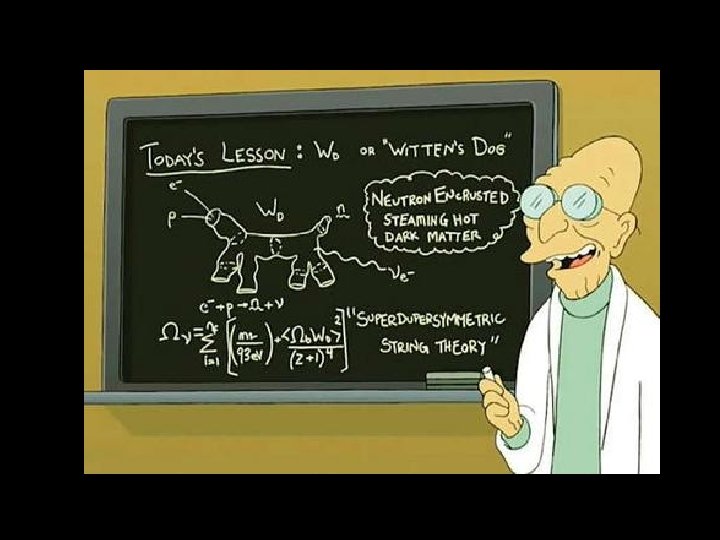
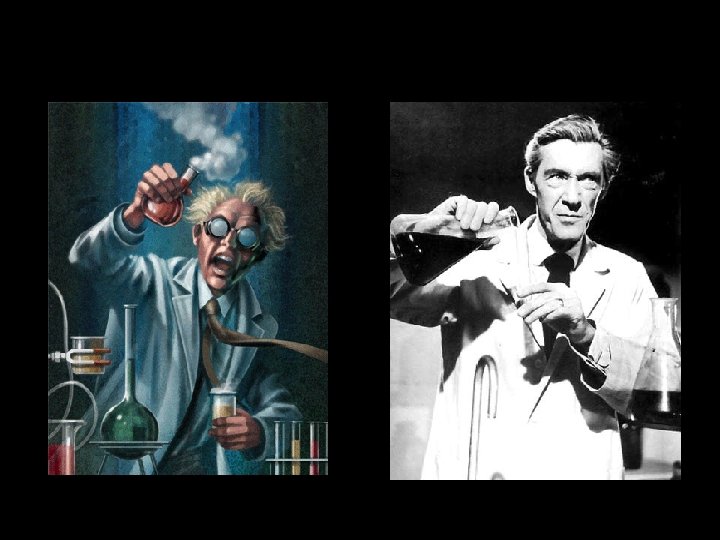
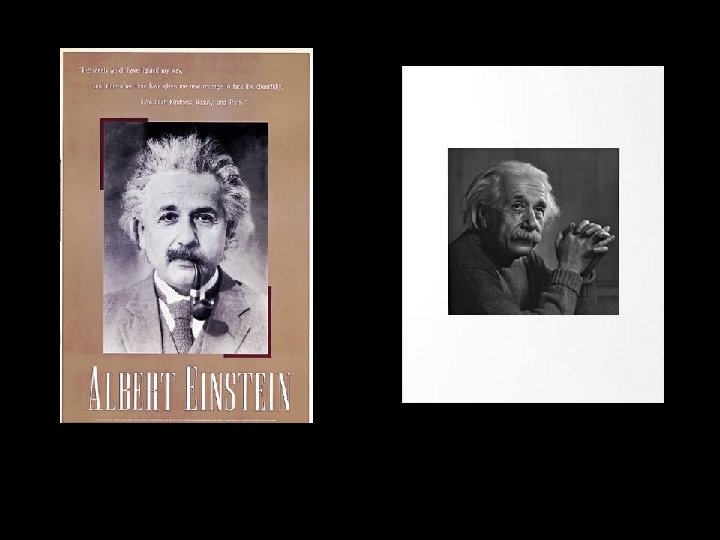
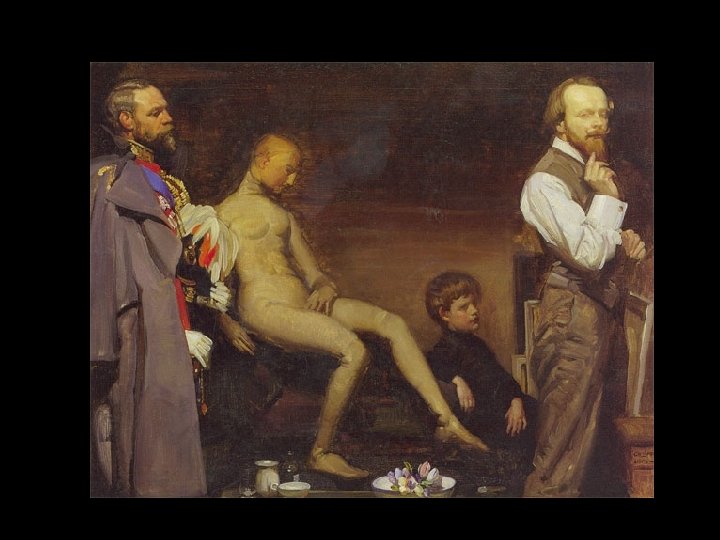
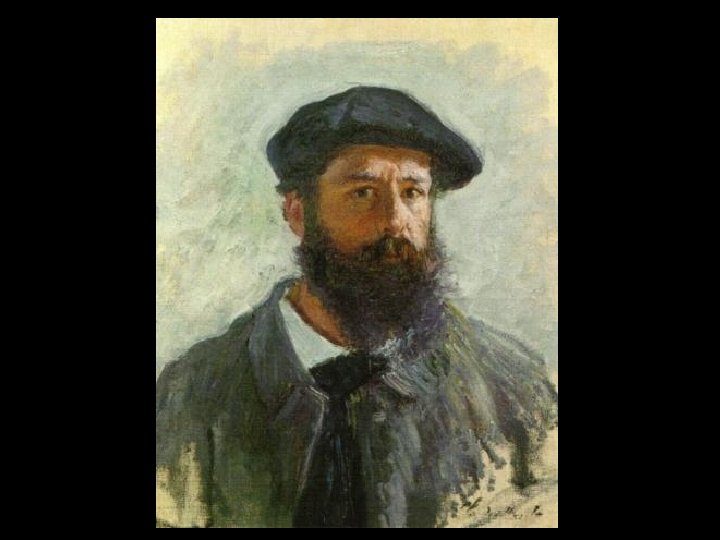
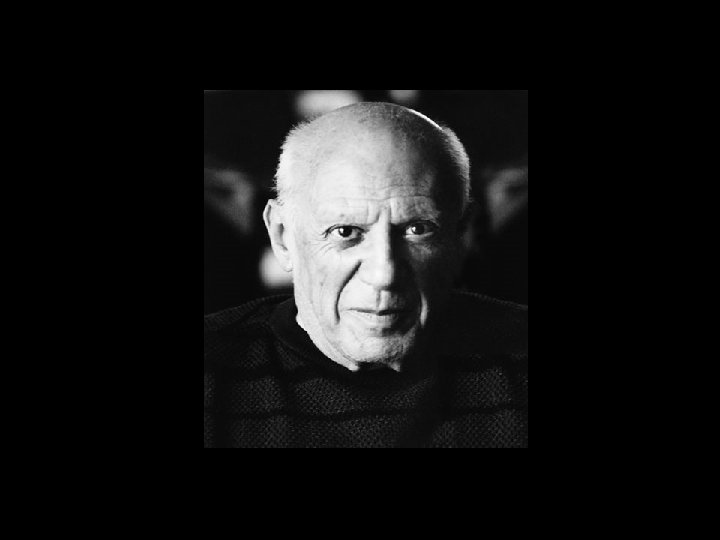
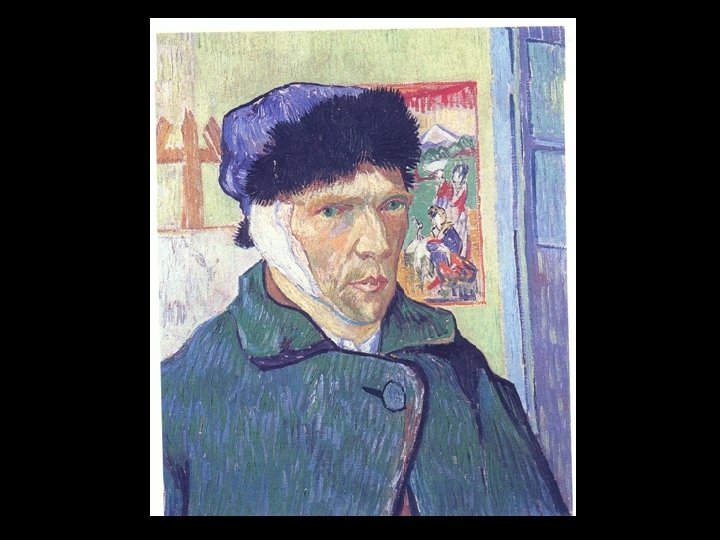
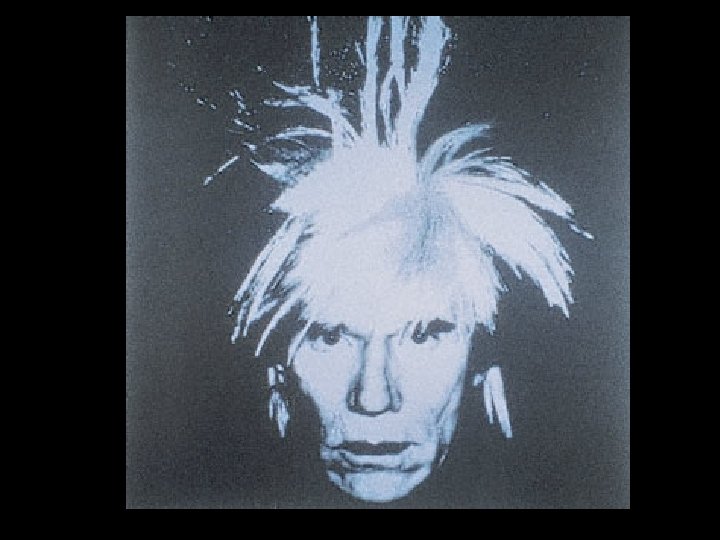
Question: What is the one thing that these media stereotypes have in common?
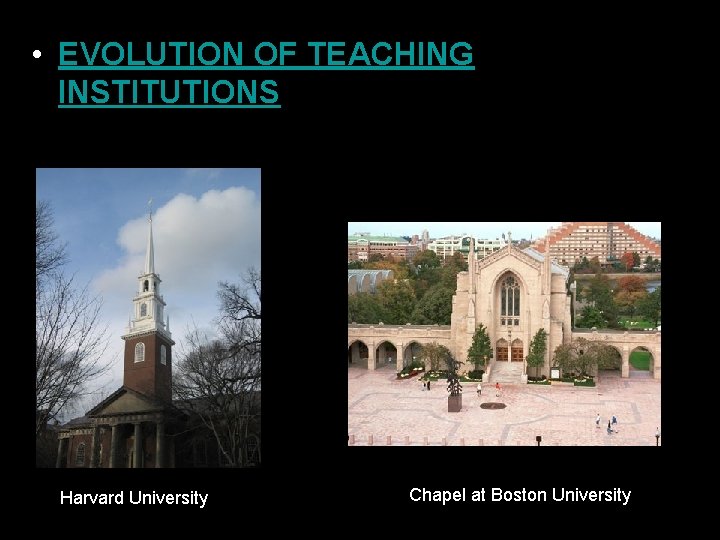
• EVOLUTION OF TEACHING INSTITUTIONS Harvard University Chapel at Boston University
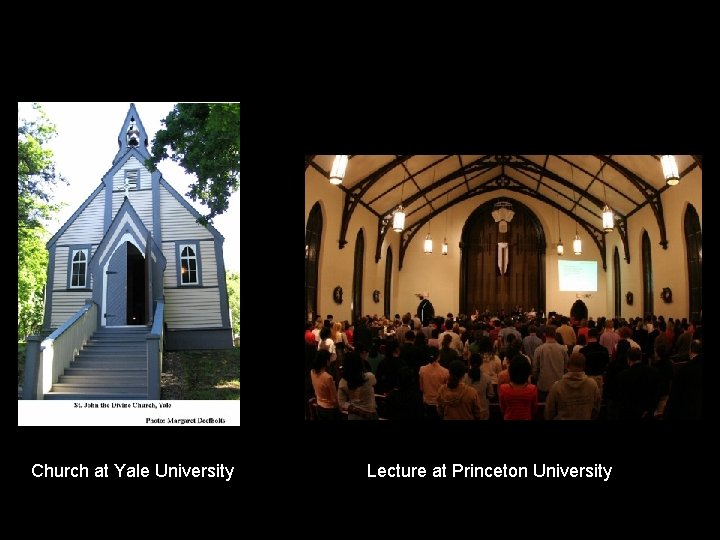
Church at Yale University Lecture at Princeton University
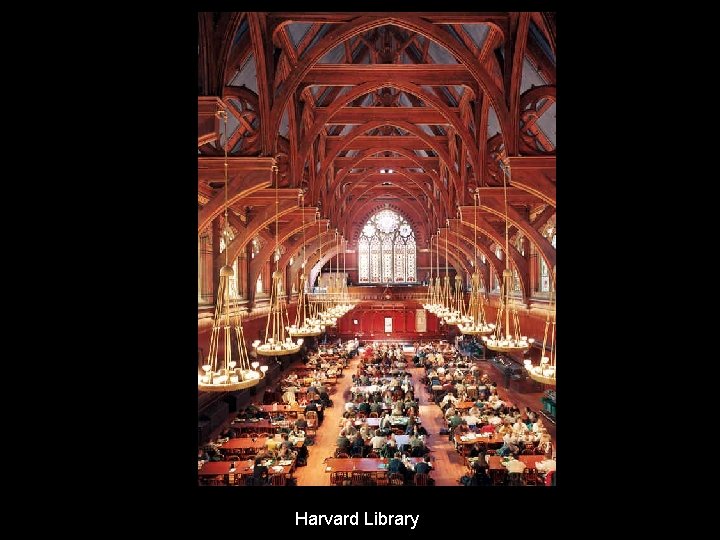
Harvard Library
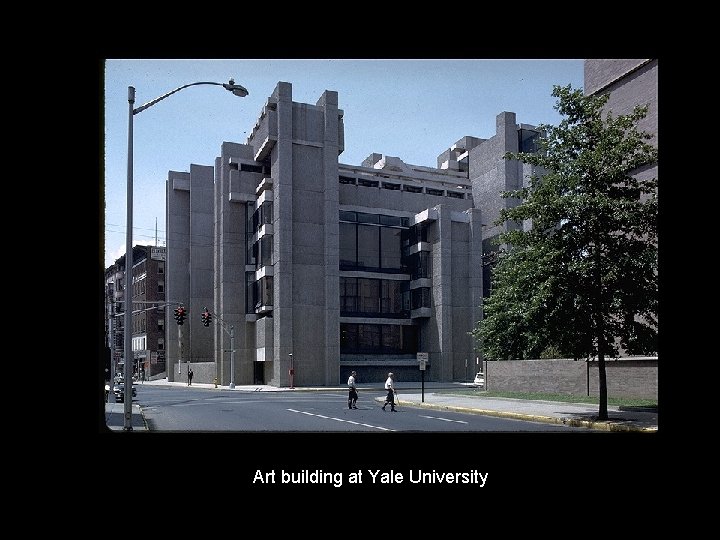
Art building at Yale University
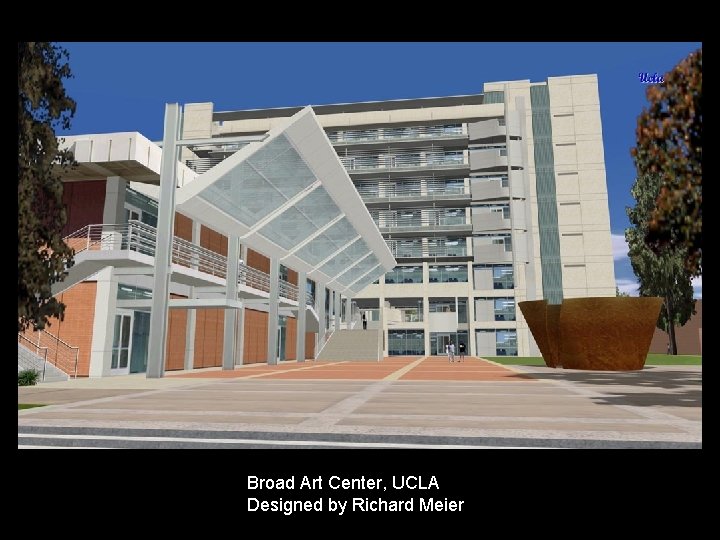
Broad Art Center, UCLA Designed by Richard Meier
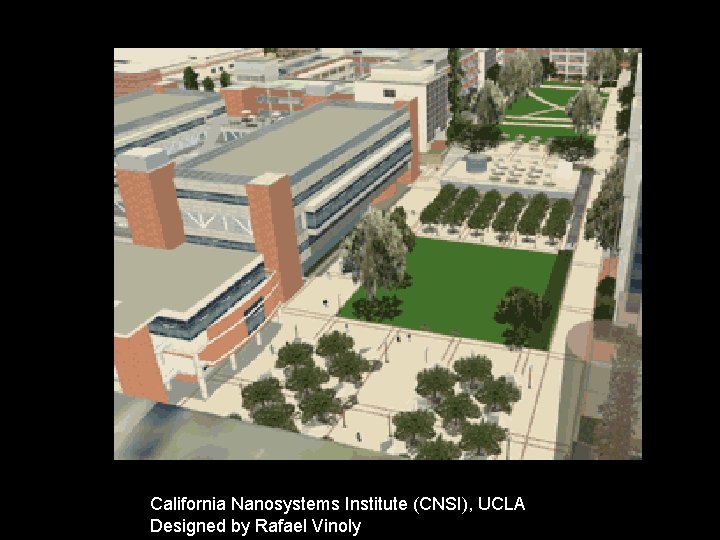
California Nanosystems Institute (CNSI), UCLA Designed by Rafael Vinoly
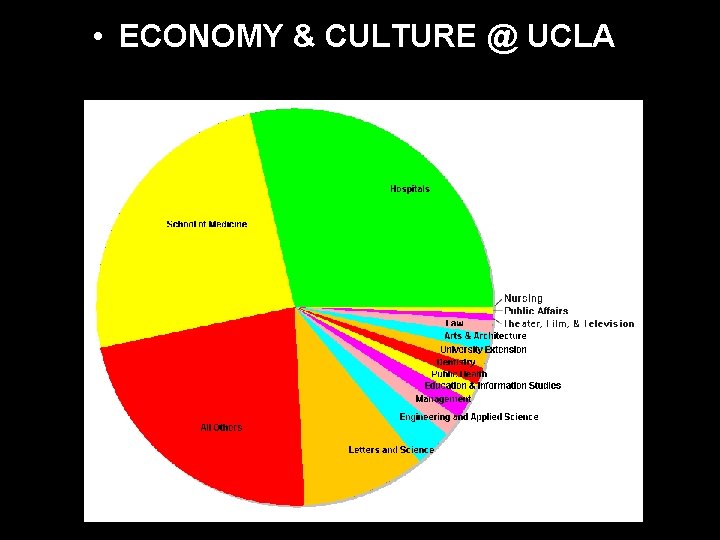
• ECONOMY & CULTURE @ UCLA
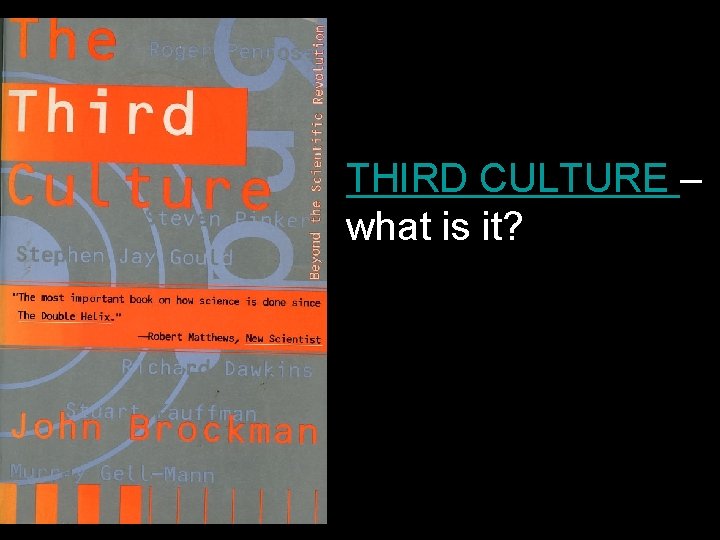
THIRD CULTURE – what is it?
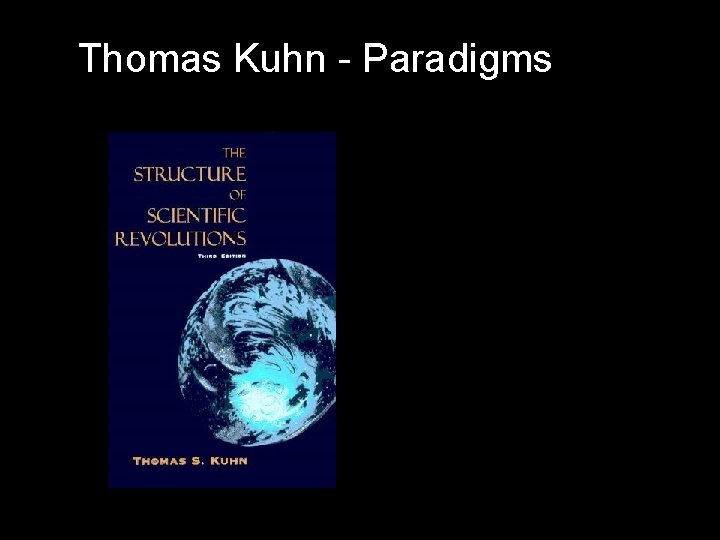
Thomas Kuhn - Paradigms
Thomas Kuhn (1962) Why should a change of paradigm be called a revolution? In the face of the vast and essential differences between political and scientific development, what parallelism can justify the metaphor that finds revolutions in both?
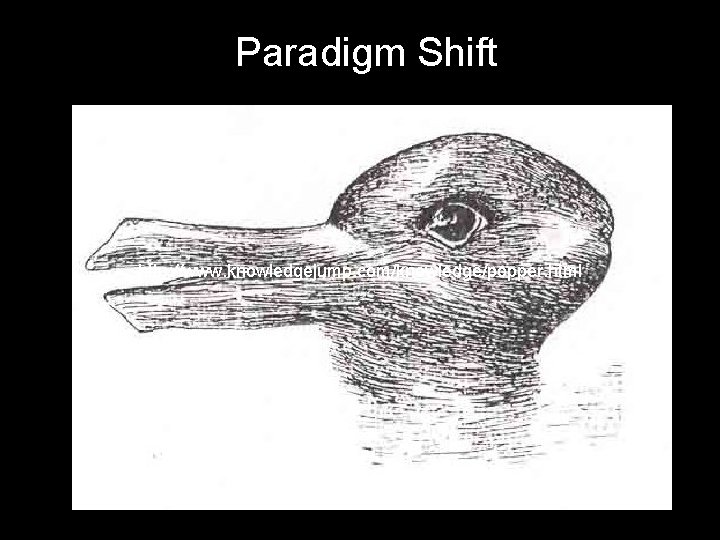
Paradigm Shift http: //www. knowledgejump. com/knowledge/popper. html
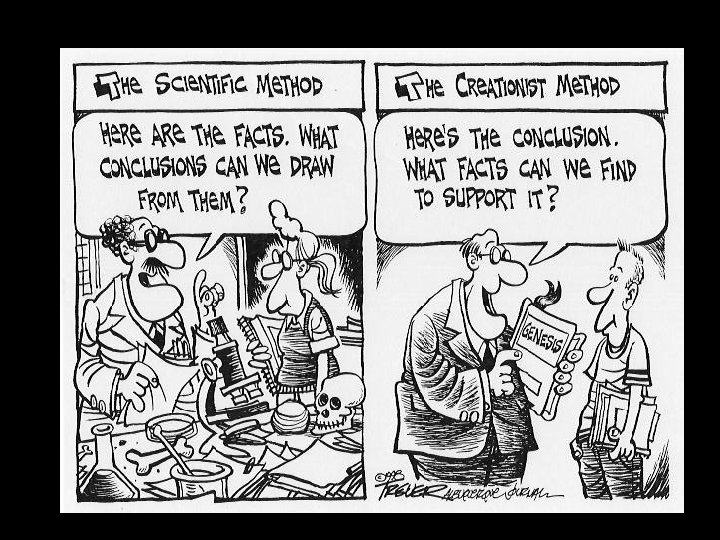
Karl Popper (1966) FALSIFICATION
Karl Popper (1966) • Objective Knowledge • A Realist View of Logic, Physics, and History (1966)
Twenty One Definitions of Paradigm: Anything Goes • Science is an essentially anarchistic enterprise: theoretical anarchism is more humanitarian and more likely to encourage progress than its lawand-order alternatives. • This is shown both by an examination of historical episodes and by an abstract analysis of the relation between idea and action. The only principle that does not inhibit progress is: anything goes.
METHODOLOGY • Against Method: Feyeraband • "All Methodologies have their limitations and the only 'rule' that survives is 'anything goes. ' (Feyerabend, 1975, pg. 296)
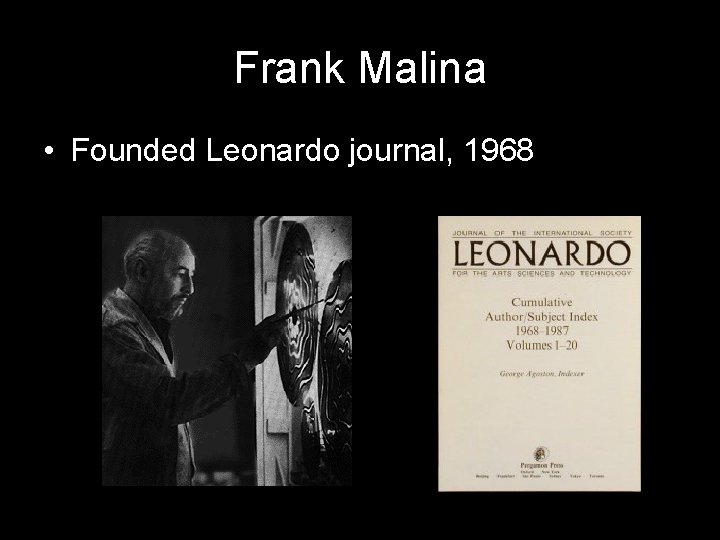
Frank Malina • Founded Leonardo journal, 1968