Quantum Dots Stephen Kelly History First discovered around





- Slides: 42
Quantum Dots Stephen Kelly
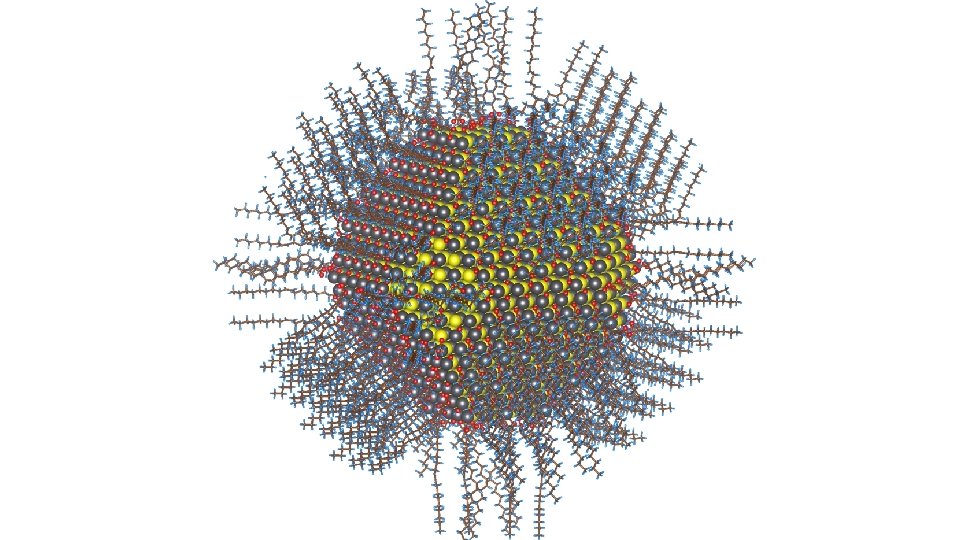
History • First discovered around 1982 by Alexey Ekimov • Term was coined in 1986 • Also called “Artificial Atoms”
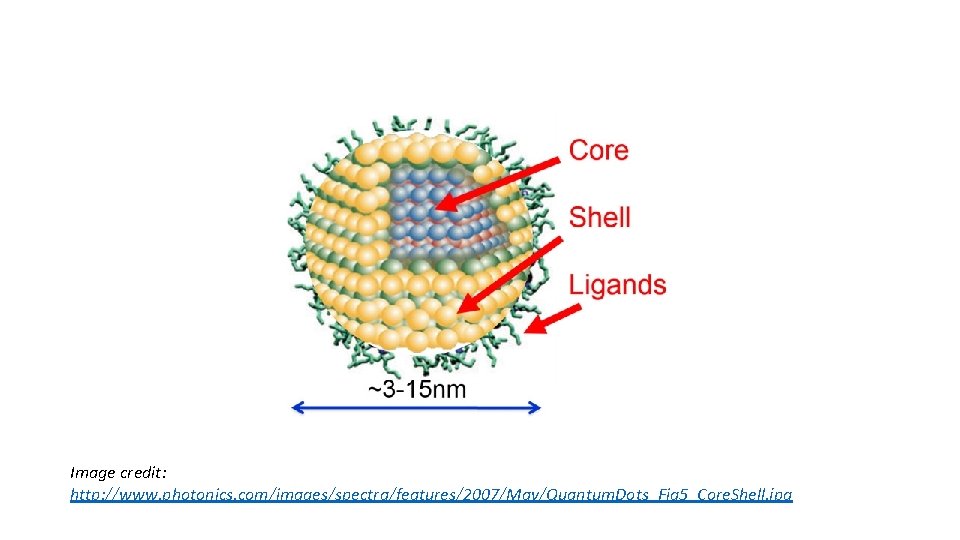
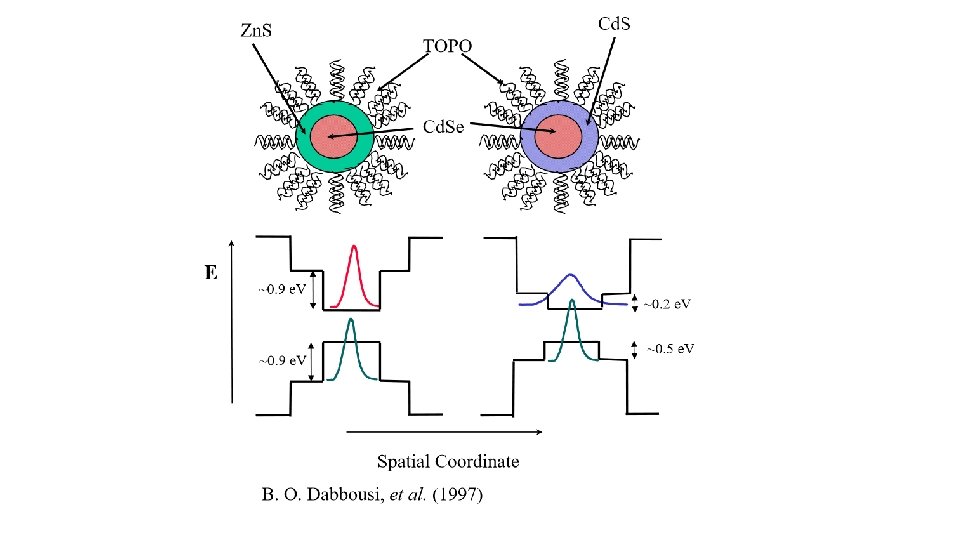
Image credit: http: //www. photonics. com/images/spectra/features/2007/May/Quantum. Dots_Fig 5_Core. Shell. jpg
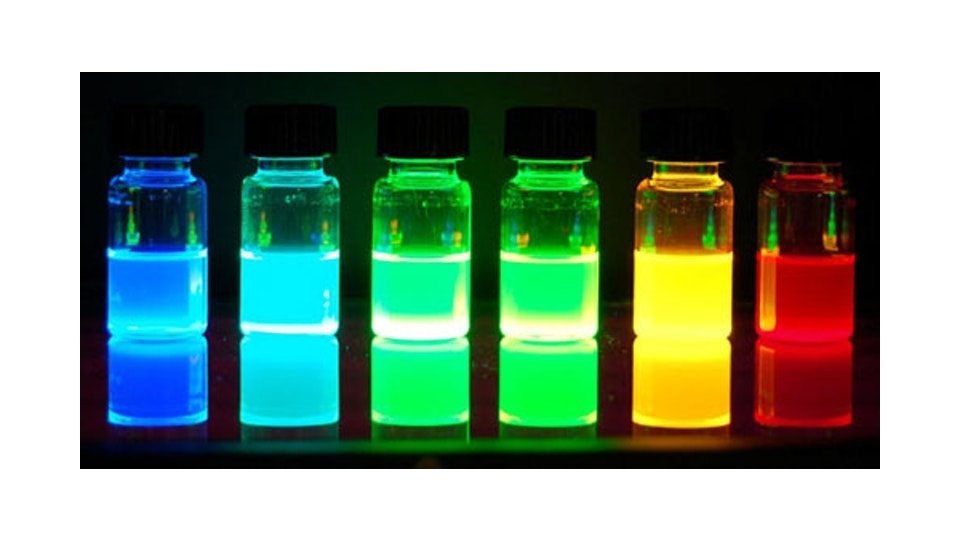
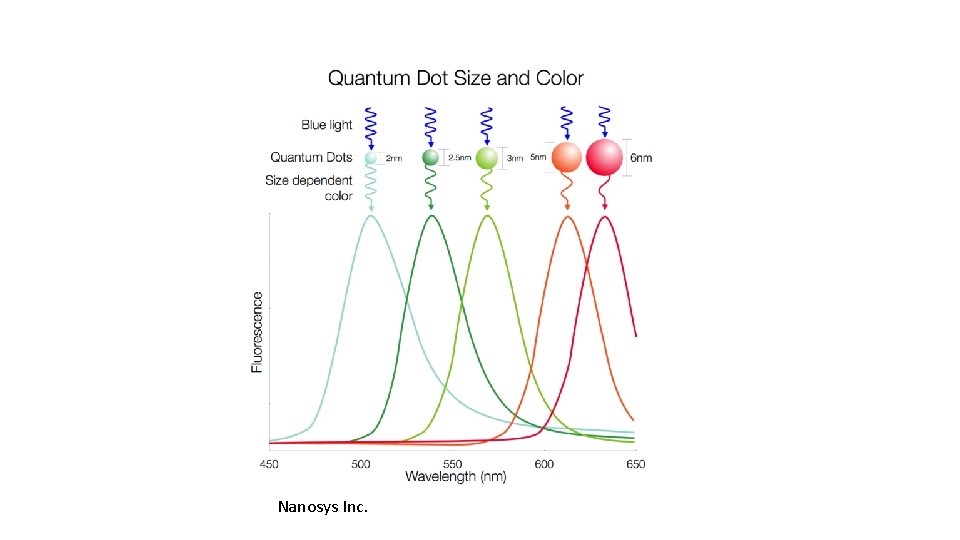
Properties • Relatively precise control of photon emission/absorption wavelength • Smaller R -> smaller wavelength, and vice versa • Formed via colloidal synthesis • Inkjet and spincoating • Low cost • High quantum yield or “one-for-two” exchange
Materials • Cadmium Sulfide (Cd. S) • Cadmium Telleride (Cd. Te) • Lead Sulfide (Pb. S) • Copper Indium Sulfide (Cu. In. S 2) • Gold Indium Sulfide (Ag. In. S 2) • Zinc Sulfide (Zn. S)
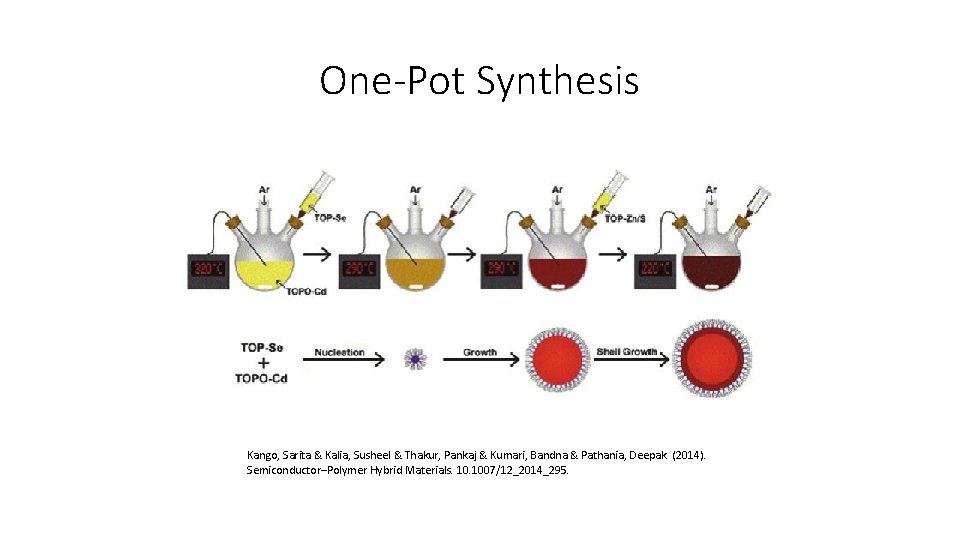
One-Pot Synthesis Kango, Sarita & Kalia, Susheel & Thakur, Pankaj & Kumari, Bandna & Pathania, Deepak. (2014). Semiconductor–Polymer Hybrid Materials. 1007/12_2014_295.
Synthesis Benefits • Still based on growing crystals • Purity is governed by reagent quantity • Temperatures govern growth rates
Applications
Nanosys Inc.
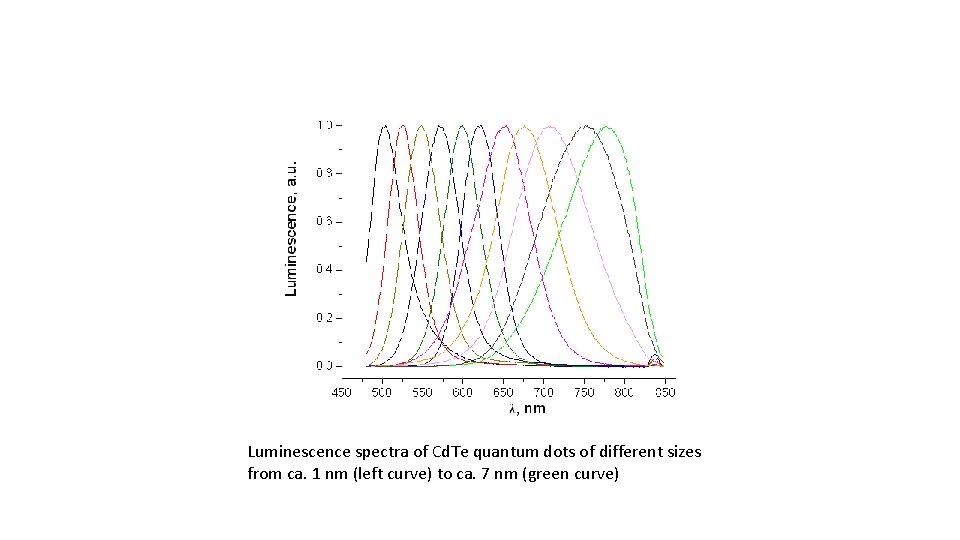
Luminescence spectra of Cd. Te quantum dots of different sizes from ca. 1 nm (left curve) to ca. 7 nm (green curve)
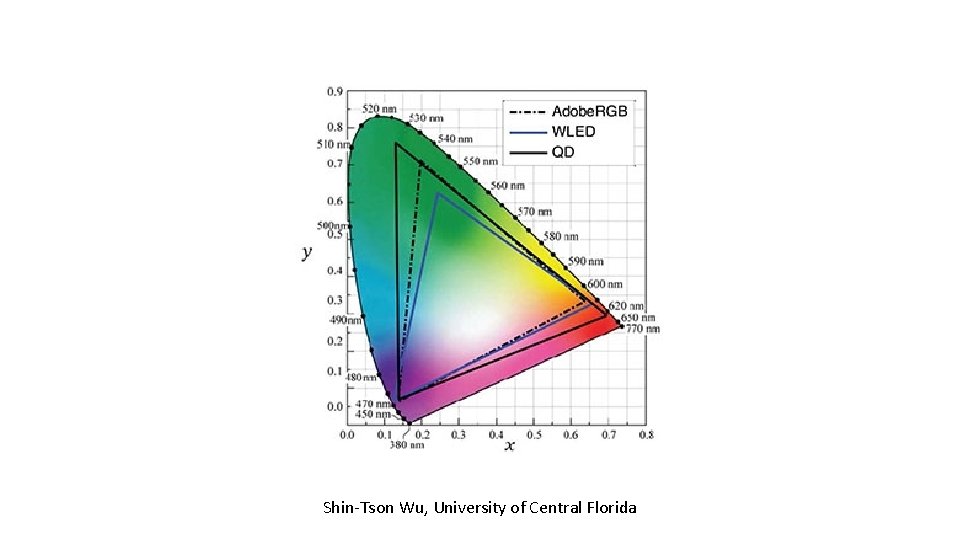
Shin-Tson Wu, University of Central Florida
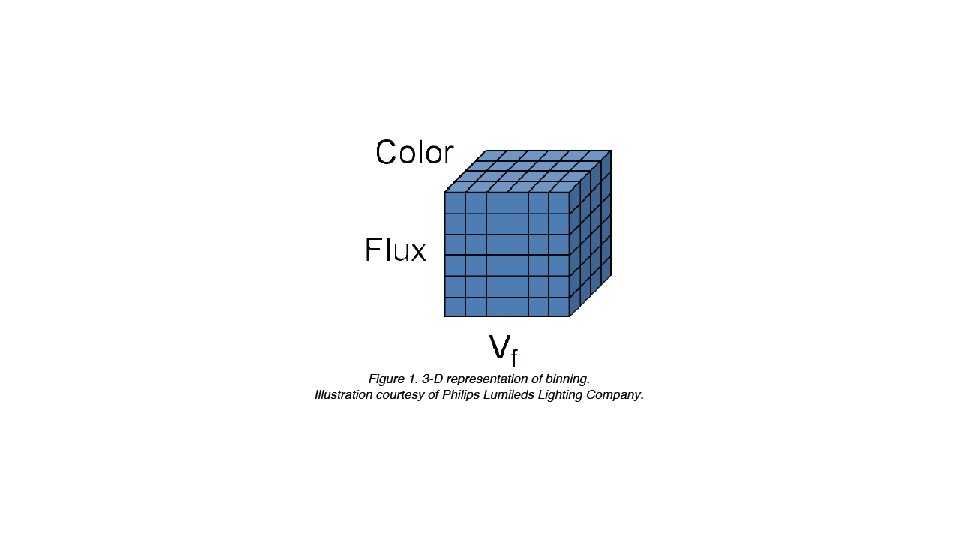
Comparison to LED Binning
LED Binning
LED Binning • Crystal growth is inconsistent • Doping locations are not controlled • Efficiency is sacrificed in certain color ranges
Quantum dots allows for improved precision, efficiency and output gamut
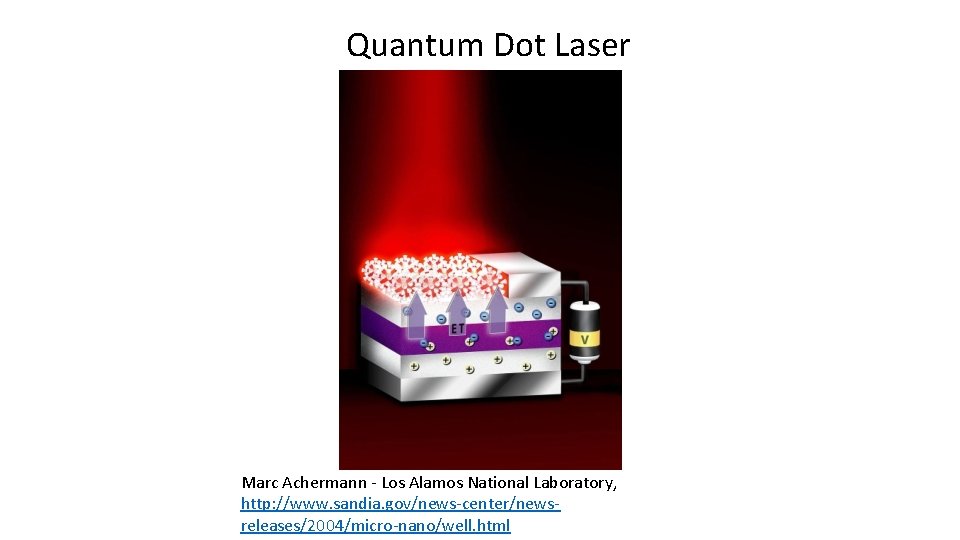
Quantum Dot Laser Marc Achermann - Los Alamos National Laboratory, http: //www. sandia. gov/news-center/newsreleases/2004/micro-nano/well. html
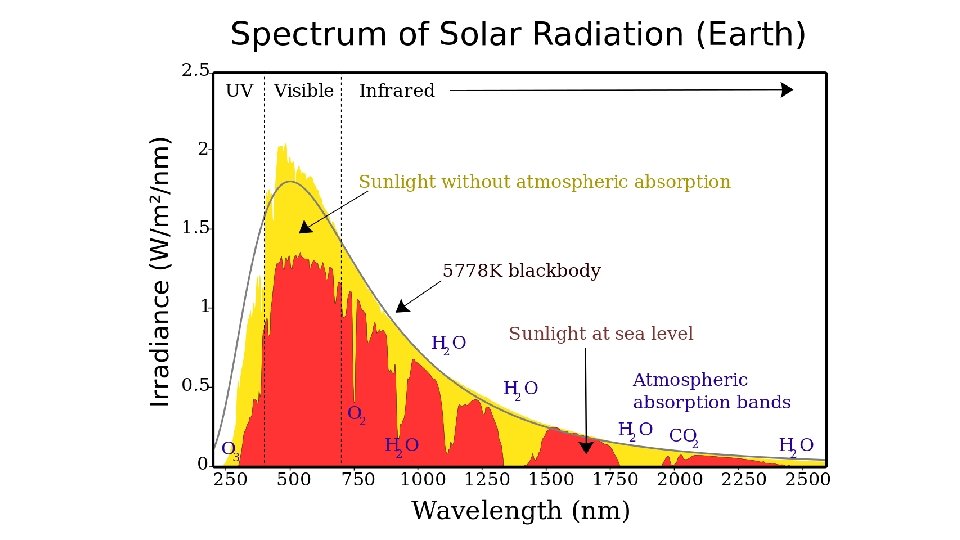
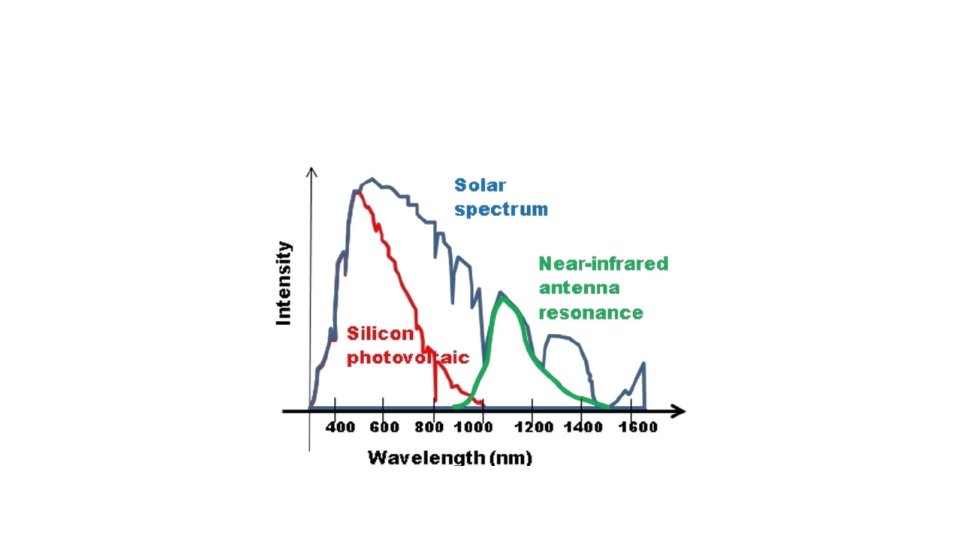
Solar Applications
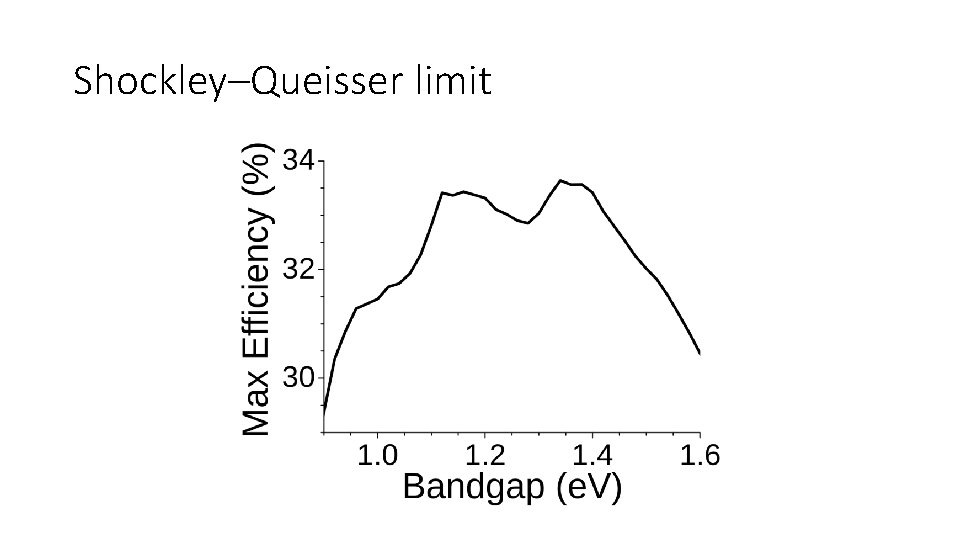
Shockley–Queisser limit
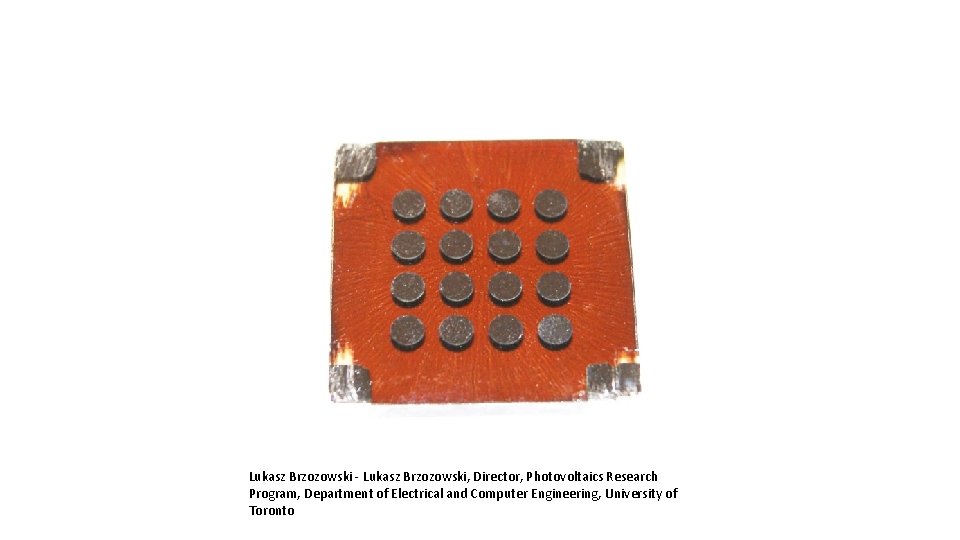
Lukasz Brzozowski - Lukasz Brzozowski, Director, Photovoltaics Research Program, Department of Electrical and Computer Engineering, University of Toronto
Biological
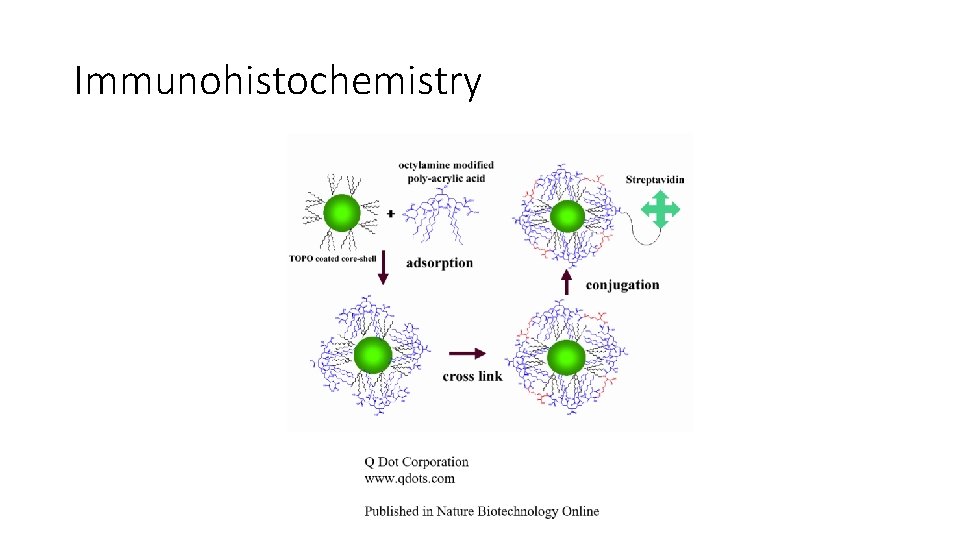
Immunohistochemistry
Physical Analysis
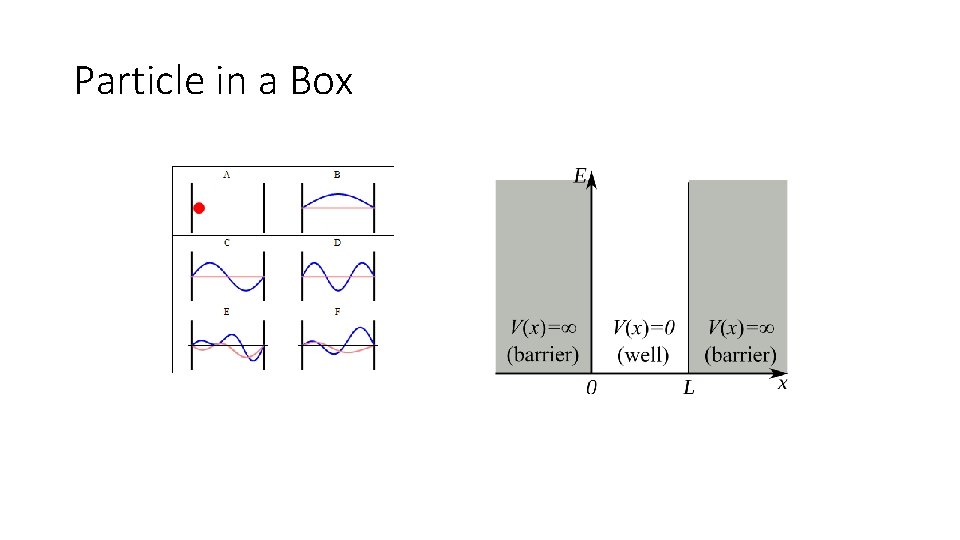
Particle in a Box
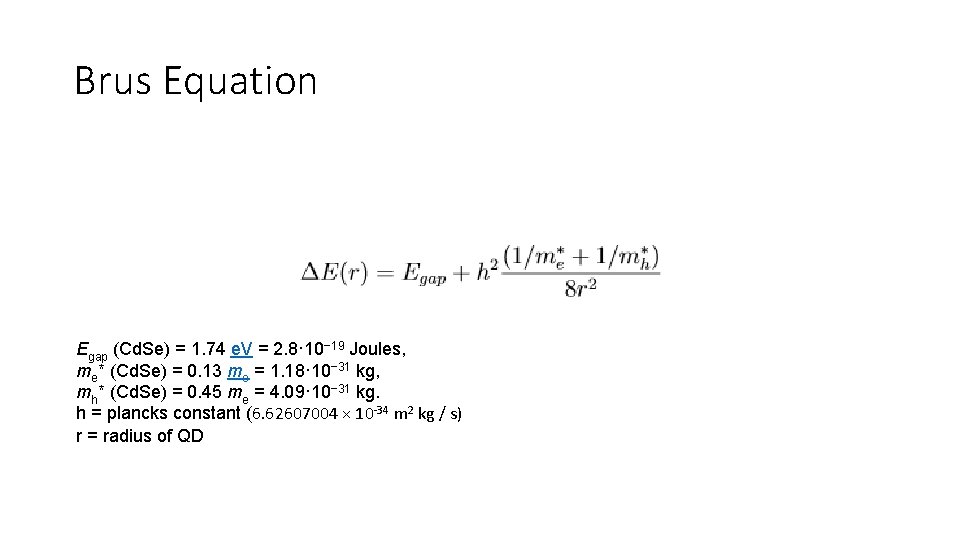
Brus Equation Egap (Cd. Se) = 1. 74 e. V = 2. 8· 10− 19 Joules, me* (Cd. Se) = 0. 13 me = 1. 18· 10− 31 kg, mh* (Cd. Se) = 0. 45 me = 4. 09· 10− 31 kg. h = plancks constant (6. 62607004 × 10 -34 m 2 kg / s) r = radius of QD
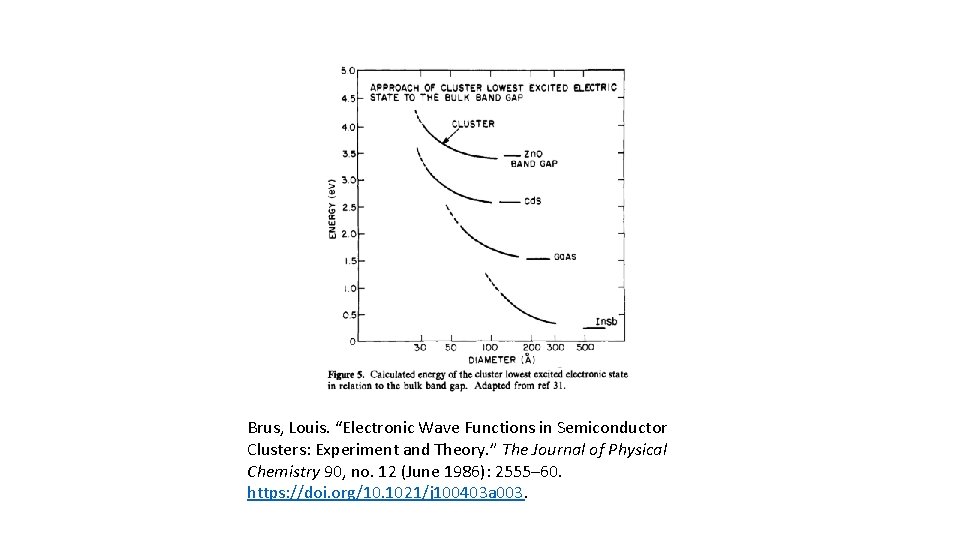
Brus, Louis. “Electronic Wave Functions in Semiconductor Clusters: Experiment and Theory. ” The Journal of Physical Chemistry 90, no. 12 (June 1986): 2555– 60. https: //doi. org/10. 1021/j 100403 a 003.
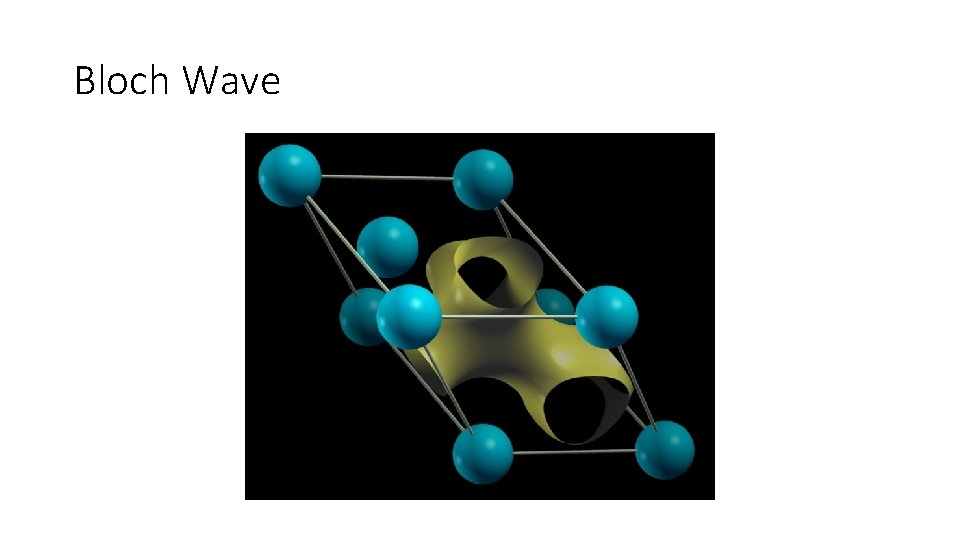
Bloch Wave
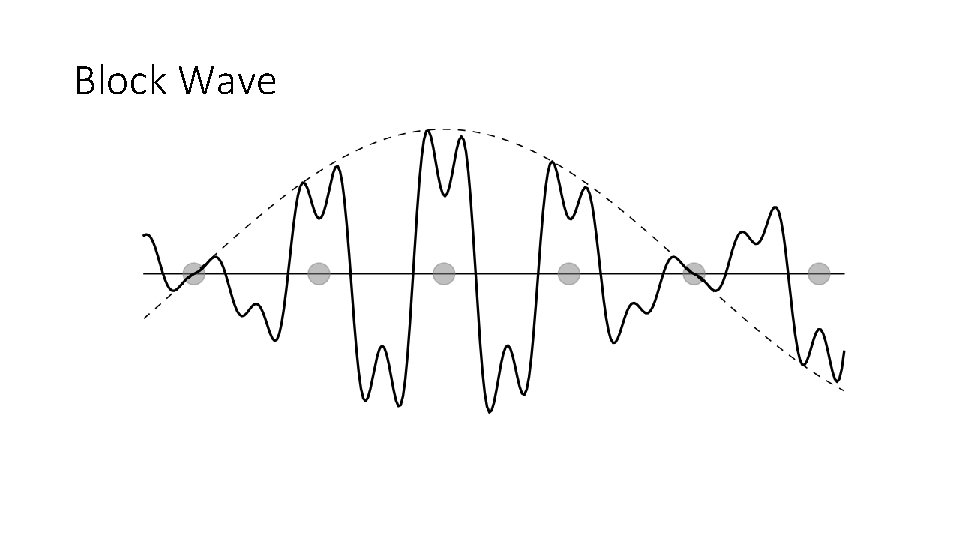
Block Wave
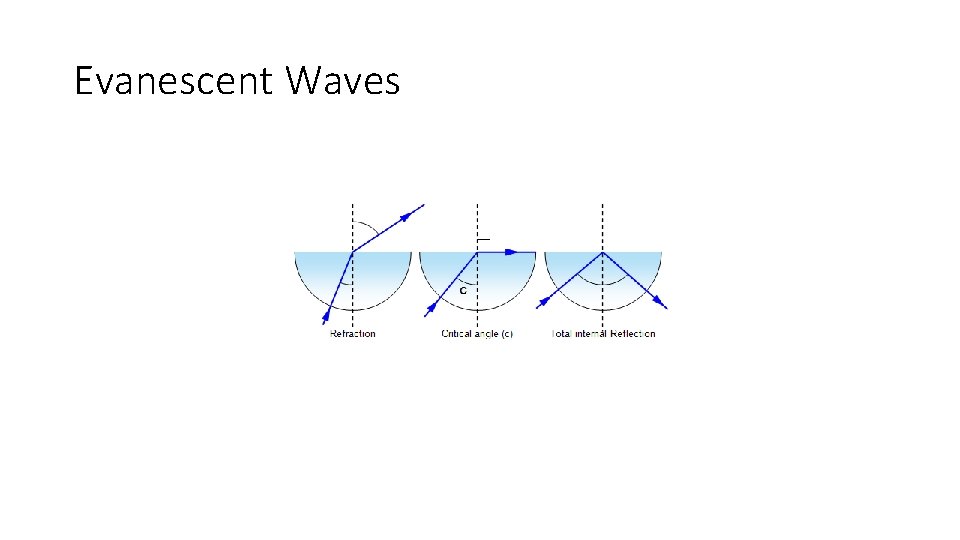
Evanescent Waves
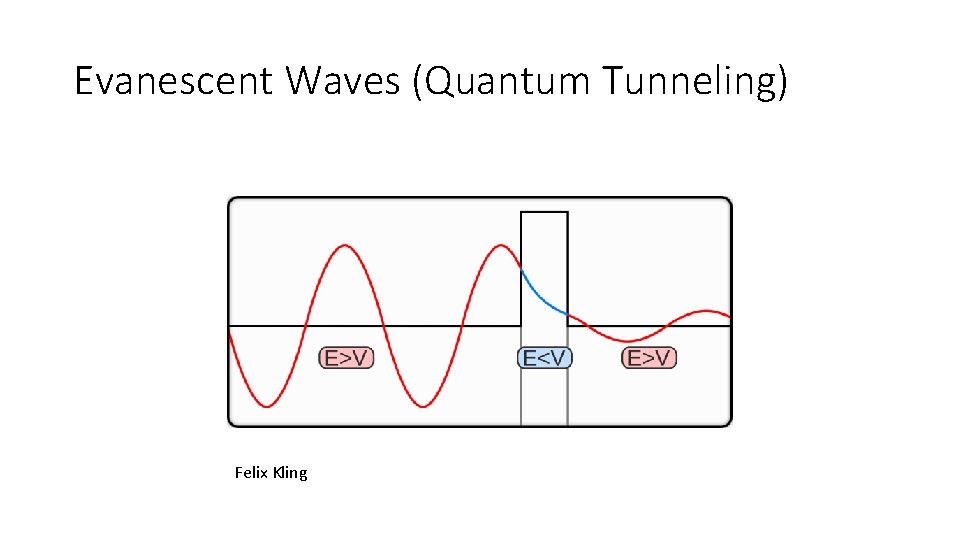
Evanescent Waves (Quantum Tunneling) Felix Kling
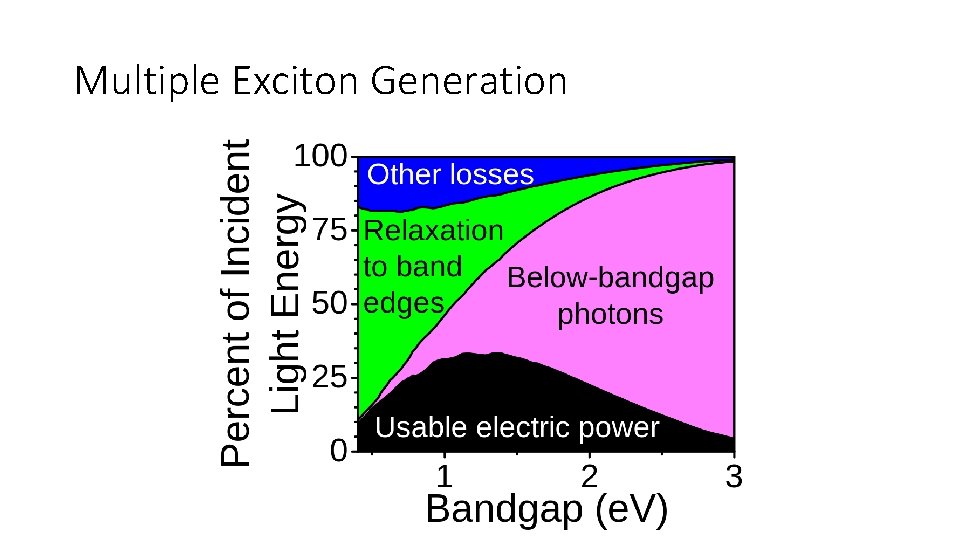
Multiple Exciton Generation
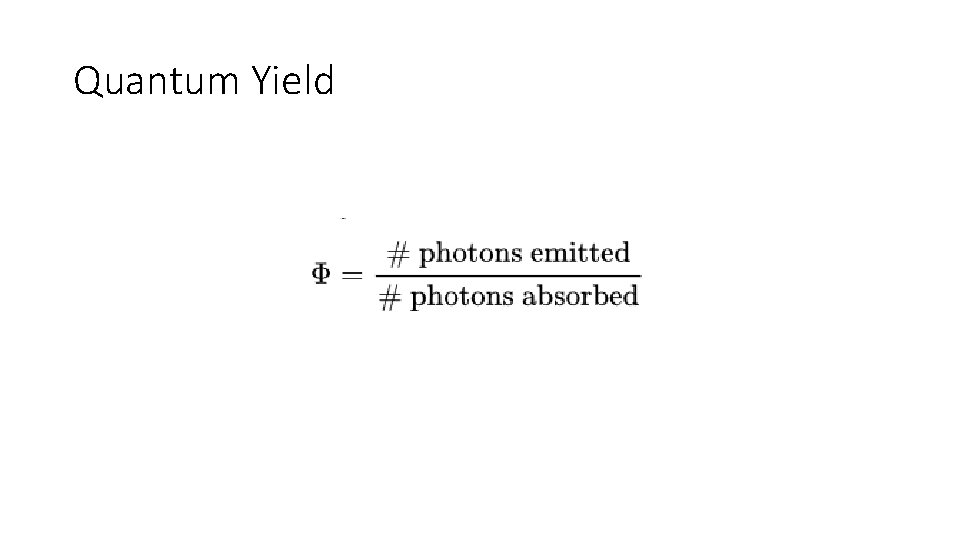
Quantum Yield
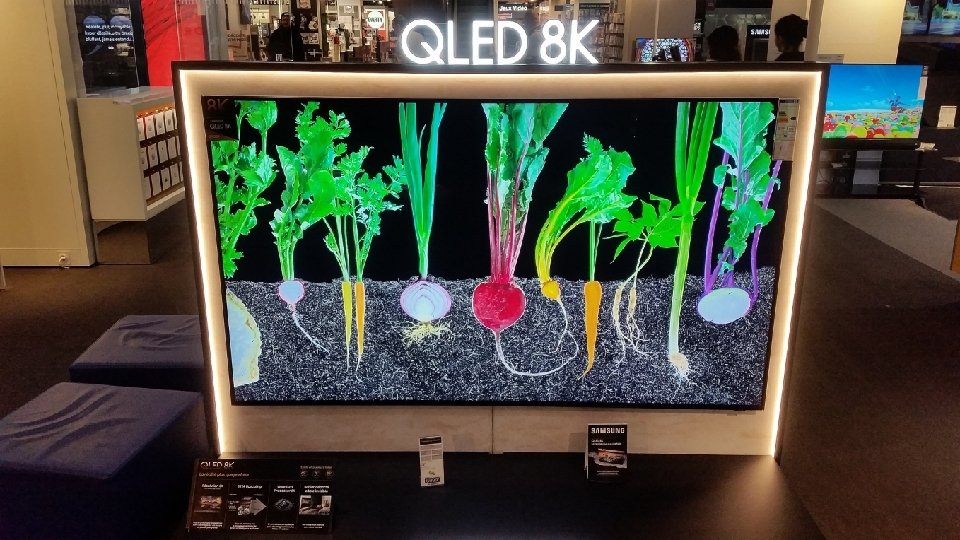
Applications • Displays • Lasers • Photodetectors • Immunohistochemistry (Biomarkers) • Solar?
Future Challenges • Alternative Materials (EHS) • Tabulate band gaps • Measure/compute effective electron mass
References • Iafrate, G. J. , K. Hess, J. B. Krieger, and M. Macucci. “Capacitive Nature of Atomic-Sized Structures. ” Physical Review B 52, no. 15 (October 15, 1995): 10737– 39. https: //doi. org/10. 1103/Phys. Rev. B. 52. 10737. • Brus, Louis. “Chemistry and Physics of Semiconductor Nanocrystals, ” n. d. , 33. • Brus, Louis. “Electronic Wave Functions in Semiconductor Clusters: Experiment and Theory. ” The Journal of Physical Chemistry 90, no. 12 (June 1986): 2555– 60. https: //doi. org/10. 1021/j 100403 a 003. • Kippeny, Tadd, Laura A. Swafford, and Sandra J. Rosenthal. “Semiconductor Nanocrystals: A Powerful Visual Aid for Introducing the Particle in a Box. ” Journal of Chemical Education 79, no. 9 (September 2002): 1094. https: //doi. org/10. 1021/ed 079 p 1094.
References • Pathak, Smita, Elizabeth Cao, Marie C. Davidson, Sungho Jin, and Gabriel A. Silva. “Quantum Dot Applications to Neuroscience: New Tools for Probing Neurons and Glia. ” Journal of Neuroscience 26, no. 7 (February 15, 2006): 1893– 95. https: //doi. org/10. 1523/JNEUROSCI. 3847 -05. 2006. • Rühle, Sven. “Tabulated Values of the Shockley–Queisser Limit for Single Junction Solar Cells. ” Solar Energy 130 (June 2016): 139– 47. https: //doi. org/10. 1016/j. solener. 2016. 02. 015. • Gilmore, Rachel H. , Samuel W. Winslow, Elizabeth M. Y. Lee, Matthew Nickol Ashner, Kevin G. Yager, Adam P. Willard, and William A. Tisdale. “Inverse Temperature Dependence of Charge Carrier Hopping in Quantum Dot Solids. ” ACS Nano 12, no. 8 (August 28, 2018): 7741– 49. https: //doi. org/10. 1021/acsnano. 8 b 01643.