Psychology of Aging Instructor Genevive Quintin Lecture 1
- Slides: 53
Psychology of Aging Instructor: Geneviève Quintin Lecture 1 September 12 th, 2007
Psy 313: Psychology of Aging Lectures: Wednesdays, 6 -9 pm, room SS 1073 Your Instructor: Geneviève Quintin Email Address: geneviev@psych. utoronto. ca Course Website: http: //www. psych. utoronto. ca/~geneviev
What Is Aging? • When you think about aging, what images does that bring to your mind? • What are the good aspects of aging? • What are some problems in aging? • What do you hope we will discuss in this course?
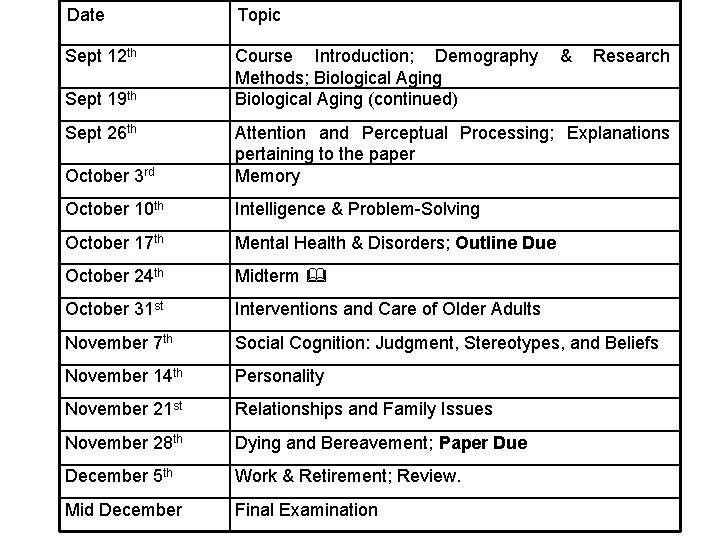
Date Topic Sept 12 th Course Introduction; Demography Methods; Biological Aging (continued) Sept 19 th Sept 26 th & Research October 3 rd Attention and Perceptual Processing; Explanations pertaining to the paper Memory October 10 th Intelligence & Problem-Solving October 17 th Mental Health & Disorders; Outline Due October 24 th Midterm October 31 st Interventions and Care of Older Adults November 7 th Social Cognition: Judgment, Stereotypes, and Beliefs November 14 th Personality November 21 st Relationships and Family Issues November 28 th Dying and Bereavement; Paper Due December 5 th Work & Retirement; Review. Mid December Final Examination
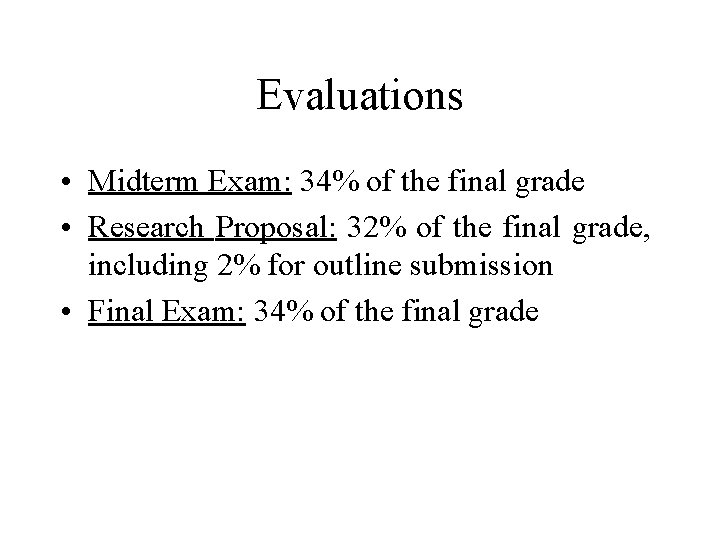
Evaluations • Midterm Exam: 34% of the final grade • Research Proposal: 32% of the final grade, including 2% for outline submission • Final Exam: 34% of the final grade
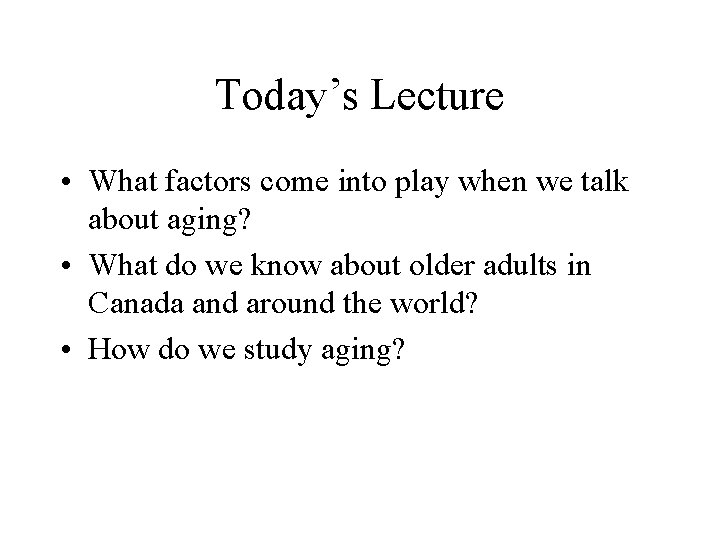
Today’s Lecture • What factors come into play when we talk about aging? • What do we know about older adults in Canada and around the world? • How do we study aging?
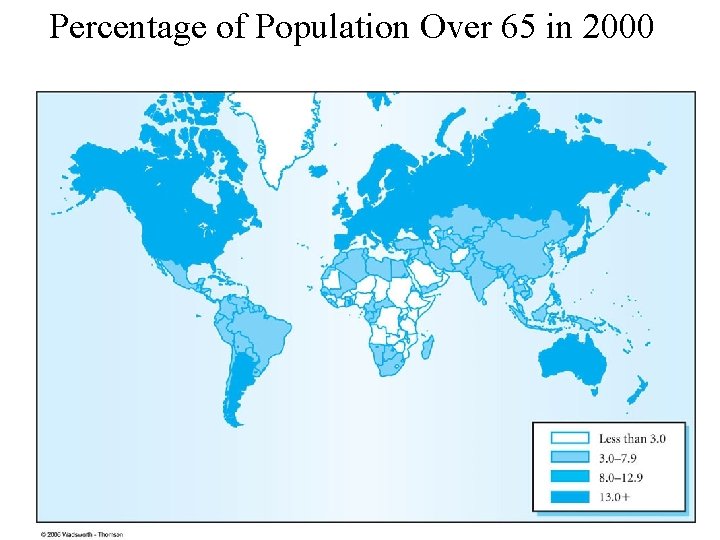
Percentage of Population Over 65 in 2000
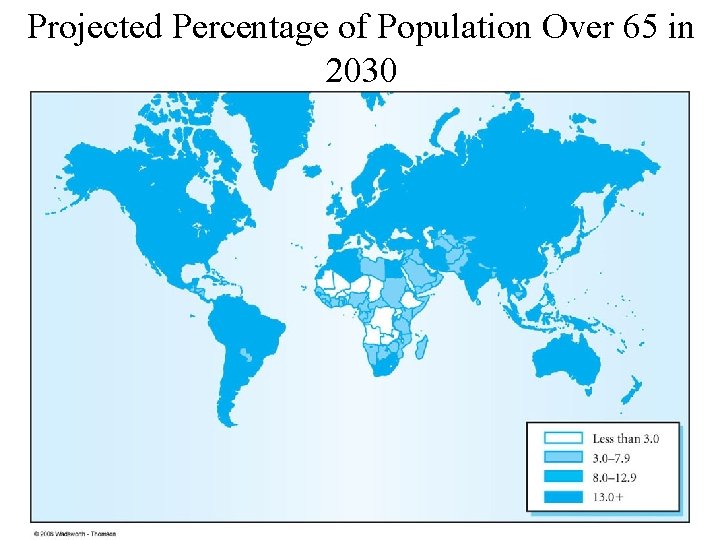
Projected Percentage of Population Over 65 in 2030
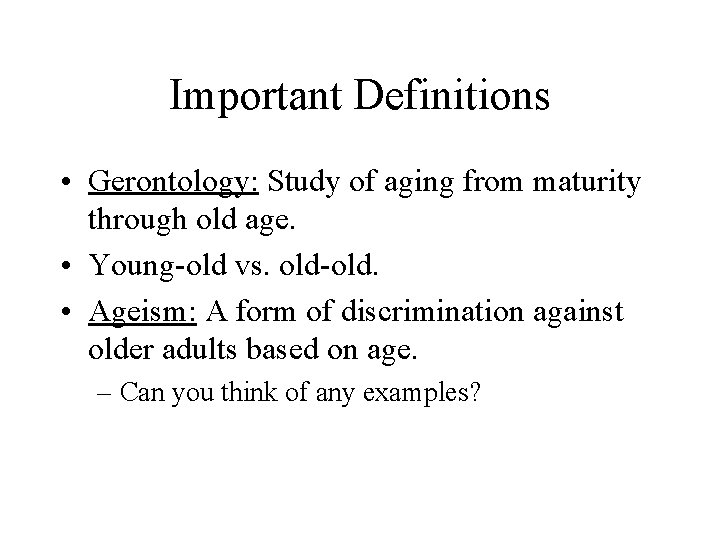
Important Definitions • Gerontology: Study of aging from maturity through old age. • Young-old vs. old-old. • Ageism: A form of discrimination against older adults based on age. – Can you think of any examples?
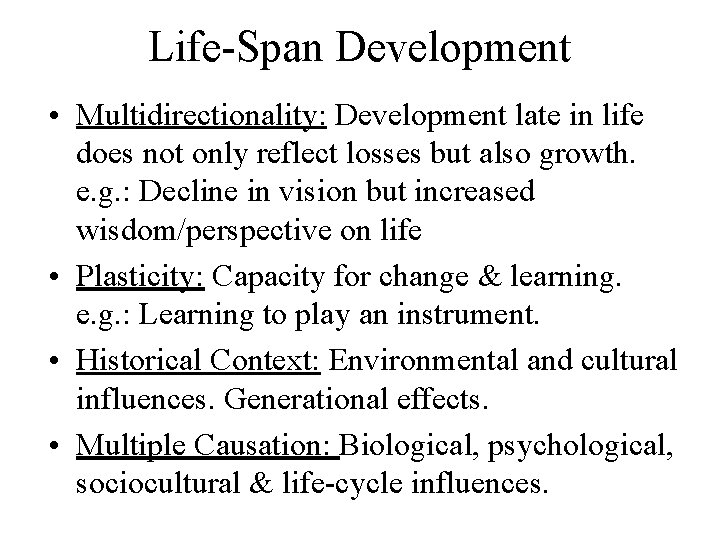
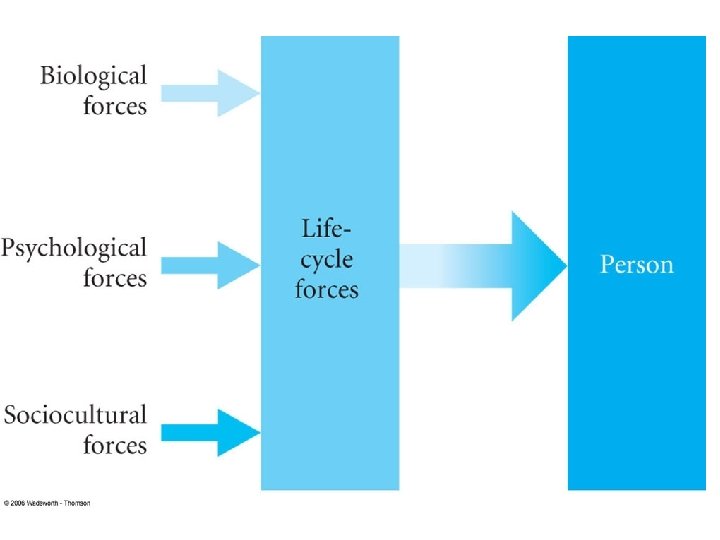
Life-Span Development • Multidirectionality: Development late in life does not only reflect losses but also growth. e. g. : Decline in vision but increased wisdom/perspective on life • Plasticity: Capacity for change & learning. e. g. : Learning to play an instrument. • Historical Context: Environmental and cultural influences. Generational effects. • Multiple Causation: Biological, psychological, sociocultural & life-cycle influences.
What Are These Influences? • What do you think we mean by biological, psychological, sociocultural, and life-cycle forces? • Example: Reaction to being diagnosed with cancer in a young adult vs. an older adult.
How Do These Influences Act Over Time? • Normative Age-Graded Influences: Experiences that tend to occur at a certain chronological age. e. g. : Puberty, time at which people get married or have children. • Normative History-Graded Influences: Events shared by most people in a certain culture at a certain point in time. • Nonnormative Influences: Random or rare events that are specific to the life of an individual.
Children of the 80 s vs. 90 s? • You can name at least half of the members of the "Brat Pack". • You remember when ATARI was a state of the art video game system. • You owned any cassettes. • You could breakdance, or wished you could. • You wanted to be The Hulk for Halloween. • You thought that Transformers were more than meets the eye. • You wanted to be on Star Search. • You knew all the characters names and their life stories on “Saved By The Bell”. • You loved to play Mario 64 or Final Fantasy. • You played and or collected “Pogs”. • You knew the Macarena by heart. • You had or knew someone with the “Rachel” haircut. • You wore really baggy jeans.
Is Age Just A Number? • You meet two people who tell you they are both 40 years old. • They are thus the same _____ age, but it doesn’t tell you if they are the same ____ age. • Primary vs. Secondary vs. Tertiary aging. • In this course, we will focus mostly on primary aging.
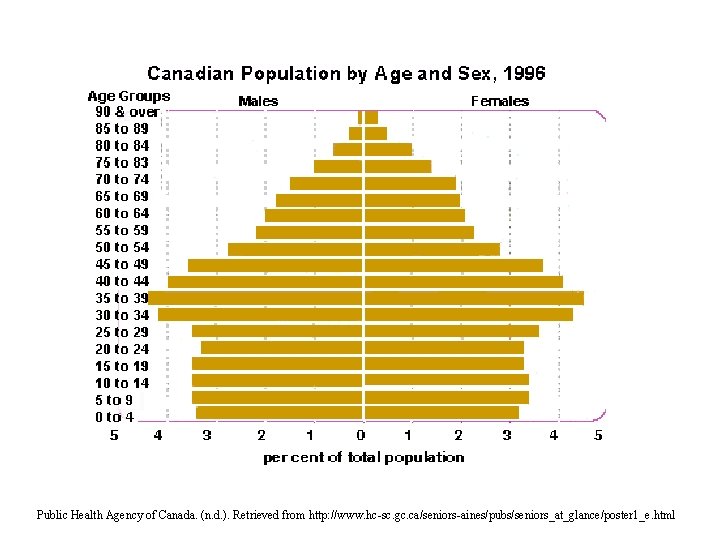
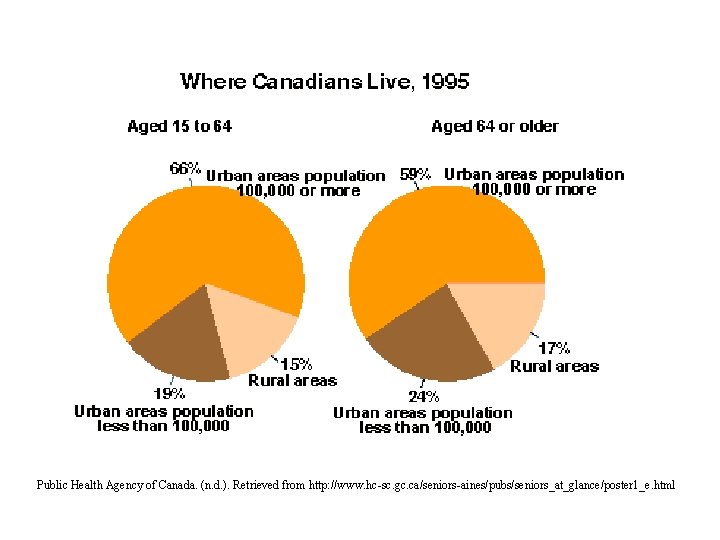
A Little Bit Of Demography • What do we know about older adults as a group? How can we describe them? • What are some characteristics of Canadian older adults? Are they different from younger adults?
Public Health Agency of Canada. (n. d. ). Retrieved from http: //www. hc-sc. gc. ca/seniors-aines/pubs/seniors_at_glance/poster 1_e. html
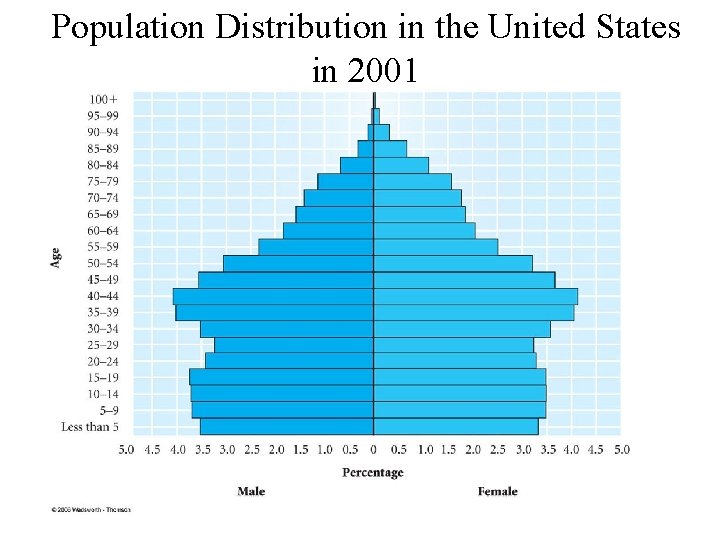
Population Distribution in the United States in 2001
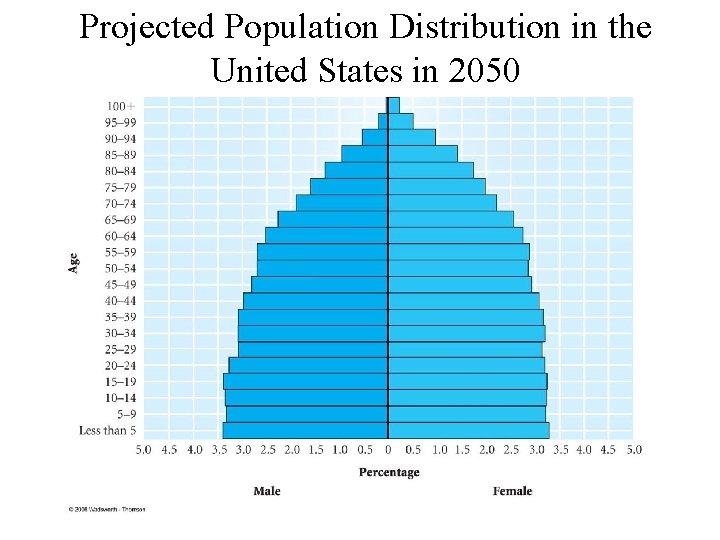
Projected Population Distribution in the United States in 2050
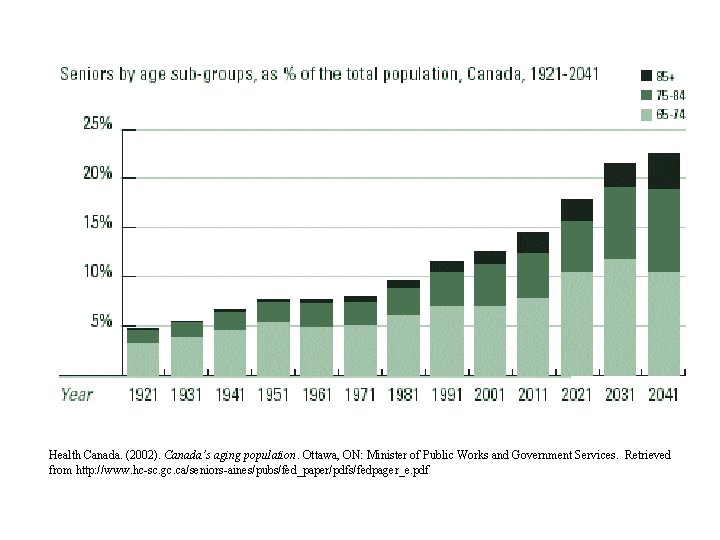
Health Canada. (2002). Canada’s aging population. Ottawa, ON: Minister of Public Works and Government Services. Retrieved from http: //www. hc-sc. gc. ca/seniors-aines/pubs/fed_paper/pdfs/fedpager_e. pdf
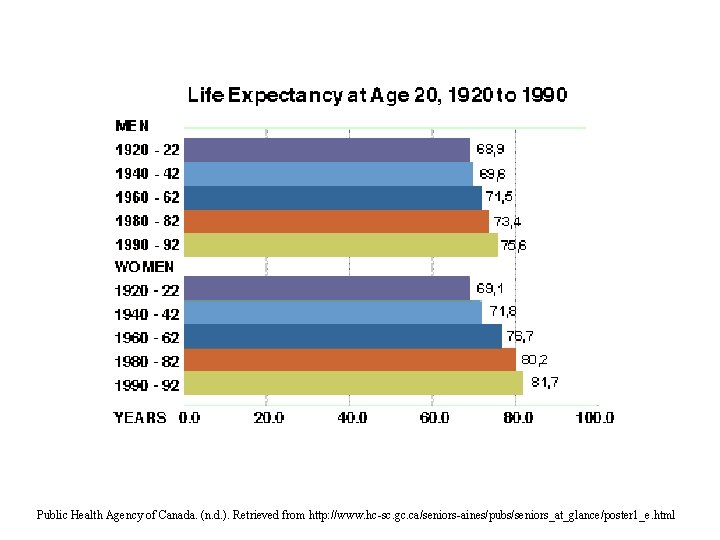
Public Health Agency of Canada. (n. d. ). Retrieved from http: //www. hc-sc. gc. ca/seniors-aines/pubs/seniors_at_glance/poster 1_e. html
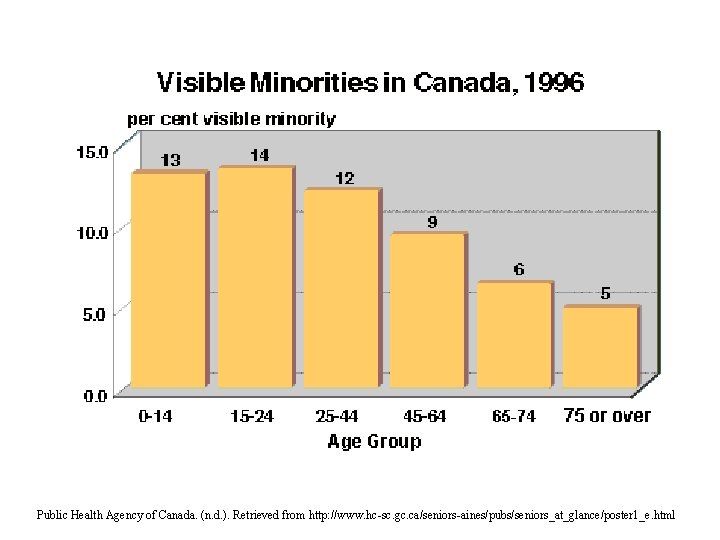
Public Health Agency of Canada. (n. d. ). Retrieved from http: //www. hc-sc. gc. ca/seniors-aines/pubs/seniors_at_glance/poster 1_e. html
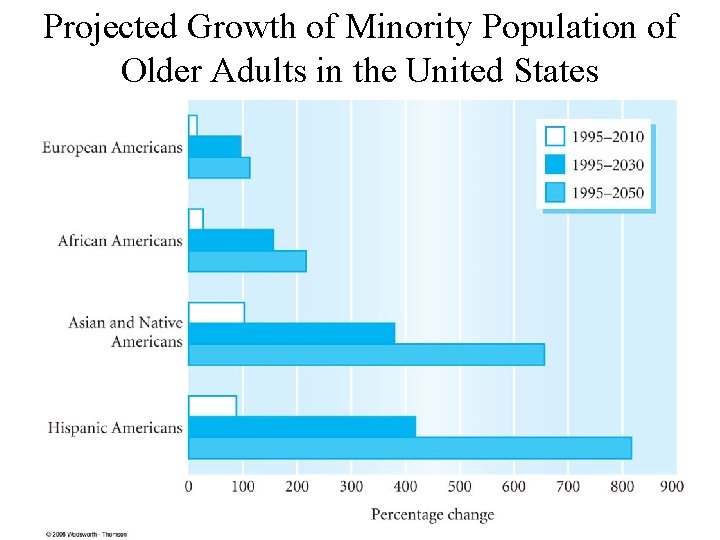
Projected Growth of Minority Population of Older Adults in the United States
Public Health Agency of Canada. (n. d. ). Retrieved from http: //www. hc-sc. gc. ca/seniors-aines/pubs/seniors_at_glance/poster 1_e. html
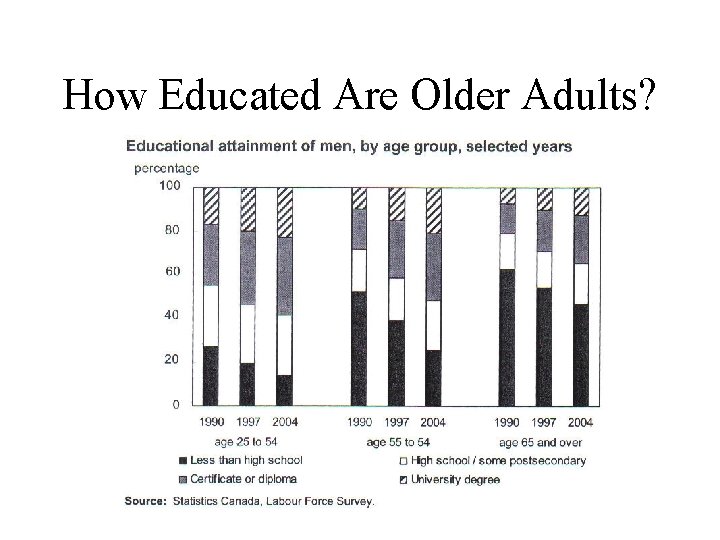
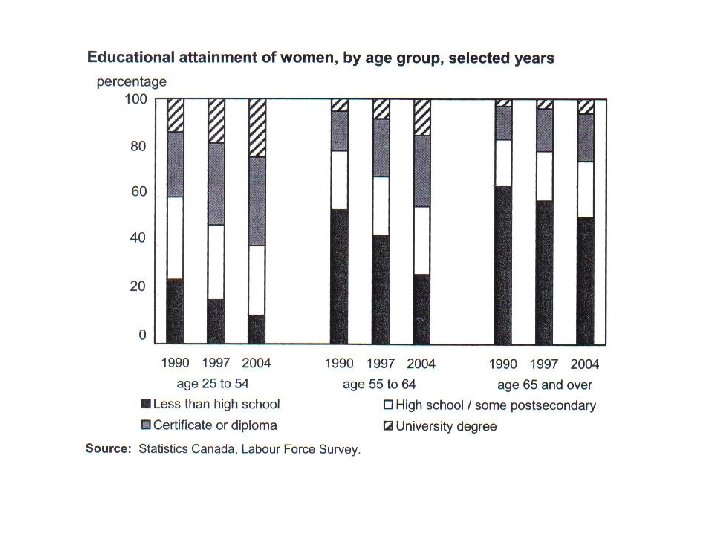
How Educated Are Older Adults?
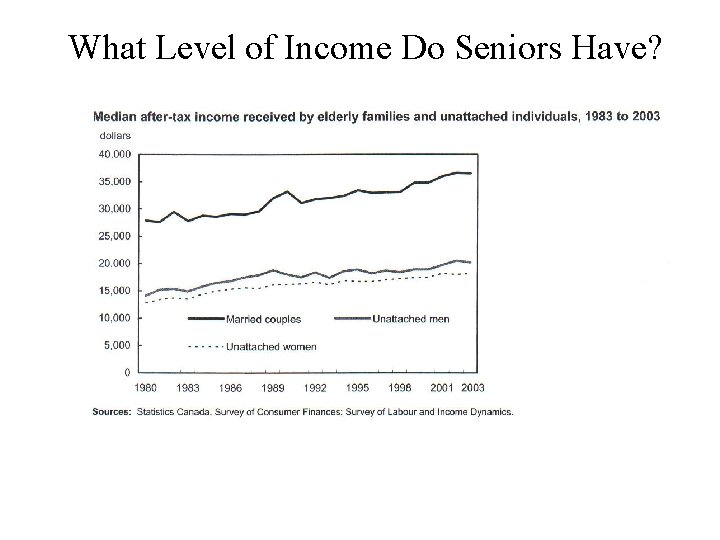
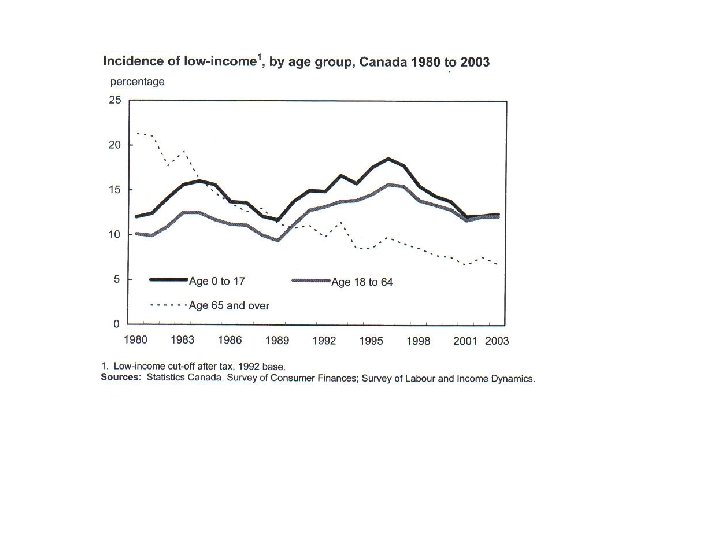
What Level of Income Do Seniors Have?
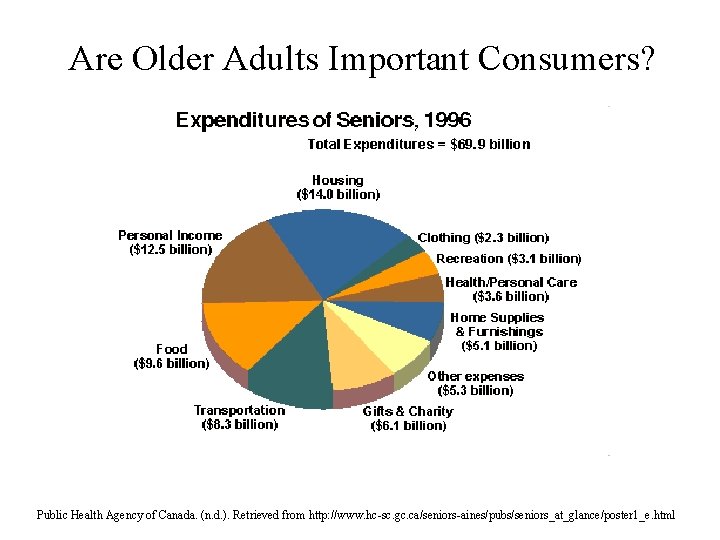
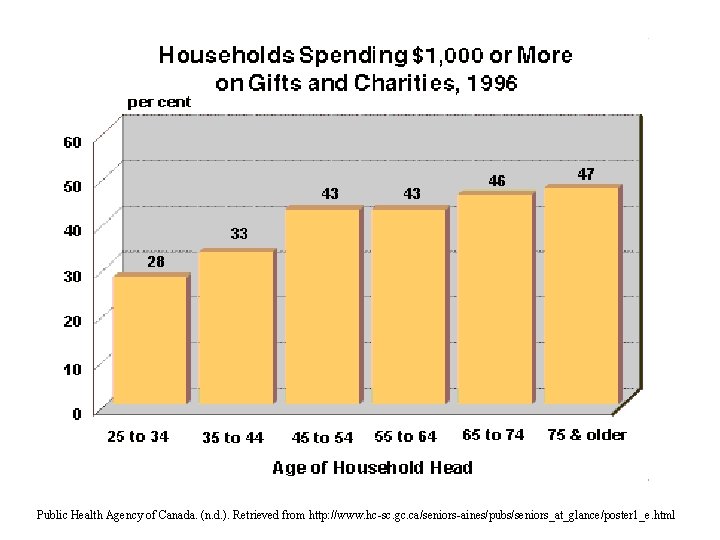
Are Older Adults Important Consumers? Public Health Agency of Canada. (n. d. ). Retrieved from http: //www. hc-sc. gc. ca/seniors-aines/pubs/seniors_at_glance/poster 1_e. html
Public Health Agency of Canada. (n. d. ). Retrieved from http: //www. hc-sc. gc. ca/seniors-aines/pubs/seniors_at_glance/poster 1_e. html
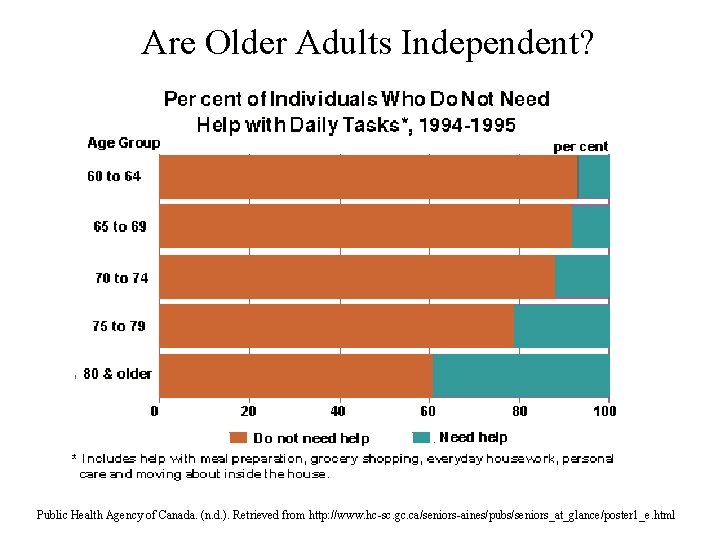
Are Older Adults Independent? Public Health Agency of Canada. (n. d. ). Retrieved from http: //www. hc-sc. gc. ca/seniors-aines/pubs/seniors_at_glance/poster 1_e. html
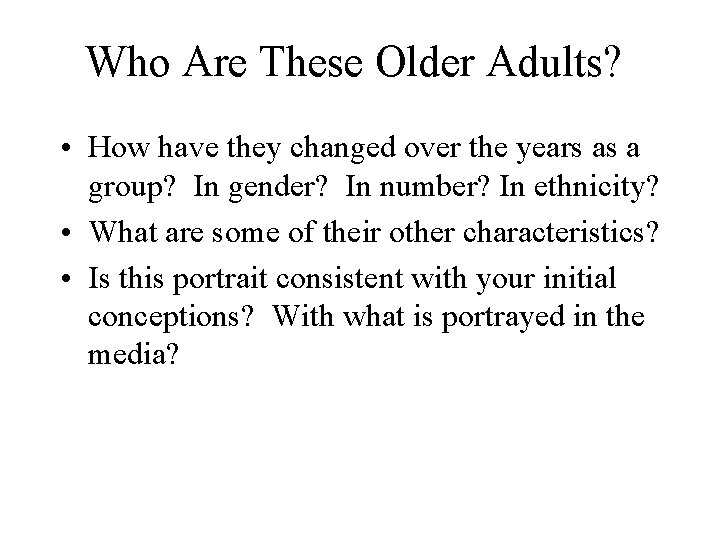
Who Are These Older Adults? • How have they changed over the years as a group? In gender? In number? In ethnicity? • What are some of their other characteristics? • Is this portrait consistent with your initial conceptions? With what is portrayed in the media?
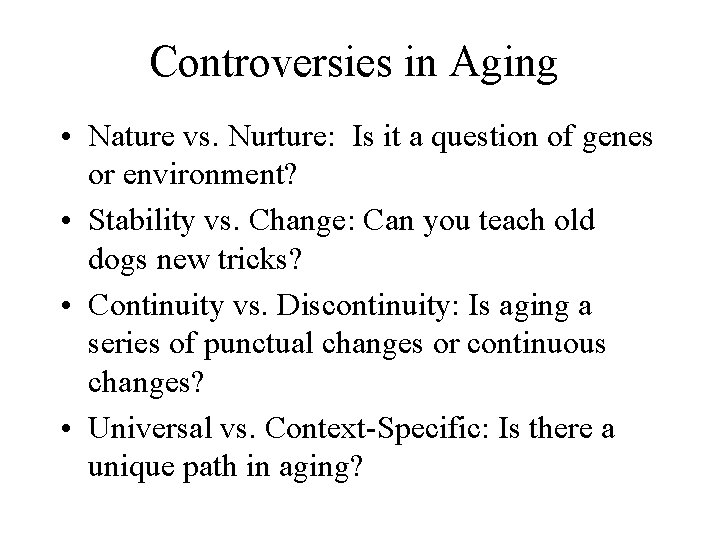
Controversies in Aging • Nature vs. Nurture: Is it a question of genes or environment? • Stability vs. Change: Can you teach old dogs new tricks? • Continuity vs. Discontinuity: Is aging a series of punctual changes or continuous changes? • Universal vs. Context-Specific: Is there a unique path in aging?
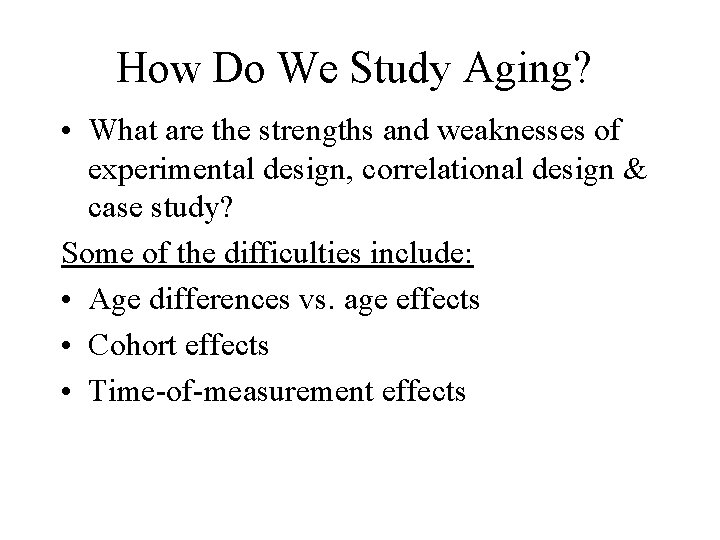
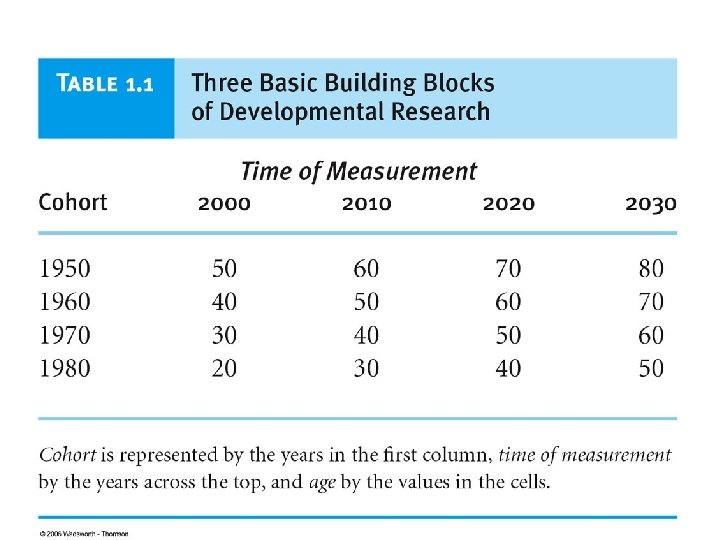
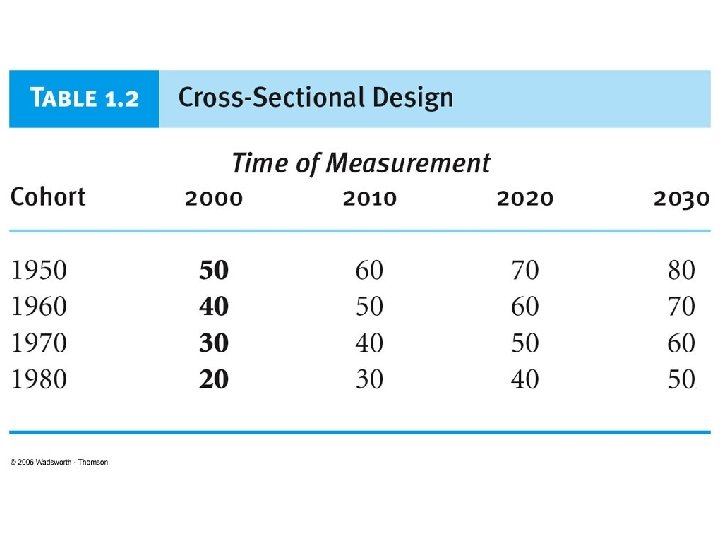
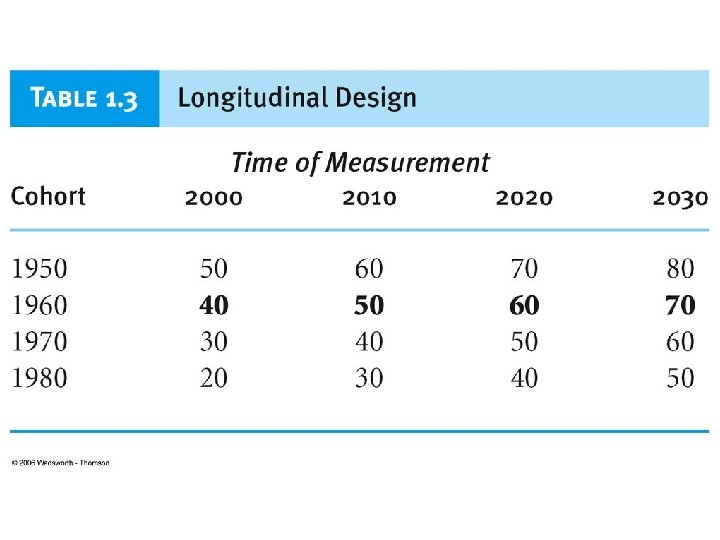
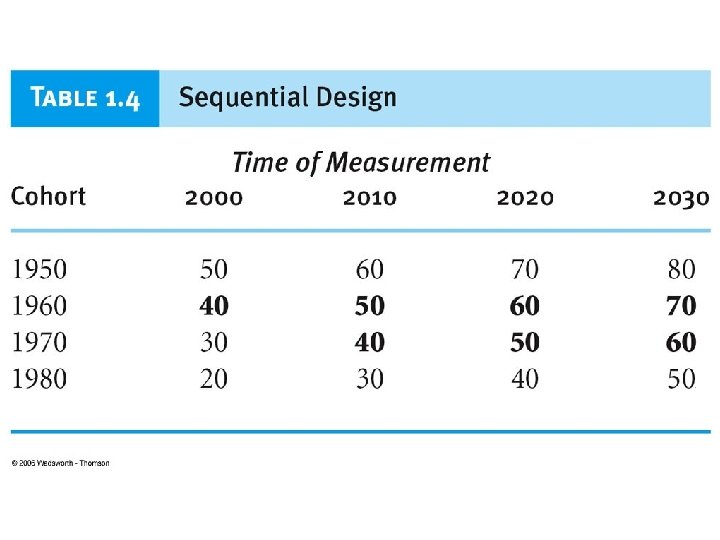
How Do We Study Aging? • What are the strengths and weaknesses of experimental design, correlational design & case study? Some of the difficulties include: • Age differences vs. age effects • Cohort effects • Time-of-measurement effects
Conclusions • We experience changes as we grow older, but contrary to stereotypes, it does not inevitably lead to decline in all areas. • Older adults are the fastest growing demographic age group, which will impact societies in many ways. We will explore those consequences in future lectures. • You will need to keep in mind the various caveats and methodological difficulties to assess whether a topic was adequately studied.
Chapter 2: Biological Aging
What Is Biological Aging? • Can you give me examples of physical changes people undergo as they age? • What are some of the impacts of those changes?
Questions To Answer • Why do we age? • What are some normal and abnormal physical changes associated with aging? • What factors influence how we age?
Why Do We Age? • Many theories that are not mutually exclusive. • Rate-of-Living Theories Focus on The Overall Contributrion of Systems in the Body: Limited energy. – Metabolic rates: Can only burn so much energy before too much damage. – Limited calory consumption: Evidence linking amount of calories consumed to lifespan in rats and mice. – Adaptation to stress.
Why Do We Age? • Cellular Theories Focus On Cells As Opposed to Systems. – Cells are limited in the number of divisions they can undergo. – Cross-linking of proteins making the body stiffer. e. g. : Lowers heart rate. – Free radicals. Antioxidants are frequently used to counteract their effects.
Why Do We Age? • Programmed Cell Death Theories: Theories Focusing on Genetics. – Is aging programmed into the genetic code? – Cells appear to receive signals to self-destruct. • Genetic pathologies causing destruction: – Osteoarthritis – Changes in the brain cells – Alzheimer’s disease – Parkinson’s disease
Aging: Genetics or Environment? • Or am I going to age like my parents and grand-parents? • The answer: Both play an important role! • In the 30 s, Pearl & Pearl showed that people who live for a long time tend to come from ancestors who lived long lives. • What could confound such findings?
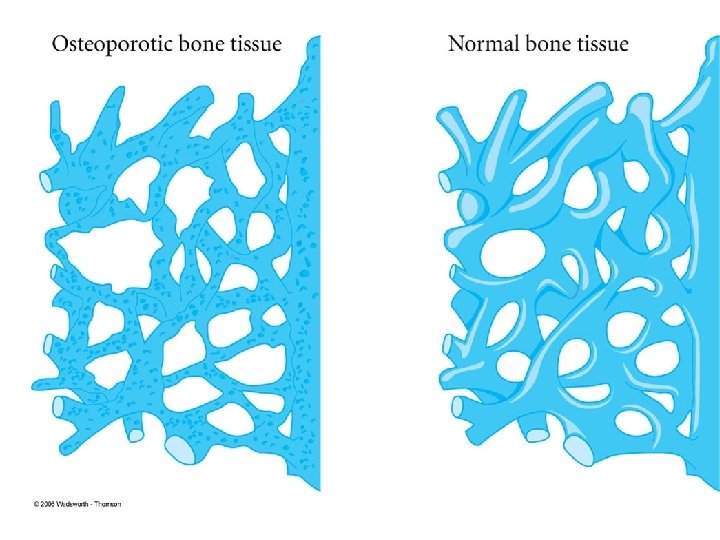
Changes in Appearance and Mobility • Changes in skin, hair, voice, height, weight, bones, muscles, … occur as we age. • How can the environment contribute to those changes? • Example of an abnormal change: Osteoporosis – Loss of bone mass and increased porosity, which creates a fragilization of the bones. – Mostly seen in women: 1 woman in 4 over 50 as opposed to 1 man in 8.
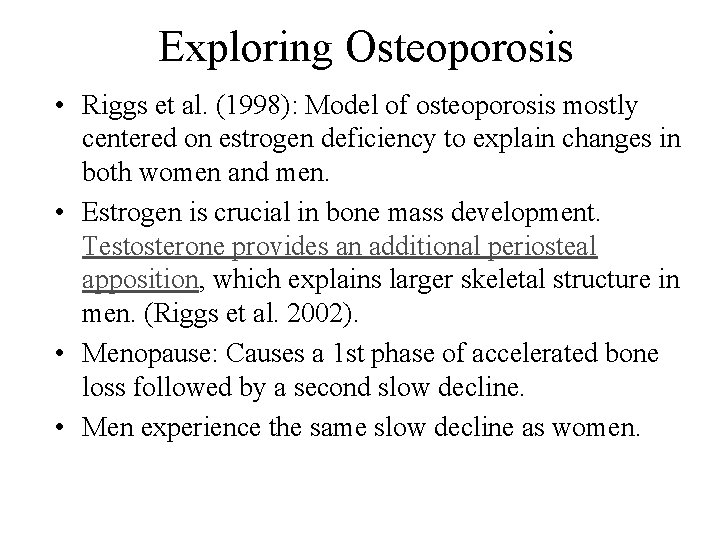
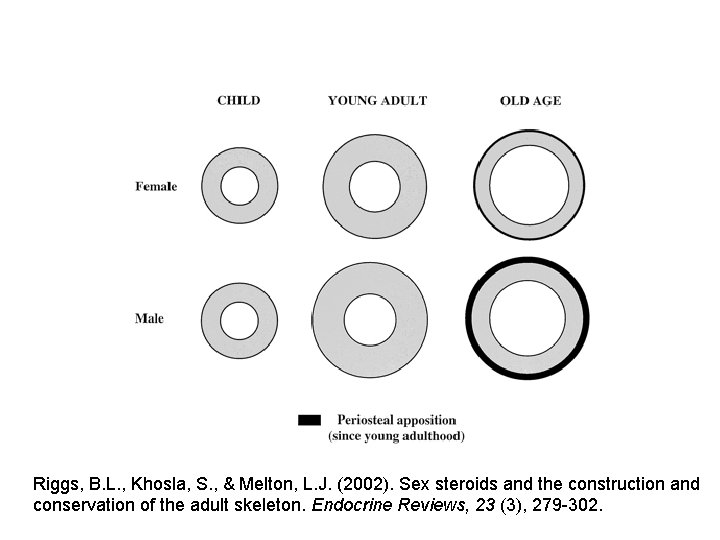
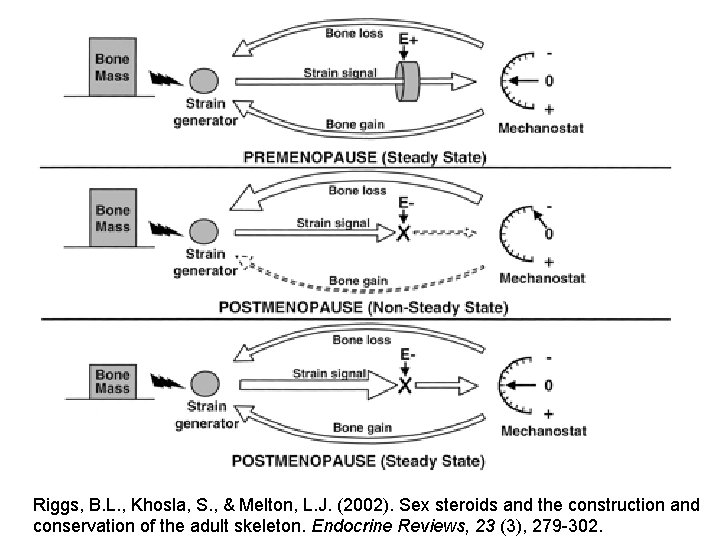
Exploring Osteoporosis • Riggs et al. (1998): Model of osteoporosis mostly centered on estrogen deficiency to explain changes in both women and men. • Estrogen is crucial in bone mass development. Testosterone provides an additional periosteal apposition, which explains larger skeletal structure in men. (Riggs et al. 2002). • Menopause: Causes a 1 st phase of accelerated bone loss followed by a second slow decline. • Men experience the same slow decline as women.
Riggs, B. L. , Khosla, S. , & Melton, L. J. (2002). Sex steroids and the construction and conservation of the adult skeleton. Endocrine Reviews, 23 (3), 279 -302.
Riggs, B. L. , Khosla, S. , & Melton, L. J. (2002). Sex steroids and the construction and conservation of the adult skeleton. Endocrine Reviews, 23 (3), 279 -302.
Nutritional Factors in Osteoporosis • Calcium intake seems to be another key to help slow bone loss (Heaney, 2000). High calcium seems to enhance estrogen effect. • Protein intake: Lack of protein intake often seen in older adults with fractures of the femur. (Delmi et al. , 1990) • Phosphorus intake is also crucial. • Why might nutrition be problematic in elderly adults?