n An estimated 3 5 million cases and



- Slides: 46
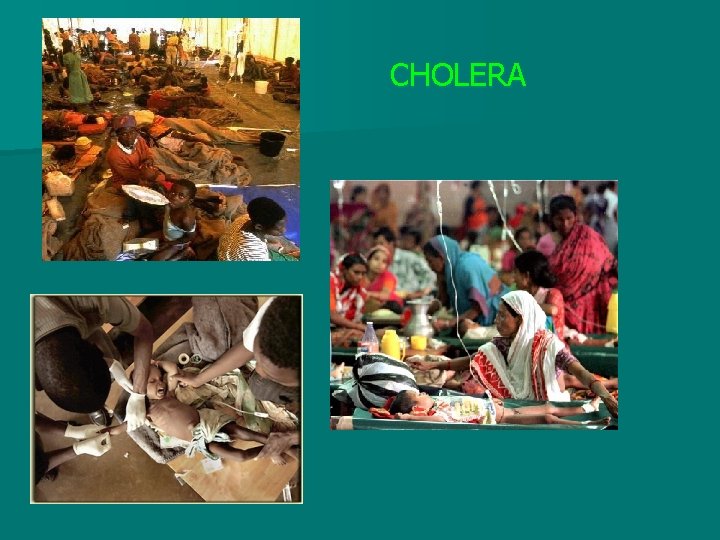
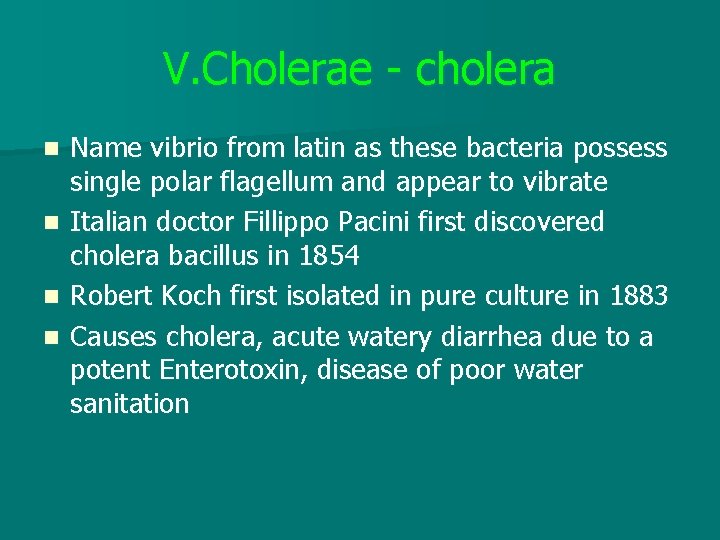
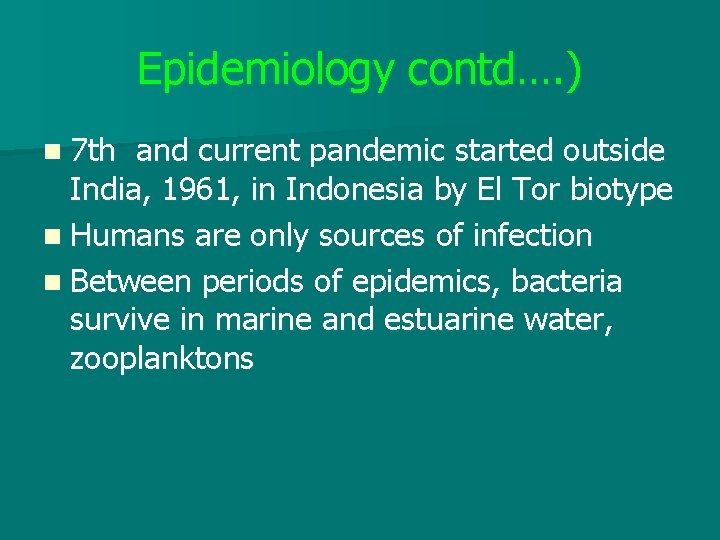
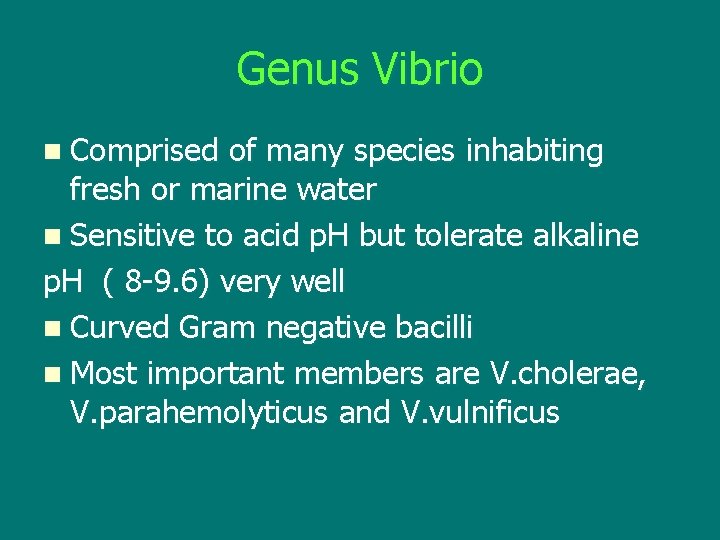
n An estimated 3 -5 million cases and over 100, 000 deaths occur each year around the world. n Since October 2010, over 470, 000 Haitians have been sickened and nearly 7, 000 have died.
n In 2011 -2012 -cholera outbreak in multiple African nations in all regions except north African regions-Ghana –due to intense hand washing campaign n 30 May 2014 -cholera outbreak –in sudan
CURRENT SITUATION n From October 2010 - Jan 2014, the govt. of Haiti has reported 698, 304 suspected cholera cases and 8562 cholera related deaths n Of these, 58, 505 cases and 610 fatalities were recorded from Jan- december 2013 n Only 1396 cases and 16 fatalities have so far been registered in jan 2014 - reflecting significant reduction in number of cases
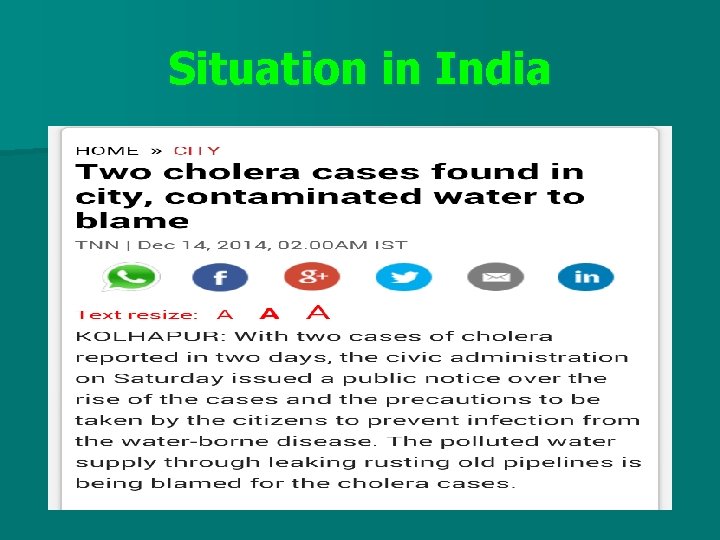
Situation in India
CHOLERA
V. Cholerae - cholera n n Name vibrio from latin as these bacteria possess single polar flagellum and appear to vibrate Italian doctor Fillippo Pacini first discovered cholera bacillus in 1854 Robert Koch first isolated in pure culture in 1883 Causes cholera, acute watery diarrhea due to a potent Enterotoxin, disease of poor water sanitation
Epidemiology n Worldwide with epidemic, sporadic and pandemic nature n Poor sanitation, unsafe drinking water, natural calamities, overcrowding predispose. n 7 pandemics thus far n 6 originated in India - V. cholerae biotype classical, confined to Asia (1817 – 1923)
Epidemiology contd…. ) n 7 th and current pandemic started outside India, 1961, in Indonesia by El Tor biotype n Humans are only sources of infection n Between periods of epidemics, bacteria survive in marine and estuarine water, zooplanktons
Genus Vibrio n Comprised of many species inhabiting fresh or marine water n Sensitive to acid p. H but tolerate alkaline p. H ( 8 -9. 6) very well n Curved Gram negative bacilli n Most important members are V. cholerae, V. parahemolyticus and V. vulnificus
Bacteriology n n n n Curved Gram negative bacilli Motile with single polar flagellum – DARTING MOTILITY Facultative anaerobe and fermenter Oxidase positive Sensitive to acid p. H but grows better at alkaline p. H. Humans are the natural hosts Also found in marine and estuarine water
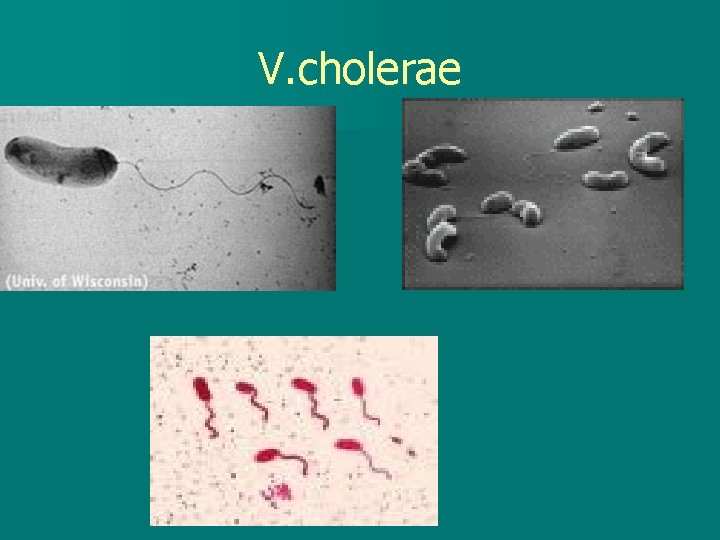
V. cholerae
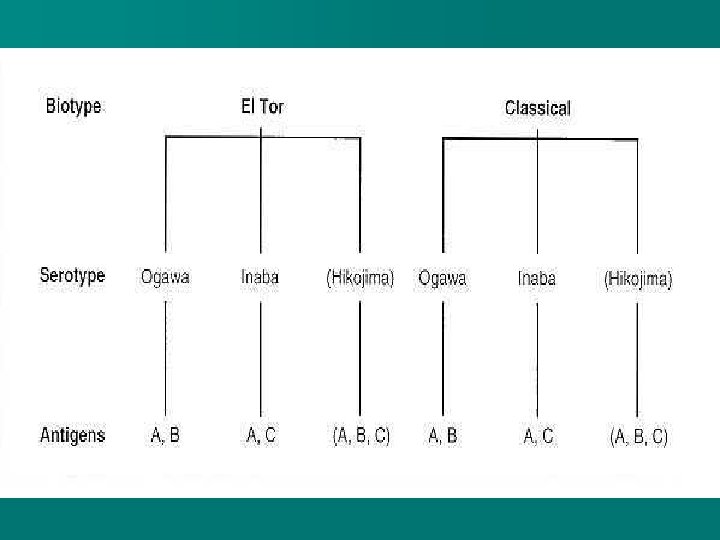
Antigens and classification n n Possess somatic O antigen, flagellar H antigen and fimbrial antigen O antigen and biochemical reactions are the basis of classification 139 serovars ( O 1 – O 139), 2 biotypes( Classical and El Tor), 3 serotypes( Ogawa, Inaba, Hikojima) V. cholerae O 1 biotype El. Tor is the common isolate now. O 139 isolation is also increasing
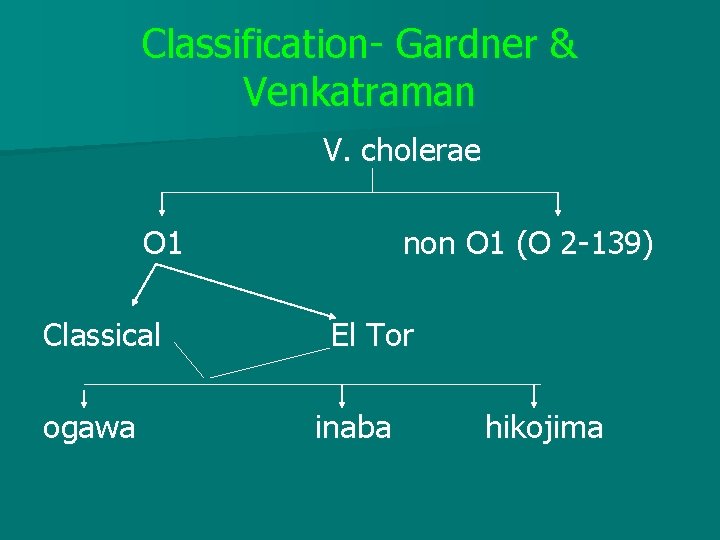
Classification- Gardner & Venkatraman V. cholerae O 1 Classical ogawa non O 1 (O 2 -139) El Tor inaba hikojima
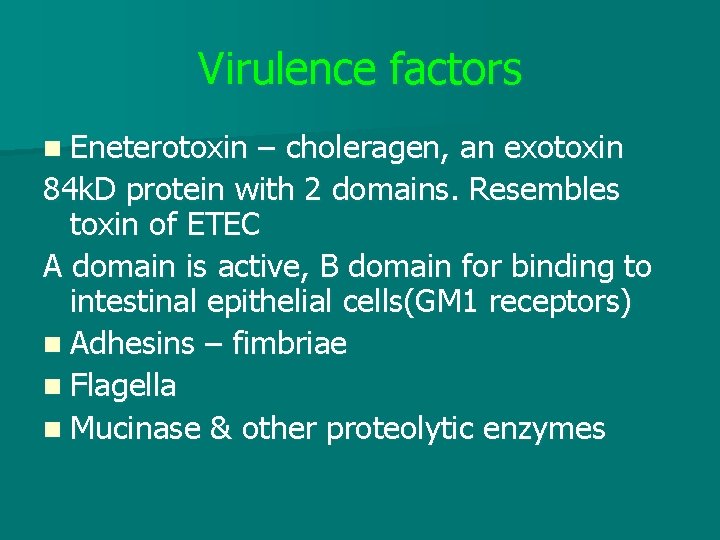
Virulence factors n Eneterotoxin – choleragen, an exotoxin 84 k. D protein with 2 domains. Resembles toxin of ETEC A domain is active, B domain for binding to intestinal epithelial cells(GM 1 receptors) n Adhesins – fimbriae n Flagella n Mucinase & other proteolytic enzymes
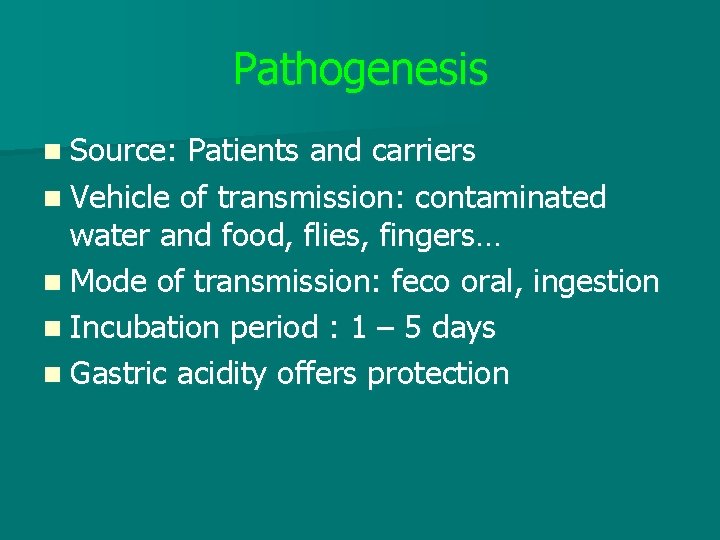
Pathogenesis n Source: Patients and carriers n Vehicle of transmission: contaminated water and food, flies, fingers… n Mode of transmission: feco oral, ingestion n Incubation period : 1 – 5 days n Gastric acidity offers protection
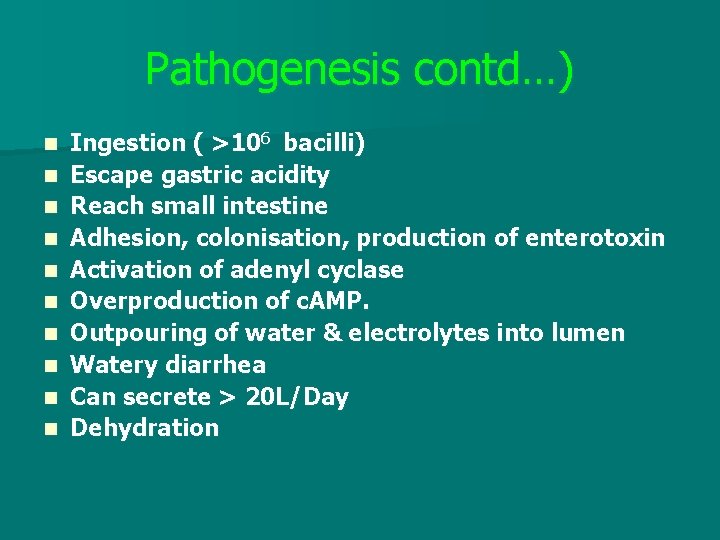
Pathogenesis contd…) n n n n n Ingestion ( >106 bacilli) Escape gastric acidity Reach small intestine Adhesion, colonisation, production of enterotoxin Activation of adenyl cyclase Overproduction of c. AMP. Outpouring of water & electrolytes into lumen Watery diarrhea Can secrete > 20 L/Day Dehydration
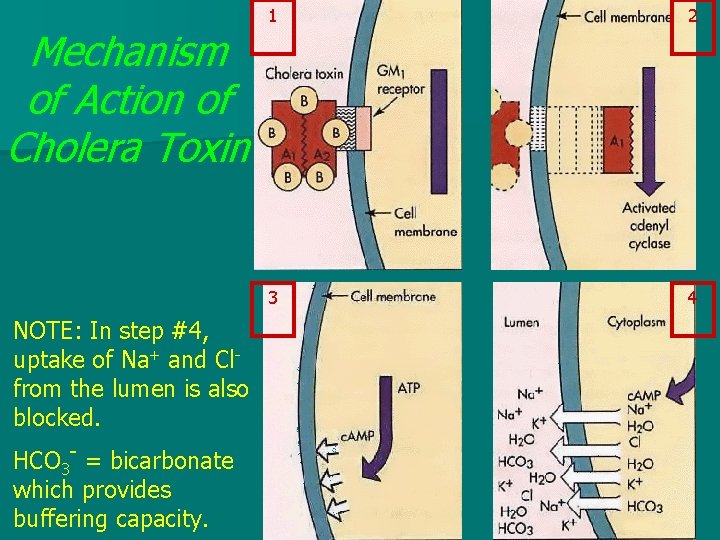
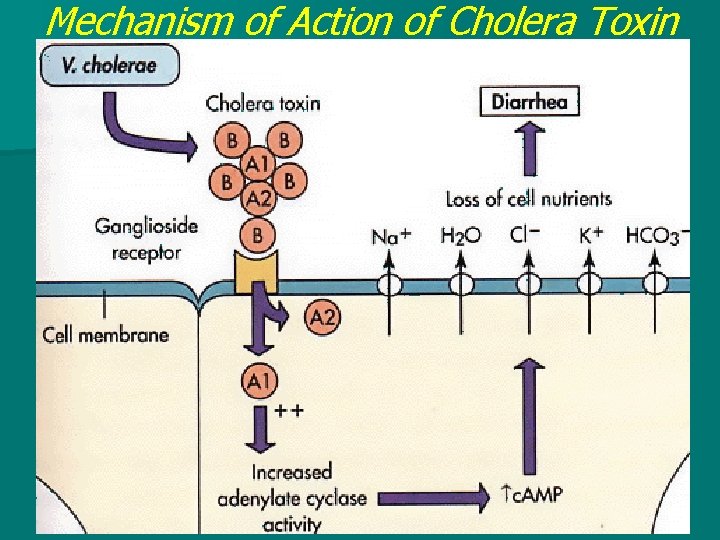
Pathogenesis cont. . n Addition , multiplication, entrotoxin production (choleragen) n Choleragen (consists –A (active subunit) & B(binding subunit) n. B subunit binds to ganglioside receptors-on surface of entrocytes n. A subunit is inserted into cytosol
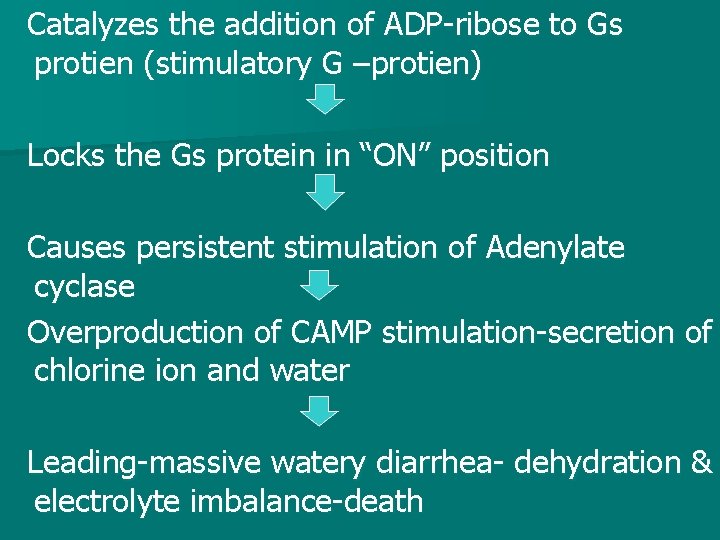
Catalyzes the addition of ADP-ribose to Gs protien (stimulatory G –protien) Locks the Gs protein in “ON” position Causes persistent stimulation of Adenylate cyclase Overproduction of CAMP stimulation-secretion of chlorine ion and water Leading-massive watery diarrhea- dehydration & electrolyte imbalance-death
n Genes for cholera toxin and other virulence factor-carried on single stranded DNA bacteriophage –CTX n Lysogenic conversion of non toxic producing strains to toxin producing one can occur-when CTX transduces these genes
Mechanism of Action of Cholera Toxin NOTE: In step #4, uptake of Na+ and Clfrom the lumen is also blocked. HCO 3 - = bicarbonate which provides buffering capacity. 1 2 3 4
Mechanism of Action of Cholera Toxin
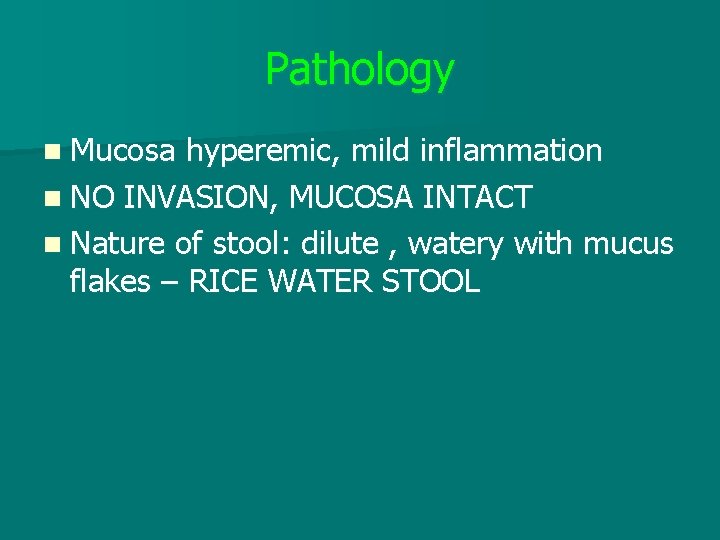
Pathology n Mucosa hyperemic, mild inflammation n NO INVASION, MUCOSA INTACT n Nature of stool: dilute , watery with mucus flakes – RICE WATER STOOL
Clinical features n Profuse watery diarrhea n May be upto 20 L/day n Vomiting n Dehydration n No fever
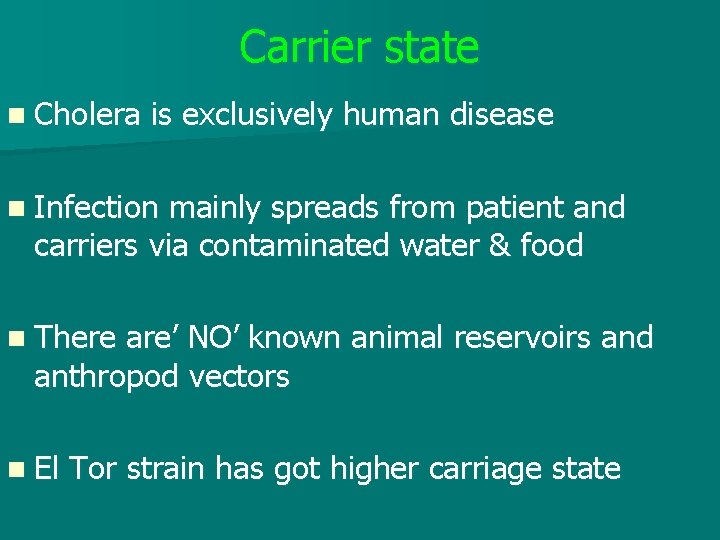
Carrier state n Cholera is exclusively human disease n Infection mainly spreads from patient and carriers via contaminated water & food n There are’ NO’ known animal reservoirs and anthropod vectors n El Tor strain has got higher carriage state
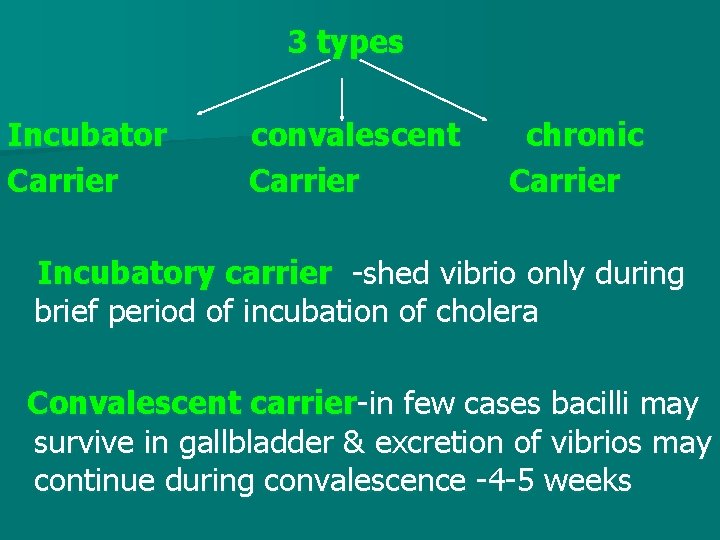
3 types Incubator Carrier convalescent Carrier chronic Carrier Incubatory carrier -shed vibrio only during brief period of incubation of cholera Convalescent carrier-in few cases bacilli may survive in gallbladder & excretion of vibrios may continue during convalescence -4 -5 weeks
n Chronic carrier-short , asymptomatic infection of gall bladder n Found in endemic areas & vibrios are excreted in faeces intermittently from gall bladder n El Tor cholera –greater incidence of casual carrier n incidence rates- 7. 3% in west bengal, 21. 7% in philippines
Complications n Dehydration n Electrolyte imbalance n Hypovolemic shock n Death n Mortality 60% if untreated n 1% if adequately treated
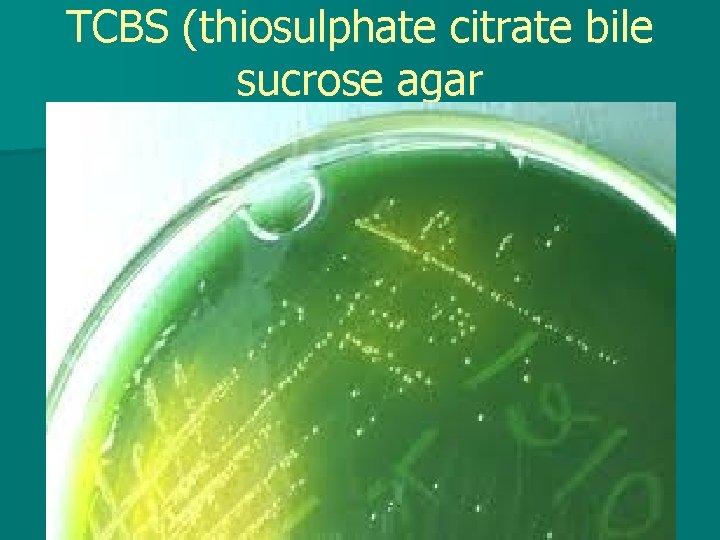
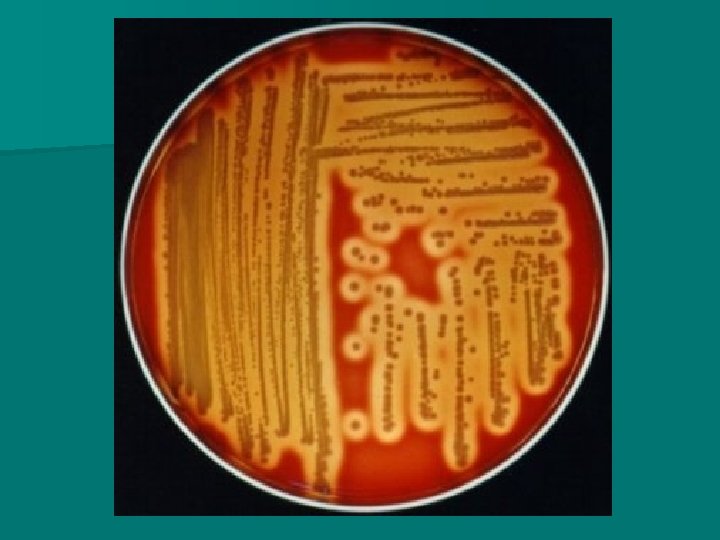
LAB DIAGNOSIS n n n n Specimen - Stool; Rectal swab. Transport - VR medium; Cary Blair medium Microscopy -For clinical purposes: darkfield or phase microscopic visualization of vibrios moving like‚ shooting stars‘, inhibited by serotype-specific antiserum Gram stain- Comma shaped GNB Culture - BA - small round moist colnies with heamodigestion MA - late lactose fermenting TCBS (selective ) - Yellow colored colonies ( Sucrose fermenter)
TCBS (thiosulphate citrate bile sucrose agar
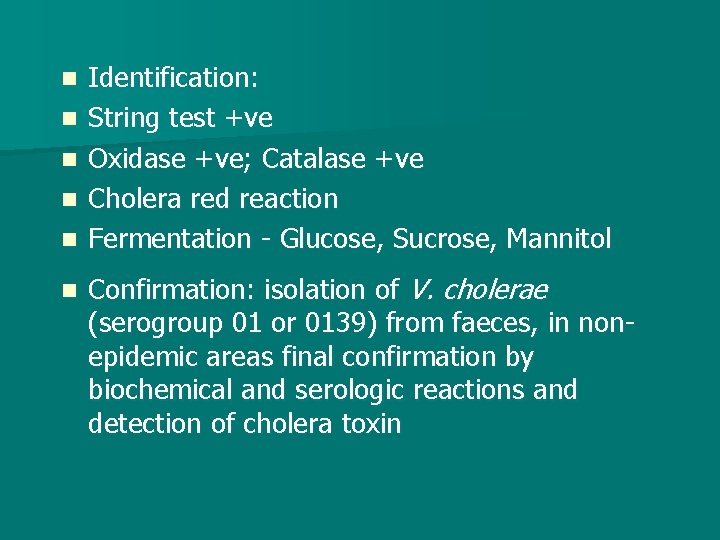
n n n Identification: String test +ve Oxidase +ve; Catalase +ve Cholera red reaction Fermentation - Glucose, Sucrose, Mannitol Confirmation: isolation of V. cholerae (serogroup 01 or 0139) from faeces, in nonepidemic areas final confirmation by biochemical and serologic reactions and detection of cholera toxin
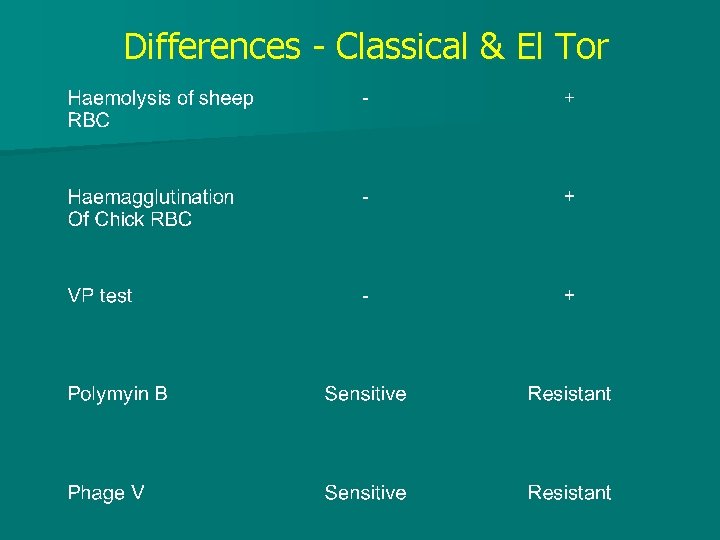
Differences - Classical & El Tor
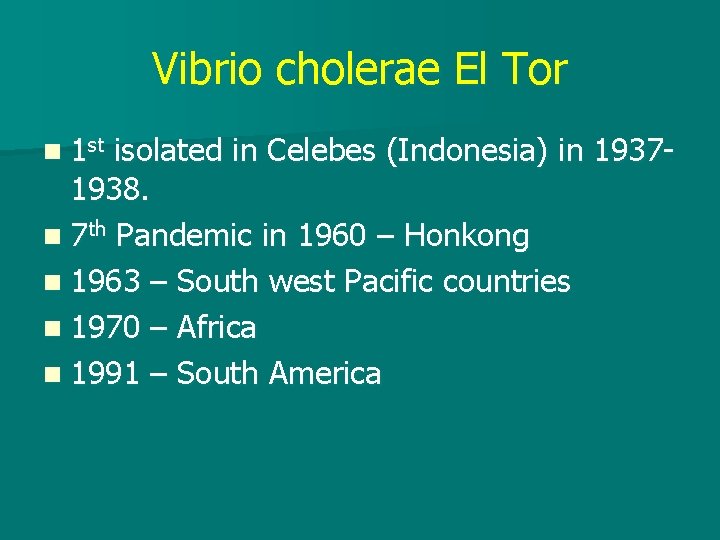
Vibrio cholerae El Tor n 1 st isolated in Celebes (Indonesia) in 19371938. n 7 th Pandemic in 1960 – Honkong n 1963 – South west Pacific countries n 1970 – Africa n 1991 – South America
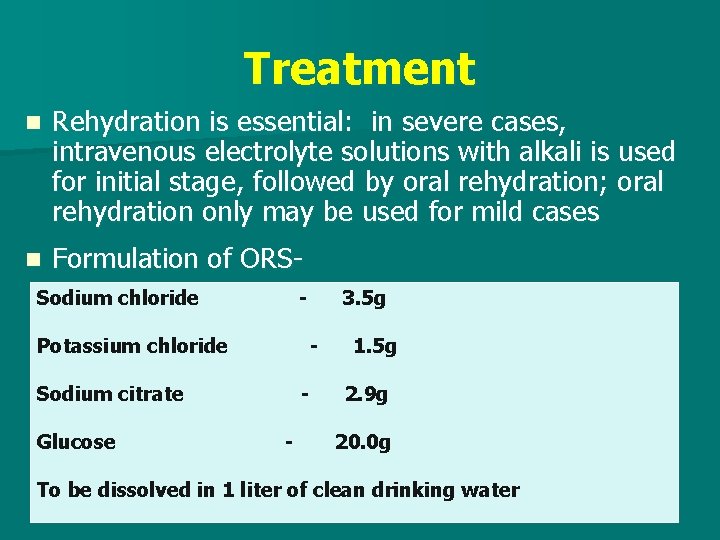
Treatment n Rehydration is essential: in severe cases, intravenous electrolyte solutions with alkali is used for initial stage, followed by oral rehydration; oral rehydration only may be used for mild cases n Formulation of ORS- Sodium chloride - Potassium chloride - Sodium citrate Glucose 3. 5 g - 1. 5 g 2. 9 g 20. 0 g To be dissolved in 1 liter of clean drinking water
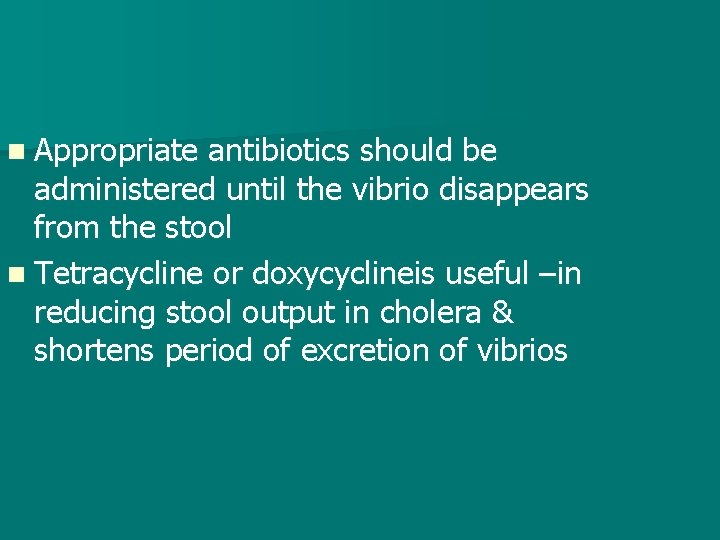
n Appropriate antibiotics should be administered until the vibrio disappears from the stool n Tetracycline or doxycyclineis useful –in reducing stool output in cholera & shortens period of excretion of vibrios
Preventive Measures Public Health Strategies Prevention comprises: n Basic sanitary and hygiene measures including – treated water supplies, improving water delivery and sewage control – adequate food hygiene – supplying handwashing facilities, latrines, boiled water n Prevention through immunization - considered as complementary to basic sanitary and hygiene measures
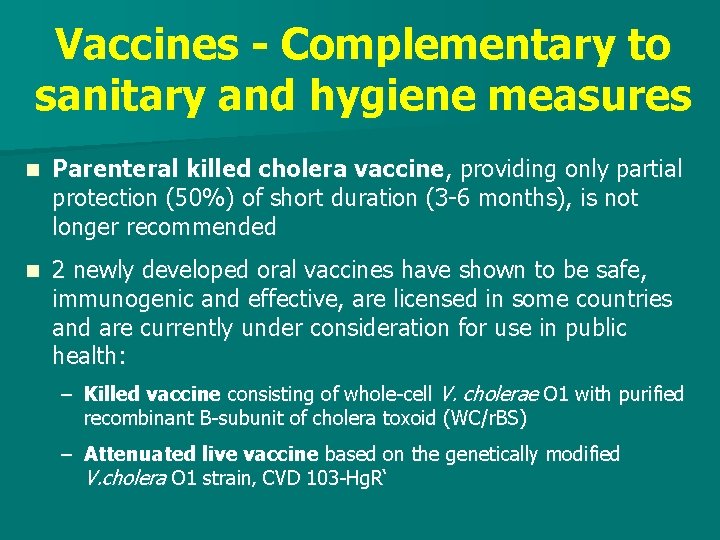
Vaccines - Complementary to sanitary and hygiene measures n Parenteral killed cholera vaccine, providing only partial protection (50%) of short duration (3 -6 months), is not longer recommended n 2 newly developed oral vaccines have shown to be safe, immunogenic and effective, are licensed in some countries and are currently under consideration for use in public health: – Killed vaccine consisting of whole-cell V. cholerae O 1 with purified recombinant B-subunit of cholera toxoid (WC/r. BS) – Attenuated live vaccine based on the genetically modified V. cholera O 1 strain‚ CVD 103 -Hg. R‘
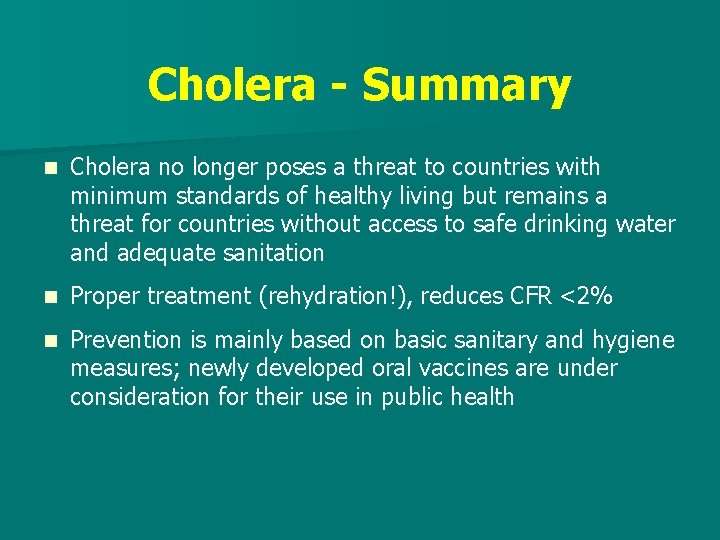
Cholera - Summary n Cholera no longer poses a threat to countries with minimum standards of healthy living but remains a threat for countries without access to safe drinking water and adequate sanitation n Proper treatment (rehydration!), reduces CFR <2% n Prevention is mainly based on basic sanitary and hygiene measures; newly developed oral vaccines are under consideration for their use in public health
NAG Vibrios n No agglutination with O 1 antisera n Can cause cholera like illness n O 139 Bengal - 1992 -1993; caused epidemic in Bangladesh & South east Asian countries
HALOPHILIC VIBRIOS n V. parahaemolyticus, V. alginolyticus, V. vulnifucus – marine habitat n V. parahaemolyticus: – Food poisoning due to ingestion of sea food – Vomiting, diarrhea, fever – Wound, eye & ear infections. – Kanagawa phenomenon – hemolysis in blood agar containing 7% Na. Cl and rabbit blood
n V. alginolyticus: – grows in 10% Na. Cl – Otitis externa, marine wound infection – cellulitis n V. vulnifucus: – Ferments lactose, capsulated, invasive – Fatal wound infections & septicemia – Gastroenteritis due to consumption of raw oysters
Aeromonas (Family Aeromonadaceae) Ø Gram-negative facultatively anaerobic bacillus resembling members of the Enterobacteriaceae Ø Motile species have single polar flagellum (nonmotile species apparently not associated with human disease) Ø 16 phenospecies: Most significant human pathogens A. hydrophila, A. caviae, A. veronii biovar sobria Ø Ubiquitous in fresh and brackish water Ø Acquired by ingestion of or exposure to contaminated water or food
Clinical Syndromes of Aeromonas Ø Associated with gastrointestinal disease · Chronic diarrhea in adults · Self-limited acute, severe disease in children resembling shigellosis with blood and leukocytes in the stool · 3% carriage rate Ø Wound infections Ø Opportunistic systemic disease in immunocompromised Ø Putative virulence factors include: endotoxin; hemolysins; eneterotoxin; proteases; siderophores; adhesins REVIEW
Ø Formerly Plesiomonadaceae Ø Closely related to Proteus & now classified as Enterobacteriaceae despite differences: · Oxidase positive · Multiple polar flagella (lophotrichous) Ø Single species: Plesiomonas shigelloides Ø Isolated from aquatic environment (fresh or estuarine) Ø Acquired by ingestion of or exposure to contaminated water or seafood or by exposure to amphibians or reptiles Ø Self-limited gastroenteritis: secretory, colitis or chronic forms Ø Variety of uncommon extra-intestinal infections REVIEW Plesiomonas