MMS Pharmacology Lecture 2 Antirheumatic drugs Dr Sura




- Slides: 49
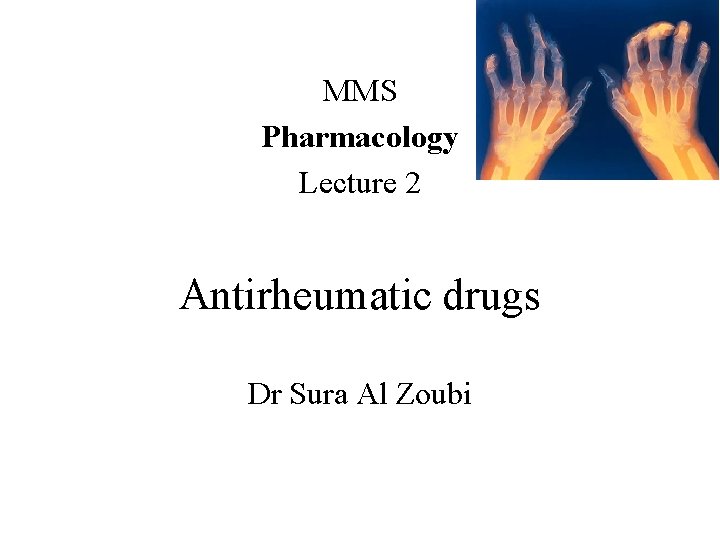
MMS Pharmacology Lecture 2 Antirheumatic drugs Dr Sura Al Zoubi
Revision
Rheumatoid Arthritis Definition (RA): is the most common systemic inflammatory disease characterized by symmetrical inflammation of joints yet may involve other organ systems characterized by q Symmetrical joint involvement Inflammation Pain, Swelling , Stiffness in the musculoskeletal system, and damage to joints & connective tissue. q Extraarticular involvement Including rheumatoid nodules, vasculitis, eye inflammation, neurologic dysfunction, cardiopulmonary disease, lymphadenopathy, and splenomegaly, can be manifestations of the disease. Although the usual disease course is chronic, some patients will enter a remission spontaneously.
Epidemiology • Rheumatoid arthritis is estimated to have a prevalence of 1%. • does not have any racial predilections • It can occur at any age, with increasing prevalence up to the seventh decade of life. • Generally more common in females 3: 1 First decade and older than 60 1: 1 Between 15 -45 years 6: 1
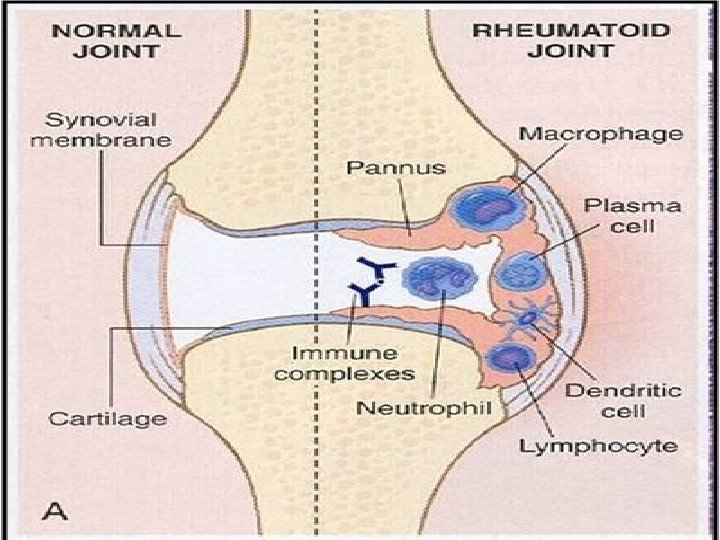
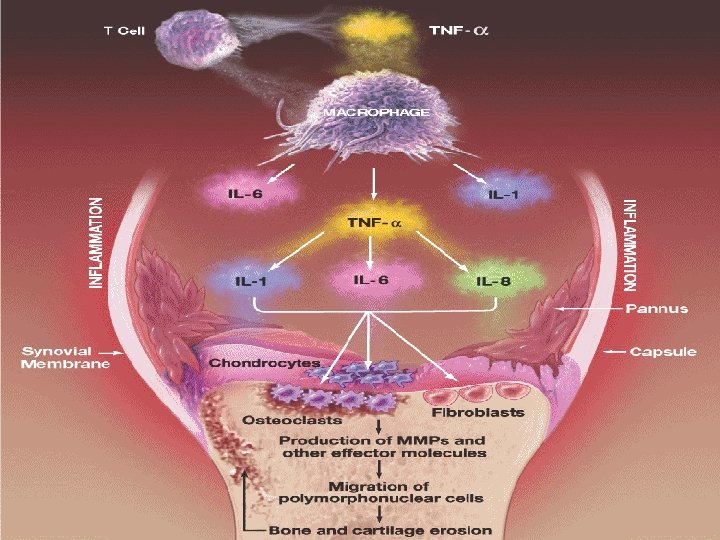
Pathophysiology • Chronic inflammation of the synovial tissue lining the joint capsule results in the proliferation of this tissue. • The factors that initiate the inflammatory process are unknown. • The inflamed, proliferating synovium characteristic of rheumatoid arthritis is called pannus. • The pannus invades the cartilage and eventually the bone surface, producing erosions of bone and cartilage and leading to destruction of the joint.
• The immune system is a complex network of checks and balances designed to discriminate self from non-self (foreign) tissues. It helps rid the body of infectious agents, tumor cells, and products associated with the breakdown of cells. In rheumatoid arthritis, this system no longer can differentiate self from non-self tissues and attacks the synovial tissue and other connective tissues.
Clinical presentation and diagnosis • Symptoms ü Joint pain and stiffness of more than 6 weeks' duration. ü May also experience fatigue, ü weakness, low-grade fever, ü loss of appetite. ü Muscle pain, ü and afternoon fatigue may also be present. Joint deformity is generally seen late in the disease.
• Signs ü Tenderness with warmth and swelling over affected joints usually involving hands and feet. ü Distribution of joint involvement is frequently symmetrical. ü Rheumatoid nodules may also be present.
Desired outcome • Primary: ü improve or maintain functional status ü Improving quality of life • Ultimate ü achieve complete disease remission ü controlling disease activity and joint pain ü maintaining the ability to function in daily activities or work ü slowing destructive joint changes
Treatment • Non-pharmacological: 1. Rest: It relieves stress on inflamed joints and prevents further joint destruction. Rest also aids in alleviation of pain. Too much rest and immobility, however, may lead to decreased range of motion and, ultimately, muscle atrophy, and contractures.
2. Occupational and physical therapy: provide the patient with skills and exercises necessary to increase or maintain mobility. These disciplines also may provide patients with supportive and adaptive devices such as canes, walkers, and splints. 3. Weight loss: alleviate inflamed joint stress 4. Surgery: Tenosynovectomy, tendon repair, and joint replacements are surgical options for patients with RA. (reserved for patients with severe disease).
Treatment • Pharmacological:
NSAIDs ü may be used for symptomatic relief if needed. They provide relatively rapid improvement in symptoms compared with DMARDs, which may take weeks to months before benefit is seen “bridge therapy” ü NSAIDs have no impact on disease progression. ü NSAID use is associated with an increased risk of gastrointestinal ulcers or hemorrhage, fluid retention, exacerbation of existing hypertension, and decreased renal function in certain patient populations.
Corticosteroids can be used in various ways: • controlling symptoms before the onset of action of DMARDs. • A burst of corticosteroids can be used in acute flares. • Continuous low doses may be adjuncts when DMARDs do not provide adequate disease control. • Corticosteroids may be injected into joints and soft tissues to control local inflammation.
Corticosteroids • Not used as monotherapy • here are data to suggest they have disease-modifying activity; however, it is preferable to avoid chronic use when possible to avoid long-term complications. ü NSAIDs and DMARDs have steroid-sparing properties that permit reductions of corticosteroid doses.
Disease Modifying Antirheumatic drugs (DMARDs) • DMARDs are used in the treatment of rheumatic arthritis RA and have been shown to ü slow the course of the disease, ü induce remission ü prevent further destruction of the joints and involved tissues.
DMARDs • When a patient is diagnosed with RA, DMARDs should be started within 3 months to help stop the progression of the disease at the earlier stages. • NSAIDs or corticosteroids may also be used for relief of symptoms if needed.
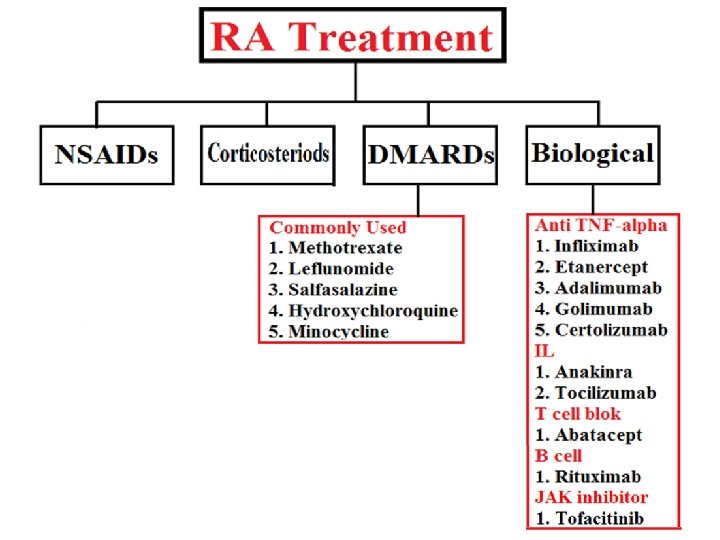
Choice of drug No one DMARD is efficacious and safe in every patient, and trials of several different drugs may be necessary. 1. Low disease activity: Monotherapy with DMARDs (methotrexate, leflunomide, hydroxychloroquine, or sulfasalazine) 2. Moderate to high activity or inadequate response to monotherapy: combination DMARD therapy (usually methotrexate based) or use of anti-TNF drugs (adalimumab, certolizumab, etanercept, golimumab, and infliximab) 3. For patients with more established disease: use of other biologic therapies (for example, abatacept, rituximab) can be considered. 4. Pregnant women: Most of these agents are contraindicated for use in pregnant women
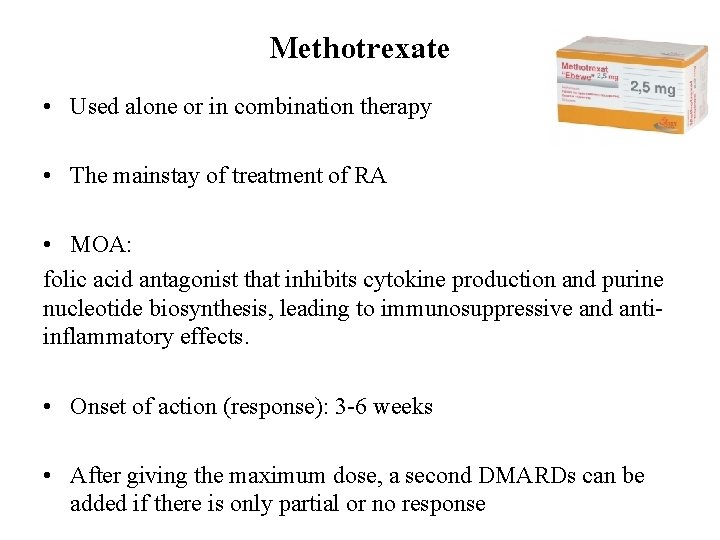
Methotrexate • Used alone or in combination therapy • The mainstay of treatment of RA • MOA: folic acid antagonist that inhibits cytokine production and purine nucleotide biosynthesis, leading to immunosuppressive and antiinflammatory effects. • Onset of action (response): 3 -6 weeks • After giving the maximum dose, a second DMARDs can be added if there is only partial or no response
• Side effects: 1. mucosal ulceration 2. nausea. 3. Cytopenias (particularly depression of the WBC count), 4. cirrhosis of the liver 5. acute pneumonia-like syndrome. • To reduce side effects, leucovorin (folinic acid) once daily (on off-days) • Monitoring: Periodic liver enzyme tests, complete blood count
Hydroxychloroquine • Used for early, mild RA, often combined with methotrexate (it is also used in the treatment of lupus and malaria). • MOA: unknown in autoimmune diseases • Onset of action (response): 6 weeks to 6 months. • Side effects: (it has less effects on the liver and immune system than other DMARDs) 1. ocular toxicity, including irreversible retinal damage and corneal deposits. 2. CNS disturbances, 3. GI upset 4. skin discoloration and eruptions.
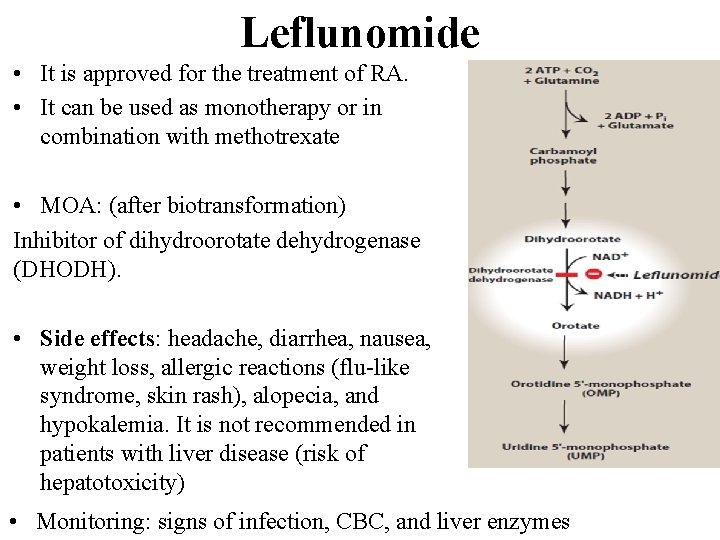
Leflunomide • It is approved for the treatment of RA. • It can be used as monotherapy or in combination with methotrexate • MOA: (after biotransformation) Inhibitor of dihydroorotate dehydrogenase (DHODH). • Side effects: headache, diarrhea, nausea, weight loss, allergic reactions (flu-like syndrome, skin rash), alopecia, and hypokalemia. It is not recommended in patients with liver disease (risk of hepatotoxicity) • Monitoring: signs of infection, CBC, and liver enzymes
Minocycline • It can be used as monotherapy or in combination with other DMARDs • shown to be effective in the treatment of early RA (it is generally not utilized as first-line therapy) • MOA: tetracycline antibiotic
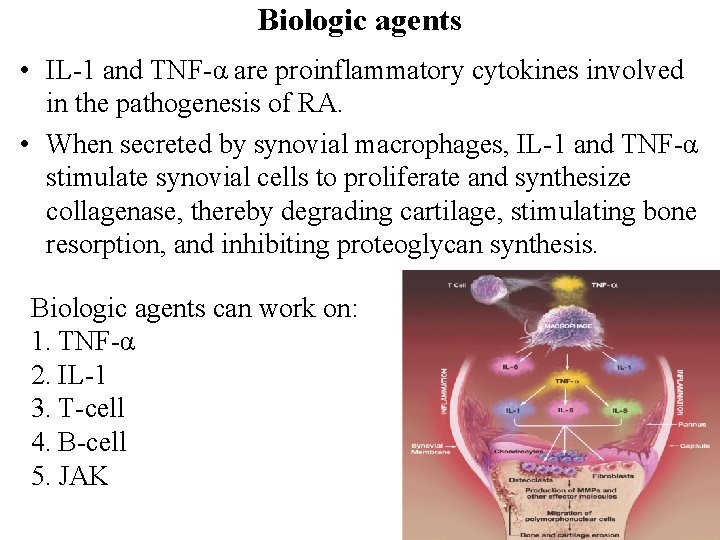
Biologic agents • IL-1 and TNF-α are proinflammatory cytokines involved in the pathogenesis of RA. • When secreted by synovial macrophages, IL-1 and TNF-α stimulate synovial cells to proliferate and synthesize collagenase, thereby degrading cartilage, stimulating bone resorption, and inhibiting proteoglycan synthesis. Biologic agents can work on: 1. TNF-α 2. IL-1 3. T-cell 4. B-cell 5. JAK
• The TNF-α inhibitors (adalimumab, certolizumab, etanercept, golimumab, and infliximab) have been shown to decrease signs and symptoms of RA, reduce progression of structural damage, and improve physical function. • Clinical response can be seen within 2 weeks of therapy. • As with DMARDs, the decision to continue or stop a biological agent can often be made within 3 months after initiation of therapy.
• If a patient has failed therapy with one TNF-α inhibitor: 1. Use different TNF-α inhibitor 2. non-TNF biologic therapy (abatacept, rituximab, tocilizumab, tofacitinib) is appropriate. 3. Combination of TNF-α inhibitors with any of the other drugs for RA, except for the non-TNF biologic therapies (due to increased risk of infection). • General adverse effects and cautions: 1. Patients receiving TNF-α inhibitors are at increased risk for infections (tuberculosis and sepsis), fungal opportunistic infections, and pancytopenia. 2. Live vaccinations should not be administered while on TNF-α inhibitor therapy. 3. These agents should be used very cautiously in those with heart failure, as they can cause and/or worsen preexisting heart failure. 4. An increased risk of lymphoma and other cancers has been observed with the use of TNF-α inhibitors.
Adalimumab • Indicated for treatment of moderate to severe RA, either as monotherapy or in combination with methotrexate. • It is also indicated for psoriatic arthritis, ankylosing spondylitis, and Crohn disease. • MOA: It is a recombinant monoclonal antibody that binds to TNF-α, thereby interfering with endogenous TNF-α activity by blocking its interaction with cell surface receptors. • Administration: subcutaneously weekly or every other week. • Adverse effects: It may cause headache, nausea, agranulocytosis, rash, reaction at the injection site, or increased risk of infections, such as UTI, URTI, and sinusitis.
Certolizumab pegol • It has similar indications to adalimumab. • MOA: TNF-α blocker and is a potent neutralizer of TNF-α biological actions. • Administration: It is combined with polyethylene glycol (pegylated) and is administered every 2 weeks via subcutaneous injection. • Adverse effects: similar to other TNF-α inhibitors
Etanercept • This agent is approved for use in patients with moderate to severe RA, either alone or in combination with methotrexate. • It is also approved for use in ankylosing spondylitis and psoriasis. • The combination of etanercept and methotrexate is more effective than methotrexate or etanercept alone in retarding the RA disease process, improving function, and achieving remission • MOA: It binds to TNF-α, thereby blocking its interaction with cell surface TNFα receptors. • Administration: Etanercept is given subcutaneously twice a week. • Adverse effects: TNF-α inhibitors, it can increase the risk for infections, malignancy, and new or worsening heart failure.
Golimumab • It is administered in combination with methotrexate or other nonbiologic DMARDs. • MOA: neutralizes the biological activity of TNF-α by binding to it and blocking its interaction with cell surface receptors. • Administration: subcutaneously once a month • Adverse effects: may increase hepatic enzymes, reactivation of hepatitis B may occur in chronic carriers, may increase the risk of malignancies and serious infections.
Infliximab • It is approved for use in combination with methotrexate in patients with RA who have had inadequate response to methotrexate monotherapy. • This agent is not indicated for monotherapy, as this leads to the development of anti-infliximab antibodies, resulting in reduced efficacy. • Additional indications include plaque psoriasis, psoriatic arthritis, ulcerative colitis, ankylosing spondylitis, and Crohn disease • MOA: It is a chimeric monoclonal antibody composed of human and murine regions that binds specifically to human TNF-α and inhibits binding with its receptors. • Administration: IV infusion every 8 weeks. • Adverse effects: Infusion site reactions, such as fever, chills, pruritus, and urticaria, . Infections (for example, pneumonia, cellulitis, and activation of latent tuberculosis), leukopenia, and neutropenia have also been reported.
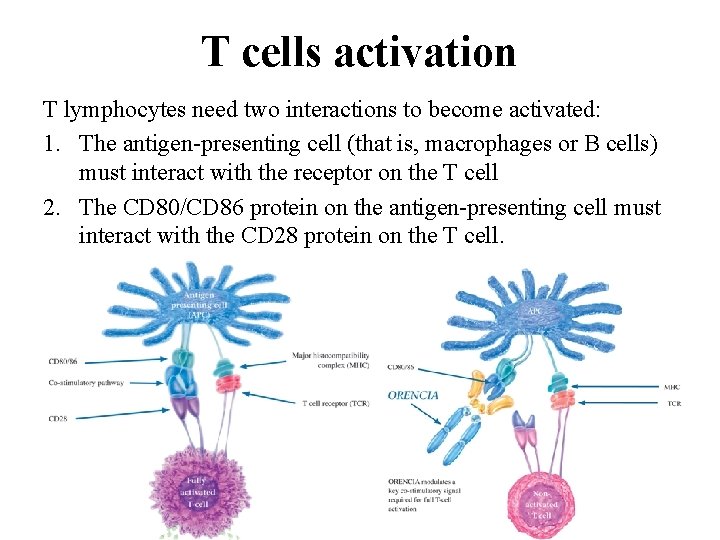
T cells activation T lymphocytes need two interactions to become activated: 1. The antigen-presenting cell (that is, macrophages or B cells) must interact with the receptor on the T cell 2. The CD 80/CD 86 protein on the antigen-presenting cell must interact with the CD 28 protein on the T cell.
Abatacept • It is indicated for patients with moderate to severe RA who have had an inadequate response to DMARDs or TNF-α inhibitors. • MOA: Competes with CD 28 for binding on CD 80/CD 86 protein, thereby preventing full T-cell activation. • Administration: IV infusion every 4 weeks. • Adverse effects: headache, URTI, nasopharyngitis, and nausea. • Concurrent use with TNF-α inhibitors is not recommended due to increased risk of serious infections
B cells • B lymphocytes are derived from the bone marrow and are necessary for efficient immune response. In RA, however, B cells can perpetuate the inflammatory process in the synovium by: 1. activating T lymphocytes. 2. producing autoantibodies and rheumatoid factor 3. producing proinflammatory cytokines, such as TNF-α and IL-1
Rituximab • It is indicated for use in combination with methotrexate for patients with moderate to severe RA who have had an inadequate response to TNF-α inhibitors. • MOA: monoclonal antibody directed against the CD 20 antigen found on the surface of normal and malignant B lymphocytes, resulting in B-cell depletion • Administration: IV infusion every 16 to 24 weeks. • Adverse reactions: urticaria, hypotension, and angioedema are the most common complaints with this agent and typically occur during the first infusion. (methylprednisolone is administered 30 minutes prior to each infusion)
Tocilizumab • It can be used as monotherapy or in combination with methotrexate or other nonbiologic DMARDs for patients with moderate to severe RA. • MOA: It is a monoclonal antibody that inhibits the actions of IL-6 by blocking the IL-6 receptor. • Administration: IV infusion every 4 weeks.
Anakinra • It is used in moderate to severe RA in patients who have failed one or more DMARDs (leads to a modest reduction in the signs and symptoms) • IL-1 is induced by inflammatory stimuli and mediates a variety of immunologic responses, including degradation of cartilage and stimulation of bone resorption. • MOA: is an IL-1 receptor antagonist. • Adverse effects: it is associated with neutropenia and is infrequently used in the treatment of RA.
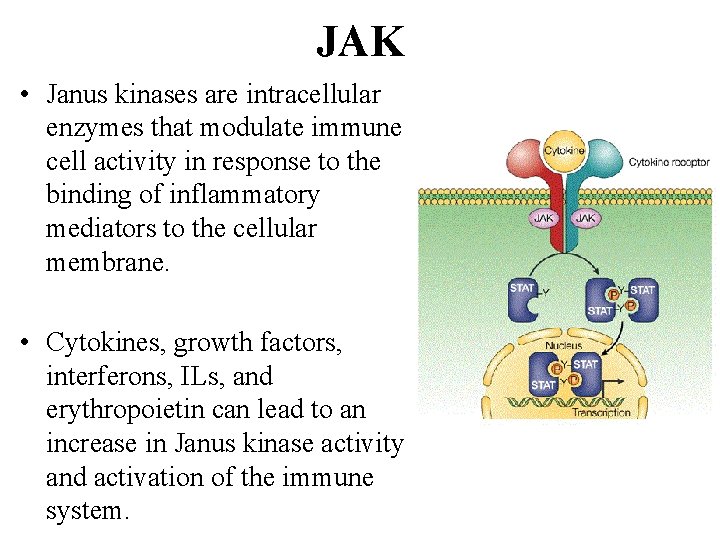
JAK • Janus kinases are intracellular enzymes that modulate immune cell activity in response to the binding of inflammatory mediators to the cellular membrane. • Cytokines, growth factors, interferons, ILs, and erythropoietin can lead to an increase in Janus kinase activity and activation of the immune system.
Tofacitinib • indicated for the treatment of moderate to severe RA in patients who have had an inadequate response or intolerance to methotrexate. • MOA: It is an inhibitor of Janus kinases • Administration: orally • Metabolism of tofacitinib is mediated primarily by CYP 3 A 4, and dosage adjustments may be required if the drug is taken with potent inhibitors or inducers of this isoenzyme.
Tofacitinib • Monitoring: 1. Hemoglobin concentrations must be greater than 9 g/d. L to start tofacitinib and must be monitored during therapy due to the risk for anemia. 2. lymphocyte and neutrophil counts should be checked prior to initiation of therapy and monitored during treatment. • Adverse effects: increase the risk for secondary malignancy, opportunistic infections, renal, or hepatic dysfunction.
Thank you
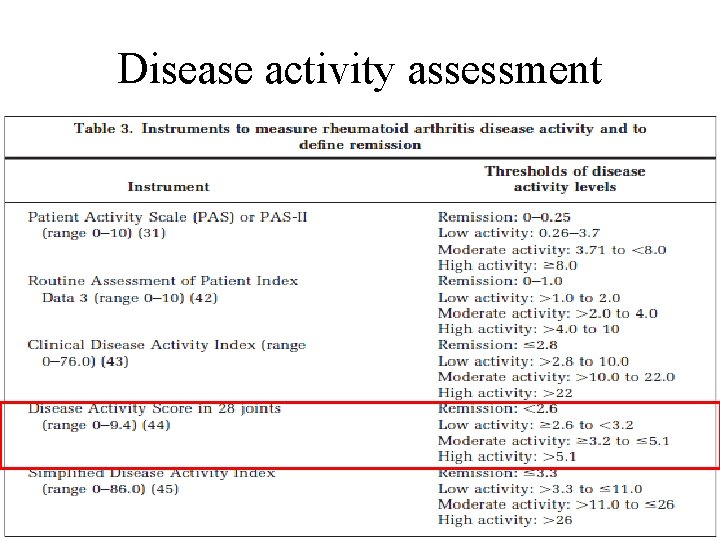
Assessment of disease activity • At each follow up visit, the physician must assess whether the disease is active or inactive a) b) c) d) Degree of joint pain (by visual analog scale) Duration of morning stiffness Duration of fatigue Presence of actively inflamed joints on examination (tender and swollen joint counts) e) Limitation of function
• Periodically evaluate for disease activity or disease progression a) Evidence of disease progression on physical examination (loss of motion, instability, malalignment, and/or deformity) b) Erythrocyte sedimentation rate or C-reactive protein elevation c) Progression of radiographic damage of involved joints
Disease activity assessment
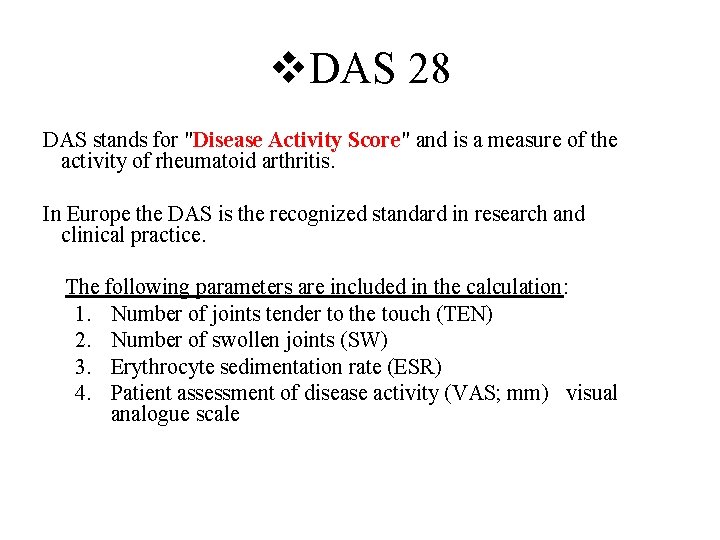
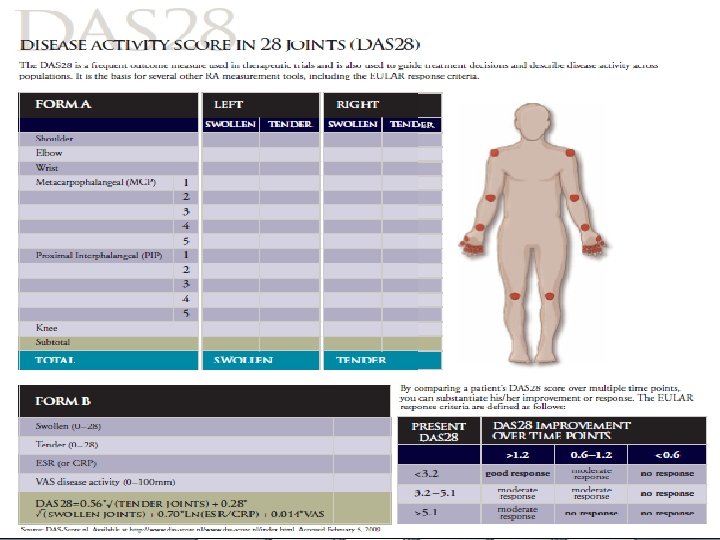
v. DAS 28 DAS stands for "Disease Activity Score" and is a measure of the activity of rheumatoid arthritis. In Europe the DAS is the recognized standard in research and clinical practice. The following parameters are included in the calculation: 1. Number of joints tender to the touch (TEN) 2. Number of swollen joints (SW) 3. Erythrocyte sedimentation rate (ESR) 4. Patient assessment of disease activity (VAS; mm) visual analogue scale