
Ming and Qing Dynasties A new age in
- Slides: 23
Ming and Qing Dynasties A new age in China Ming: (1368 – 1644) Qing: (1644 – 1911)
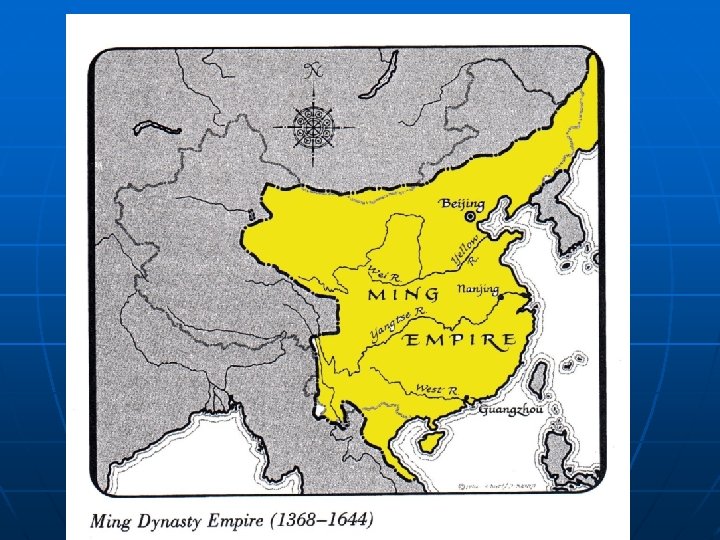
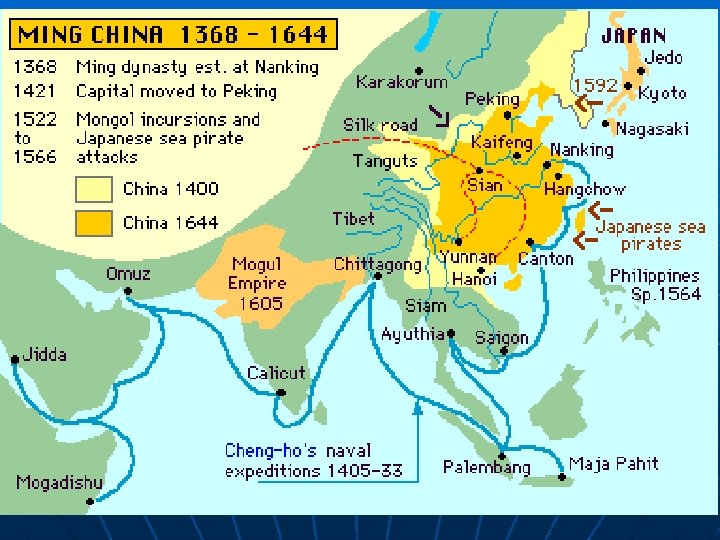
The Rise of a Dynasty n 1368 • A rebel army drives out the Mongols (Yuan Dynasty) • Capital moved from Nanjing to Beijing
A Return to Confucianism Confucian Standards for Government and Education n Civil Service Exams n
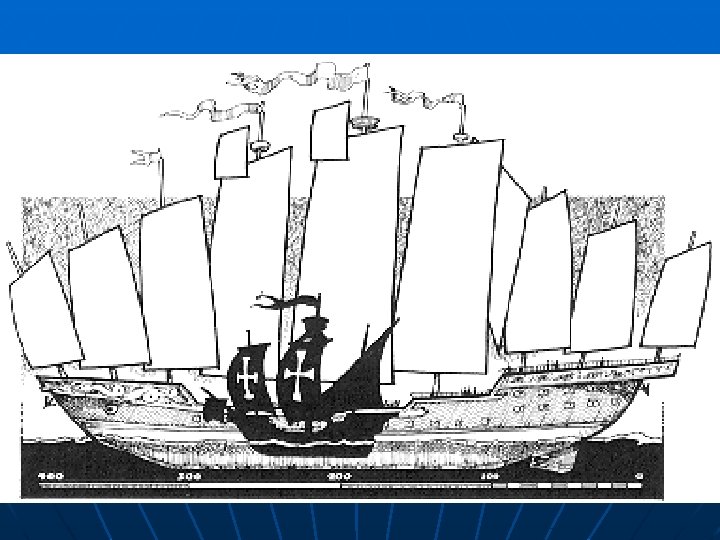
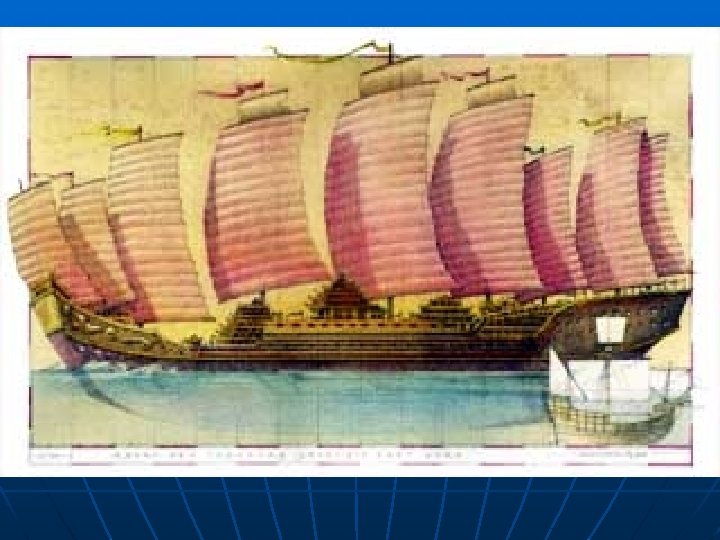
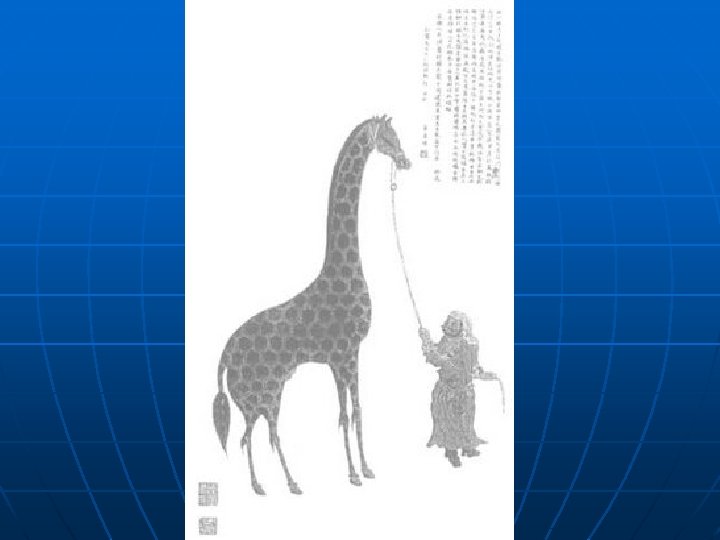
An Age of Exploration n Zheng He Explores the World (1405) • Show power and splendor • Tribute System • Distributed gifts to show Chinese superiority
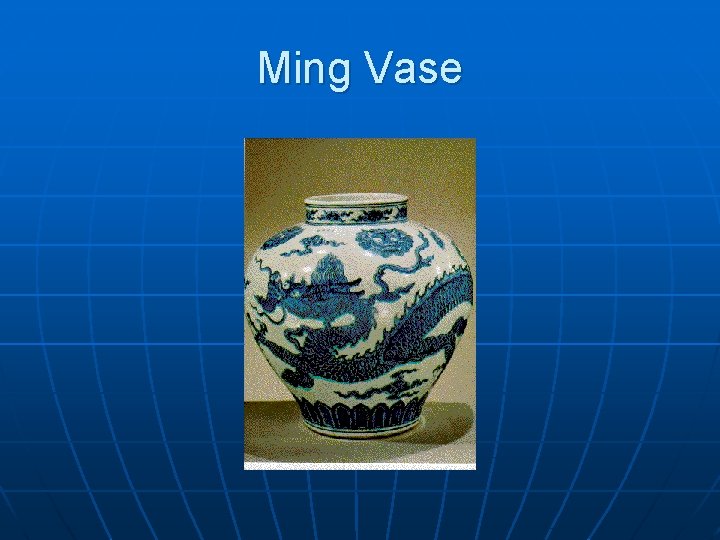
Ming Vase
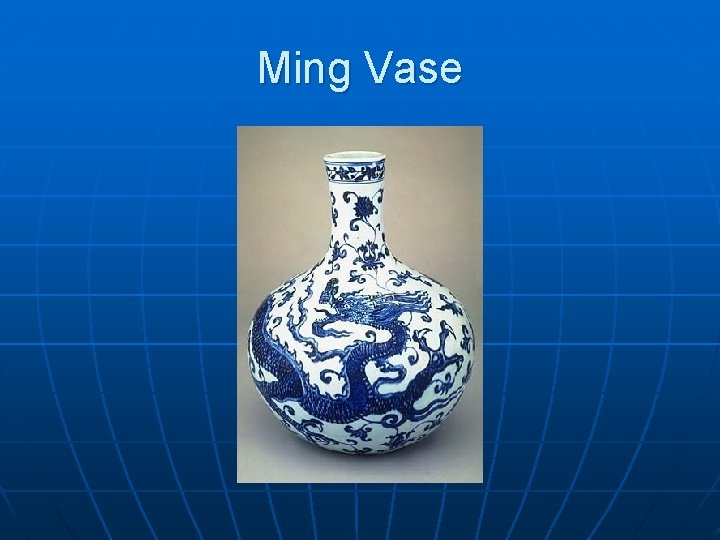
Ming Vase
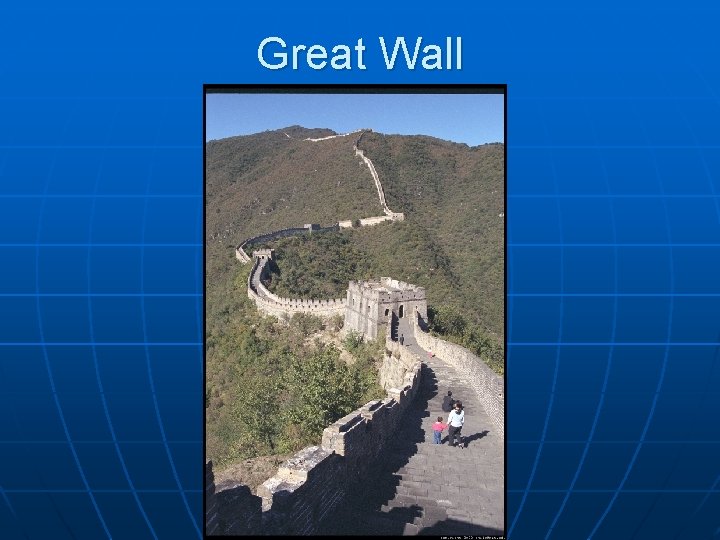
Great Wall
Cultural Isolation n Tight Government Control of Trade Smuggling/Pirating The Great Wall
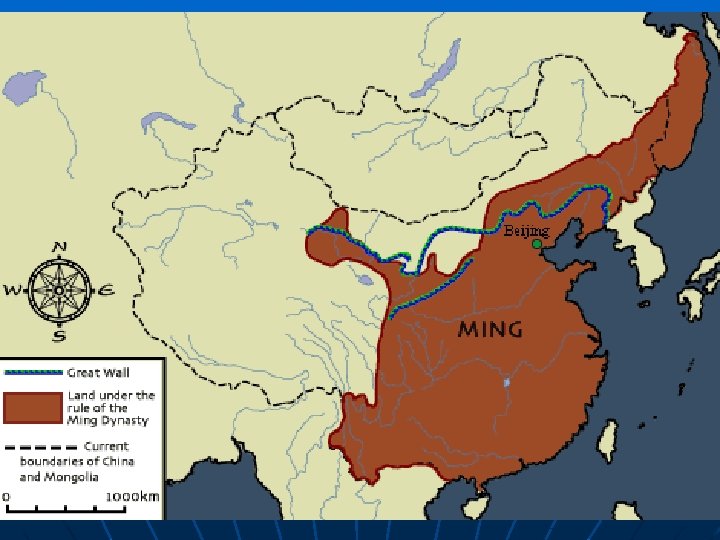
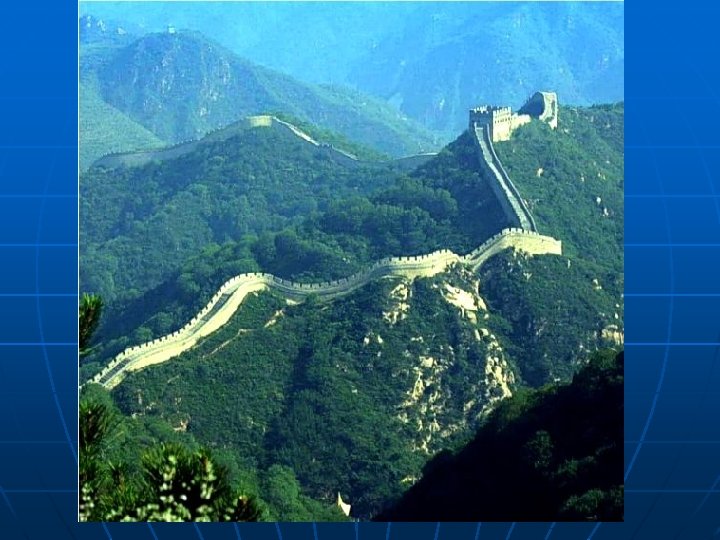
The Great Wall n “Created” by the Ming Dynasty • (began in 1 st century BCE during Qin ) • In disrepair n n n Throughout late 15 th and 16 th Century 100, 000 s of workers 1, 500 miles 33 – 49 feet high Watch Towers, Living Quarters, Signal Towers Wanted to eliminate Mongol and other foreign influence
Ming Fall n Navy and coastal defenses ineffective • Coast looted by pirates n Ineffective rulers • Imperial city and court opulence n n n Famine Rebel forces (Manchu led) storm Forbidden City Emperor totally Detached • He and his family commit suicide n Manchu invaders from the north QING DYNASTY
Qing Dynasty n Manchu Invaders • Military Strength n n n Conquest Throughout East Asia Preserved Ethnic/Cultural Heritage Strong Imperial Leadership • Confucian Scholar-Bureaucrats • Eunuchs • Powerful Emperors
n n n Manchu Origins – Pastoral Nomads CONFUCIANISM remains Continuation of Ming
Chinese Economy n Increased Agricultural Production • New Foods - Americas n n n Population Growth Global Trade – Highly Commercialized Favorable Balance of Trade Falls behind in technology TIGHT GOVERNMENT REGULATION • Small Business Organizations
Chinese Society n n n n Society is viewed as a family Strongly Patriarchal Clan Based Scholar Bureaucrats and Gentry are Honored Peasants are highly valued for working the land (AGRICULTURE) Mean People = Military Role of Merchants
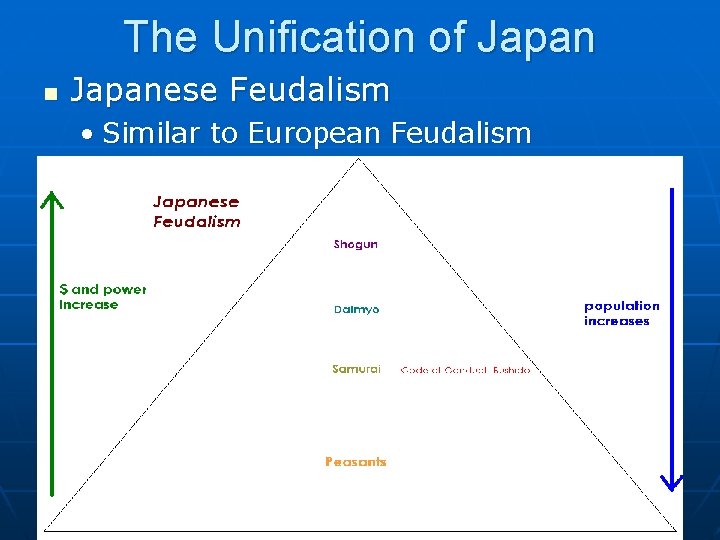
The Unification of Japan n Japanese Feudalism • Similar to European Feudalism
Tokugawa Shogunate n n Severely Limited Foreign Influence Decreased power of Daimyo/Samurai • Alternate Attendance n Christianity