Haemoptysis Dr Ian Forrest Consultant Respiratory General Physician



- Slides: 47
Haemoptysis Dr Ian Forrest Consultant Respiratory / General Physician Royal Victoria Infirmary Newcastle upon Tyne
Respiratory Medicine v GIM We must recognises that there are two types of physician……. – Respiratory physicians – Those who wish they were respiratory physicians
Original title = Haematemasis • Might have been easier……. ……A chest physicians guide to : – Databases – Rockall – Blatchford – “Fancy-dan” interventions – SIGN guidelines……
In the next 45 minutes…. • • Definitions Won’t consider all/rare causes of haemoptysis Highlight a few “practice points” Massive (life threatening) v Non-Massive – Investigation – Management
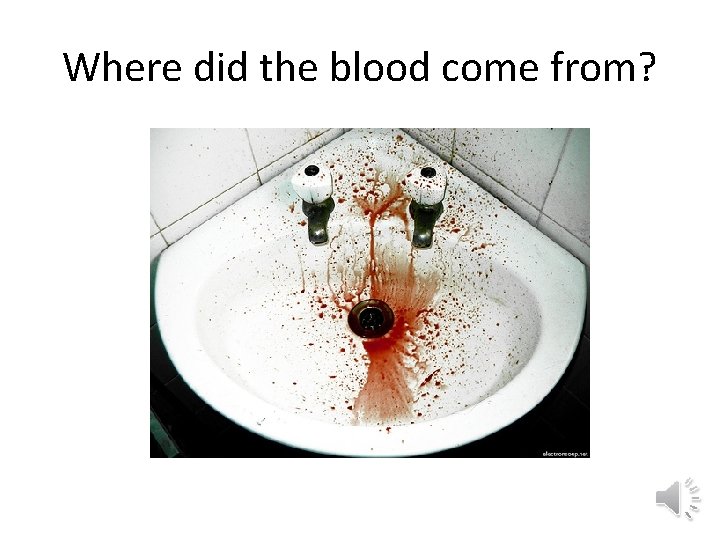
Where did the blood come from?
Definitions • Haemoptysis - Coughing of blood from below the glottis • Haematemasis - Vomiting of blood from the stomach • Pseudohaemoptysis - Coughing of blood that has derived from a source other than below the glottis
Practice Point • Take a decent history and don’t assume anything
Haemoptysis • It is a common (and non-specific) presentation, accounting for 15% of all respiratory consultations, and is the second most common indication for flexible bronchoscopy • There are >100 recognised causes • Minor haemoptysis = usually OP management • “Massive” haemoptsyis = medical emergency
Causes Trachea or bronchus – Malignancy – Bronchitis/bronchiectasis Lung Parenchyma – Infection including TB – Vasculitis Vascular – PE, AVM, valvular disease, pulmonary venous hypertension
History and Examination Trachea or bronchus – Malignancy – Bronchitis/bronchiectasis Lung Parenchyma – Infection including TB – Vasculitis Vascular – PE, AVM, valvular disease, pulmonary venous hypertension
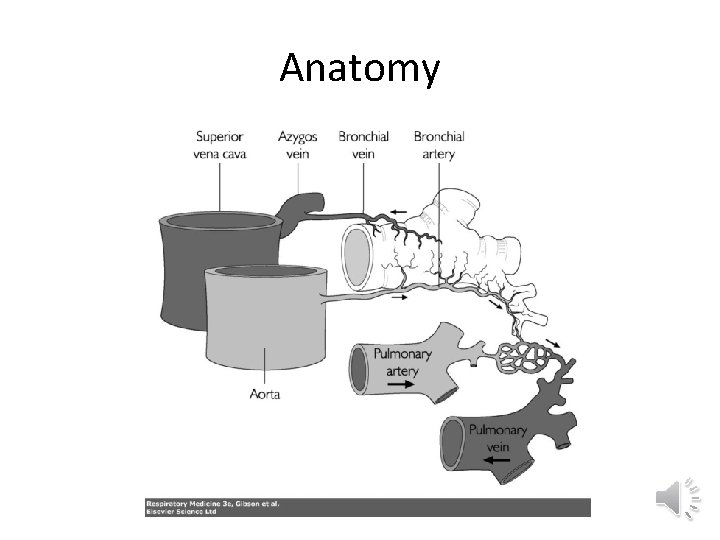
Bronchial Circulation • From branches of the aorta • Most common source of haemoptsyis (>90%) • Systemic (high pressure)
Anatomy
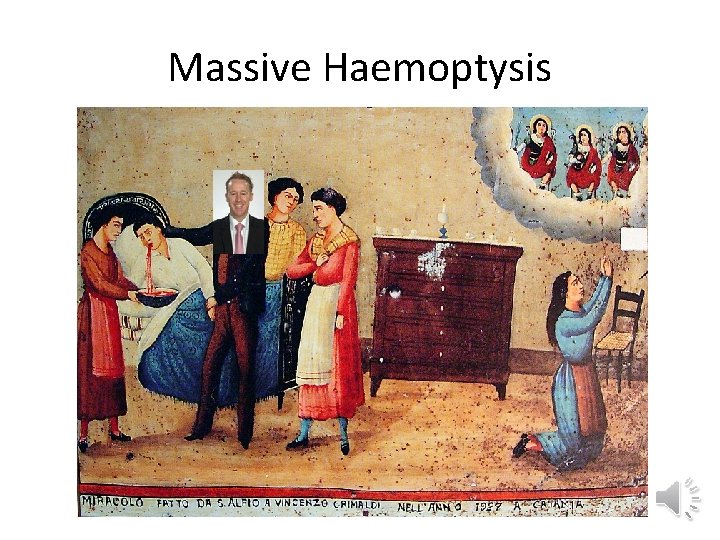
Massive Haemoptysis
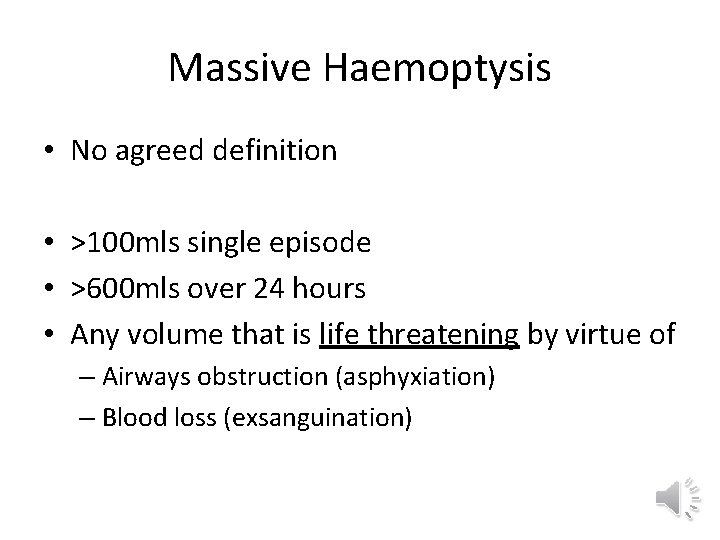
Massive Haemoptysis • No agreed definition • >100 mls single episode • >600 mls over 24 hours • Any volume that is life threatening by virtue of – Airways obstruction (asphyxiation) – Blood loss (exsanguination)
Practice Point • Asphyxiation is greatest risk of death in haemoptysis (cf exsanguination/ shock in GI bleed)
Massive Haemoptysis • • • Thankfully quite rare Distressing for patients, relatives and staff Mortality from 7 -80% Mortality increase if rate of bleeding high Mortality also linked to cancer diagnosis
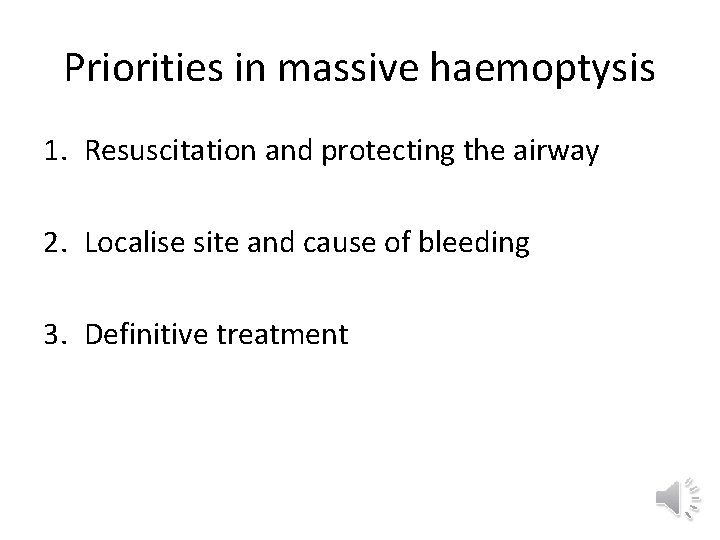
Priorities in massive haemoptysis 1. Resuscitation and protecting the airway 2. Localise site and cause of bleeding 3. Definitive treatment
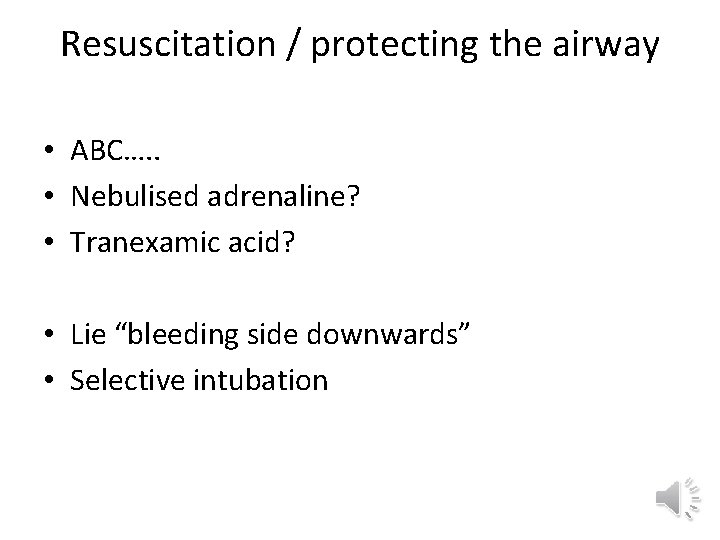
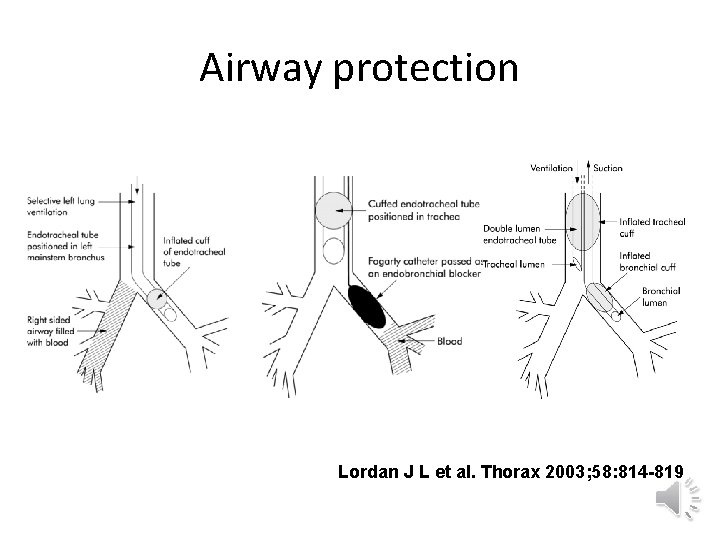
Resuscitation / protecting the airway • ABC…. . • Nebulised adrenaline? • Tranexamic acid? • Lie “bleeding side downwards” • Selective intubation
Airway protection Lordan J L et al. Thorax 2003; 58: 814 -819
Practice Point • Call anaesthetist early in massive haemoptysis – patient needs to be in critical care
Localise site and cause of bleeding • CXR • CT • Fibreoptic bronchoscopy – Urgent if rapid deterioration – Semi-elective (24 -48 h) if stable • Ridgid bronchoscopy
Fibreoptic Bronchoscopy in massive haemoptysis. .
Localise site and cause of bleeding • • CXR CT Fibreoptic bronchoscopy Ridgid bronchoscopy • Arteriography
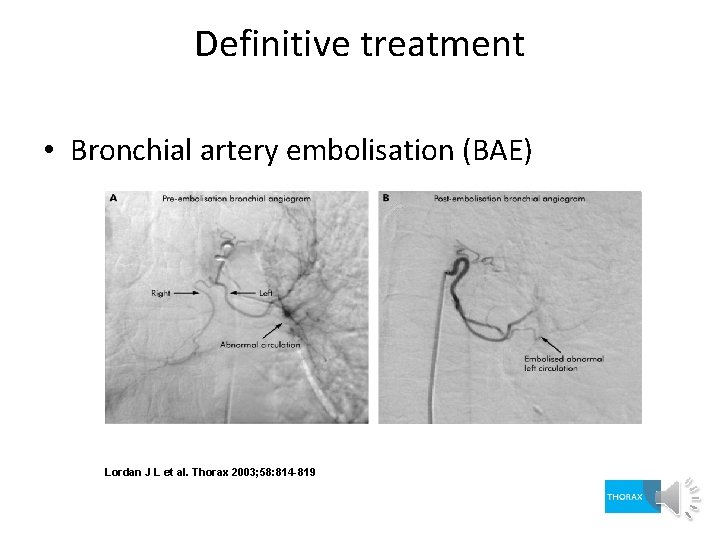
Definitive treatment • Bronchial artery embolisation (BAE) Lordan J L et al. Thorax 2003; 58: 814 -819
BAE • Injection of PVA or coil • Success rates of 64 -100% • Failure often due to non-bronchial systemic collaterals ie: phrenic, intercostal, mammary • Risks include perforation, pain, systemic embolisation and most importantly neurological complications including embolisation of anterior spinal artery
Practice Point • Liaise early with interventional radiology
Surgical Management • Indicated if BAE fails or is unavailable • First line for conditions that are generally as “rare as rocking horse……” such as aortic aneurysm, hydatid disease, selected AVMs and trauma….
Practice Point • Liaise early with thoracic surgery
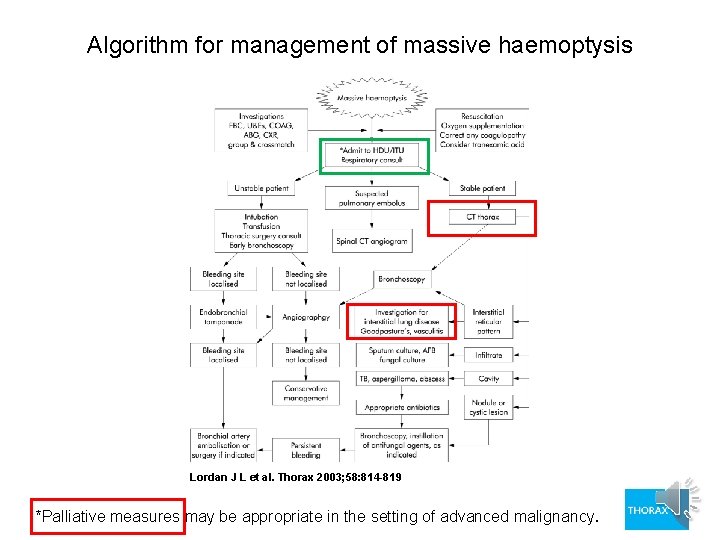
Algorithm for management of massive haemoptysis Lordan J L et al. Thorax 2003; 58: 814 -819 *Palliative measures may be appropriate in the setting of advanced malignancy.
Choice of CT? • • CT pulmonary angiogram Spiral CT thorax (staging) High resolution CT thorax “Combi” CT
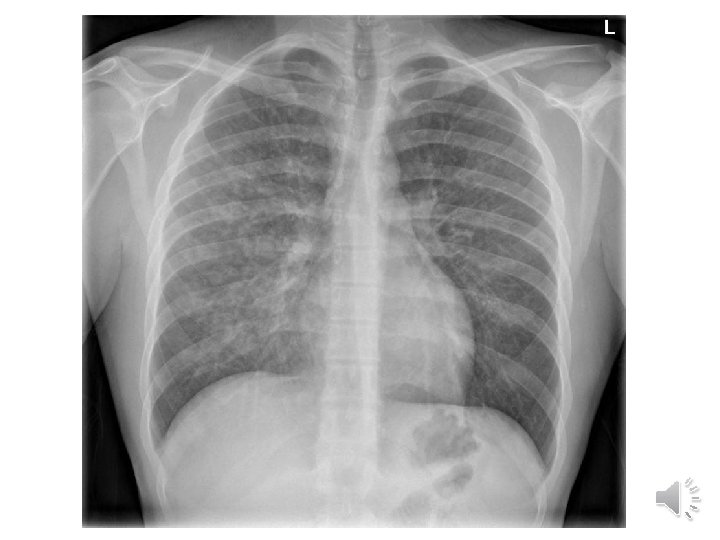
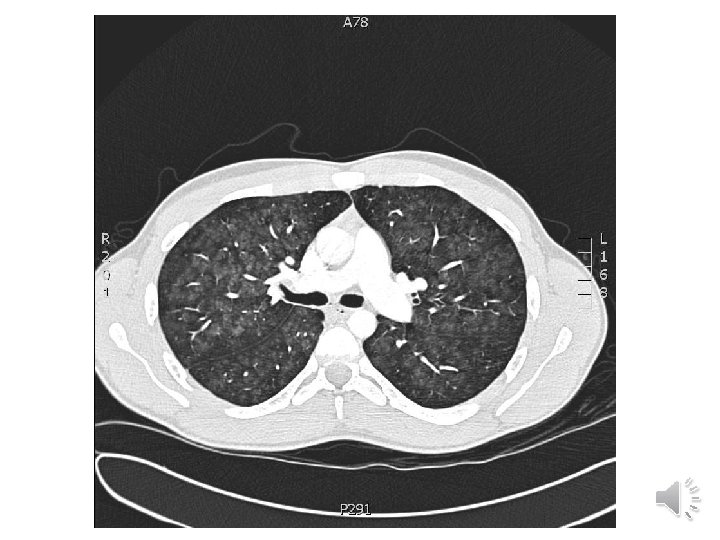
Vasculitis • Rarely presents with massive haemoptysis • More usually minor haemoptysis, breathlessness, pulmonary infiltrates and anaemia (± renal involvement)
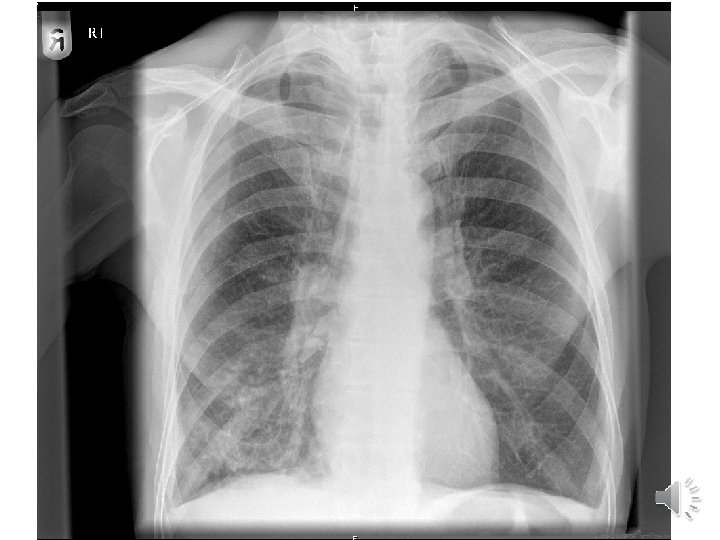
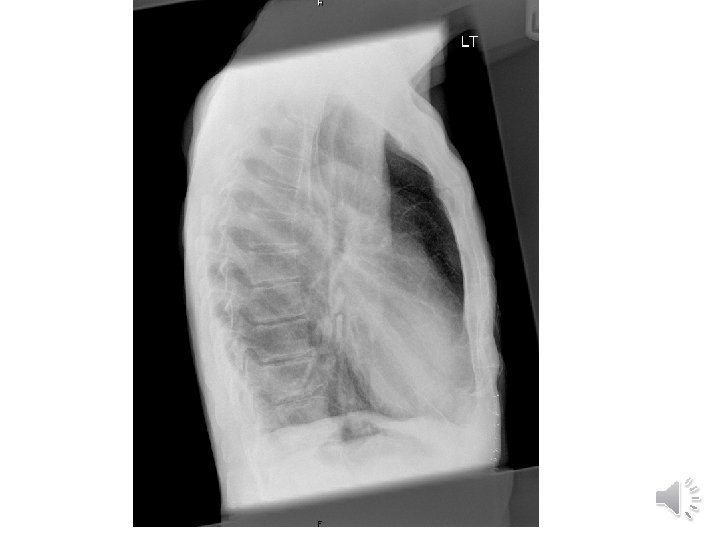
CXR
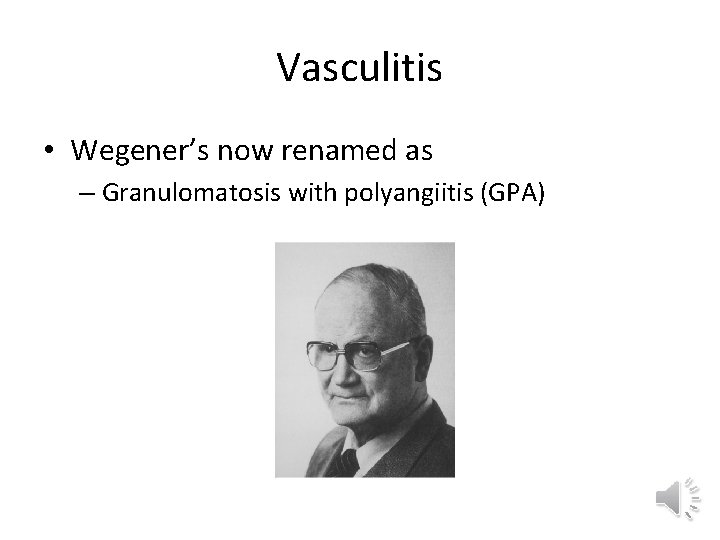
Vasculitis • Wegener’s now renamed as – Granulomatosis with polyangiitis (GPA)
Palliative care for massive haemoptysis? • Up to 3% of lung cancer patients have terminal massive haemoptysis – Assess (and document) potential – Educate patient, family and staff – Non pharmacological – Pharmacological
More commonly…. ?
Minor haemoptysis • < 30 mls / 24 hours • Raises concern amongst patients, relatives and medical staff • Rarely requires inpatient stay…. .
Practice Point • Refer to Respiratory Medicine early after initial investigations ie: CXR/bloods/sputum
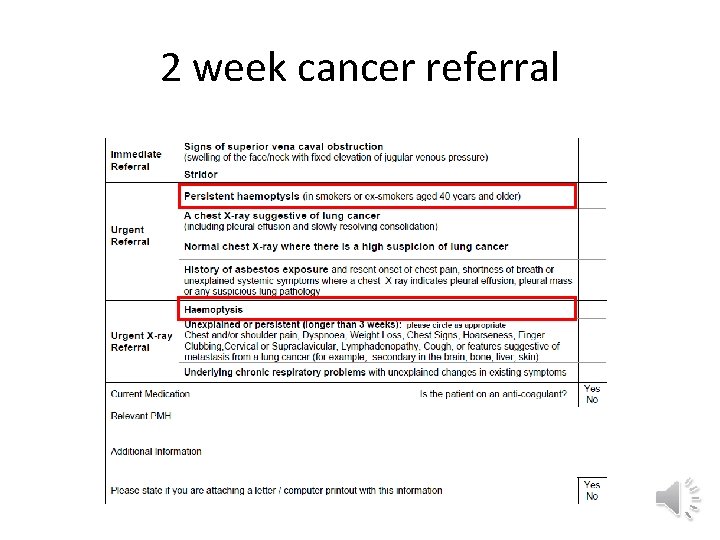
2 week cancer referral
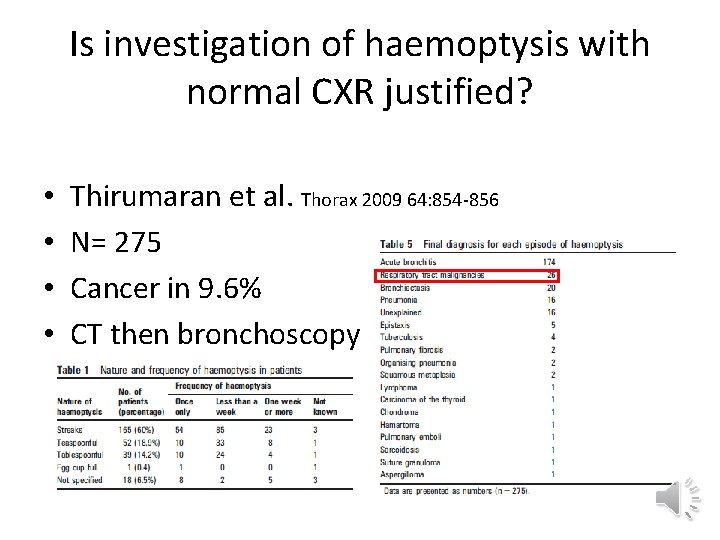
Is investigation of haemoptysis with normal CXR justified? • • Thirumaran et al. Thorax 2009 64: 854 -856 N= 275 Cancer in 9. 6% CT then bronchoscopy
Idiopathic Haemoptysis • Upto 30% of patients in some series have idiopathic/cryptogenic haemoptysis • Good prognosis • Often settles spontaneously
Summary • Haemoptysis is coughing of blood from below the glottis • It is best to involve respiratory medicine early to expedite appropriate investigation / follow up • In massive haemoptysis remember that patients “drown” before they exsanguinate • Early airway protection is key with multidisciplinary working between ITU/respiratory medicine/radiology and thoracic surgery
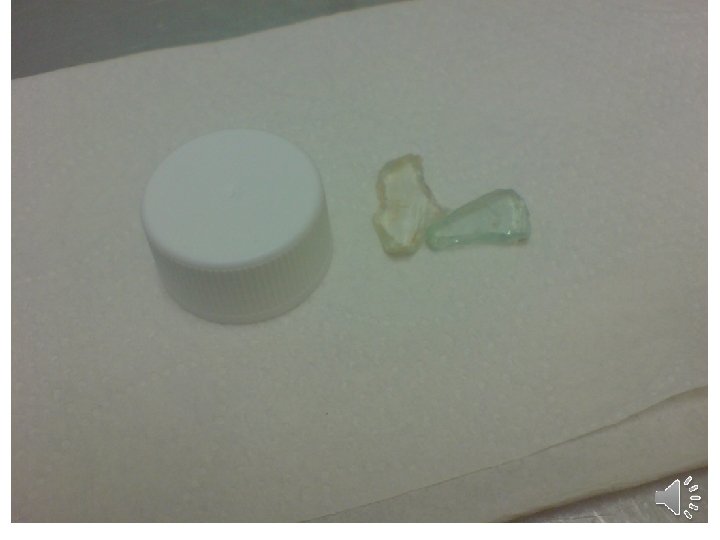
And finally….
Questions…. . ?