Graphs Rosen Chapter 8 NOT ONE OF THESE

- Slides: 39
Graphs Rosen, Chapter 8
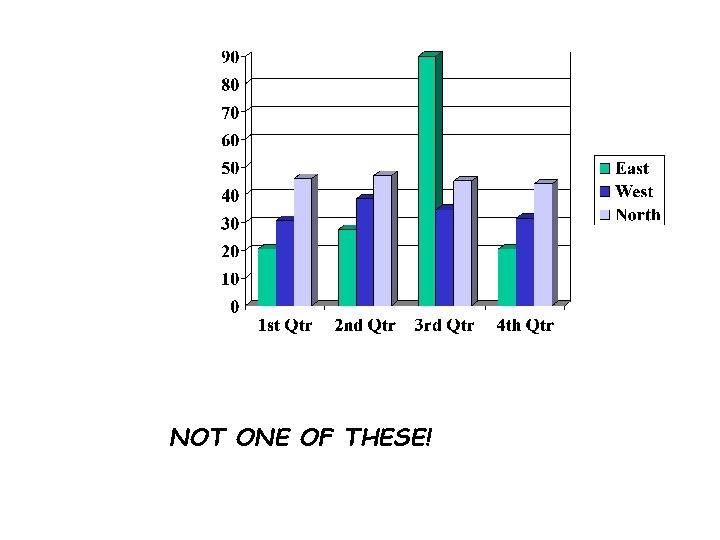
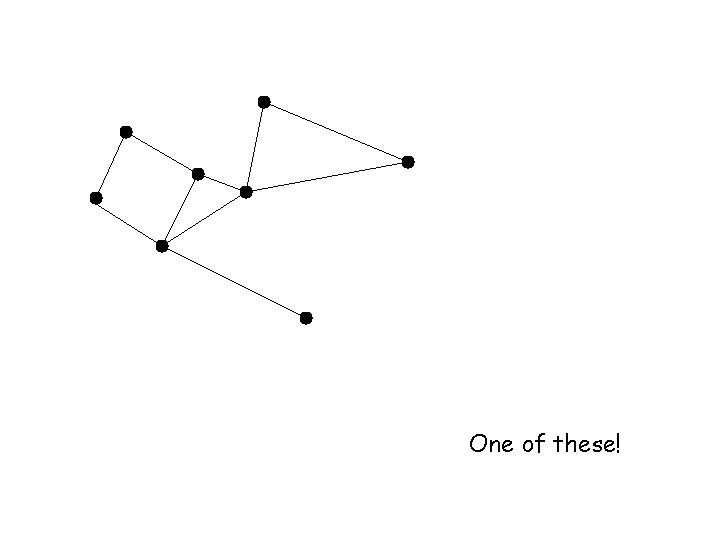
NOT ONE OF THESE!
One of these!
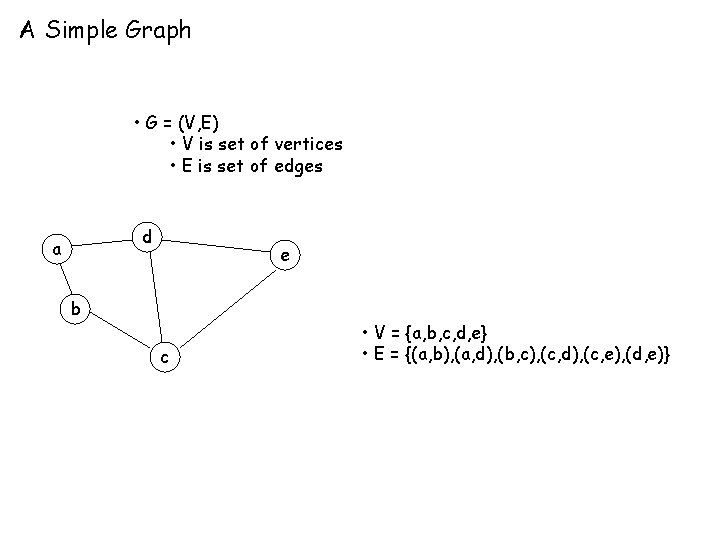
A Simple Graph • G = (V, E) • V is set of vertices • E is set of edges d a e b c • V = {a, b, c, d, e} • E = {(a, b), (a, d), (b, c), (c, d), (c, e), (d, e)}
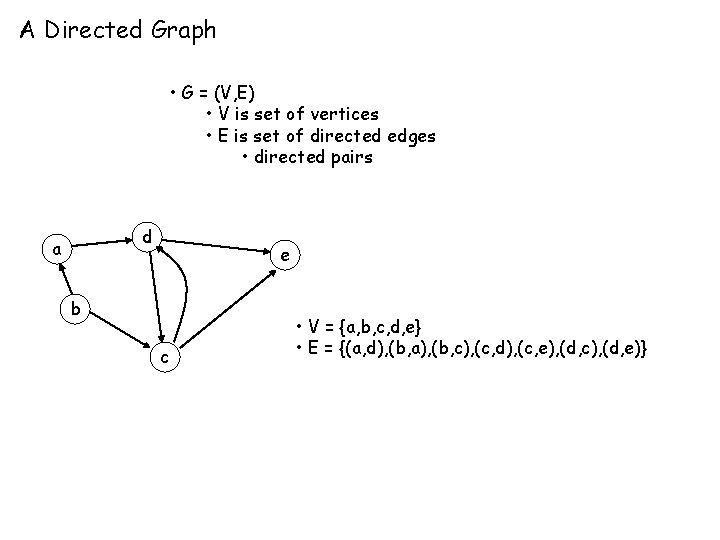
A Directed Graph • G = (V, E) • V is set of vertices • E is set of directed edges • directed pairs d a e b c • V = {a, b, c, d, e} • E = {(a, d), (b, a), (b, c), (c, d), (c, e), (d, c), (d, e)}
Applications • computer networks • telecomm networks • scheduling (precedence graphs) • transportation problems • relationships • chemical structures • chemical reactions • pert networks • services (sewage, cable, …) • WWW • . . .
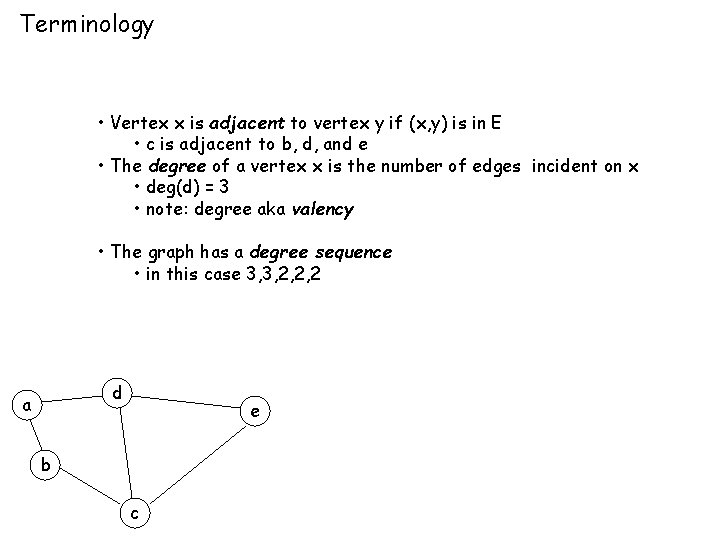
Terminology • Vertex x is adjacent to vertex y if (x, y) is in E • c is adjacent to b, d, and e • The degree of a vertex x is the number of edges incident on x • deg(d) = 3 • note: degree aka valency • The graph has a degree sequence • in this case 3, 3, 2, 2, 2 d a e b c
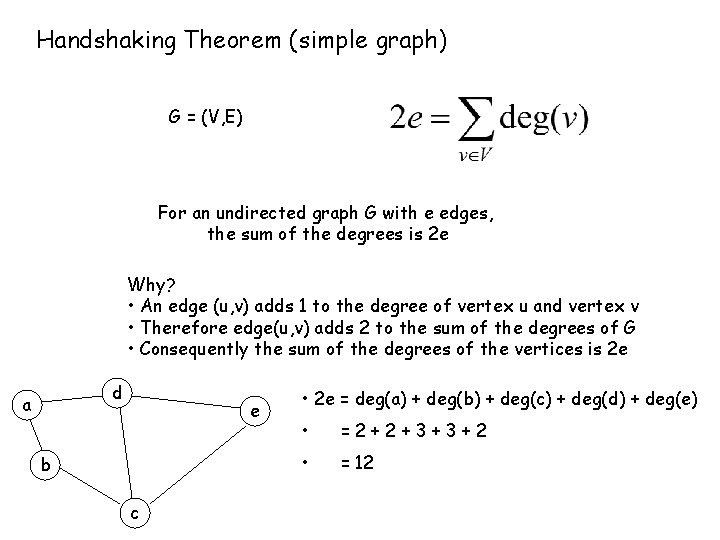
Handshaking Theorem (simple graph) G = (V, E) For an undirected graph G with e edges, the sum of the degrees is 2 e Why? • An edge (u, v) adds 1 to the degree of vertex u and vertex v • Therefore edge(u, v) adds 2 to the sum of the degrees of G • Consequently the sum of the degrees of the vertices is 2 e d a e b c • 2 e = deg(a) + deg(b) + deg(c) + deg(d) + deg(e) • =2+2+3+3+2 • = 12
Challenge: Draw a graph with degree sequence 2, 2, 2, 1
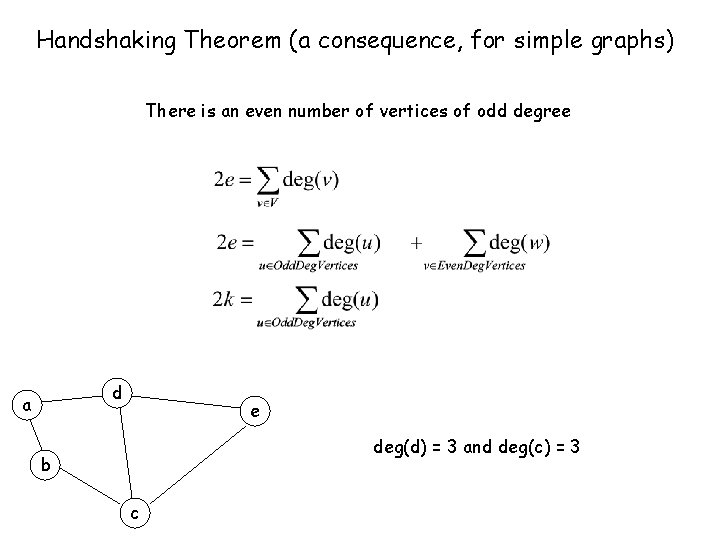
Handshaking Theorem (a consequence, for simple graphs) There is an even number of vertices of odd degree d a e deg(d) = 3 and deg(c) = 3 b c
Is there an algorithm for drawing a graph with a given degree sequence? Yes, the Havel-Hakimi algorithm
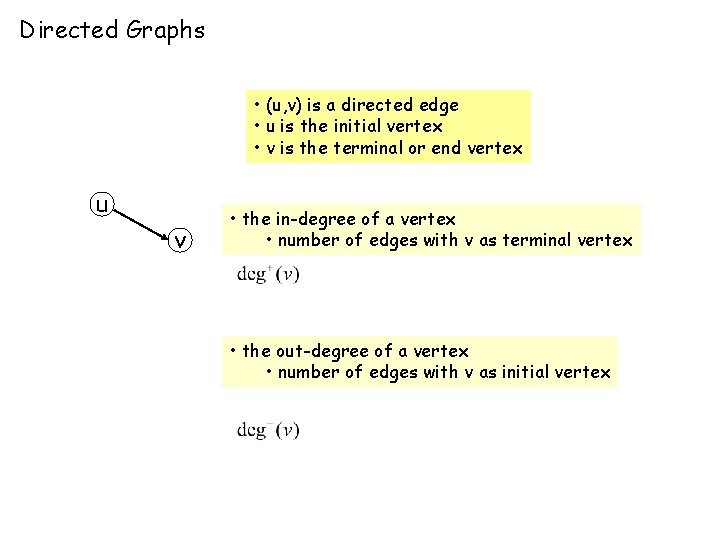
Directed Graphs • (u, v) is a directed edge • u is the initial vertex • v is the terminal or end vertex u v • the in-degree of a vertex • number of edges with v as terminal vertex • the out-degree of a vertex • number of edges with v as initial vertex
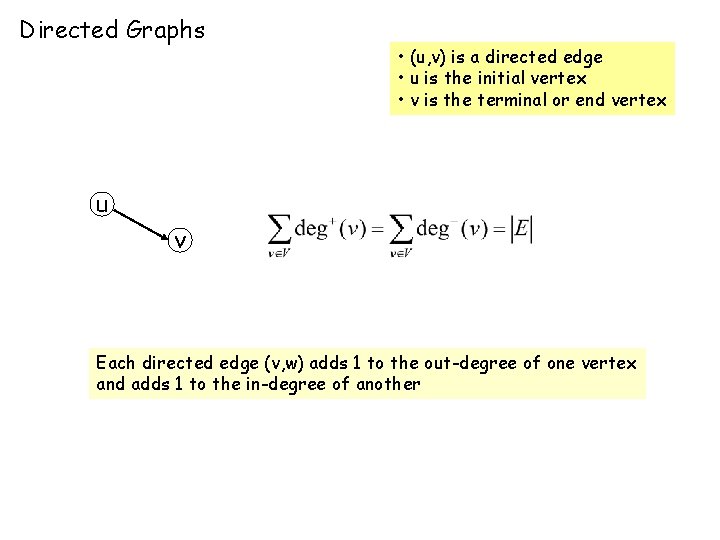
Directed Graphs • (u, v) is a directed edge • u is the initial vertex • v is the terminal or end vertex u v Each directed edge (v, w) adds 1 to the out-degree of one vertex and adds 1 to the in-degree of another
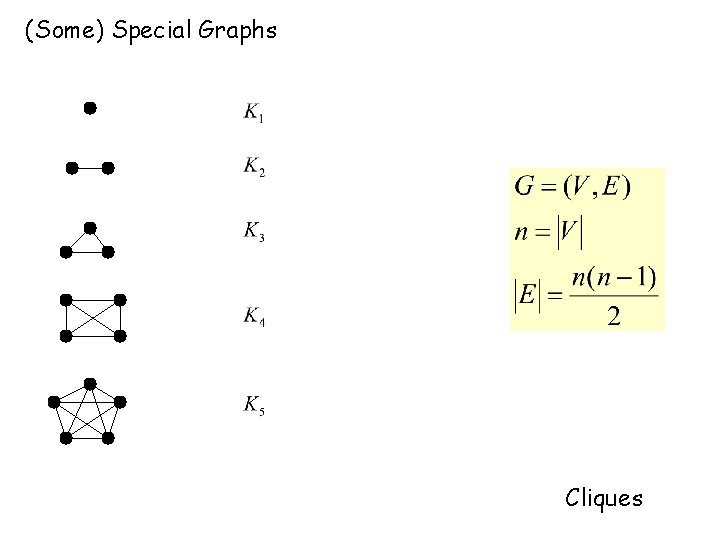
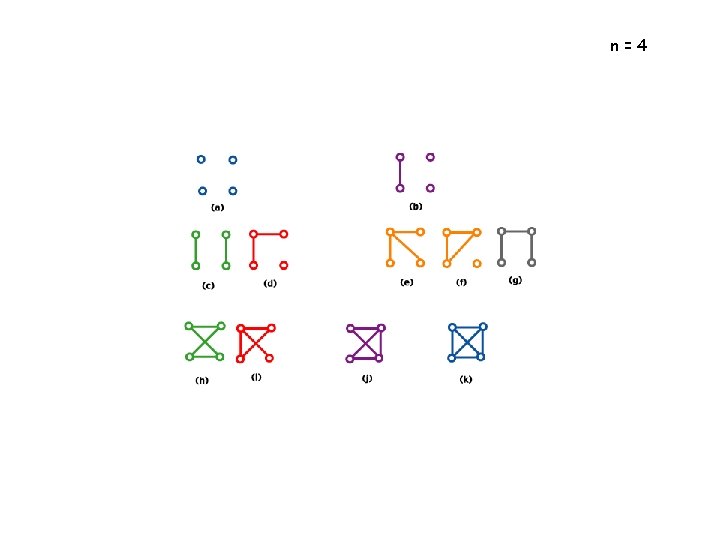
(Some) Special Graphs Cliques
n=4
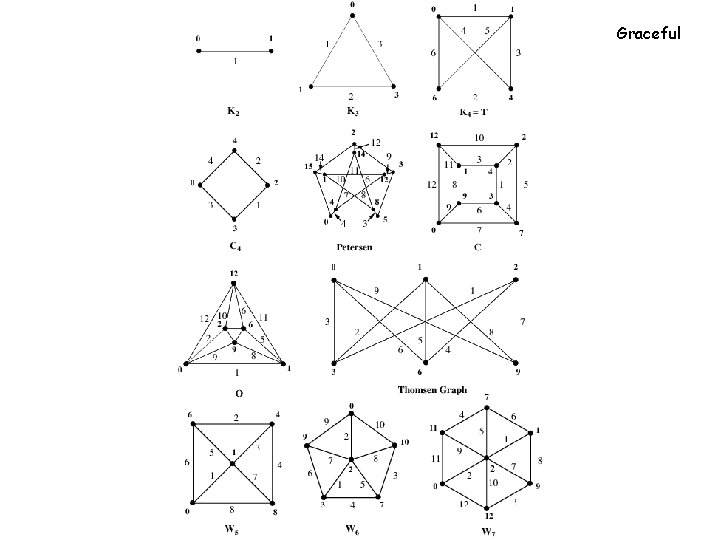
Graceful
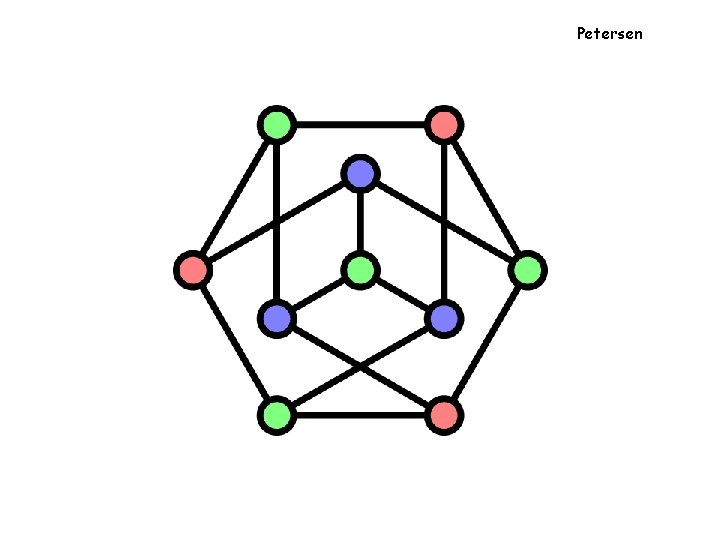
Petersen
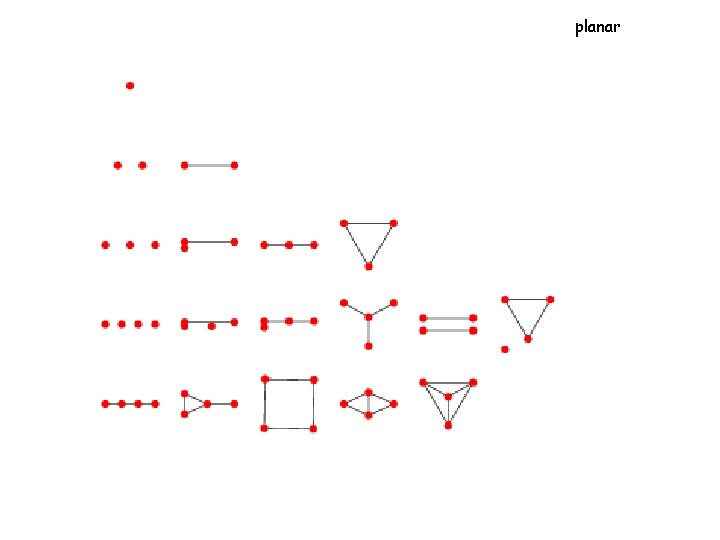
planar
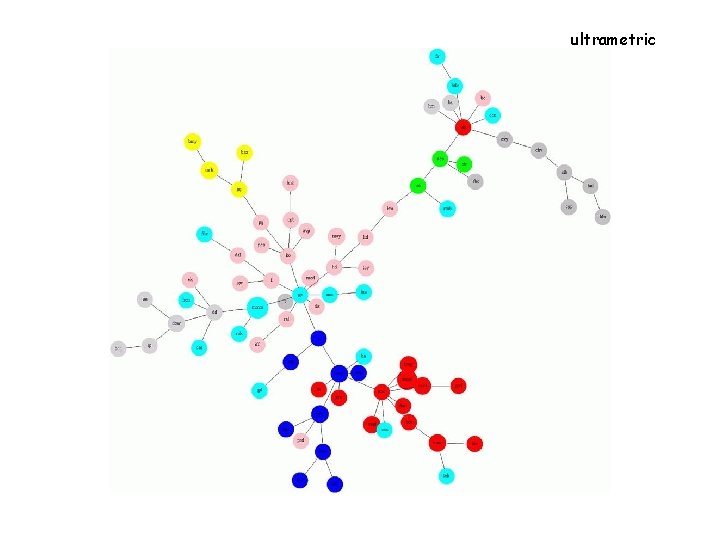
ultrametric
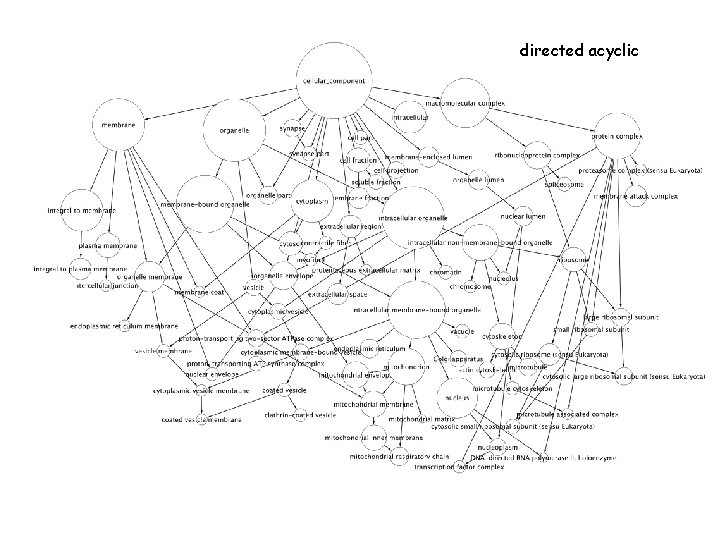
directed acyclic
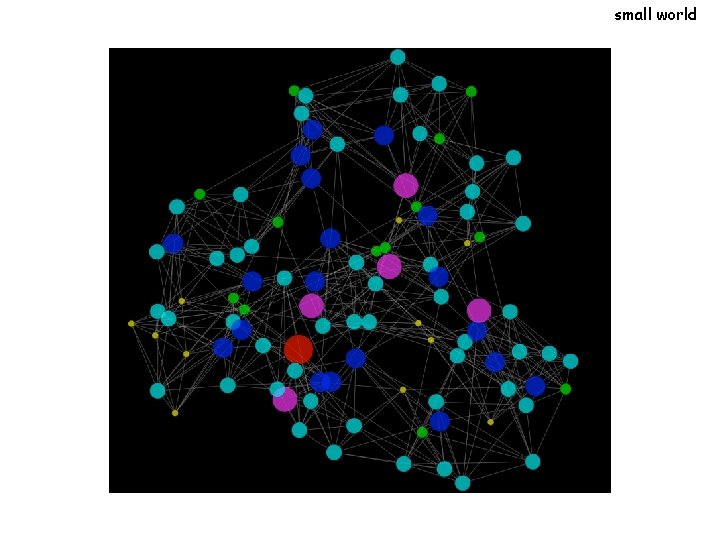
small world
See Rosen 548 & 549 • Cycles • Wheels • n-Cubes
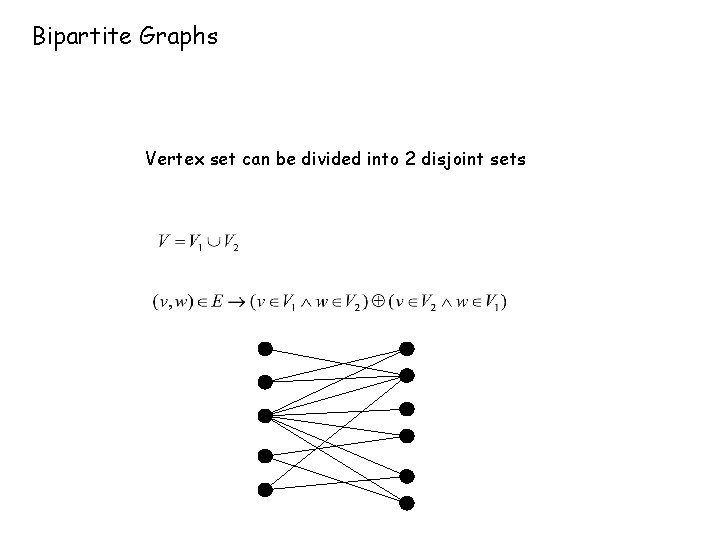
Bipartite Graphs Vertex set can be divided into 2 disjoint sets
Other Kinds of Graphs (that we won’t cover, but you should know about) • multigraphs • may have multiple edges between a pair of vertices • in telecomms, these might be redundant links, or extra capacity • Rosen 539 • pseudographs • a multigraphs, but edges (v, v) are allowed • Rosen 539 • hypergraph • hyperedges, involving more than a pair of vertices
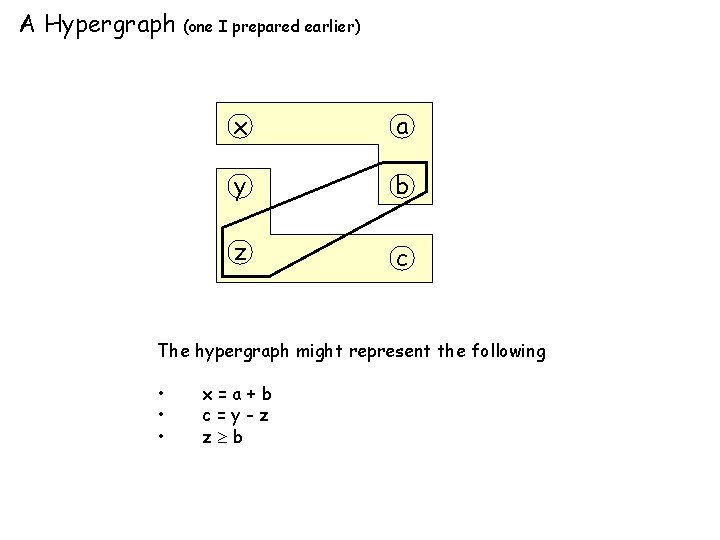
A Hypergraph (one I prepared earlier) x a y b z c The hypergraph might represent the following • • • x=a+b c=y-z z b
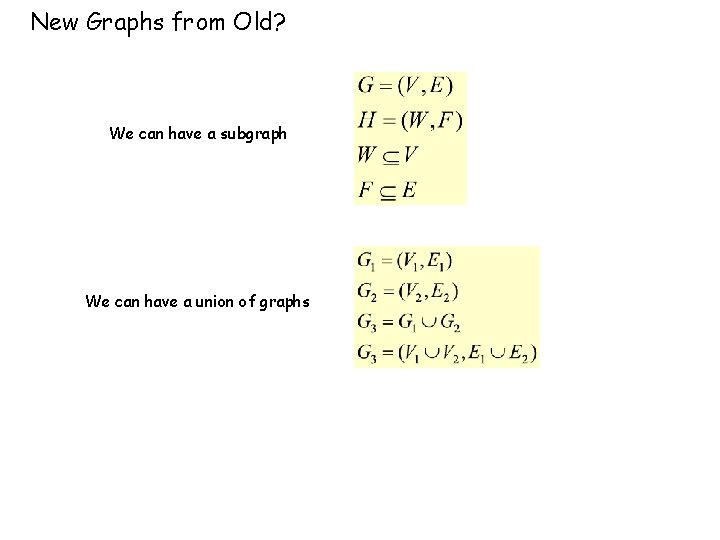
New Graphs from Old? We can have a subgraph We can have a union of graphs
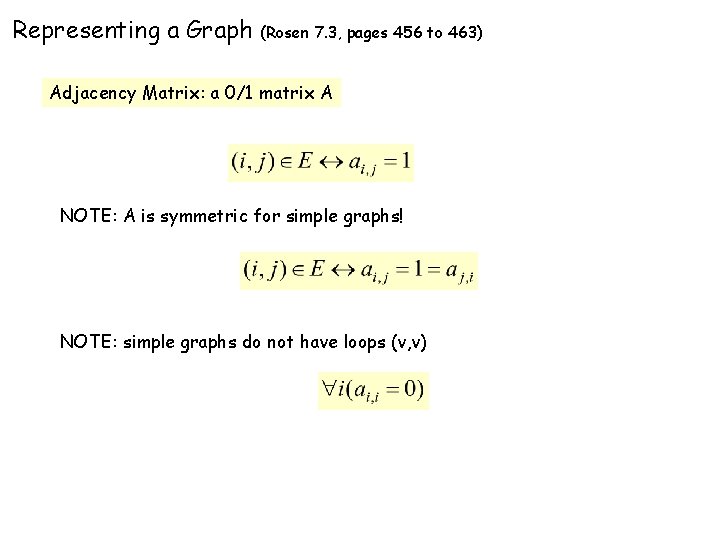
Representing a Graph (Rosen 7. 3, pages 456 to 463) Adjacency Matrix: a 0/1 matrix A NOTE: A is symmetric for simple graphs! NOTE: simple graphs do not have loops (v, v)
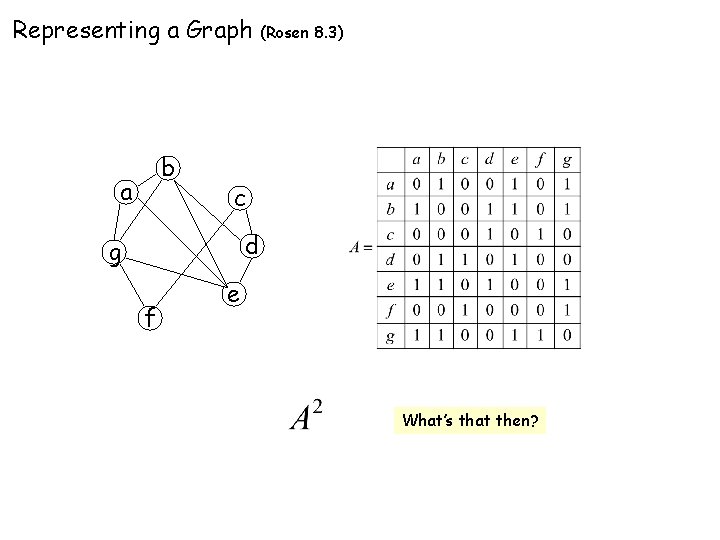
Representing a Graph b a (Rosen 8. 3) c d g f e What’s that then?
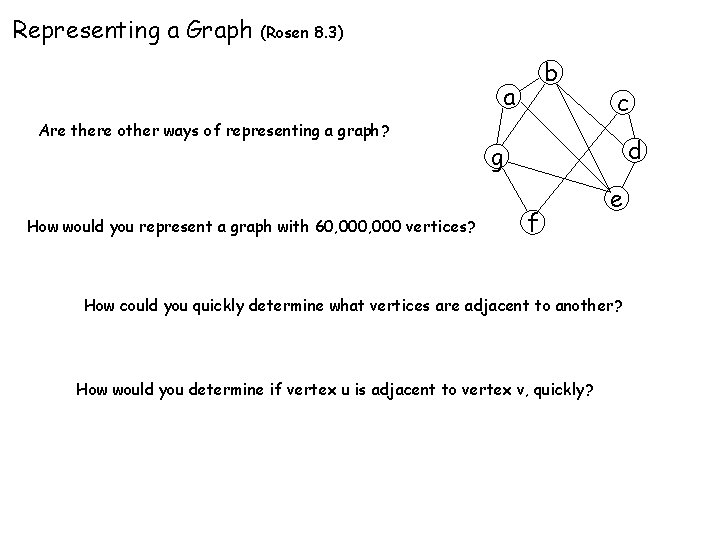
Representing a Graph (Rosen 8. 3) b a Are there other ways of representing a graph? How would you represent a graph with 60, 000 vertices? c d g f e How could you quickly determine what vertices are adjacent to another? How would you determine if vertex u is adjacent to vertex v, quickly?
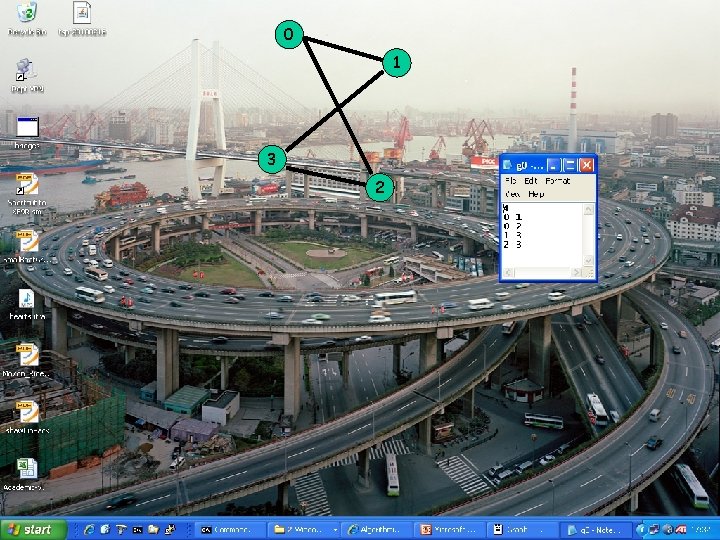
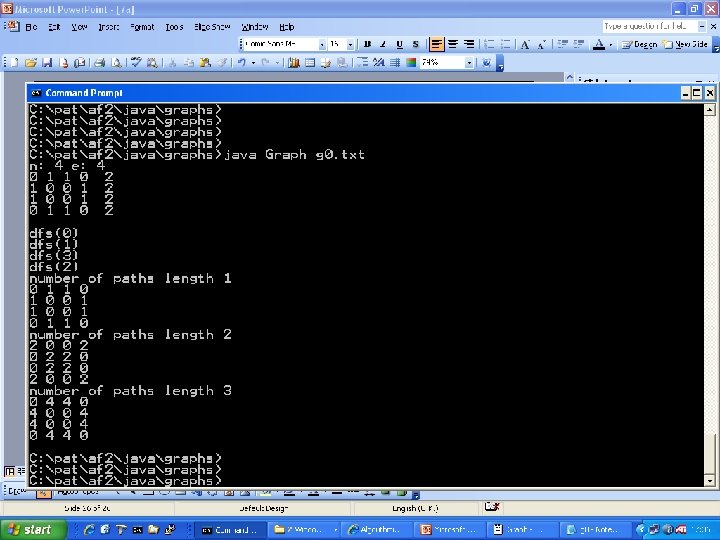
An example of representing graphs
0 1 3 2
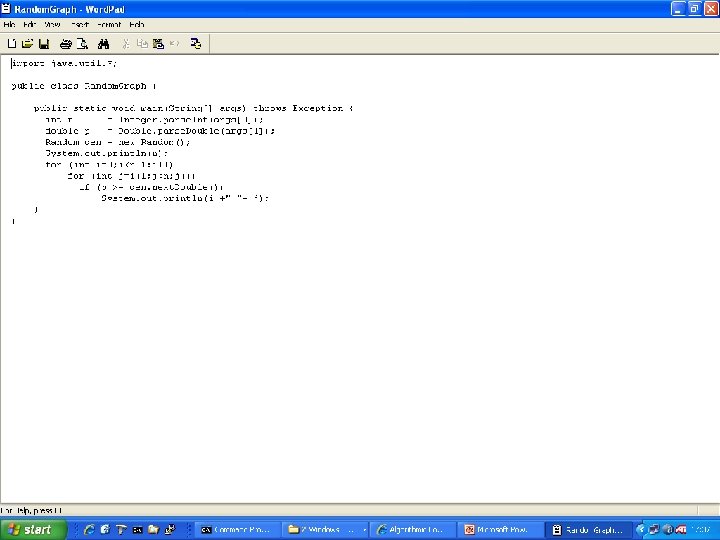
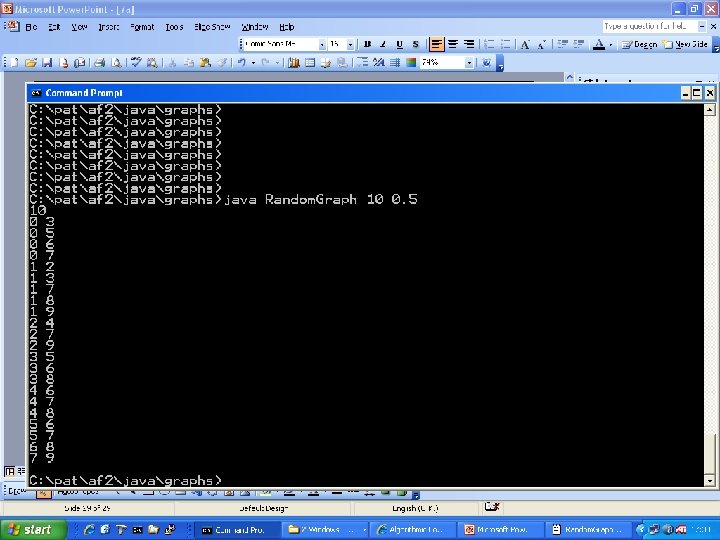
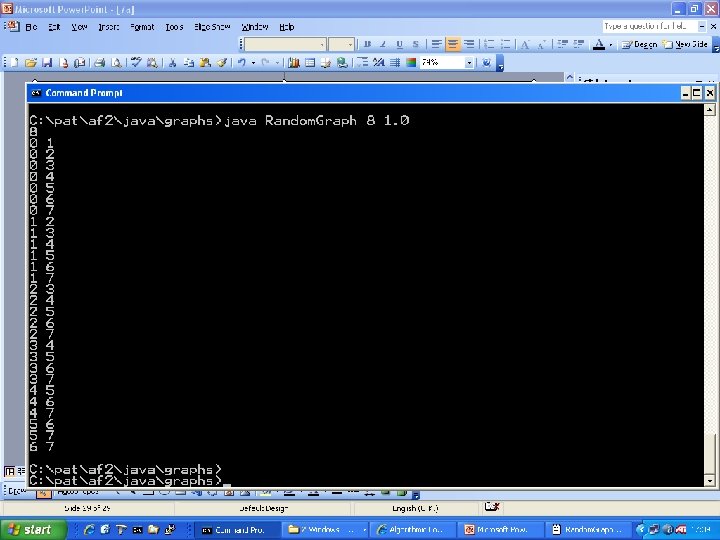
Random graphs