FUNGI Silpa M Assistant professor Dept of pharmacognosy


- Slides: 38
FUNGI Silpa. M Assistant professor Dept. of pharmacognosy
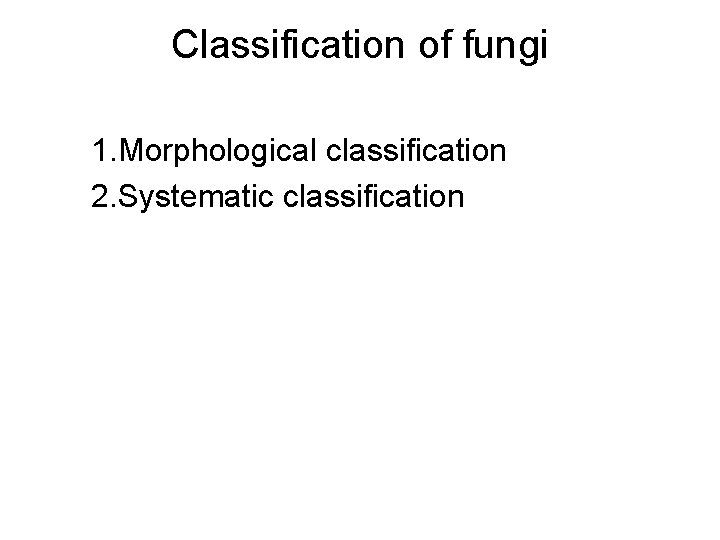
Classification of fungi 1. Morphological classification 2. Systematic classification
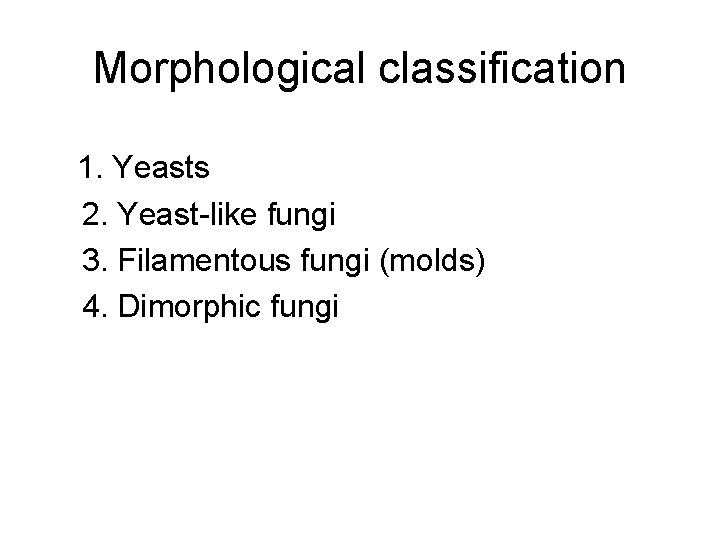
Morphological classification 1. Yeasts 2. Yeast-like fungi 3. Filamentous fungi (molds) 4. Dimorphic fungi
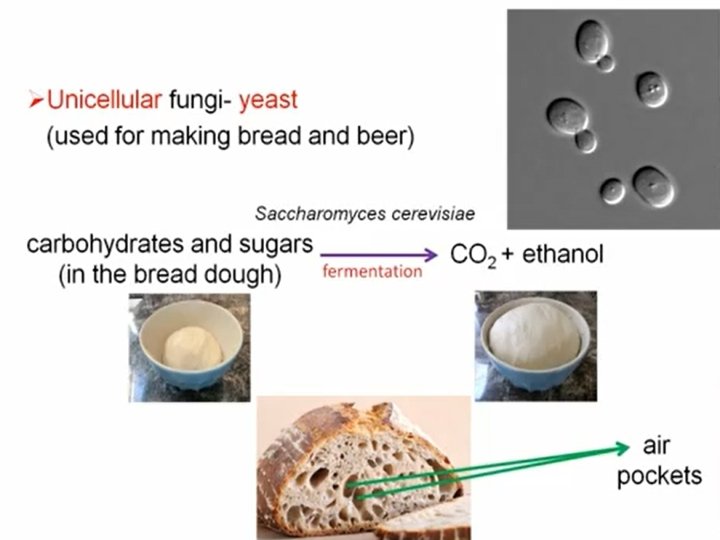
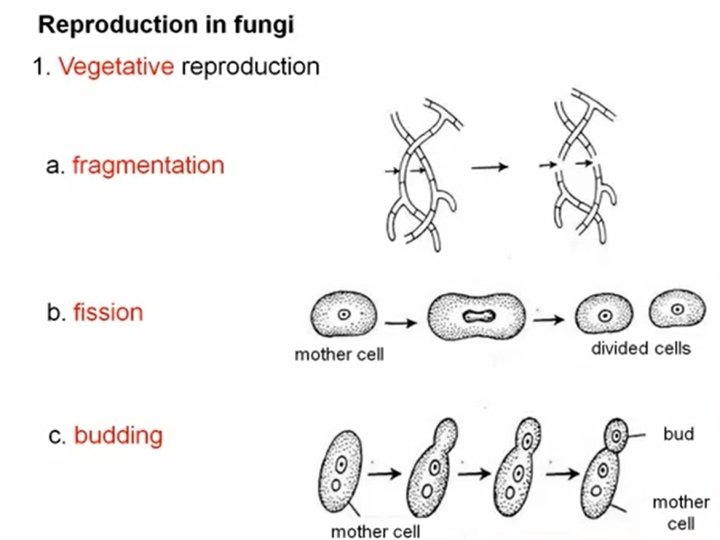
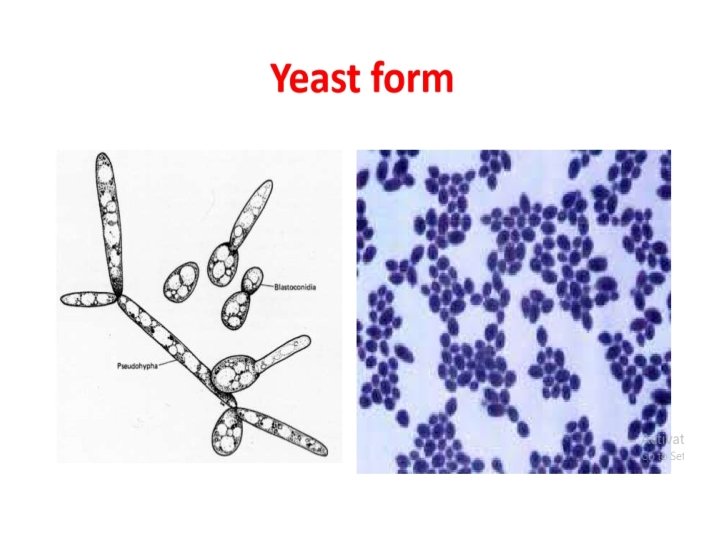
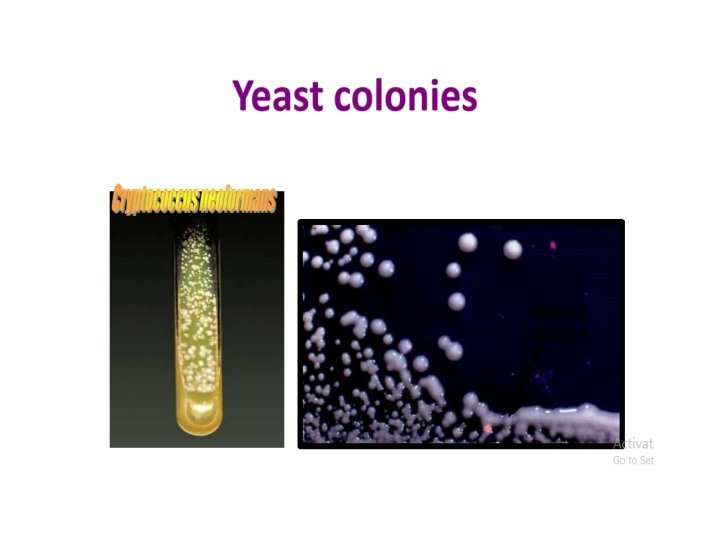
Yeasts • These occur in the form of round or oval bodies which reproduce by an asexual process called budding in which the cell develops a protuberance which enlarges and eventually separates from the parent cell. • Yeasts colonies resemble bacterial colonies in appearance and in consistency • Examples are- Saccharomyces cerevisiae, Cryptococcus neoformans
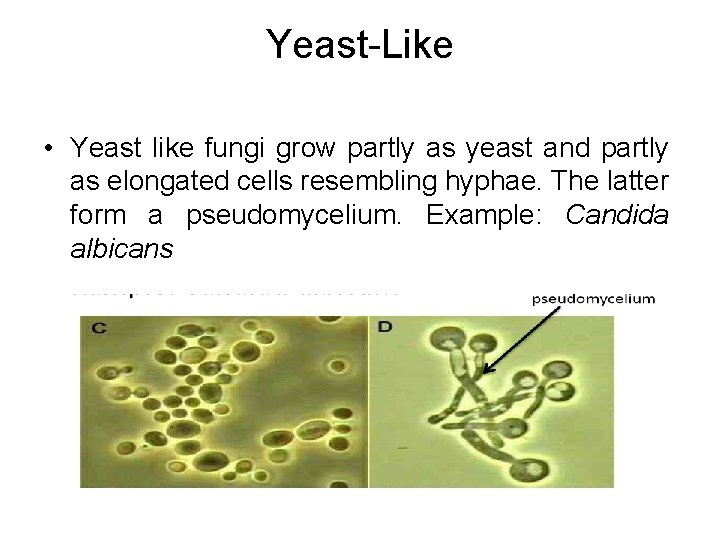
Yeast-Like • Yeast like fungi grow partly as yeast and partly as elongated cells resembling hyphae. The latter form a pseudomycelium. Example: Candida albicans
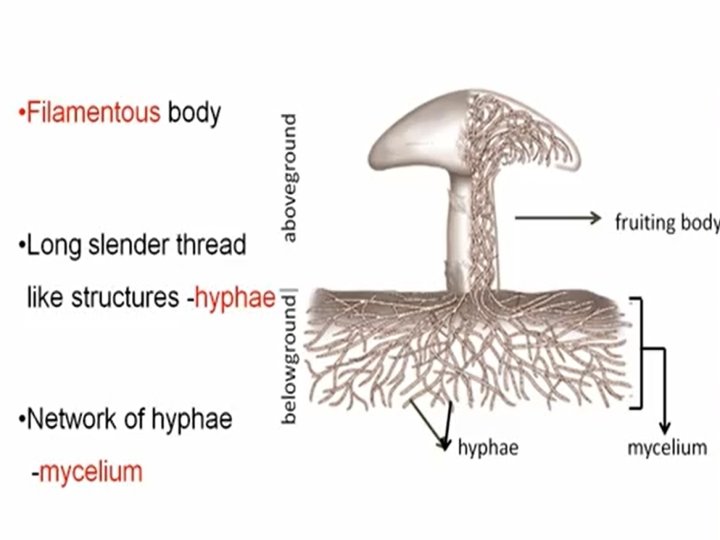
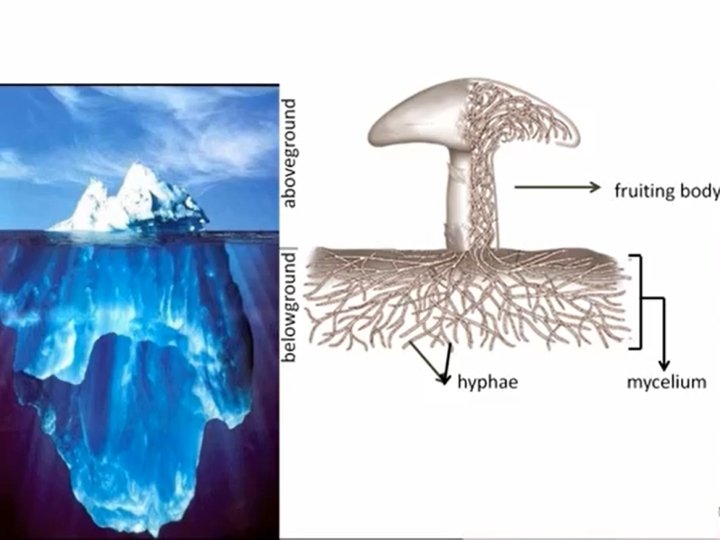
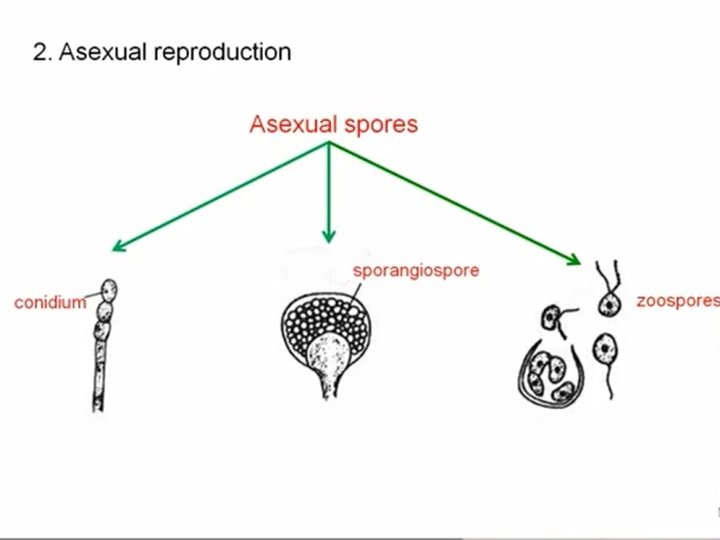
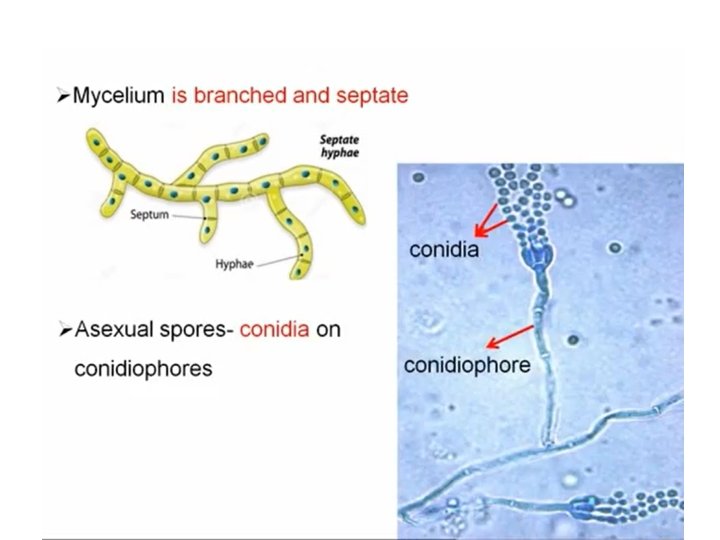
Molds or Filamentous Fungi • The basic morphological elements of filamentous fungi are long branching filaments or hyphae, which intertwine to produce a mass of filaments or mycelium • Colonies are strongly adherent to the medium and unlike most bacterial colonies cannot be emulsified in water • The surface of these colonies may be velvety, powdery, or may show a cottony aerial mycelium. • Reproduce by the formation of different types of spores • Example: Dermatophytes, Aspergillus, Penicillium, Mucor, Rhizopus
Dimorphic Fungi • These are fungi which exhibit a yeast form in the host tissue and in vitro at 37ºC on enriched media and mycelial form in vitro at 25ºC • Examples: • Histoplasma capsulatum • Blastomyces dermatitidis • Coccidioides immitis • Paracoccidoides brasiliesis • Penicillium marneffei • Sporothrix schenckii
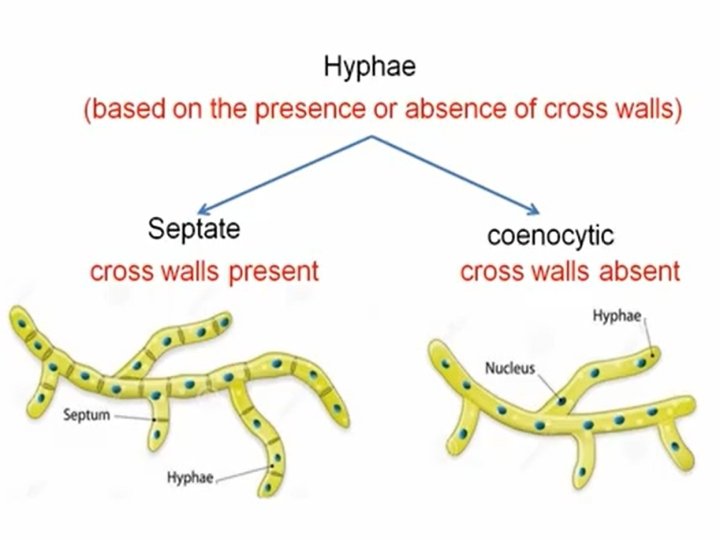
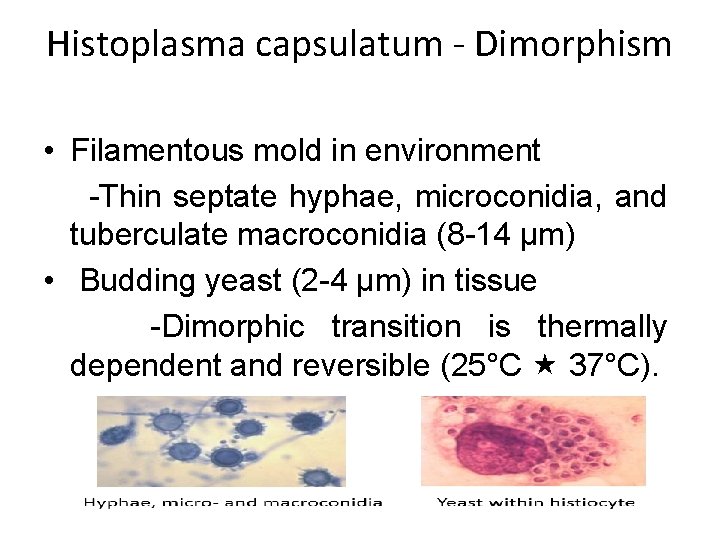
Histoplasma capsulatum - Dimorphism • Filamentous mold in environment -Thin septate hyphae, microconidia, and tuberculate macroconidia (8 -14 µm) • Budding yeast (2 -4 µm) in tissue -Dimorphic transition is thermally dependent and reversible (25°C 37°C).
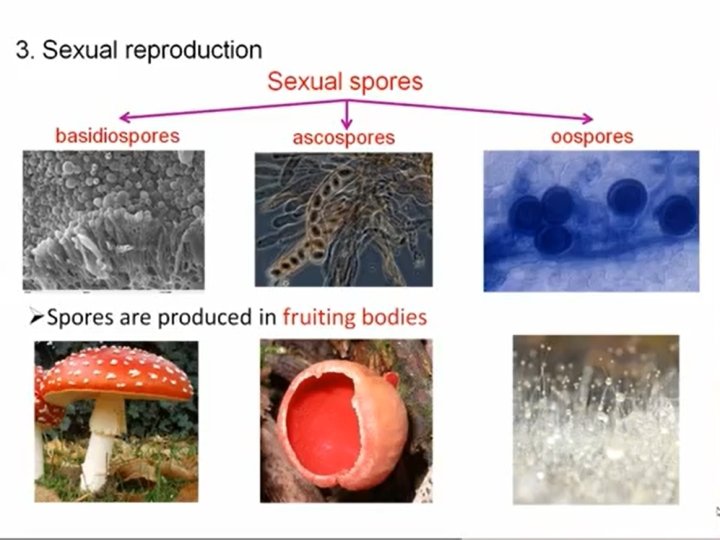
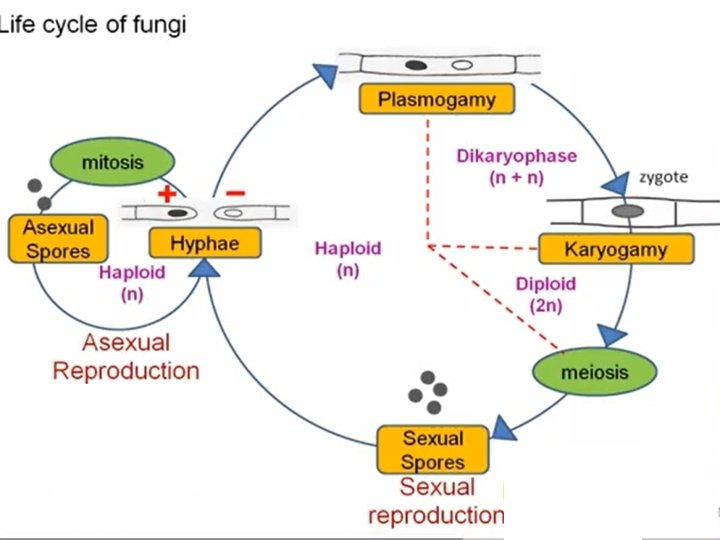
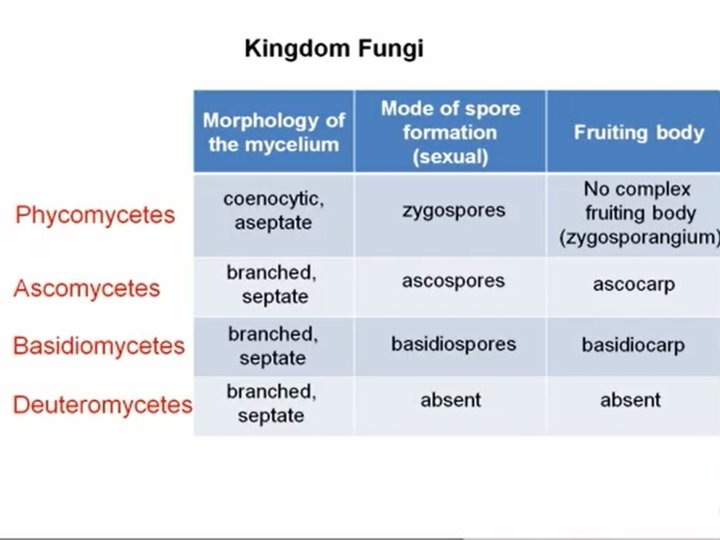
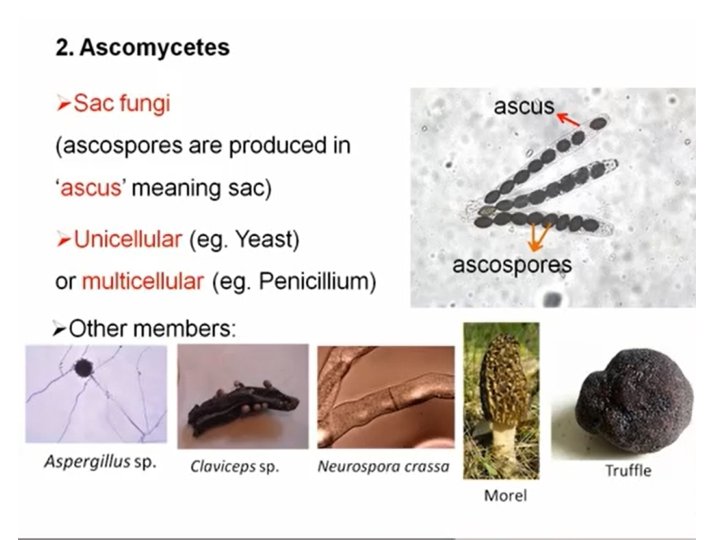
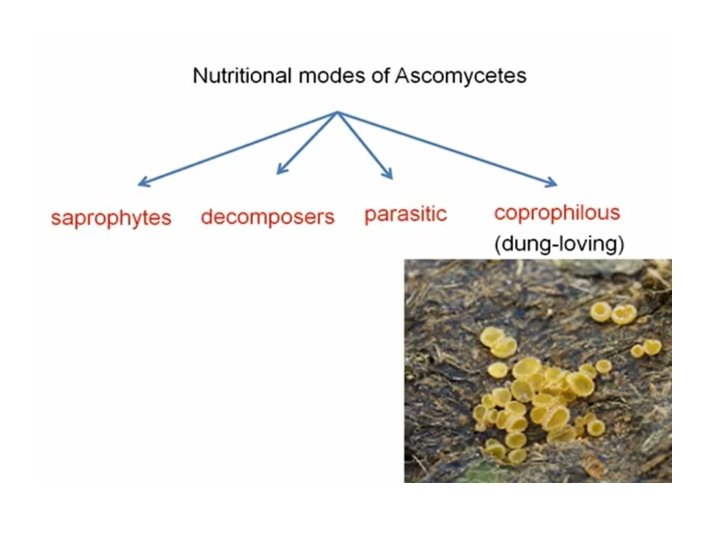
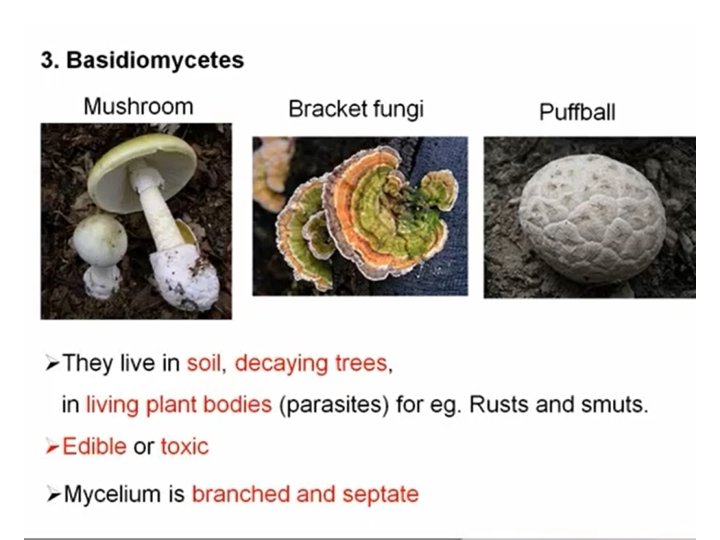
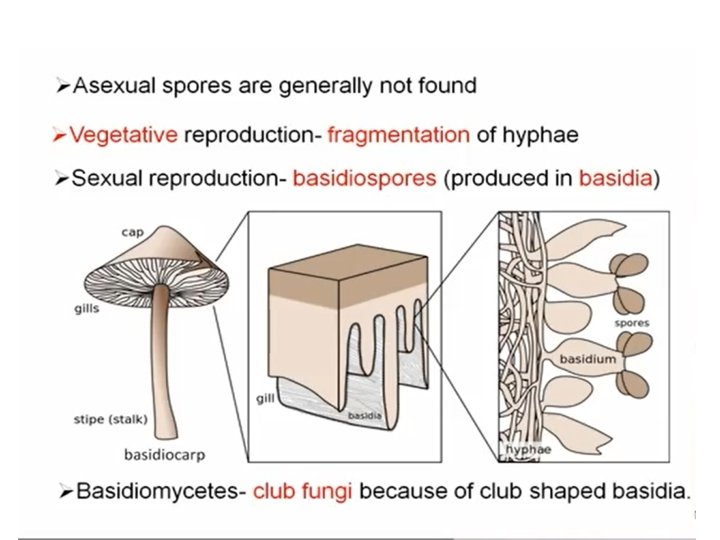
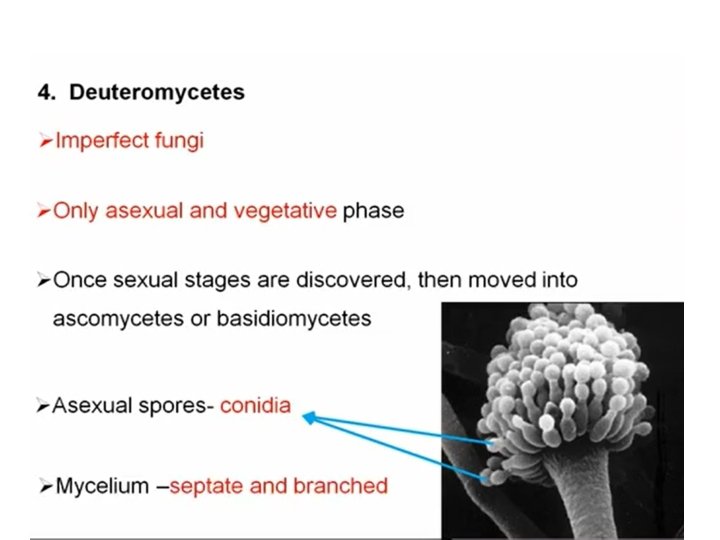
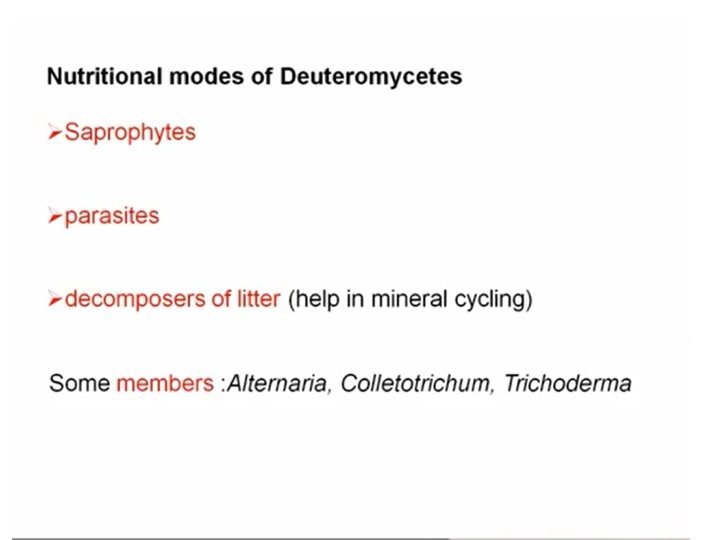
Systematic classification • Based on sexual spores formation: 4 classes 1. Zygomycetes 2. Ascomycetes reproduce sexually 3. Basidiomycetes 4. Deuteromycetes (fungi imperfectii
THANK YOU