ENTREPRENEURSHIP Lecture No 14 Resource Person Malik Jawad
- Slides: 25
ENTREPRENEURSHIP Lecture No: 14 Resource Person: Malik Jawad Saboor Assistant Professor Department of Management Sciences COMSATS Institute of Information Technology Islamabad.
Previous Lecture Review • • PESTEL Analysis Key Success Factors Analyzing Competitors Create Company Goals and Objectives Formulate Strategy Translate Strategies into Action Plan Establishing Control
Objectives • • • Conducting a Feasibility Analysis The Feasibility Study Five Forces Model Product or Service Feasibility Analysis Financial Feasibility Analysis
Feasibility Analysis • Entrepreneurs do not lack creative ideas, but… • Is a particular idea a viable foundation for creating a successful business? • Feasibility study addresses the question: “Should we proceed with this business idea? ”
Feasibility Study • Not the same as a business plan. • Serves as a filter, screening out ideas that lack the potential for building a successful business before an entrepreneur commits the necessary resources to building a business plan. • An investigative tool.
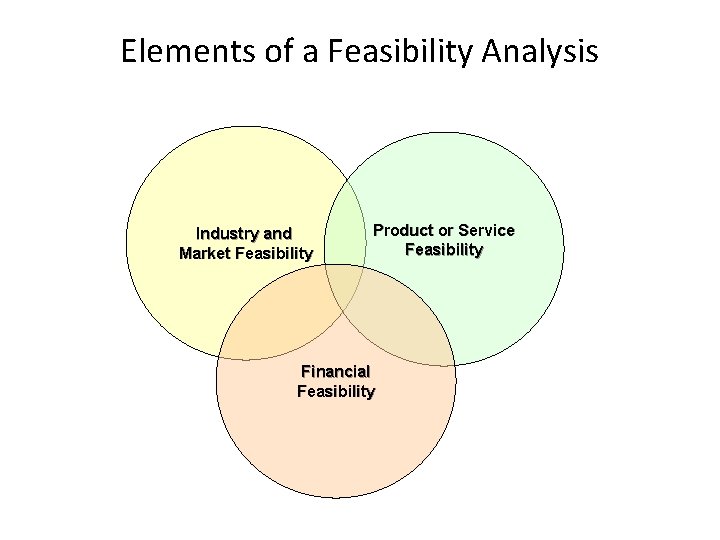
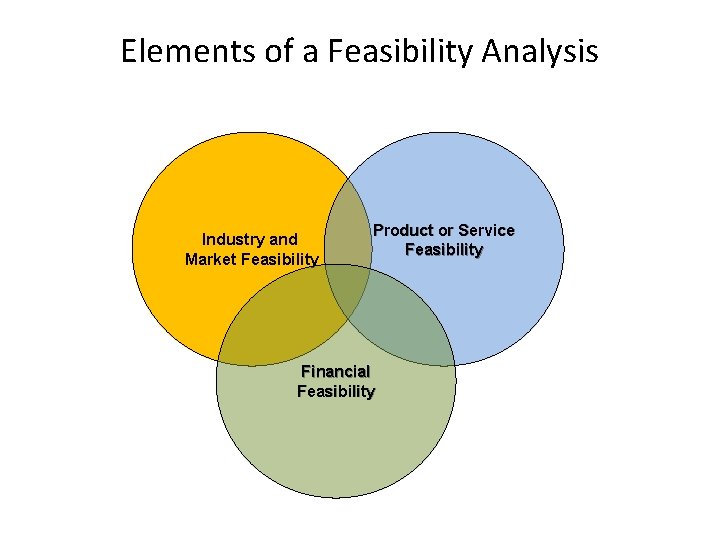
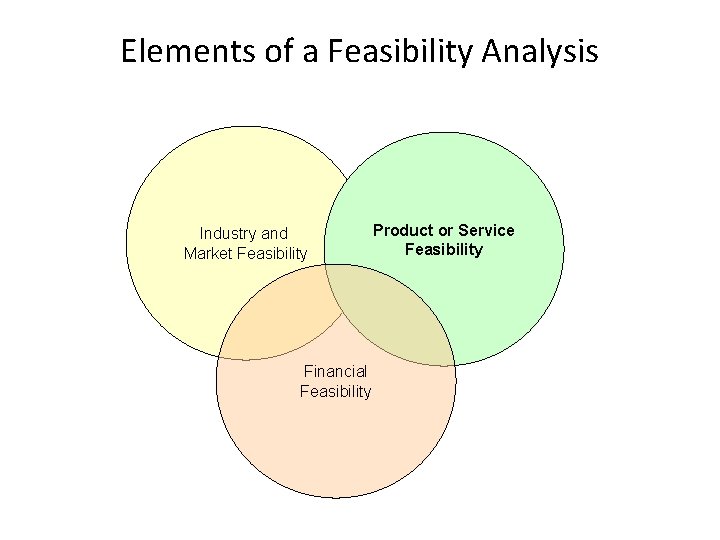
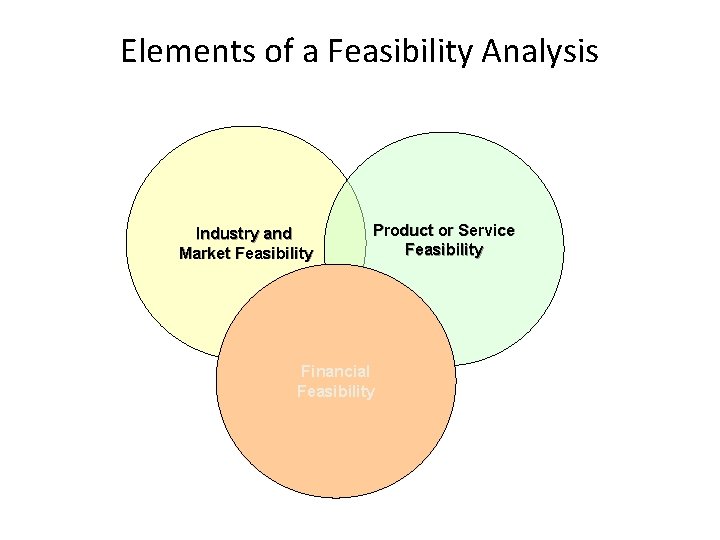
Elements of a Feasibility Analysis Industry and Market Feasibility Product or Service Feasibility Financial Feasibility
Elements of a Feasibility Analysis Industry and Market Feasibility Product or Service Feasibility Financial Feasibility
Industry and Market Feasibility Analysis • Two areas of focus: • Determining how attractive an industry is overall as a “home” for a new business. • Identifying possible niches a small business can occupy profitably.
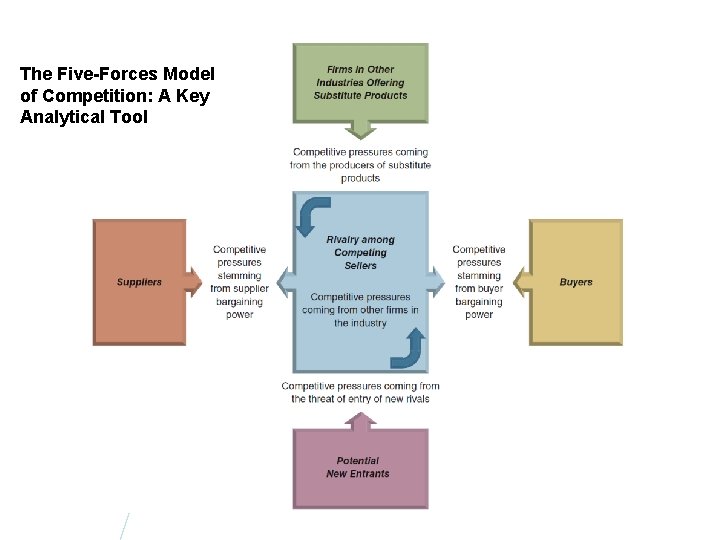
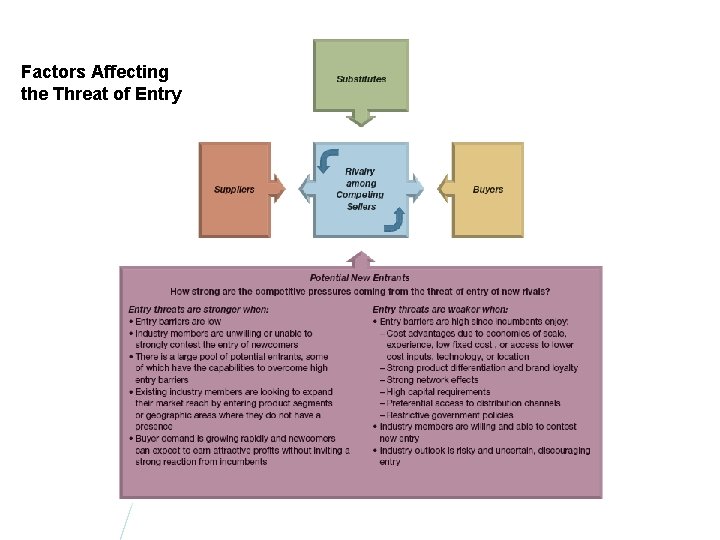
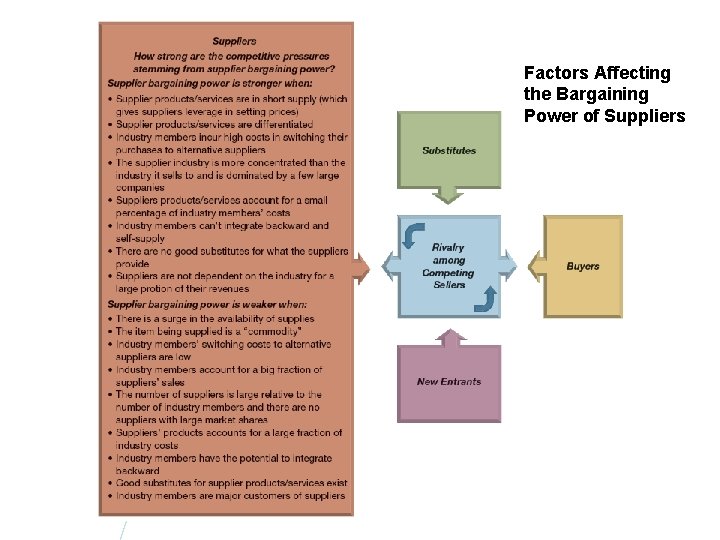
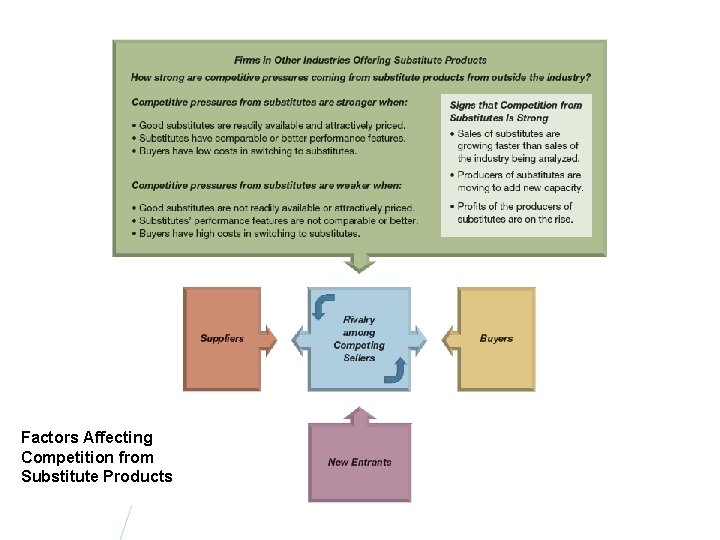
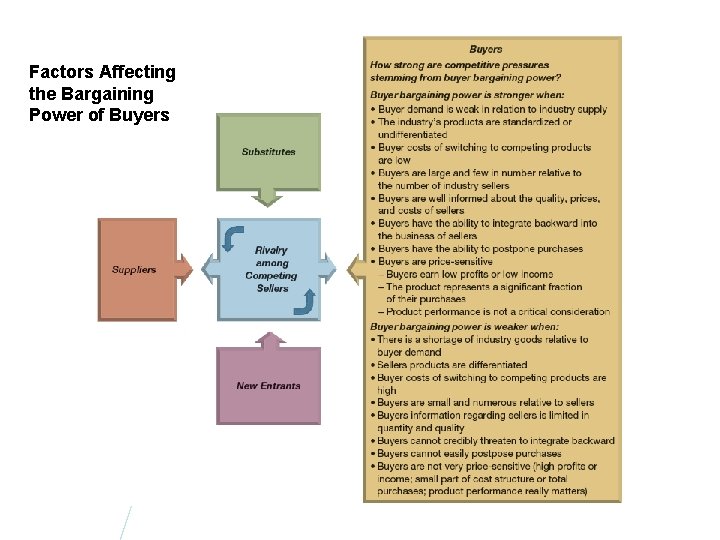
The Five-Forces Model of Competition: A Key Analytical Tool
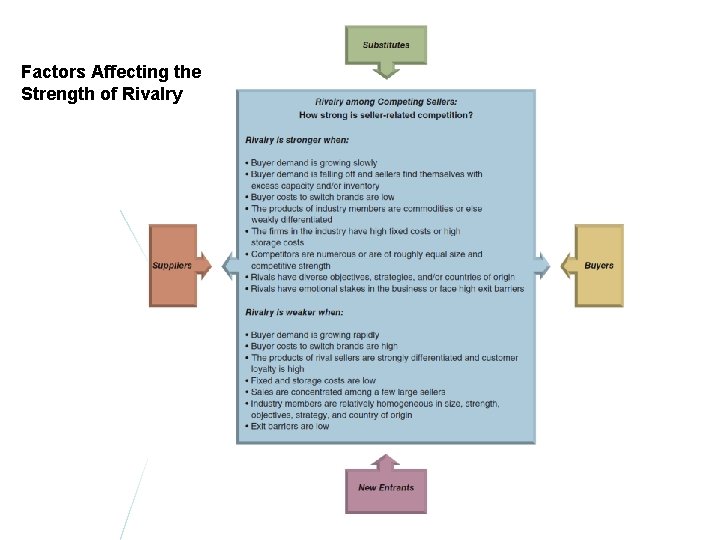
Factors Affecting the Strength of Rivalry
Factors Affecting the Threat of Entry
Factors Affecting the Bargaining Power of Suppliers
Factors Affecting Competition from Substitute Products
Factors Affecting the Bargaining Power of Buyers
Business Prototyping • Entrepreneurs test their business models on a small scale before committing serious resources to launch a business that might not work. • Recognizes that a business idea is a hypothesis that needs to be tested before taking it full scale.
Elements of a Feasibility Analysis Industry and Market Feasibility Financial Feasibility Product or Service Feasibility
Product or Service Feasibility Analysis • Determines the degree to which a product or service idea appeals to potential customers and identifies the resources necessary to produce it. • Two questions: • Are customers willing to purchase our good or service? • Can we provide the product or service to customers at a profit?
Product or Service Feasibility Analysis • Primary research – collect data firsthand analyze it. • Customer surveys and questionnaires • Focus groups • Secondary research – gather data that already has been compiled analyze it. • Prototypes • In-home trials
Elements of a Feasibility Analysis Industry and Market Feasibility Product or Service Feasibility Financial Feasibility
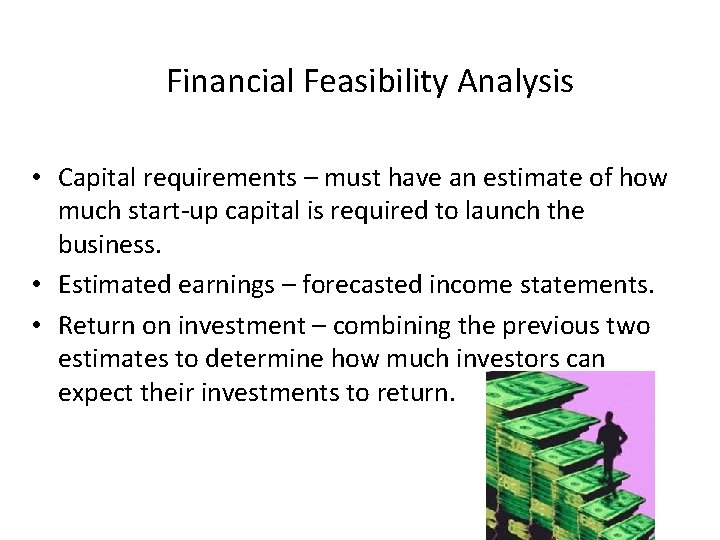
Financial Feasibility Analysis • Capital requirements – must have an estimate of how much start-up capital is required to launch the business. • Estimated earnings – forecasted income statements. • Return on investment – combining the previous two estimates to determine how much investors can expect their investments to return.
You Be The Consultant. . CASE STUDY 21
• YOU BE THE CONSULTANT Dick Bardow, a well-educated and experienced inventor and researcher in the medical equipment industry is seeking outside venture capital for his patent pending product. He is frustrated by the reaction to a presentation that he made to a Ms. Guinn and her staff of investors and analysts. Bardow spent considerable time describing the power and potential of his new technology, while the group only seemed interested in hearing about market strategies and returns on investment. Questions: 1. Identify the possible problems with Dick Bardow’s presentation of his business plan. 2. Should potential lenders and investors evaluate new ventures that are based on cutting edge technology differently from other business ventures? Explain. 3. List at least five suggestions you would make to Dick Bardow to improve his business plan and his presentation of it.
You Be The Consultant. . CASE STUDY 23
• YOU BE THE CONSULTANT There is an unlimited amount of useful knowledge and information to gain from any company industry. The Crowley family has proved that many times over by borrowing techniques used in their bottling plant (Polar Beverages), applying those to their ski area (Wachusett Mountain), and vice versa. A key factor for the success of both operations is filling unused capacity. An hour of unused or inefficient production time in the bottling plant has the same effect as an hour of unused or inefficient time on the ski slopes. The ski area was able to fill its idle capacity by targeting a number of diversified markets that use the slopes at different times of the day and week. The bottling plant was able to fill its idle capacity by reshaping the size of its bottles to better pack trucks. On the surface, companies in different industries may appear to have little in common. The entrepreneur recognizes the opportunities of technology transfer--applying the lessons learned in one business and applying those same principles to assorted others. Q 1. Explain the core competencies that Wachusett Mountain has built. What is the source of its core competencies? Q 2. Explain how Wachusett Mountain uses knowledge management to build a competitive advantage. What other steps would you suggest the company take in this area?
Lecture Review • • • Conducting a Feasibility Analysis The Feasibility Study Five Forces Model Product or Service Feasibility Analysis Financial Feasibility Analysis