Computer Networks CMSC 417 Spring 2020 Topic TCP






- Slides: 41
Computer Networks CMSC 417 : Spring 2020 Topic: TCP congestion control (Textbook chapter 6) Nirupam Roy Tu-Th 2: 00 -3: 15 pm CSI 1115
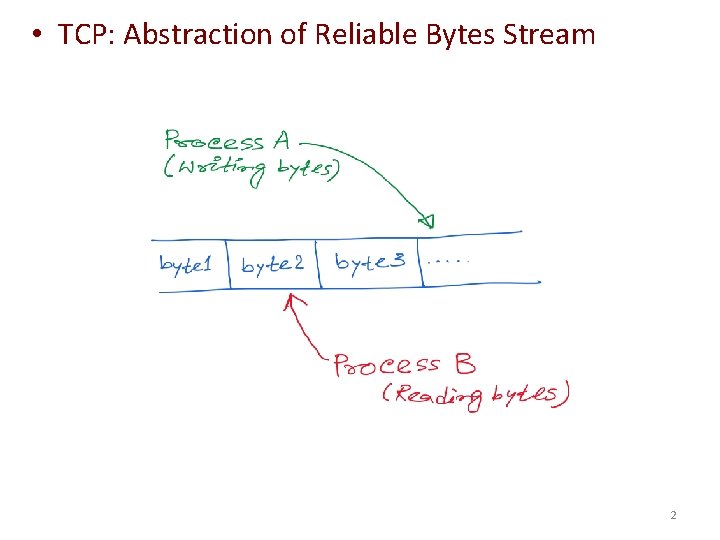
• TCP: Abstraction of Reliable Bytes Stream 2
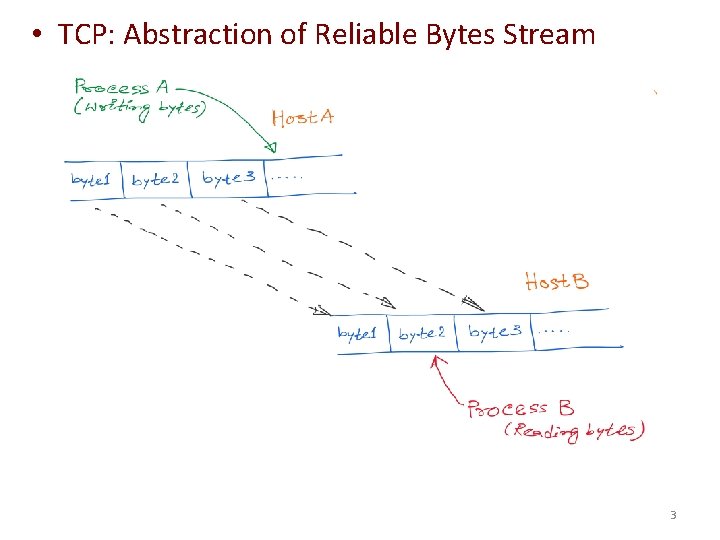
• TCP: Abstraction of Reliable Bytes Stream 3
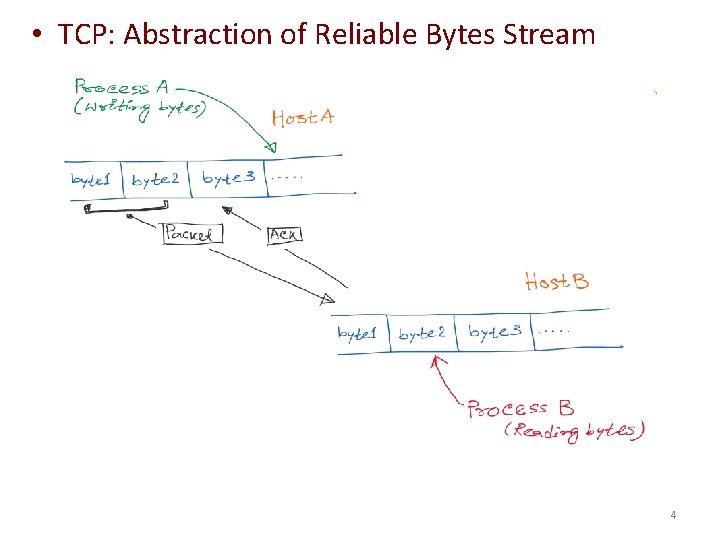
• TCP: Abstraction of Reliable Bytes Stream 4
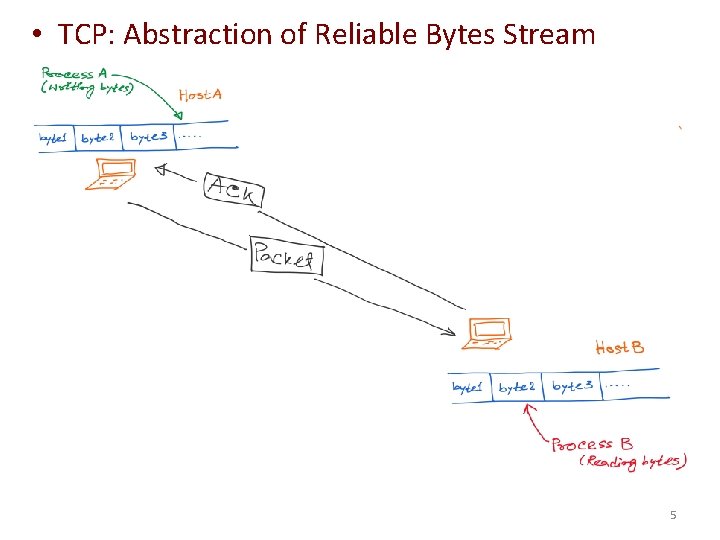
• TCP: Abstraction of Reliable Bytes Stream 5
• TCP: Abstraction of Reliable Bytes Stream Advertised. Window Flow control: Do not overwhelm the resources at the receiver 6
• TCP: Abstraction of Reliable Bytes Stream 7
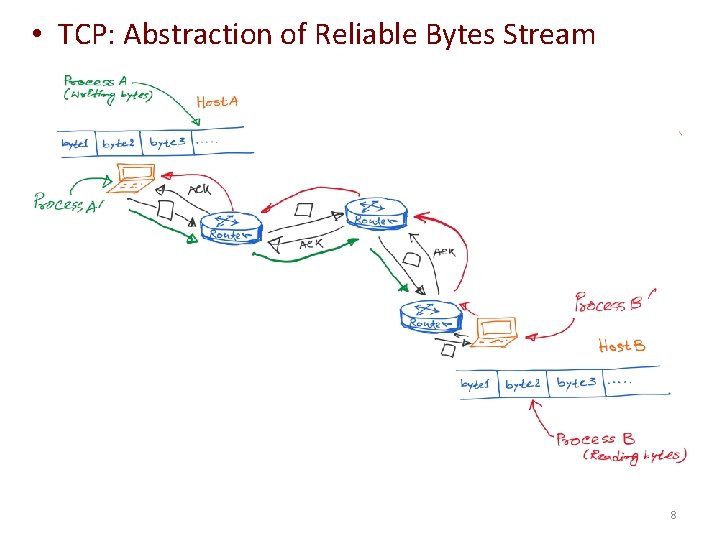
• TCP: Abstraction of Reliable Bytes Stream 8
• TCP: Abstraction of Reliable Bytes Stream 9
• TCP: Abstraction of Reliable Bytes Stream 10
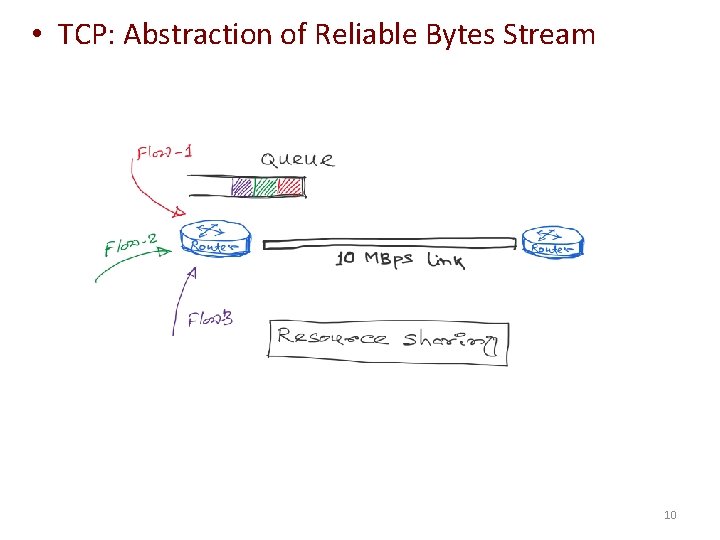
• TCP: Abstraction of Reliable Bytes Stream Flows contend for two resources: 1) Link bandwidth 2) Queue space 11
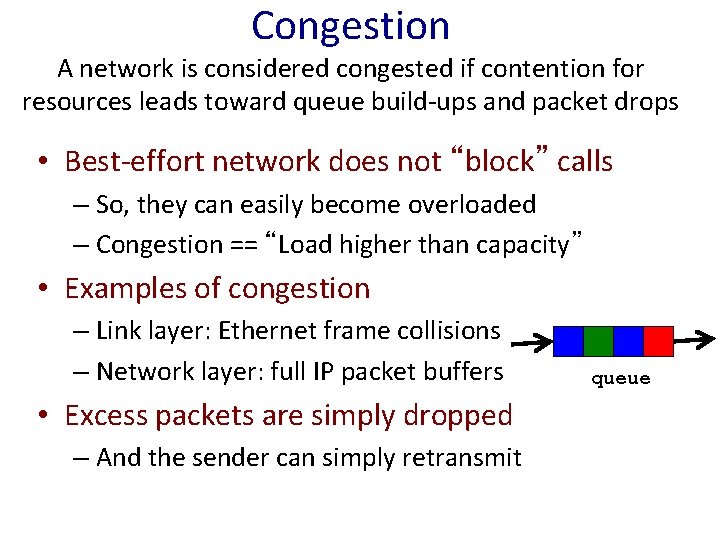
Congestion A network is considered congested if contention for resources leads toward queue build-ups and packet drops • Best-effort network does not “block” calls – So, they can easily become overloaded – Congestion == “Load higher than capacity” • Examples of congestion – Link layer: Ethernet frame collisions – Network layer: full IP packet buffers • Excess packets are simply dropped – And the sender can simply retransmit queue
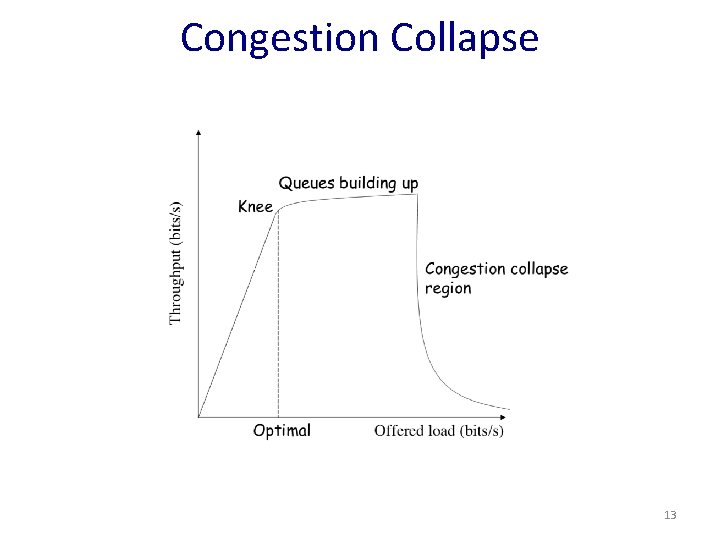
Congestion Collapse 13
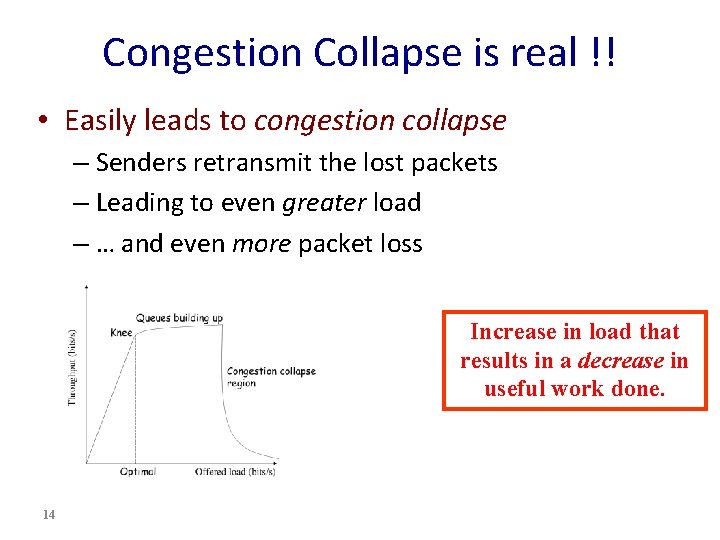
Congestion Collapse is real !! • Easily leads to congestion collapse – Senders retransmit the lost packets – Leading to even greater load – … and even more packet loss Increase in load that results in a decrease in useful work done. 14
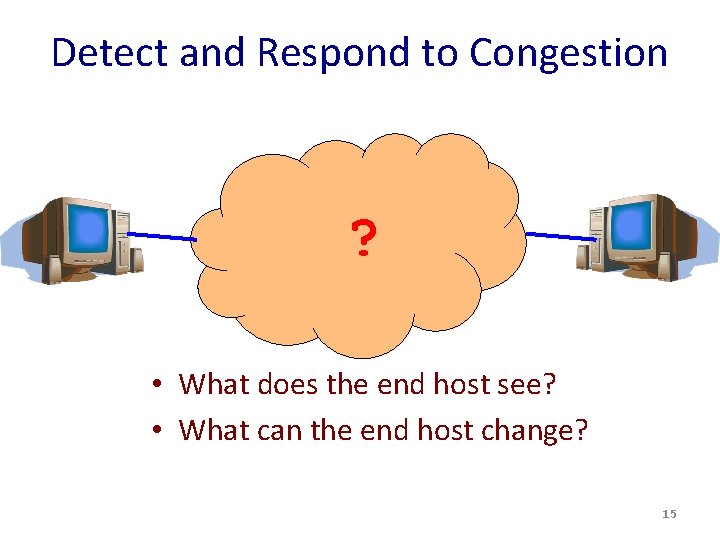
Detect and Respond to Congestion ? • What does the end host see? • What can the end host change? 15
Detecting Congestion • Link layer – Carrier sense multiple access – Seeing your own frame collide with others • Network layer – Observing end-to-end performance – Packet delay or loss over the path 16
Responding to Congestion • Upon detecting congestion – Decrease the sending rate 17
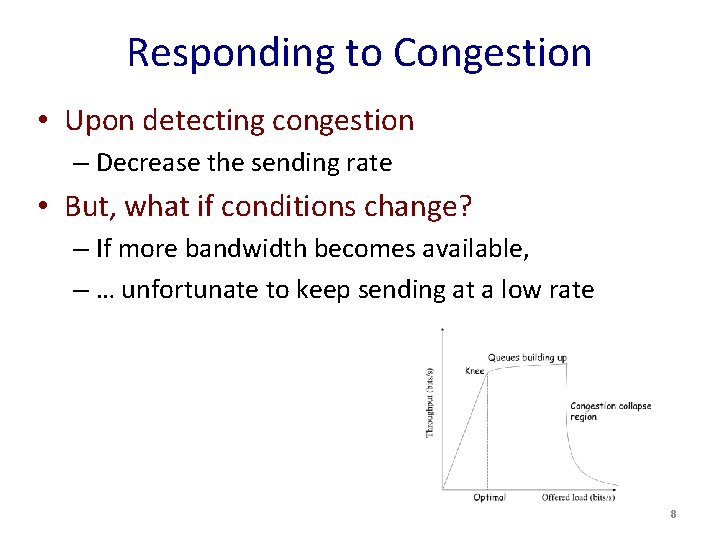
Responding to Congestion • Upon detecting congestion – Decrease the sending rate • But, what if conditions change? – If more bandwidth becomes available, – … unfortunate to keep sending at a low rate 18
Responding to Congestion • Upon detecting congestion – Decrease the sending rate • But, what if conditions change? – If more bandwidth becomes available, – … unfortunate to keep sending at a low rate • Upon not detecting congestion – Increase sending rate, a little at a time – See if packets get through 19
TCP Congestion Control 20
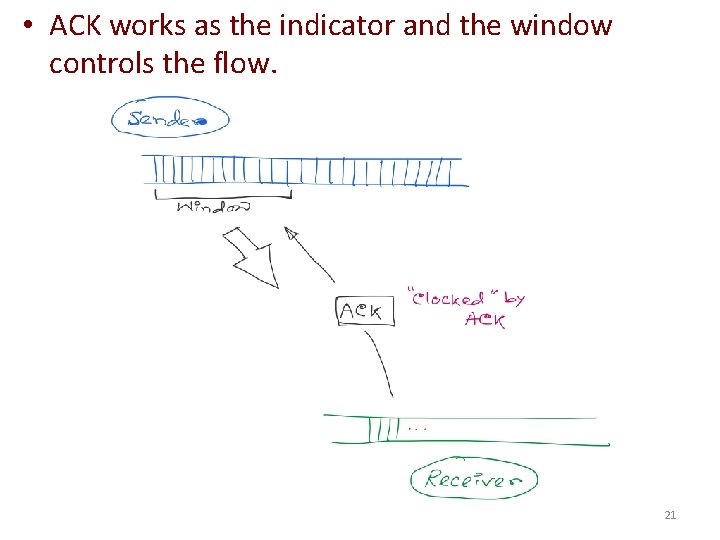
• ACK works as the indicator and the window controls the flow. 21
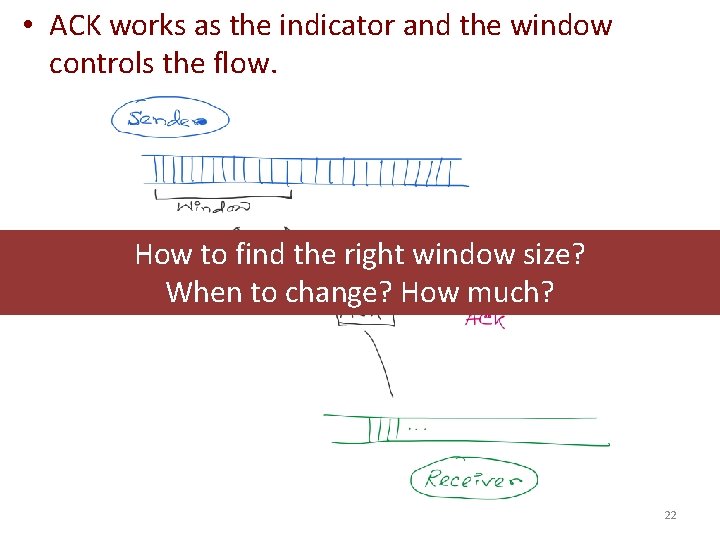
• ACK works as the indicator and the window controls the flow. How to find the right window size? When to change? How much? 22
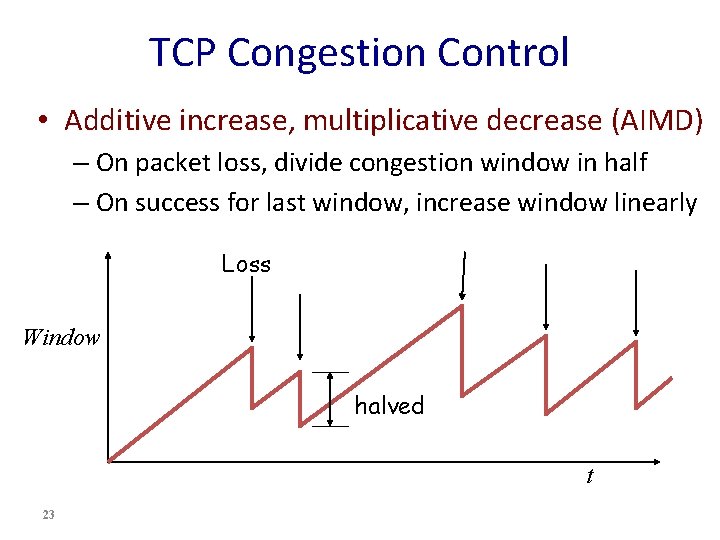
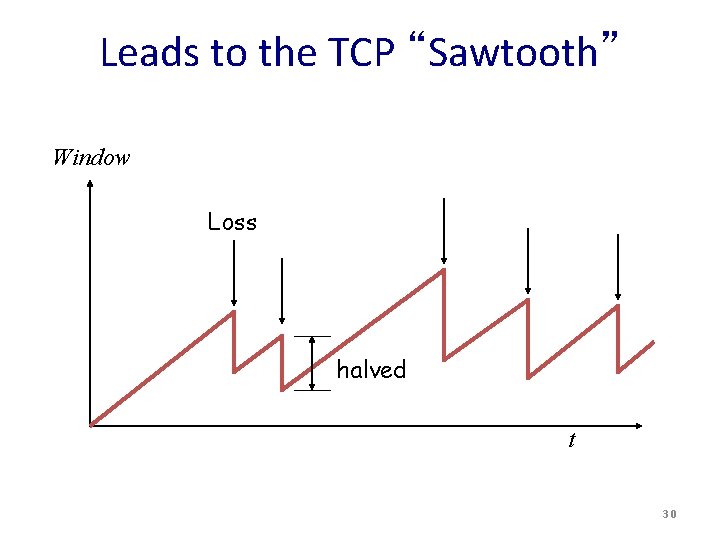
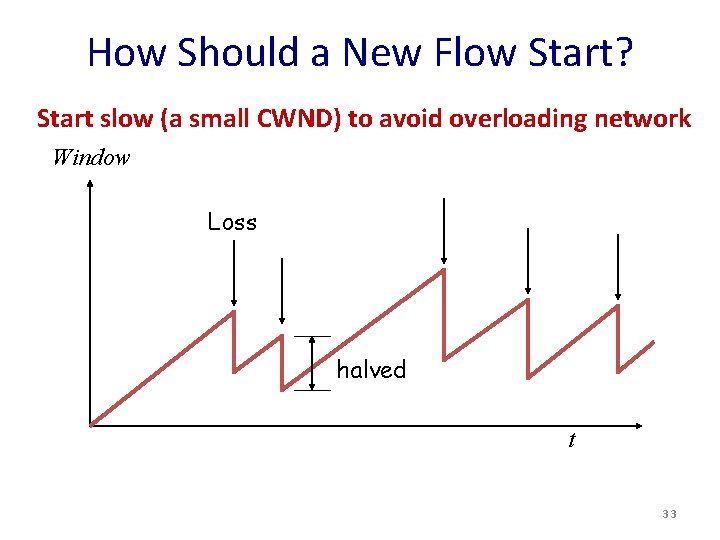
TCP Congestion Control • Additive increase, multiplicative decrease (AIMD) – On packet loss, divide congestion window in half – On success for last window, increase window linearly Loss Window halved t 23
Why Exponential decrease? • Respond aggressively to bad news – Congestion is (very) bad for everyone – Need to react aggressively • Nice theoretical properties – Makes efficient use of network resources 24
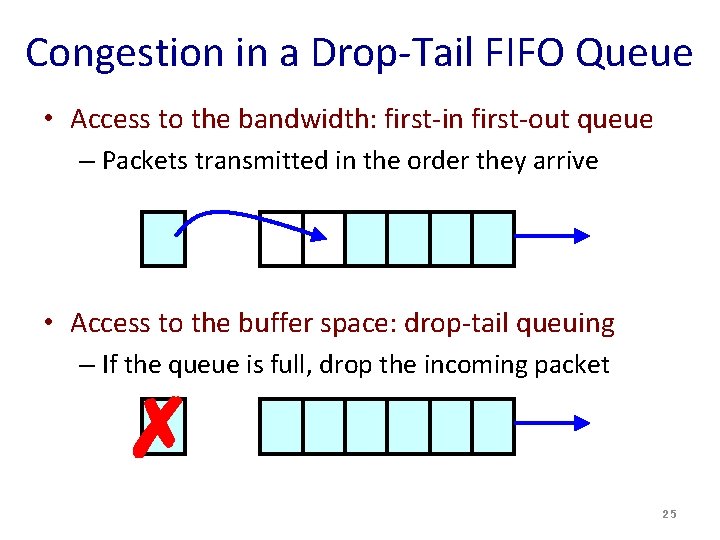
Congestion in a Drop-Tail FIFO Queue • Access to the bandwidth: first-in first-out queue – Packets transmitted in the order they arrive • Access to the buffer space: drop-tail queuing – If the queue is full, drop the incoming packet ✗ 25
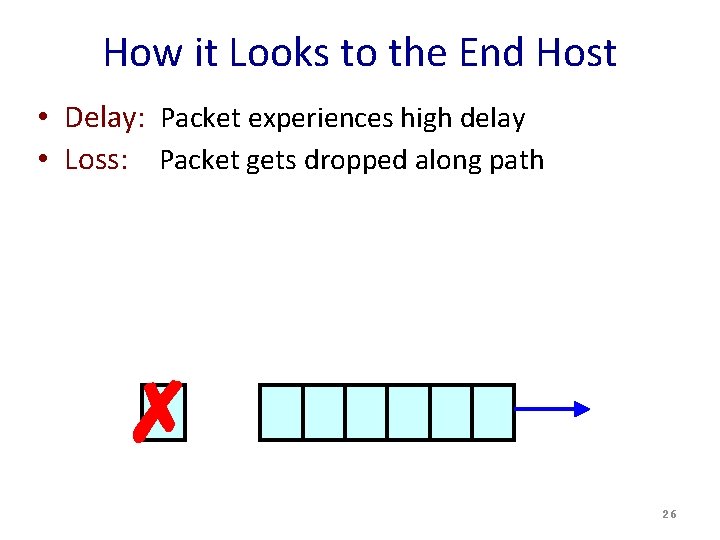
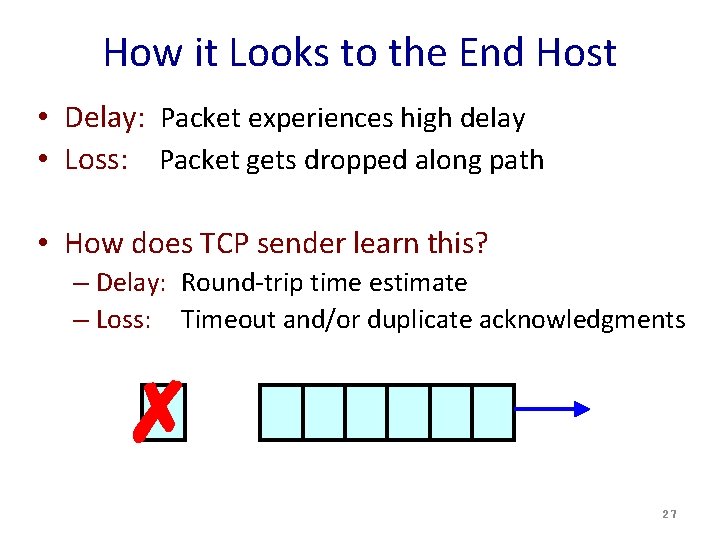
How it Looks to the End Host • Delay: Packet experiences high delay • Loss: Packet gets dropped along path ✗ 26
How it Looks to the End Host • Delay: Packet experiences high delay • Loss: Packet gets dropped along path • How does TCP sender learn this? – Delay: Round-trip time estimate – Loss: Timeout and/or duplicate acknowledgments ✗ 27
TCP Congestion Window • Each TCP sender maintains a congestion window – Max number of bytes to have in transit (not yet ACK’d) • Adapting the congestion window – Decrease upon losing a packet: backing off – Increase upon success: optimistically exploring – Always struggling to find right transfer rate • Tradeoff – Pro: avoids needing explicit network feedback – Con: continually under- and over-shoots “right” rate 28
Additive Increase, Multiplicative Decrease • How much to adapt? – Additive increase: On success of last window of data, increase window by 1 Max Segment Size (MSS) – Multiplicative decrease: On loss of packet, divide congestion window in half • Much quicker to slow than speed up! – Over-sized windows (causing loss) are much worse than under-sized windows (causing lower thruput) – AIMD: A necessary condition for stability of TCP 29
Leads to the TCP “Sawtooth” Window Loss halved t 30
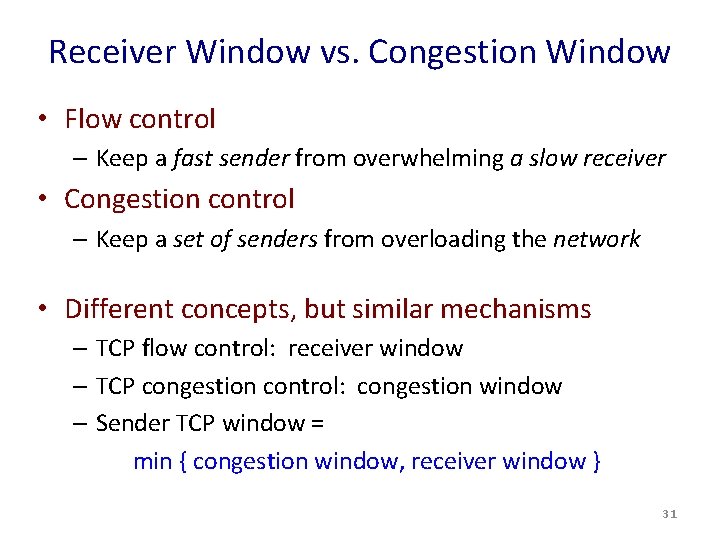
Receiver Window vs. Congestion Window • Flow control – Keep a fast sender from overwhelming a slow receiver • Congestion control – Keep a set of senders from overloading the network • Different concepts, but similar mechanisms – TCP flow control: receiver window – TCP congestion control: congestion window – Sender TCP window = min { congestion window, receiver window } 31
Slow start 32
How Should a New Flow Start? Start slow (a small CWND) to avoid overloading network Window Loss halved t 33
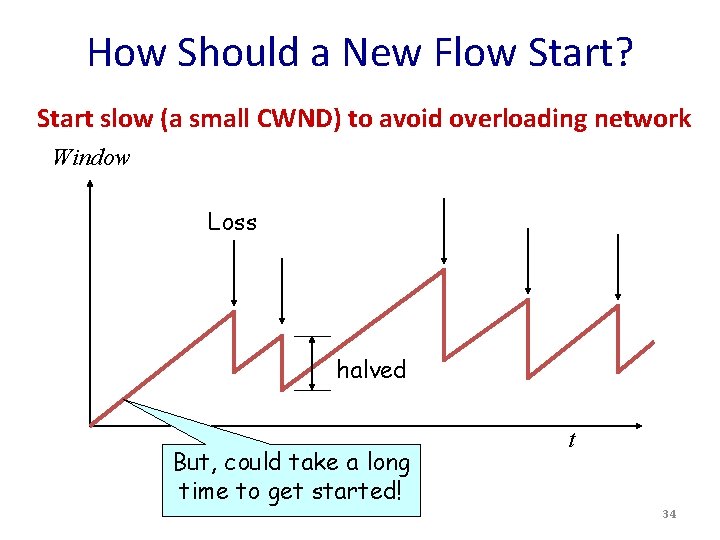
How Should a New Flow Start? Start slow (a small CWND) to avoid overloading network Window Loss halved But, could take a long time to get started! t 34
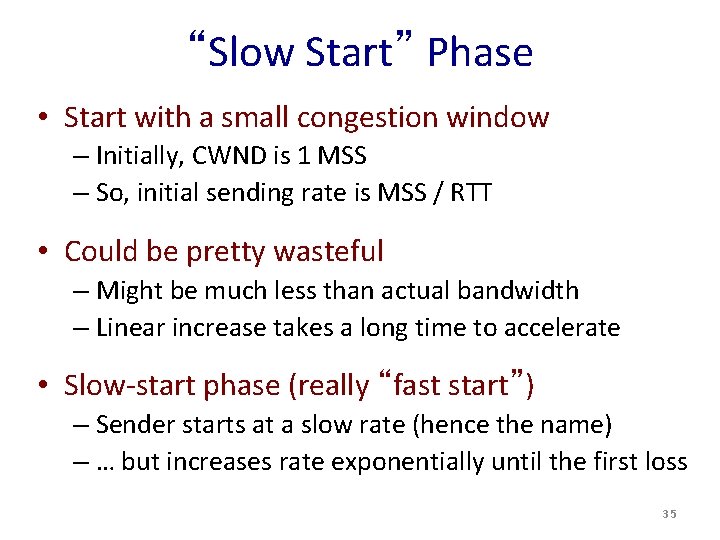
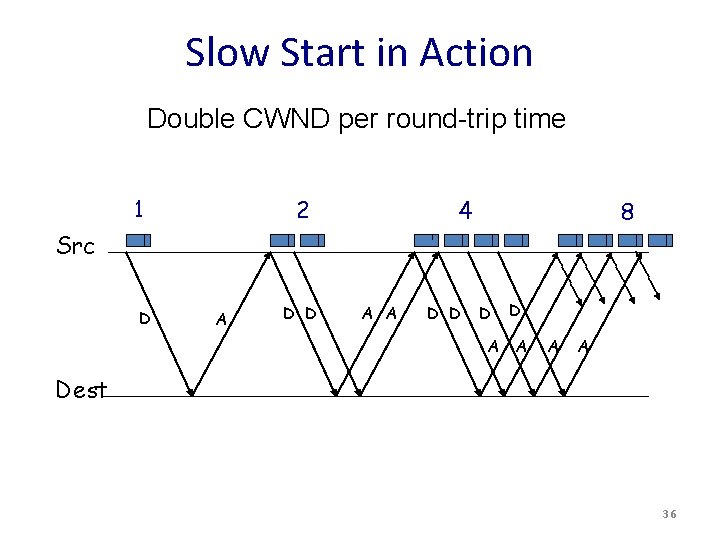
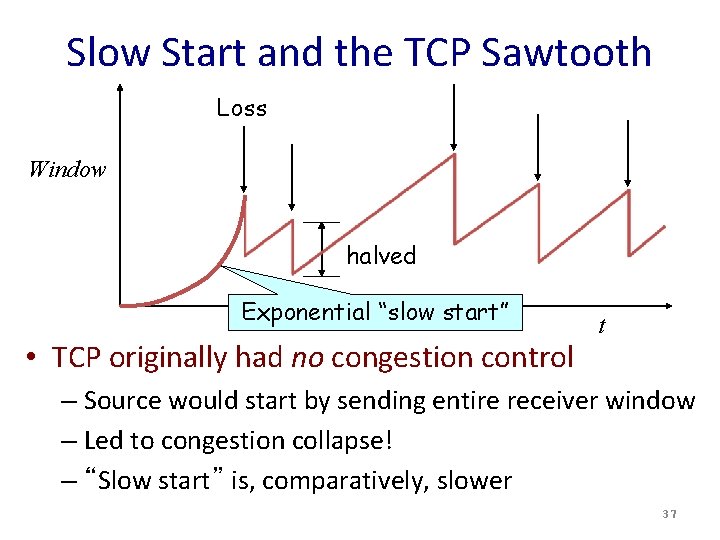
“Slow Start” Phase • Start with a small congestion window – Initially, CWND is 1 MSS – So, initial sending rate is MSS / RTT • Could be pretty wasteful – Might be much less than actual bandwidth – Linear increase takes a long time to accelerate • Slow-start phase (really “fast start”) – Sender starts at a slow rate (hence the name) – … but increases rate exponentially until the first loss 35
Slow Start in Action Double CWND per round-trip time 1 2 4 8 Src D A D D A A D D D A A A Dest 36
Slow Start and the TCP Sawtooth Loss Window halved Exponential “slow start” • TCP originally had no congestion control t – Source would start by sending entire receiver window – Led to congestion collapse! – “Slow start” is, comparatively, slower 37
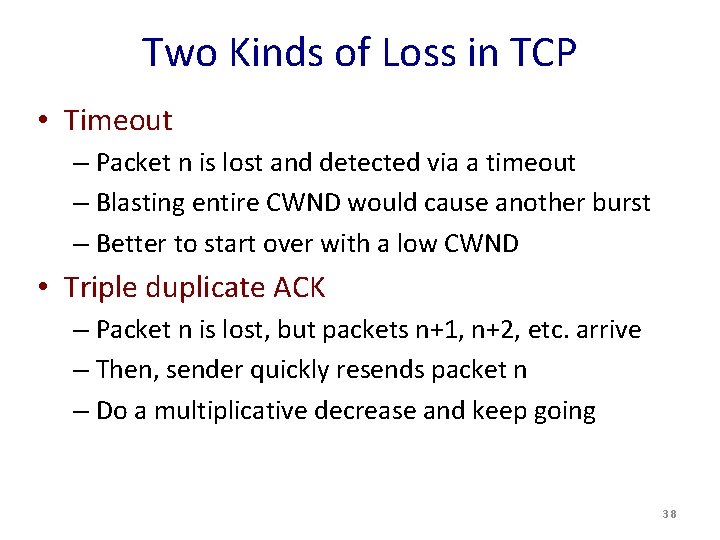
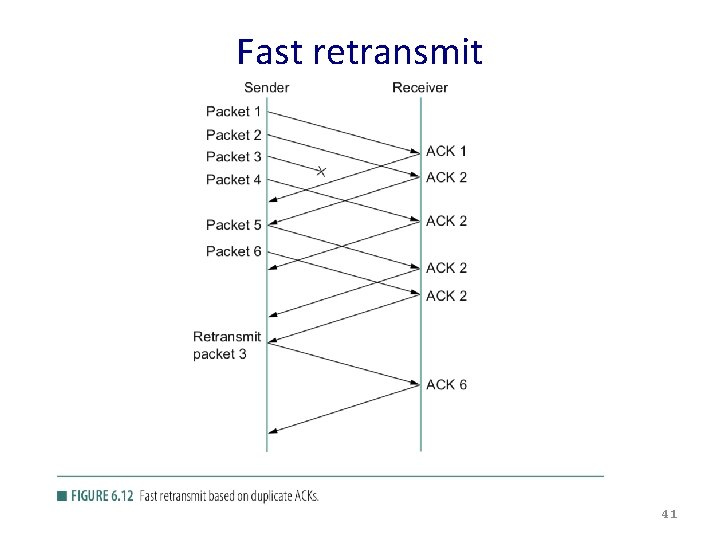
Two Kinds of Loss in TCP • Timeout – Packet n is lost and detected via a timeout – Blasting entire CWND would cause another burst – Better to start over with a low CWND • Triple duplicate ACK – Packet n is lost, but packets n+1, n+2, etc. arrive – Then, sender quickly resends packet n – Do a multiplicative decrease and keep going 38
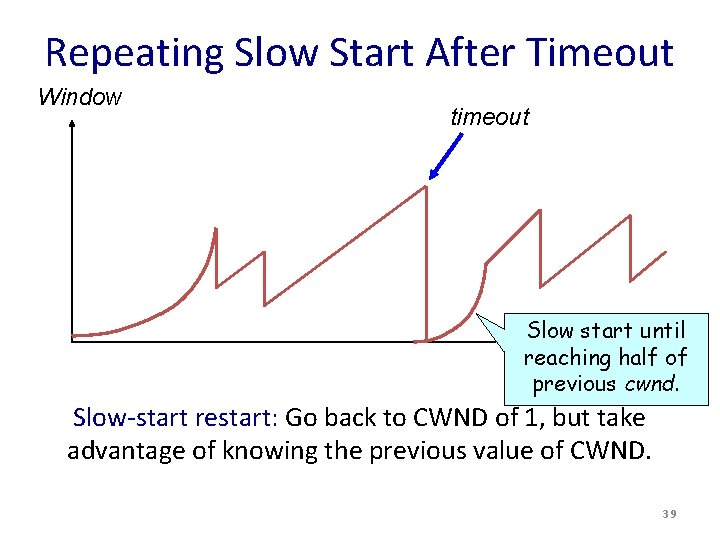
Repeating Slow Start After Timeout Window timeout Slow start until reaching half of t previous cwnd. Slow-start restart: Go back to CWND of 1, but take advantage of knowing the previous value of CWND. 39
Repeating Slow Start After Idle Period • Suppose a TCP connection goes idle for a while • Eventually, the network conditions change – Maybe many more flows are traversing the link • Dangerous to start transmitting at the old rate – Previously-idle TCP sender might blast network – … causing excessive congestion and packet loss • So, some TCP implementations repeat slow start – Slow-start restart after an idle period 40
Fast retransmit 41