CHILD WITH CARDIOVASCULAR DYSFUNCTION KAREN E MILES FLORIDA


- Slides: 21
CHILD WITH CARDIOVASCULAR DYSFUNCTION KAREN E. MILES FLORIDA GULF COAST UNIVERSITY DEPARTMENT OF NURSING
CONGENITAL HEART DEFECTS
INCIDENCE b 1 -2% of all live births b Increases to 3% if have another child with CHD b 4 -10 in 1000 live births
ETIOLOGY b b Multifactorial Inheritance Others Maternal Rubella Maternal Alcoholism Maternal Diabetes Mellitus Down Syndrome Trisomy #13 & #18 Turner’s Syndrome Marfan’s Syndrome Di George Syndrome
CLASSIFICATION OF CHD
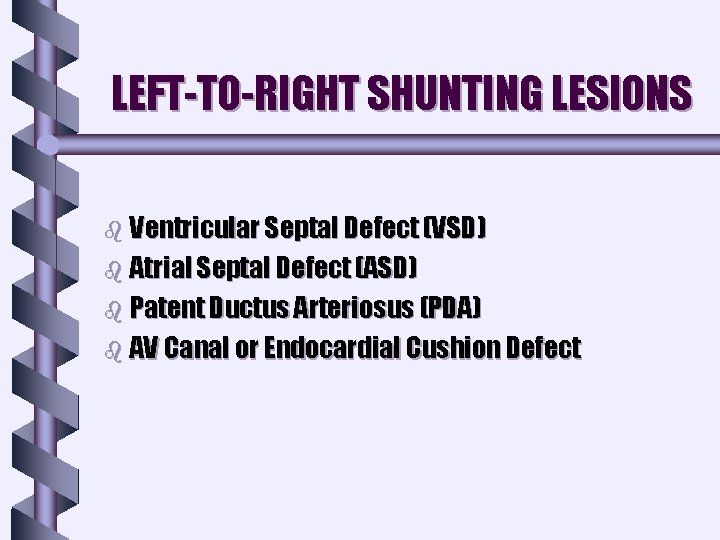
LEFT-TO-RIGHT SHUNTING LESIONS b Ventricular Septal Defect (VSD) b Atrial Septal Defect (ASD) b Patent Ductus Arteriosus (PDA) b AV Canal or Endocardial Cushion Defect
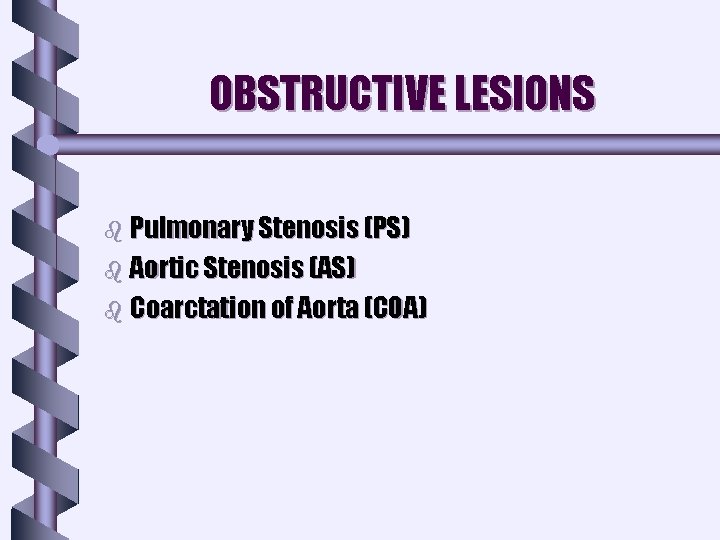
OBSTRUCTIVE LESIONS b Pulmonary Stenosis (PS) b Aortic Stenosis (AS) b Coarctation of Aorta (COA)
ADMIXTURE LESIONS b Transposition of Great Vessels (TGV) b Total Anomalous Venous Connection (TAPVC) b Truncus Arteriosus
RIGHT-SIDED OBSTRUCTIVE LESIONS b b b Tetralogy of Fallot (TOF) Tricuspid Atresia Pulmonary Atresia
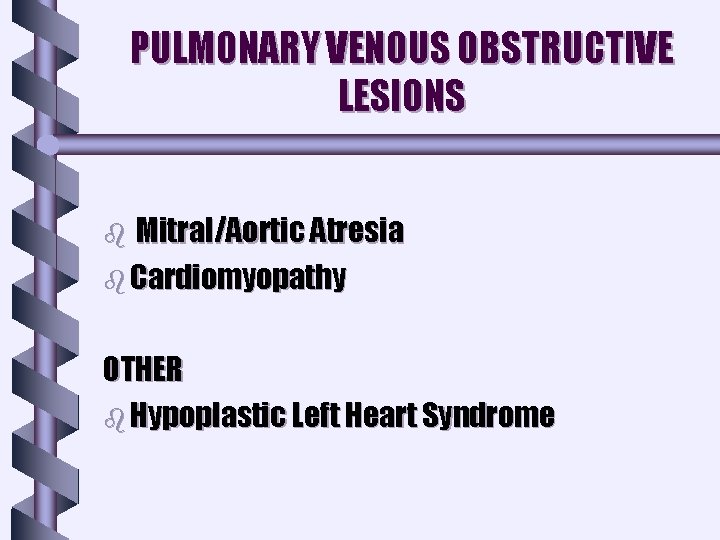
PULMONARY VENOUS OBSTRUCTIVE LESIONS Mitral/Aortic Atresia b Cardiomyopathy b OTHER b Hypoplastic Left Heart Syndrome
NURSING CARE OF CHILD WITH CHD
A. Understand the causes, pathophys. , clinical manif. , diag. evaluation, and therapeutic management of CHF Causes: b b Volume overload Pressure overload Decreased contractility High cardiac output demands
Clinical Manifestations b Tachycardia - resting rate greater than 160 beats/min in infants b Diaphoresis b Easily fatigued b Poor exercise tolerance b Poor perfusion - cold extremities, weak pulses, low BP, mottled skin
b Tachypnea - greater than 60 breaths/min in infants b Mild cyanosis b Dyspnea b Retractions b Orthopnea b Wheezing cough
b Hepatomegaly b Weight gain b Edema b Distended neck & peripheral veins
DIAGNOSTIC EVALUATION b Chest X-Ray b ECG b Echo-cardiogram
B. PROVIDE SAFE & THERAPEUTIC NURSING CARE Identify Early Signs of CHF b Tachycardia b Tachypnea b Profuse scalp sweating b Fatigue and irritability b Sudden weight gain b Respiratory distress
IMPROVE CARDIAC FUNCTION b Administer Digoxin (Lanoxin) check apical pulse observe for signs of toxicity PROMOTE FLUID LOSS b Administer Diuretics (Lasix, Diuril, Aldactone) b Possible fluid restrictions b Possible sodium restrictions b Monitor intake and output
DECREASE CARDIAC DEMANDS b Prevent cold stress in infants b Treat any infection b Rest and conservation of energy b Minimize unnecessary stress
REDUCE RESPIRATORY DISTRESS b Position with HOB elevated b Administer Oxygen b Monitor Respiratory Rate and Effort MAINTAIN NUTRITIONAL STATUS b Increase Calories b Positioning b Alternate Feeding Techniques
SUPPORT CHILD AND FAMILY b Foster Parent-To-Infant Attachment b Encourage Parents to Stay b Give Clear Explanations b Keep Informed b Provide Emotional Support