What are the forms of energy Chapter 9


- Slides: 13
What are the forms of energy? Chapter 9, Section 2
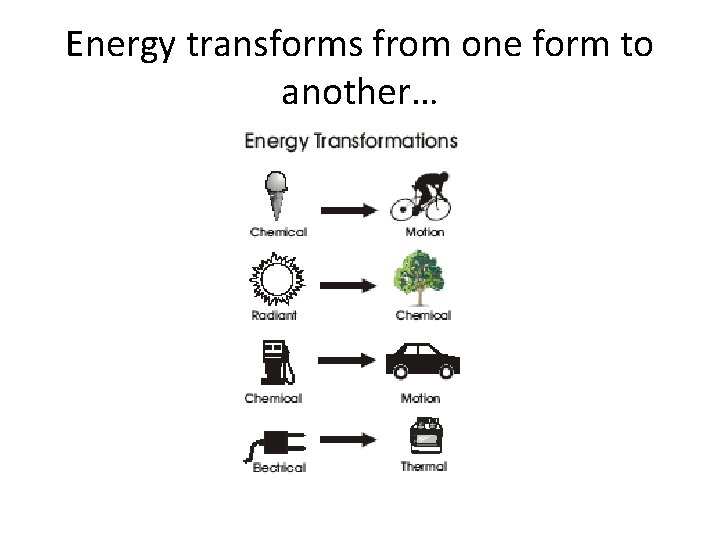
Law of Conservation of Energy cannot be created or destroyed, but it can change forms. However much energy you start with, you end with!
Energy transforms from one form to another…
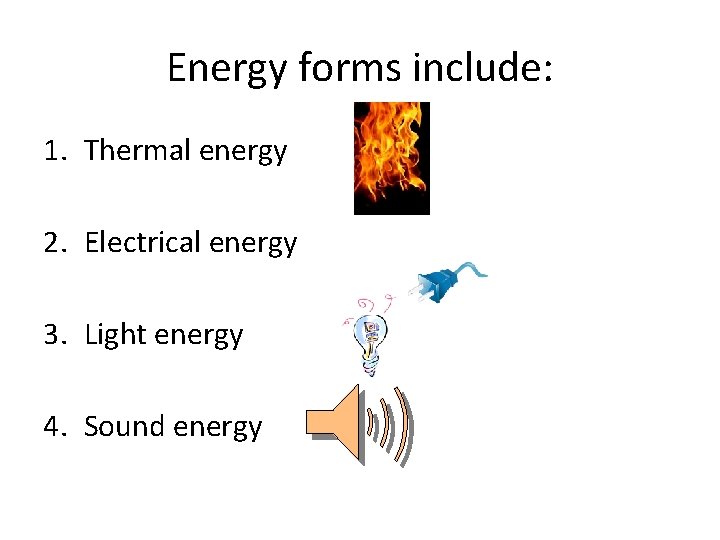
Energy forms include: 1. Thermal energy 2. Electrical energy 3. Light energy 4. Sound energy
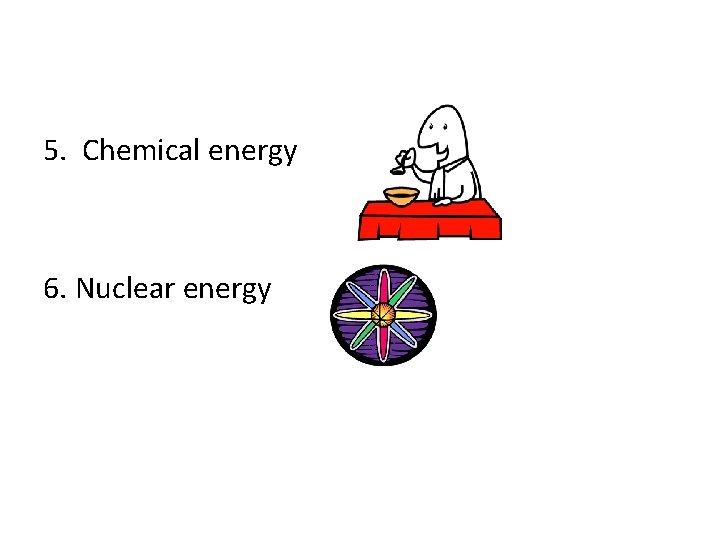
5. Chemical energy 6. Nuclear energy
Thermal Energy • All matter is made of particles that move: The faster these particles move, the more kinetic energy. Thermal energy is always kinetic. The farther apart the particles, the more energy
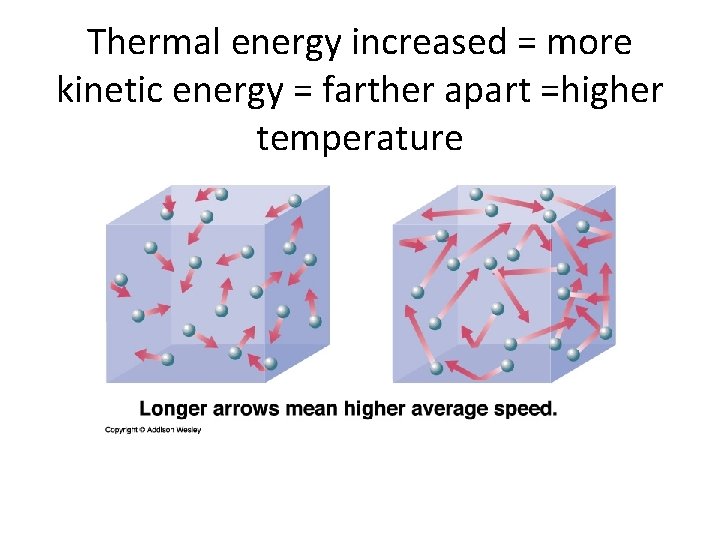
Thermal energy increased = more kinetic energy = farther apart =higher temperature
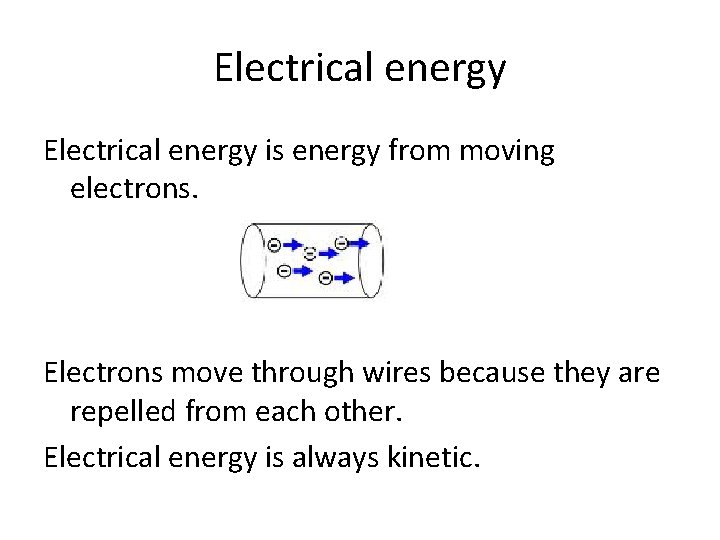
Electrical energy is energy from moving electrons. Electrons move through wires because they are repelled from each other. Electrical energy is always kinetic.
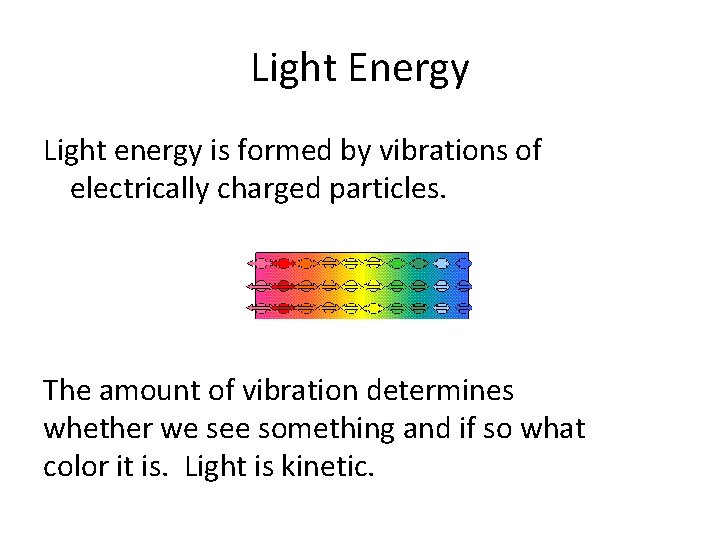
Light Energy Light energy is formed by vibrations of electrically charged particles. The amount of vibration determines whether we see something and if so what color it is. Light is kinetic.
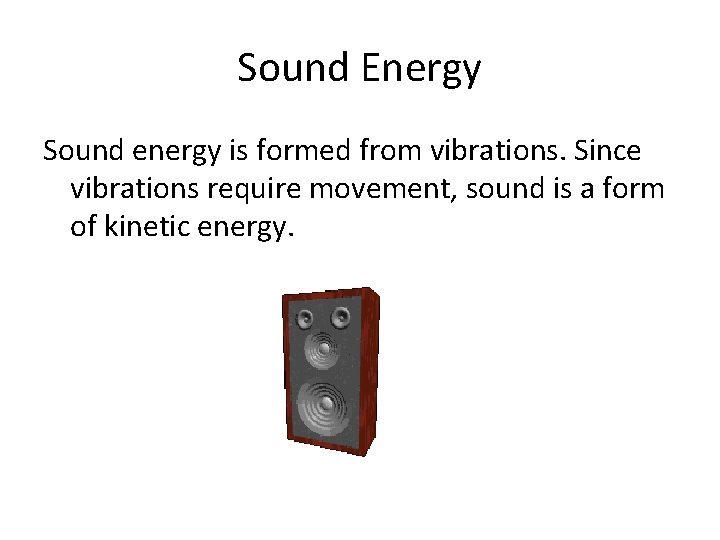
Sound Energy Sound energy is formed from vibrations. Since vibrations require movement, sound is a form of kinetic energy.
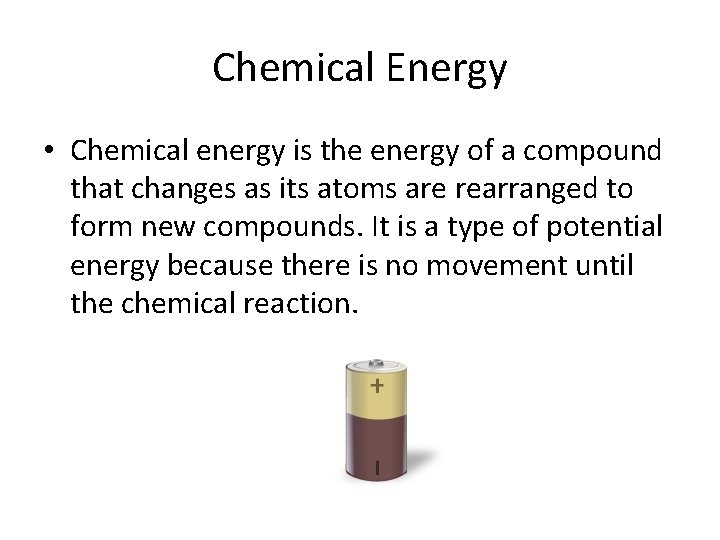
Chemical Energy • Chemical energy is the energy of a compound that changes as its atoms are rearranged to form new compounds. It is a type of potential energy because there is no movement until the chemical reaction.
• The food we eat breaks down and our body processes it resulting in work is done
Nuclear Energy Nuclear energy is energy associated with changes in the nucleus of an atom. It is a type of potential energy since atoms have possible energy due to the strong force that holds the atom together. When these bonds are broken a large amount of energy is released. http: //www. classzone. com/books/earth_scienc e/terc/content/visualizations/es 0702 page 01. cfm? chapter_no=visualization