
UNIT 1 STRUCTUREFROMMOTION WORKFLOW Kate Shervais STRUCTUREFROMMOTION Use
- Slides: 18
UNIT 1 STRUCTURE-FROMMOTION: WORKFLOW Kate Shervais
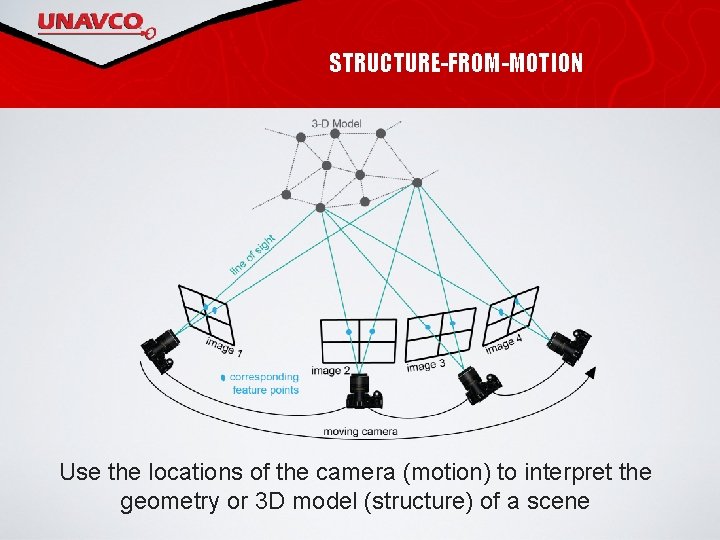
STRUCTURE-FROM-MOTION Use the locations of the camera (motion) to interpret the geometry or 3 D model (structure) of a scene
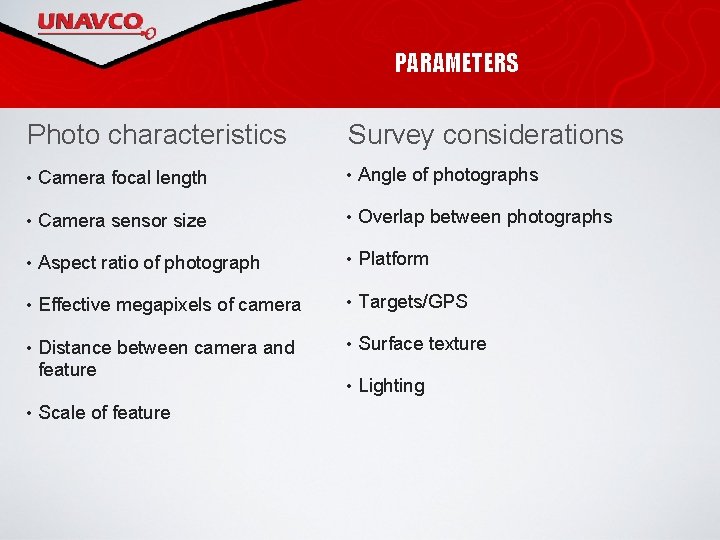
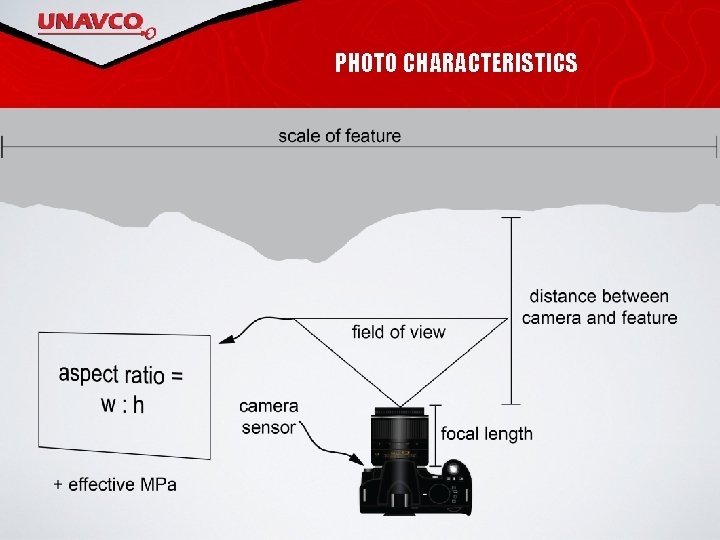
PARAMETERS Photo characteristics Survey considerations • Camera focal length • Angle of photographs • Camera sensor size • Overlap between photographs • Aspect ratio of photograph • Platform • Effective megapixels of camera • Targets/GPS • Distance between camera and • Surface texture feature • Scale of feature • Lighting
PHOTO CHARACTERISTICS
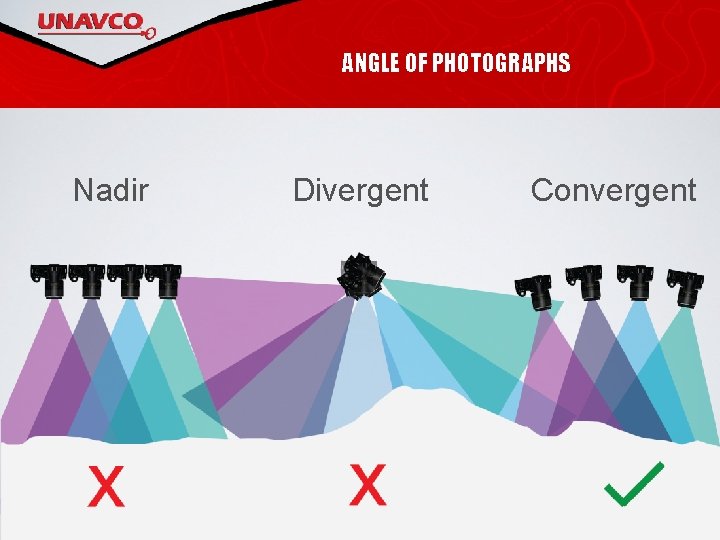
ANGLE OF PHOTOGRAPHS Nadir Divergent Convergent
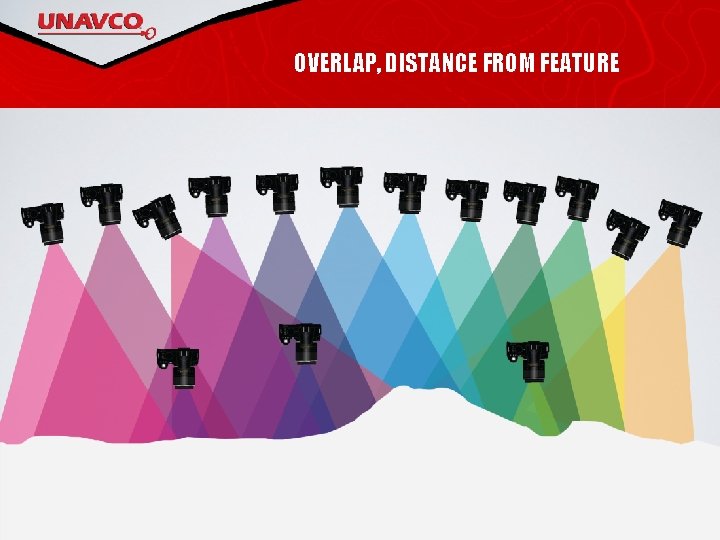
OVERLAP, DISTANCE FROM FEATURE
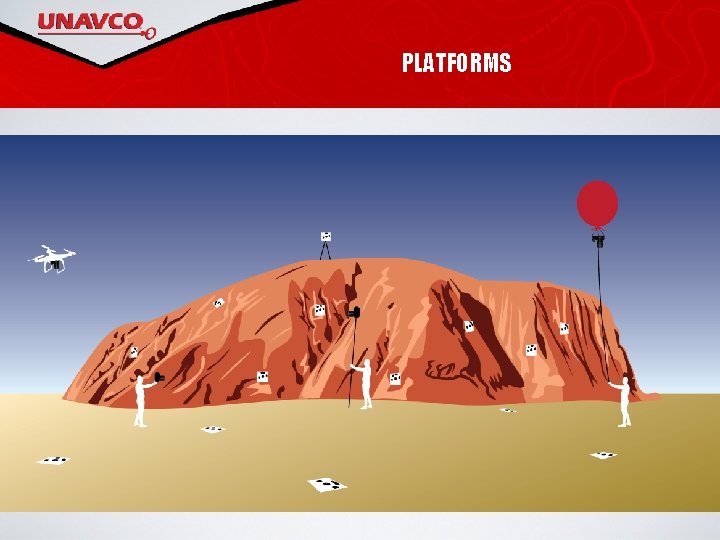
PLATFORMS
PLATFORM SELECTION 1. How large is the area of interest? 2. What is financially feasible? 3. How large is the intended camera? 4. Is the survey collection path accessible or will a UAS need to be used? 5. What additional components are needed and does the field area support these? (i. e. , batteries, helium, specific weather)
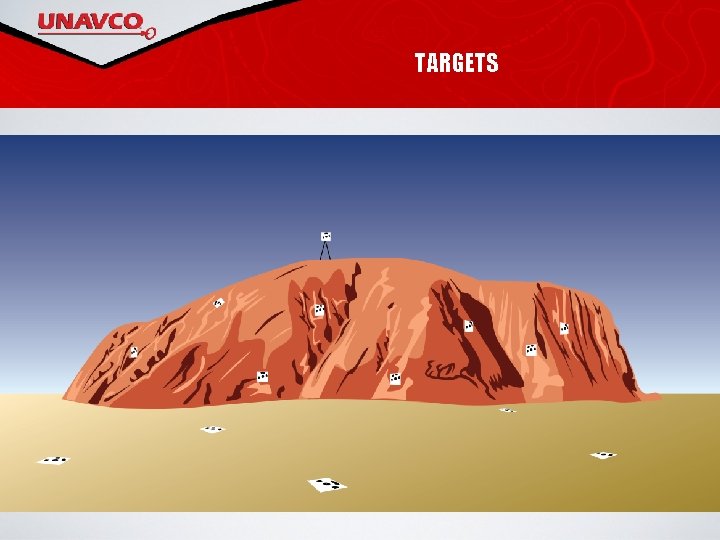
TARGETS
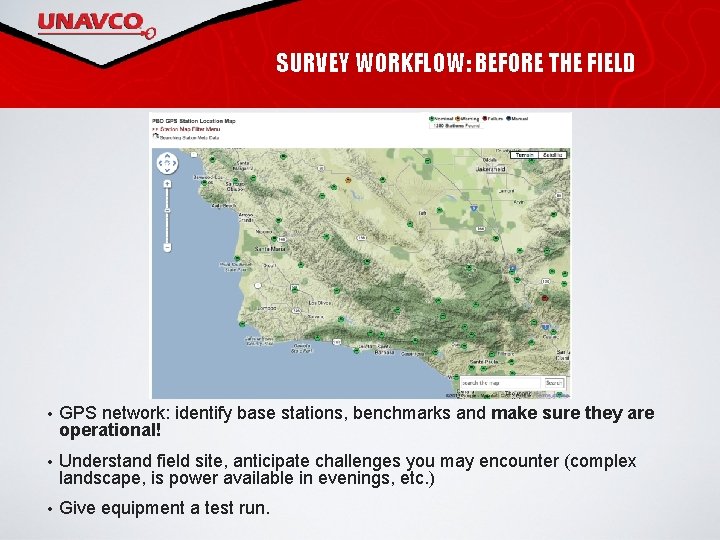
SURVEY WORKFLOW: BEFORE THE FIELD • GPS network: identify base stations, benchmarks and make sure they are operational! • Understand field site, anticipate challenges you may encounter (complex landscape, is power available in evenings, etc. ) • Give equipment a test run.
EQUIPMENT LIST • Platform: pole, kite, balloon, UAS • Camera mount: how are you going to attach the camera to the platform? • Targets if georeferencing • GPS system if georeferencing • Scale bars as an alternative to georeferencing • Extra SD cards and batteries for camera • Extra supplies for platform (helium for balloon, batteries for UAS) if necessary
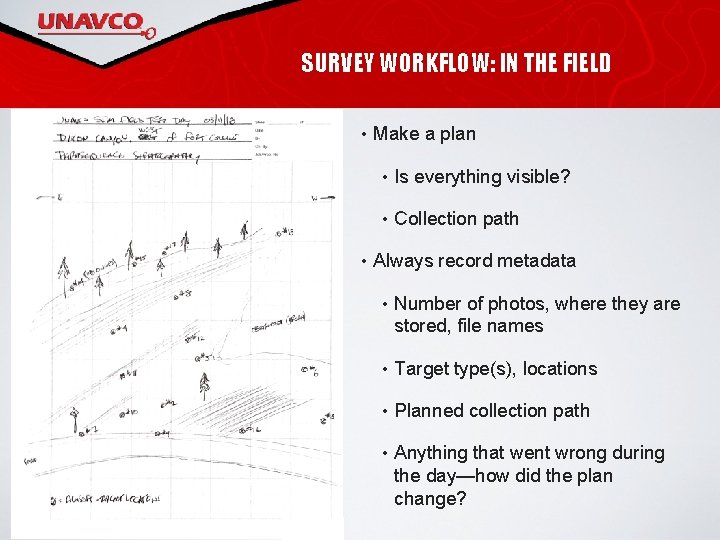
SURVEY WORKFLOW: IN THE FIELD • Make a plan • Is everything visible? • Collection path • Always record metadata • Number of photos, where they are stored, file names • Target type(s), locations • Planned collection path • Anything that went wrong during the day—how did the plan change?
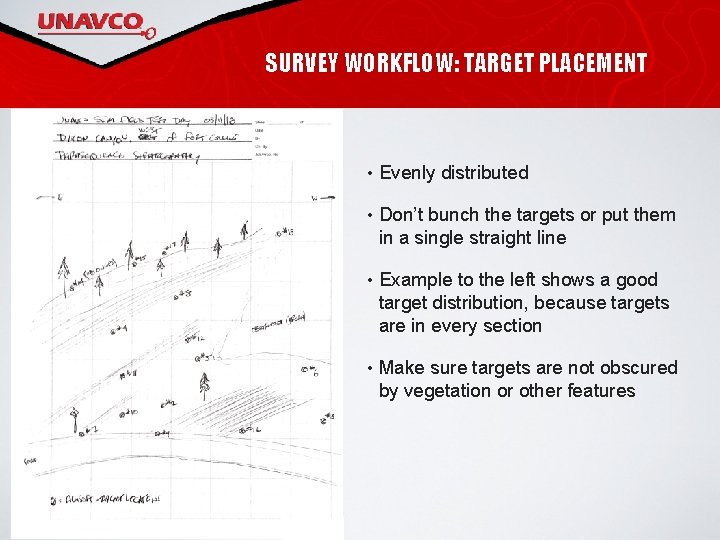
SURVEY WORKFLOW: TARGET PLACEMENT • Evenly distributed • Don’t bunch the targets or put them in a single straight line • Example to the left shows a good target distribution, because targets are in every section • Make sure targets are not obscured by vegetation or other features
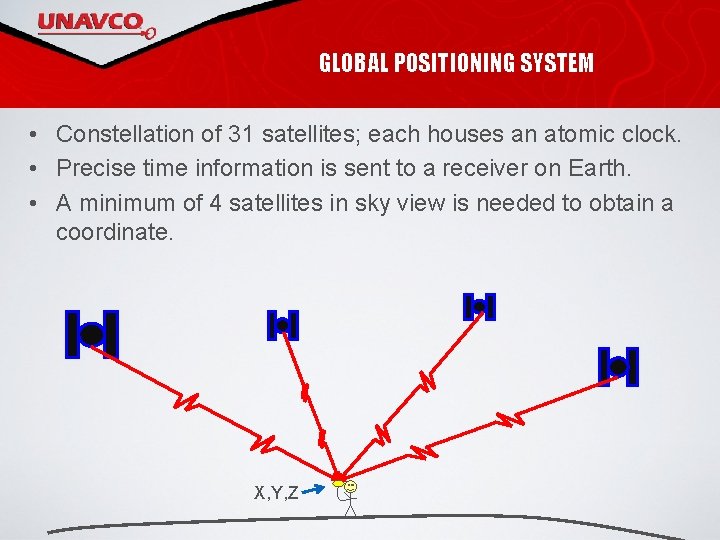
GLOBAL POSITIONING SYSTEM • Constellation of 31 satellites; each houses an atomic clock. • Precise time information is sent to a receiver on Earth. • A minimum of 4 satellites in sky view is needed to obtain a coordinate. X, Y, Z
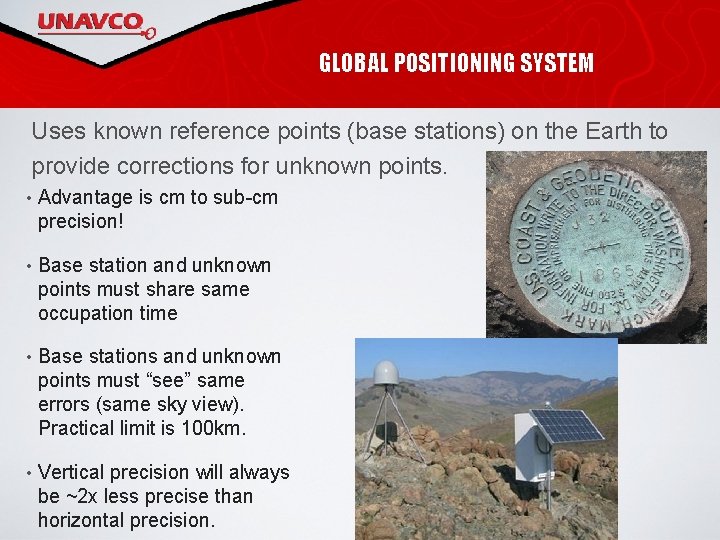
GLOBAL POSITIONING SYSTEM Uses known reference points (base stations) on the Earth to provide corrections for unknown points. • Advantage is cm to sub-cm precision! • Base station and unknown points must share same occupation time • Base stations and unknown points must “see” same errors (same sky view). Practical limit is 100 km. • Vertical precision will always be ~2 x less precise than horizontal precision.
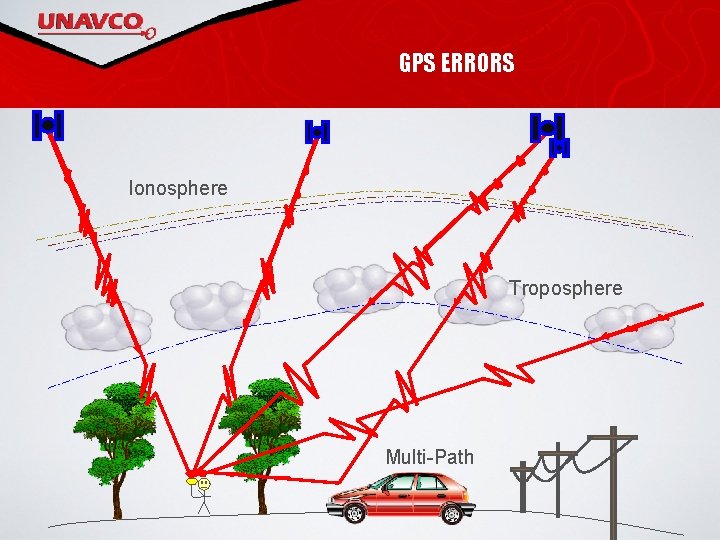
GPS ERRORS Ionosphere Troposphere Multi-Path
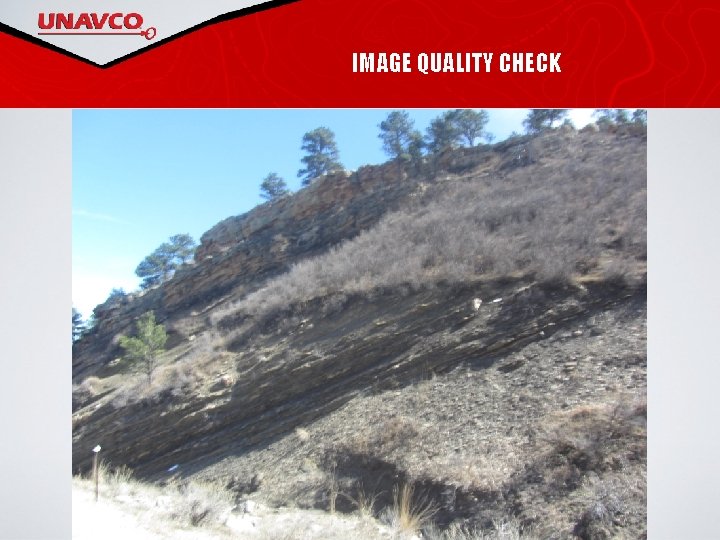
IMAGE QUALITY CHECK
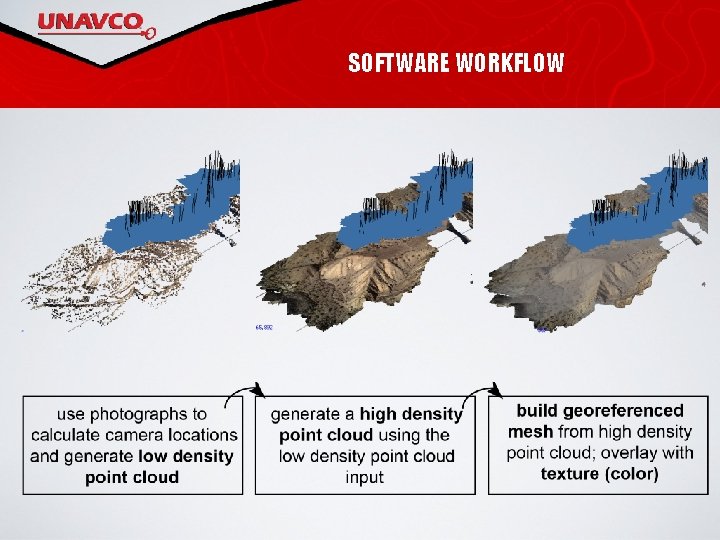
SOFTWARE WORKFLOW