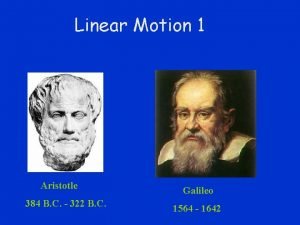
The History of Evolutionary Thought Aristotle 384 322

- Slides: 51
The History of Evolutionary Thought
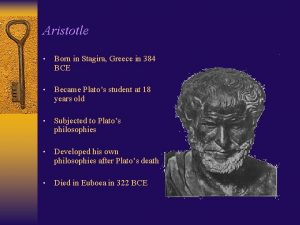
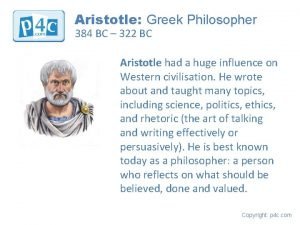
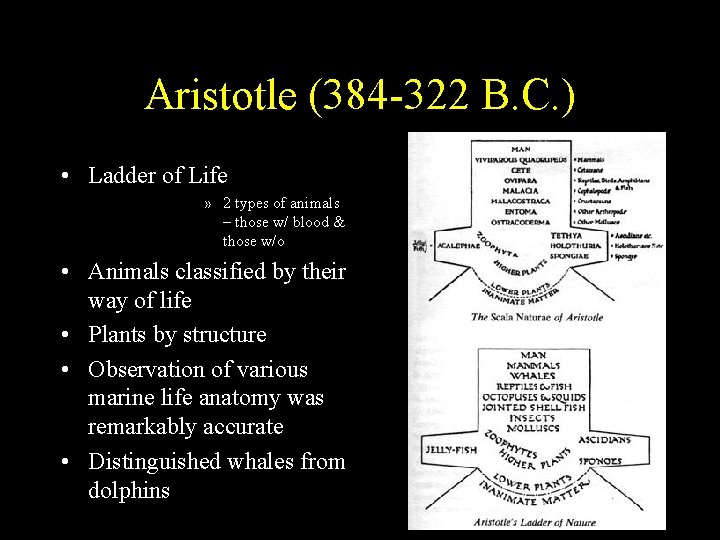
Aristotle (384 -322 B. C. ) • Ladder of Life » 2 types of animals – those w/ blood & those w/o • Animals classified by their way of life • Plants by structure • Observation of various marine life anatomy was remarkably accurate • Distinguished whales from dolphins
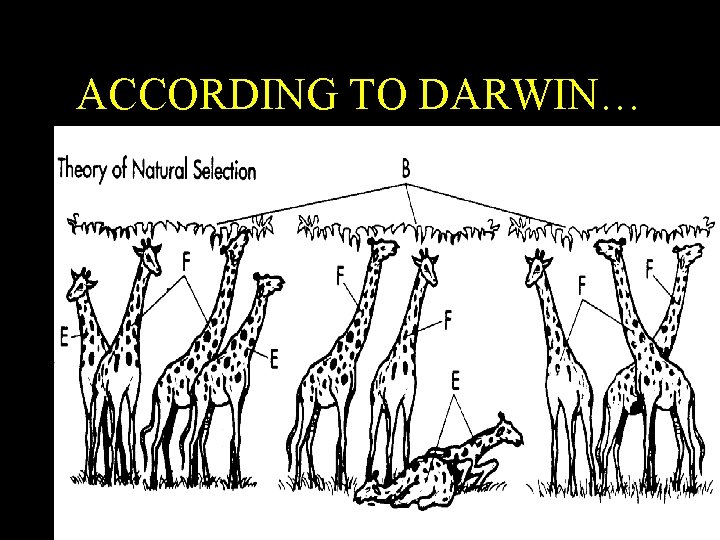
Natural Selection Summarized: Darwin’s theory suggests that in a species: • • There is a tendency towards overproduction Variation exists Variations are inherited Individuals survive in their environments with varying degrees of success • Best adapted, survive and pass favorable variation on to next generation • In time, great differences arise, until a new species evolved from an old species
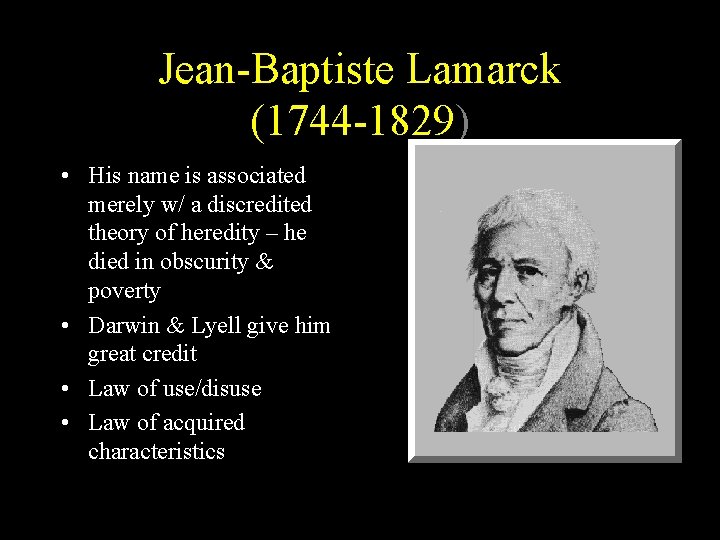
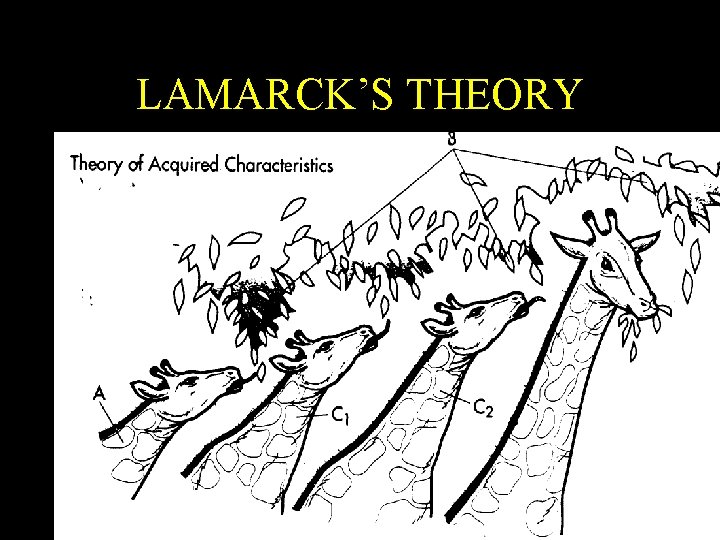
Jean-Baptiste Lamarck (1744 -1829) • His name is associated merely w/ a discredited theory of heredity – he died in obscurity & poverty • Darwin & Lyell give him great credit • Law of use/disuse • Law of acquired characteristics
LAMARCK’S THEORY
ACCORDING TO DARWIN…
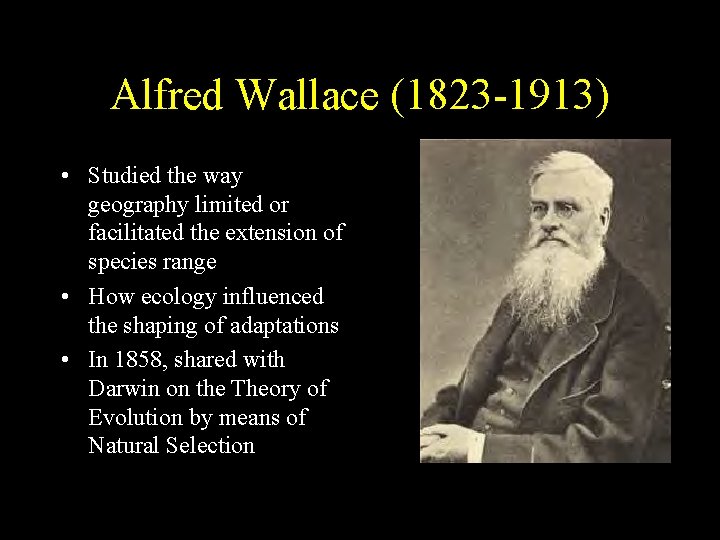
Alfred Wallace (1823 -1913) • Studied the way geography limited or facilitated the extension of species range • How ecology influenced the shaping of adaptations • In 1858, shared with Darwin on the Theory of Evolution by means of Natural Selection
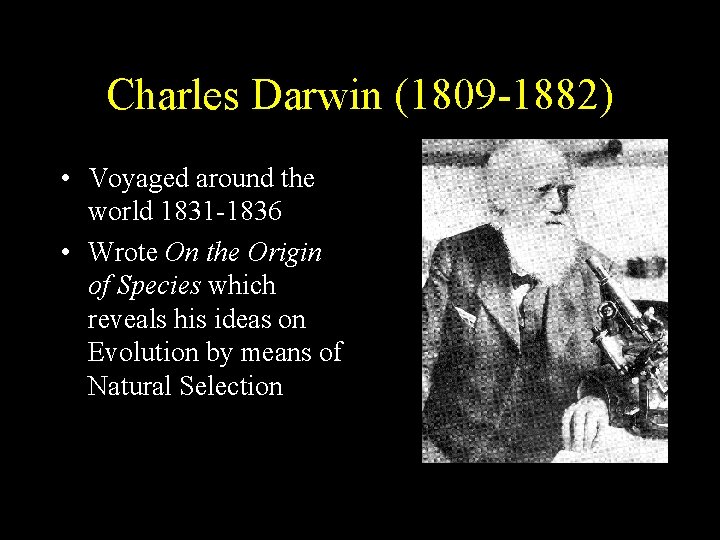
Charles Darwin (1809 -1882) • Voyaged around the world 1831 -1836 • Wrote On the Origin of Species which reveals his ideas on Evolution by means of Natural Selection
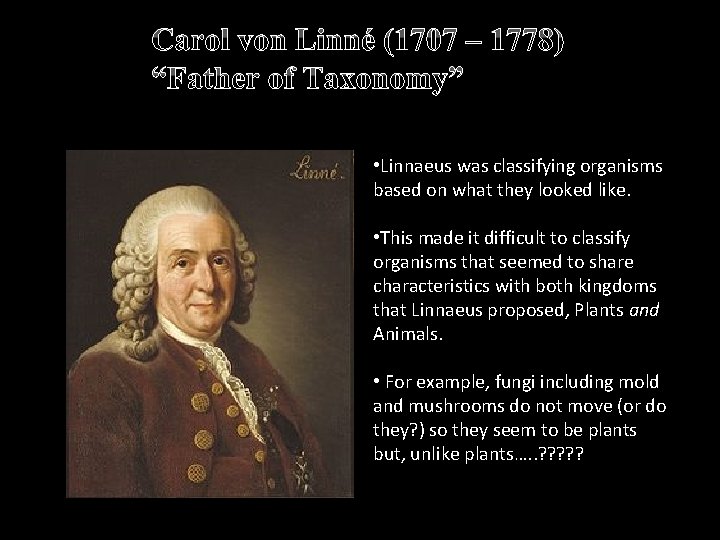
Carol von Linné (1707 – 1778) “Father of Taxonomy” • Linnaeus was classifying organisms based on what they looked like. • This made it difficult to classify organisms that seemed to share characteristics with both kingdoms that Linnaeus proposed, Plants and Animals. • For example, fungi including mold and mushrooms do not move (or do they? ) so they seem to be plants but, unlike plants…. . ? ? ?
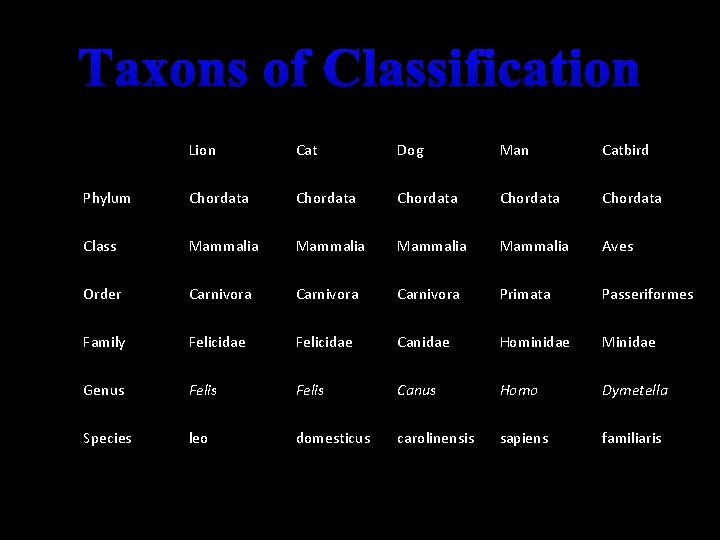
Taxons of Classification Lion Cat Dog Man Catbird Phylum Chordata Chordata Class Mammalia Aves Order Carnivora Primata Passeriformes Family Felicidae Canidae Hominidae Minidae Genus Felis Canus Homo Dymetella Species leo domesticus carolinensis sapiens familiaris
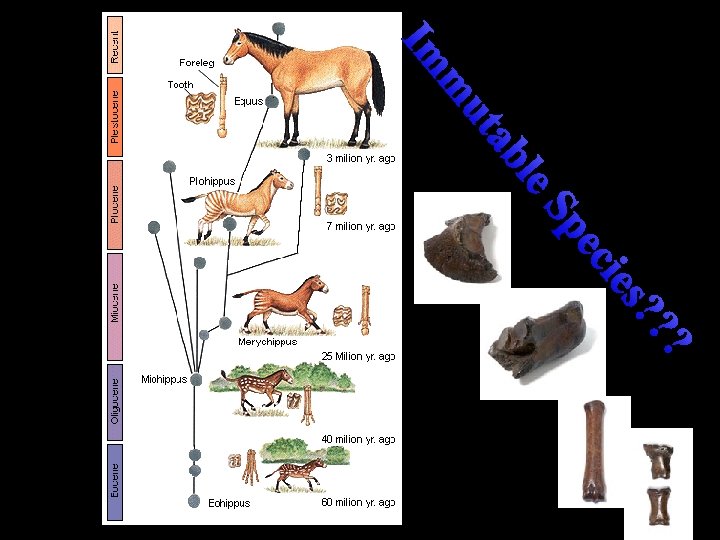
ab ut m Im le ? ? ? ies ec Sp
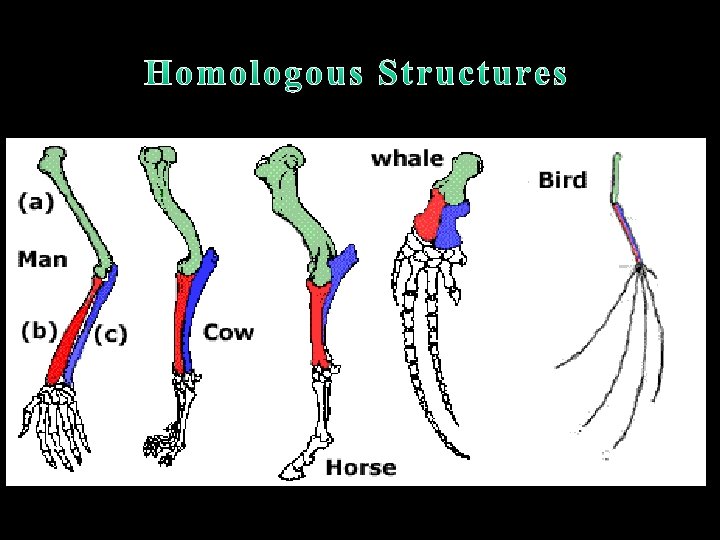
Homologous Structures • Structures that have different mature forms in different organisms but develop from the same embryonic tissues.
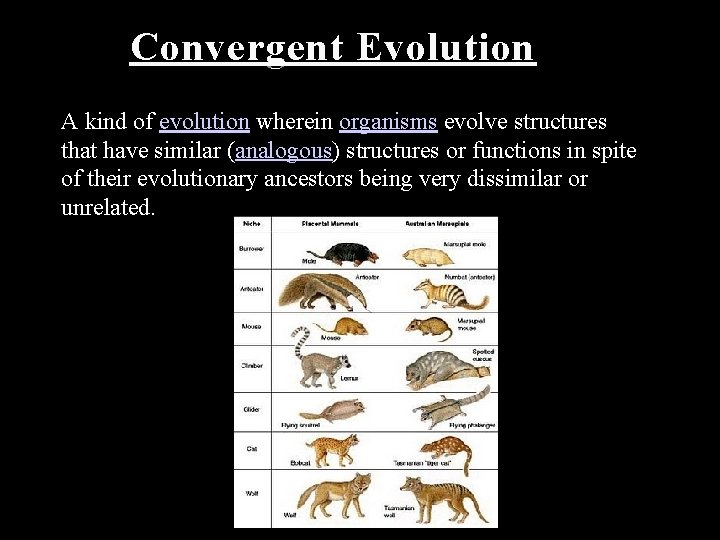
Convergent Evolution A kind of evolution wherein organisms evolve structures that have similar (analogous) structures or functions in spite of their evolutionary ancestors being very dissimilar or unrelated.
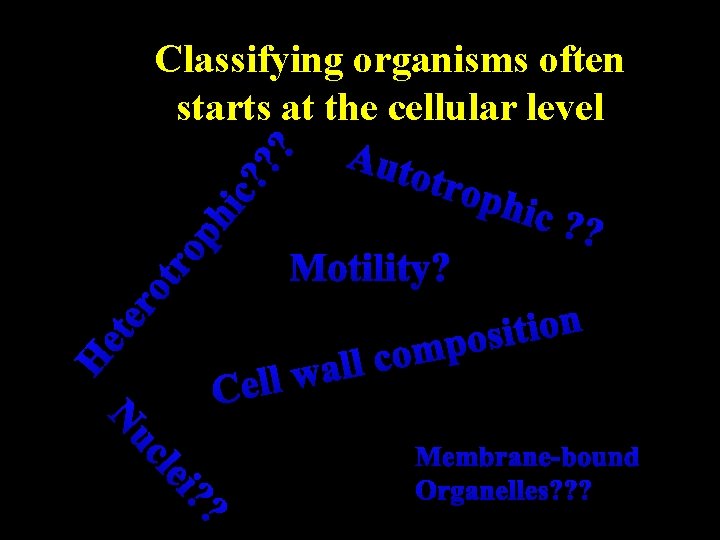
H et er ot ro ph ic? ? ? Classifying organisms often starts at the cellular level Aut otro phic ? ? Motility? n o i t i s o p m o c l l a w l l Ce Nu cl ei ? ? Membrane-bound Organelles? ? ?
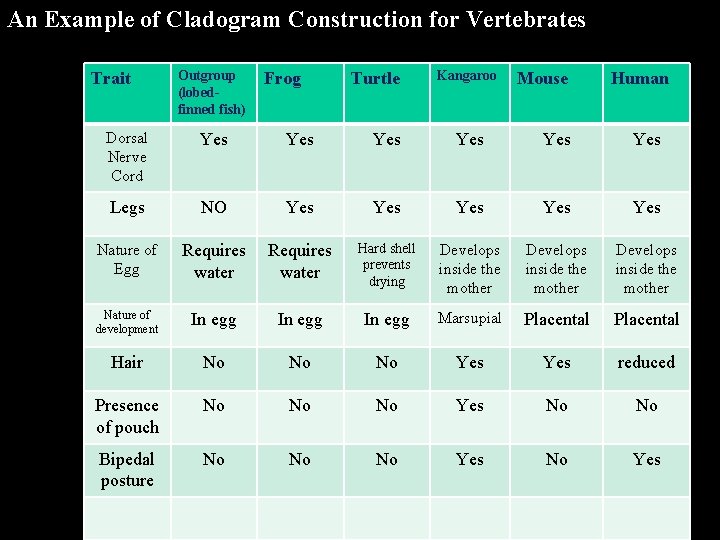
Cladistics (phylogeny) A system of classification based on the study of evolutionary relationships history of groups of organisms.
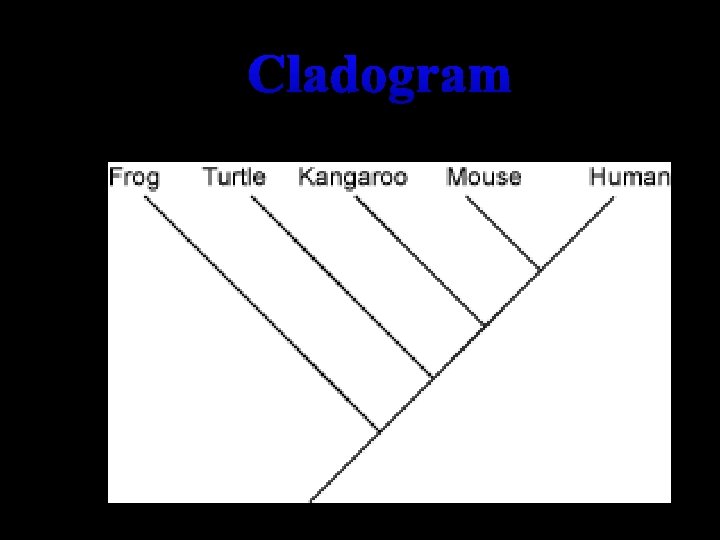
Cladogram
An Example of Cladogram Construction for Vertebrates Trait Outgroup (lobedfinned fish) Frog Turtle Kangaroo Mouse Human Dorsal Nerve Cord Yes Yes Yes Legs NO Yes Yes Yes Nature of Egg Requires water Hard shell prevents drying Develops inside the mother Nature of development In egg Marsupial Placental Hair No No No Yes reduced Presence of pouch No No No Yes No No Bipedal posture No No No Yes
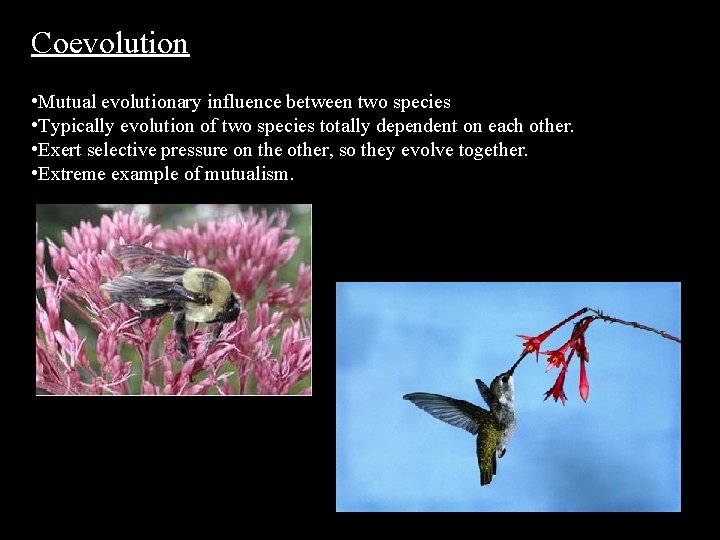
Coevolution • Mutual evolutionary influence between two species • Typically evolution of two species totally dependent on each other. • Exert selective pressure on the other, so they evolve together. • Extreme example of mutualism.
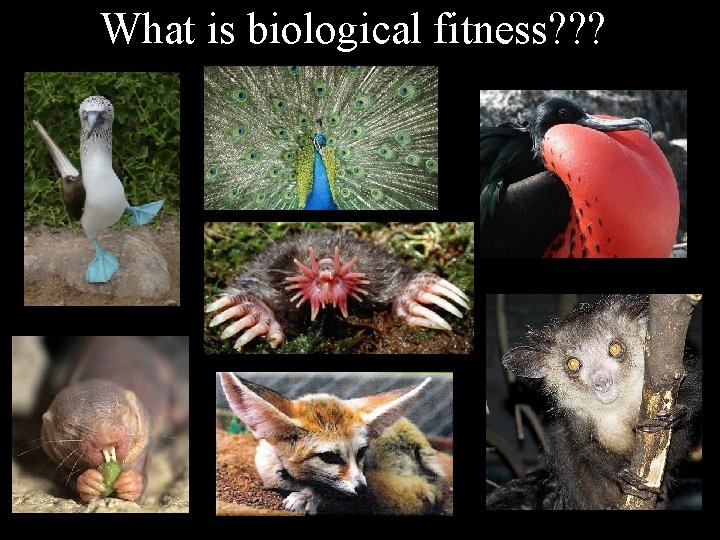
What is biological fitness? ? ?
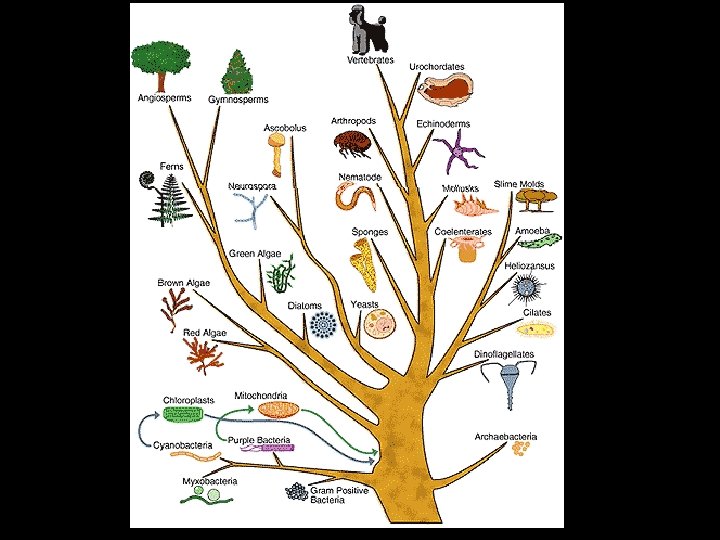
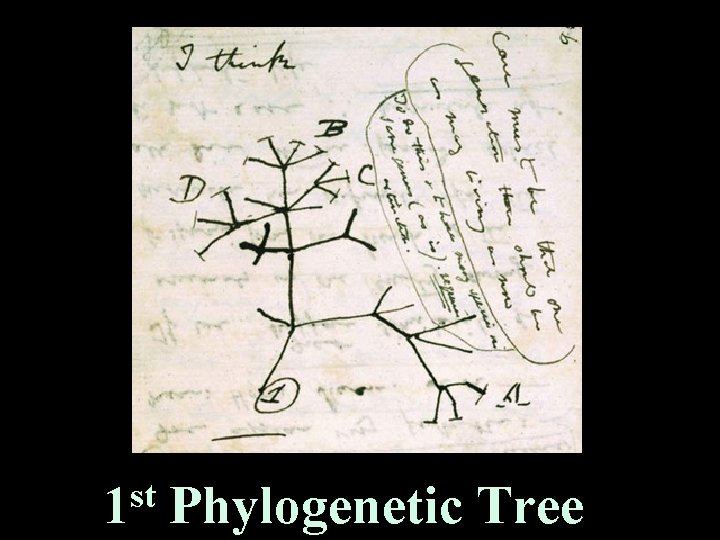
st 1 Phylogenetic Tree
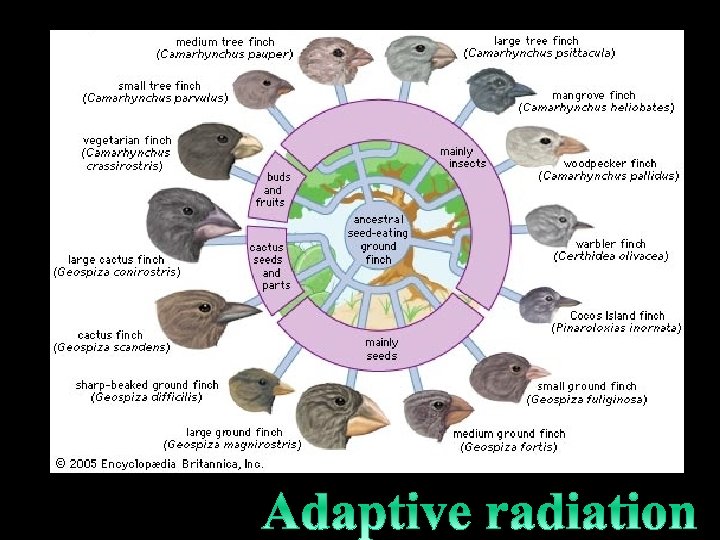
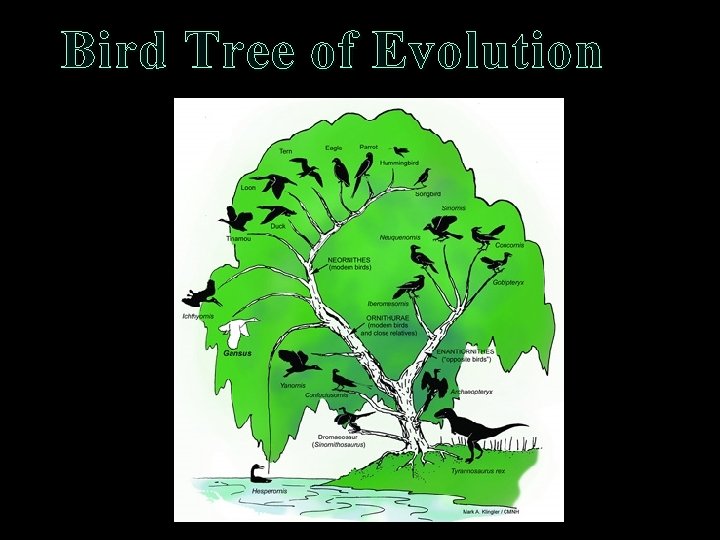
Bird Tree of Evolution
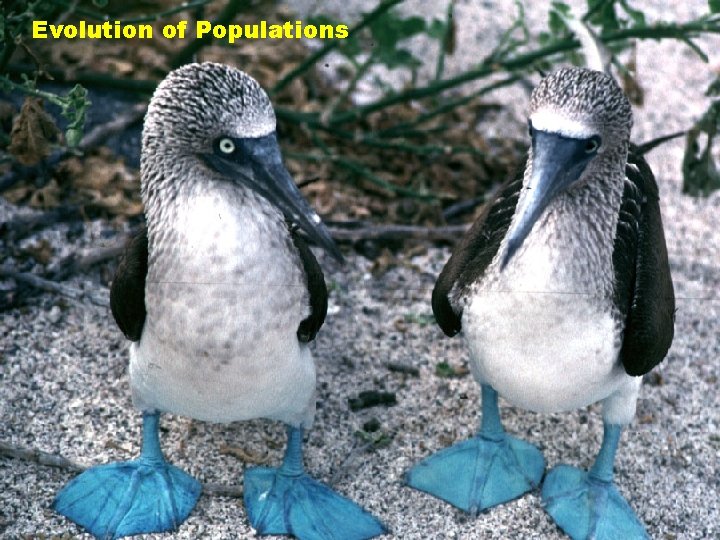
Evolution of Populations
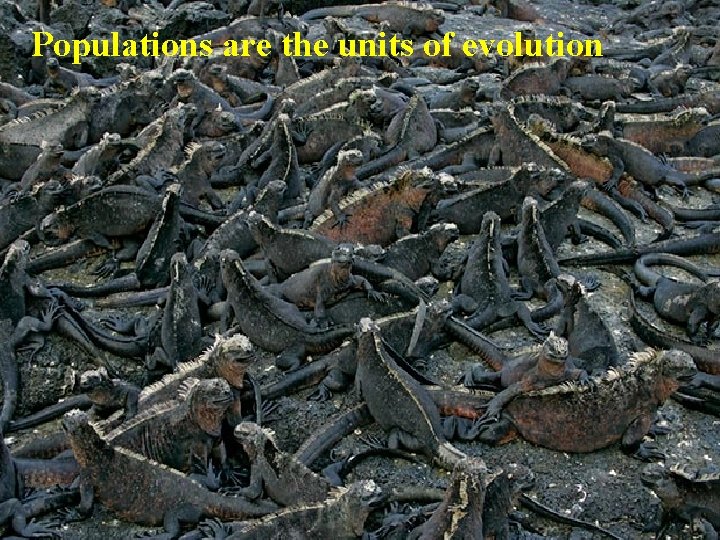
Populations are the units of evolution
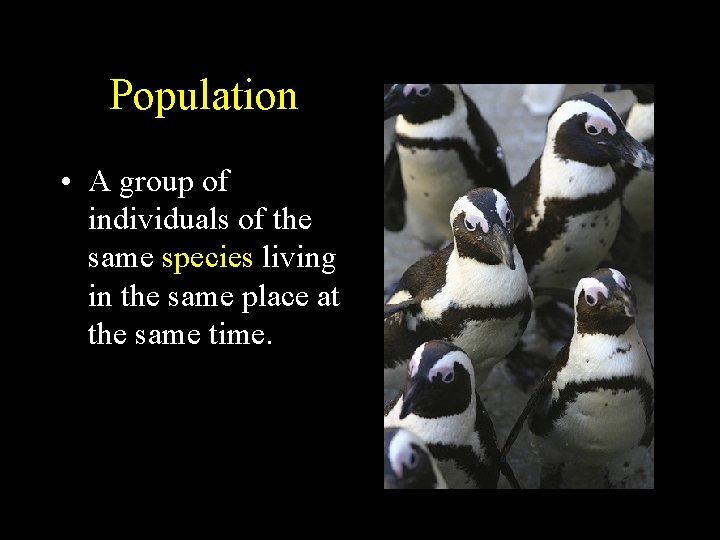
Population • A group of individuals of the same species living in the same place at the same time.
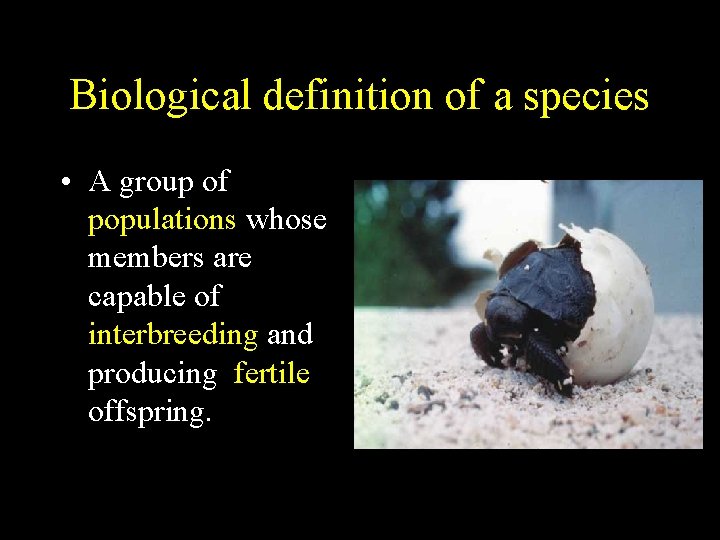
Biological definition of a species • A group of populations whose members are capable of interbreeding and producing fertile offspring.
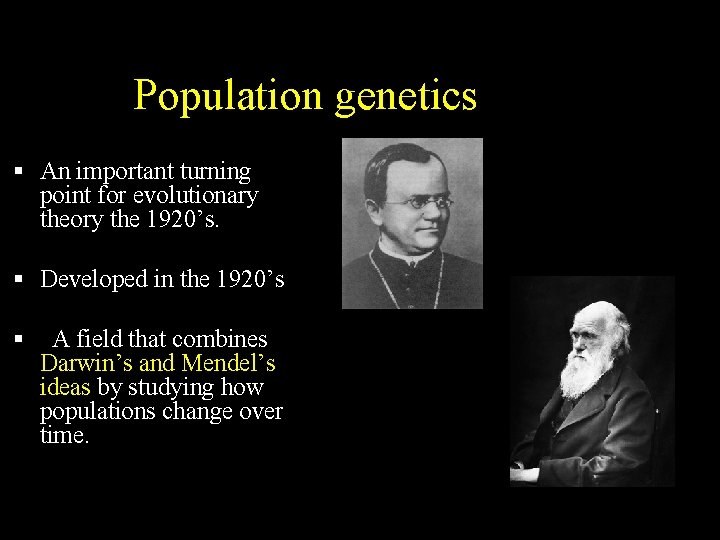
Population genetics An important turning point for evolutionary theory the 1920’s. Developed in the 1920’s A field that combines Darwin’s and Mendel’s ideas by studying how populations change over time.
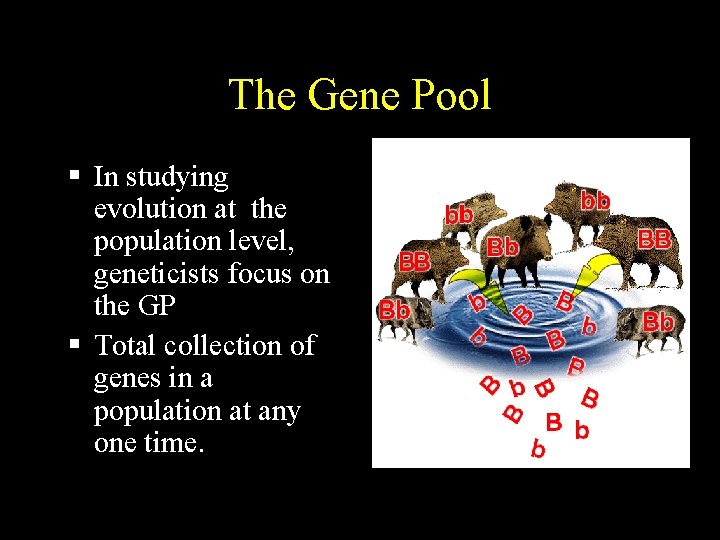
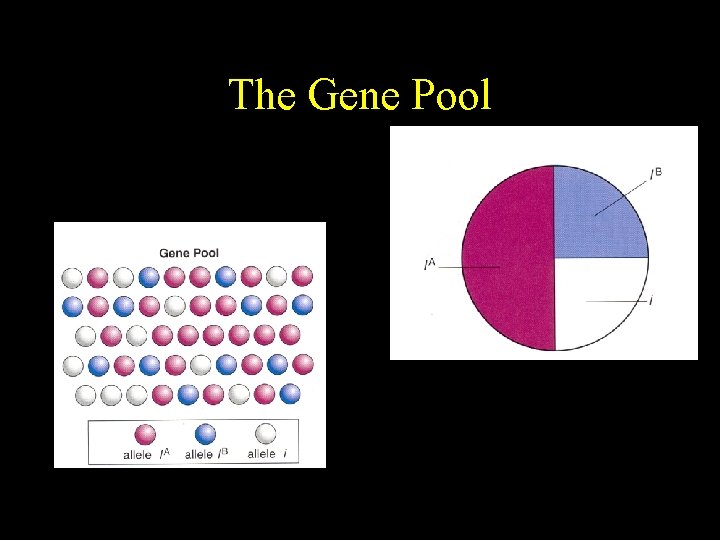
The Gene Pool In studying evolution at the population level, geneticists focus on the GP Total collection of genes in a population at any one time.
The Gene Pool
Sources of Genetic Variation • Mutations • Gene Shuffling • Crossing over • Sexual reproduction
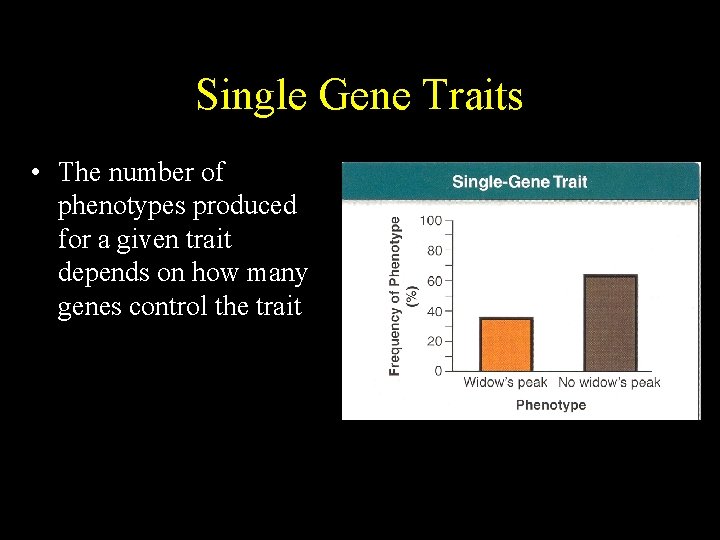
Single Gene Traits • The number of phenotypes produced for a given trait depends on how many genes control the trait
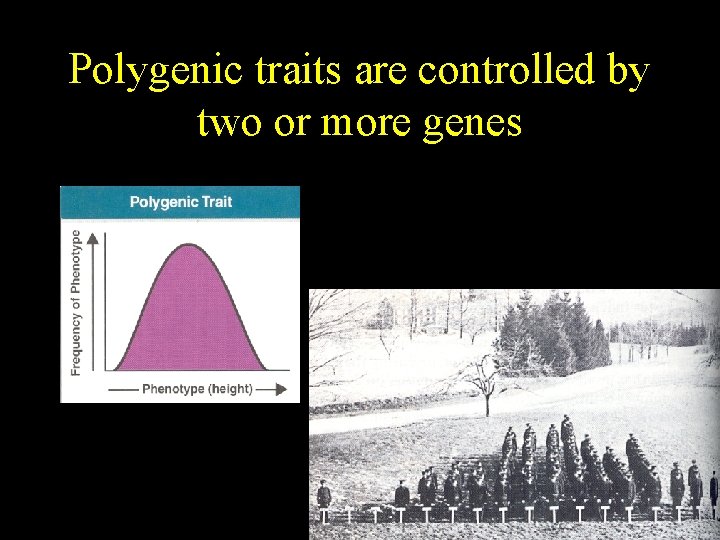
Polygenic traits are controlled by two or more genes
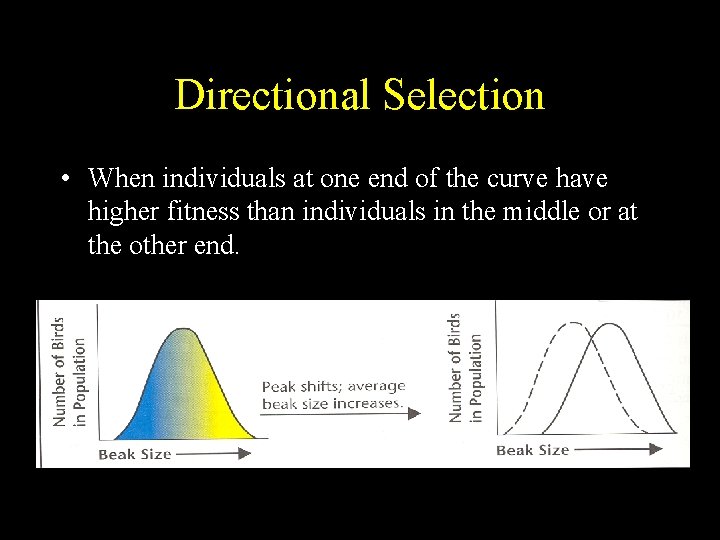
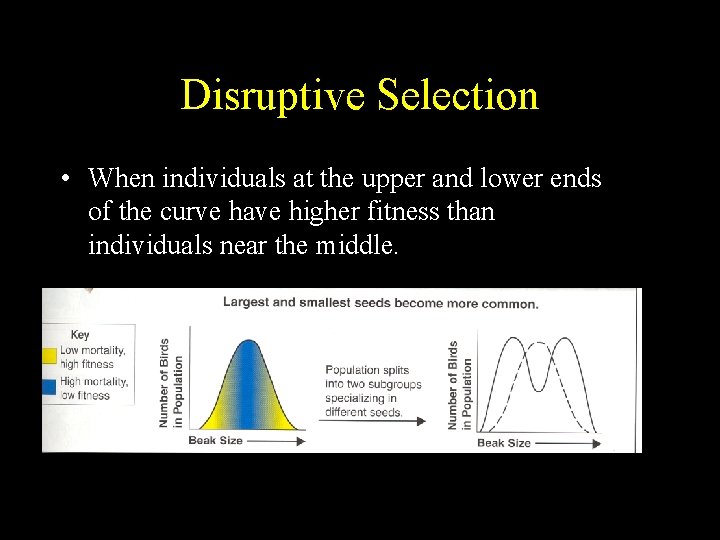
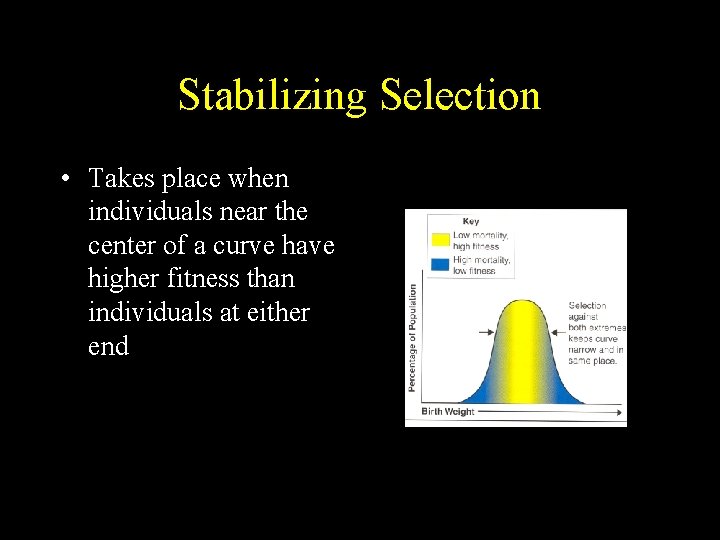
Natural Selection can affect the distributions of phenotypes in 3 ways: • Directional selection • Disruptive selection • Stabilizing selection
Directional Selection • When individuals at one end of the curve have higher fitness than individuals in the middle or at the other end.
Disruptive Selection • When individuals at the upper and lower ends of the curve have higher fitness than individuals near the middle.
Stabilizing Selection • Takes place when individuals near the center of a curve have higher fitness than individuals at either end
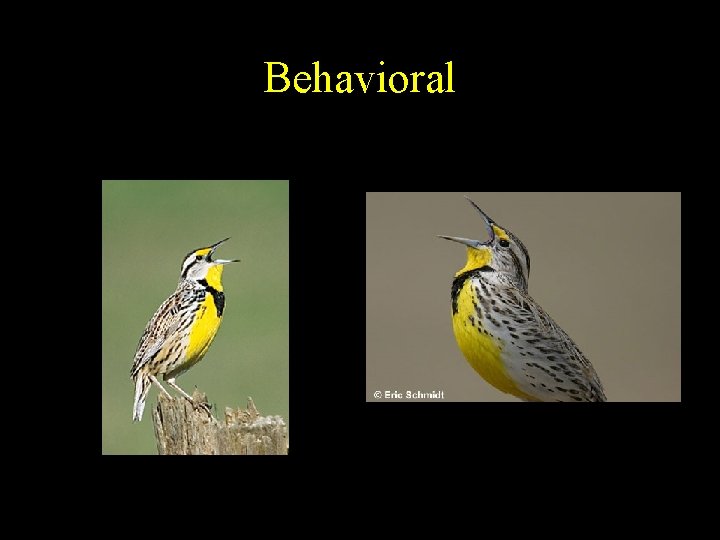
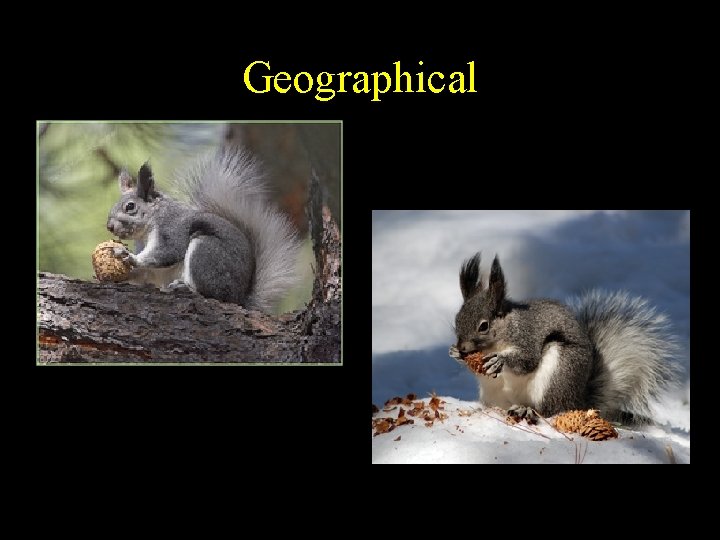
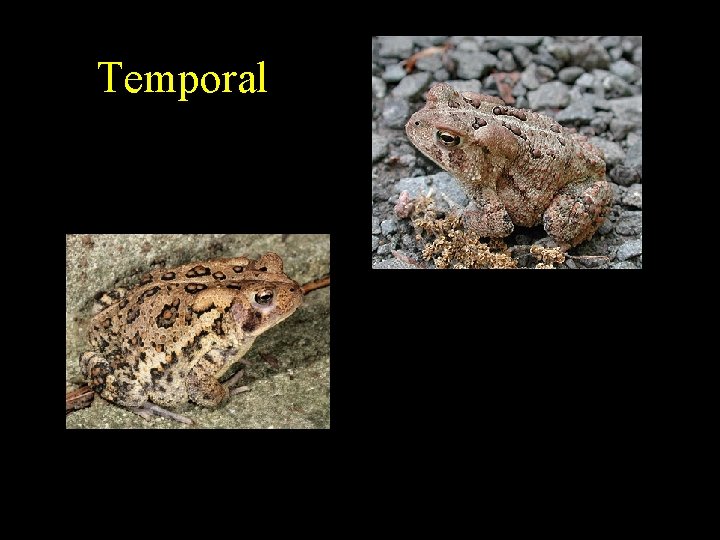
THE PROCESS OF SPECIATION Isolating Mechanisms • Behavioral • Geographic • Temporal
Behavioral
Geographical
Temporal
The Hardy–Weinberg principle states: v. Both allele and genotype frequencies in a population remain constant or are in equilibrium from generation to generation unless… v. Disturbing influences happen such as non-random mating, mutations, selection, limited population size, random genetic drift and gene flow. v. Genetic equilibrium is a basic principle of population genetics.
Hardy-Weinberg principle is like a Punnett square for populations, instead of individuals.
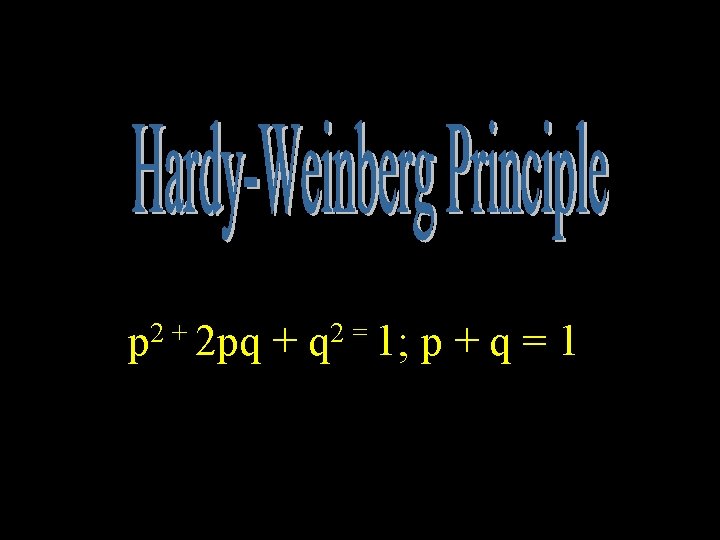
p 2 + 2 pq + q 2 = 1; p + q = 1