
RAP 1 How long ago do you believe
RAP 1. How long ago do you believe mankind came into existence on the earth? 2. From where does man originate (location or source)? 3. In what country were the oldest “human-like” remains found? 4. How did early man (prehistoric man) make a living (survive)? 5. What are scientists who study fossils and artifacts called?
Prehistory WHI. 2 Wha t doe mean s this ?
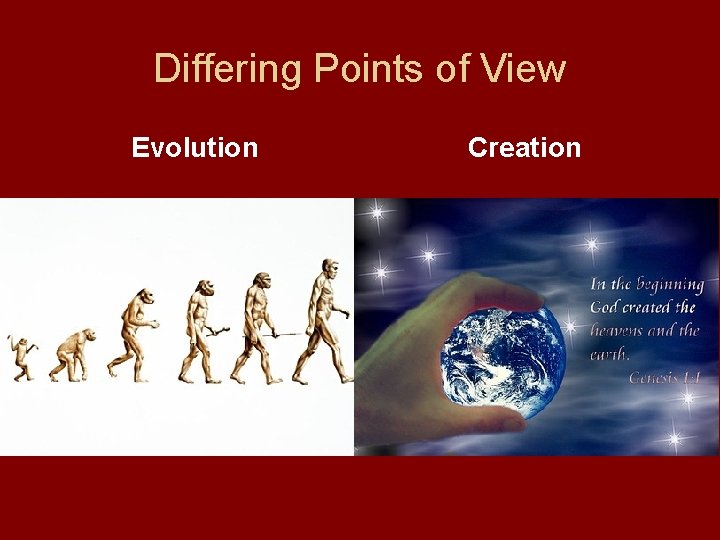
Differing Points of View Evolution Creation
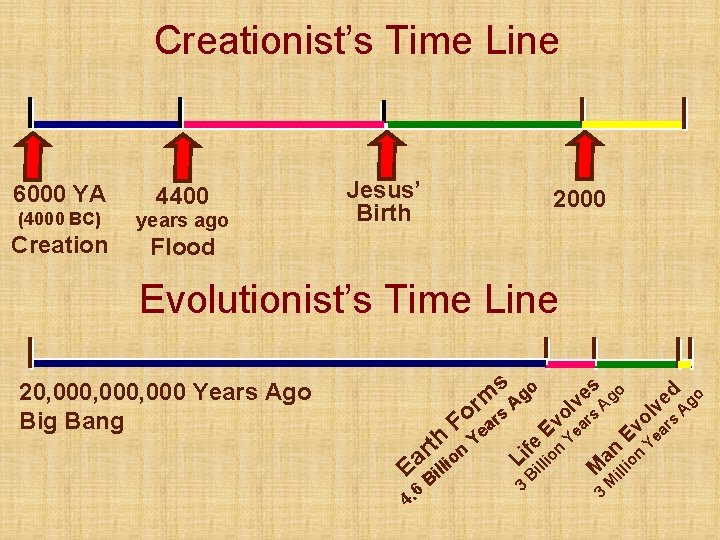
Creationist’s Time Line 6000 YA 4400 (4000 BC) years ago Creation Jesus’ Birth 2000 Flood Evolutionist’s Time Line s 20, 000, 000 Years Ago Big Bang rm Fo ears s o e v Ag l o s o g A r Ev Yea th n Y r a io fe on i L li 6 3 E 4. ll i B il B d o e lv Ag o rs v E ea Y an lion M 3 il M
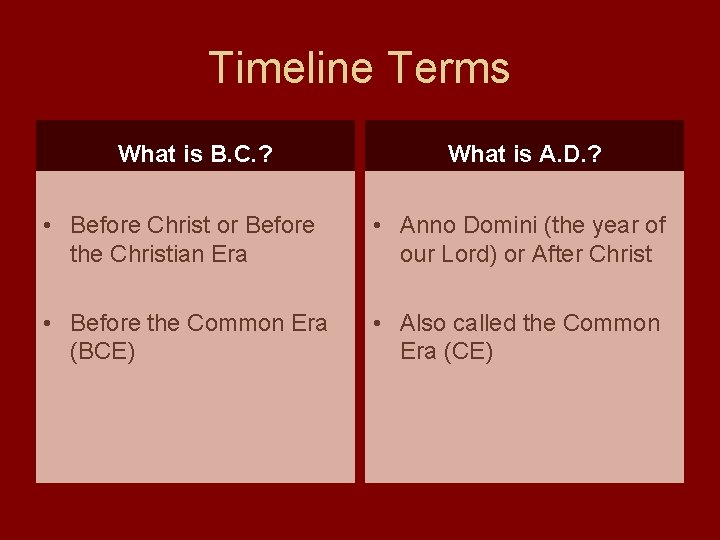
Timeline Terms What is B. C. ? What is A. D. ? • Before Christ or Before the Christian Era • Anno Domini (the year of our Lord) or After Christ • Before the Common Era (BCE) • Also called the Common Era (CE)
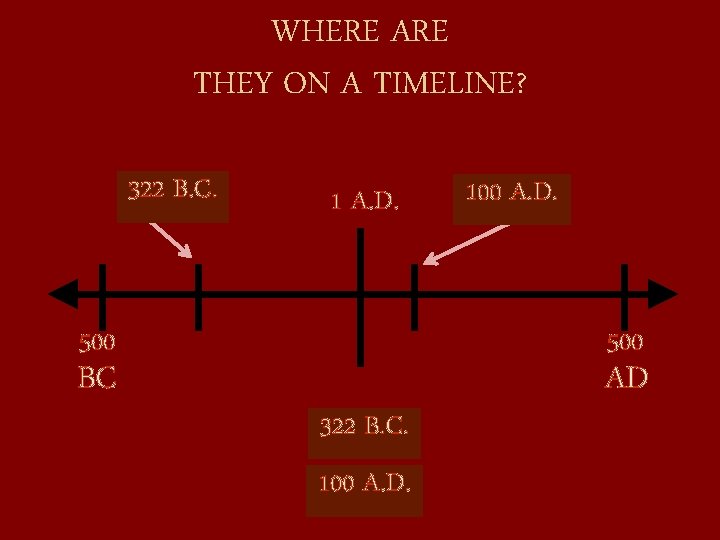
WHERE ARE THEY ON A TIMELINE? 322 B. C. 1 A. D. 500 BC 100 A. D. 500 322 B. C. 100 A. D. AD

WHAT ABOUT ZERO? Where is zero on the timeline? ZERO
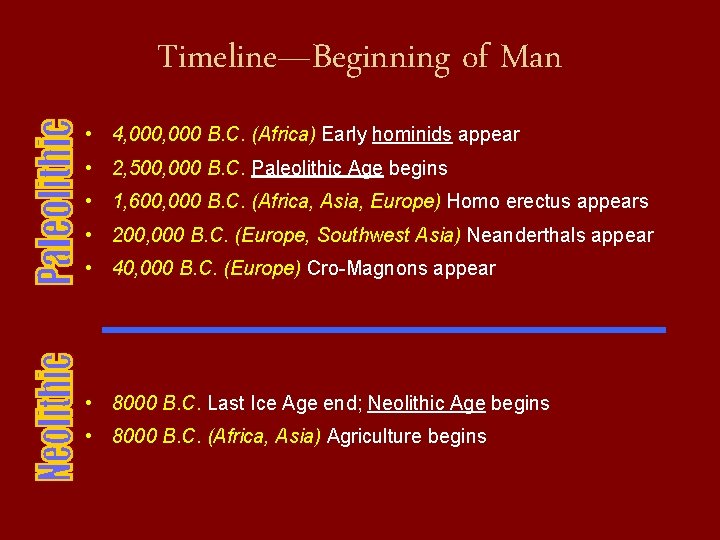
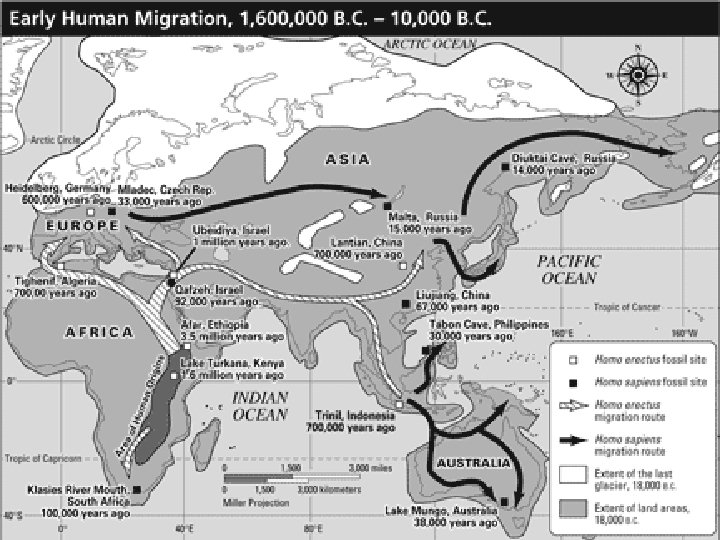
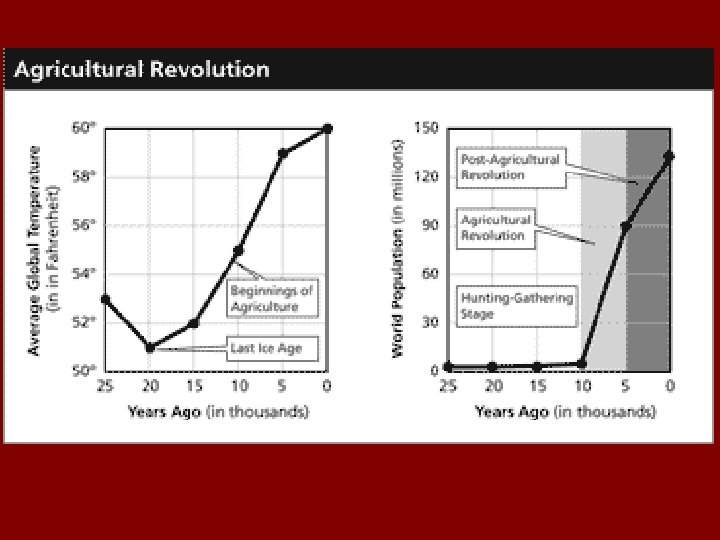
Timeline—Beginning of Man • 4, 000 B. C. (Africa) Early hominids appear • 2, 500, 000 B. C. Paleolithic Age begins • 1, 600, 000 B. C. (Africa, Asia, Europe) Homo erectus appears • 200, 000 B. C. (Europe, Southwest Asia) Neanderthals appear • 40, 000 B. C. (Europe) Cro-Magnons appear • 8000 B. C. Last Ice Age end; Neolithic Age begins • 8000 B. C. (Africa, Asia) Agriculture begins

Brain Break If you went on vacation today and suddenly became stranded…how would you survive? What would be your most pressing needs? Make a list of 3 things you’d have to take care of immediately to ensure your survival. If you could have any 2 items, what would those items be? (no electronics )
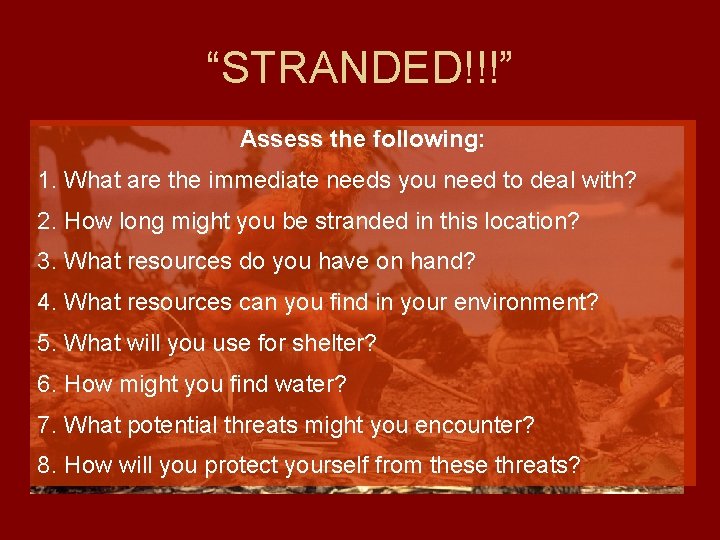
“STRANDED!!!” Assess the following: 1. What are the immediate needs you need to deal with? 2. How long might you be stranded in this location? 3. What resources do you have on hand? 4. What resources can you find in your environment? 5. What will you use for shelter? 6. How might you find water? 7. What potential threats might you encounter? 8. How will you protect yourself from these threats?
Vocabulary Not in the Textbook Archaeology: • The study of people and cultures through their material remains Carbon-dating: • A test used by archaeologists to determine the age of remains of once-living items such as bones, wood, and ash (all living things contain carbon-14, a radioactive element that decays at a set rate) Oral language: • Communicating through spoken sounds and/or words Prehistory: • The period of time before writing was invented
RAP Early humans were nomadic. This means they moved from place to place in search of food, water, and shelter. Eventually, people began to live in settled communities. Make a list that compares/contrasts nomadic people and settled people. Consider how their everyday lives would be different. Be sure to account for such things as food, shelter, belongings, technology, etc.
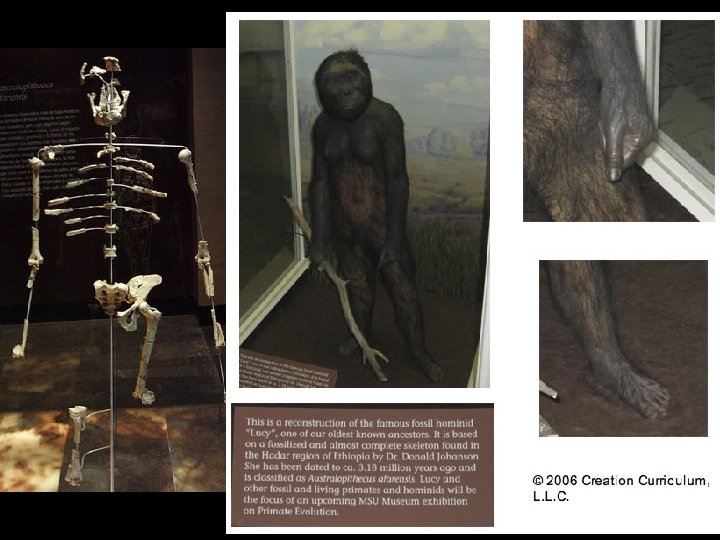
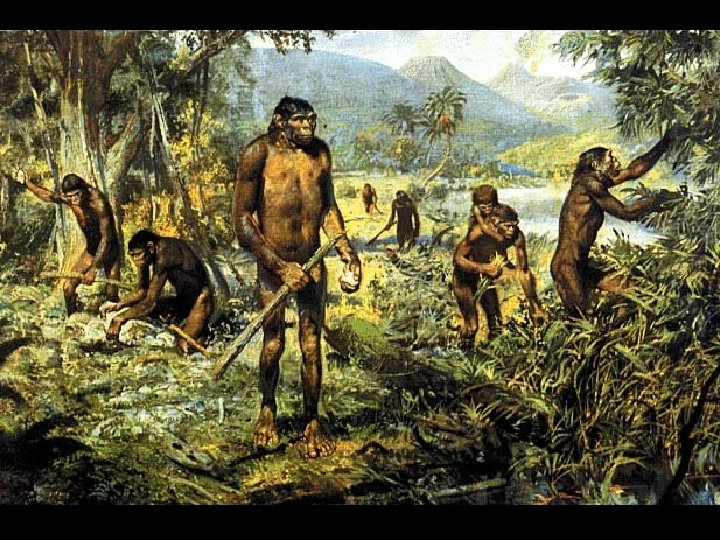
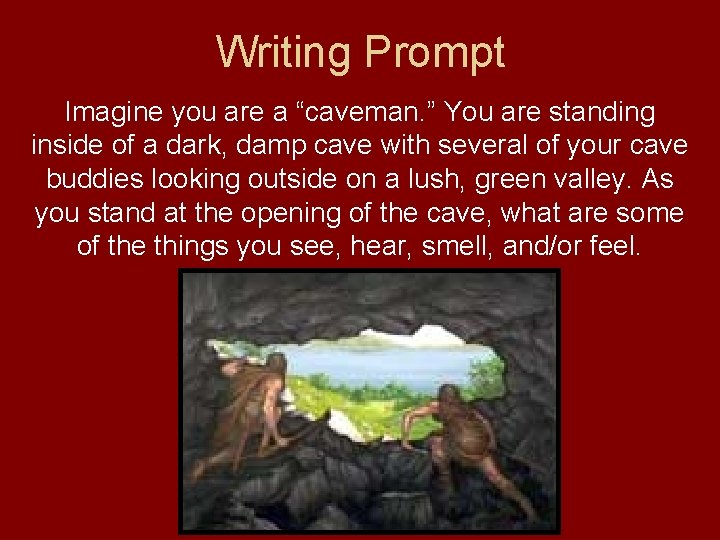
Writing Prompt Imagine you are a “caveman. ” You are standing inside of a dark, damp cave with several of your cave buddies looking outside on a lush, green valley. As you stand at the opening of the cave, what are some of the things you see, hear, smell, and/or feel.
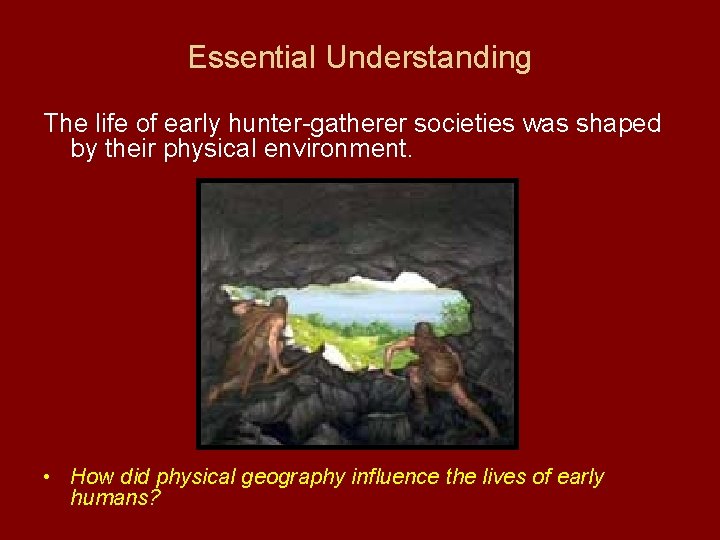
Essential Understanding The life of early hunter-gatherer societies was shaped by their physical environment. • How did physical geography influence the lives of early humans?
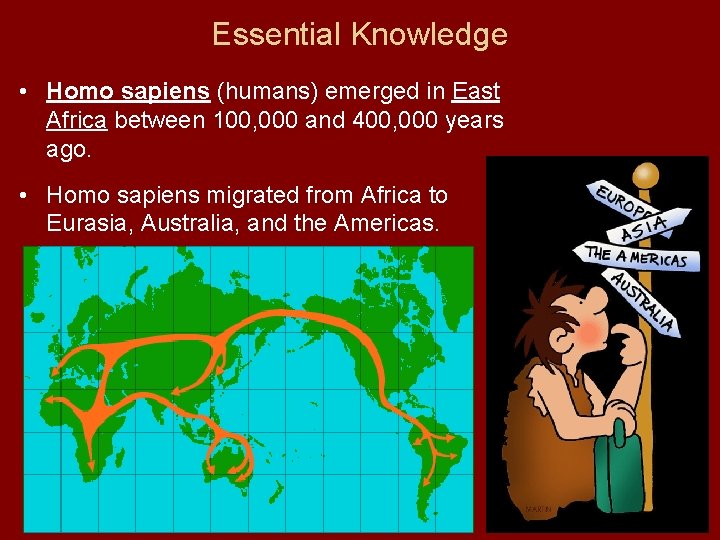
Essential Knowledge • Homo sapiens (humans) emerged in East Africa between 100, 000 and 400, 000 years ago. • Homo sapiens migrated from Africa to Eurasia, Australia, and the Americas.
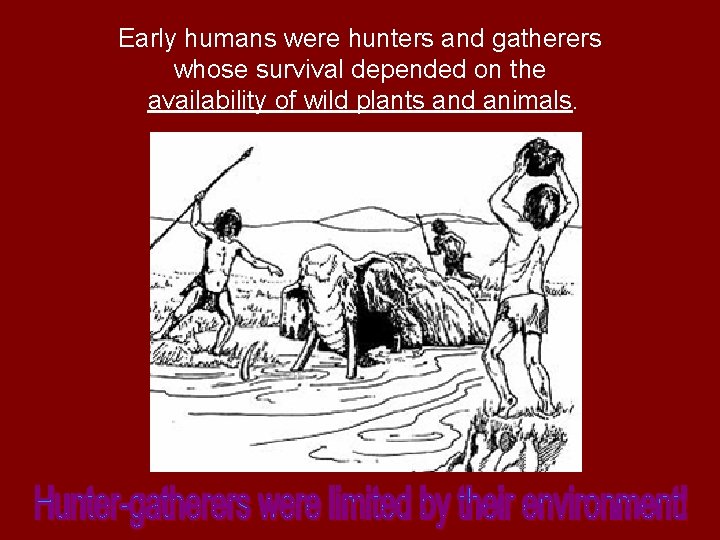
Early humans were hunters and gatherers whose survival depended on the availability of wild plants and animals.
! ! ! E Z I S R A M M U

Essential Understanding Early human societies, through the development of culture, began the process of overcoming the limits set by the physical environment. Essential Questions • What were the characteristics of hunter-gatherer societies?
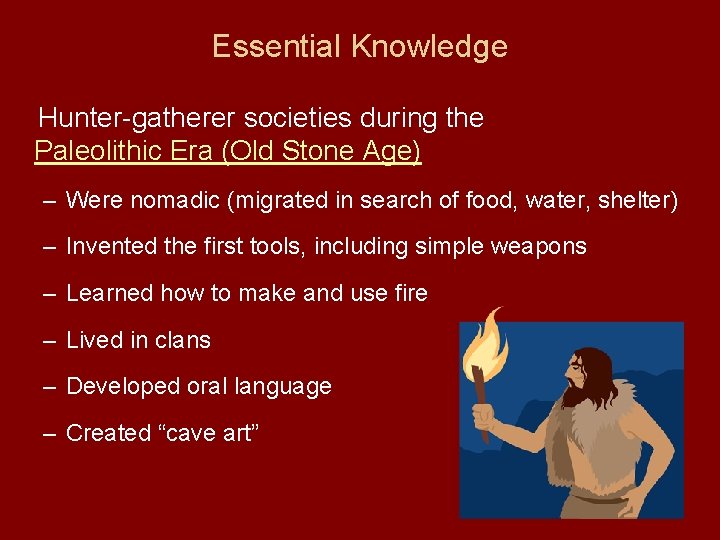
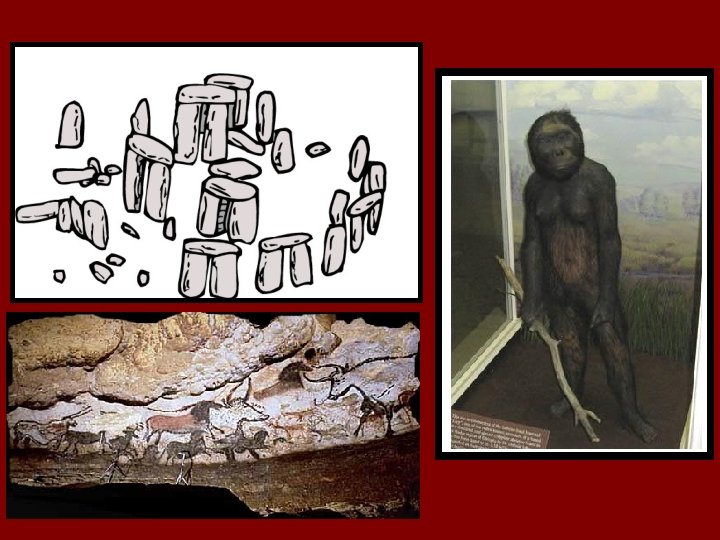
Essential Knowledge Hunter-gatherer societies during the Paleolithic Era (Old Stone Age) – Were nomadic (migrated in search of food, water, shelter) – Invented the first tools, including simple weapons – Learned how to make and use fire – Lived in clans – Developed oral language – Created “cave art”
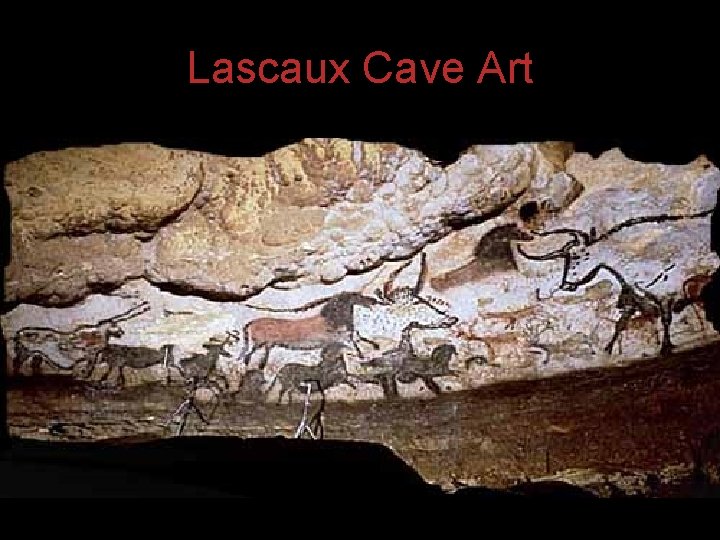
Lascaux Cave Art
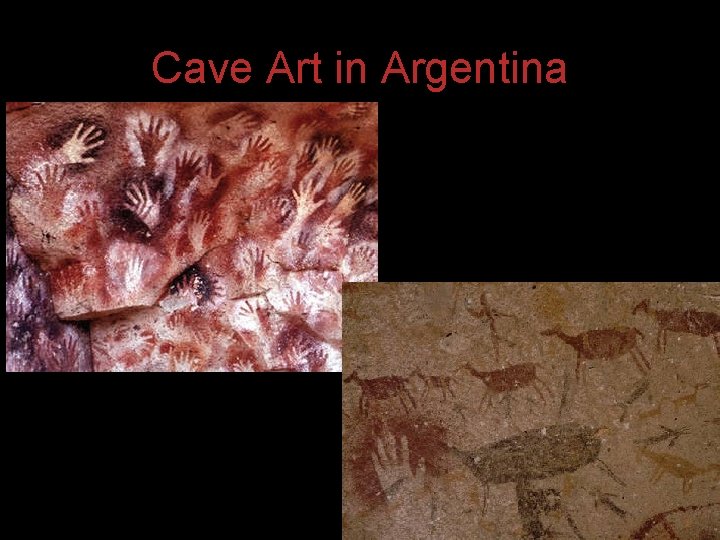
Cave Art in Argentina
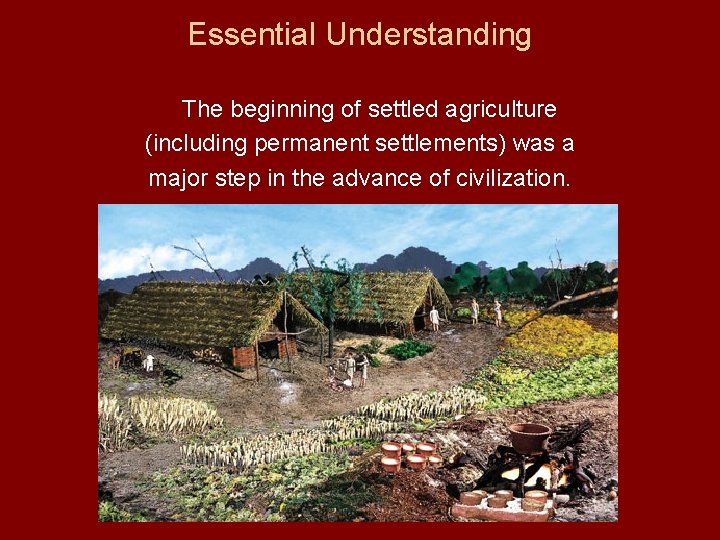
Essential Understanding The beginning of settled agriculture (including permanent settlements) was a major step in the advance of civilization.
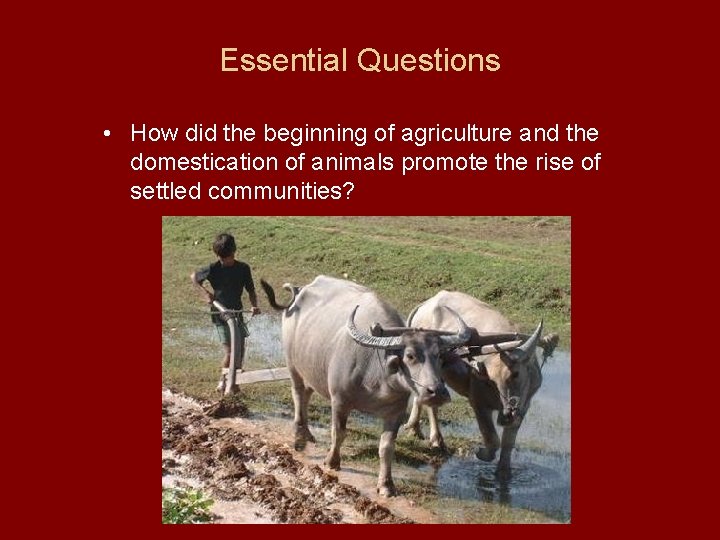
Essential Questions • How did the beginning of agriculture and the domestication of animals promote the rise of settled communities?
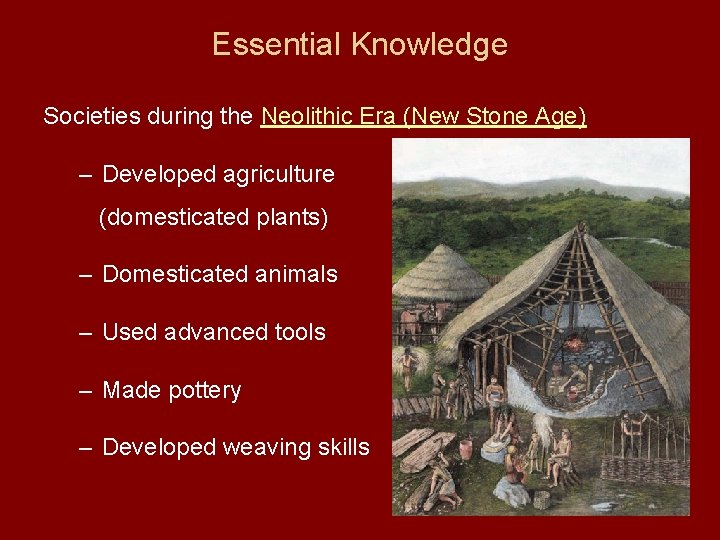
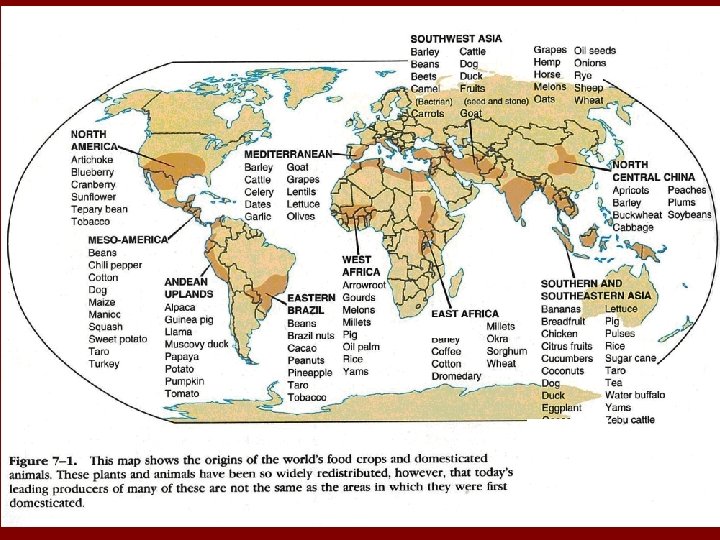
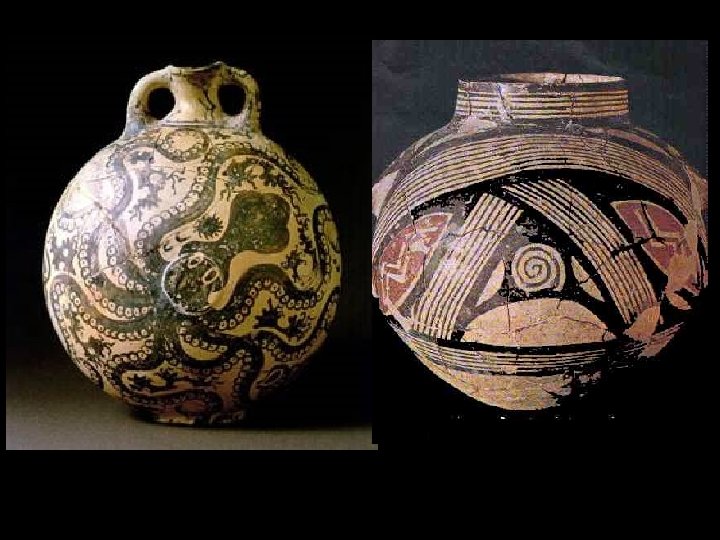
Essential Knowledge Societies during the Neolithic Era (New Stone Age) – Developed agriculture (domesticated plants) – Domesticated animals – Used advanced tools – Made pottery – Developed weaving skills

S U M M A R I Z E
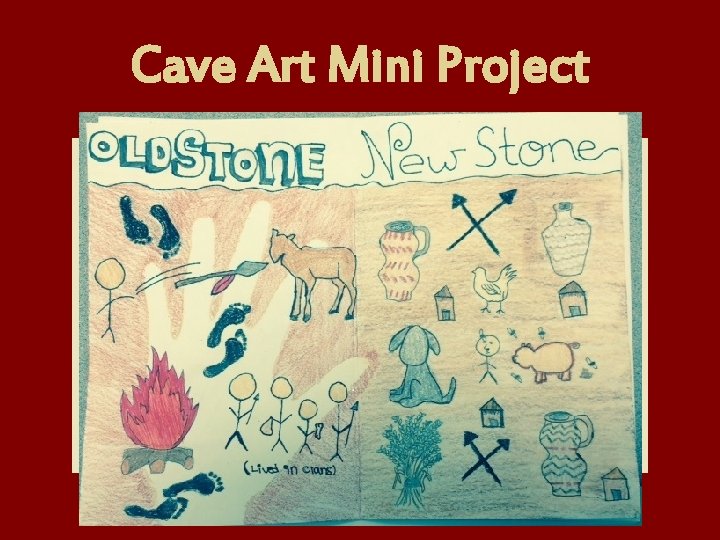
Cave Art Mini Project • Divide your paper into 2 halves • On one half, draw a scene that shows the typical “day in the life” of an Old Stone Age (Paleolithic Era) human • On the other half, draw a scene that shows the typical “day in the life” of a New Stone Age (Neolithic Era) human • Remember, you don’t have to be the best artist but it should resemble cave art (use realistic colors and designs)
RAP Archaeologists study the artifacts of past civilizations. Imagine you are an archaeologist on a dig in the year 4199. You have found: Compact Disc (CD) Car Tire Plastic Flower Fast Food Container You have no idea how these strange items were used in the past. Make up some possible explanations. (At least one per item!!!)
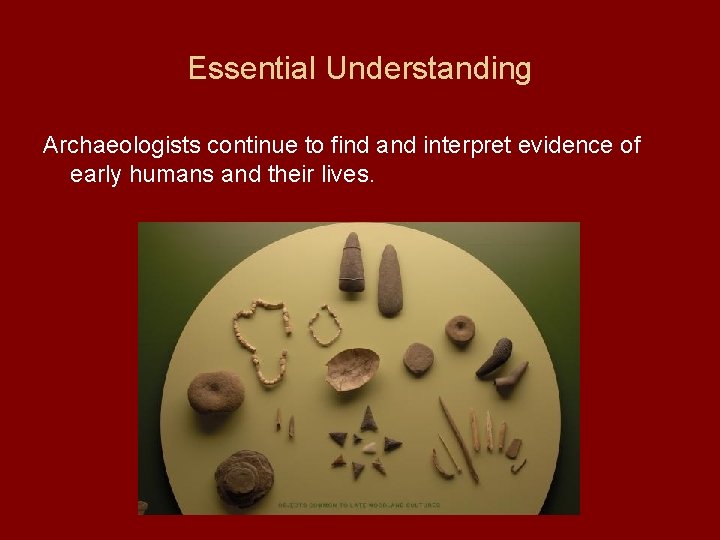
Essential Understanding Archaeologists continue to find and interpret evidence of early humans and their lives.
Essential Questions • How does archaeology provide knowledge of early human life and its changes?
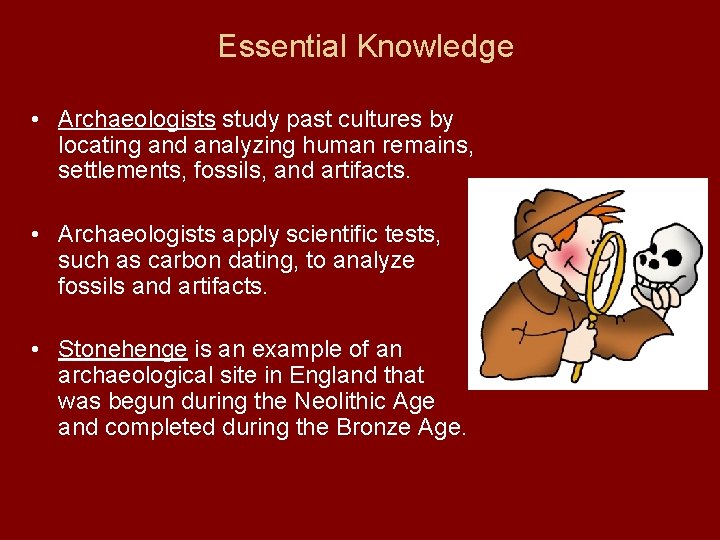
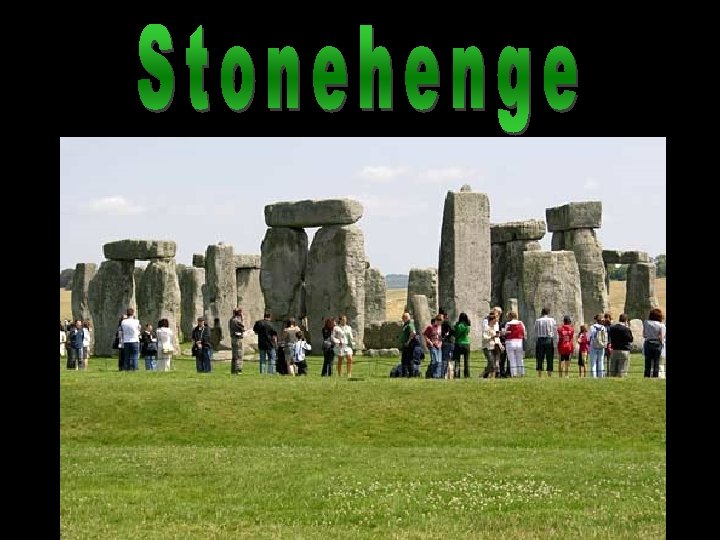
Essential Knowledge • Archaeologists study past cultures by locating and analyzing human remains, settlements, fossils, and artifacts. • Archaeologists apply scientific tests, such as carbon dating, to analyze fossils and artifacts. • Stonehenge is an example of an archaeological site in England that was begun during the Neolithic Age and completed during the Bronze Age.

RAP P R E H I S T O R Y n i r tte e l er ” p e ory c n e hist t n o t se “Pre e E t a N ord l e O r d ite he w l r W t hou ’ve t i s n s u e e s w c i n h g in t e n t i n h t e e s ed r m s u o s s Yo cu s i /d d e n r a le
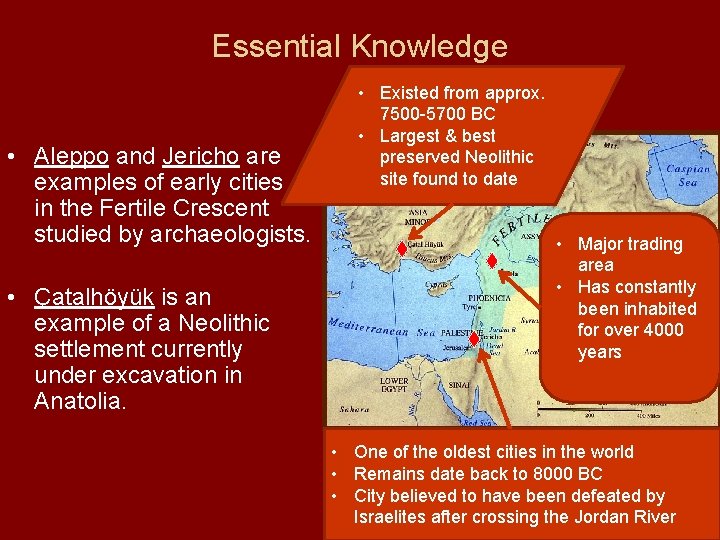
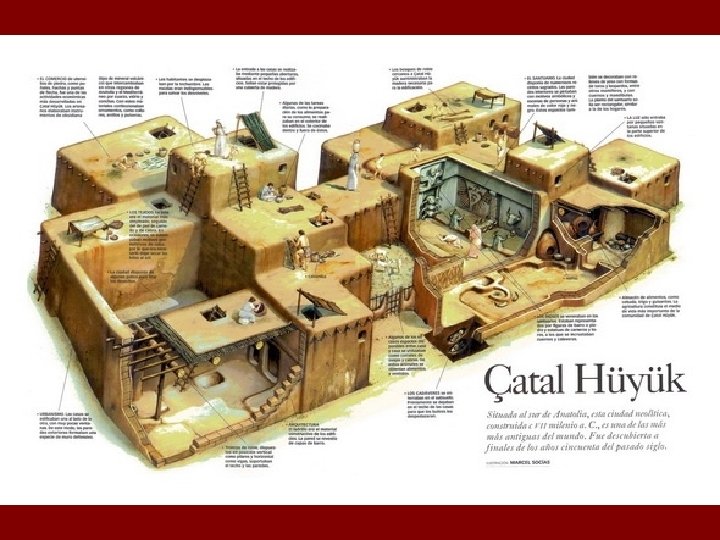
Essential Knowledge • Aleppo and Jericho are examples of early cities in the Fertile Crescent studied by archaeologists. • Çatalhöyük is an example of a Neolithic settlement currently under excavation in Anatolia. • Existed from approx. 7500 -5700 BC • Largest & best preserved Neolithic site found to date • Major trading area • Has constantly been inhabited for over 4000 years • One of the oldest cities in the world • Remains date back to 8000 BC • City believed to have been defeated by Israelites after crossing the Jordan River
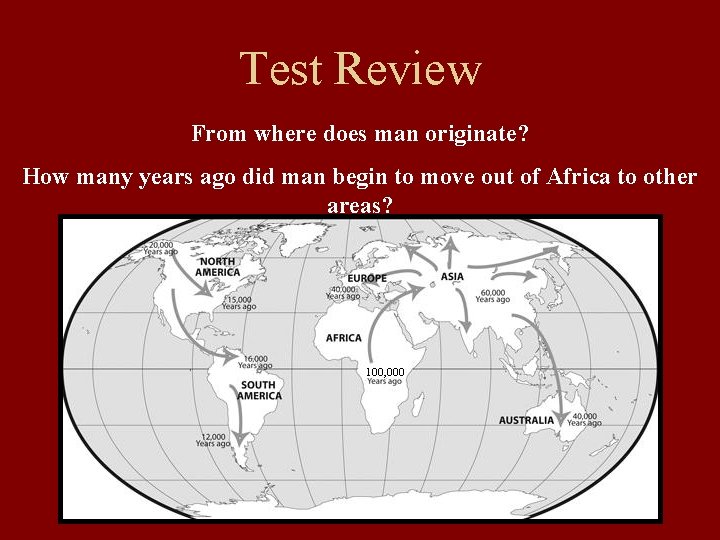
Test Review From where does man originate? How many years ago did man begin to move out of Africa to other areas?
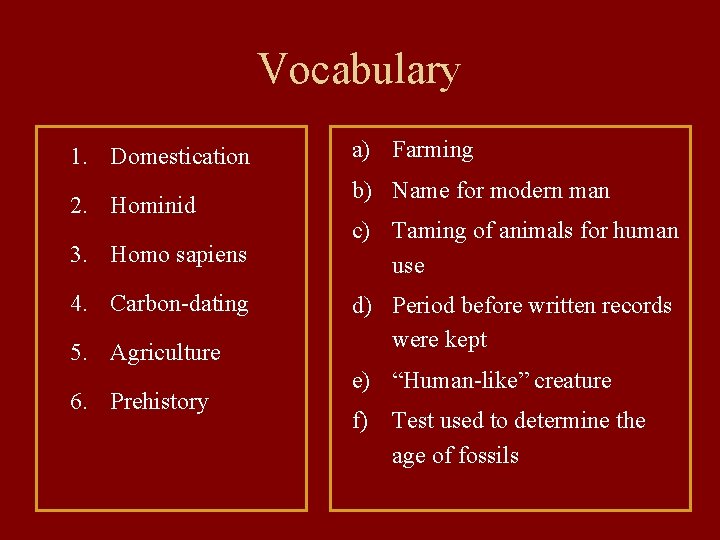
Vocabulary 1. Domestication 2. Hominid 3. Homo sapiens 4. Carbon-dating 5. Agriculture 6. Prehistory a) Farming b) Name for modern man c) Taming of animals for human use d) Period before written records were kept e) “Human-like” creature f) Test used to determine the age of fossils
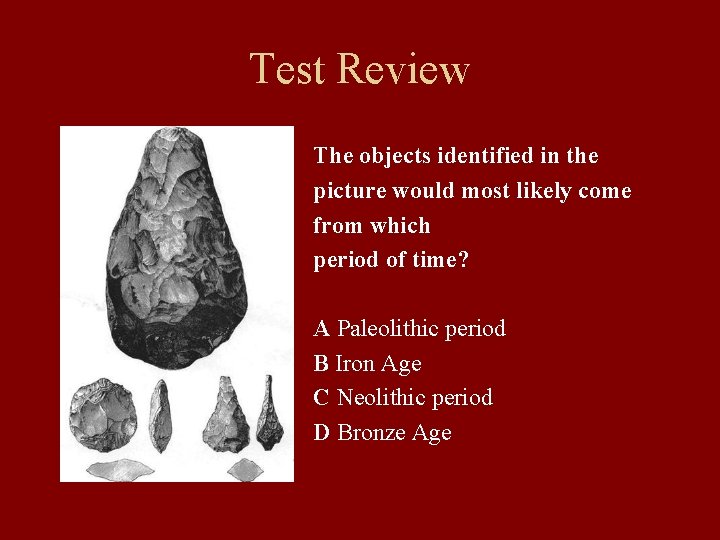
Test Review The objects identified in the picture would most likely come from which period of time? A Paleolithic period B Iron Age C Neolithic period D Bronze Age
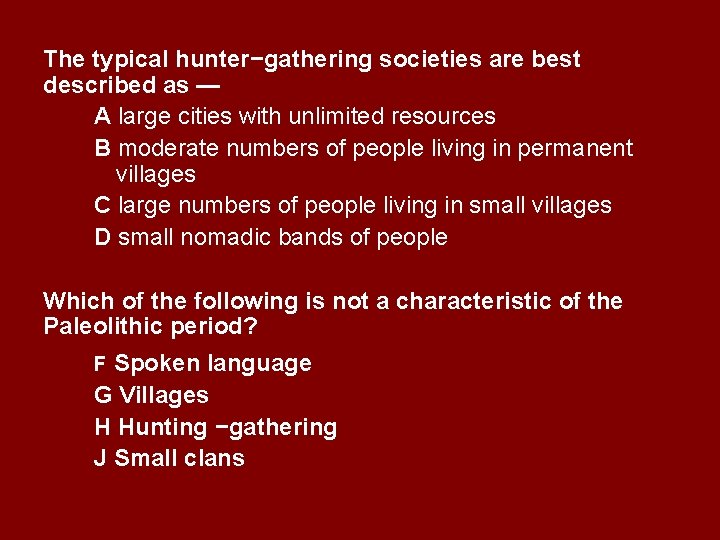
The typical hunter−gathering societies are best described as — A large cities with unlimited resources B moderate numbers of people living in permanent villages C large numbers of people living in small villages D small nomadic bands of people Which of the following is not a characteristic of the Paleolithic period? Spoken language G Villages H Hunting −gathering J Small clans F
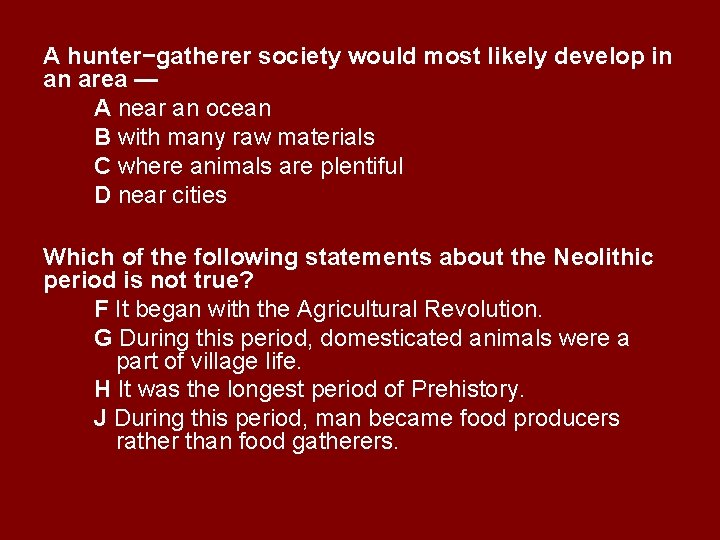
A hunter−gatherer society would most likely develop in an area — A near an ocean B with many raw materials C where animals are plentiful D near cities Which of the following statements about the Neolithic period is not true? F It began with the Agricultural Revolution. G During this period, domesticated animals were a part of village life. H It was the longest period of Prehistory. J During this period, man became food producers rather than food gatherers.
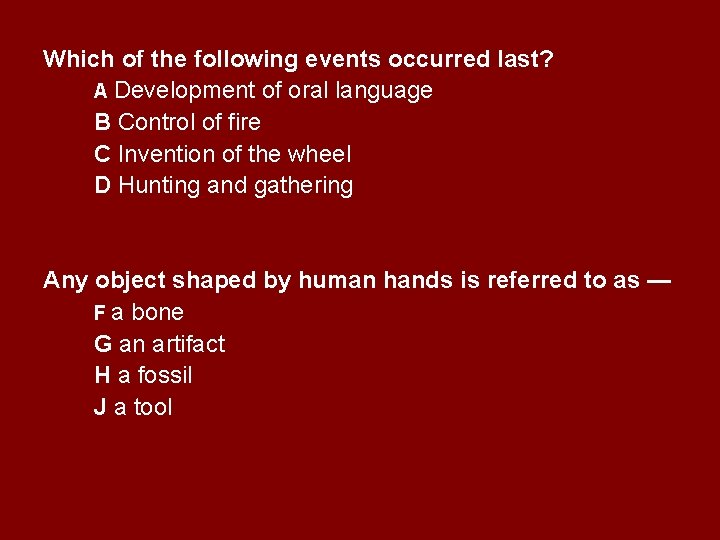
Which of the following events occurred last? A Development of oral language B Control of fire C Invention of the wheel D Hunting and gathering Any object shaped by human hands is referred to as — F a bone G an artifact H a fossil J a tool
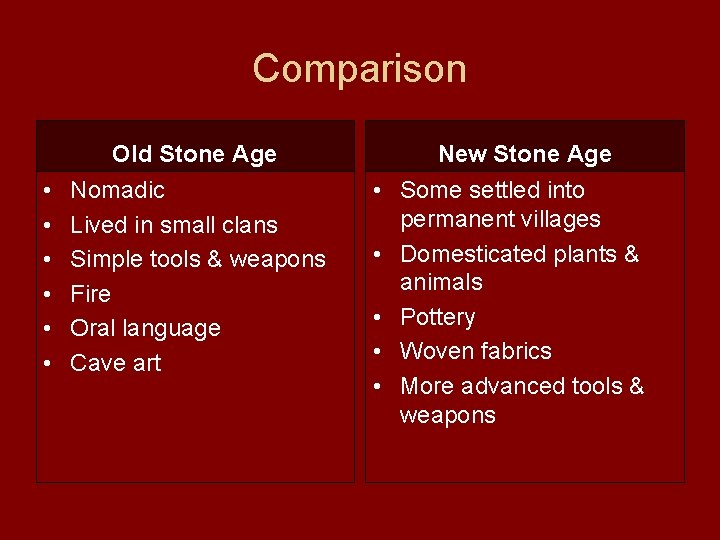
Comparison Old Stone Age • • • Nomadic Lived in small clans Simple tools & weapons Fire Oral language Cave art New Stone Age • Some settled into permanent villages • Domesticated plants & animals • Pottery • Woven fabrics • More advanced tools & weapons
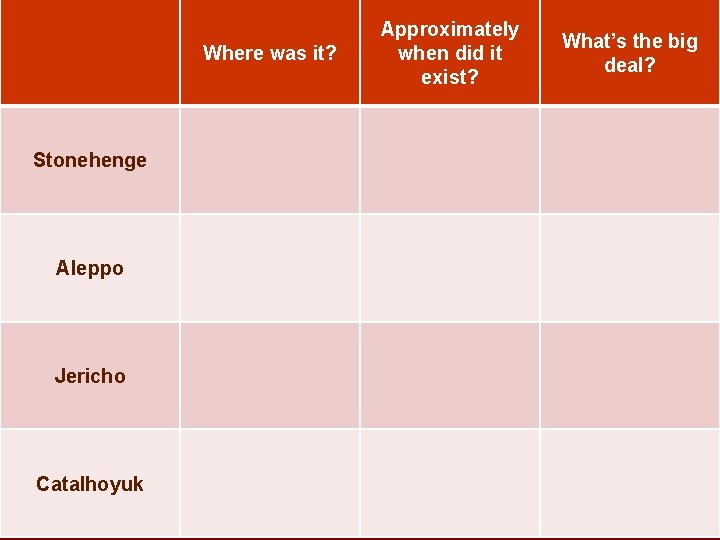
Where was it? Stonehenge Aleppo Jericho Catalhoyuk Approximately when did it exist? What’s the big deal?
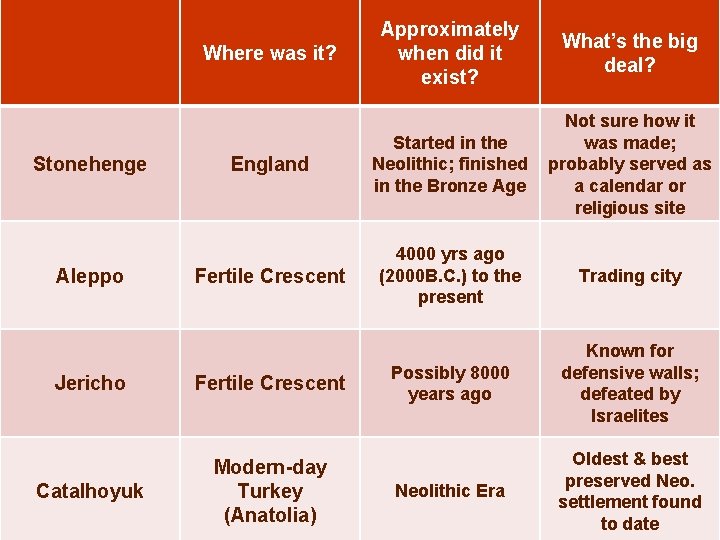
Approximately when did it exist? What’s the big deal? England Started in the Neolithic; finished in the Bronze Age Not sure how it was made; probably served as a calendar or religious site Fertile Crescent 4000 yrs ago (2000 B. C. ) to the present Trading city Possibly 8000 years ago Known for defensive walls; defeated by Israelites Neolithic Era Oldest & best preserved Neo. settlement found to date Where was it? Stonehenge Aleppo Jericho Fertile Crescent Catalhoyuk Modern-day Turkey (Anatolia)
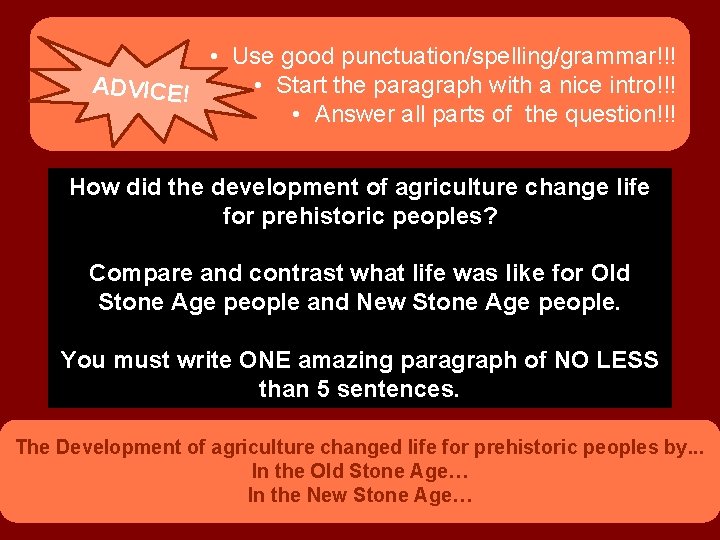
• Use good punctuation/spelling/grammar!!! • Start the paragraph with a nice intro!!! ADVICE! • Answer all parts of the question!!! How did the development of agriculture change life for prehistoric peoples? Compare and contrast what life was like for Old Stone Age people and New Stone Age people. You must write ONE amazing paragraph of NO LESS than 5 sentences. The Development of agriculture changed life for prehistoric peoples by. . . In the Old Stone Age… In the New Stone Age…
- Slides: 51