Syphilis Clinical Aspects Primary Syphilis Thad Zajdowicz MD




- Slides: 31
Syphilis – Clinical Aspects Primary Syphilis Thad Zajdowicz, MD, MPH Medical Director, STD/HIV Program Chicago Dept of Public Health of
Why a lecture on syphilis? Although syphilis is an eminently treatable disease, its continuing occurrence illustrates that our control efforts still need to be improved. The disease remains elusive clinically even today, and unless thought of and sought for can silently cause disease as it has for centuries. Further, control of syphilis is vital because of its interactions with HIV. This lecture will focus on primary syphilis.
Objectives • To review the pathogenesis of primary syphilis • To demonstrate the clinical features of primary syphilis • To illustrate clinical variants of primary syphilis
Clinical Stages • Syphilis is conventionally divided into several stages: – Primary – Secondary – Latent – Late, or tertiary • This lecture will focus on primary syphilis
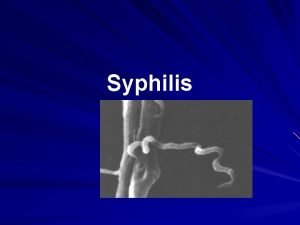
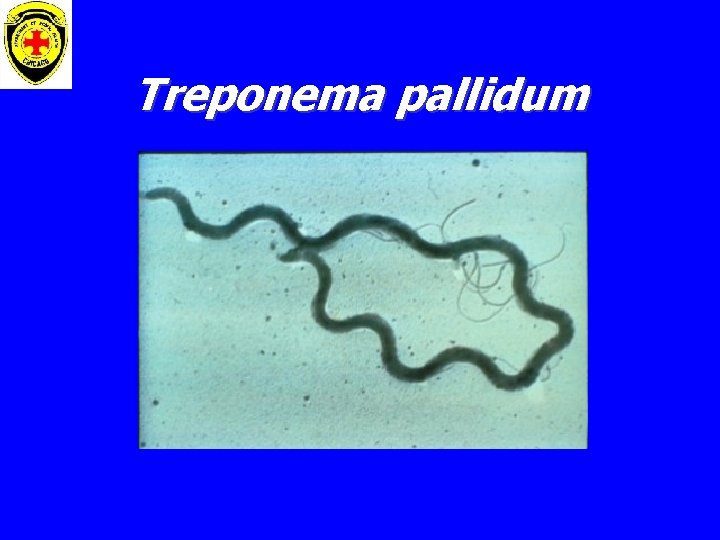
Treponema pallidum
Pathogenesis • Infectious dose unknown in humans – In rabbits, experimental infection induced with as few as 4 spirochetes – Estimated average inoculum 5001000 in humans • Inoculation may occur at any body site – Eternal genitalia most frequent – Mouth, anus, cervix quite common – Other sites also well described
Pathogenesis • T. pallidum divides every 30 -33 hrs • Incubation period – Primary syphilis – median 21 days, range 3 -90 days • The most prominent histopathological findings are arteritis and periarteritis in affected tissues
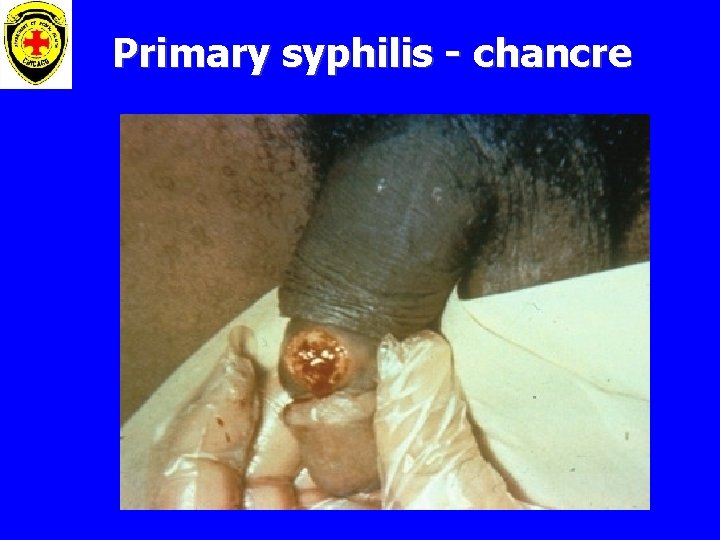
Primary syphilis - chancre
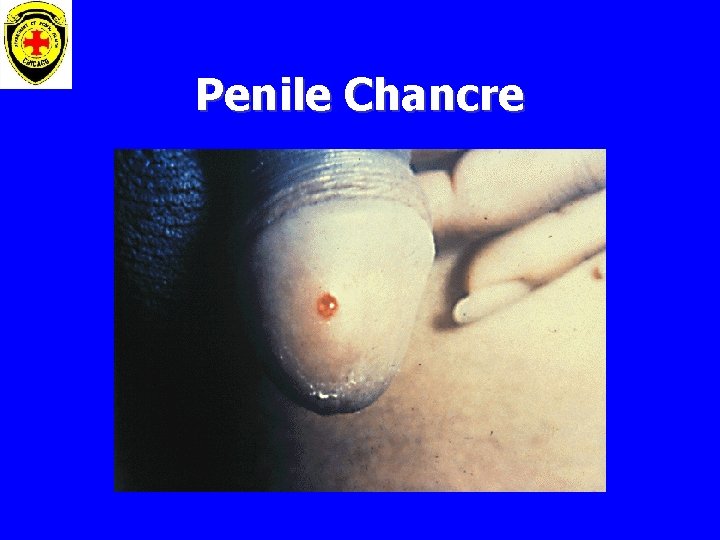
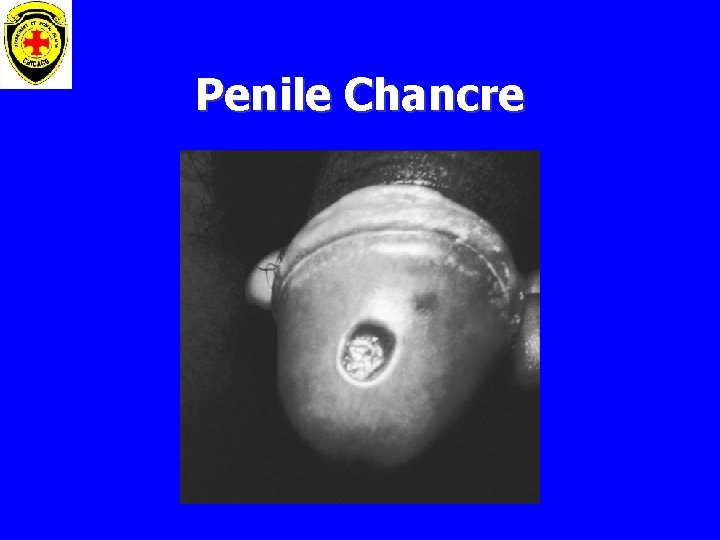
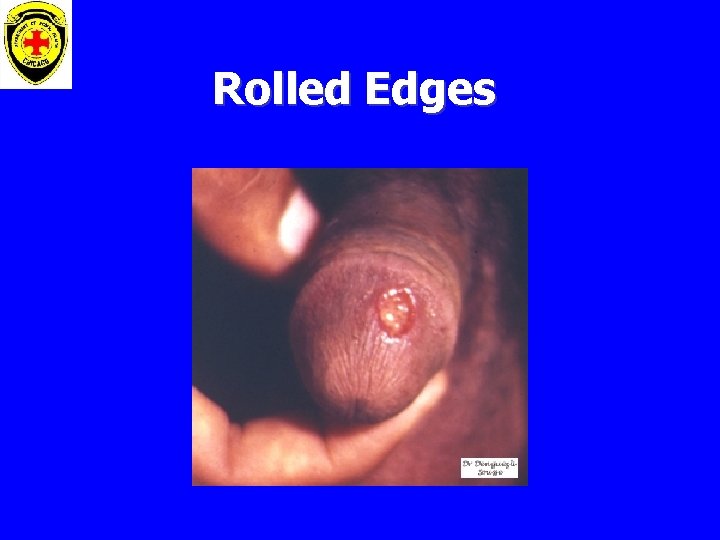
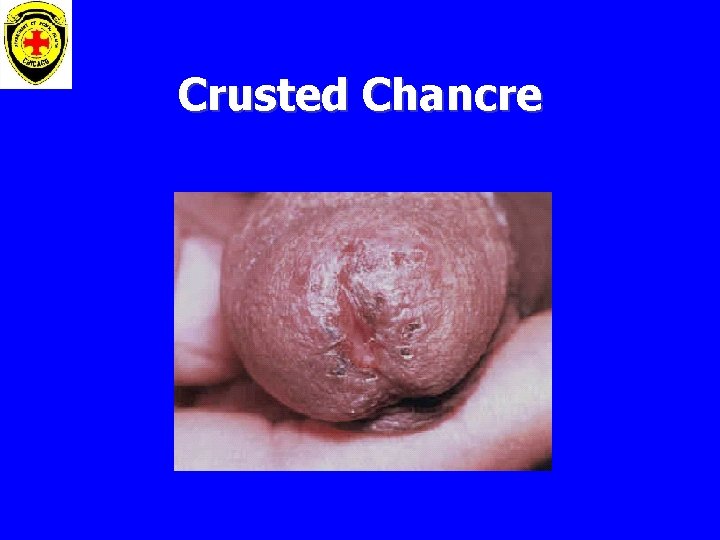
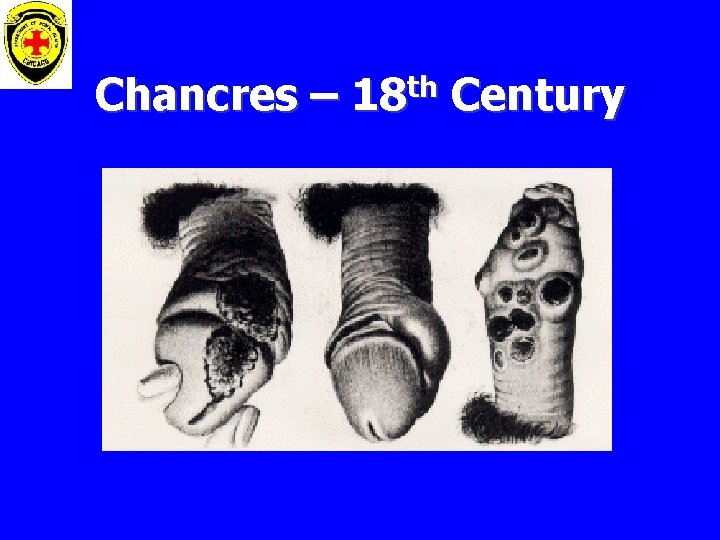
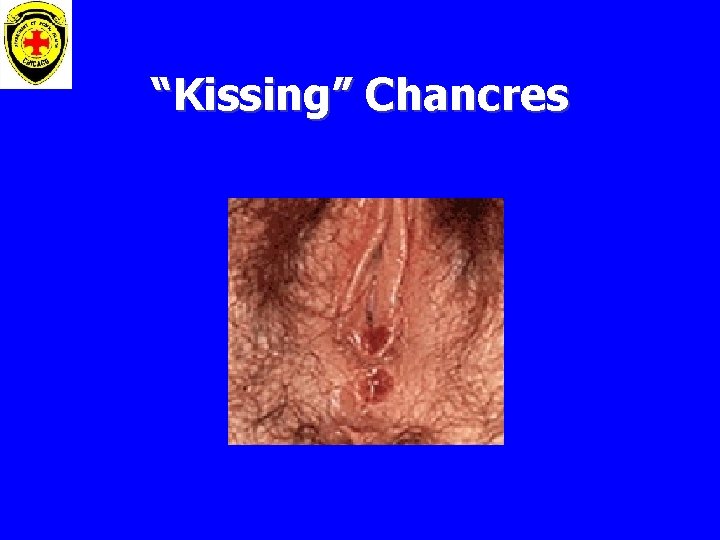
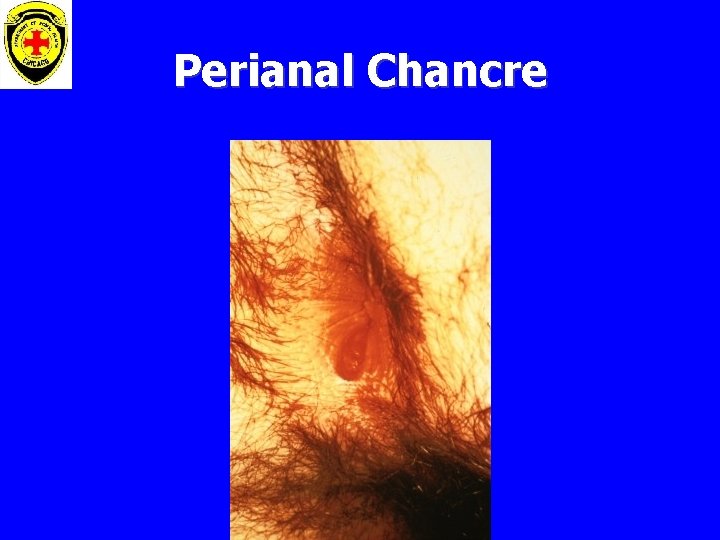
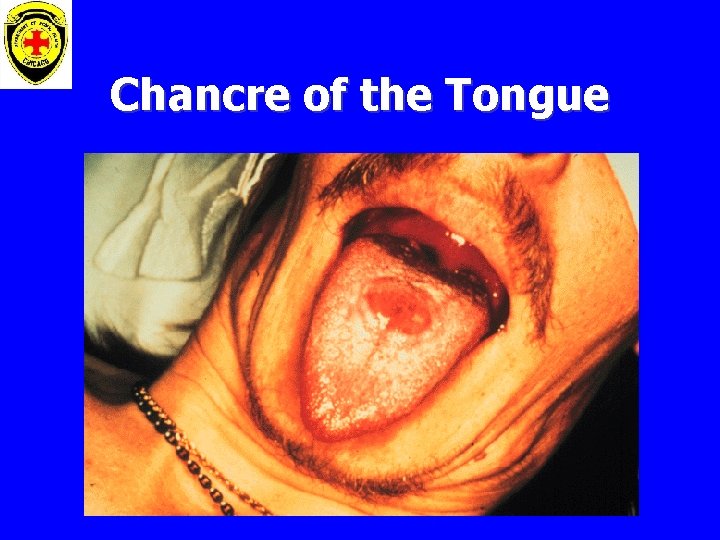
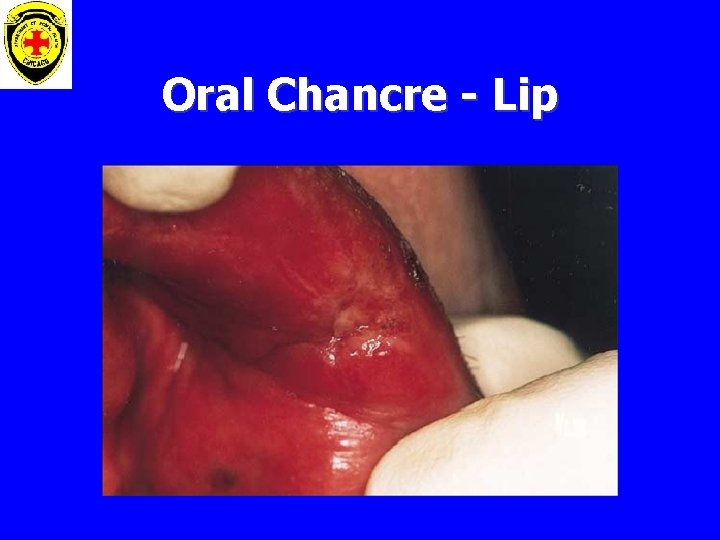
Chancre characteristics • • • Indolent, “punched out” appearance Indurated Painless Raised border Red, smooth base Scant serous secretions
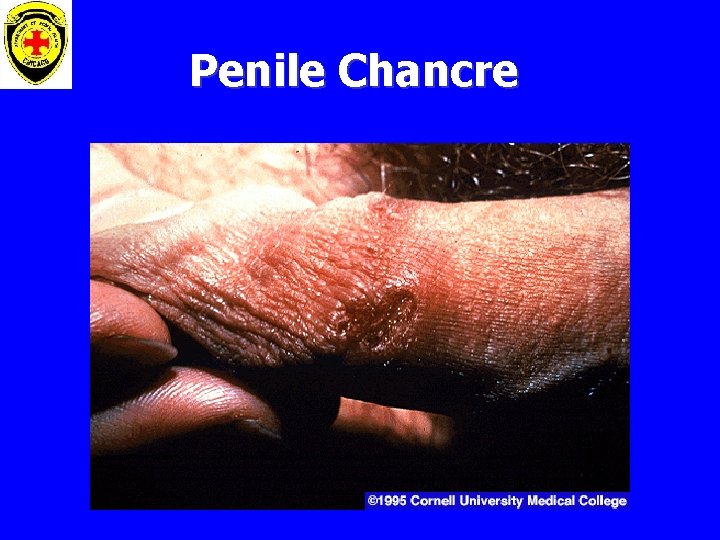
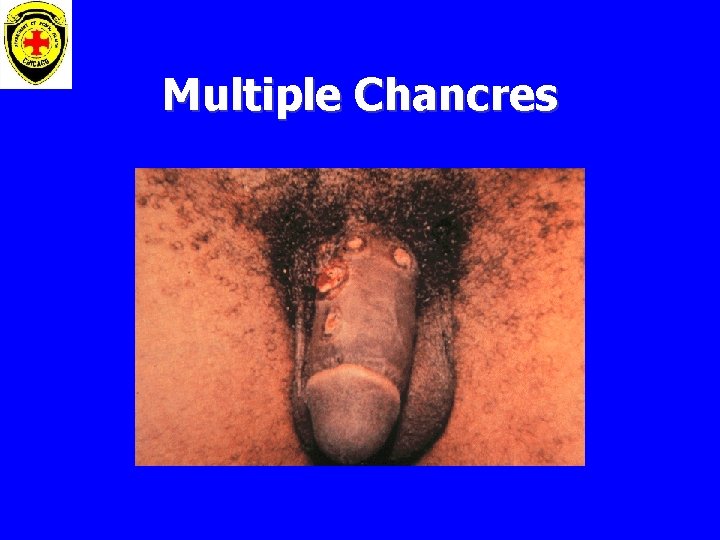
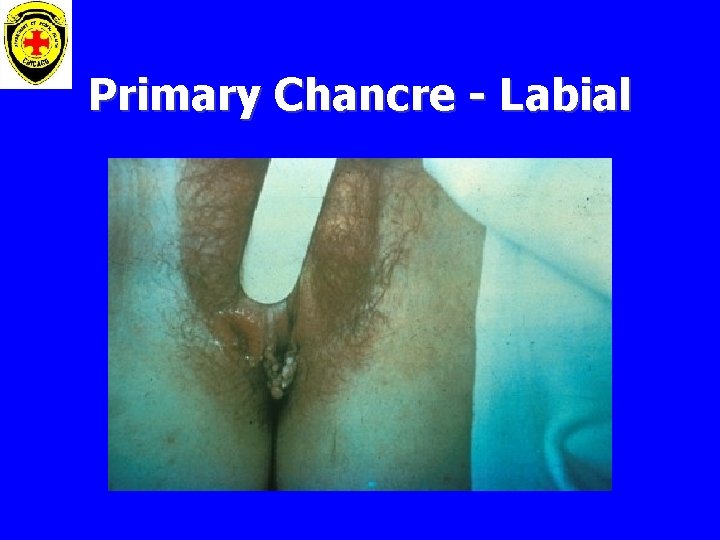
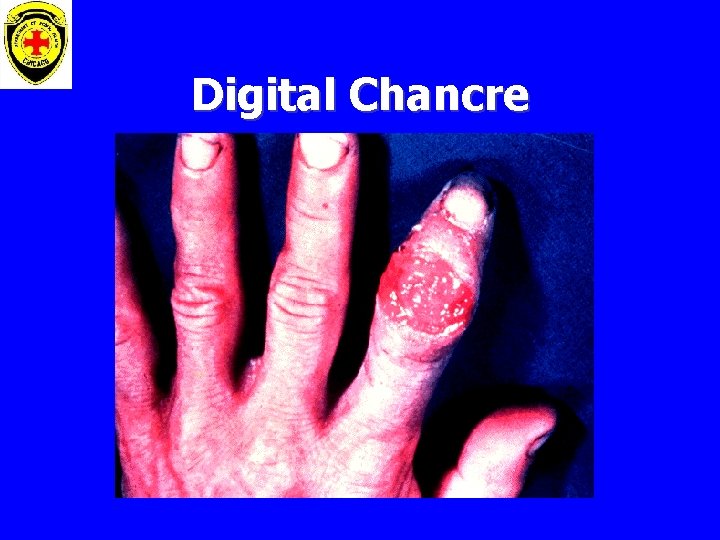
Chancre characteristics • Chancre usually solitary, but multiple lesions can occur • May occur at any site in the genital tract: – coronal sulcus, glans, frenum, prepuce, shaft of penis, anorectal area, fourchette, vulva, cervix • May occur in the oropharyngeal area: – lip, tongue, tonsil • And may occur wherever treponemes are inoculated
Penile Chancre
Penile Chancre
Penile Chancre
Rolled Edges
Crusted Chancre
Chancres – 18 th Century
Multiple Chancres
Primary Chancre - Labial
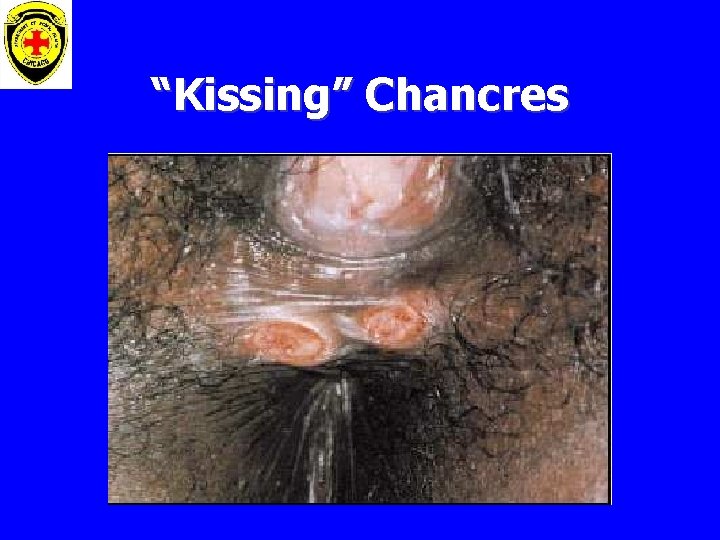
“Kissing” Chancres
“Kissing” Chancres
Perianal Chancre
Chancre of the Tongue
Oral Chancre - Lip
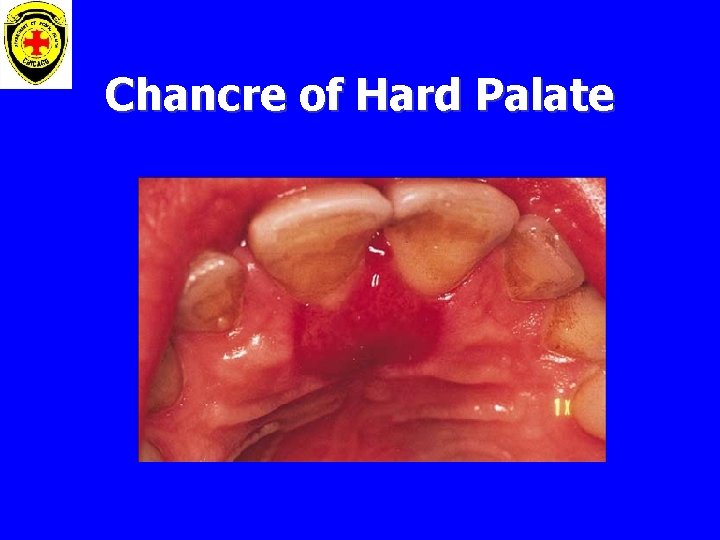
Chancre of Hard Palate
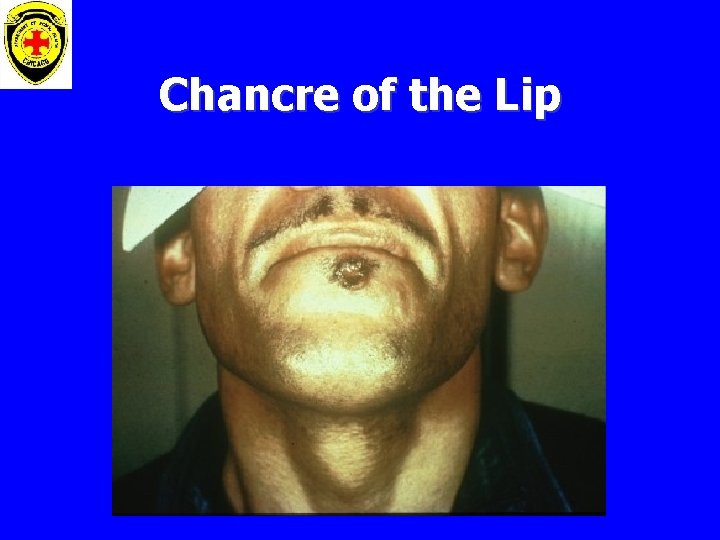
Chancre of the Lip
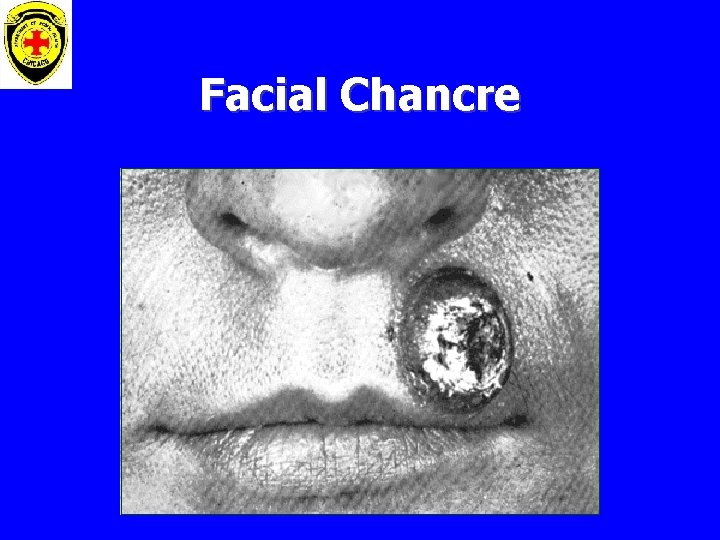
Facial Chancre
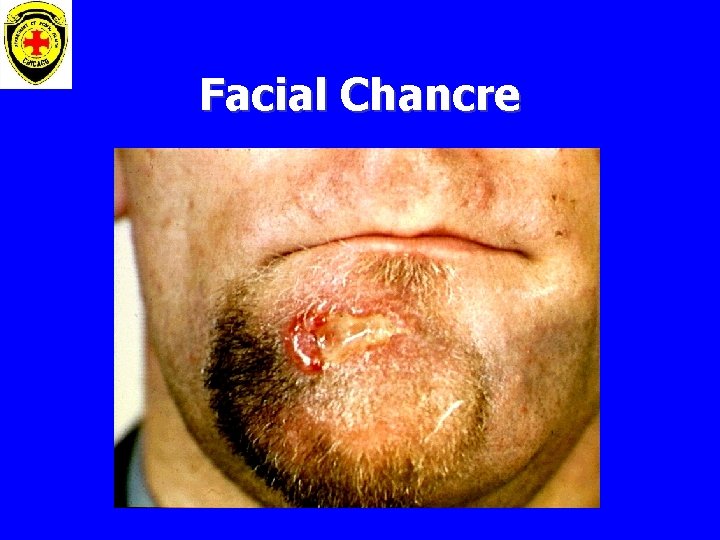
Facial Chancre
Digital Chancre
Conclusions • The typical primary syphilitic chancre is solitary, indurated, and painless, but many clinical variants occur • Most chancres are genital, or perianal, but may occur anywhere T. pallidum is inoculated • The primary histopathology seen in syphilis is arteritis and periarteritis
Sources of Information The following sites are useful if more information on syphilis is sought: www. cdc. gov Centers for Disease Control www. who. int World Health Organization www. ashastd. org American Social Hygiene Assoc www. vnh. org Virtual Naval Hospital