Section 4 Sound and Hearing Properties of Sound

- Slides: 29
Section 4 Sound and Hearing
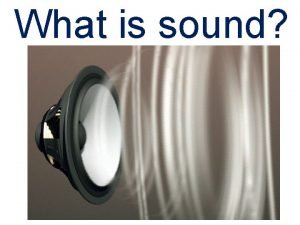
Properties of Sound Waves • Sound waves are longitudinal waves — compressions and rarefactions that travel through a medium. • Many behaviors of sound can be explained using a few properties— speed, intensity and loudness, and frequency and pitch.
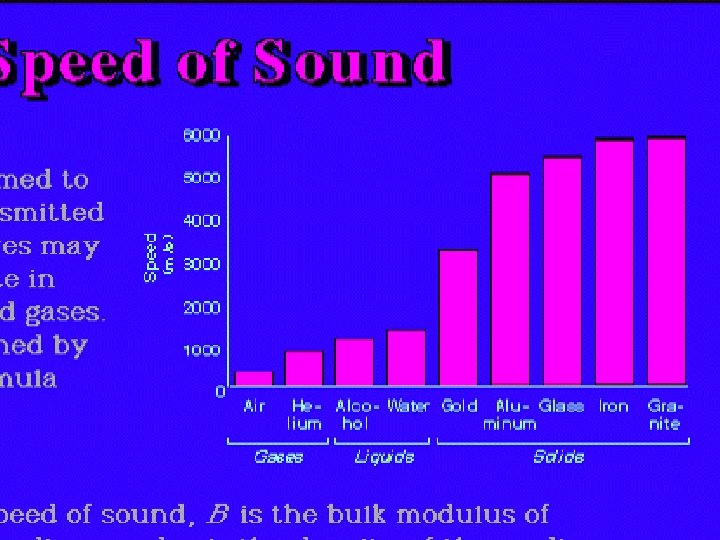
Speed of Sound • Speed of a wave depends on the medium it travels in • The speed of sound is determined by the temperature, elasticity, and density of the medium through which the sound travels.
Speed of Sound • Temperature: • Low temperatures makes the medium vibrate slower, Hence slowing the speed of sound • Elasticity: • Solids are generally more elastic than liquids and liquids are generally more elastic than gases • Density: • If the medium is the same, the speed of sound is slower the more dense it is.
Intensity and Loudness • The amount of energy carried by a wave in a certain amount of time • Intensity determines the loudness of a sound • Intensity scale is measured in the unit Decibel (d. B) Over 140 d. B is painful for humans Instant Perforation of Eardrum 160 d. B
Frequency and Pitch • Pitch: • A description of a sound as high or low • The pitch of a sound wave is determined by how the number of waves produced in a given time (Frequency) • Thus the pitch of a sound depends on the frequency of waves
Frequency and Pitch • Humans can hear from about 20 to 20, 000 hertz • Sounds higher than 20, 000 hertz are known as Ultrasonic • Sounds lower than 20 hertz are known as Infrasonic
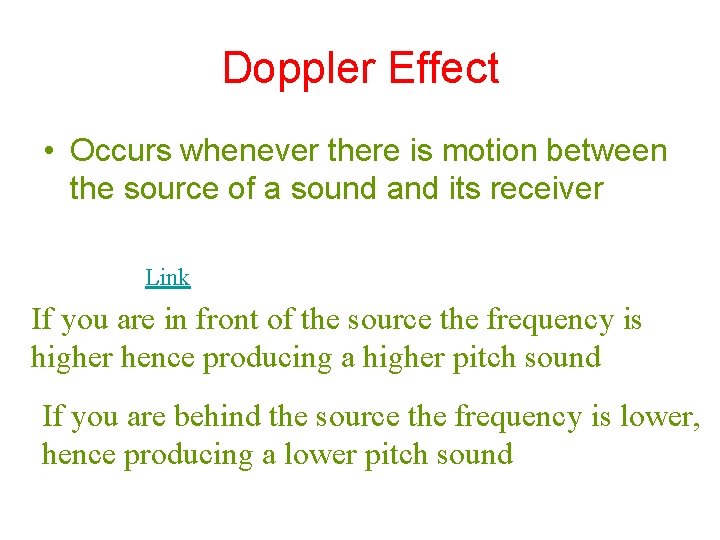
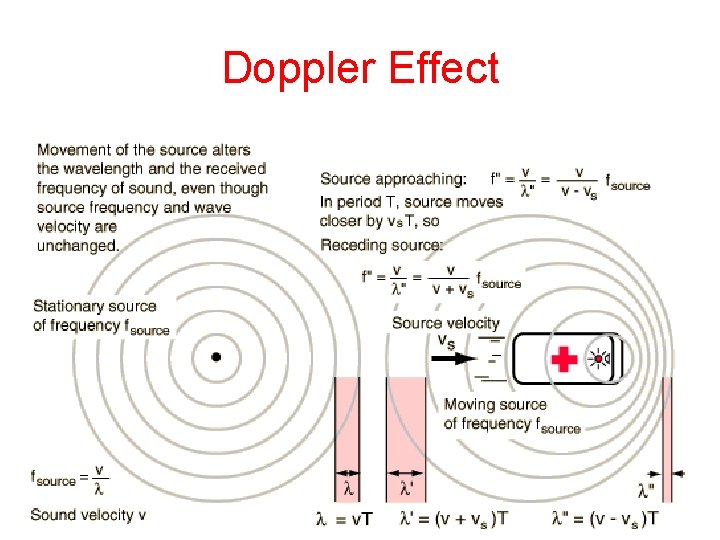
Doppler Effect • Occurs whenever there is motion between the source of a sound and its receiver Link If you are in front of the source the frequency is higher hence producing a higher pitch sound If you are behind the source the frequency is lower, hence producing a lower pitch sound
Doppler Effect
Sound Uses • Sound has many applications in the medical field, cleaning, and locating objects.
Sonar • Sound Navigation and Ranging • High frequency ultrasonic waves used to see using sound. • Research ships use this to find sunken ships. • The Navy used it to map all of the worlds oceans, submarines use it to see, and battleships use it to find subs. • Fishing boats use it to find fish. • Cameras use it to automatically focus.
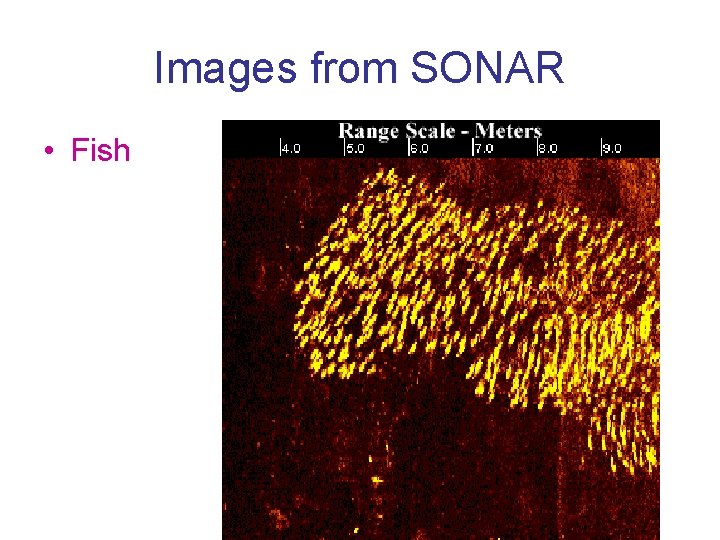
Images from SONAR • Fish
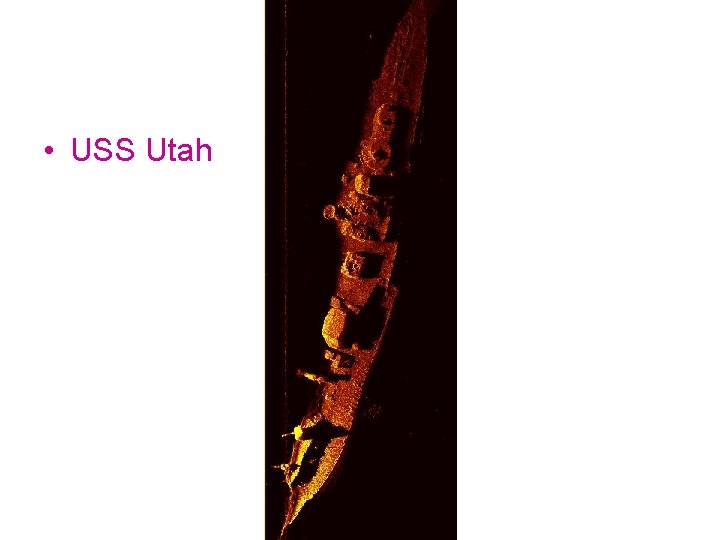
• USS Utah
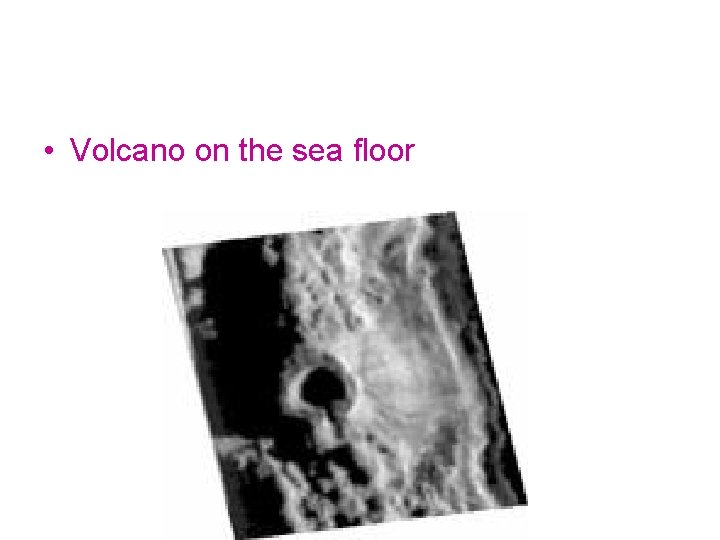
• Volcano on the sea floor
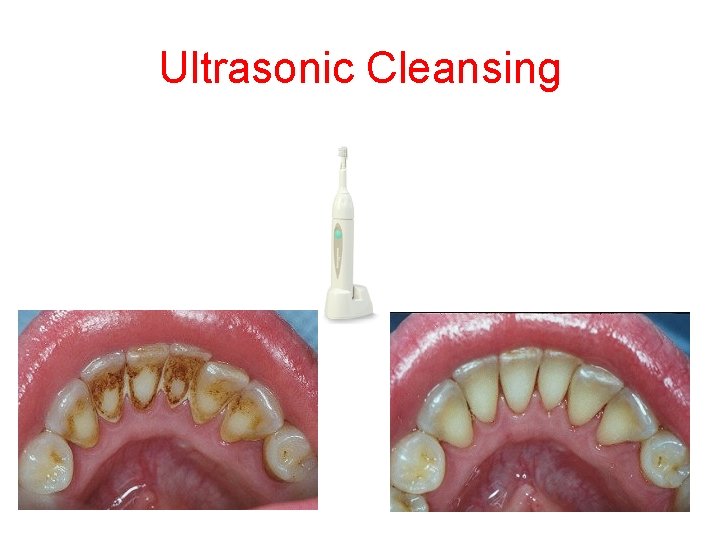
Ultrasonic Cleansing • Used on objects that are too delicate to clean with sponges • Jewelry, electronic components, delicate machine parts. • Teeth are also cleaned ultrasonically
Ultrasonic Cleansing
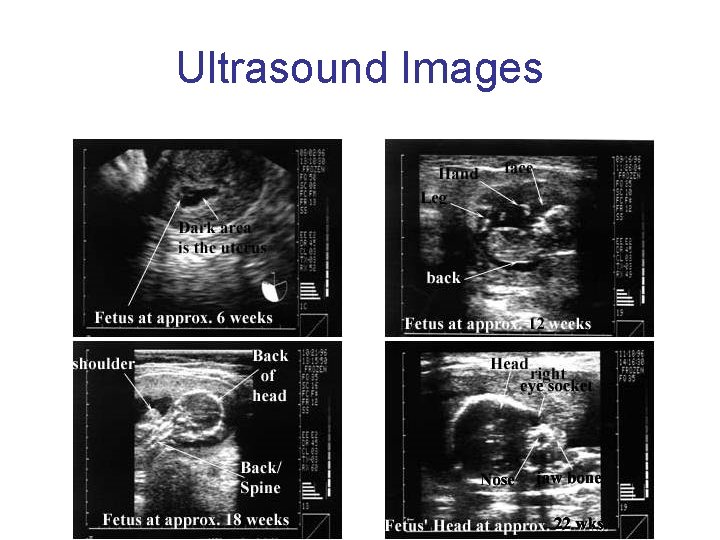
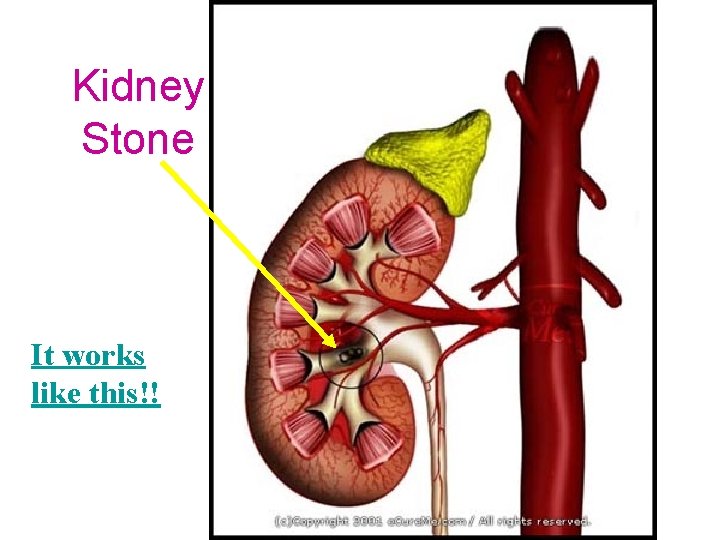
Sound and Medicine • Used to diagnose medical problems • Used as an X-ray • Used to take pictures of babies (Ultrasound) • Used to destroy calcium build-ups in the body (kidney stones, gall stones)
Ultrasound Images
Kidney Stone It works like this!!
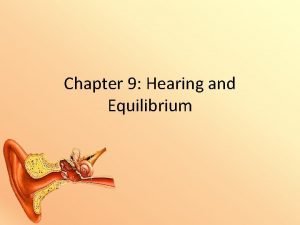
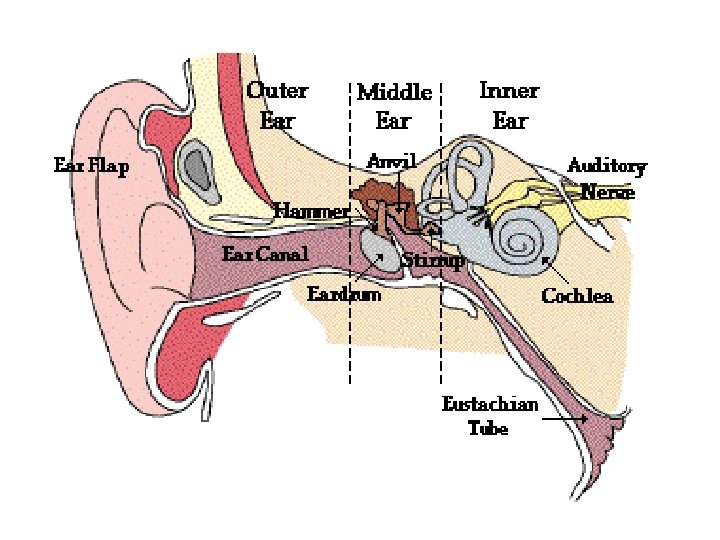
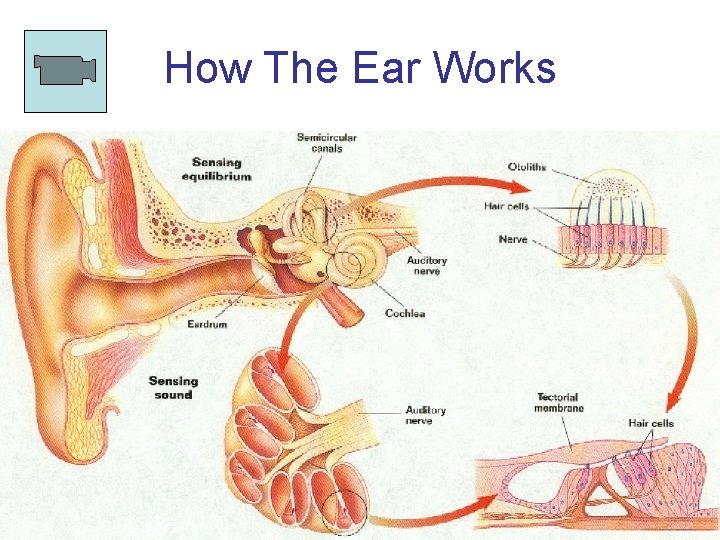
The Ear • In humans, the organ of the body that detects sound is the ear. • There are three parts to the human ear • Outer • Middle • Inner
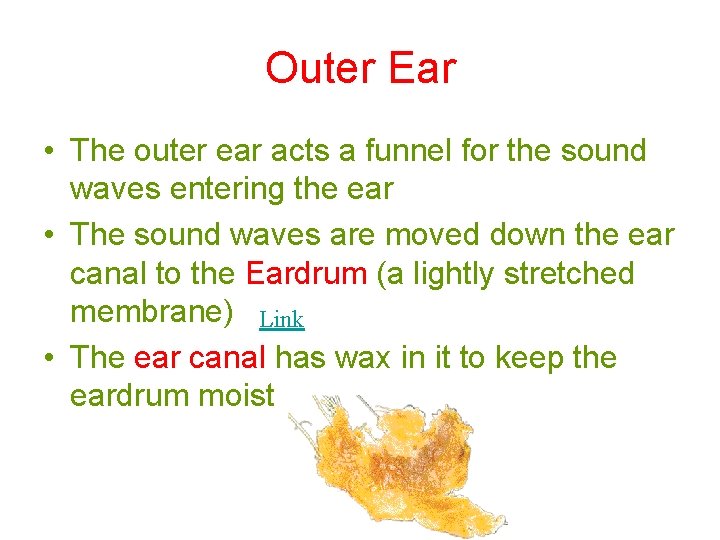
Outer Ear • The outer ear acts a funnel for the sound waves entering the ear • The sound waves are moved down the ear canal to the Eardrum (a lightly stretched membrane) Link • The ear canal has wax in it to keep the eardrum moist
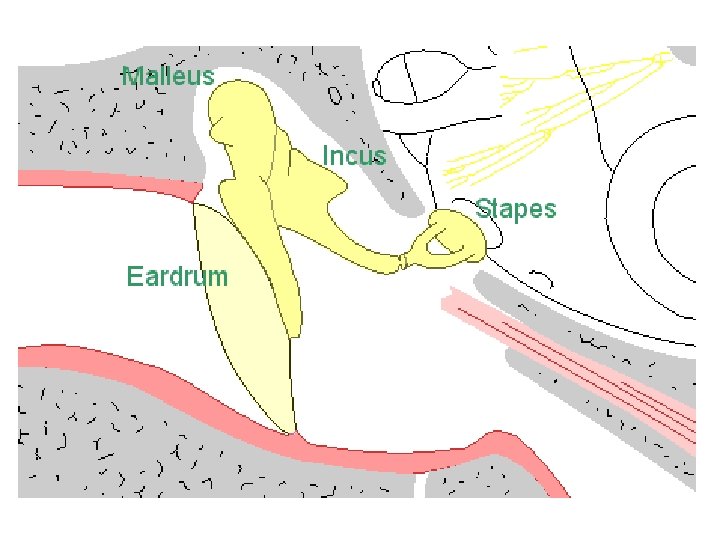
Middle Ear • Contains the three smallest bones in the human body • The Hammer – picks up the vibrations from the eardrum • The Anvil – gets the vibrations from the hammer and transmits them to • The Stirrup – it transmits vibrations to another membrane
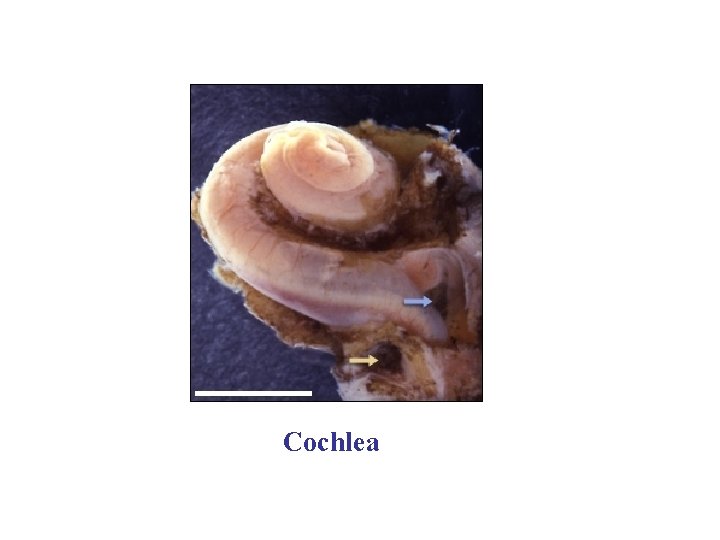
Inner Ear • The vibrations are channeled into the Cochlea • Cochlea – shaped like a snail shell contains a liquid and hundreds of cells connected to nerve fibers. • These nerve fibers form one nerve that send impulses to the brain where it is interpreted as sound
Cochlea
How The Ear Works
Reviewing Concepts • 1. List five properties used to explain the behavior of sound waves. • 2. Name two uses for ultrasound. • 3. What is the Doppler effect? • 4. What are the ear’s three main regions? Describe the function of each region.