
Samoan 101101 G Language 1 th 26 of


- Slides: 38
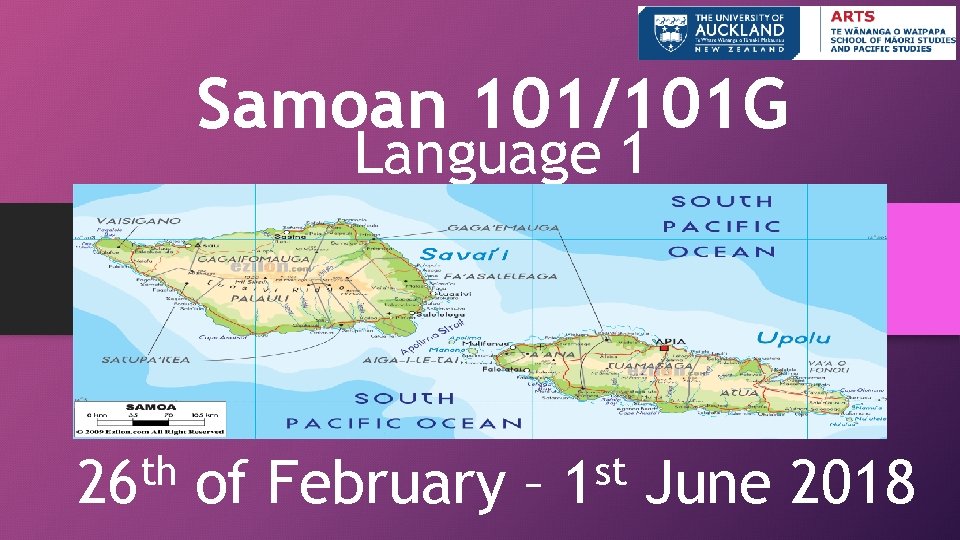
Samoan 101/101 G Language 1 th 26 of February – st 1 June 2018
Fa’amanatu
Samoan 101/101 G Language 1 Lecture 2 Fa’aleoga: Pronunciation Lecture 2: 27 Fepuari, 2018
Fa’amoemoe/Lecture Objective Be familiar with le Pi Faitau/Samoan alphabet and its pronunciation Vaoeli/Vowels Konesane/Consonants Koma liliu/Glottal Stops, Dipthongs, colloquial pronunciation
O le amataga……………. In the beginning………….
Sa na’o le ‘upu’ There was only the ‘word’
PI FAITAU: Samoan alphabet • A, E, I, O, U, F, G, L, M, N, P, S, T, V, H, K R, ‘
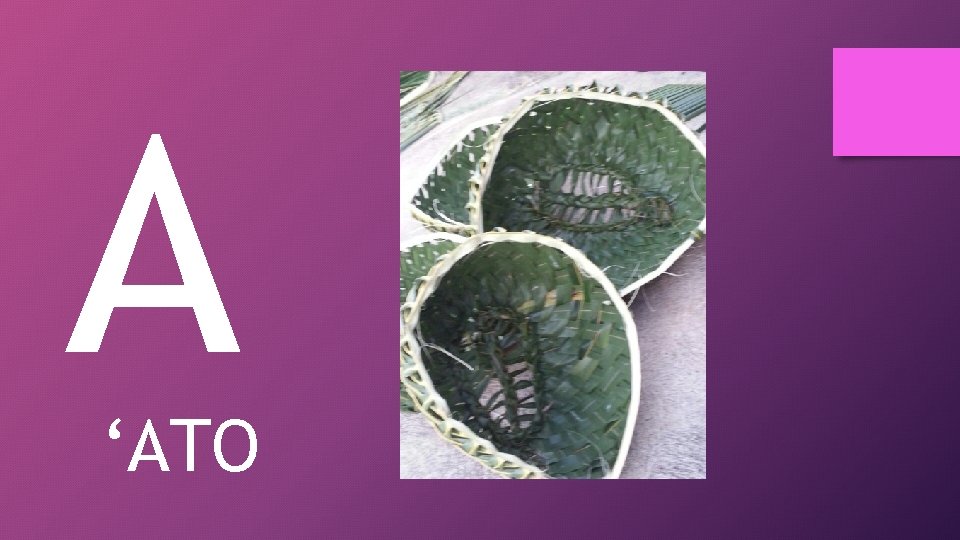
A ‘ATO
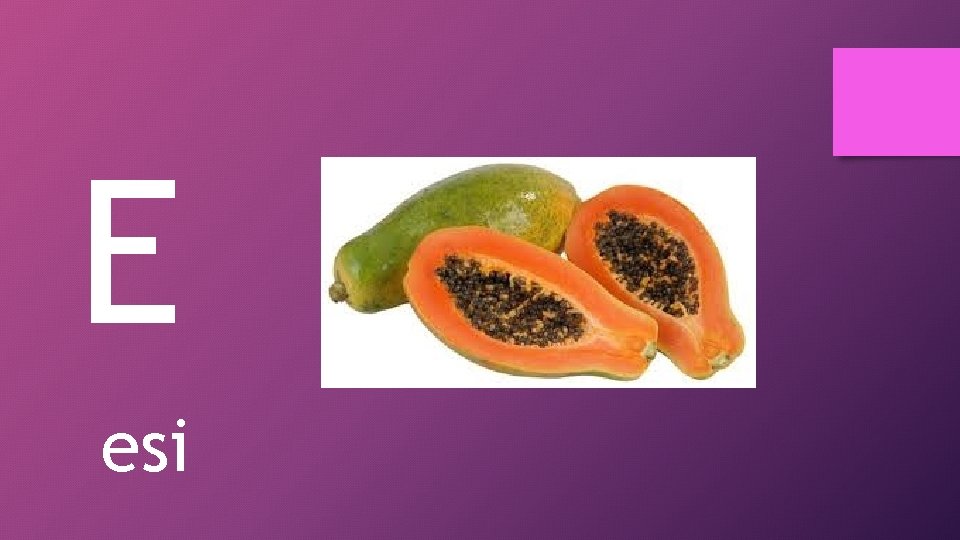
E esi
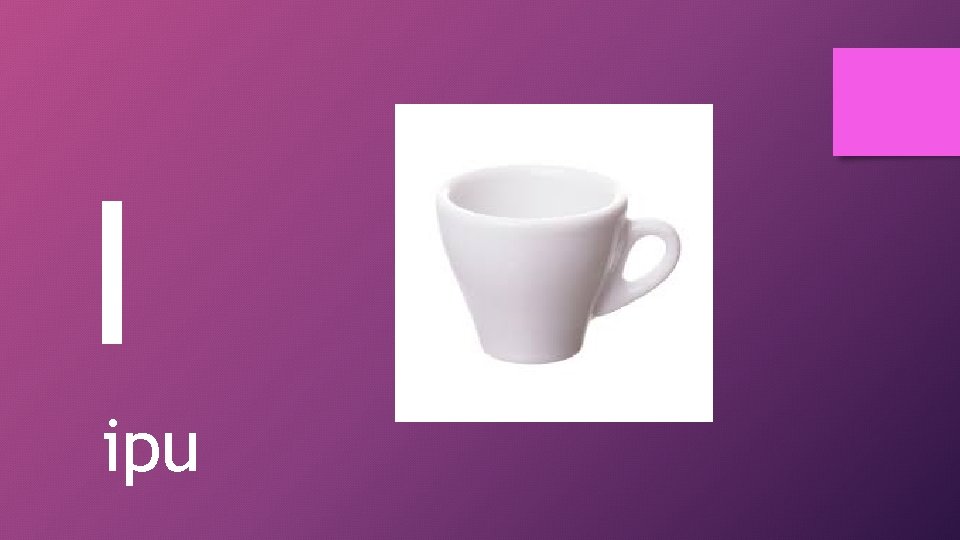
I ipu
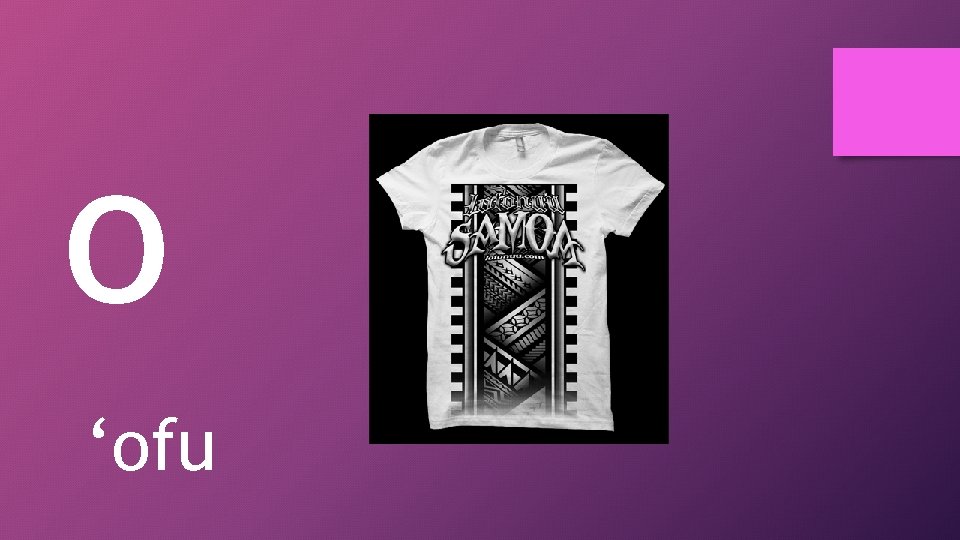
o ‘ofu
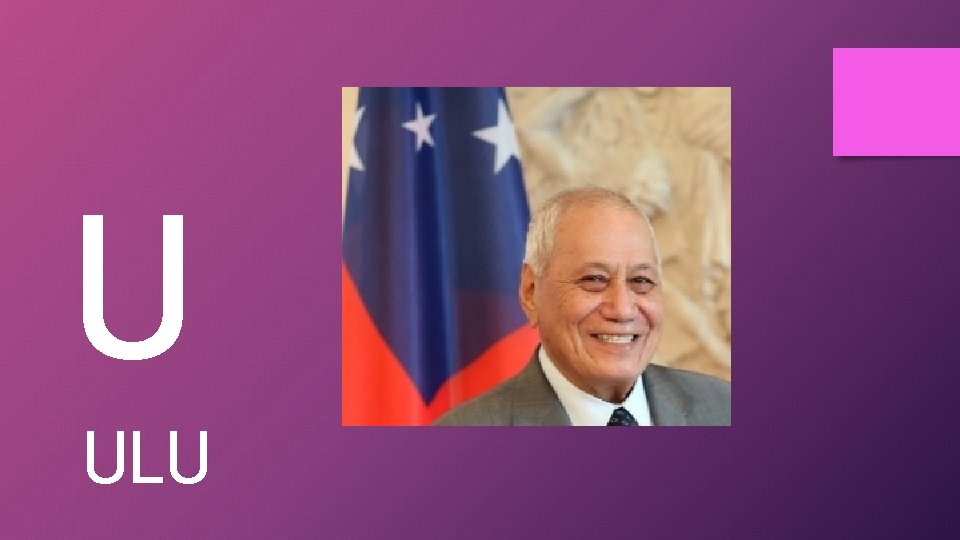
U ULU
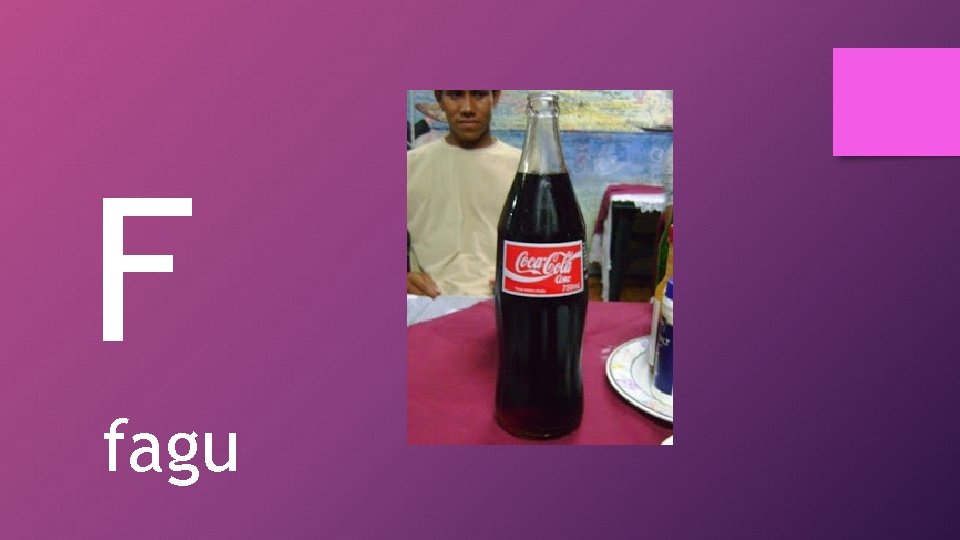
F fagu
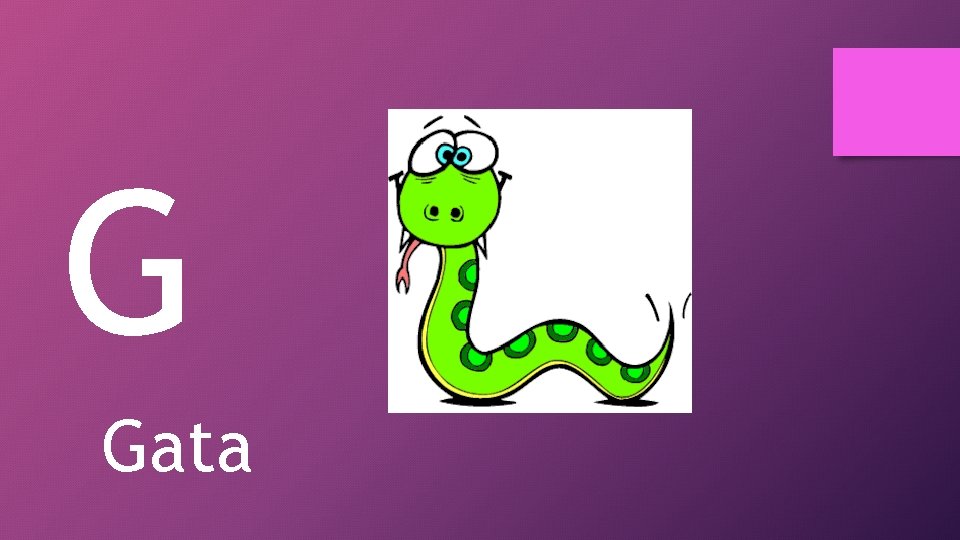
G Gata
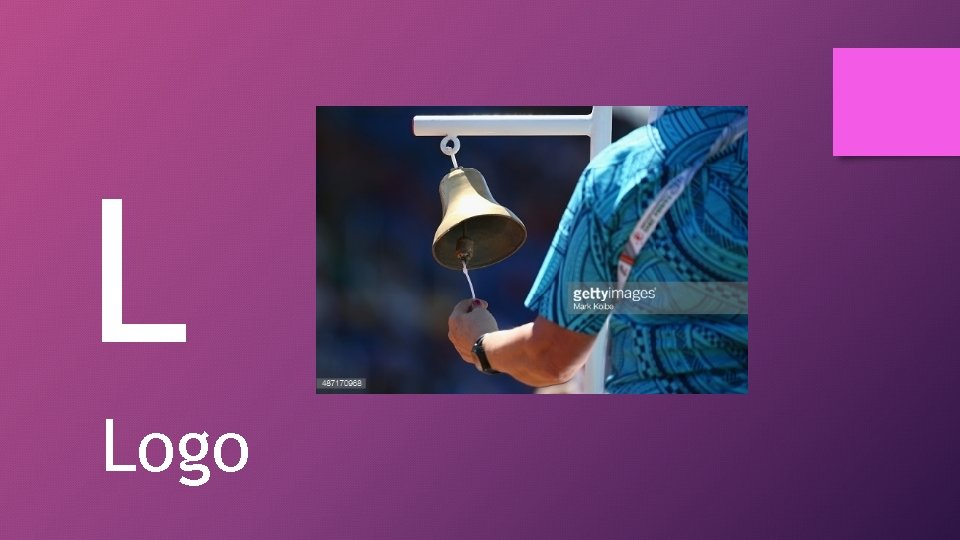
L Logo
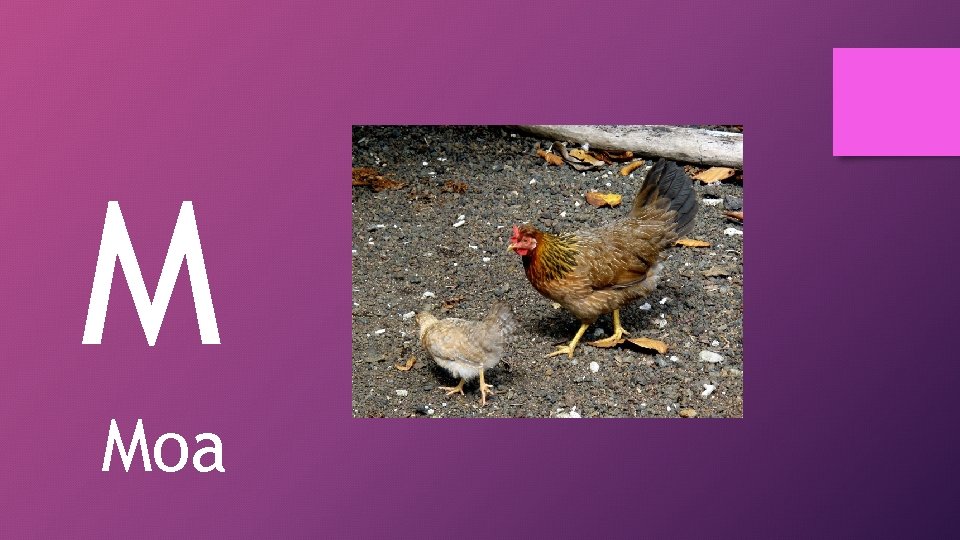
M Moa
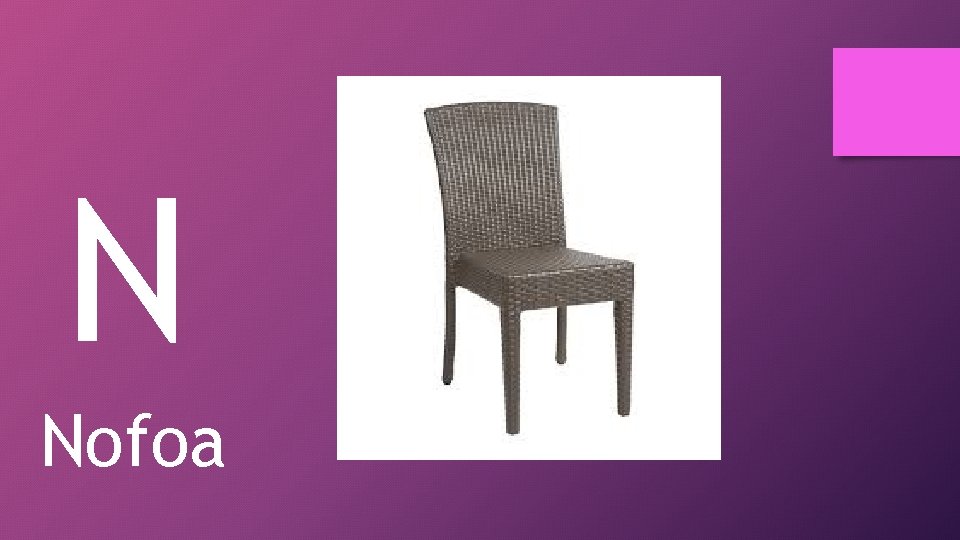
N Nofoa
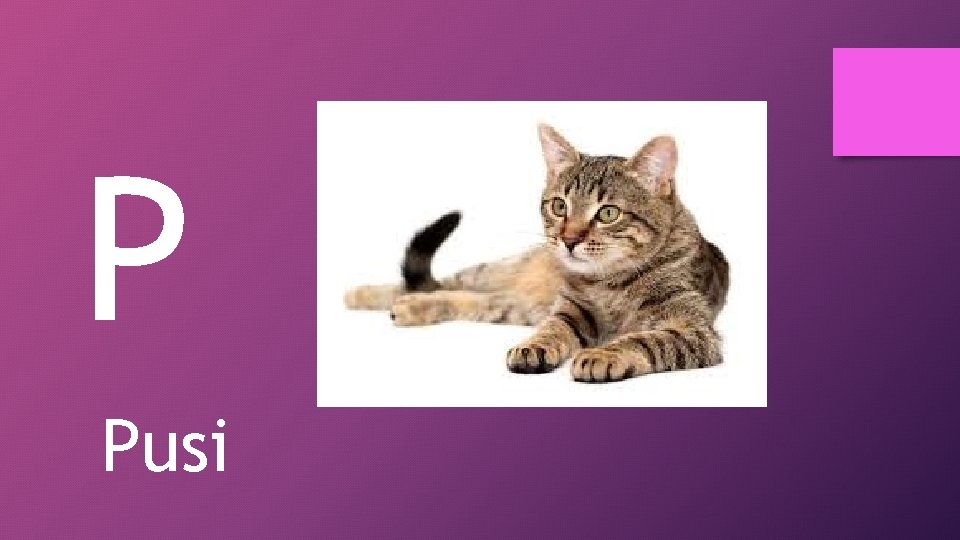
P Pusi
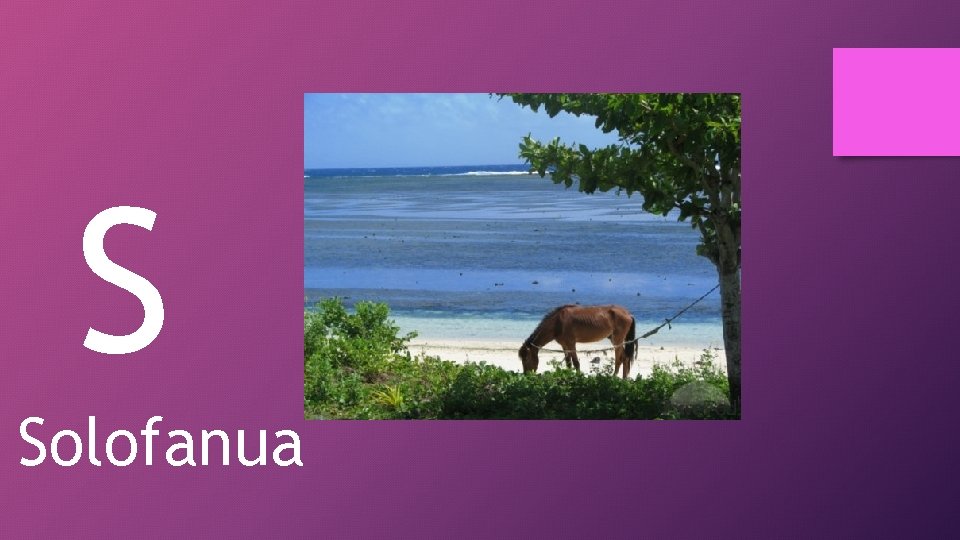
S Solofanua
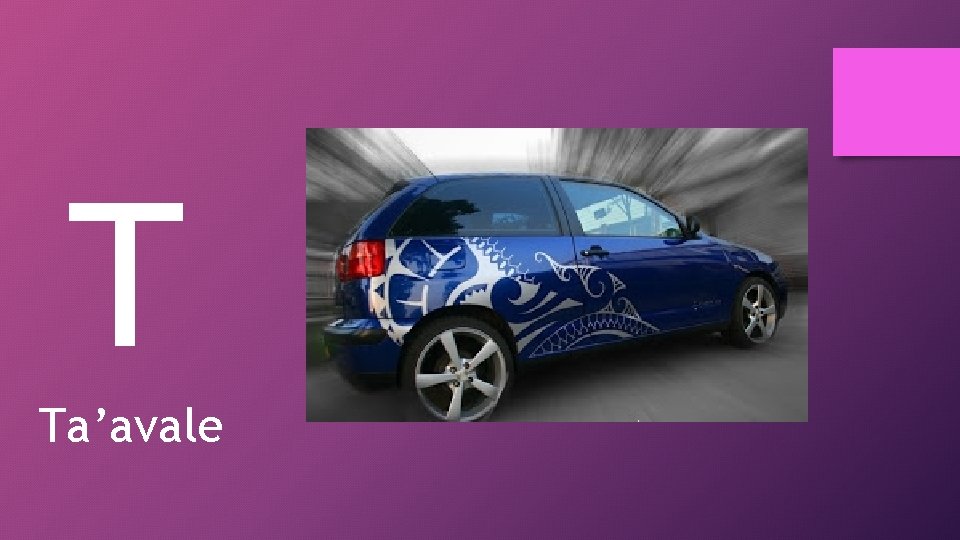
T Ta’avale
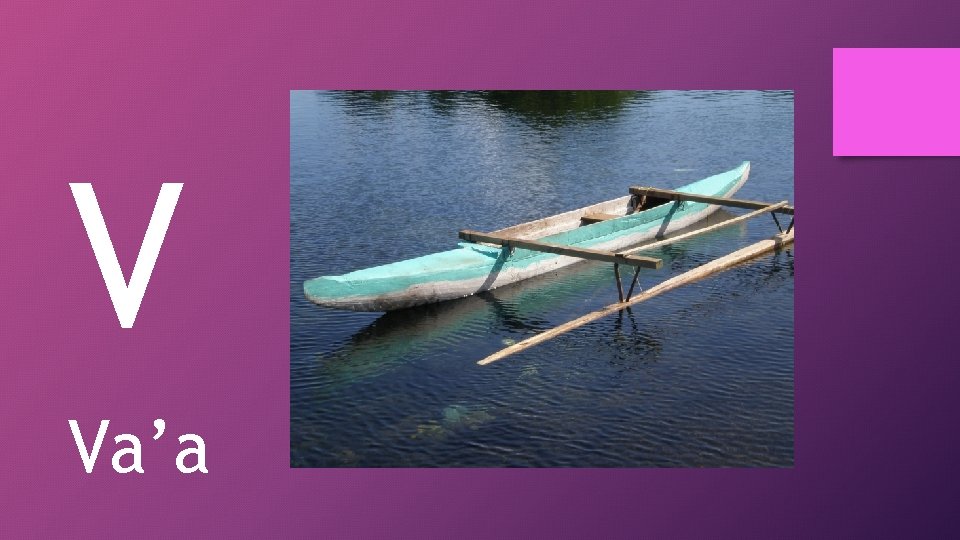
V Va’a
PI FAITAU: SAMOAN ALPHABET A, E, I, O, U, F, G, L, M, N, P, S, T, H, V, K, R
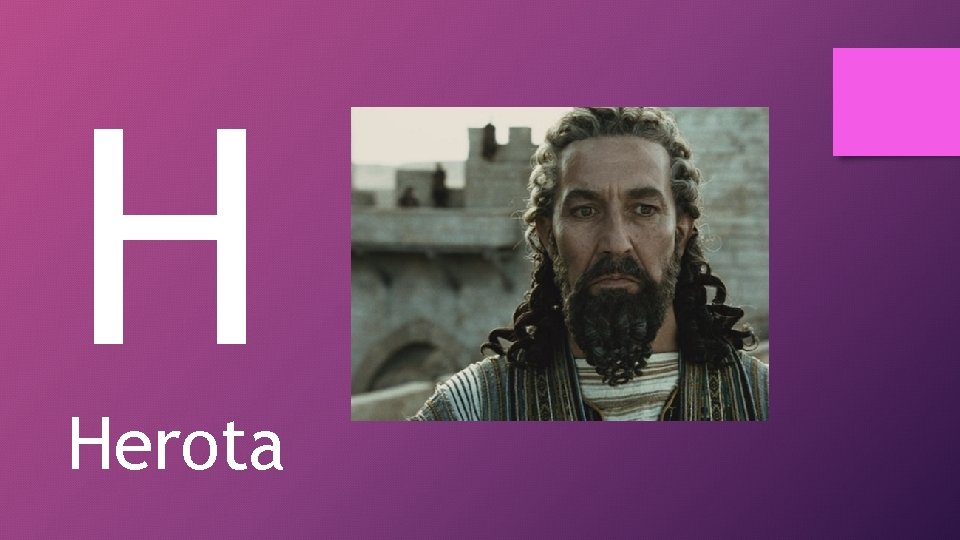
H Herota
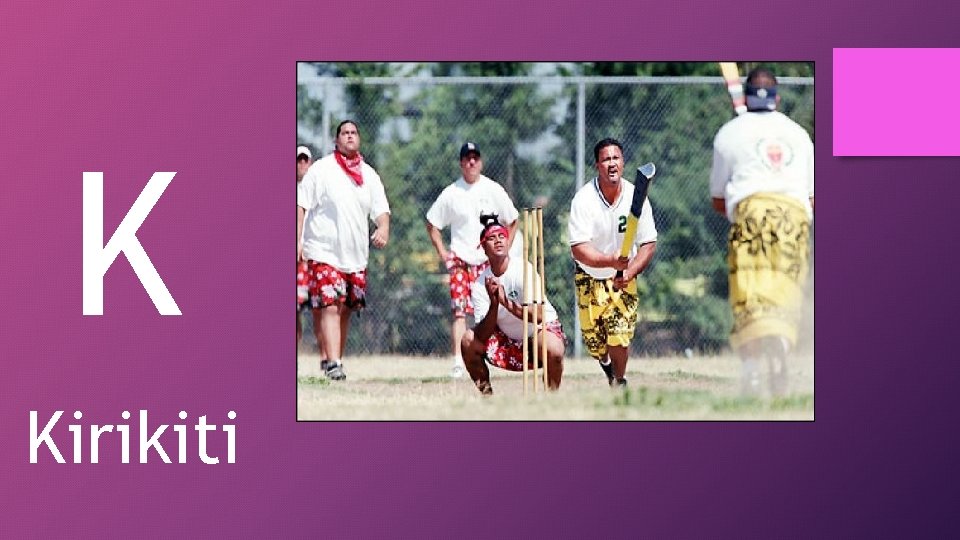
K Kirikiti
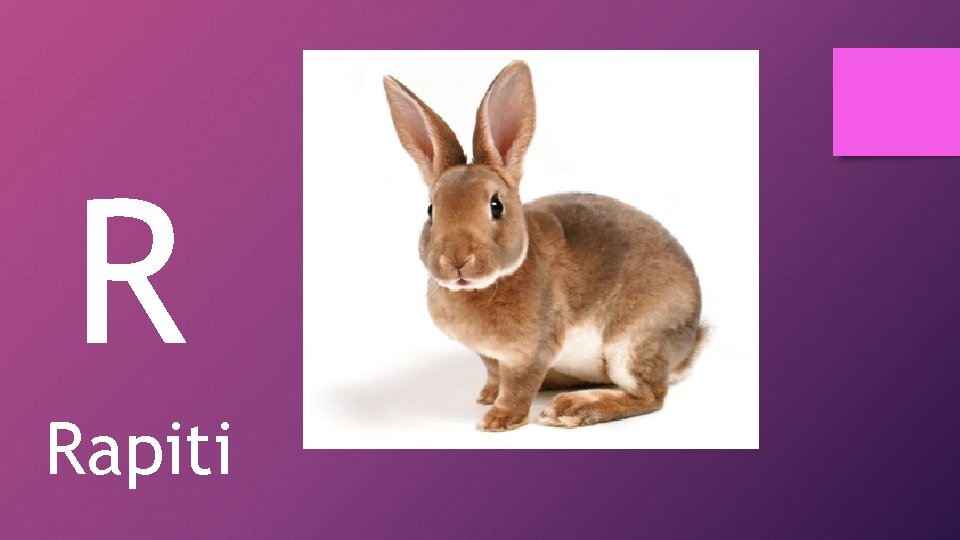
R Rapiti
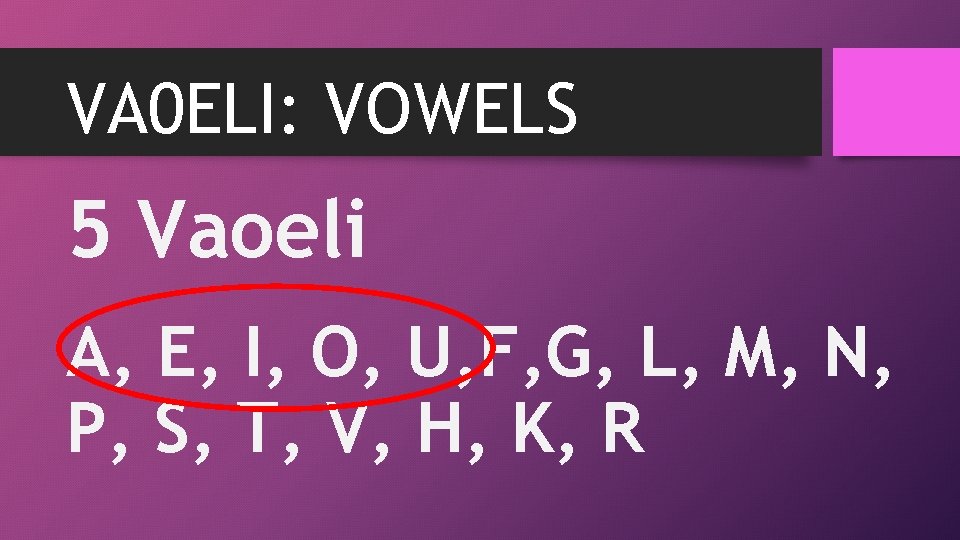
VA 0 ELI: VOWELS 5 Vaoeli A, E, I, O, U, F, G, L, M, N, P, S, T, V, H, K, R
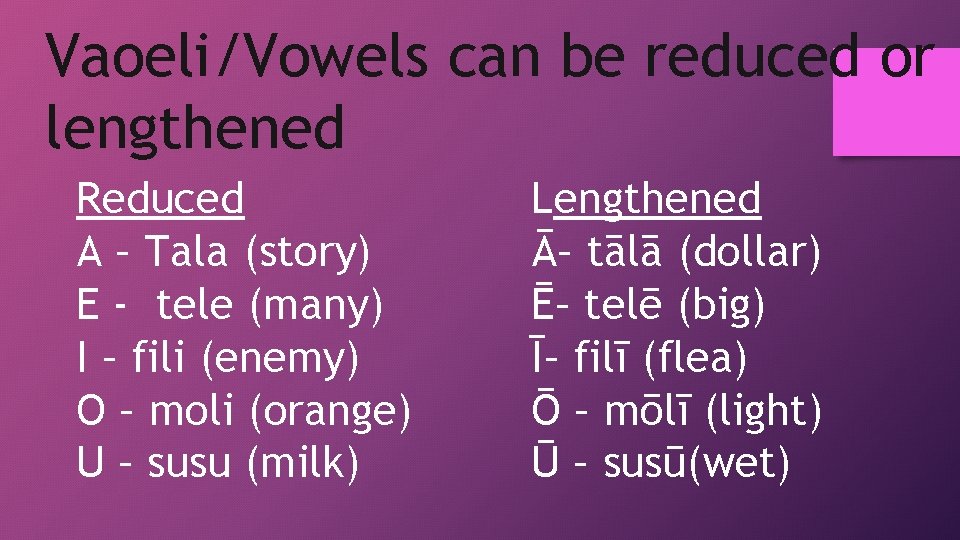
Vaoeli/Vowels can be reduced or lengthened Reduced A – Tala (story) E - tele (many) I – fili (enemy) O – moli (orange) U – susu (milk) Lengthened Ā– tālā (dollar) Ē– telē (big) Ī– filī (flea) Ō – mōlī (light) Ū – susū(wet)
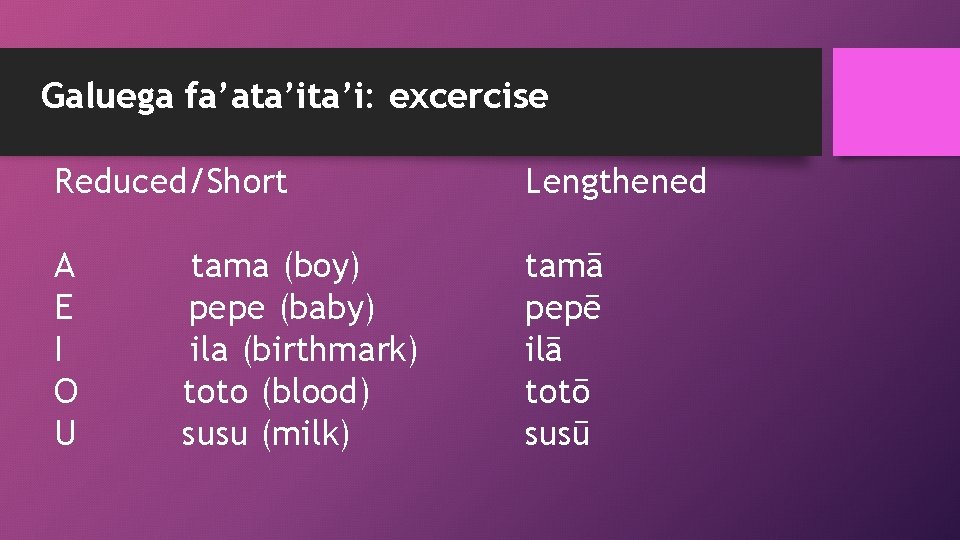
Galuega fa’ata’i: excercise Reduced/Short Lengthened A E I O U tamā pepē ilā totō susū tama (boy) pepe (baby) ila (birthmark) toto (blood) susu (milk)
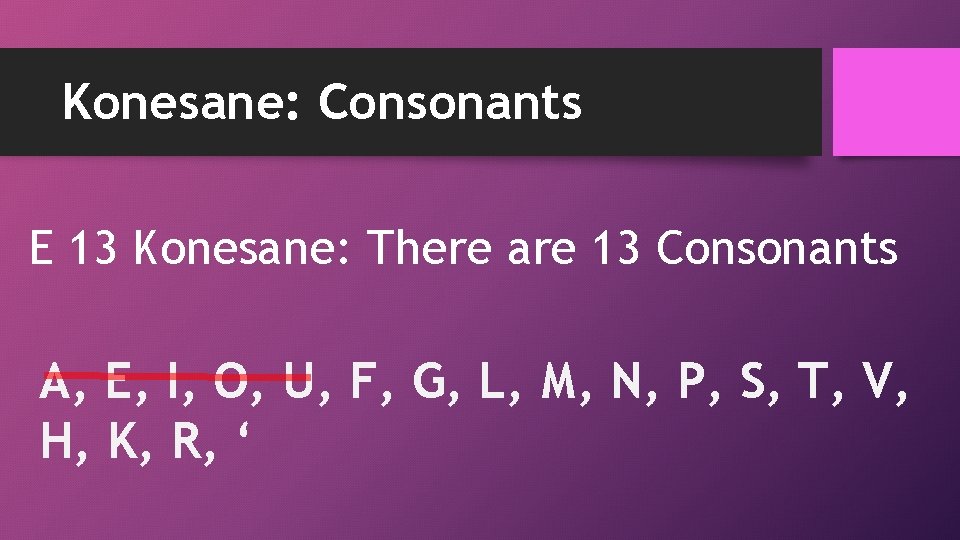
Konesane: Consonants E 13 Konesane: There are 13 Consonants A, E, I, O, U, F, G, L, M, N, P, S, T, V, H, K, R, ‘
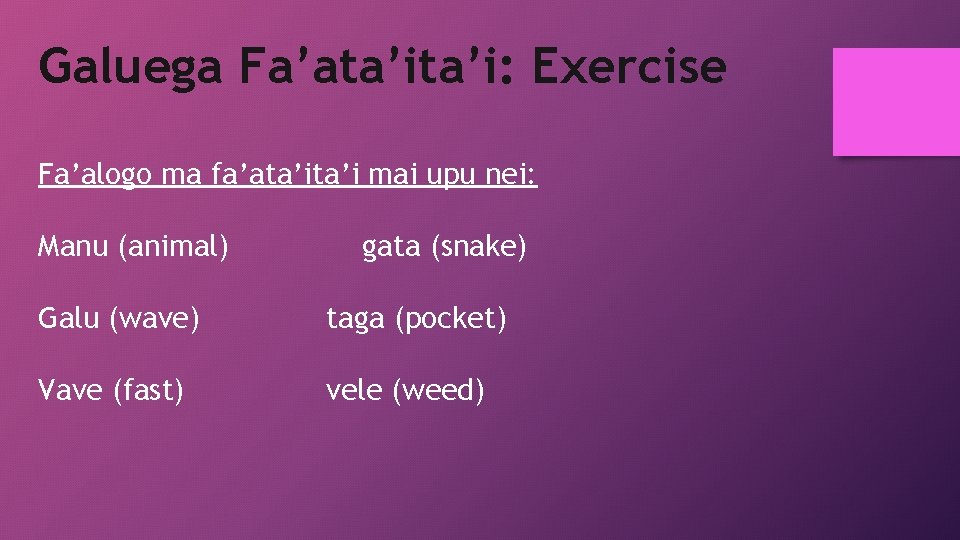
Galuega Fa’ata’i: Exercise Fa’alogo ma fa’ata’i mai upu nei: Manu (animal) gata (snake) Galu (wave) taga (pocket) Vave (fast) vele (weed)
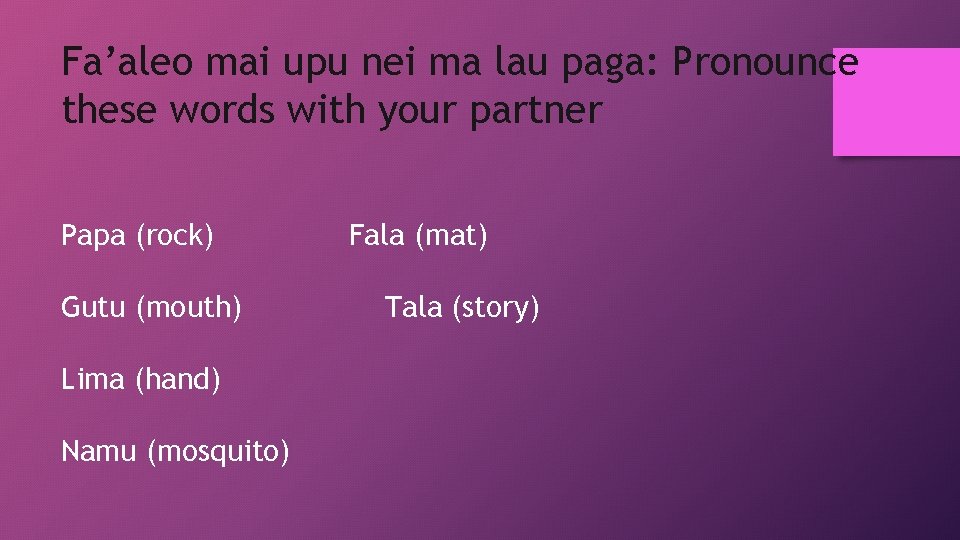
Fa’aleo mai upu nei ma lau paga: Pronounce these words with your partner Papa (rock) Gutu (mouth) Lima (hand) Namu (mosquito) Fala (mat) Tala (story)
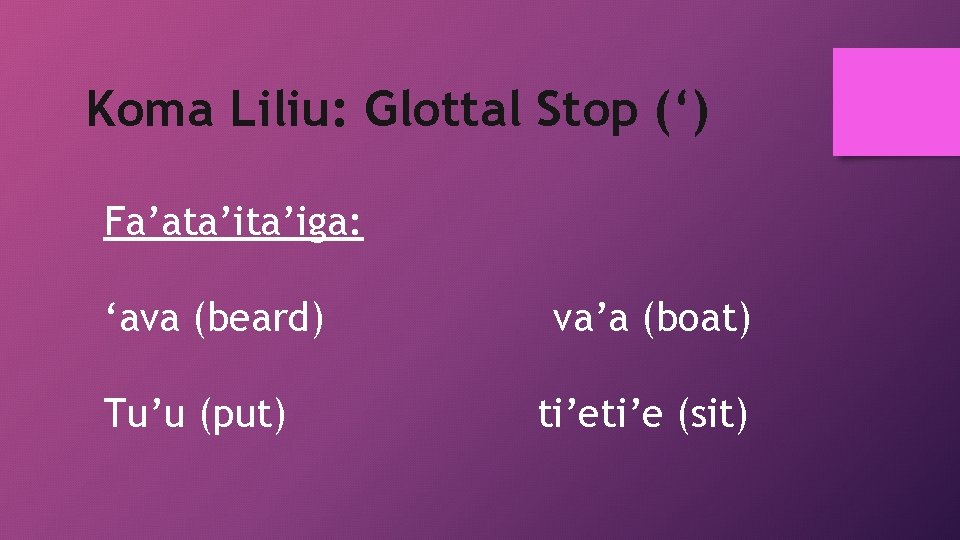
Koma Liliu: Glottal Stop (‘) Fa’ata’iga: ‘ava (beard) Tu’u (put) va’a (boat) ti’e (sit)
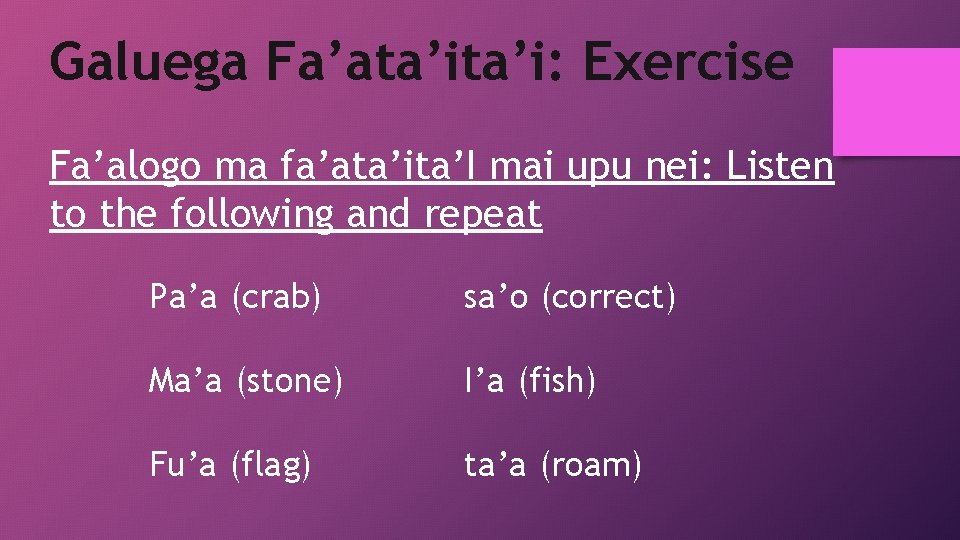
Galuega Fa’ata’i: Exercise Fa’alogo ma fa’ata’ita’I mai upu nei: Listen to the following and repeat Pa’a (crab) sa’o (correct) Ma’a (stone) I’a (fish) Fu’a (flag) ta’a (roam)
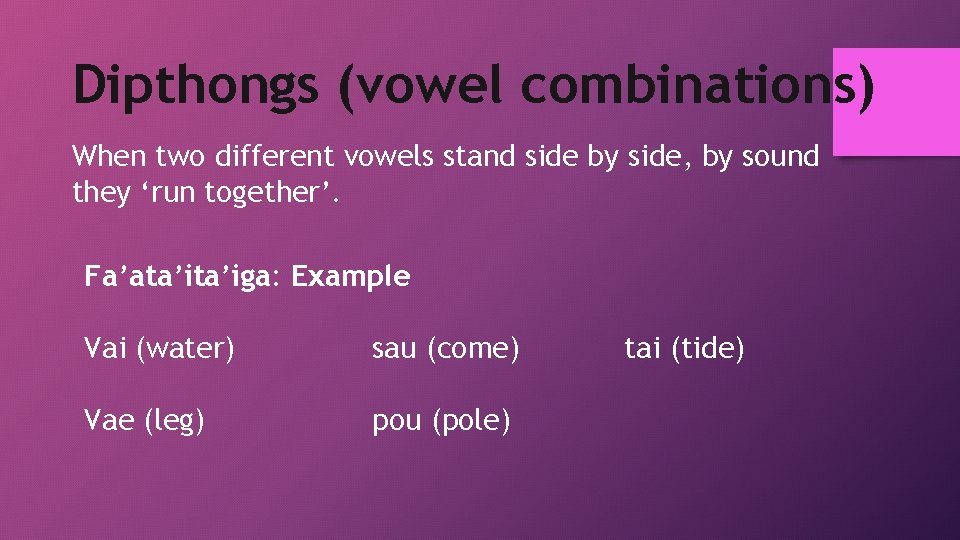
Dipthongs (vowel combinations) When two different vowels stand side by side, by sound they ‘run together’. Fa’ata’iga: Example Vai (water) sau (come) Vae (leg) pou (pole) tai (tide)
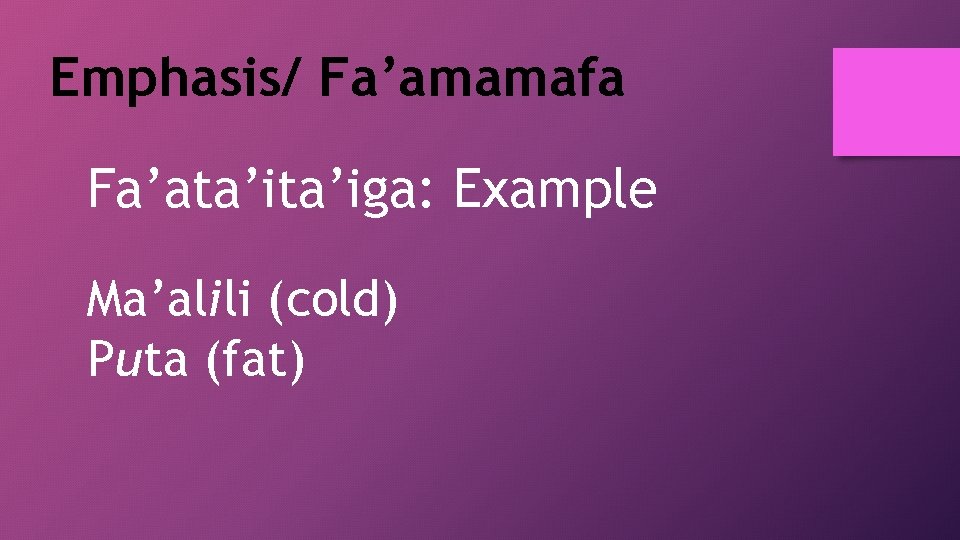
Emphasis/ Fa’amamafa Fa’ata’iga: Example Ma’alili (cold) Puta (fat)
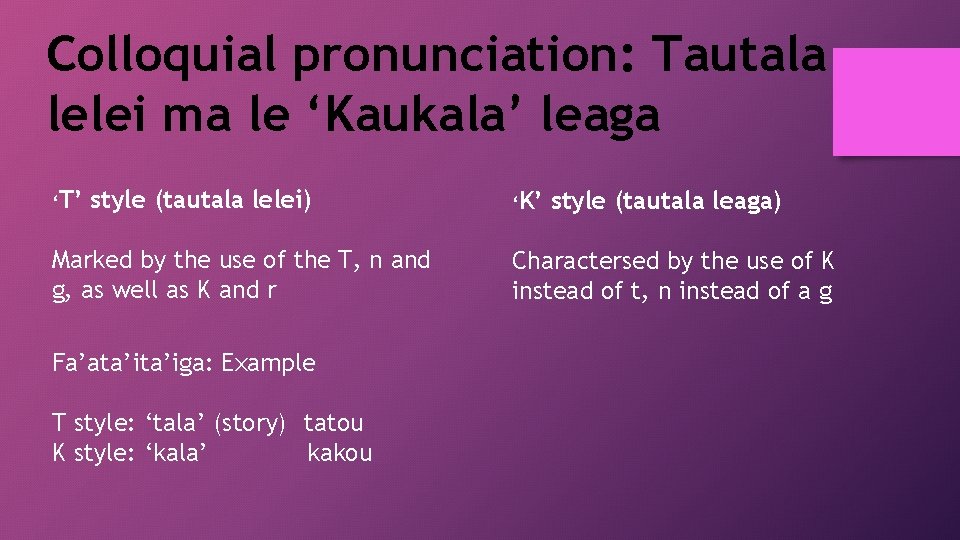
Colloquial pronunciation: Tautala lelei ma le ‘Kaukala’ leaga ‘T’ style (tautala lelei) Marked by the use of the T, n and g, as well as K and r Fa’ata’iga: Example T style: ‘tala’ (story) tatou K style: ‘kala’ kakou ‘K’ style (tautala leaga) Charactersed by the use of K instead of t, n instead of a g
Ia manuia lou aso