
Mutations A mutation is a permanent change in




- Slides: 39
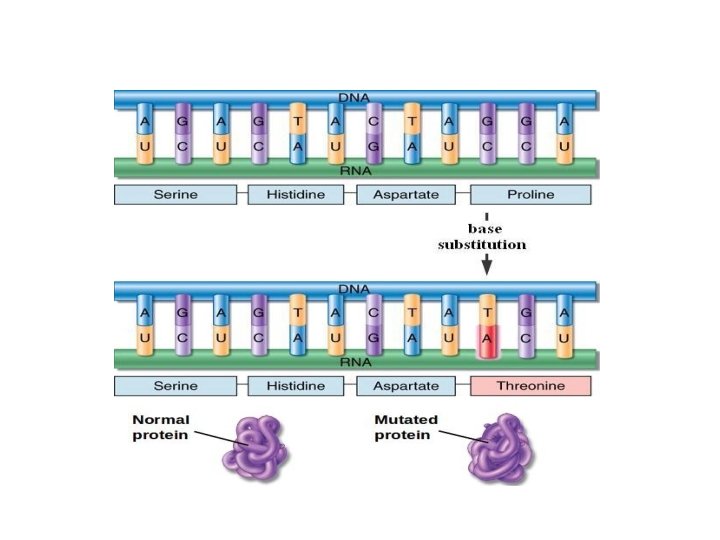
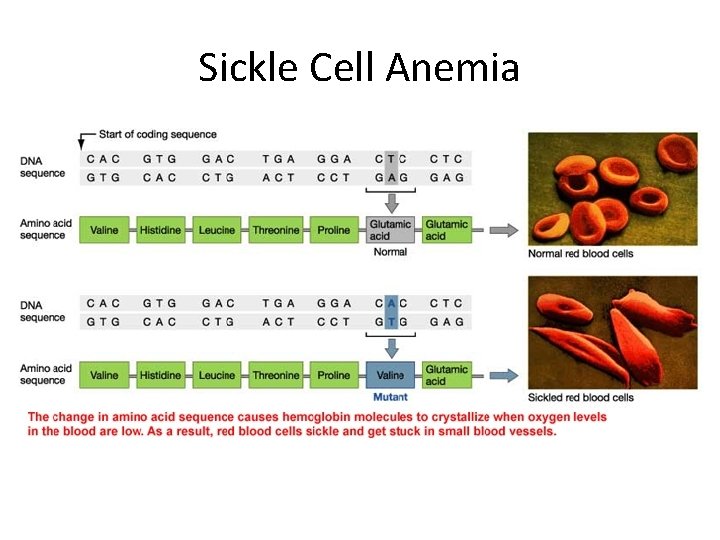
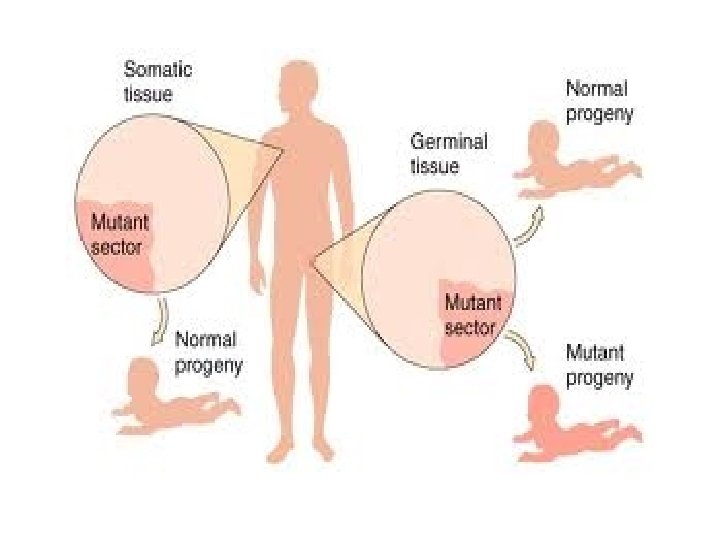
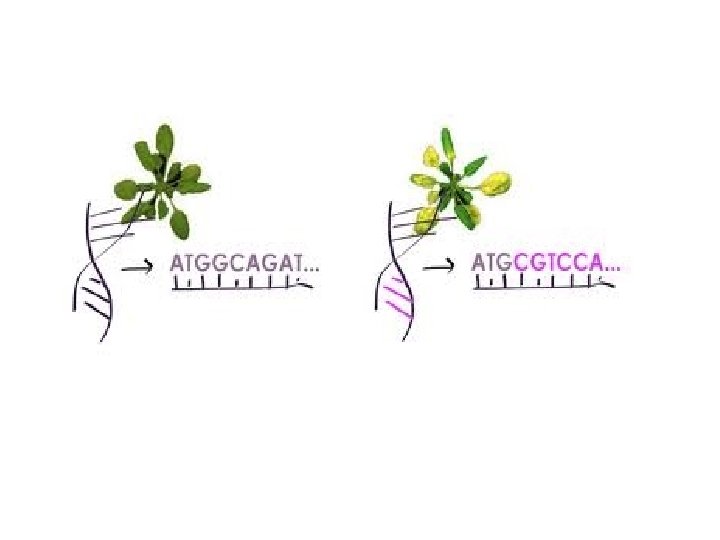
Mutations • A mutation is a permanent change in the DNA sequence of a gene. • Mutations in a gene's DNA sequence can alter the amino acid sequence of the protein encoded by the gene.
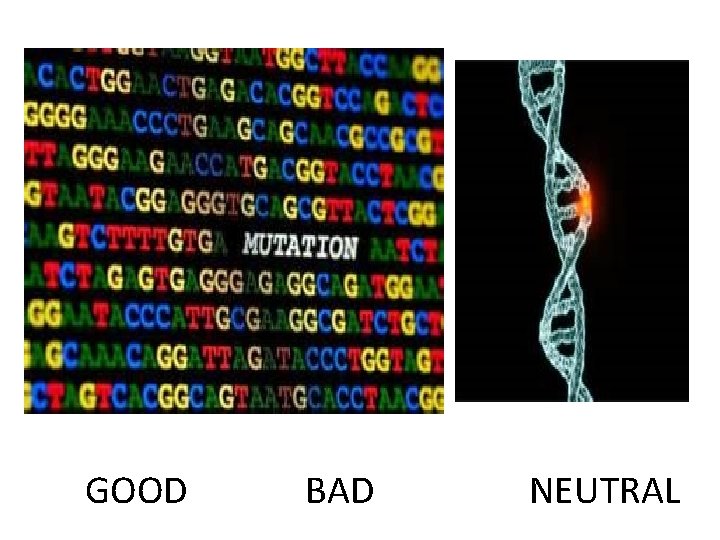
GOOD BAD NEUTRAL
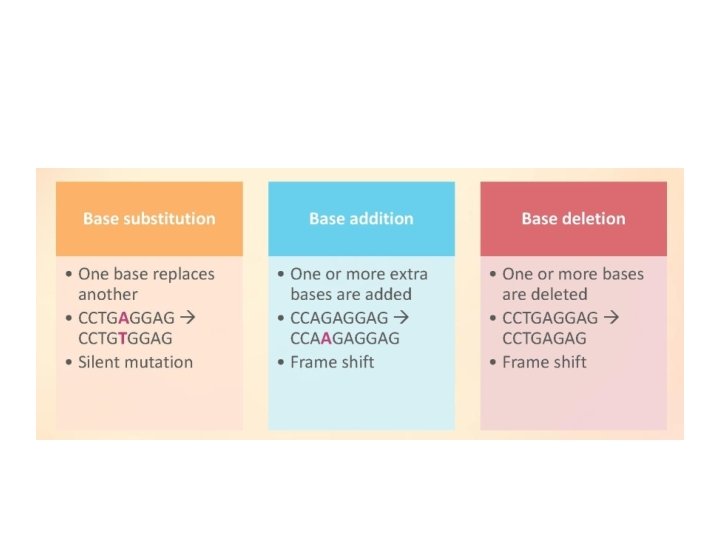
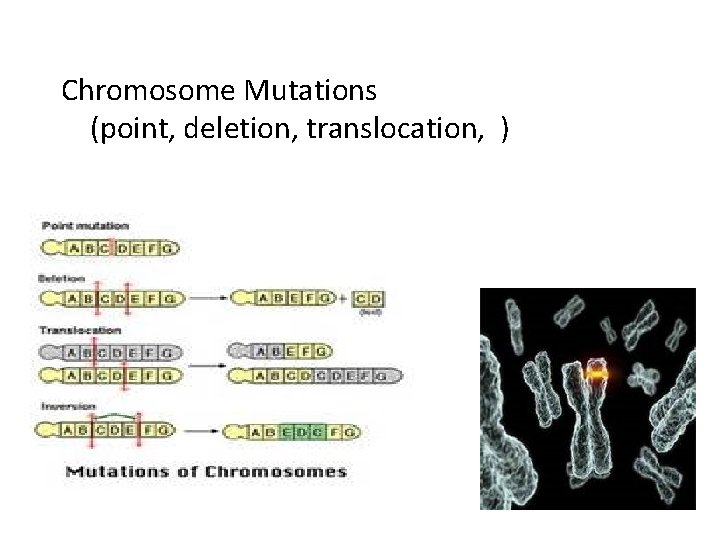
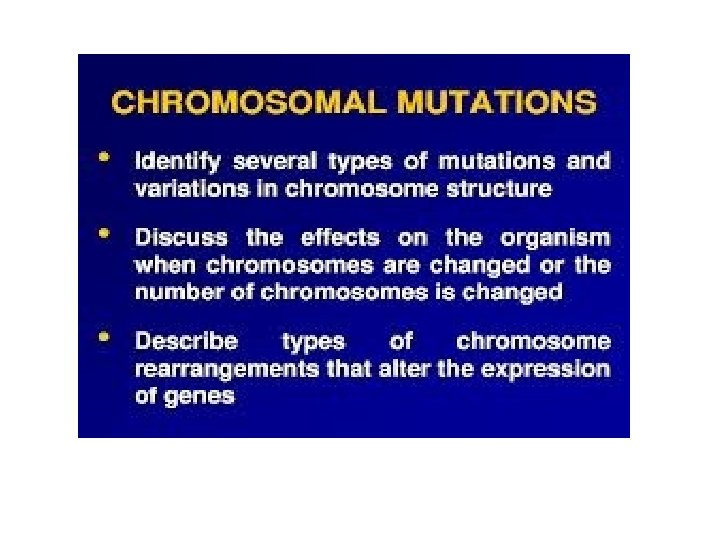
Chromosome Mutations (point, deletion, translocation, )
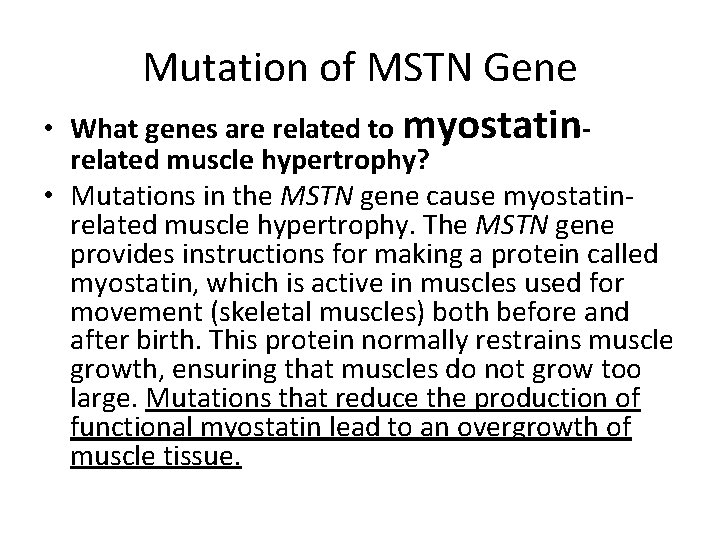
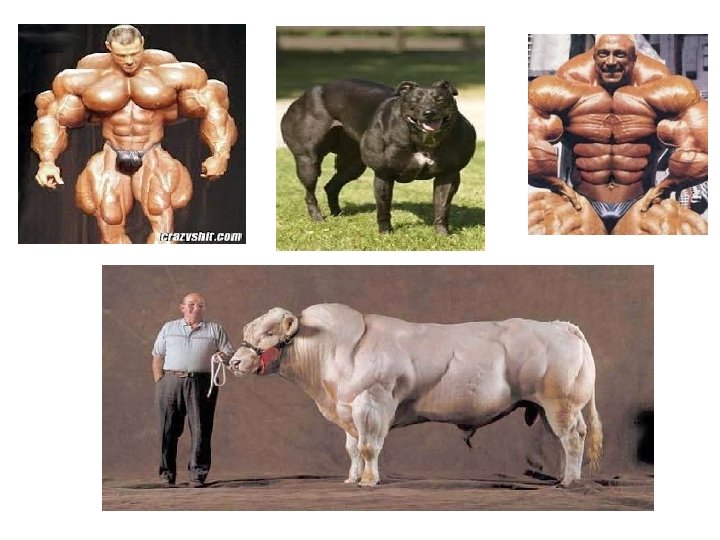
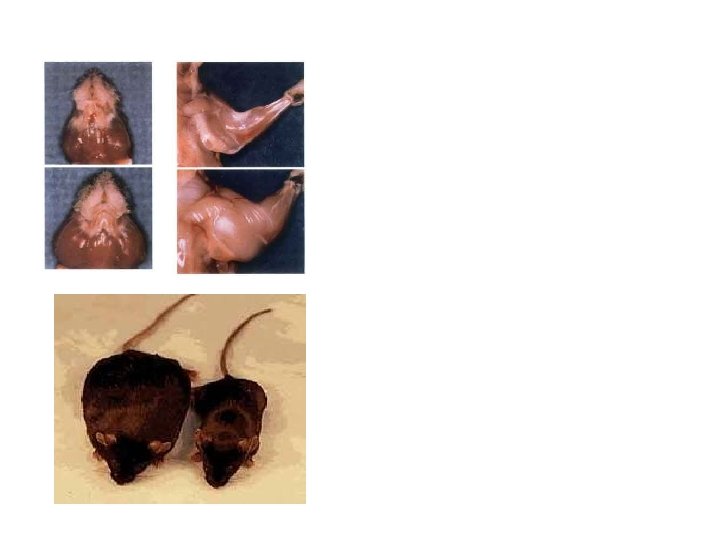
• Mutation of MSTN Gene What genes are related to myostatin- related muscle hypertrophy? • Mutations in the MSTN gene cause myostatinrelated muscle hypertrophy. The MSTN gene provides instructions for making a protein called myostatin, which is active in muscles used for movement (skeletal muscles) both before and after birth. This protein normally restrains muscle growth, ensuring that muscles do not grow too large. Mutations that reduce the production of functional myostatin lead to an overgrowth of muscle tissue.
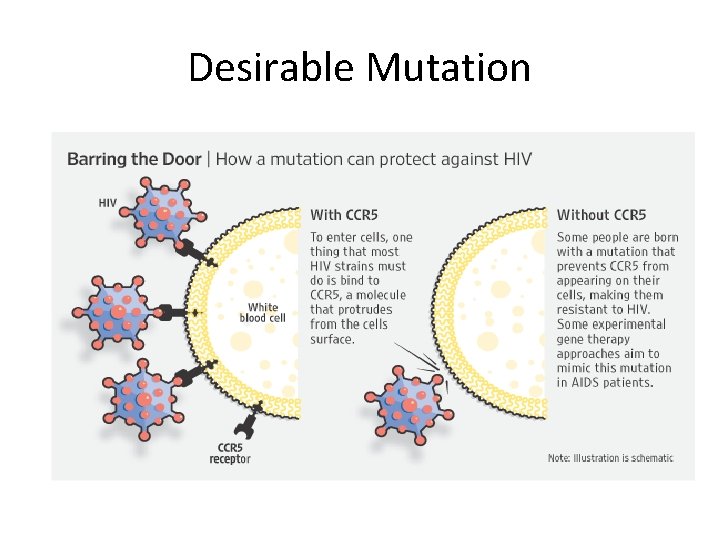
Desirable Mutation
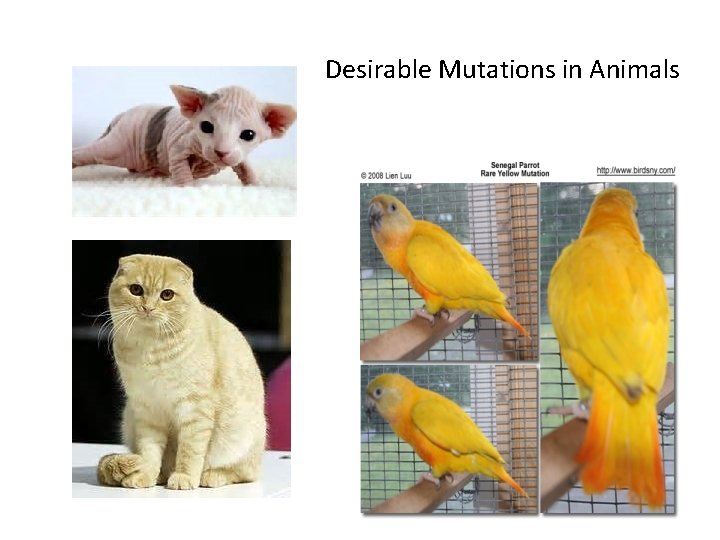
Desirable Mutations in Animals
U Causes of Mutations Radiation Chemicals Smoking Ultra-violet Rays
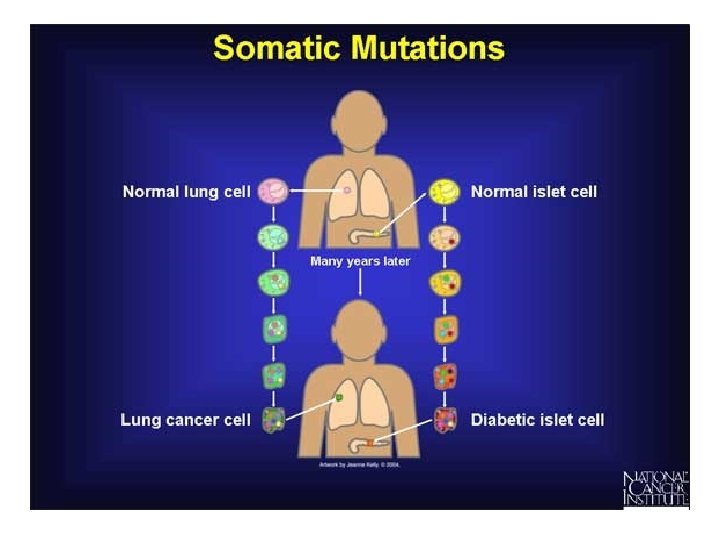
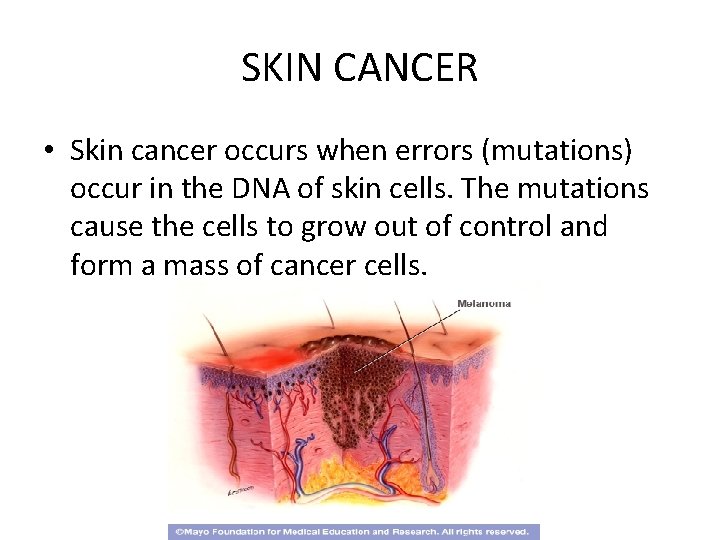
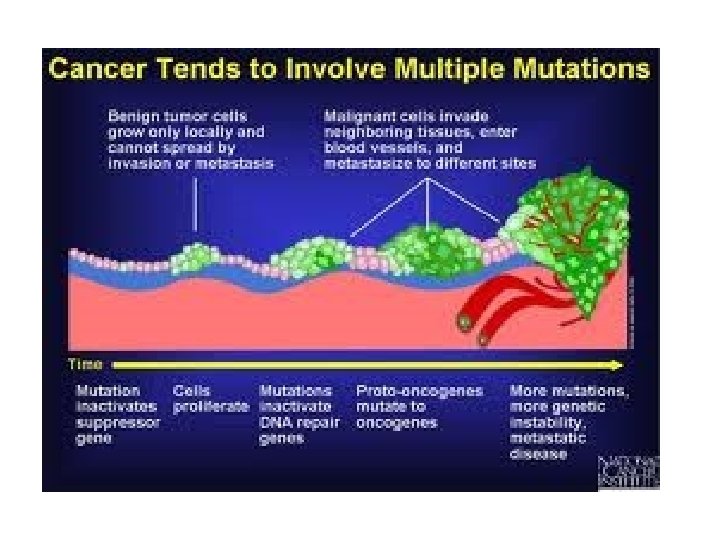
SKIN CANCER • Skin cancer occurs when errors (mutations) occur in the DNA of skin cells. The mutations cause the cells to grow out of control and form a mass of cancer cells.
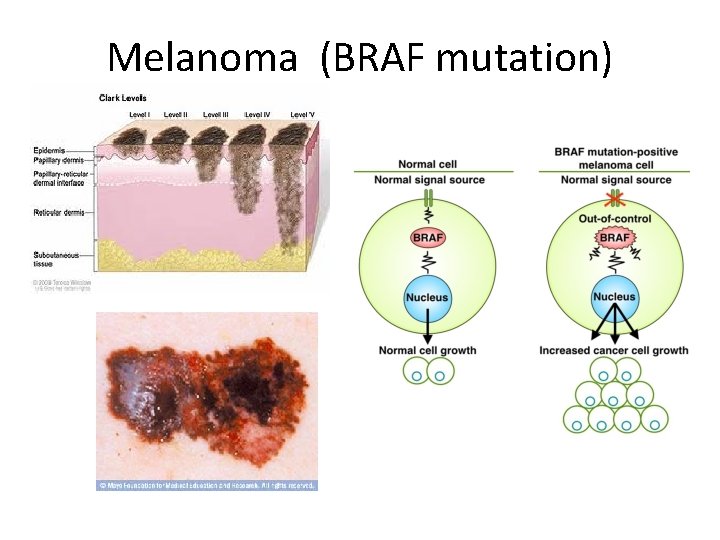
Melanoma (BRAF mutation)
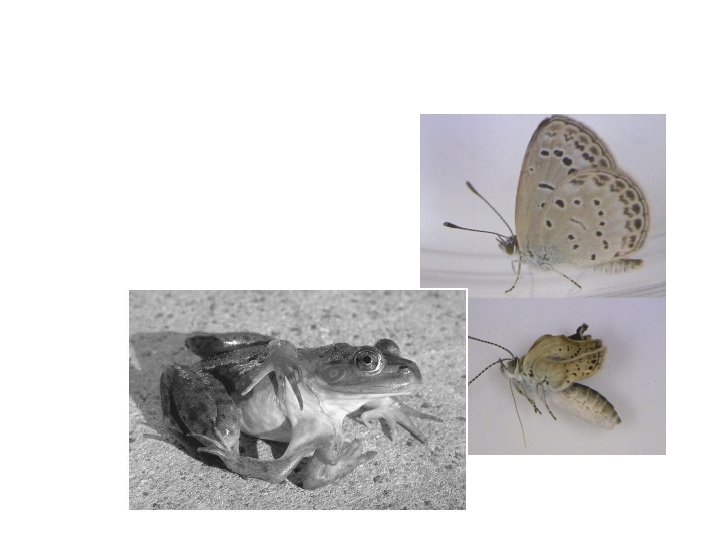
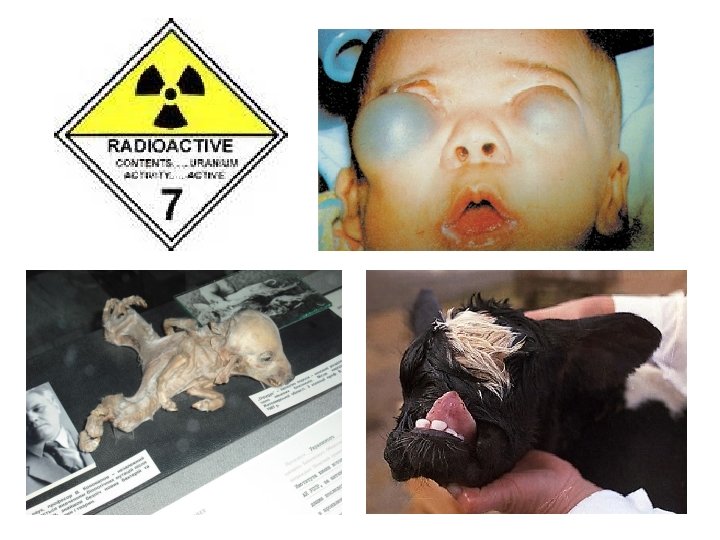
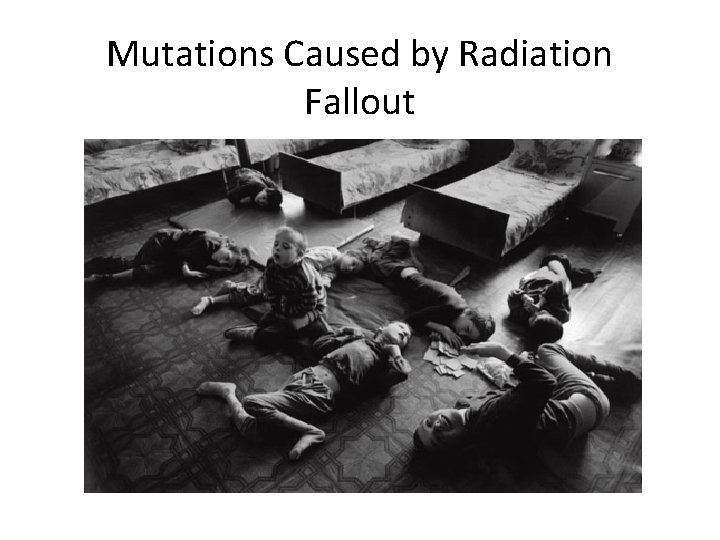
Mutations Caused by Radiation Fallout
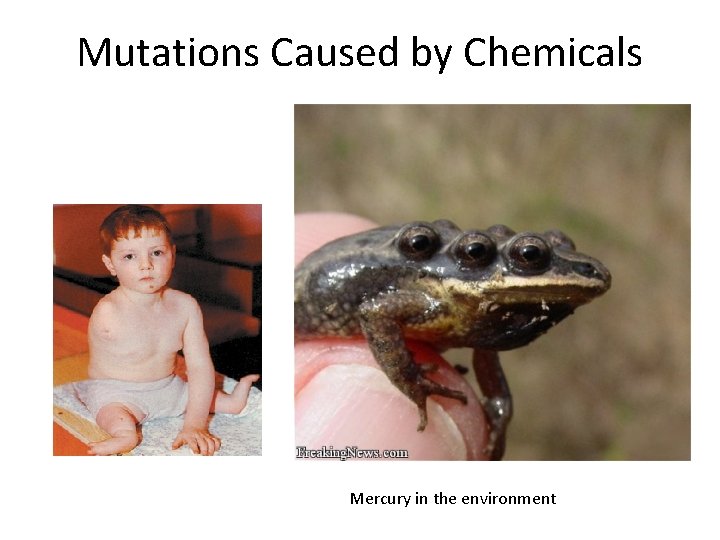
Mutations Caused by Chemicals Mercury in the environment
Sickle Cell Anemia
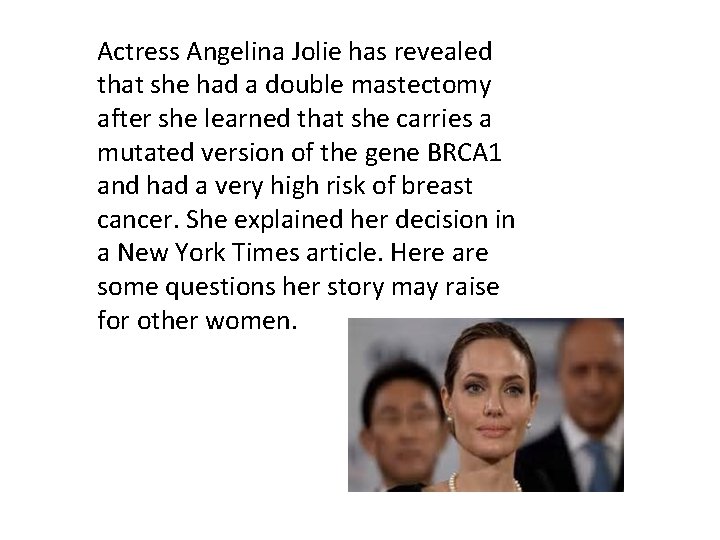
Actress Angelina Jolie has revealed that she had a double mastectomy after she learned that she carries a mutated version of the gene BRCA 1 and had a very high risk of breast cancer. She explained her decision in a New York Times article. Here are some questions her story may raise for other women.
Q: What is the BRCA 1 gene? A: BRCA 1 (pronounced brak-uh) stands for “breast cancer one. ” It was the first mutated gene that scientists discovered among families whose histories revealed many cases of breast cancer, including cancers at early ages and in both breasts. Ovarian cancers also are common in such families, according to the Stanford Medicine Cancer Institute. A second such gene is known as BRCA 2.
• Q: How high is the cancer risk in women who carry the mutations? • A: Women with the BRCA 1 or BRCA 2 mutations have an average breast cancer risk of 60 percent, according to the NCI. Men with the mutations also have higher breast cancer risks than other men do. But personal risk can vary, based on family history and other factors. Jolie, whose mother died of ovarian cancer at age 56, says her personal risk was estimated at 87 percent. • Q: Should all women be tested for these mutations? • A: No. As Jolie notes, the tests can be expensive. The results also can have immense psychological and medical fallout and raise issues about privacy and discrimination.
Plant Mutation