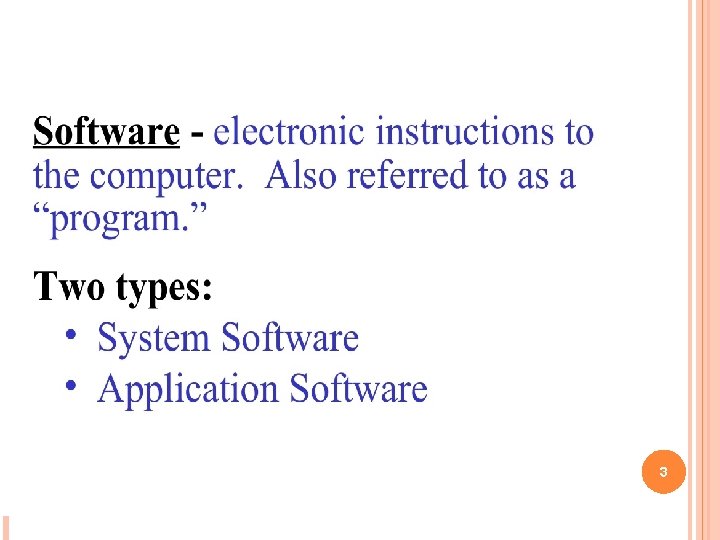
INTRODUCTION TO COMPUTER LEC 3 Computer Software 3
- Slides: 30
INTRODUCTION TO COMPUTER LEC 3
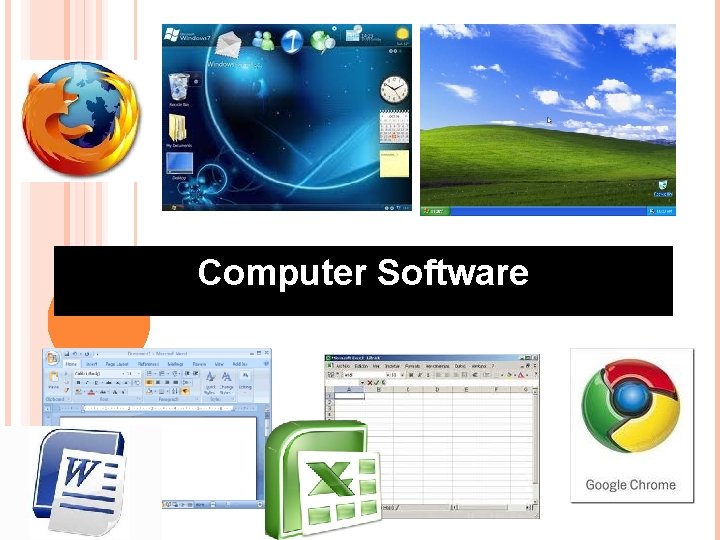
Computer Software
3
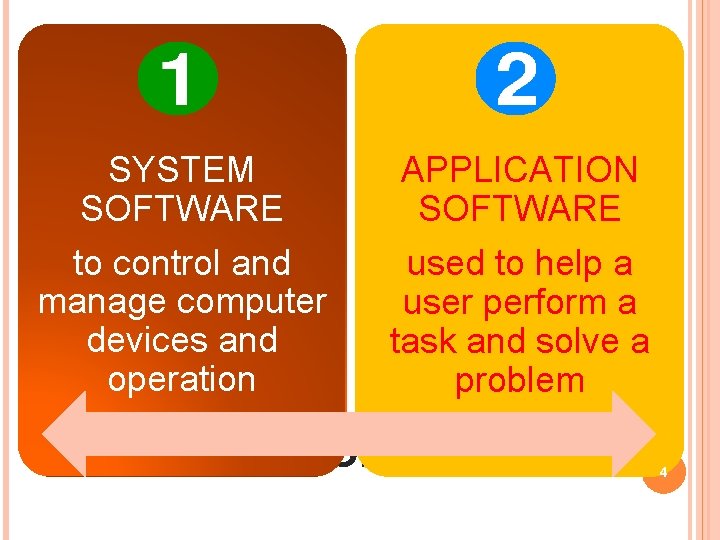
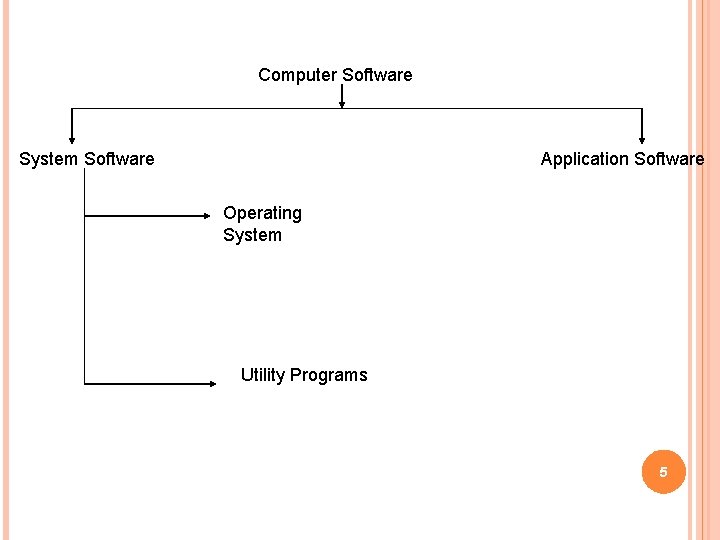
SYSTEM SOFTWARE to control and manage computer devices and operation APPLICATION SOFTWARE used to help a user perform a task and solve a problem COMPUTER SOFTWARE 4
Computer Software System Software Application Software Operating System Utility Programs 5
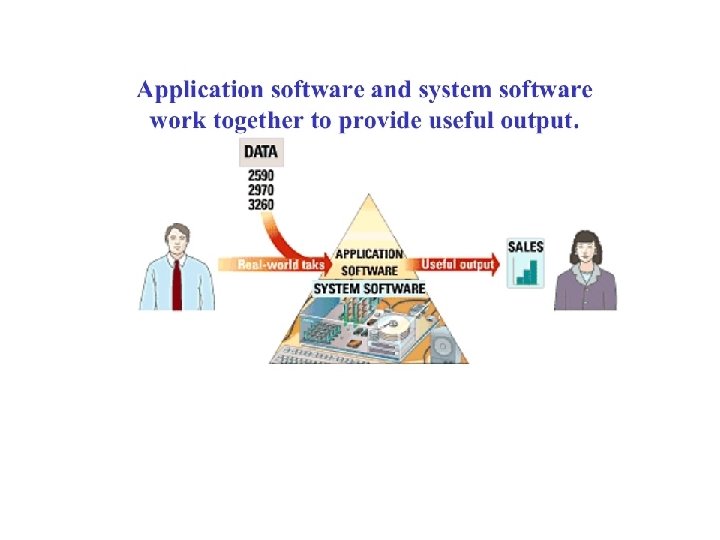
COMPUTER SOFTWARE System Software The programs that control and manage the basic operations of a computer are generally referred to as system software. Programs that control or maintain the operations of the computer and its devices Serve as interface between user, the application software & computer’s hardware 6
7
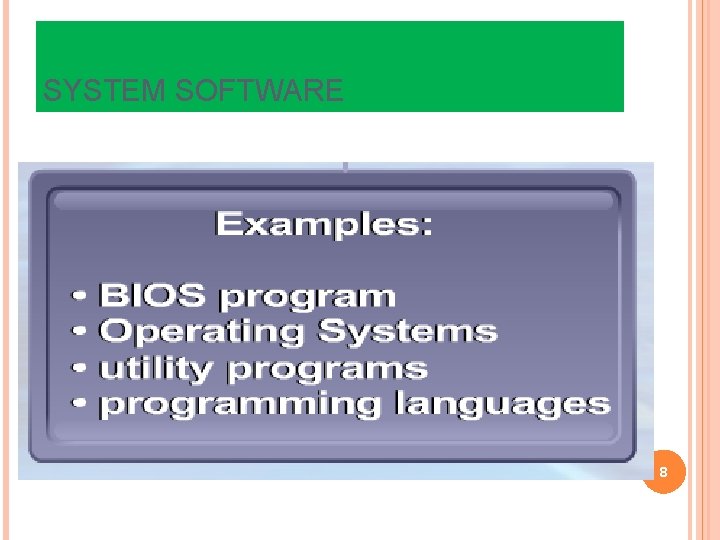
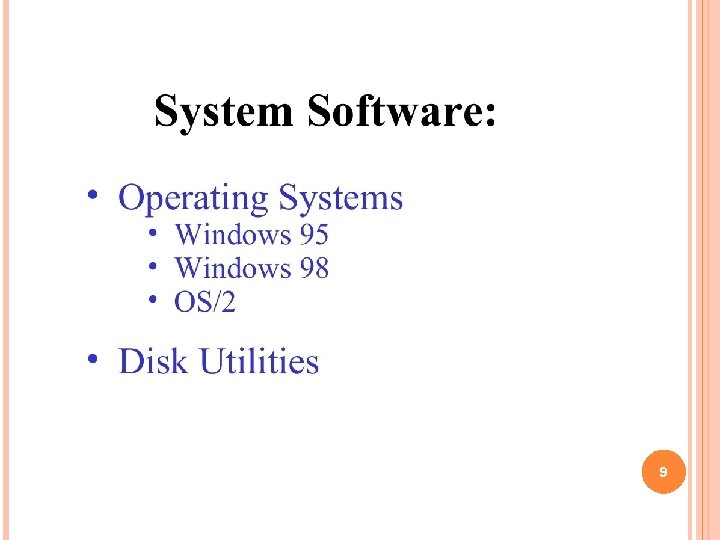
SYSTEM SOFTWARE 8
9
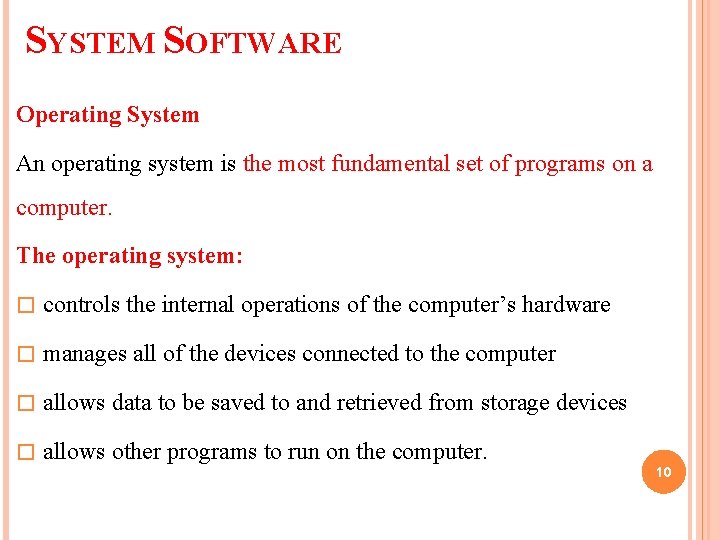
SYSTEM SOFTWARE Operating System An operating system is the most fundamental set of programs on a computer. The operating system: � controls the internal operations of the computer’s hardware � manages all of the devices connected to the computer � allows data to be saved to and retrieved from storage devices � allows other programs to run on the computer. 10
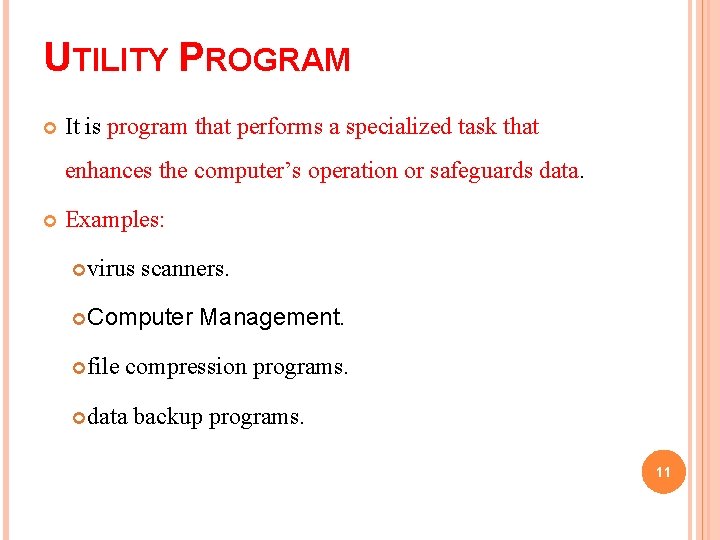
UTILITY PROGRAM It is program that performs a specialized task that enhances the computer’s operation or safeguards data. Examples: virus scanners. Computer file Management. compression programs. data backup programs. 11
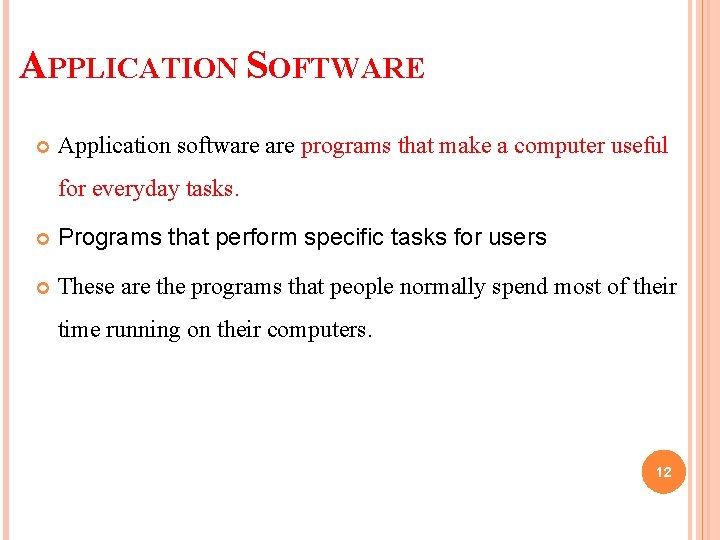
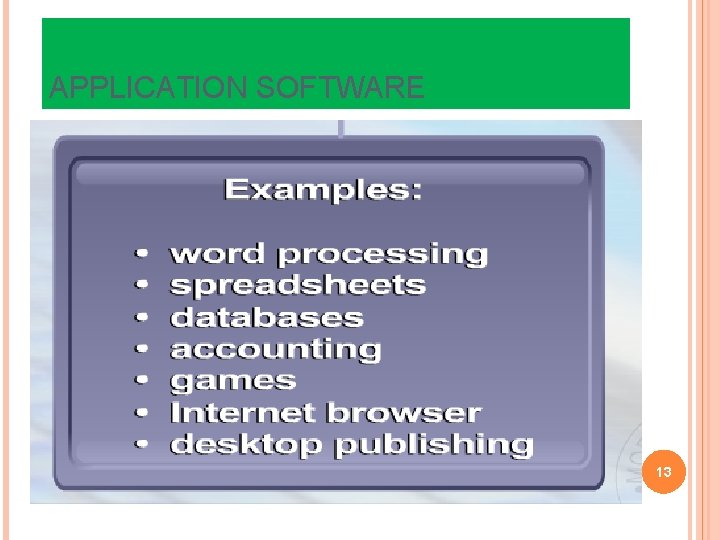
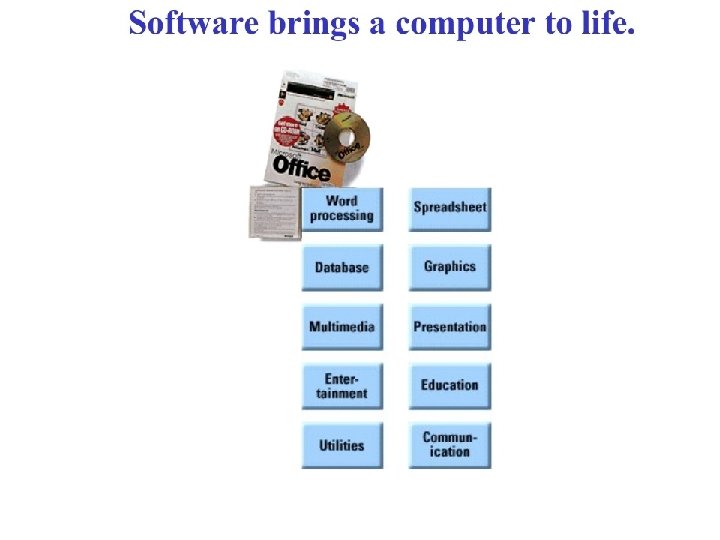
APPLICATION SOFTWARE Application software programs that make a computer useful for everyday tasks. Programs that perform specific tasks for users These are the programs that people normally spend most of their time running on their computers. 12
APPLICATION SOFTWARE 13
14
APPLICATION SOFTWARE Special purpose Software Special purpose application software is a type of software created to execute one specific task. For example a camera application on your phone will only allow you to take and share pictures. Another example would be a chess game, it would only allow you to play chess. 15
16
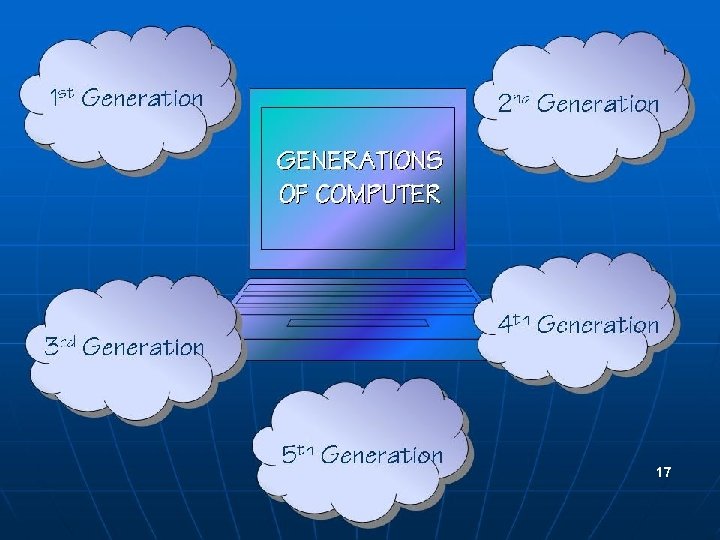
17
HISTORY OF COMPUTERS & COMPUTER GENERATIONS o Using size and features as the bases, computers are classified into various generations. o. These generations of computers are discussed below: 18
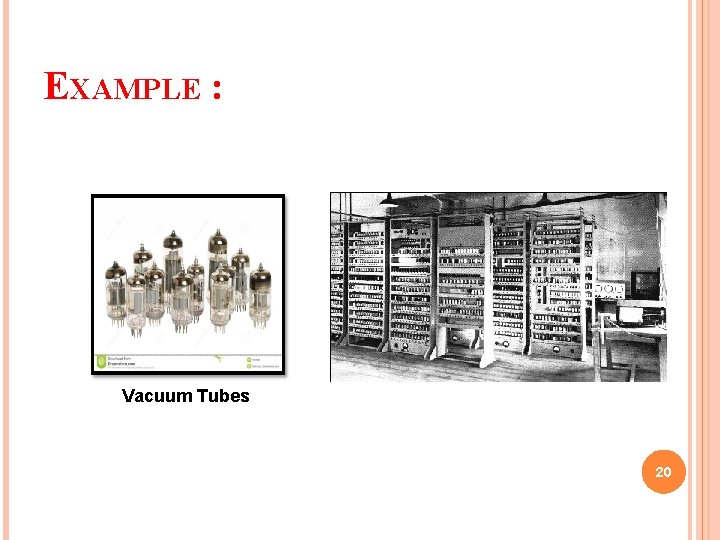
FIRST GENERATION: 1946 -1958 (THE VACUUM TUBE ERA) The first generation computers were bulky in size. They were able to execute hundreds of instructions per second They were expensive as well. They used vacuum tubes as their main components. Machine language is a first generation language, for example EDVAC, UNIVAC etc. 19
EXAMPLE : Vacuum Tubes 20
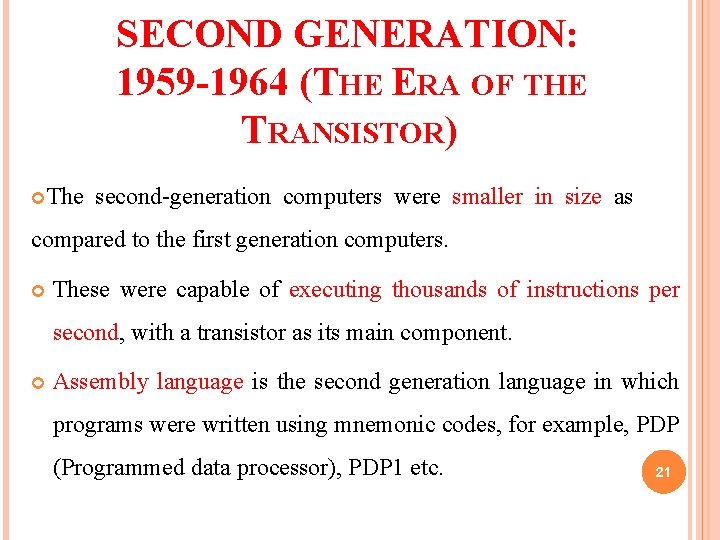
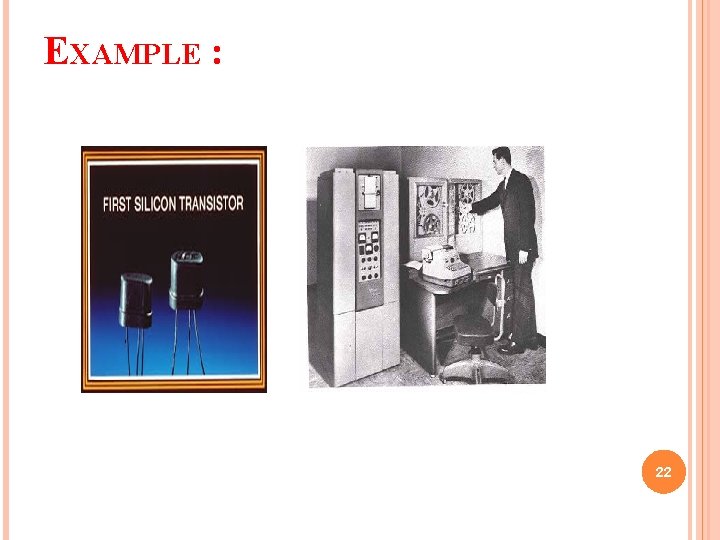
SECOND GENERATION: 1959 -1964 (THE ERA OF THE TRANSISTOR) The second-generation computers were smaller in size as compared to the first generation computers. These were capable of executing thousands of instructions per second, with a transistor as its main component. Assembly language is the second generation language in which programs were written using mnemonic codes, for example, PDP (Programmed data processor), PDP 1 etc. 21
EXAMPLE : 22
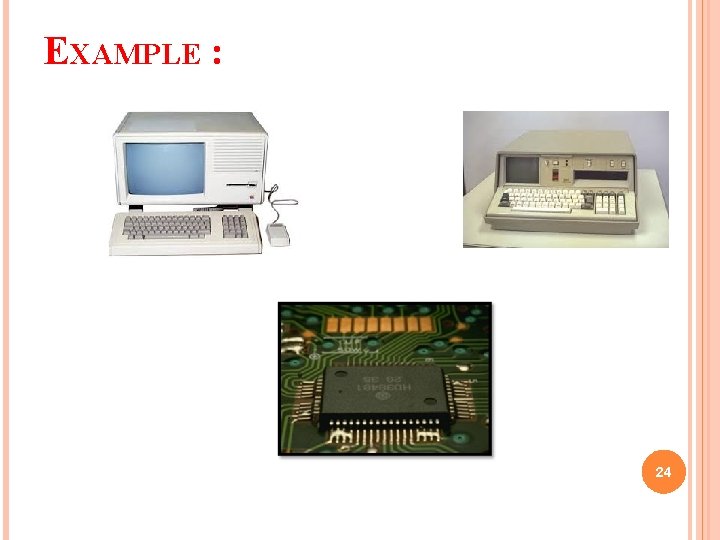
THIRD GENERATION: 1965 -1970 ( MINIATURIZING THE COMPUTER ) They were more advanced and used integrated circuits. These computers contained thousands of components per circuit. They were cheaper than second-generation computers. The languages used in this generation were BASIC, COBOL etc. for example, IBM 307 Series, PDP II etc. 23
EXAMPLE : 24
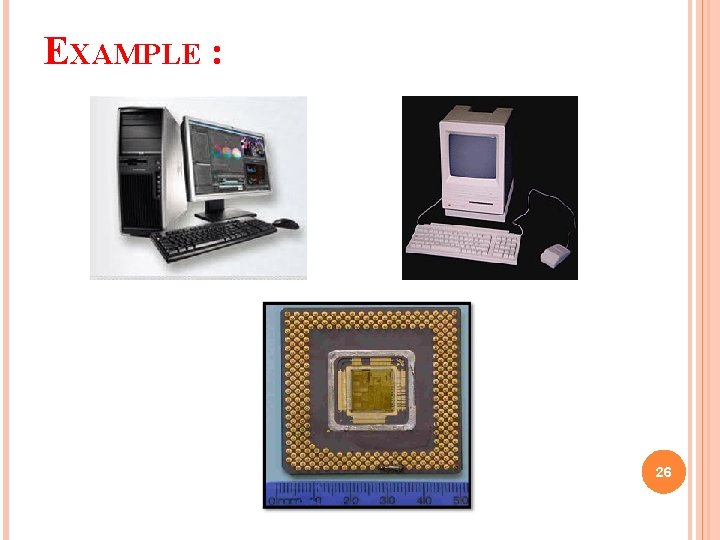
FOURTH GENERATION: OVER 1971 T(HE MICROPROCESSOR ERA) They used complex circuits like the large-scale integrated circuits called microprocessors or chips. which surprisingly cost less than the third generation computers. These computers were able to execute millions of instructions per second. The languages used in this generation are C++, SQL etc. for example, CRAY 2, IBM 3090/600 Series. 25
EXAMPLE : 26
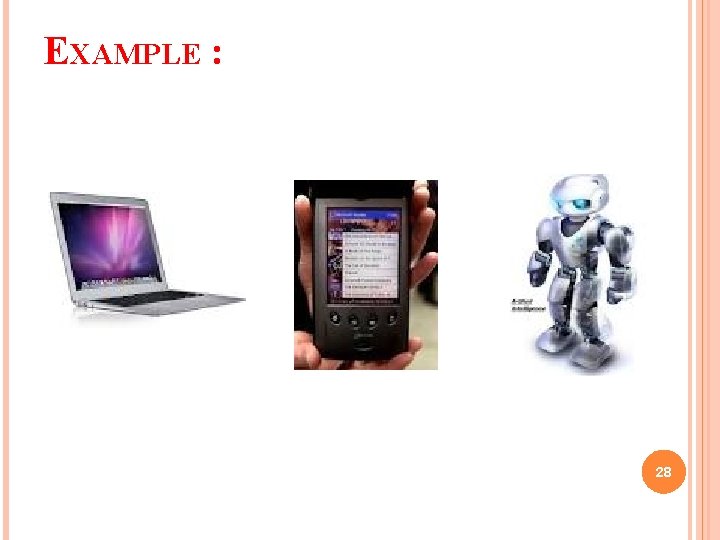
FIFTH GENERATION: UPDATED (SUPER/ULTRA LARGE-SCALE INTEGRATED CIRCUITS ERA) These computers work on artificial languages (AI) like LISP, PROLOG etc. They use super/ultra large-scale integrated circuits, which is also called parallel processing method. They execute billions of instructions per second. Different kinds of languages emphasize different parts about the problem. 27
EXAMPLE : 28
The End Questions? 29
Thanks You 30