Fluid Clinical Scenarios Dr Supraja Chandrasekar MRCPCH UK


![1] Fluid Challenges- Estimation of Dehydration/Shock • Shock can occur although rare • Shock](https://slidetodoc.com/presentation_image/011a67a785455385b2682efc5606b479/image-61.jpg "1] Fluid Challenges- Estimation of Dehydration/Shock • Shock can occur although rare • Shock")

- Slides: 65
Fluid- Clinical Scenarios Dr Supraja Chandrasekar MRCPCH [UK], Fellowship Paed Crit Care [IAP] Consultant Paediatric Intensivist
Greetings From PEOPLE TREE Hospitals ! • 5 locations in Bengaluru • Paediatric Department
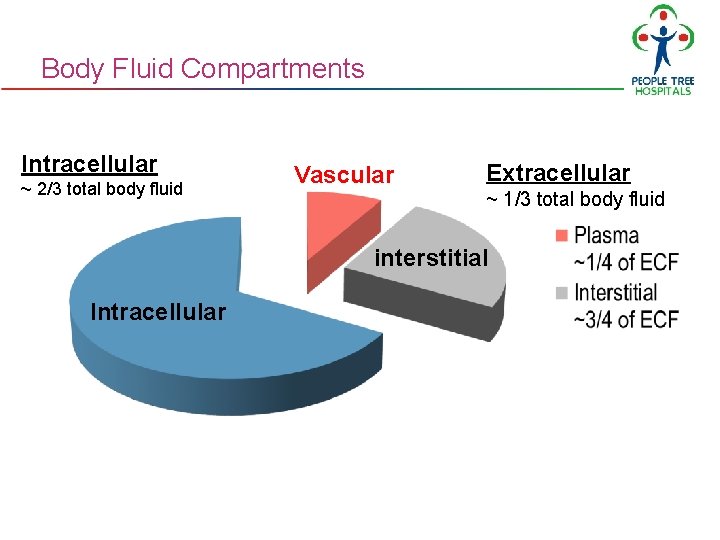
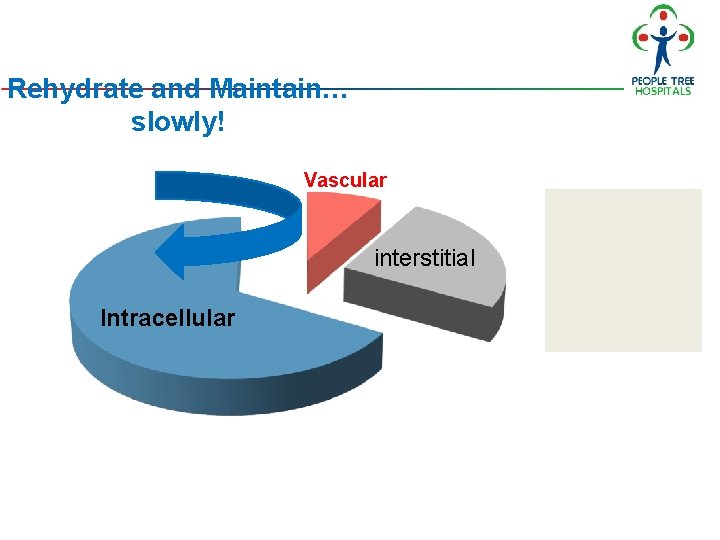
Body Fluid Compartments Intracellular ~ 2/3 total body fluid Vascular Extracellular ~ 1/3 total body fluid interstitial Intracellular
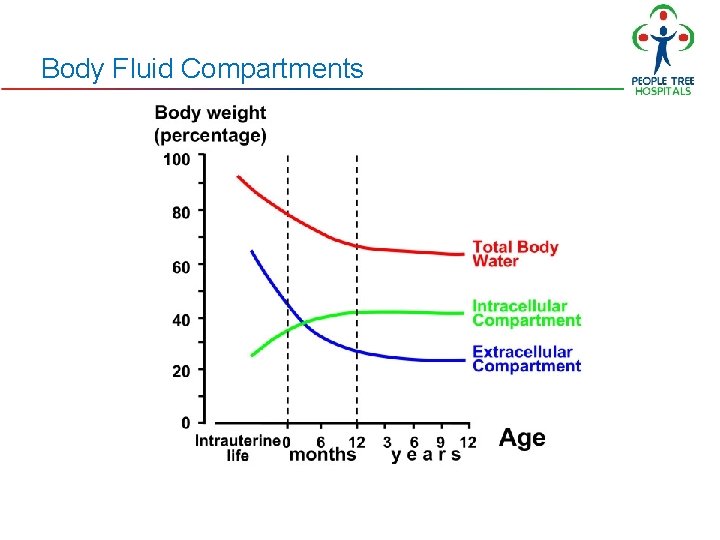
Body Fluid Compartments
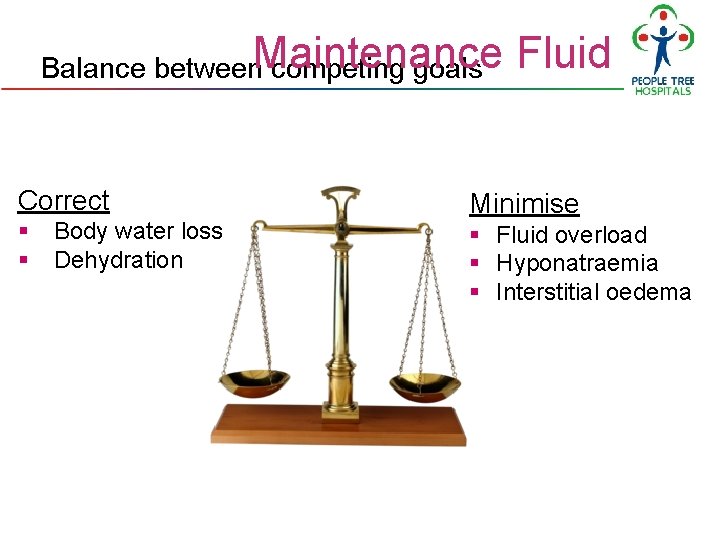
Maintenance Fluid Balance between competing goals Correct § § Body water loss Dehydration Minimise § Fluid overload § Hyponatraemia § Interstitial oedema
Case 1 • 10 kg Male infant 18 hrs post abdominal surgery in SICU only on maintenance IV fluids-Isolyte P at 40 ml/Hr was continuously crying, mother upset, resident given pain relief [Tramadol]. • After an hour baby had up-rolling of eyes with twitching of limbs and brief unconsciousness. • What should be done? • Glu 120 Na 116 K 3. 6 Bicarb 26
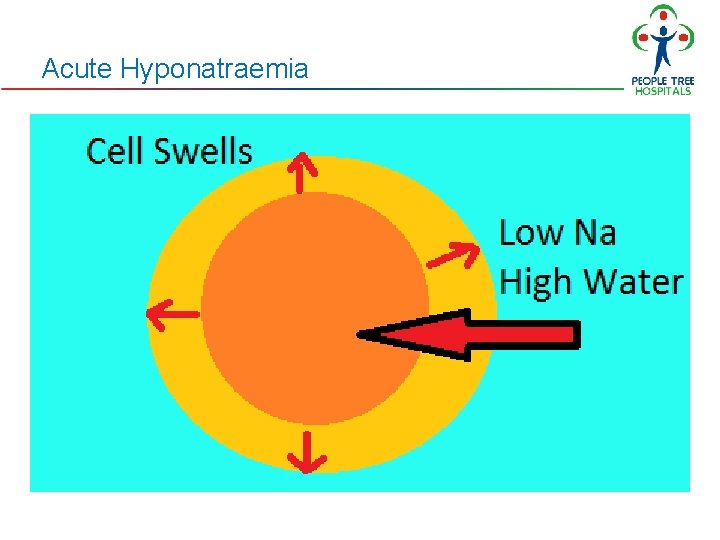
Hyponatraemia SO What ? § ALL children are more prone to cerebral oedema caused by hyponatraemia § symptoms < 125 -128 mmol/L § more rapid onset / evolution § Aetiology § Reduced renal excretion of water (ADH) § IV administration of electrolyte-free water § Inadequate electrolyte monitoring
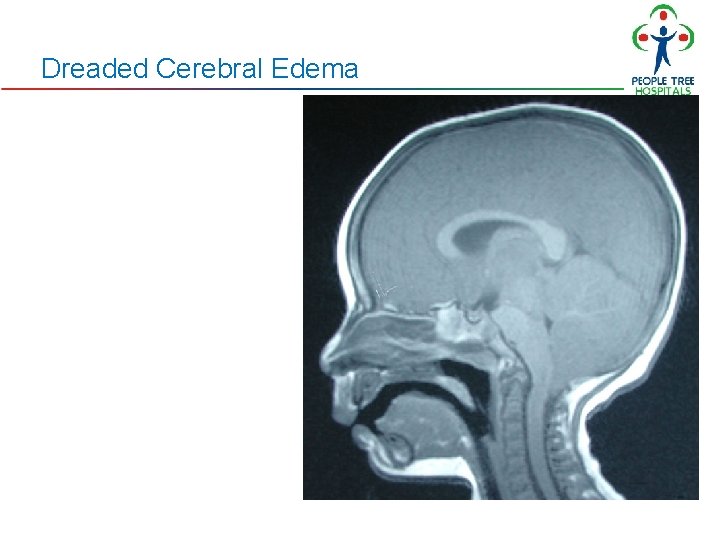
Dreaded Cerebral Edema
Acute Hyponatraemia
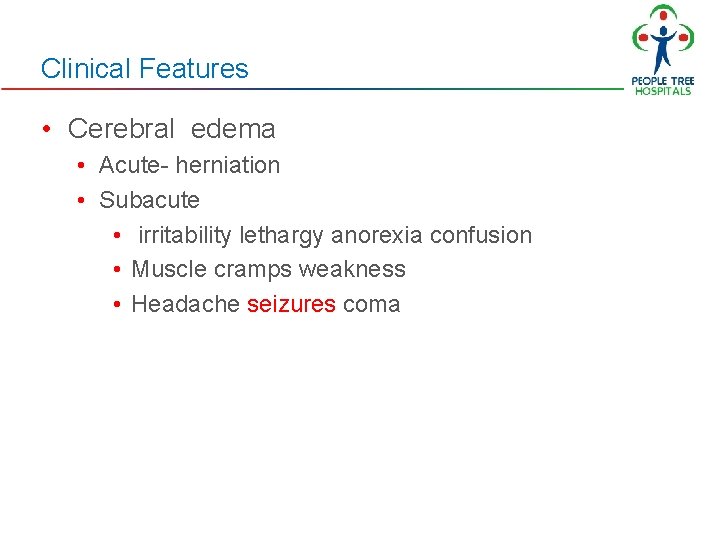
Clinical Features • Cerebral edema • Acute- herniation • Subacute • irritability lethargy anorexia confusion • Muscle cramps weakness • Headache seizures coma
Management • Treat all severely symptomatic-[ CNS symptoms] RAPIDLY • Acute + Symptomatic • Bolus- 3 ml/kg of 3% NS in 1 hrs • Raises S Na by 2 -3 m. Eq
Management • Principles • Treat acute symptoms fast • Then assess fluids • First correct any fluid deficits then Electrolyte disturbances • GO SLOW in correction • 10 m. Eq/L/Day
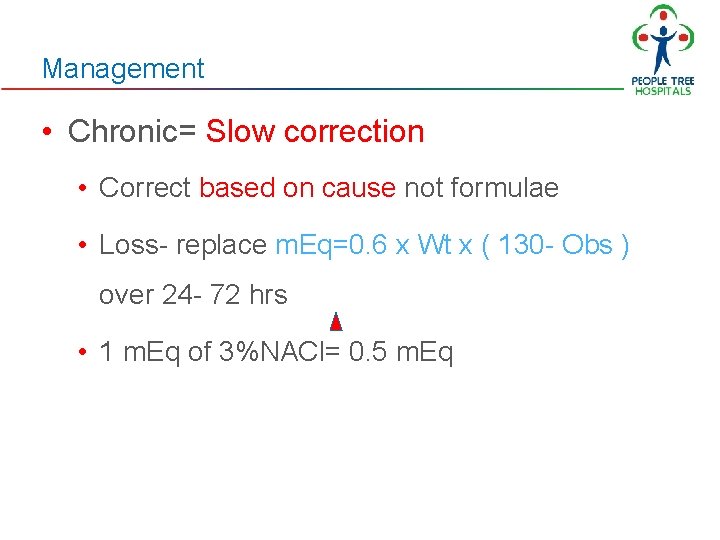
Management • Chronic= Slow correction • Correct based on cause not formulae • Loss- replace m. Eq=0. 6 x Wt x ( 130 - Obs ) over 24 - 72 hrs • 1 m. Eq of 3%NACl= 0. 5 m. Eq
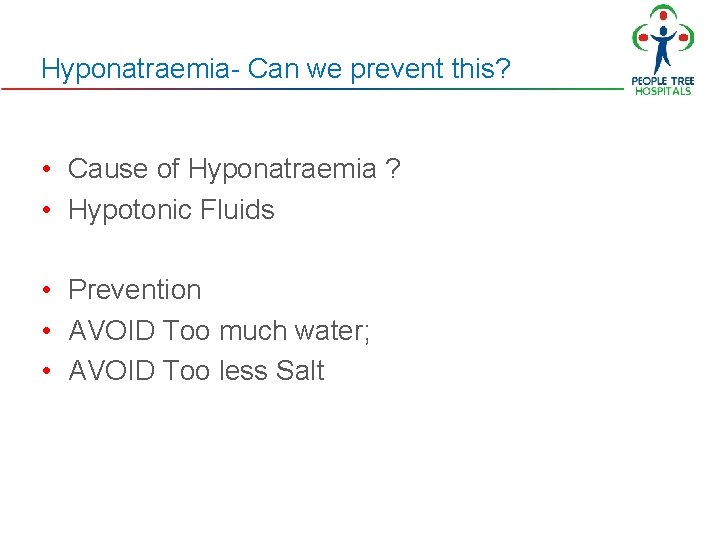
Hyponatraemia- Can we prevent this? • Cause of Hyponatraemia ? • Hypotonic Fluids • Prevention • AVOID Too much water; • AVOID Too less Salt
Prevention • Avoid too much water
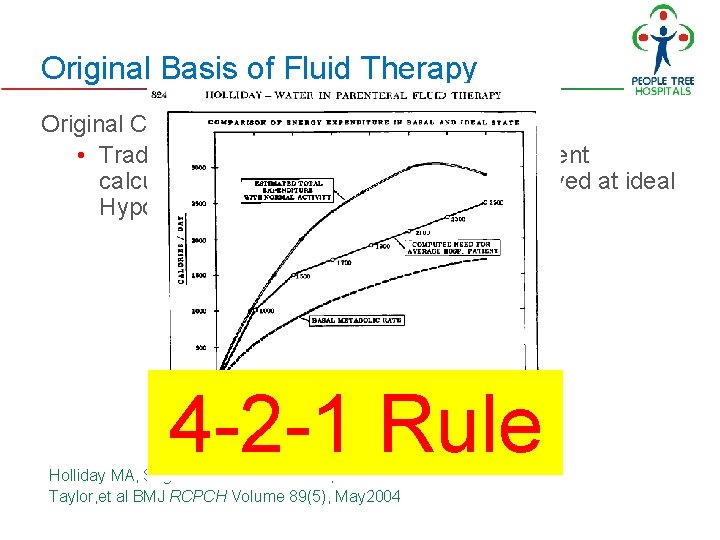
Original Basis of Fluid Therapy Original Concepts * • Traditional IV fluid and electrolyte requirement calculations were based on weight and arrived at ideal Hypotonic fluid 4 -2 -1 Rule Holliday MA, Segar WE Pediatrics 1957; Taylor, et al BMJ RCPCH Volume 89(5), May 2004
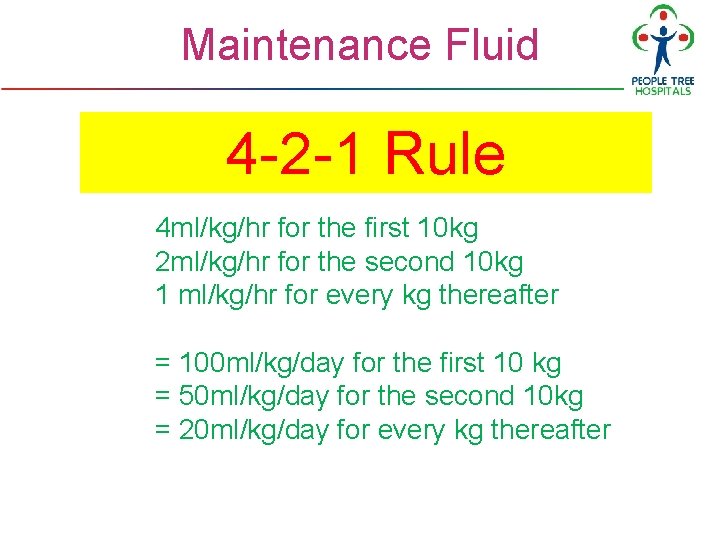
Maintenance Fluid 4 -2 -1 Rule 4 ml/kg/hr for the first 10 kg 2 ml/kg/hr for the second 10 kg 1 ml/kg/hr for every kg thereafter = 100 ml/kg/day for the first 10 kg = 50 ml/kg/day for the second 10 kg = 20 ml/kg/day for every kg thereafter
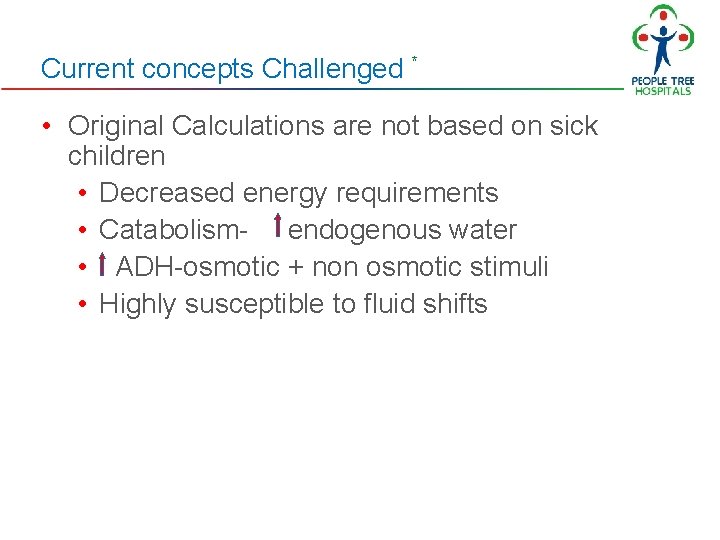
Current concepts Challenged * • Original Calculations are not based on sick children • Decreased energy requirements • Catabolism- endogenous water • ADH-osmotic + non osmotic stimuli • Highly susceptible to fluid shifts
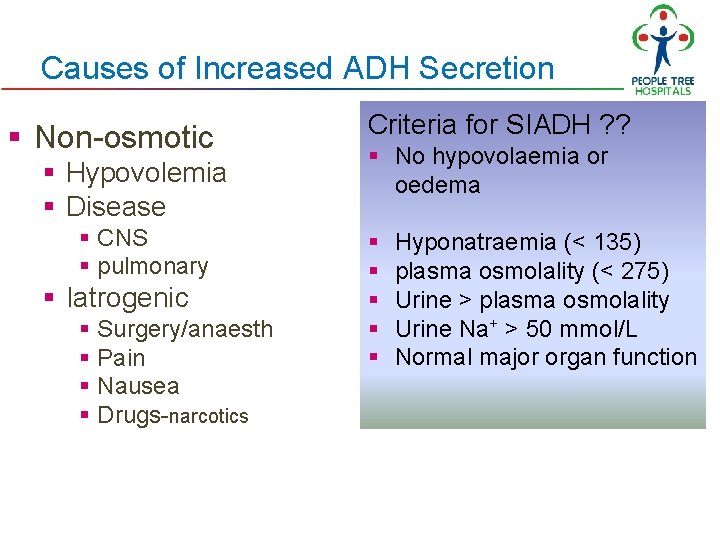
Causes of Increased ADH Secretion § Non-osmotic § Hypovolemia § Disease § CNS § pulmonary § Iatrogenic § Surgery/anaesth § Pain § Nausea § Drugs-narcotics Criteria for SIADH ? ? § No hypovolaemia or oedema § § § Hyponatraemia (< 135) plasma osmolality (< 275) Urine > plasma osmolality Urine Na+ > 50 mmol/L Normal major organ function
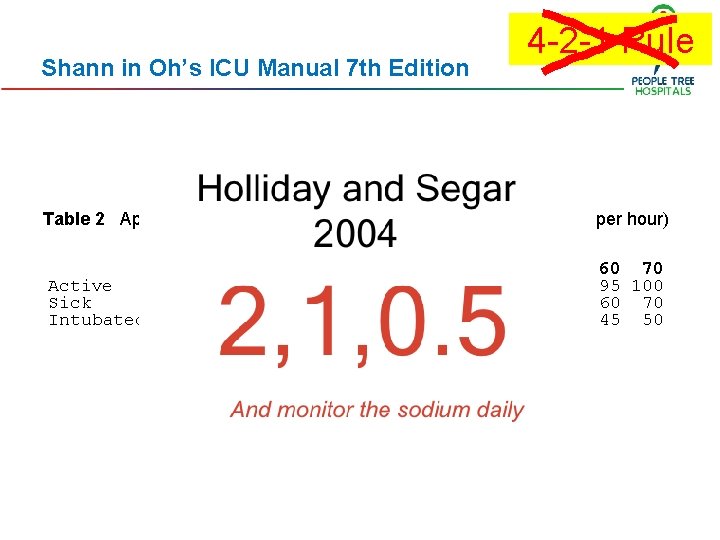
Shann in Oh’s ICU Manual 7 th Edition 4 -2 -1 Rule Table 2 Approximate intravenous fluid requirements for children (ml per hour) Active Sick Intubated 3 12 6 4 5 20 10 7 7 30 14 10 10 40 20 14 15 50 25 17 20 60 30 21 Weight in kg 25 30 40 50 65 70 80 90 35 40 45 55 25 28 32 40 60 70 95 100 60 70 45 50
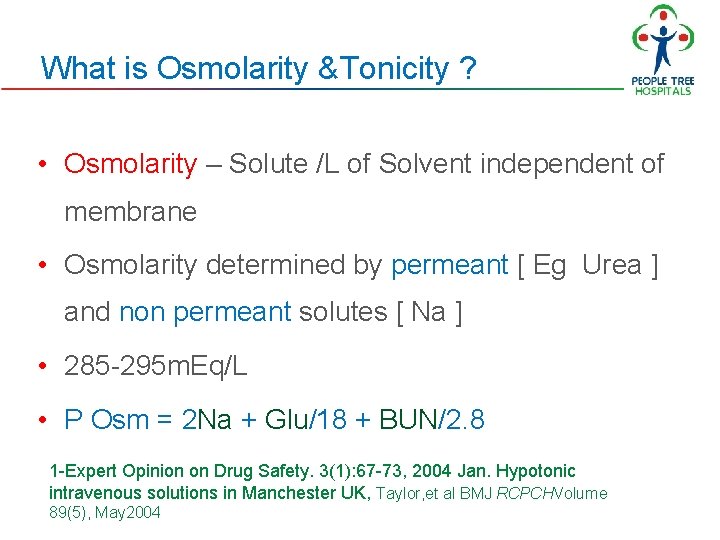
What is Osmolarity &Tonicity ? • Osmolarity – Solute /L of Solvent independent of membrane • Osmolarity determined by permeant [ Eg Urea ] and non permeant solutes [ Na ] • 285 -295 m. Eq/L • P Osm = 2 Na + Glu/18 + BUN/2. 8 1 -Expert Opinion on Drug Safety. 3(1): 67 -73, 2004 Jan. Hypotonic intravenous solutions in Manchester UK, Taylor, et al BMJ RCPCHVolume 89(5), May 2004
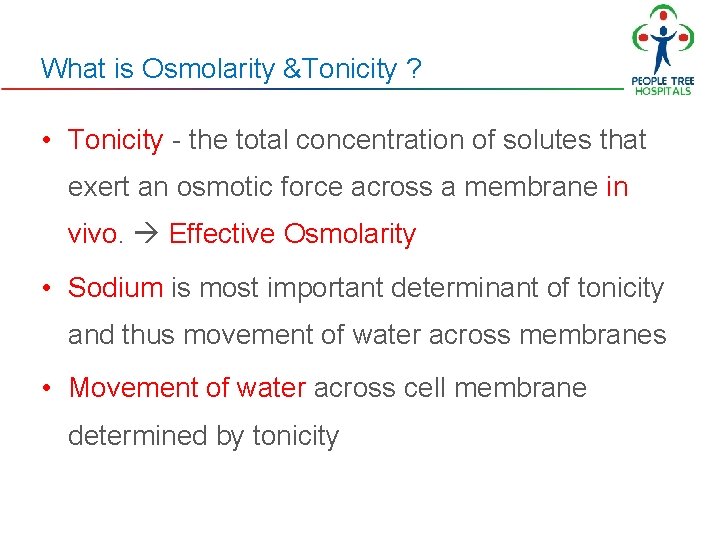
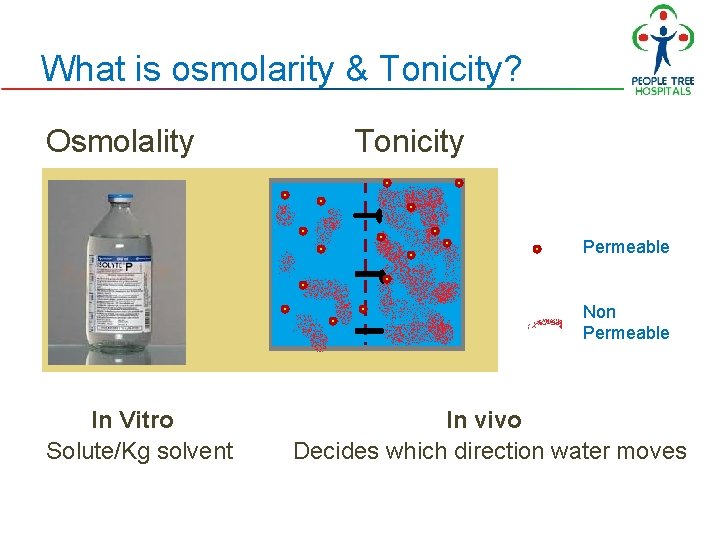
What is Osmolarity &Tonicity ? • Tonicity - the total concentration of solutes that exert an osmotic force across a membrane in vivo. Effective Osmolarity • Sodium is most important determinant of tonicity and thus movement of water across membranes • Movement of water across cell membrane determined by tonicity
What is osmolarity & Tonicity? Osmolality Tonicity Permeable Non Permeable In Vitro In vivo Solute/Kg solvent Decides which direction water moves
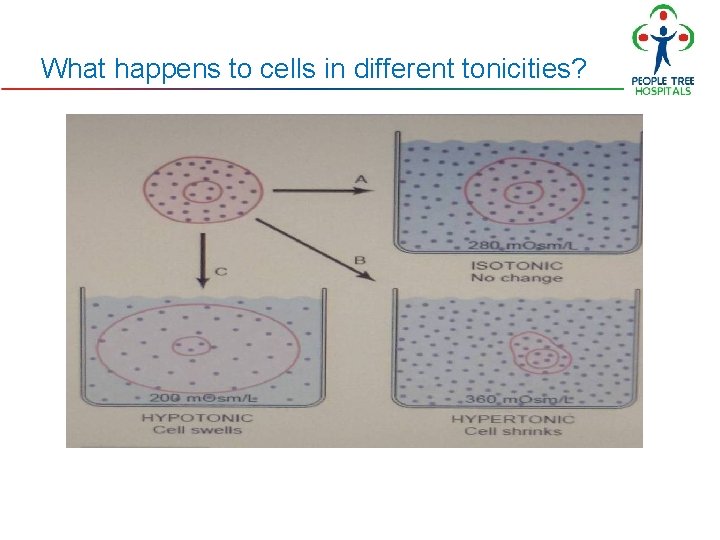
What happens to cells in different tonicities?
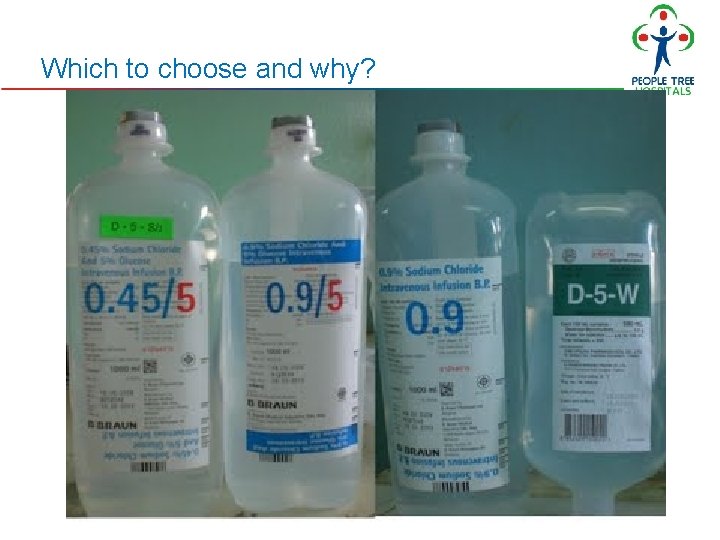
Which to choose and why?
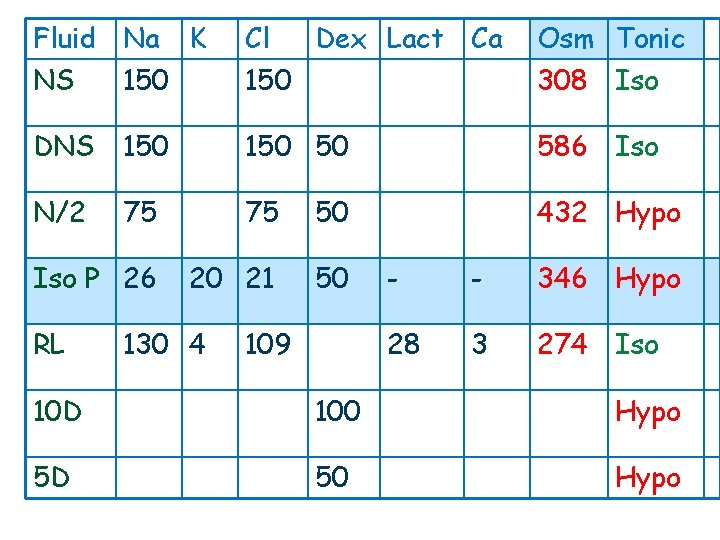
Fluid Na K NS 150 Cl Dex Lact Ca 150 Osm Tonic 308 Iso DNS 150 50 586 Iso N/2 75 75 50 432 Hypo Iso P 26 20 21 50 RL 130 4 109 - - 346 Hypo 28 3 274 Iso 10 D 100 Hypo 5 D 50 Hypo
Why is Tonicity clinically relevant ? • 5% dextrose = osmolarity as plasma (286) but is rapidly metabolised in blood to water. In vivo tonicity = 0 as it contains no salt or other active osmole • Isolyte P= 1 L 0. 18% saline in 4% dextrose 1/5 th (200 ml) is isotonic to plasma. The remaining 800 ml is electrolyte free water enters ICF –disastrous in CNS • Hypotonic fluids especially for sick & postoperative children causes iatrogenic complications= hyponatraemia and harmful fluid shifts
• So…. • Na is the only factor in IVF that determines how much free water will shift in and out of the vascular space--Tonicity • Tonicity-single most imp determinant of fluid shifts - role of sodium
Maintenance Fluids Take Home Points • Always use ISOTONIC fluids for Maintenance in SICK children • Consider RESTRICTION of fluids as there is SIADH to prevent Hypo. Na • Always MONITOR children on IVF; both Electrolytes/Glucose and IO
Maintenance Rx in Sick Surgical ICU children • Main Considerations to be taken are • Anaesthetic and drug side effects • Risk of Non Osmolar ADH release [ 2/3 restrict] • Very sensitive to Fluid shifts Eg raised ICP • Electrolyte & Glu status – Na/K • Consider underlying disease Eg Renal failure- 40 ml/m 2 + UO,
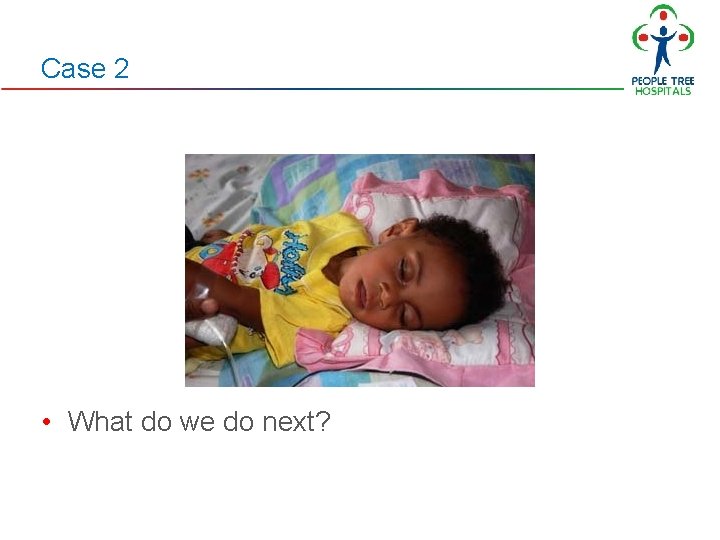
Case 2 • 2 year old child, came with history of passing excess watery stools for 3 days. Drowsy, pulses feeble, HR 196/min, Blood Pressure not recordable, cold mottled peripheries, Rapid shallow breathing, sunken eyes and doughy skin with reduced turgor.
Case 2 • What do we do next?
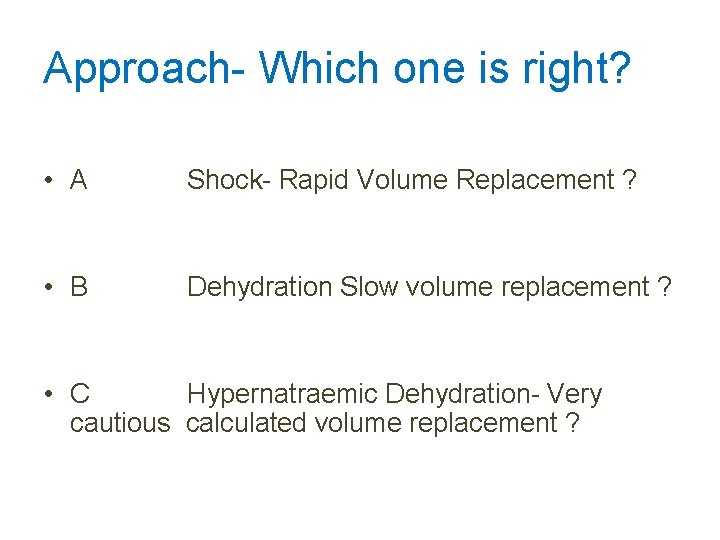
Approach- Which one is right? • A Shock- Rapid Volume Replacement ? • B Dehydration Slow volume replacement ? • C Hypernatraemic Dehydration- Very cautious calculated volume replacement ?
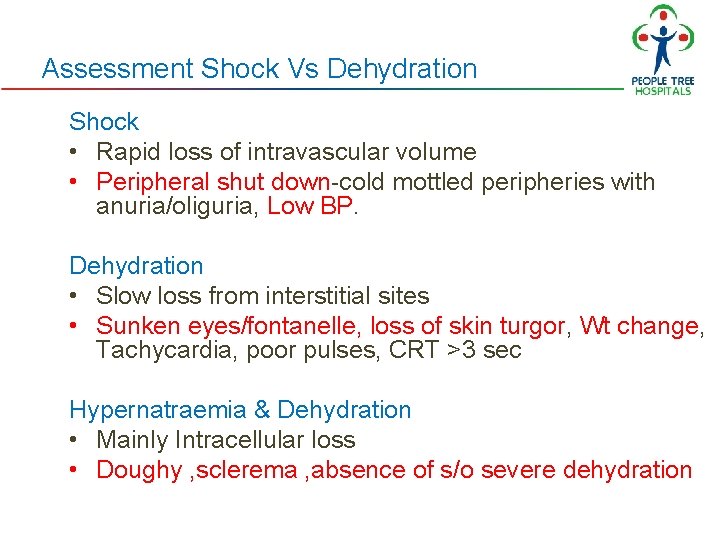
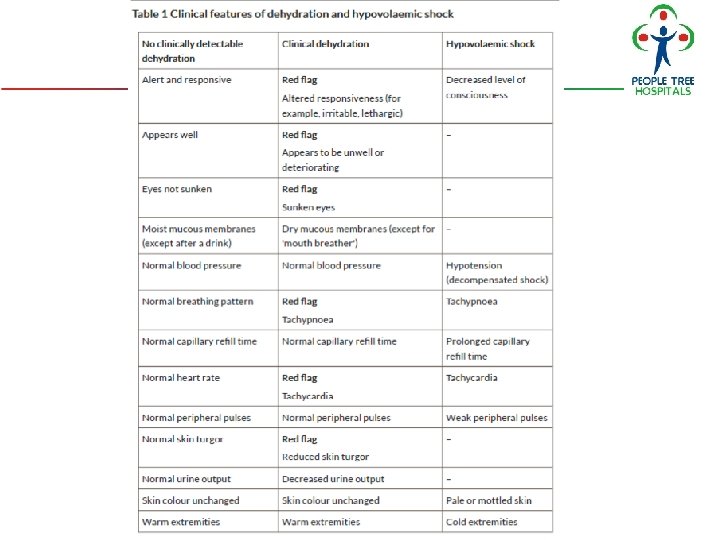
Assessment Shock Vs Dehydration Shock • Rapid loss of intravascular volume • Peripheral shut down-cold mottled peripheries with anuria/oliguria, Low BP. Dehydration • Slow loss from interstitial sites • Sunken eyes/fontanelle, loss of skin turgor, Wt change, Tachycardia, poor pulses, CRT >3 sec Hypernatraemia & Dehydration • Mainly Intracellular loss • Doughy , sclerema , absence of s/o severe dehydration
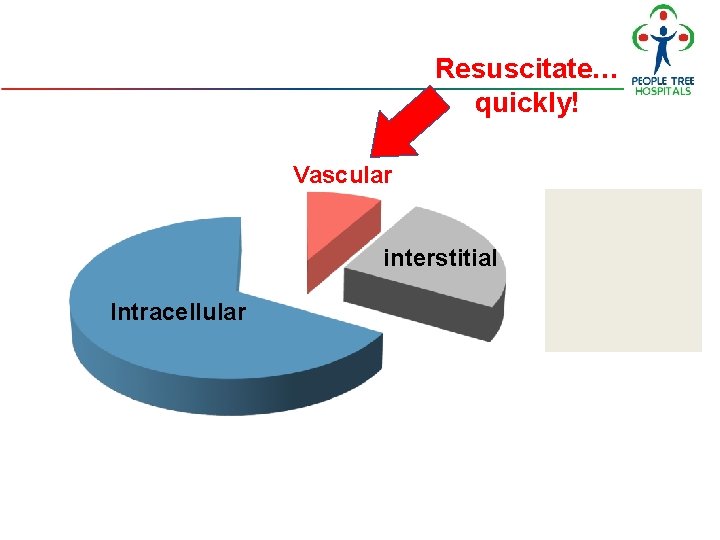
Resuscitate… quickly! Vascular interstitial Intracellular
Rehydrate and Maintain… slowly! Vascular interstitial Intracellular
Management Shock Vs Dehydration In shock • Rapid replacement of IV volume • 20 ml/Kg rapid bolus over 5 -15 mins • In hypotensive [decompenssted] shock give it over 5 mins by pressure pump/pull push
Management Shock Vs Dehydration In Dehydration • Slow replacement of interstitial space • Greater propensity for fluid and electrolyte disturbances • 100 ml/kg over 3 hrs * • 30 ml/Kg over ½ hr reassess no improvement repeat 30 ml/Kg • 70 ml/Kg-over next 2. 5 hrs • *Double the time in small infants
Type of Fluid? • Any replacement fluid should be ISOTONIC. • Has to remain in intravascular compartment • Cause min fluid shifts across cell membrane
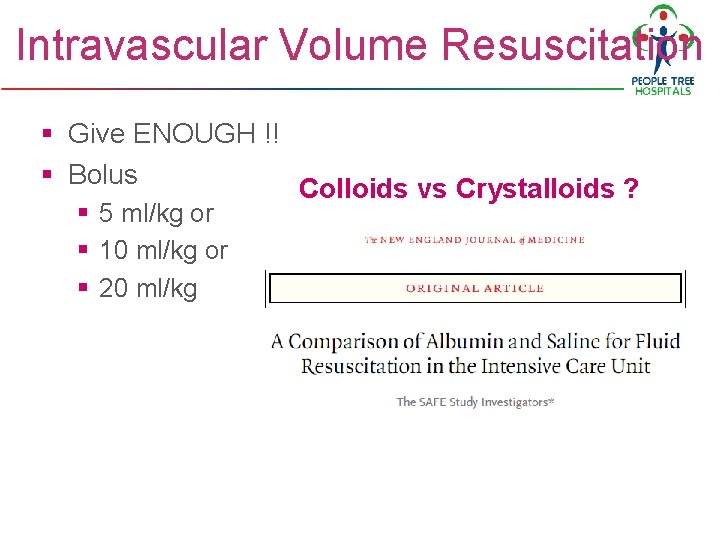
Intravascular Volume Resuscitation § Give ENOUGH !! § Bolus § 5 ml/kg or § 10 ml/kg or § 20 ml/kg Colloids vs Crystalloids ? § Give isotonic crystalloid § Colloid § § Worse outcome in trauma ? Better outcome in sepsis Higher cost Risk of anaphylaxis & infection
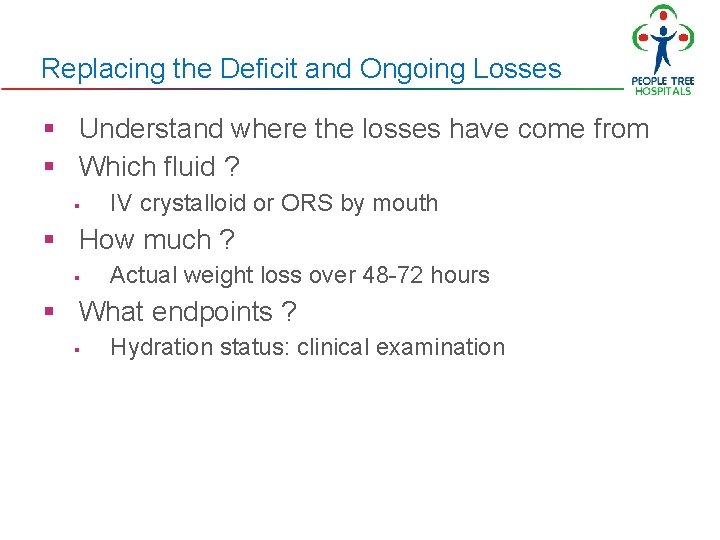
Replacing the Deficit and Ongoing Losses § Understand where the losses have come from § Which fluid ? § IV crystalloid or ORS by mouth § How much ? § Actual weight loss over 48 -72 hours § What endpoints ? § Hydration status: clinical examination
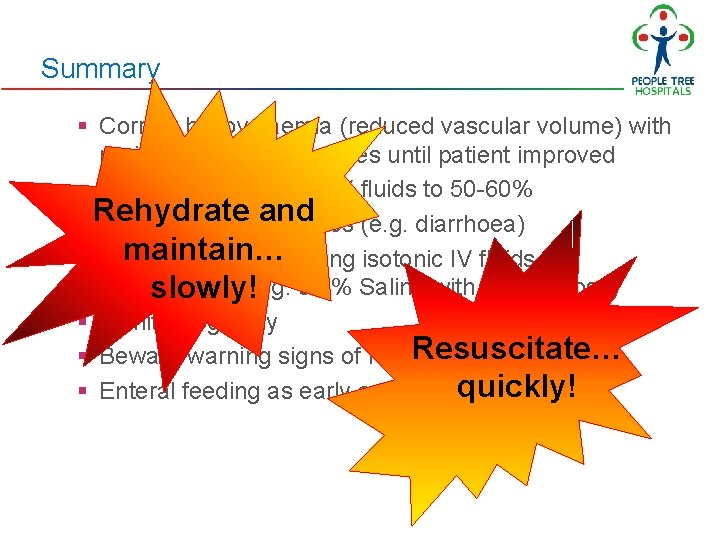
Summary § Correct hypovolaemia (reduced vascular volume) with rapid isotonic fluid boluses until patient improved § Restrict maintenance IV fluids to 50 -60% and § Rehydrate Replace ongoing losses (e. g. diarrhoea) maintain… § Give glucose-containing isotonic IV fluids for maintenance (e. g. 0. 9% Saline with 5% Glucose) slowly! § Monitor regularly Resuscitate… § Beware warning signs of hyponatraemia quickly! § Enteral feeding as early as possible
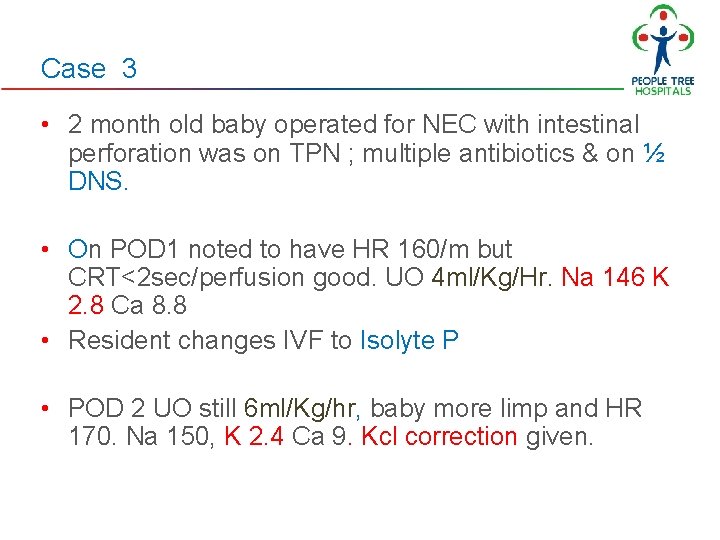
Case 3 • 2 month old baby operated for NEC with intestinal perforation was on TPN ; multiple antibiotics & on ½ DNS. • On POD 1 noted to have HR 160/m but CRT<2 sec/perfusion good. UO 4 ml/Kg/Hr. Na 146 K 2. 8 Ca 8. 8 • Resident changes IVF to Isolyte P • POD 2 UO still 6 ml/Kg/hr, baby more limp and HR 170. Na 150, K 2. 4 Ca 9. Kcl correction given.
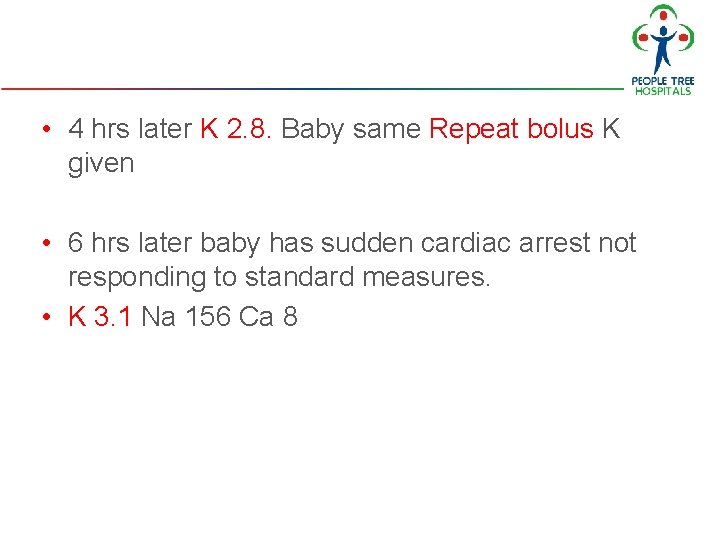
• 4 hrs later K 2. 8. Baby same Repeat bolus K given • 6 hrs later baby has sudden cardiac arrest not responding to standard measures. • K 3. 1 Na 156 Ca 8
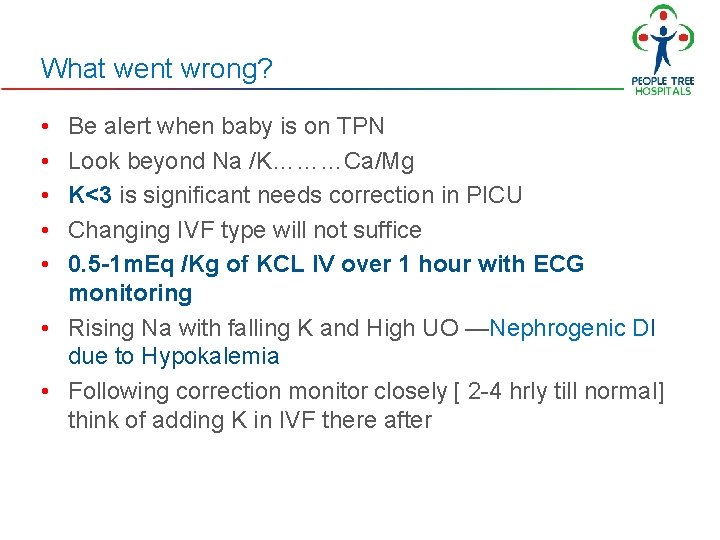
What went wrong? • • • Be alert when baby is on TPN Look beyond Na /K………Ca/Mg K<3 is significant needs correction in PICU Changing IVF type will not suffice 0. 5 -1 m. Eq /Kg of KCL IV over 1 hour with ECG monitoring • Rising Na with falling K and High UO —Nephrogenic DI due to Hypokalemia • Following correction monitor closely [ 2 -4 hrly till normal] think of adding K in IVF there after
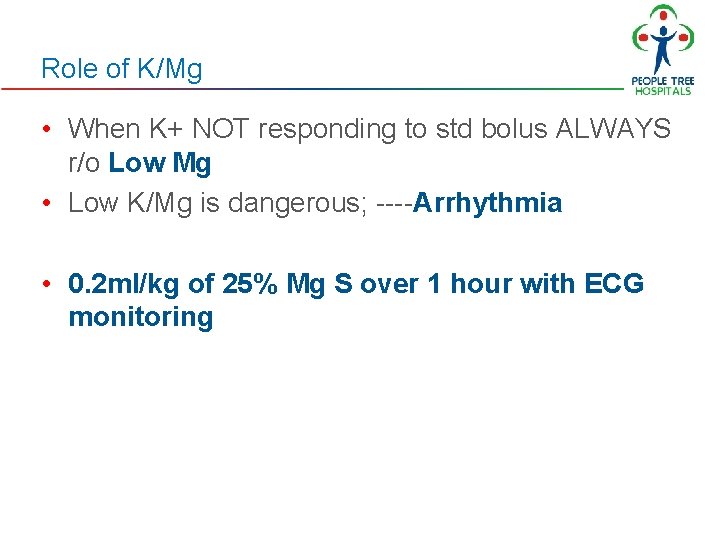
Role of K/Mg • When K+ NOT responding to std bolus ALWAYS r/o Low Mg • Low K/Mg is dangerous; ----Arrhythmia • 0. 2 ml/kg of 25% Mg S over 1 hour with ECG monitoring
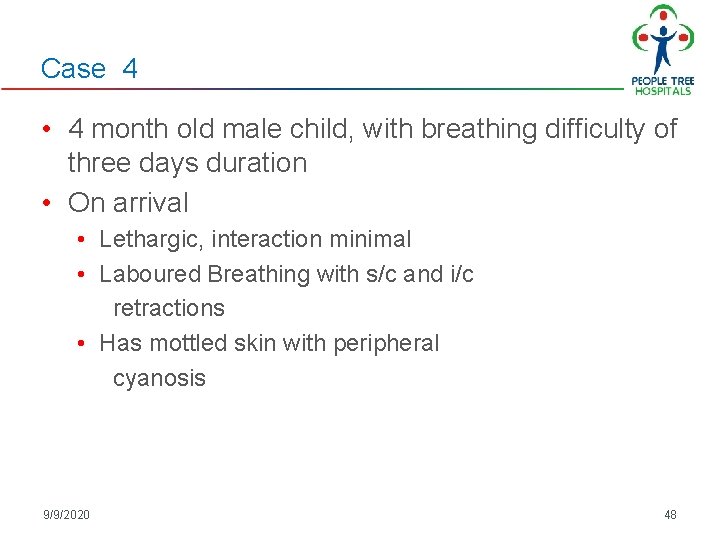
Case 4 • 4 month old male child, with breathing difficulty of three days duration • On arrival • Lethargic, interaction minimal • Laboured Breathing with s/c and i/c retractions • Has mottled skin with peripheral cyanosis 9/9/2020 48
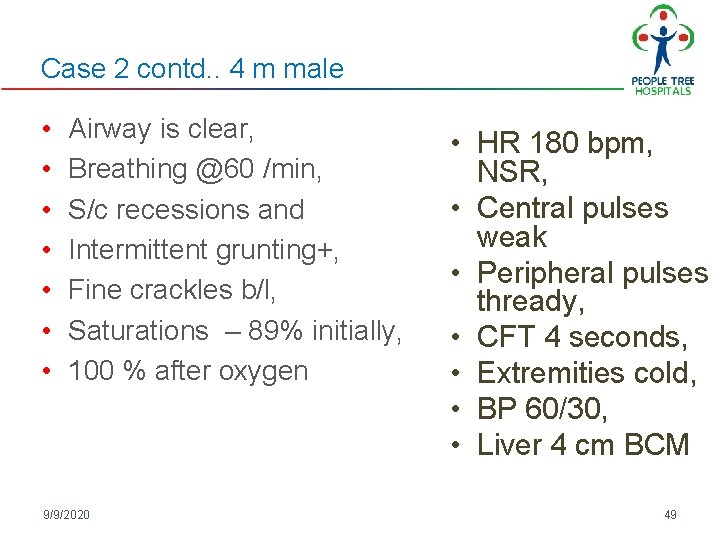
Case 2 contd. . 4 m male • • Airway is clear, Breathing @60 /min, S/c recessions and Intermittent grunting+, Fine crackles b/l, Saturations – 89% initially, 100 % after oxygen 9/9/2020 • HR 180 bpm, NSR, • Central pulses weak • Peripheral pulses thready, • CFT 4 seconds, • Extremities cold, • BP 60/30, • Liver 4 cm BCM 49
Case 2 contd. . 4 m male • Lethargic child, with respiratory distress • What fluids: DNS / others ? ; How much? 9/9/2020 50
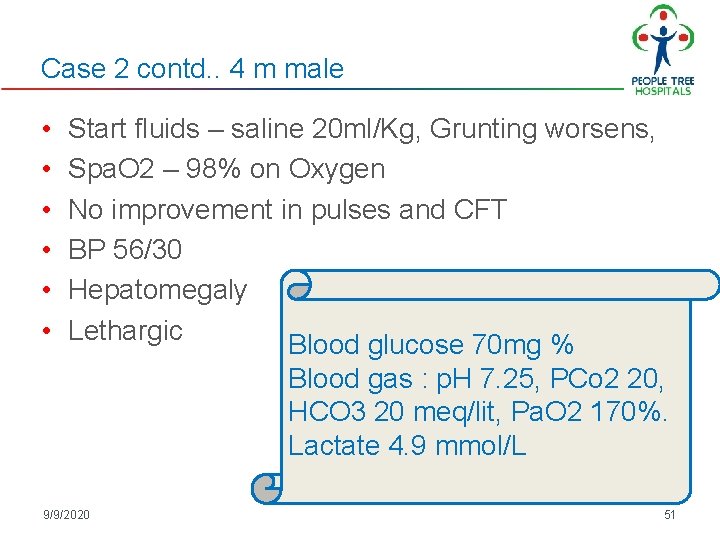
Case 2 contd. . 4 m male • • • Start fluids – saline 20 ml/Kg, Grunting worsens, Spa. O 2 – 98% on Oxygen No improvement in pulses and CFT BP 56/30 Hepatomegaly Lethargic Blood glucose 70 mg % Blood gas : p. H 7. 25, PCo 2 20, HCO 3 20 meq/lit, Pa. O 2 170%. Lactate 4. 9 mmol/L 9/9/2020 51
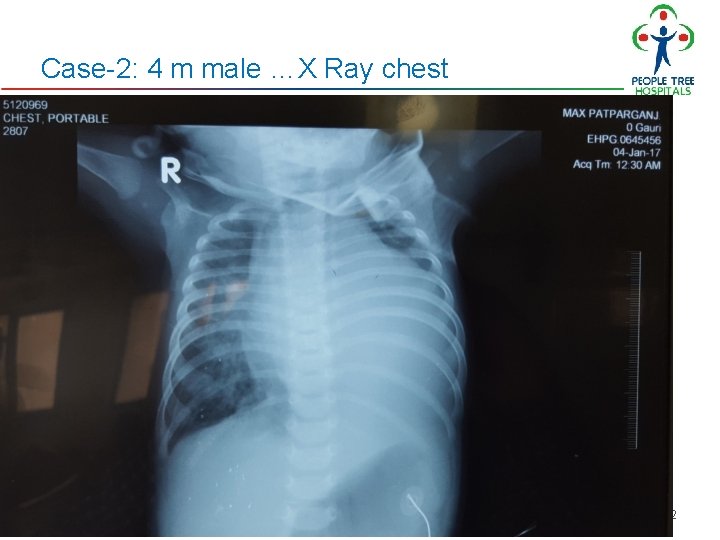
Case-2: 4 m male …X Ray chest 9/9/2020 Pedicon 2017: L N Taneja 52
Case contd. . 4 m male • Cardiogenic hypotensive shock, did not improve with fluids, with respiratory distress • Problems to be addressed • Vaso-constricted shock • Dilated heart • Impending Respiratory failure 9/9/2020 53
Goals for treatment of cardiogenic shock • Normalise perfusion • Since myocardium is damaged, flogging a tired horse is not going to work! Hence decrease the workload • Support / assist breathing , take care of fever • Cautious analgesia – impairs endogenous stress response that is helping perfusion 9/9/2020 54
Case 2 contd. . 4 m male • Arrange for a ventilation • Slow IV fluids if there is a reason of decreased preload as in poor feeding, vomiting or other losses, look for over load • A drug that • Decreases the after load for the failing heart by vasodilatation to support forward flow of blood and tissue perfusion • Augments the contractility? • Choices - • Inodilators (PDEI) Vasodilators • Catecholamines Cardiac glycosides 9/9/2020 55
Case 5 • 4 year old; shown for respiratory distress 2 days Repeated nebulisations drowsy • HR 180; RR 48; Sats 92% BP 77 / 55; cool peripheries • GCS 10; Ph 6. 99; p. Co 2 19 BE -22 Bicarb 10 • What next? GRBS >500 mg/dl
I know the protocol…. But…. . • • What is the estimated fluid deficit? Is there shock or only dehydration? Fluid bolus or no? Insulin bolus followed by infusion?
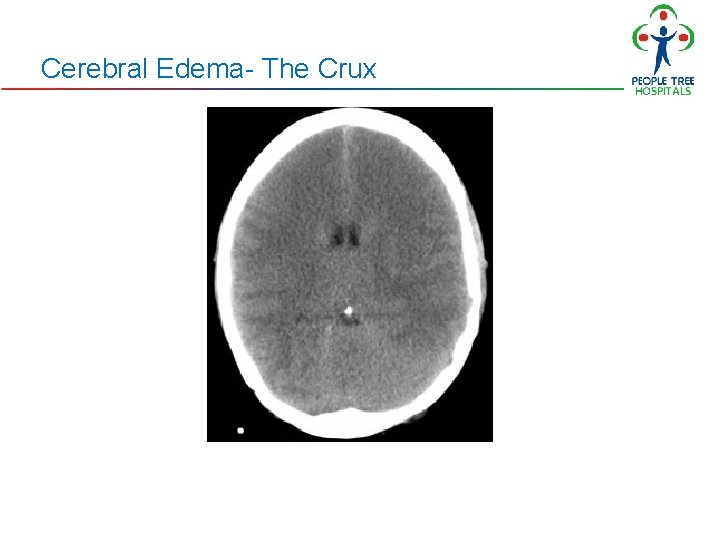
Cerebral Edema- The Crux
Literature • Cerebral Edema [CE] the dreaded complication blamed on increased and faster fluids and boluses • Never give fluid bolus • Correct it VERY slow 48 to 72 hrs • Literature evaluating fluid infusion in DKA suffers from low sample sizes, lack of comparator groups, and retrospective nature • -----OLD literature !
CE the Evidence • CE occurs at presentation even before Rx [ MRI/CT] • The severe form of CE is rare and recognised clinically • A variety of mechanisms beyond osmolar shifts CE, including vasogenic and cytotoxic causes. • Several studies with comparator groups suggest IV fluids are not associated with CE, though severity of DKA may be associated including the degree of acidosis and dehydration.
1] Fluid Challenges- Estimation of Dehydration/Shock • Shock can occur although rare • Shock masked – BP well preserved due to catecholamines and hyper osmolarity • UO cannot be used as a marker of good perfusion Hyperglycaemia driven. Increased Urine- until critical renal hypoperfusion • Dehydration estimation is difficult • Mostly overestimated fluid deficit • Weight loss is reliable • Current literature 5 -8%
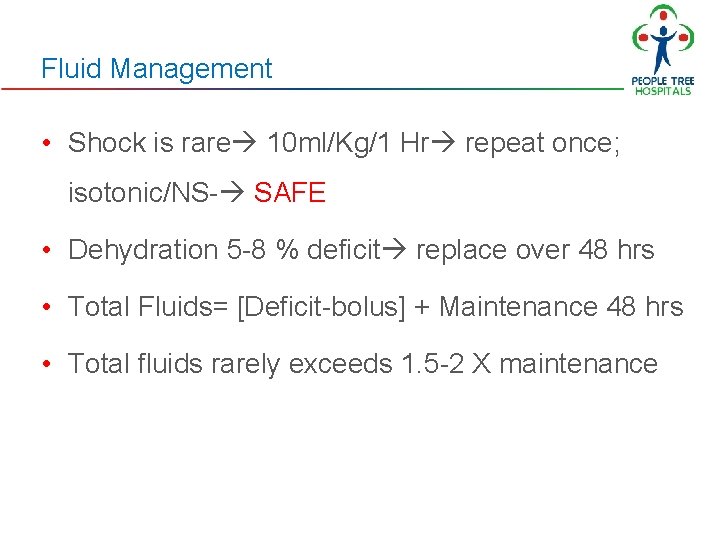
Fluid Management • Shock is rare 10 ml/Kg/1 Hr repeat once; isotonic/NS- SAFE • Dehydration 5 -8 % deficit replace over 48 hrs • Total Fluids= [Deficit-bolus] + Maintenance 48 hrs • Total fluids rarely exceeds 1. 5 -2 X maintenance
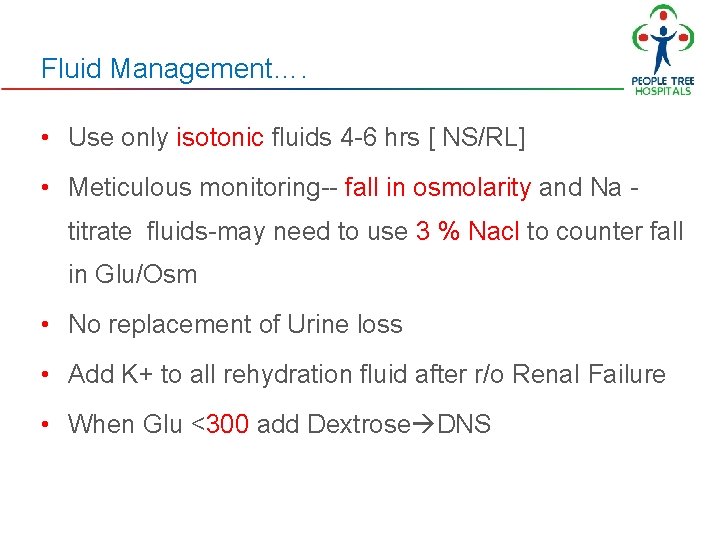
Fluid Management…. • Use only isotonic fluids 4 -6 hrs [ NS/RL] • Meticulous monitoring-- fall in osmolarity and Na titrate fluids-may need to use 3 % Nacl to counter fall in Glu/Osm • No replacement of Urine loss • Add K+ to all rehydration fluid after r/o Renal Failure • When Glu <300 add Dextrose DNS
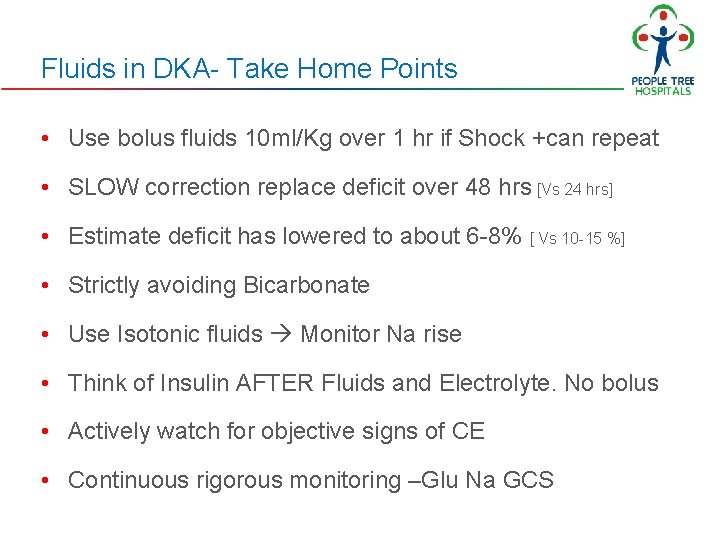
Fluids in DKA- Take Home Points • Use bolus fluids 10 ml/Kg over 1 hr if Shock +can repeat • SLOW correction replace deficit over 48 hrs [Vs 24 hrs] • Estimate deficit has lowered to about 6 -8% [ Vs 10 -15 %] • Strictly avoiding Bicarbonate • Use Isotonic fluids Monitor Na rise • Think of Insulin AFTER Fluids and Electrolyte. No bolus • Actively watch for objective signs of CE • Continuous rigorous monitoring –Glu Na GCS
Thank you