FLIGHT TEST SAFETY WORKSHOP FAA Approval of Highly


- Slides: 38
FLIGHT TEST SAFETY WORKSHOP FAA Approval of Highly Integrated Avionics Systems Presented to: Flight Test Safety Workshop By: Jim Richmond Aircraft Certification Service Flight Program Manager Date: November 11, 2009 Federal Aviation Administration
The Concern • There are few specific rules or guidance for flight test of avionics systems • While integrated cockpits improve situational awareness and safety, flight test must ensure pilots can effectively cope with new avionics in all situations • Flight test knowledge of system architecture is essential in evaluating integrated avionics systems Aircraft Certification Service April 30, 2009 November 12, 2009 Federal Aviation Administration 2
Sources of FAA Policy for Avionics • FAA Advisory material • RTCA Documents – DO-178 B • SAE Documents – ARP-4754 – Policy Conflicts -- ARP takes precedence for software level determination Aircraft Certification Service April 30, 2009 November 12, 2009 Federal Aviation Administration 10
Significant changes in Avionics Three areas of change – Satellite based navigation – System integration – Pathway presentation Aircraft Certification Service April 30, 2009 November 12, 2009 Federal Aviation Administration 11
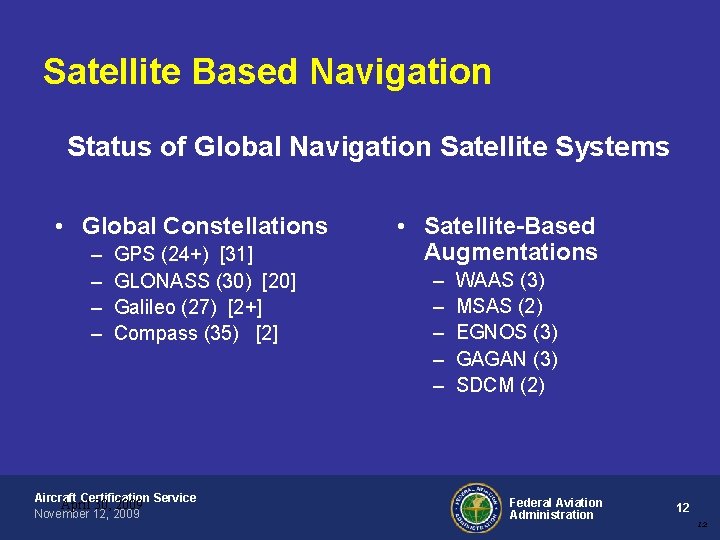
Satellite Based Navigation Status of Global Navigation Satellite Systems • Global Constellations – – GPS (24+) [31] GLONASS (30) [20] Galileo (27) [2+] Compass (35) [2] Aircraft Certification Service April 30, 2009 November 12, 2009 • Satellite-Based Augmentations – – – WAAS (3) MSAS (2) EGNOS (3) GAGAN (3) SDCM (2) Federal Aviation Administration 12 12
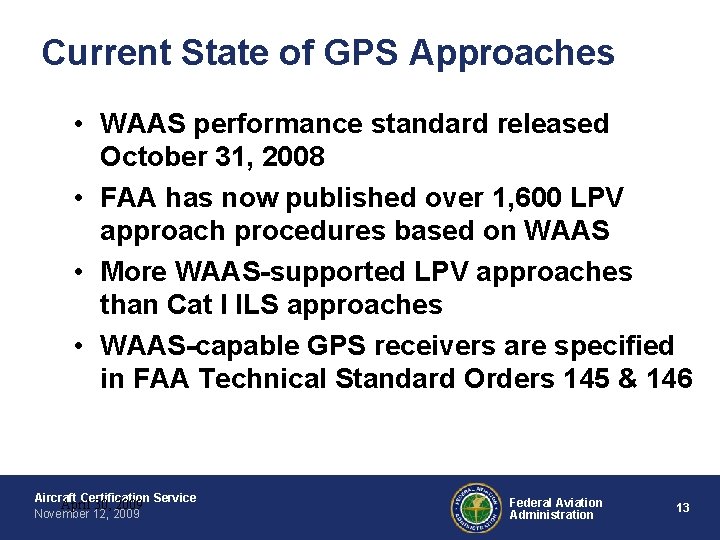
Current State of GPS Approaches • WAAS performance standard released October 31, 2008 • FAA has now published over 1, 600 LPV approach procedures based on WAAS • More WAAS-supported LPV approaches than Cat I ILS approaches • WAAS-capable GPS receivers are specified in FAA Technical Standard Orders 145 & 146 Aircraft Certification Service April 30, 2009 November 12, 2009 Federal Aviation Administration 13
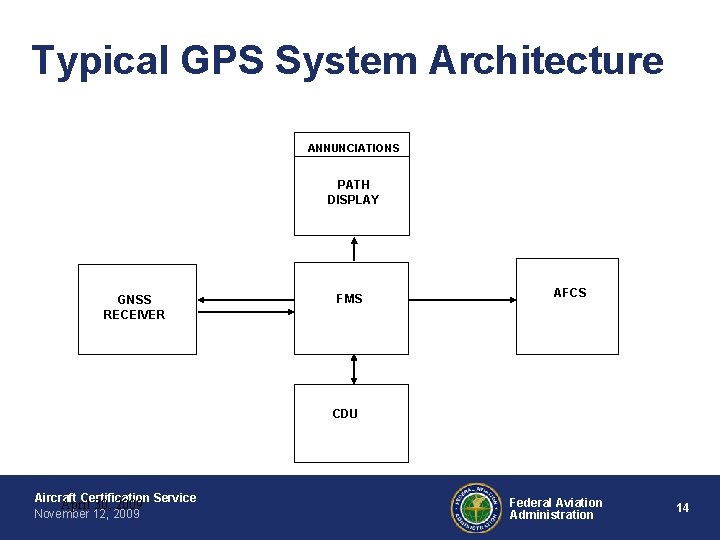
Typical GPS System Architecture ANNUNCIATIONS PATH DISPLAY GNSS RECEIVER FMS AFCS CDU Aircraft Certification Service April 30, 2009 November 12, 2009 Federal Aviation Administration 14
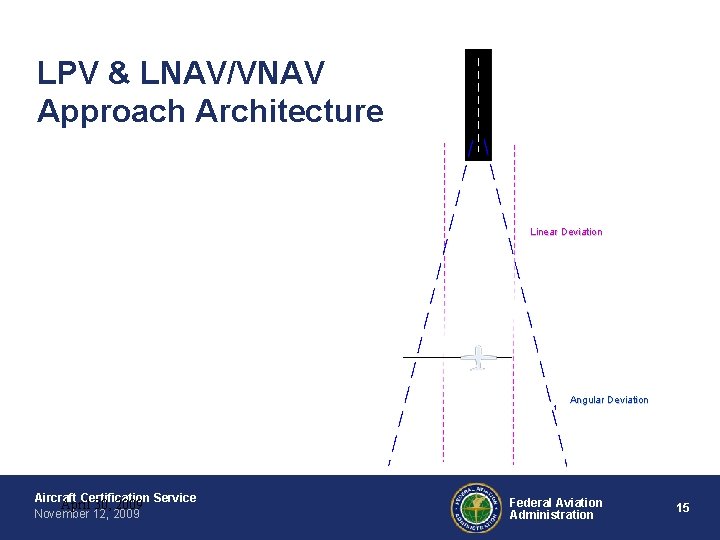
LPV & LNAV/VNAV Approach Architecture Linear Deviation Angular Deviation Aircraft Certification Service April 30, 2009 November 12, 2009 Federal Aviation Administration 15
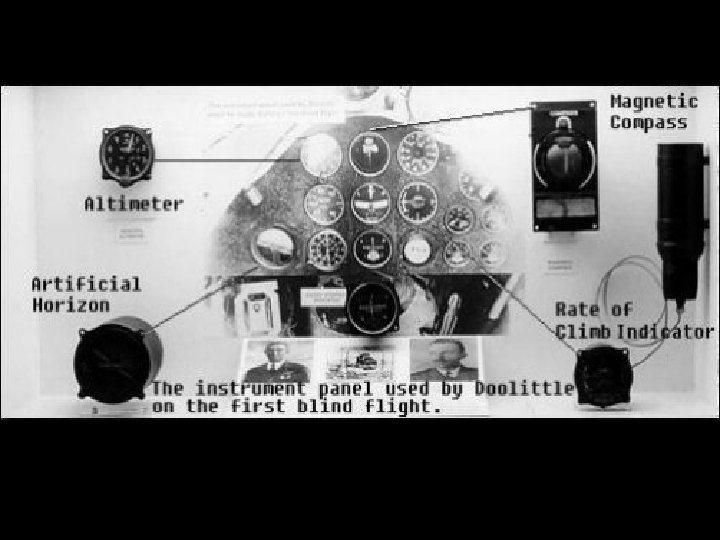
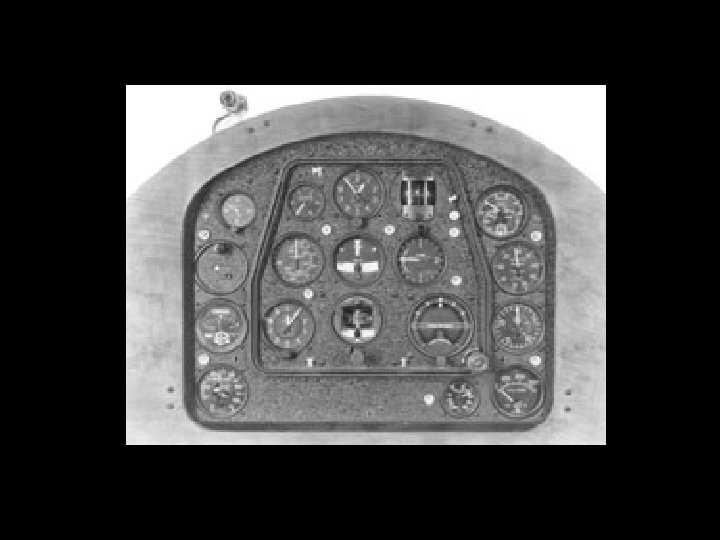
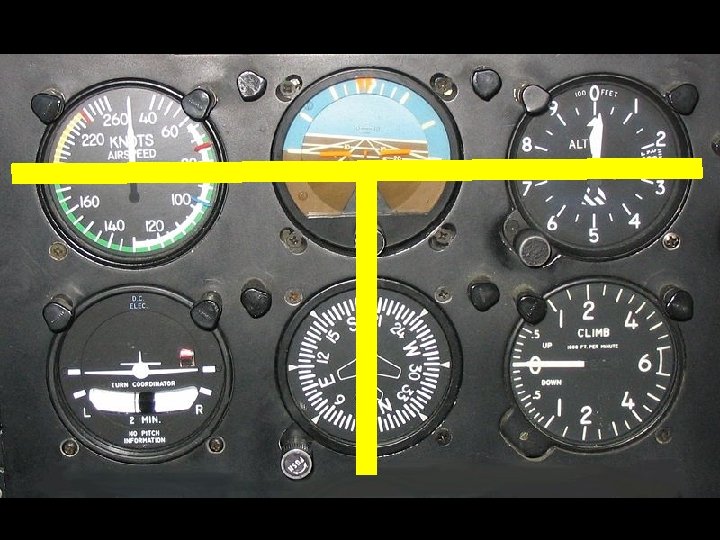
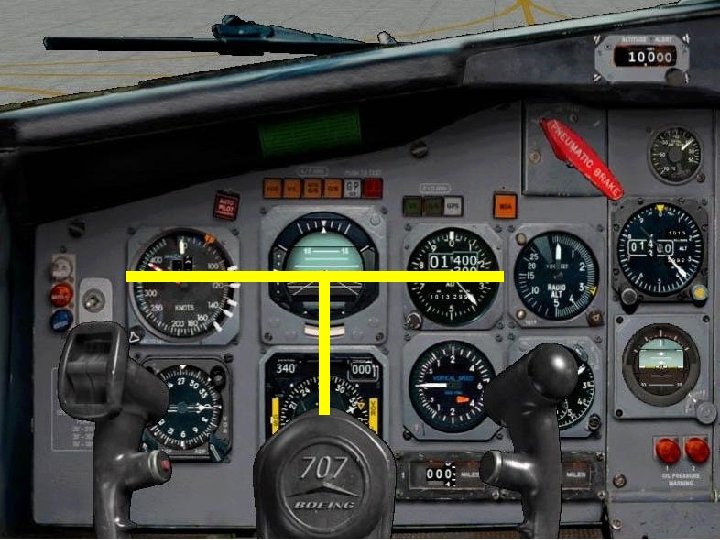
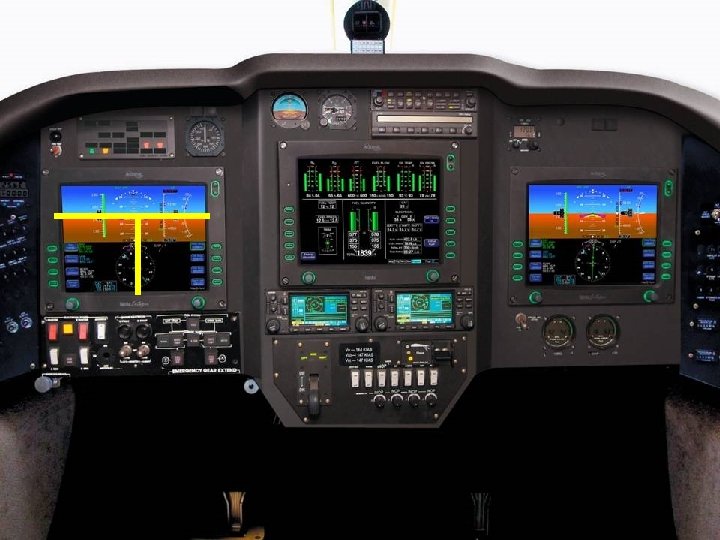
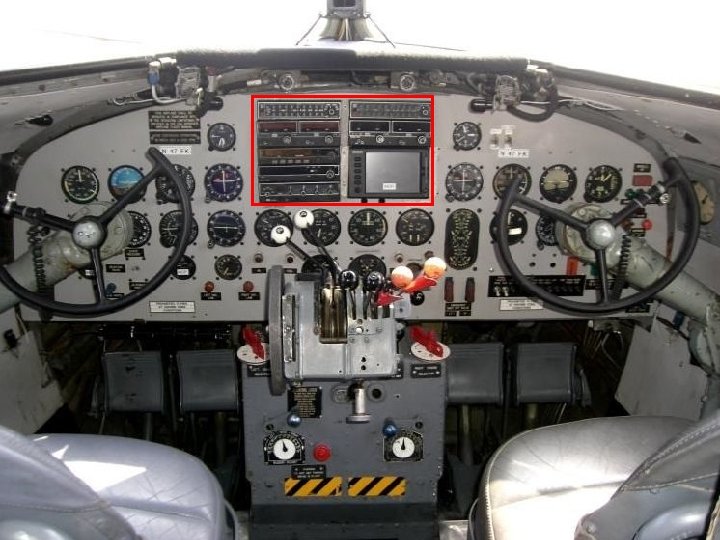
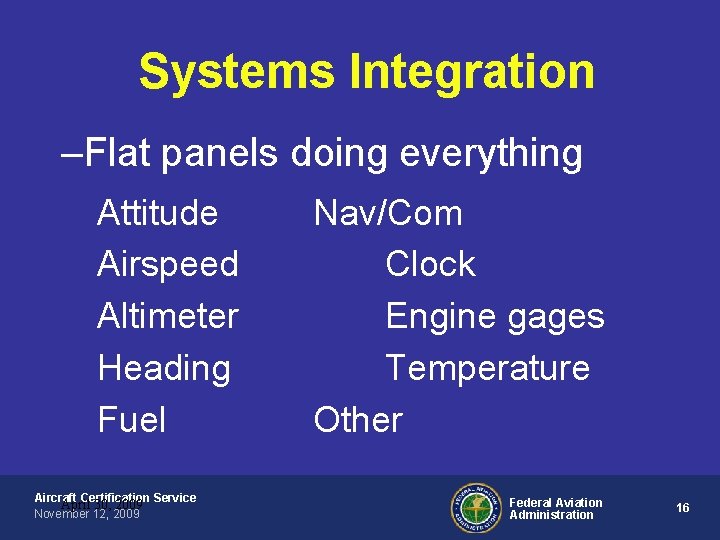
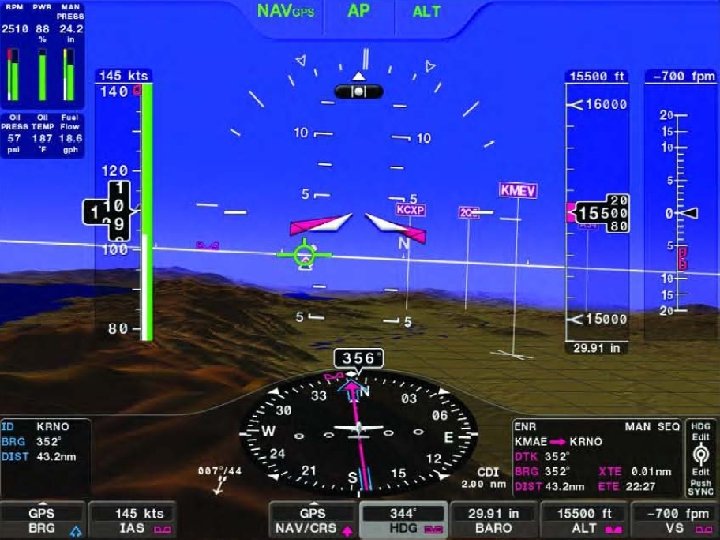
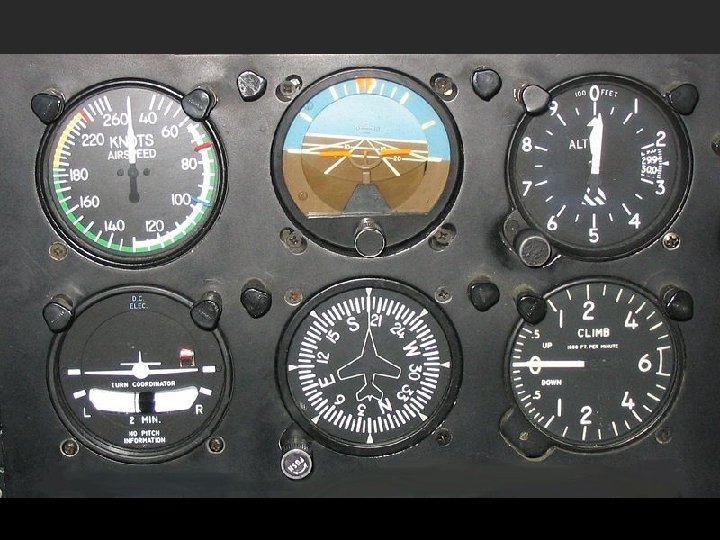
Systems Integration –Flat panels doing everything Attitude Airspeed Altimeter Heading Fuel Aircraft Certification Service April 30, 2009 November 12, 2009 Nav/Com Clock Engine gages Temperature Other Federal Aviation Administration 16
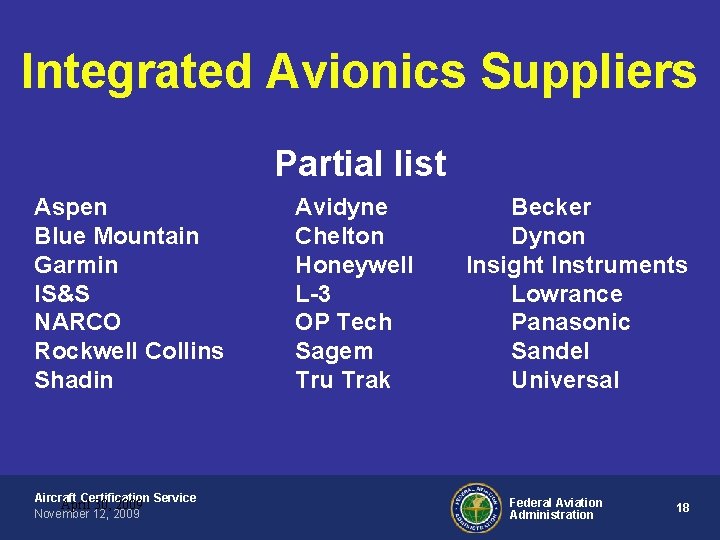
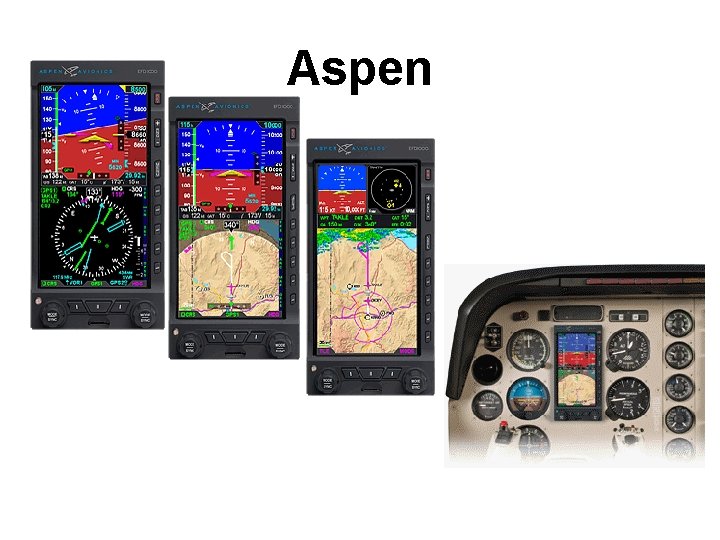
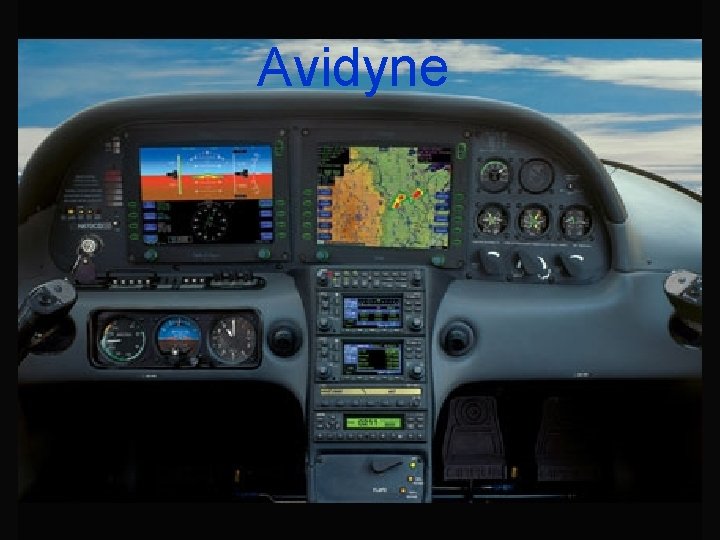
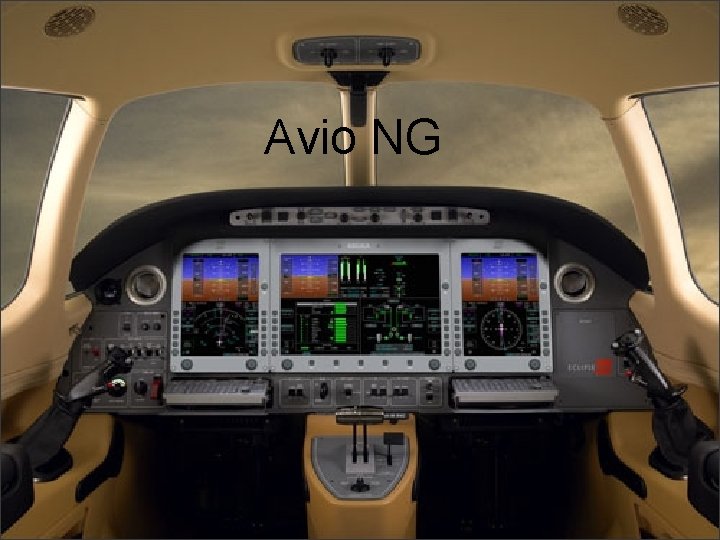
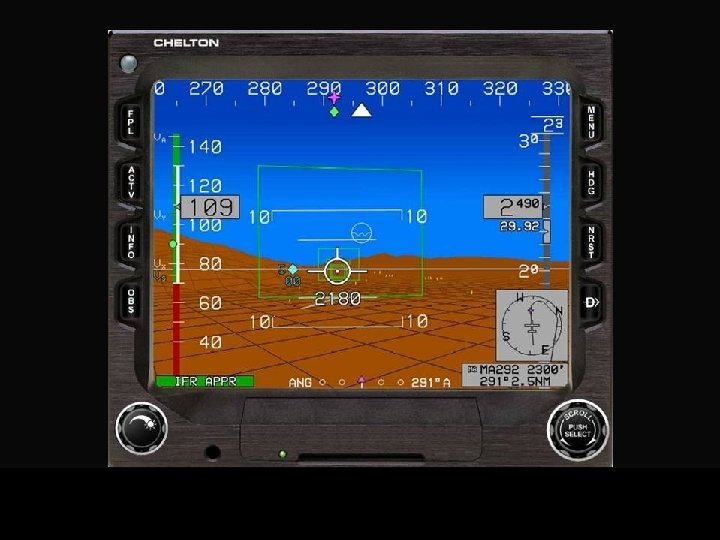
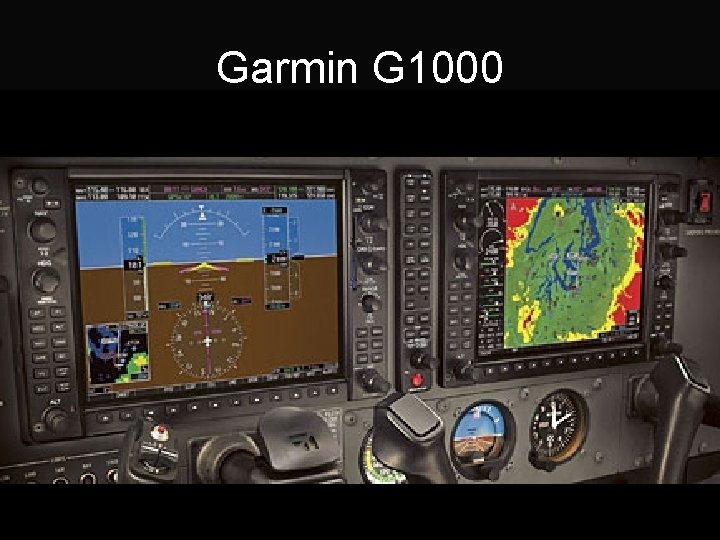
Integrated Avionics Suppliers Partial list Aspen Blue Mountain Garmin IS&S NARCO Rockwell Collins Shadin Aircraft Certification Service April 30, 2009 November 12, 2009 Avidyne Chelton Honeywell L-3 OP Tech Sagem Tru Trak Becker Dynon Insight Instruments Lowrance Panasonic Sandel Universal Federal Aviation Administration 18
Aspen
Avidyne
Avio NG
Garmin G 1000
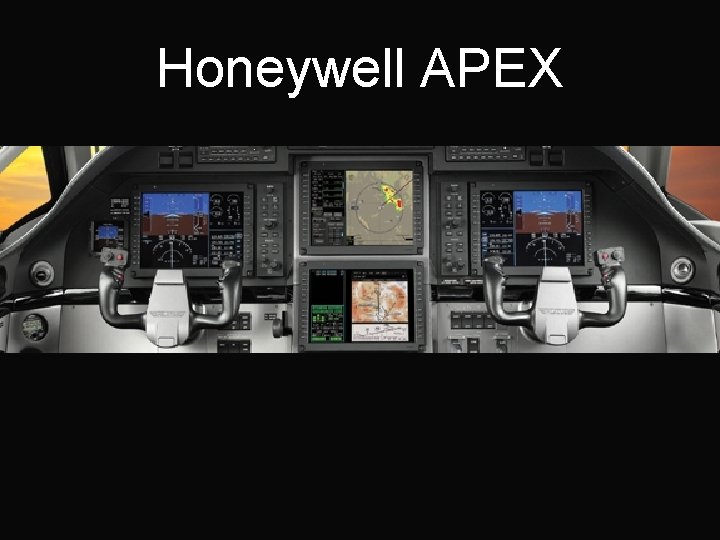
Honeywell APEX
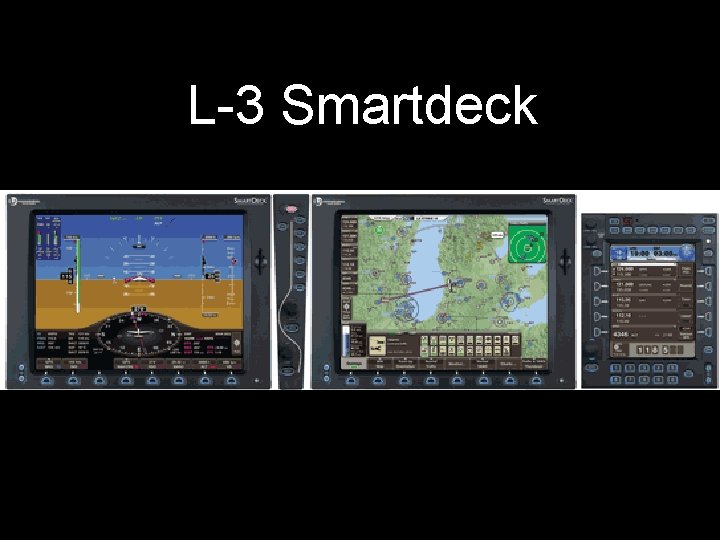
L-3 Smartdeck
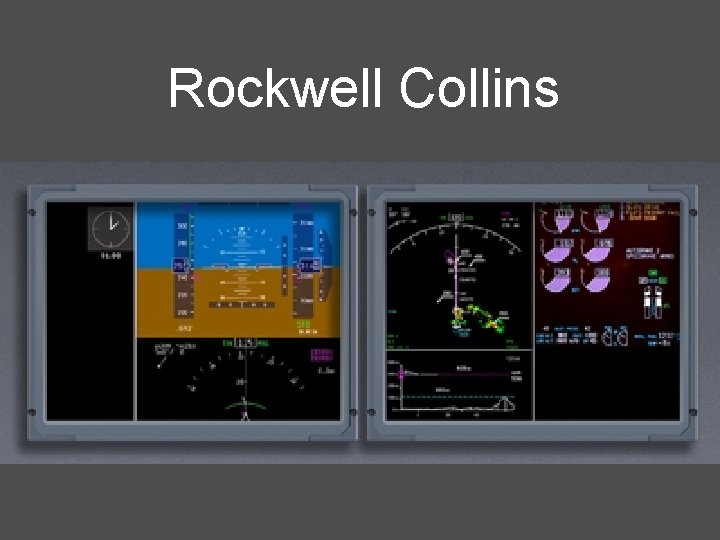
Rockwell Collins
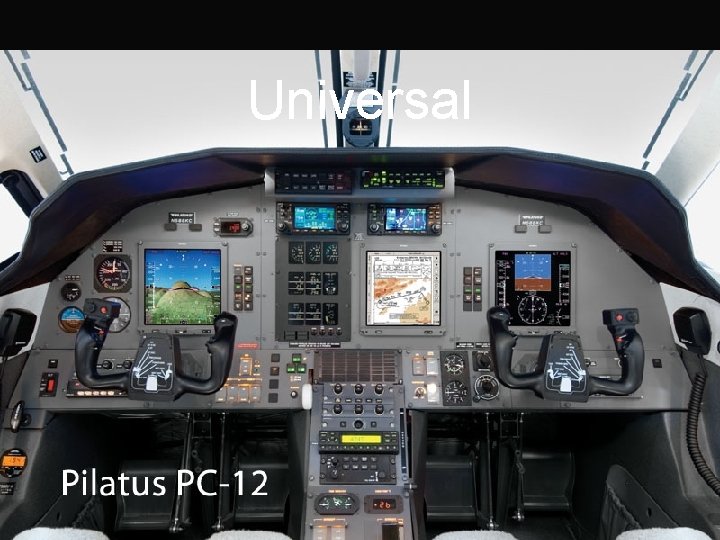
Universal
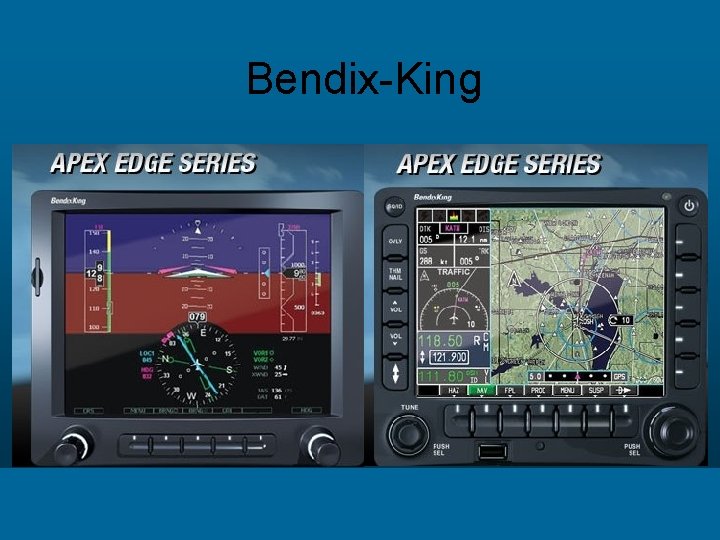
Bendix-King
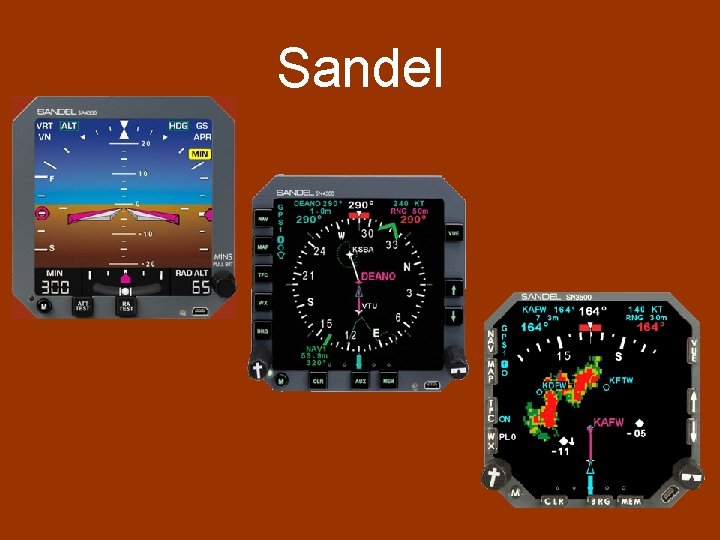
Sandel
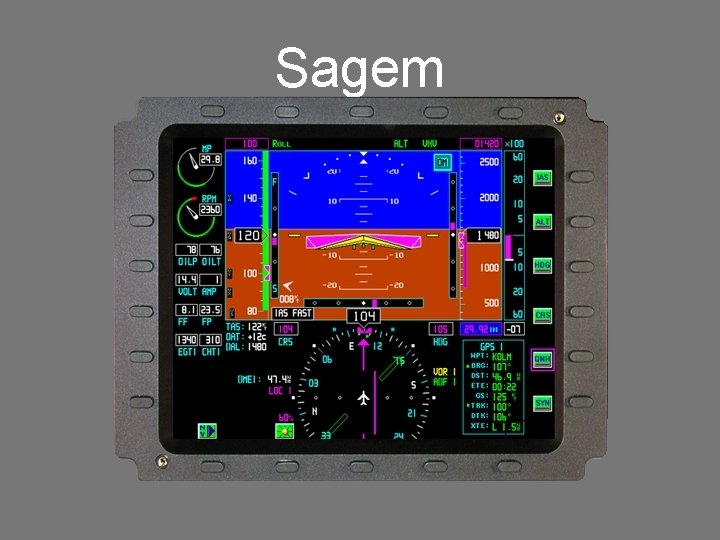
Sagem
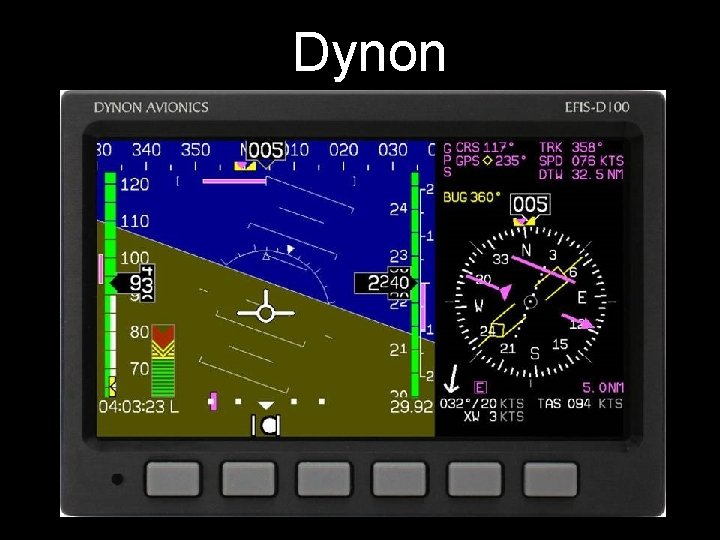
Dynon
Pathway Presentation • LNAV/VNAV & WAAS based LPV Approaches – Transparent pathway • Highway In The Sky (HITS) – Perception that this is new technology – Reality is that HITS is essentially a 3 dimensional flight director – Appropriate flight path guidance required • Model is usually HUD based • Flight path vector symbol Aircraft Certification Service April 30, 2009 November 12, 2009 Federal Aviation Administration 34
Current Areas of Concern • WAAS LPV Approaches – Misleading Approach Guidance during a WAAS LPV Approach is classified as Hazardous – Use of FMS for WAAS LPV approaches • Envelope Protection – Implementation – Human Factors elements • New Avionics Suites – Display compression – What information to display – Implementation of Highway In The Sky (HITS) Aircraft Certification Service April 30, 2009 November 12, 2009 Federal Aviation Administration 35
To be remembered • There are few specific rules or guidance for flight test of avionics systems • Integrated cockpits can improve situational awareness and improve safety but flight test must ensure the pilot can effectively cope with the new avionics in all situations • Knowledge of system architecture is essential in evaluating integrated avionics systems Aircraft Certification Service April 30, 2009 November 12, 2009 Federal Aviation Administration 36
FLIGHT TEST SAFETY WORKSHOP FAA Approval of Highly Integrated Avionics Systems Presented to: Flight Test Safety Workshop By: Jim Richmond Aircraft Certification Service Flight Program Manager Date: November 11, 2009 Federal Aviation Administration
Definitions • Hazardous – Failure conditions that would reduce the capability of the airplane or the ability of the crew to cope with adverse operating conditions to the extent that there would be the following: a) A large reduction in safety margins or functional capabilities; b) Physical distress or higher workload such that the flight crew cannot be relied upon to perform their tasks accurately or completely; or c) Serious or fatal injury to an occupant other than the flight crew. Aircraft Certification Service April 30, 2009 November 12, 2009 Federal Aviation Administration 38