Digital Storytelling Conventions of the Genre DMC Making



- Slides: 34
Digital Storytelling: Conventions of the Genre DMC “Making a Video from Start to Finish” Dr. Elizabeth A. Festa July 20, 2016 http: //digitalstorytellingsynthesis. pbworks. com/f/1257190585 /wordmap. jpg
Click to edit Master title style Agenda • A (very) brief history of the genre • Conventions of the genre • Preliminary storyboarding • Sharing most significant images • Sharing “spine” of your story • 4 -5 key images/moments
“ ‘Digital Storytelling’ is the modern expression of the ancient art of storytelling. Digital stories derive their power by weaving images, music, narrative, and voice together, thereby giving deep dimension and vivid color to characters, situations, experiences, and insights. ” Center for Digital Storytelling (CDS) Taken from L. Spiro “Show Me A Story: Making Short Videos” ~Leslie Rule,
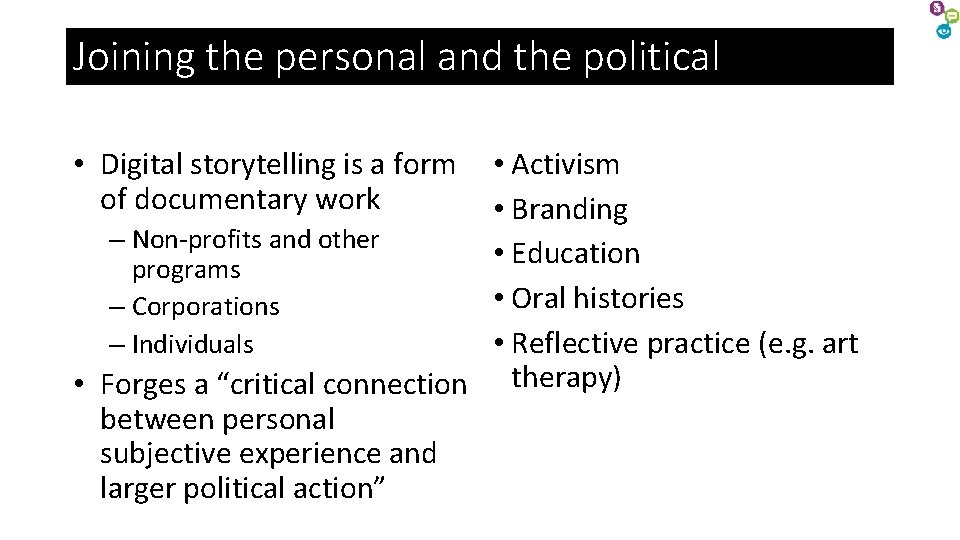
Click to the Joining editpersonal Master title and style the political • Activism • Branding – Non-profits and other • Education programs • Oral histories – Corporations • Reflective practice (e. g. art – Individuals • Forges a “critical connection therapy) between personal subjective experience and larger political action” • Digital storytelling is a form of documentary work
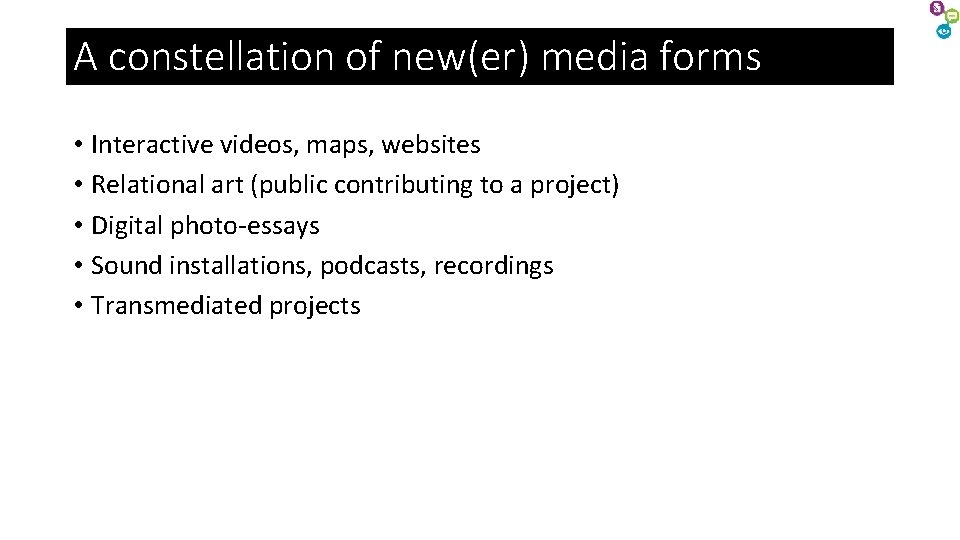
A constellation of new(er) media forms • Interactive videos, maps, websites • Relational art (public contributing to a project) • Digital photo-essays • Sound installations, podcasts, recordings • Transmediated projects
Conventions of the Genre
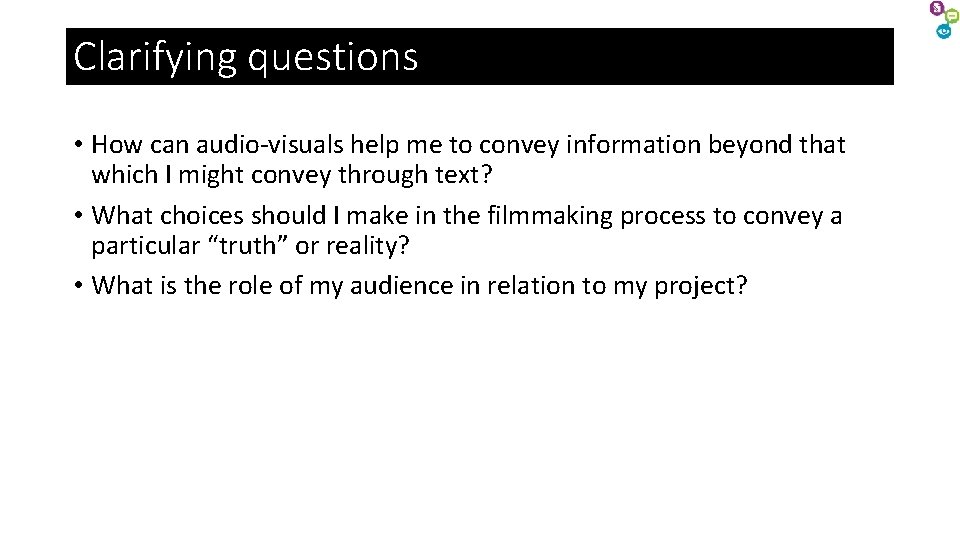
Clarifying questions • How can audio-visuals help me to convey information beyond that which I might convey through text? • What choices should I make in the filmmaking process to convey a particular “truth” or reality? • What is the role of my audience in relation to my project?
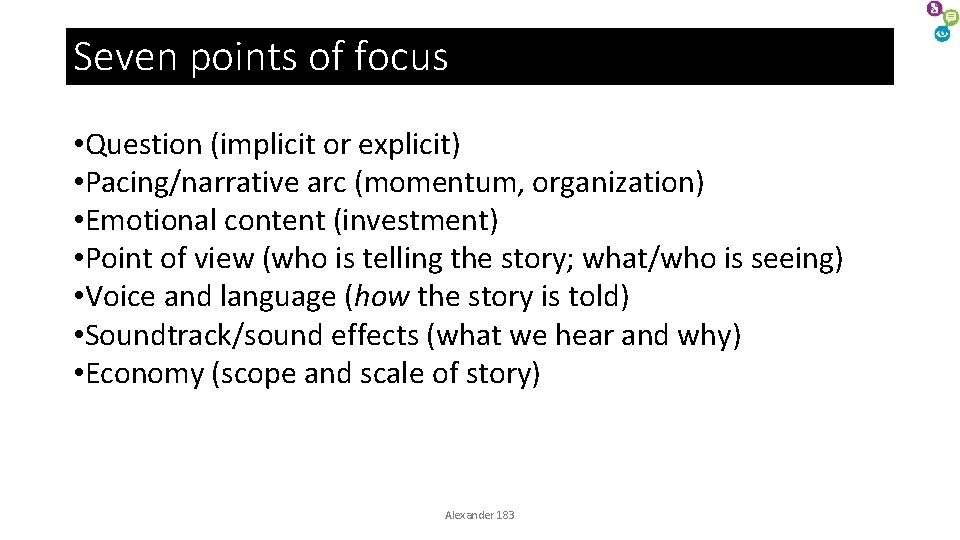
Seven points of focus • Question (implicit or explicit) • Pacing/narrative arc (momentum, organization) • Emotional content (investment) • Point of view (who is telling the story; what/who is seeing) • Voice and language (how the story is told) • Soundtrack/sound effects (what we hear and why) • Economy (scope and scale of story) Alexander 183
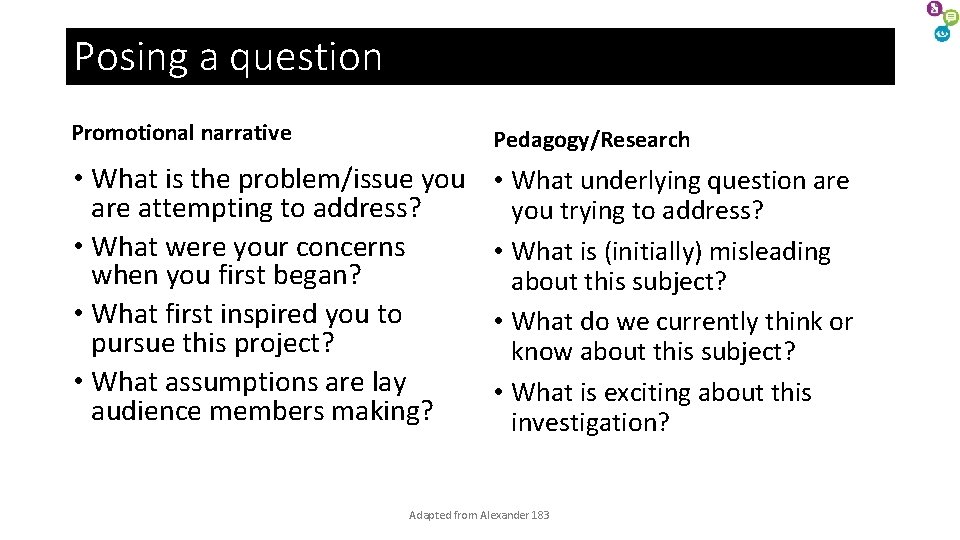
Click Posing toaedit question Master title style Promotional narrative Pedagogy/Research • What is the problem/issue you are attempting to address? • What were your concerns when you first began? • What first inspired you to pursue this project? • What assumptions are lay audience members making? • What underlying question are you trying to address? • What is (initially) misleading about this subject? • What do we currently think or know about this subject? • What is exciting about this investigation? Adapted from Alexander 183
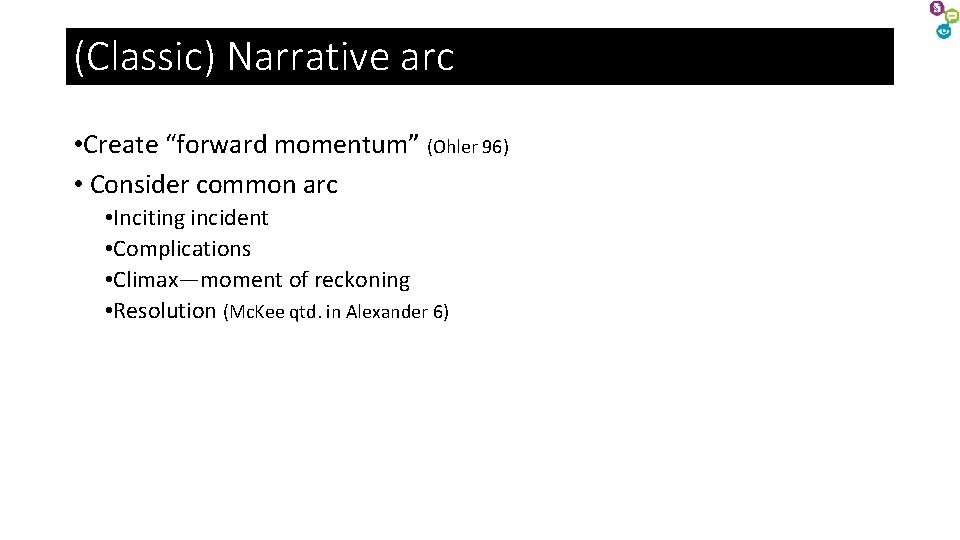
(Classic) Narrative arc • Create “forward momentum” (Ohler 96) • Consider common arc • Inciting incident • Complications • Climax—moment of reckoning • Resolution (Mc. Kee qtd. in Alexander 6)
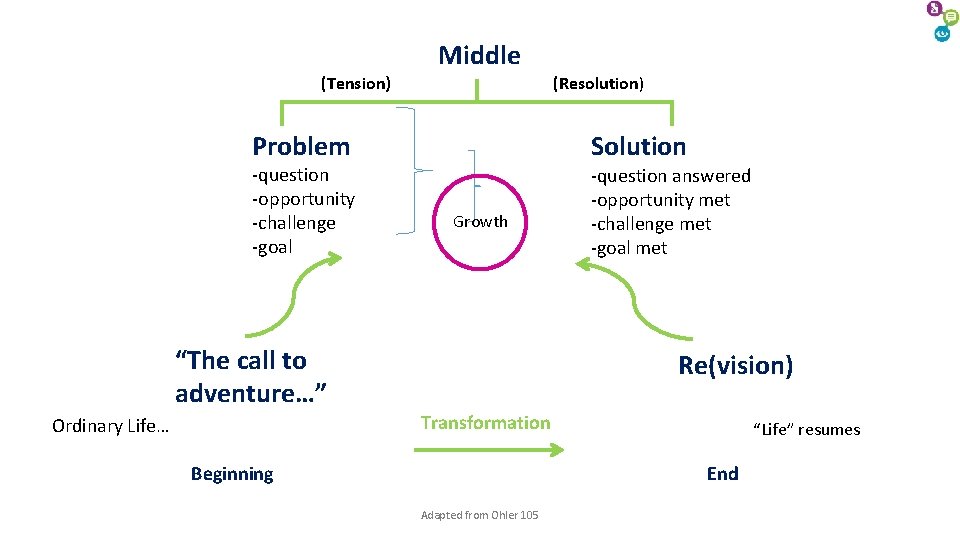
Middle (Tension) (Resolution) Problem -question -opportunity -challenge -goal Solution Growth “The call to adventure…” -question answered -opportunity met -challenge met -goal met Re(vision) Transformation Ordinary Life… Beginning “Life” resumes End Adapted from Ohler 105
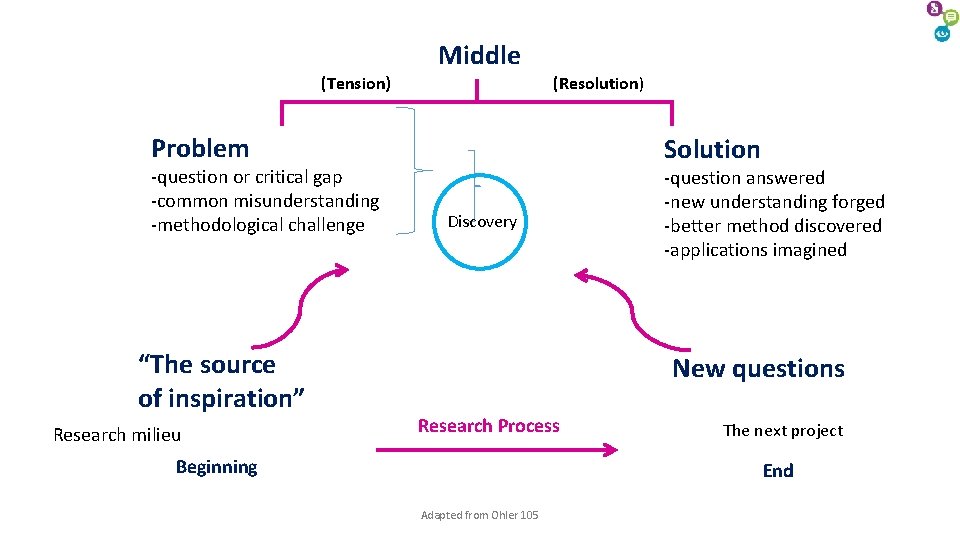
Middle (Tension) (Resolution) Problem -question or critical gap -common misunderstanding -methodological challenge “The source of inspiration” Research milieu Solution Discovery -question answered -new understanding forged -better method discovered -applications imagined New questions Research Process Beginning The next project End Adapted from Ohler 105
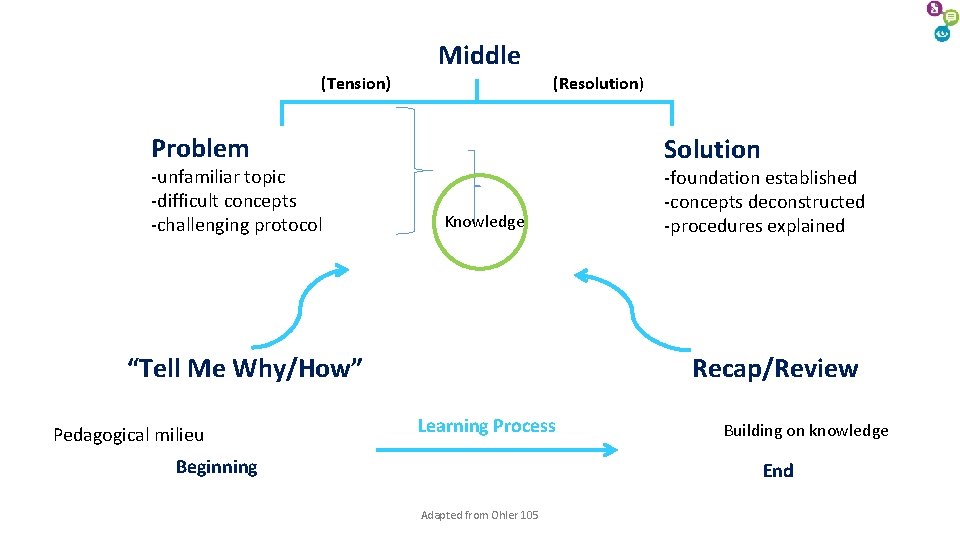
Middle (Tension) (Resolution) Problem -unfamiliar topic -difficult concepts -challenging protocol Solution Knowledge “Tell Me Why/How” Pedagogical milieu -foundation established -concepts deconstructed -procedures explained Recap/Review Learning Process Beginning Building on knowledge End Adapted from Ohler 105
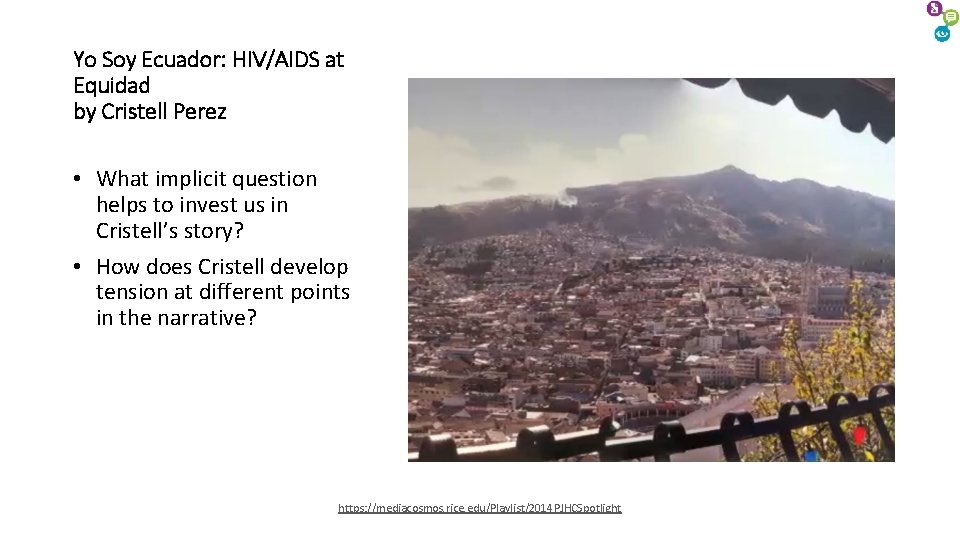
Yo Soy Ecuador: HIV/AIDS at Equidad by Cristell Perez • What implicit question helps to invest us in Cristell’s story? • How does Cristell develop tension at different points in the narrative? https: //mediacosmos. rice. edu/Playlist/2014 PJHCSpotlight
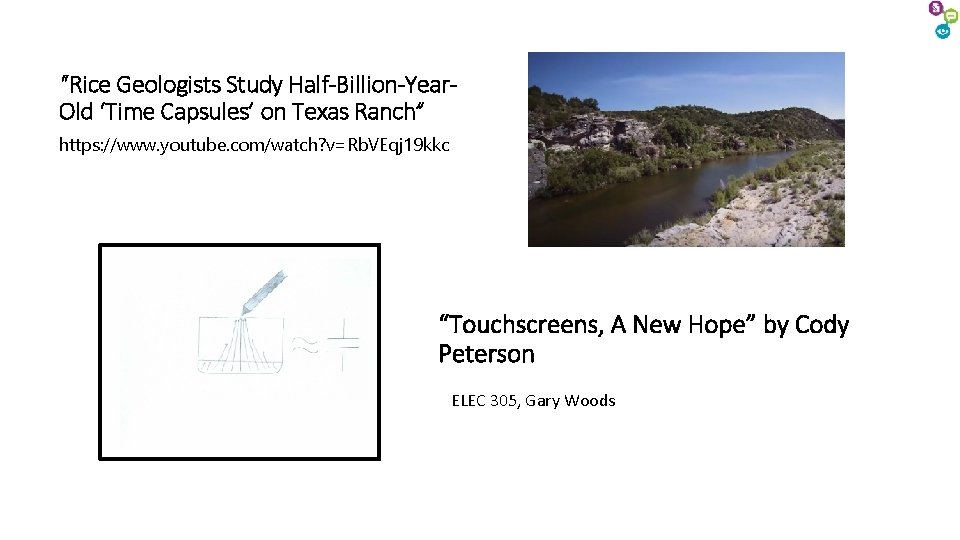
“Rice Geologists Study Half-Billion-Year. Old ‘Time Capsules’ on Texas Ranch” https: //www. youtube. com/watch? v=Rb. VEqj 19 kkc “Touchscreens, A New Hope” by Cody Peterson ELEC 305, Gary Woods
Establishing point of view/POV • From whose perspective(s) is the story being told? –Through whose eyes is the story being shot? • What question is the story trying to answer? • What assumptions does the story make about the audience’s point of view?
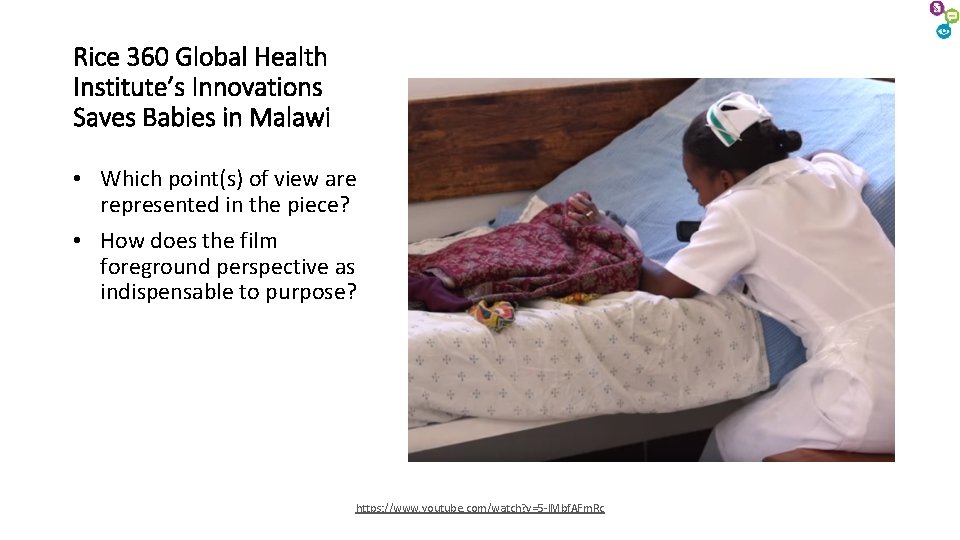
Rice 360 Global Health Institute’s Innovations Saves Babies in Malawi • Which point(s) of view are represented in the piece? • How does the film foreground perspective as indispensable to purpose? https: //www. youtube. com/watch? v=5 -l. Mbf. AFm. Rc
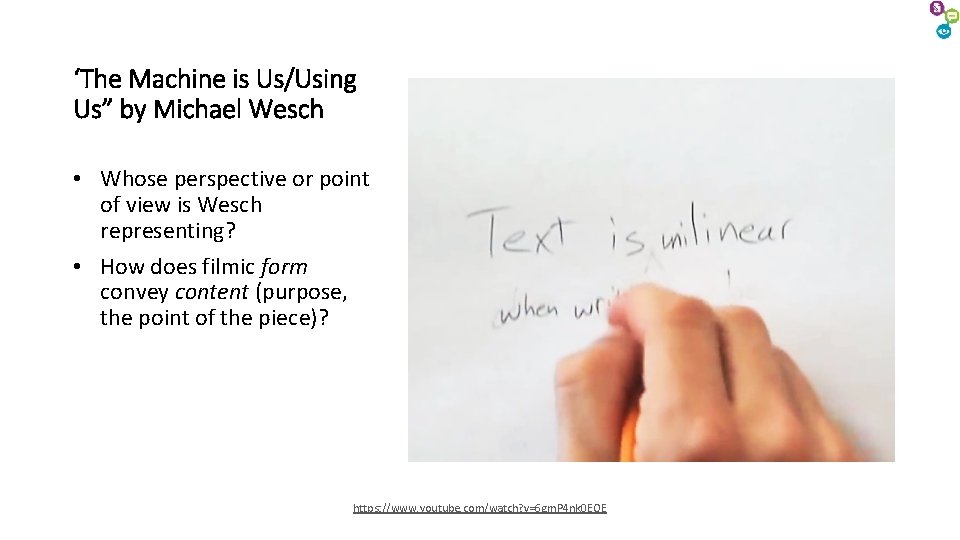
‘The Machine is Us/Using Us” by Michael Wesch • Whose perspective or point of view is Wesch representing? • How does filmic form convey content (purpose, the point of the piece)? https: //www. youtube. com/watch? v=6 gm. P 4 nk 0 EOE
Emotional content • Draw out emotion from different points in the narrative • challenge • exhilaration • frustration • Exaggerated emotion/voiding of emotion diminish credibility • Appropriate emotion registers as authentic Alexander 187; Lambert 58
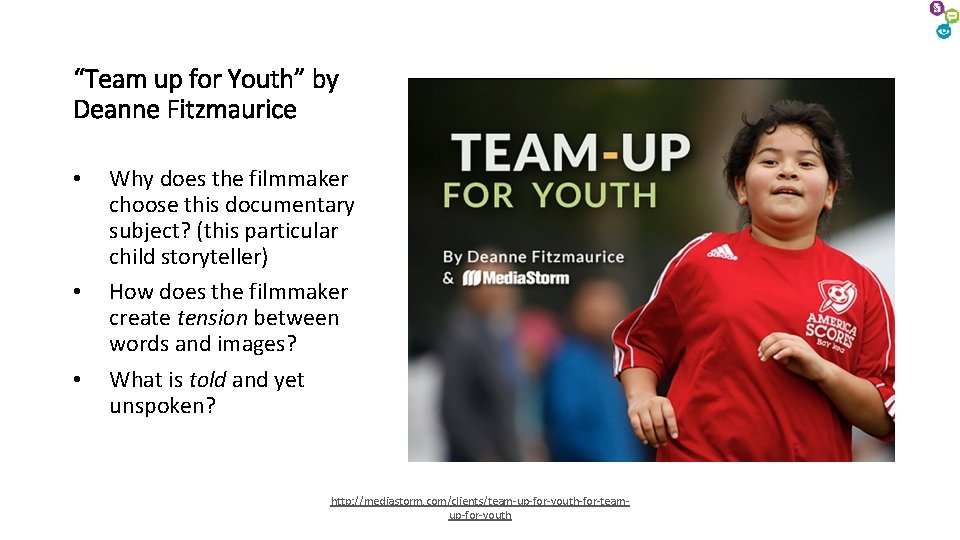
“Team up for Youth” by Deanne Fitzmaurice • • • Why does the filmmaker choose this documentary subject? (this particular child storyteller) How does the filmmaker create tension between words and images? What is told and yet unspoken? http: //mediastorm. com/clients/team-up-for-youth-for-teamup-for-youth
Voice and language • Voice can powerfully convey meaning, feeling, and tone –Pauses, breaks –Pacing –Vocal quality –Intonation patterns • Richly descriptive language enlivens subject (think carefully about your script!) • Resonant quotes from interviewees pique interest
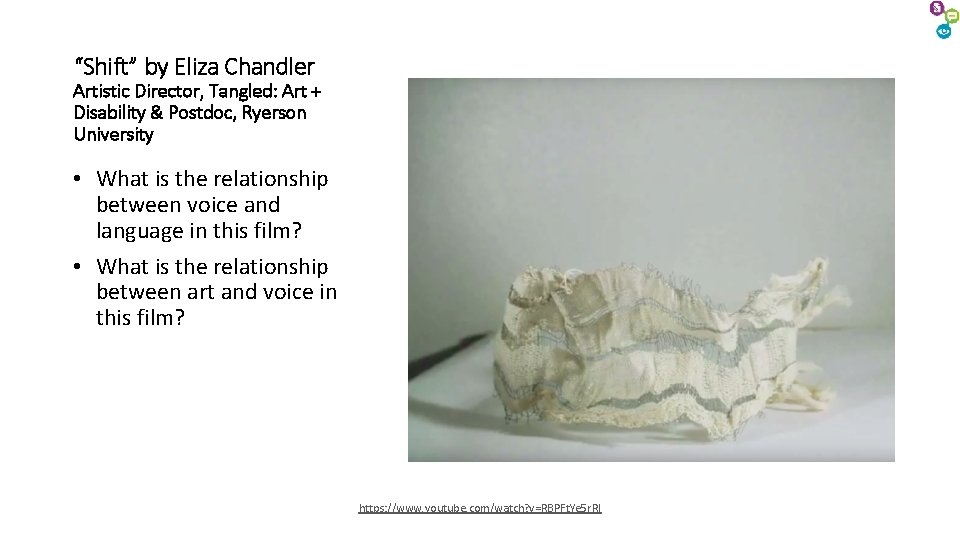
“Shift” by Eliza Chandler Artistic Director, Tangled: Art + Disability & Postdoc, Ryerson University • What is the relationship between voice and language in this film? • What is the relationship between art and voice in this film? https: //www. youtube. com/watch? v=RBPFt. Ye 5 r. RI
Soundtrack and sound effects • Suggests tone, feeling, emotion • Cues the setting, time period • May cue shifts in argument, point of view, purpose • May sustain momentum, impart cogency
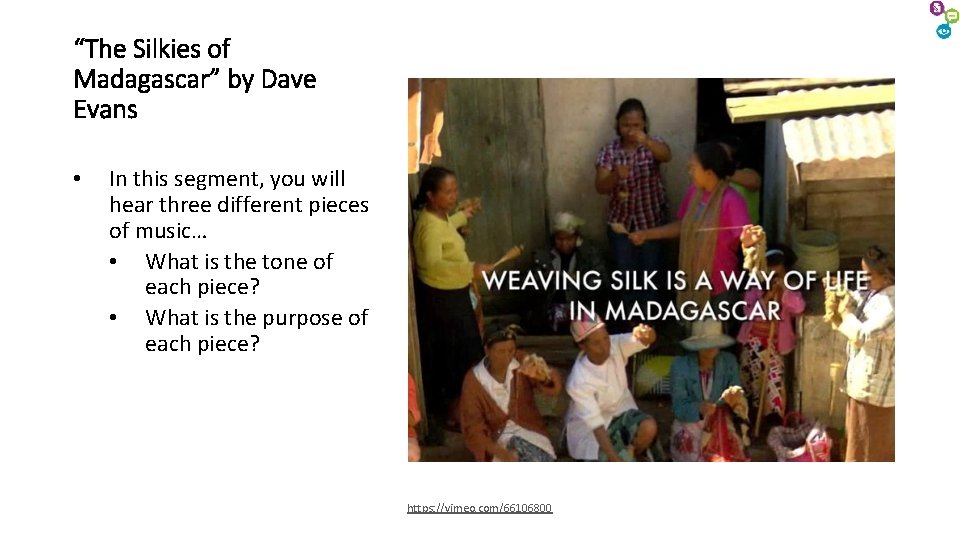
“The Silkies of Madagascar” by Dave Evans • In this segment, you will hear three different pieces of music… • What is the tone of each piece? • What is the purpose of each piece? https: //vimeo. com/66106800
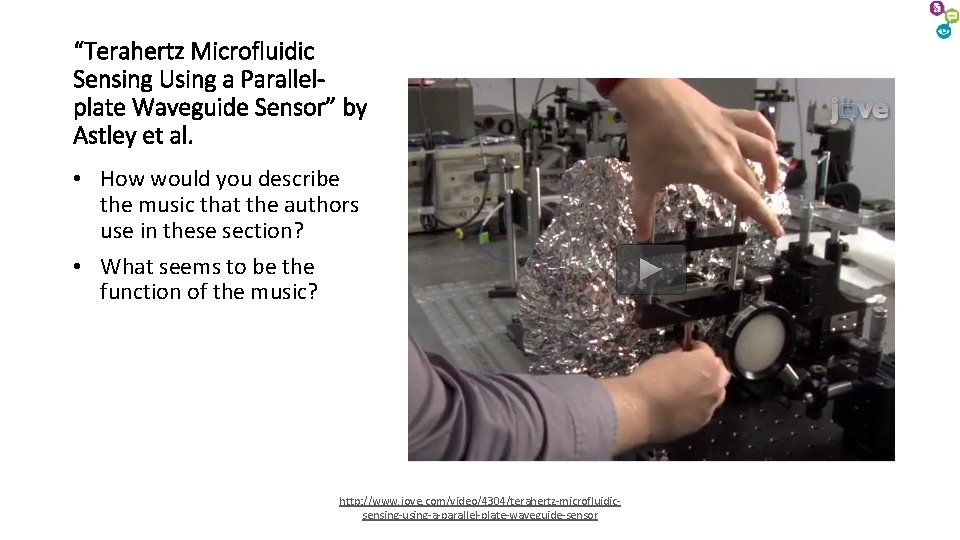
“Terahertz Microfluidic Sensing Using a Parallelplate Waveguide Sensor” by Astley et al. • How would you describe the music that the authors use in these section? • What seems to be the function of the music? http: //www. jove. com/video/4304/terahertz-microfluidicsensing-using-a-parallel-plate-waveguide-sensor
Economy • Succinct stories can be powerful • Use repetition-with-a-difference to layer meaning • Hand-craft/control narration to convey profound meaning in a short time-span • Take time to perform the story and achieve maximum effect Alexander 184; Lambert 67
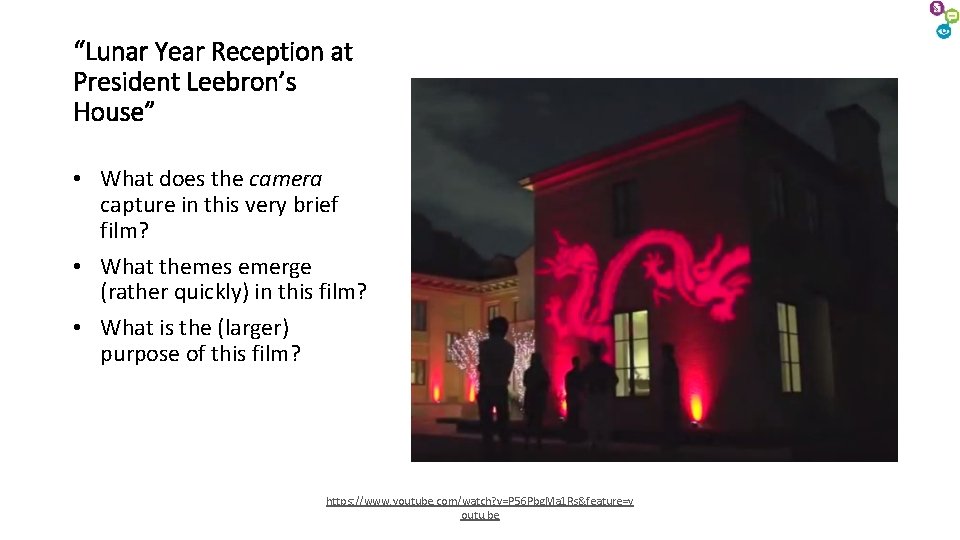
“Lunar Year Reception at President Leebron’s House” • What does the camera capture in this very brief film? • What themes emerge (rather quickly) in this film? • What is the (larger) purpose of this film? https: //www. youtube. com/watch? v=P 56 Pbg. Ma 1 Rs&feature=y outu. be
Storyboarding
Click to. Elements Visual edit Master title style • Photographs • Creative commons images • Text slides • Data sets • Illustrations/animation • CDS recommends 20 images or fewer • Establishing shot • Composition of individual shots • Combination of images within a frame (e. g. collage) • Movement of images --Panning --Zooming • Tensions between words and images Lambert 67
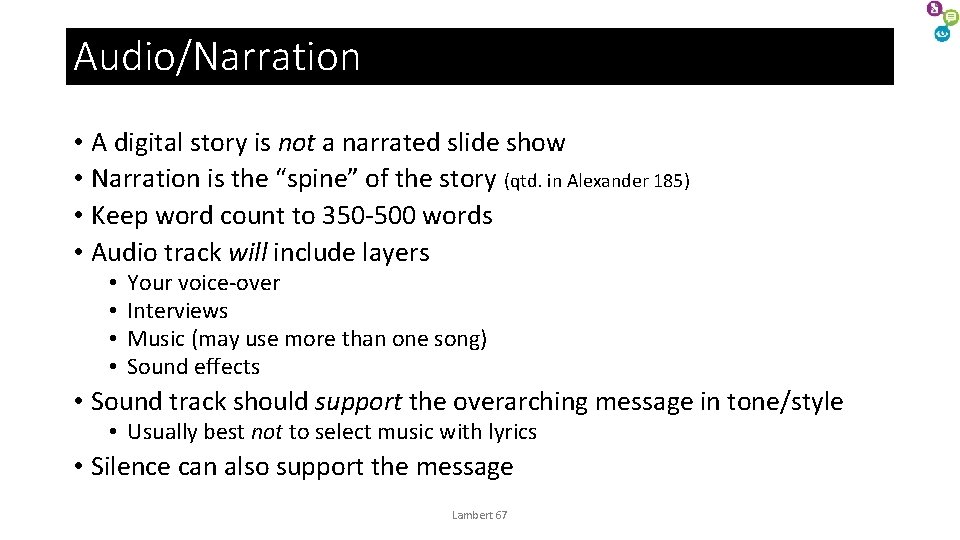
Audio/Narration • A digital story is not a narrated slide show • Narration is the “spine” of the story (qtd. in Alexander 185) • Keep word count to 350 -500 words • Audio track will include layers • • Your voice-over Interviews Music (may use more than one song) Sound effects • Sound track should support the overarching message in tone/style • Usually best not to select music with lyrics • Silence can also support the message Lambert 67
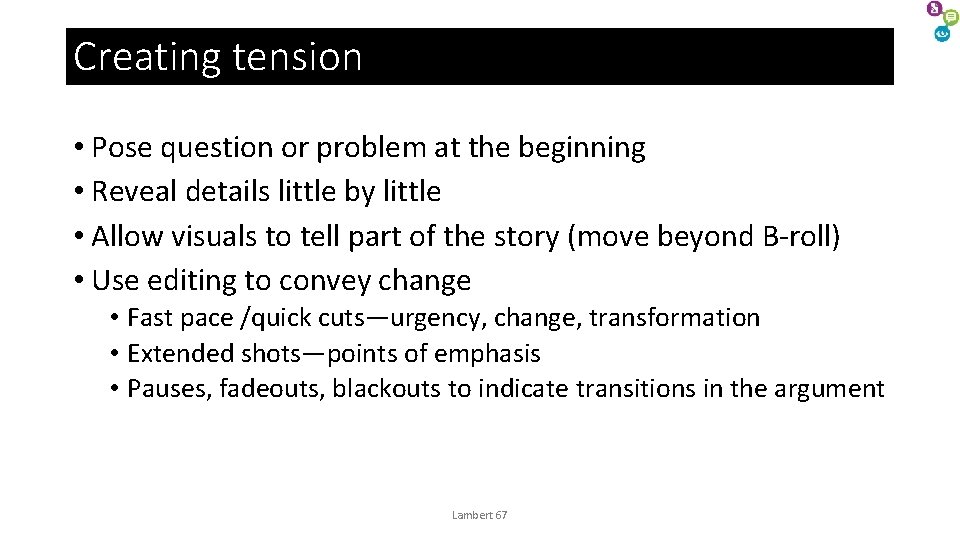
Creating tension • Pose question or problem at the beginning • Reveal details little by little • Allow visuals to tell part of the story (move beyond B-roll) • Use editing to convey change • Fast pace /quick cuts—urgency, change, transformation • Extended shots—points of emphasis • Pauses, fadeouts, blackouts to indicate transitions in the argument Lambert 67
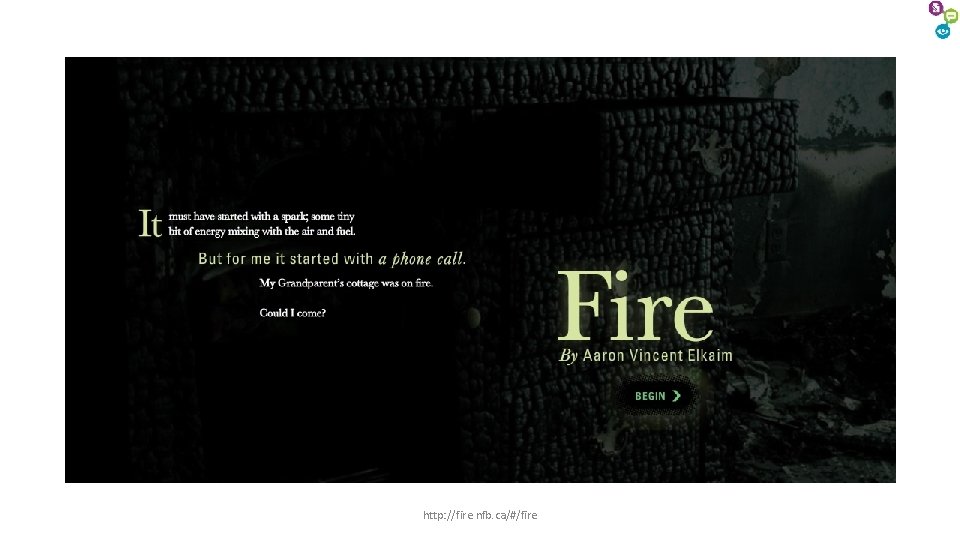
http: //fire. nfb. ca/#/fire
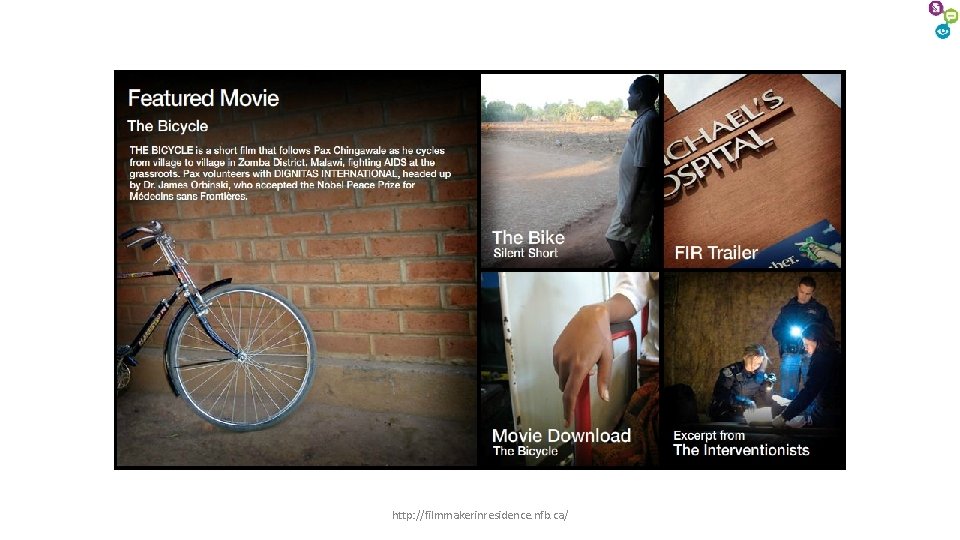
http: //filmmakerinresidence. nfb. ca/
Resources Alexander, Bryan. The New Digital Storytelling: Creating Narratives with New Media. Santa Barbara, Denver, and Oxford: Praeger, 2011. Lambert, Joe. Digital Storytelling: Creating Lives, Creating Community. 4 th ed. New York and London: Routledge, 2013. Media. Storm. Http: //www. mediastorm. com Ohler, Jason. B. Digital Storytelling in the Classroom: New Media Pathways to Literacy, Learning, and Creativity. 2 nd ed. Thousand Oaks, London, and New Delhi, 2013. Spiro, Lisa. “Show Me a Story: Making Short Videos. ” March 2008. Rice University. http: //www. docstoc. com/docs/169284566/Digital-Storytelling---Fondren-Library-Rice-University