Chapter 17 Earths interior Earths interior structure Earth

- Slides: 52
Chapter 17 Earth’s interior
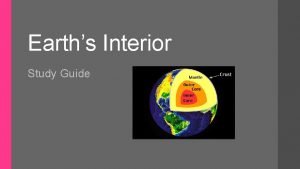
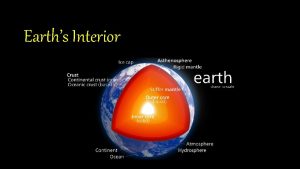
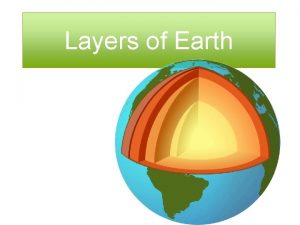
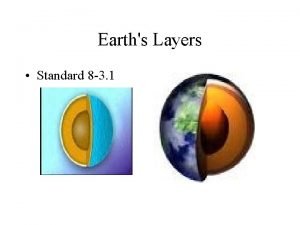
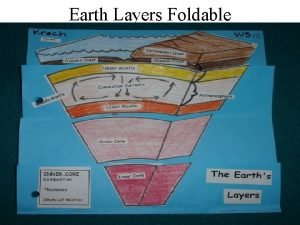
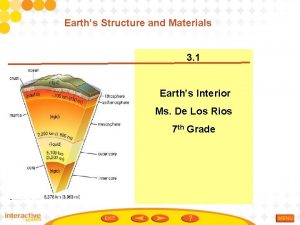
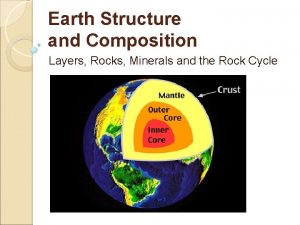
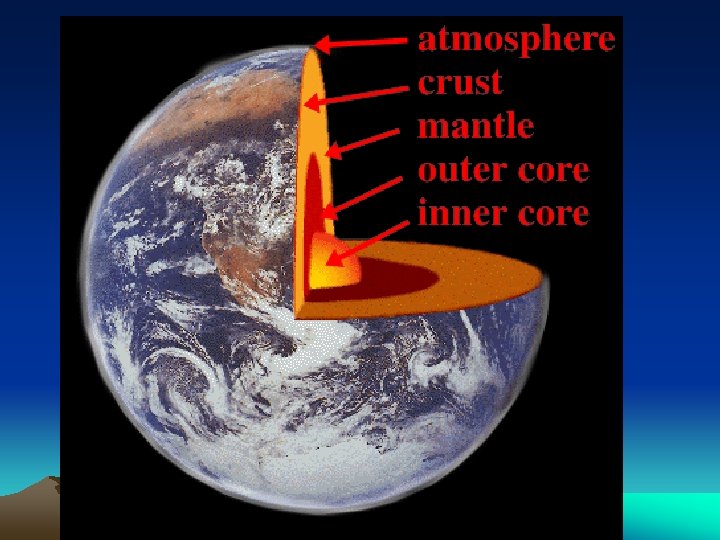
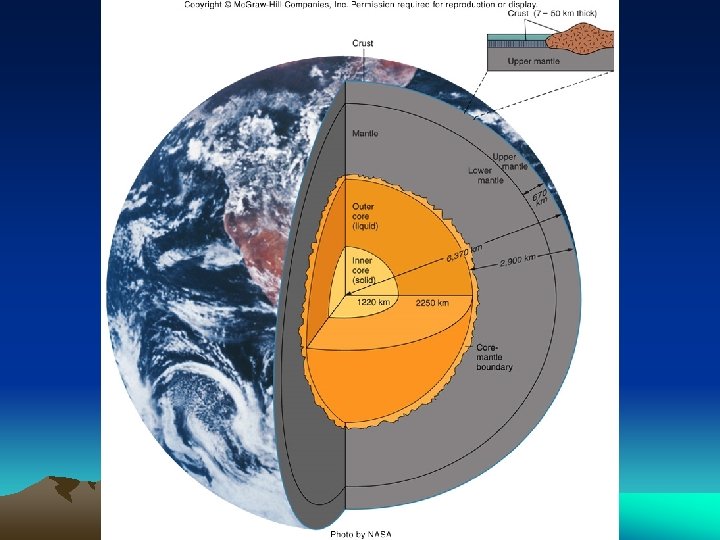
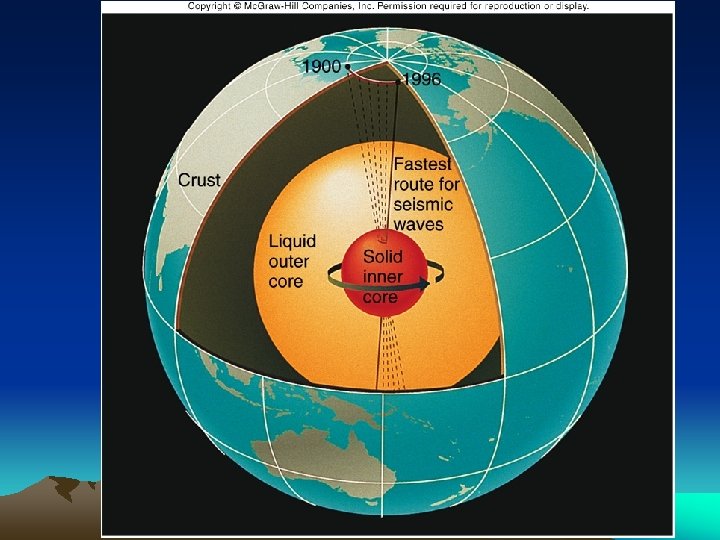
Earth’s interior structure • Earth is composed of three shells; – Crust – Mantle – Core
Earths interior and seismic waves • The study of earth’s interior can be done by; – Direct sampling – Indirect methods
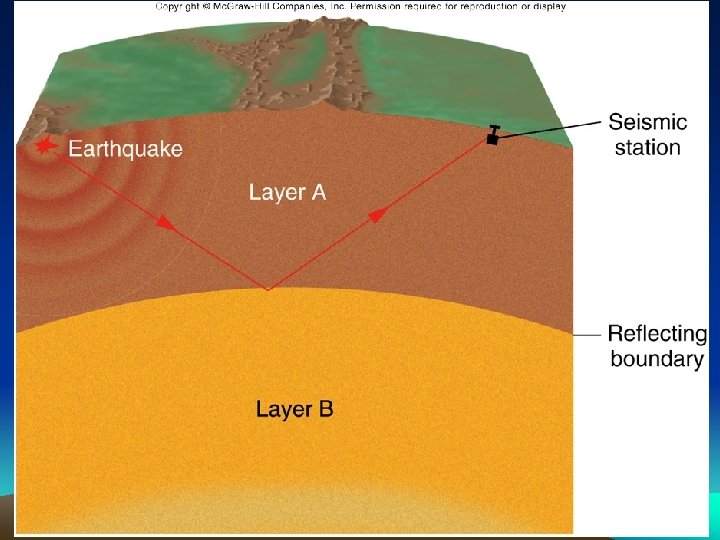
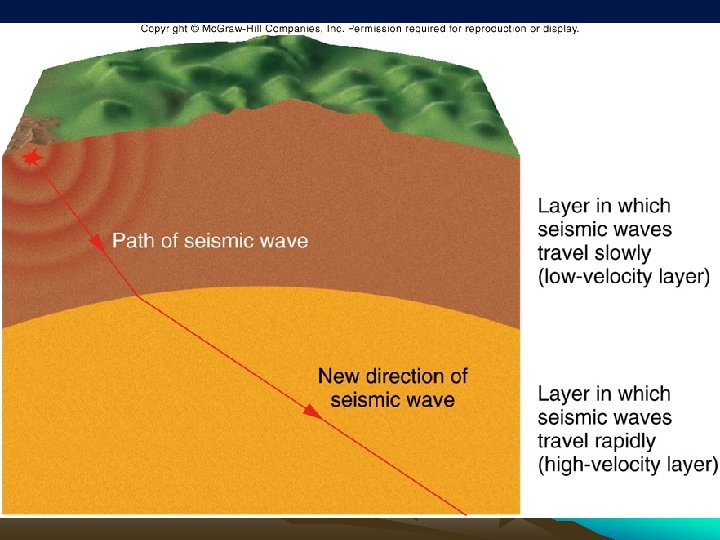
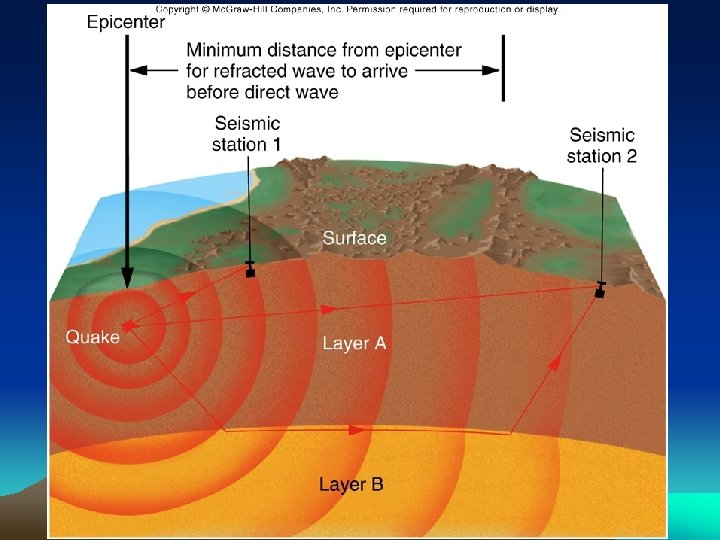
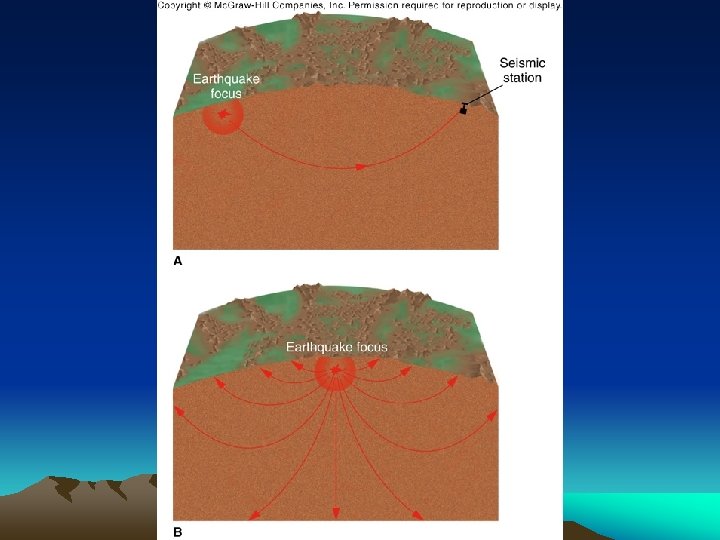
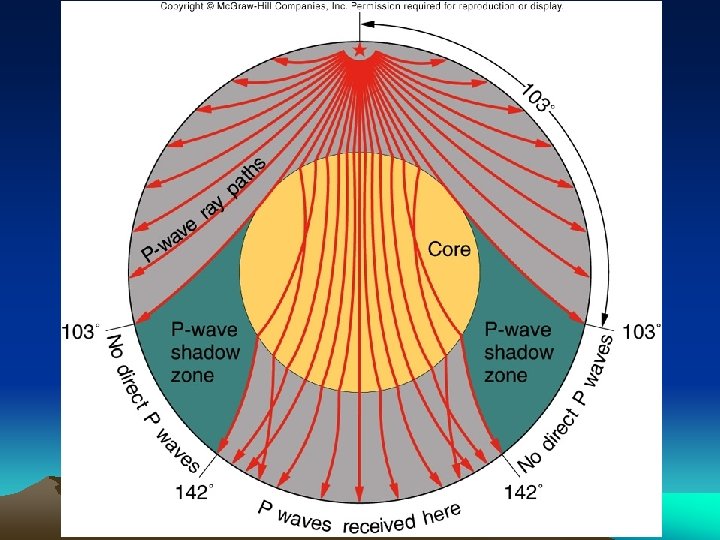
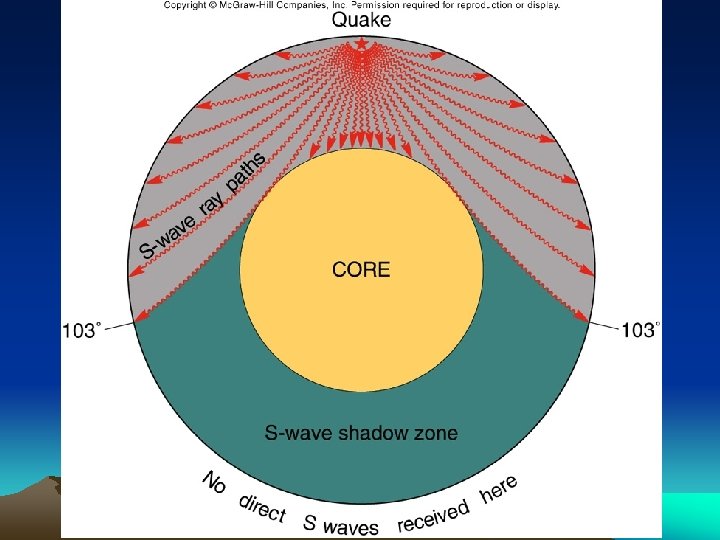
– Indirect methods • Meteorites • Seismic waves (P and S) • P-waves can pass through all materials (solids and fluids) • S-waves can only pass through solids.
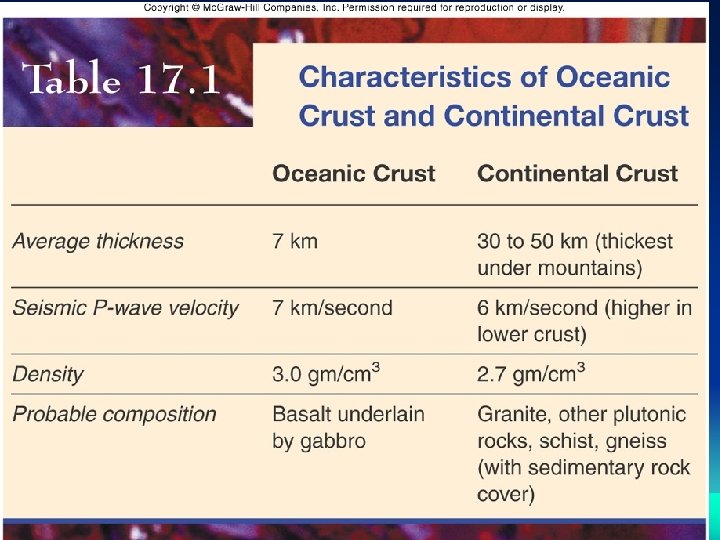
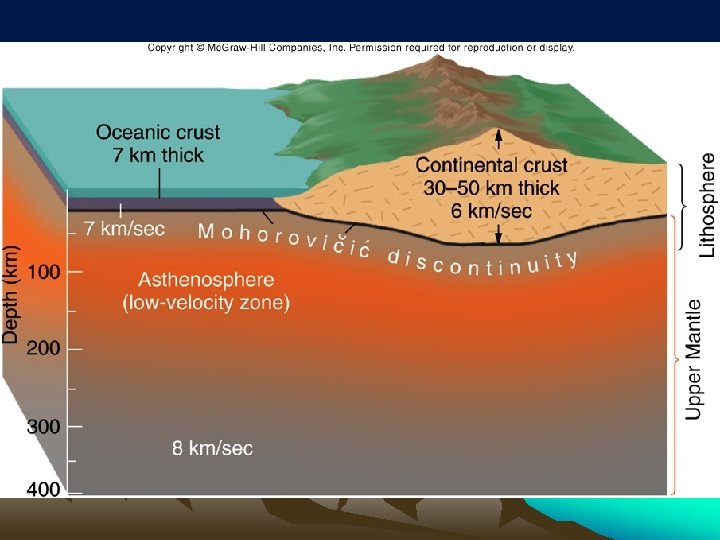
The crust • Outermost layer of the earth forming a thin skin. Divided into 2 parts; – Continental crust – Oceanic crust
• Mantle: – upper mantle and – lower mantle • Upper mantle and crust constitute Lithosphere where the rocks are in rigid form.
• Lower mantle is also called Asthenosphere where the rocks are in plastic state.
• The boundary between the crust and mantle is called the Moho.
The Core • Is there really a core? – Combined Density of the crust and mantle is less than that of the whole earth. – S-waves shadow zone
The Core • Core is divided into 2 parts; – The outer core is about 2, 250 km thick, composed of molten iron and nickel. – The inner core is probably solid iron and nickel at about 5000° C.
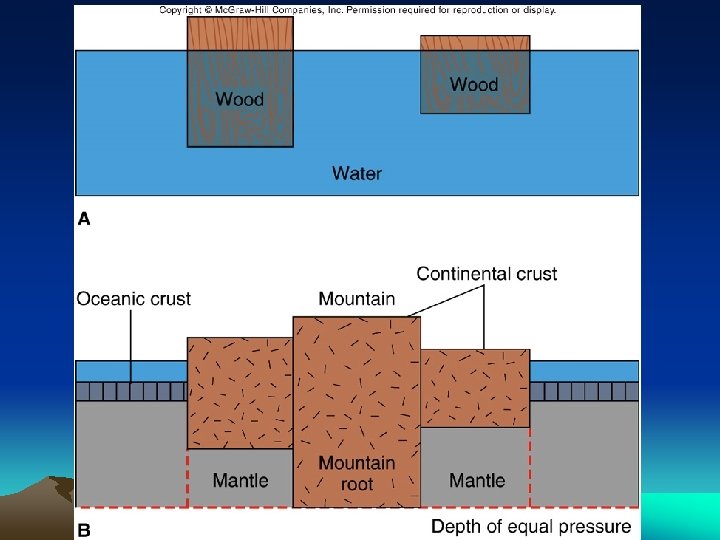
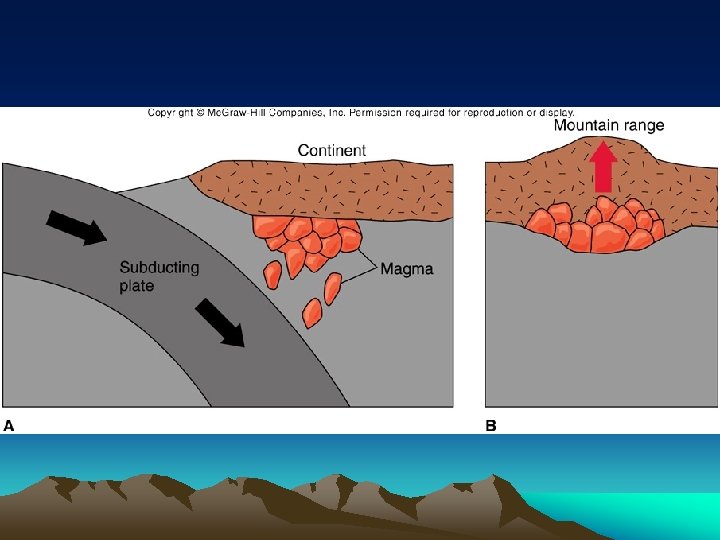
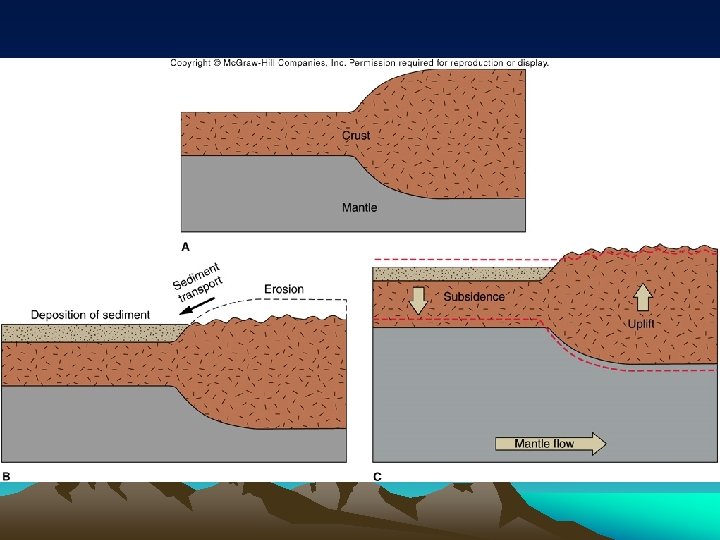
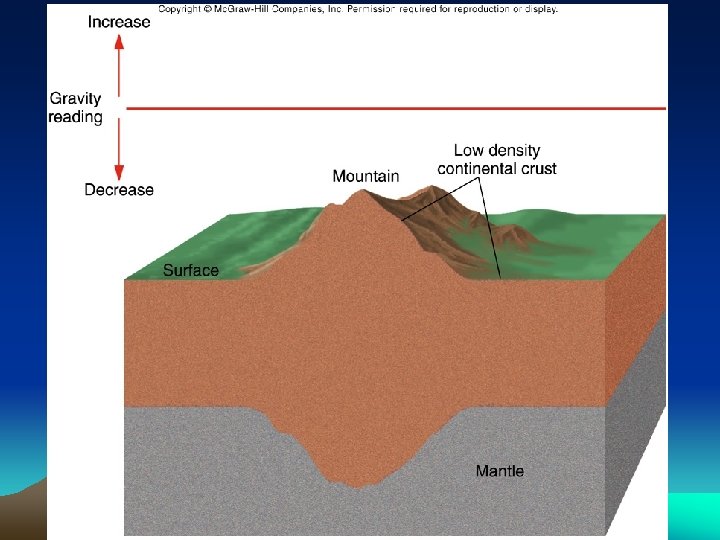
What is isostasy? • It’s a balance or equilibrium of the earth’s crust floating on the dense mantle. • Can be compared with wooden blocks floating on water. The higher the wood block appears, the deeper its root.
• Erosion of continental crust shows isostatic equilibrium.
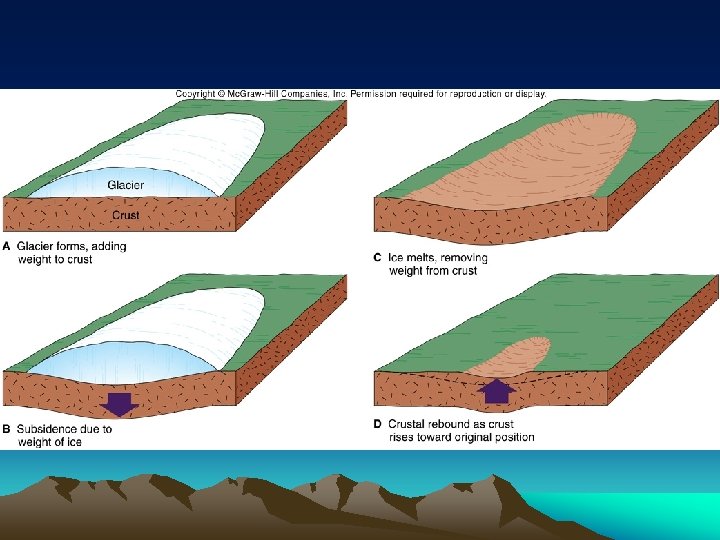
• Erosion of glacial ice shows isostatic equilibrium in the form of crustal rebound.
Physical properties of Earth • Gravity • Magnetism • Heat flow
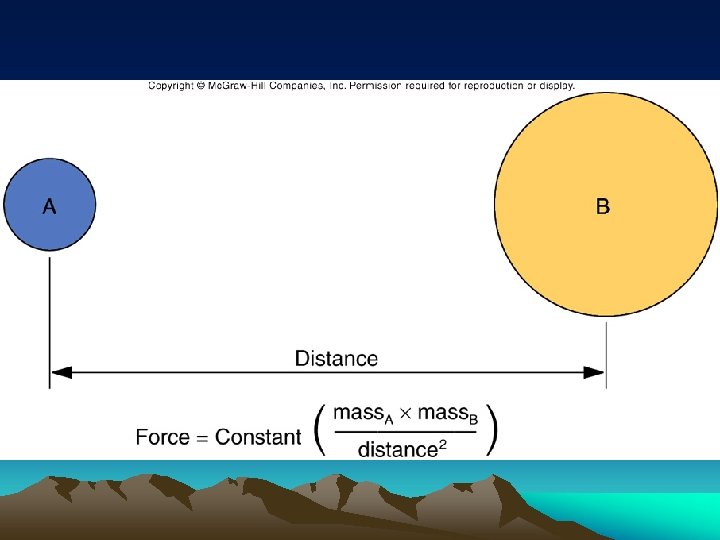
• Gravity: gravitational attraction exists among all bodies in the universe
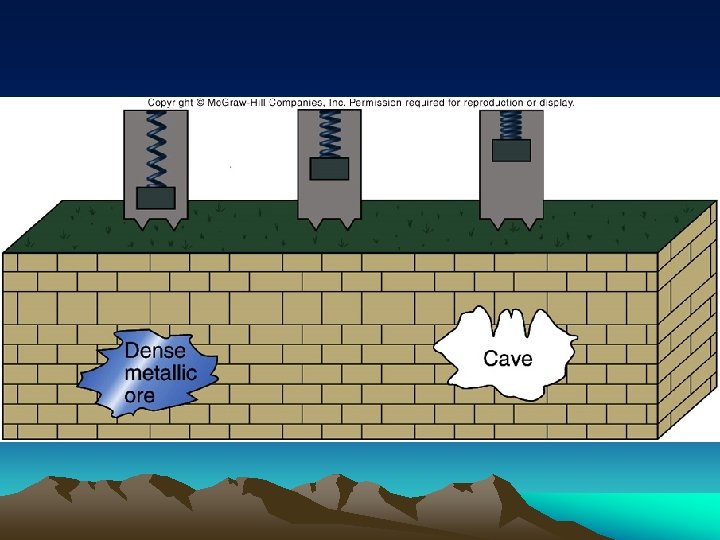
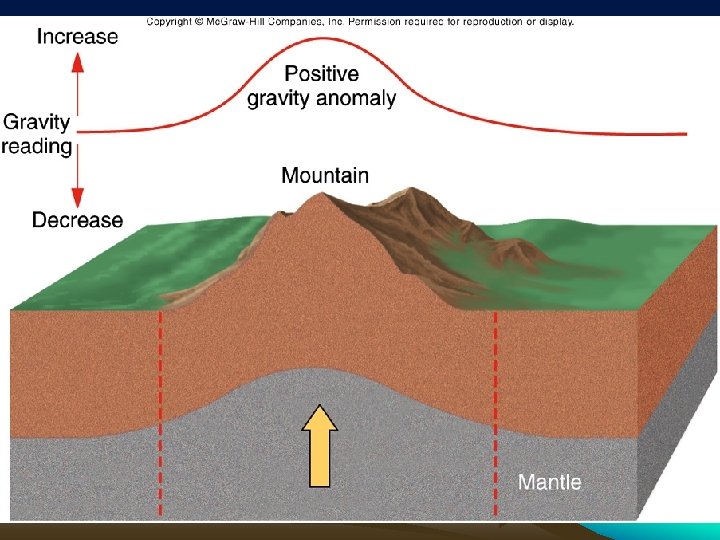
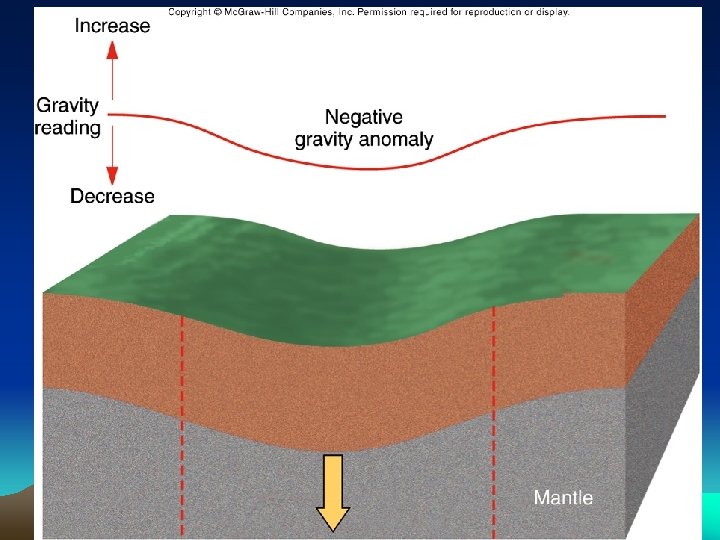
• Gravity anomalies: abnormal gravity readings. – Positive anomaly: gravity reading higher than the regional gravity readings – Negative anomaly: gravity readings lower than the regional gravity readings
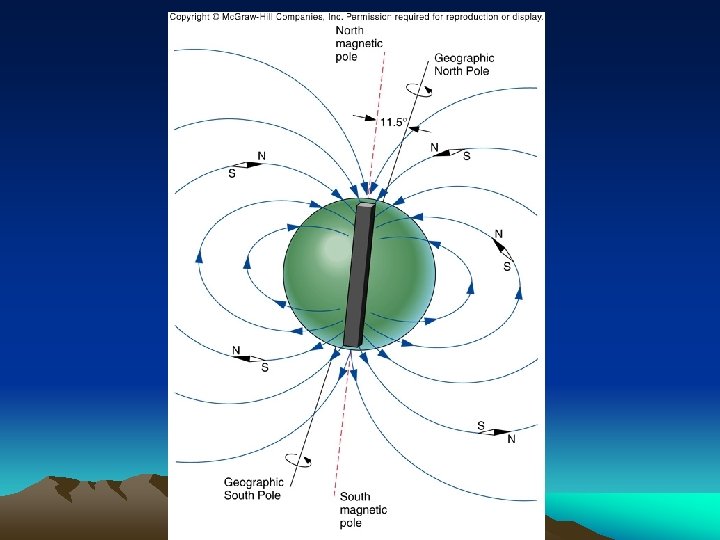
• Magnetism: the earth acts like a giant dipolar magnet. • Magnetic poles: oriented 11. 5° from the geographic poles. – North pole – South pole • Magnetometer is used to measure magnetic strength.
Source of magnetism • the convection currents in outer liquid core produce electric currents and any electric field is associated with a magnetic field.
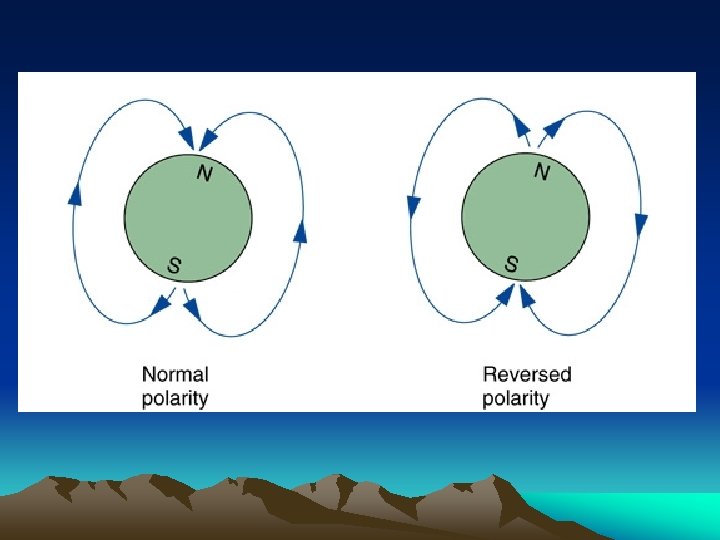
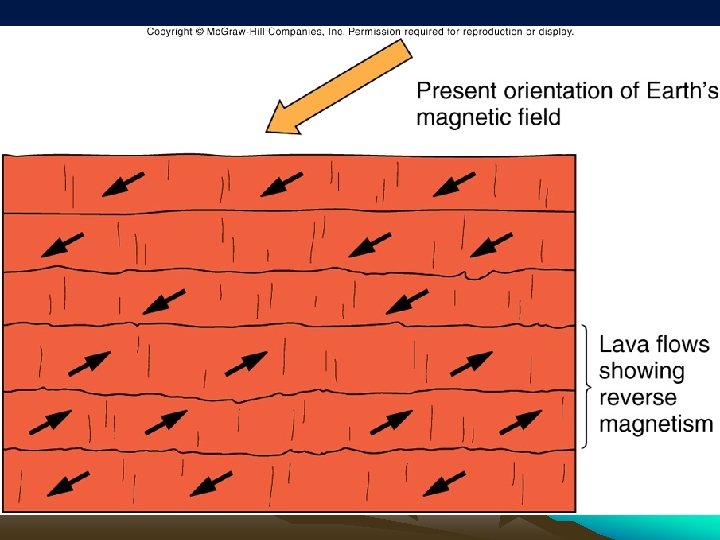
• Normal and reversed polarity
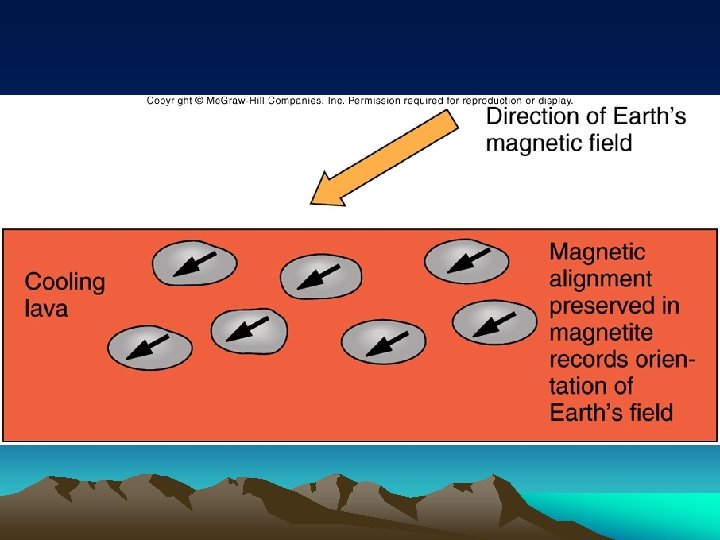
• Paleomagnetism: the study of ancient magnetism preserved in rocks.
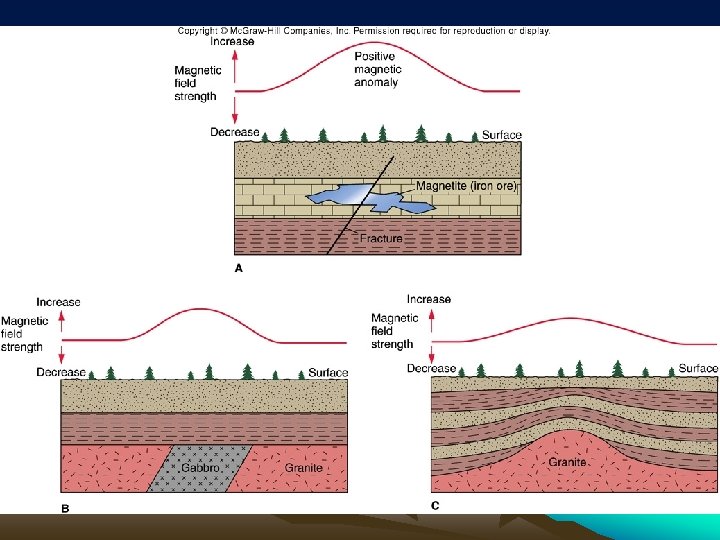
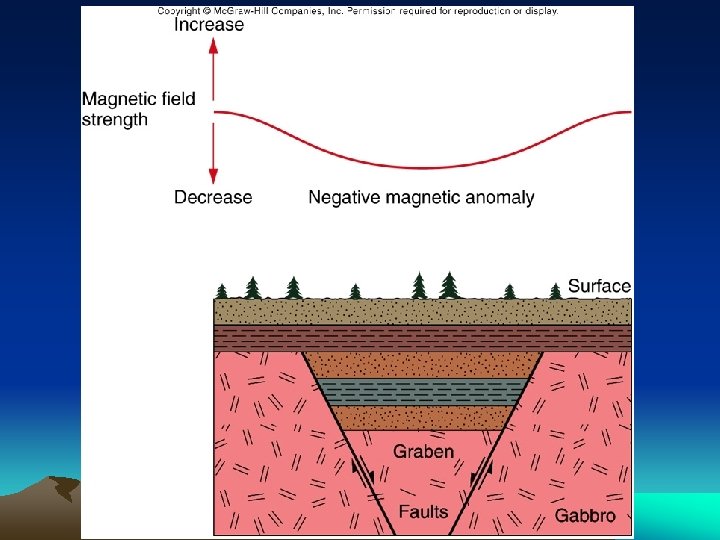
• Magnetic anomalies – Positive – Negative
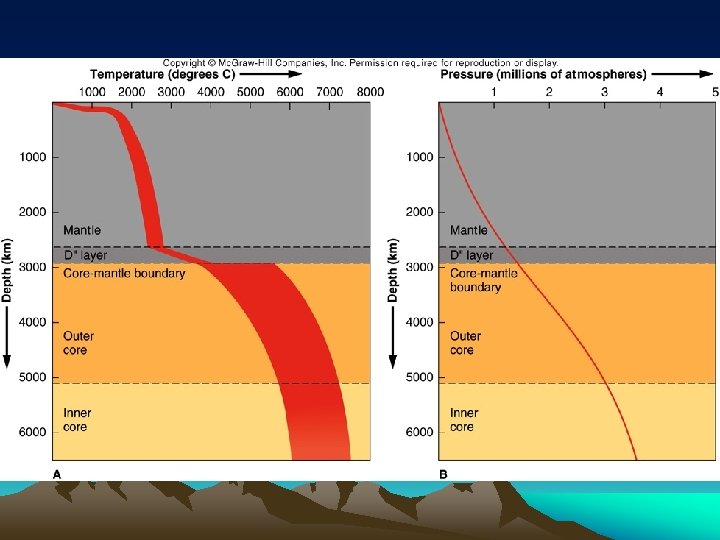
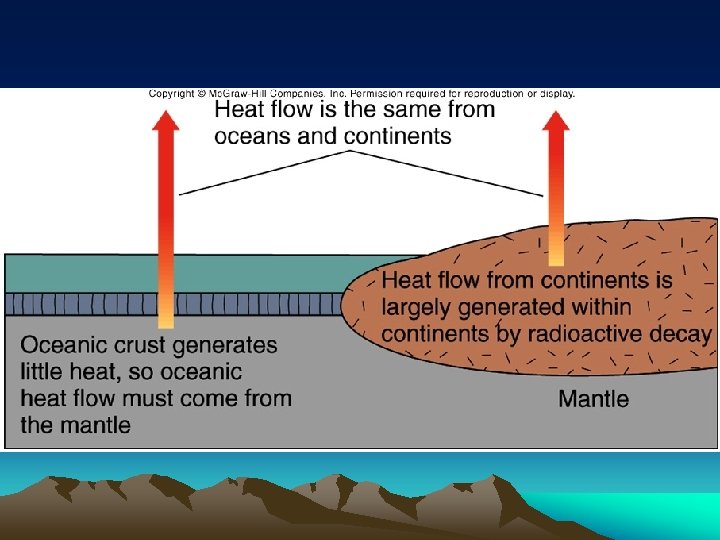
• Heat flow: the rate at which temperature increases within the earth is called Geothermal gradient. • 25° C/km at shallow depths (crust) but drops to 1°C/km within the mantle.
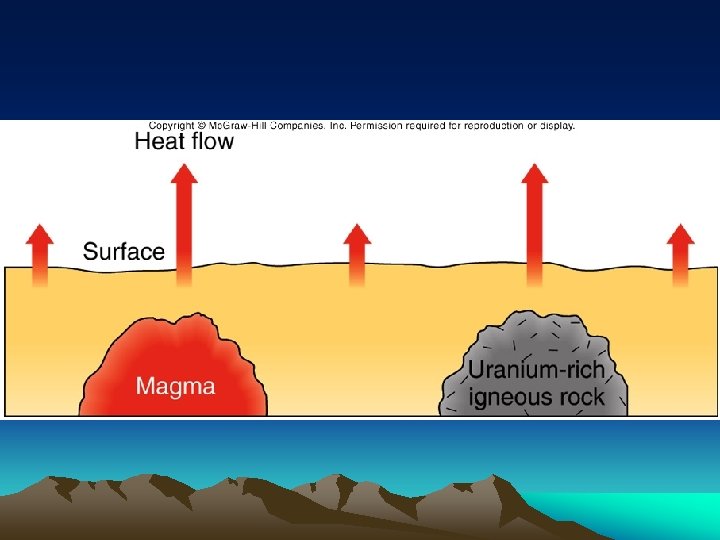
• Sources of heat inside the earth: – Radioactivity – Rising magma bodies – Gravitational energy from accretion.