
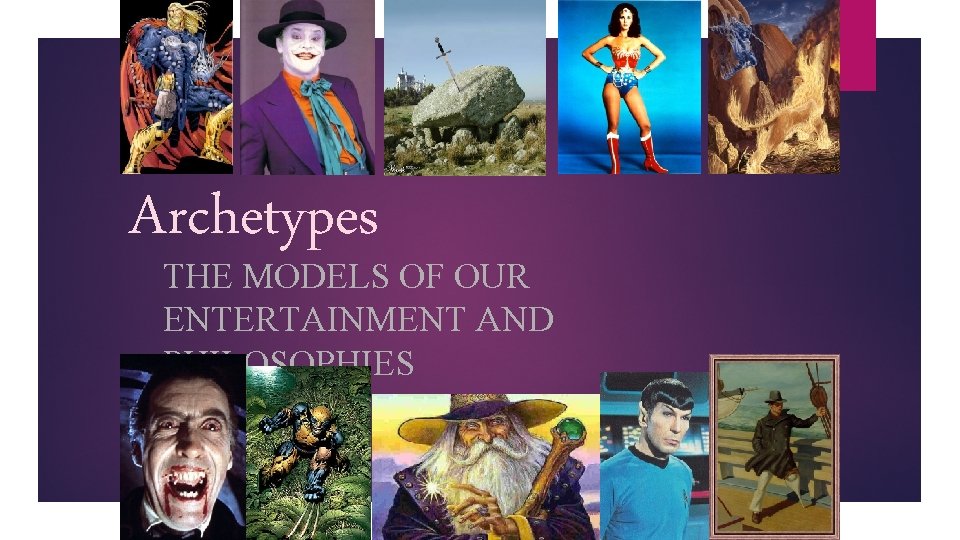
Archetypes THE MODELS OF OUR ENTERTAINMENT AND PHILOSOPHIES
- Slides: 46
Archetypes THE MODELS OF OUR ENTERTAINMENT AND PHILOSOPHIES
Agree or Disagree? As the following statements appear on the screen, show me thumbs up if you strongly agree. If you strongly disagree with the statement, show me thumbs down.
1. There is no such thing as a completely original idea. 2. Certain symbols mean the same thing to everyone. 3. Everyone can agree on what is right and what is wrong. 4. Everyone is capable of doing evil. 5. Symbols and dreams mean different things to every person. 6. There is a knowledge we are all born with that influences our experiences and behavior. 7. People have been acting the same way since time began. 8. Human behavior is the same across different cultures. 9. Stereotypes are real and valid. 10. Every story contains the same characters.
What is an Archetype? An original model which other things are similarly patterned after An image, story pattern, character type, representation, or recurring idea Evokes strong associations to the reader or observer
An Archetype can be defined as… A shared idea with all humanity An inherited part of the human being that connects us all A constant and universal idea Though it may differ from place to place, the concept is worldwide
What kinds of Archetypes are there? There are three main archetypes: Situational Symbolic Character
What is a Situational Archetype? A given experience that a hero or character must endure to move from one place in life to the next Actions and events that add to the plot A common event seen throughout stories in may different genres
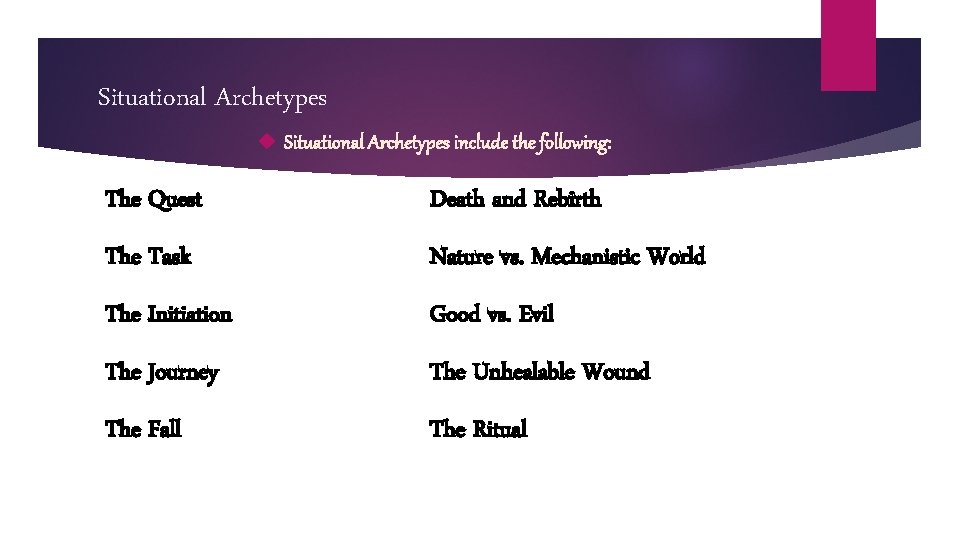
Situational Archetypes include the following: The Quest Death and Rebirth The Task Nature vs. Mechanistic World The Initiation Good vs. Evil The Journey The Unhealable Wound The Fall The Ritual
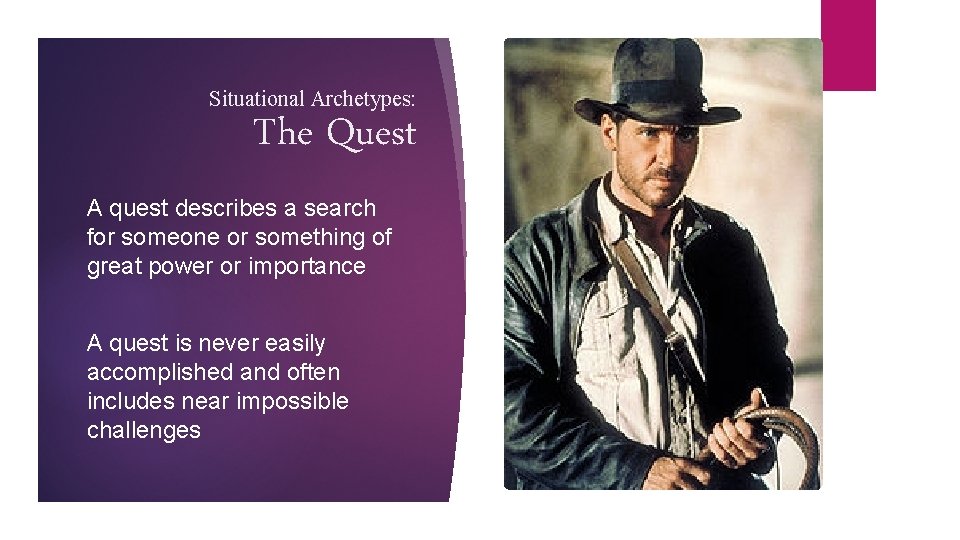
Situational Archetypes: The Quest A quest describes a search for someone or something of great power or importance A quest is never easily accomplished and often includes near impossible challenges
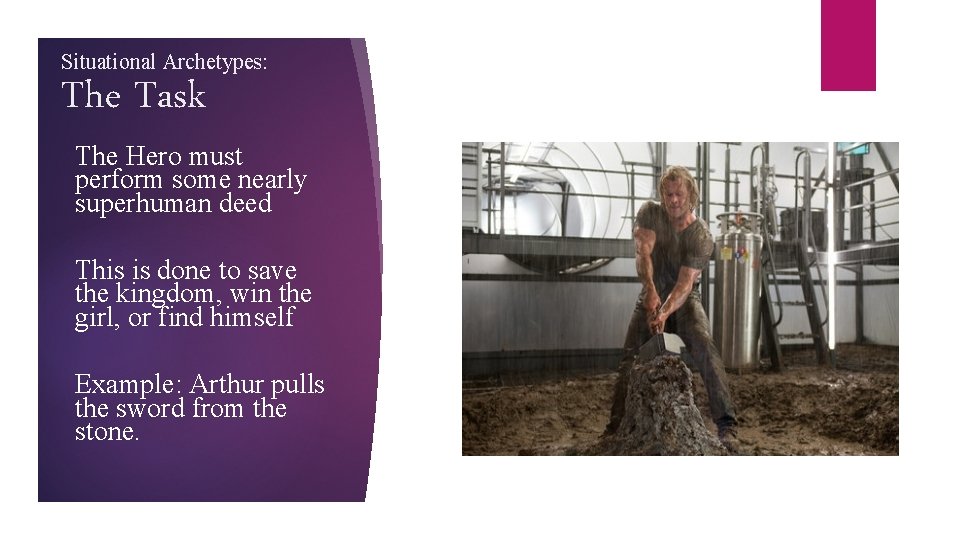
Situational Archetypes: The Task The Hero must perform some nearly superhuman deed This is done to save the kingdom, win the girl, or find himself Example: Arthur pulls the sword from the stone.
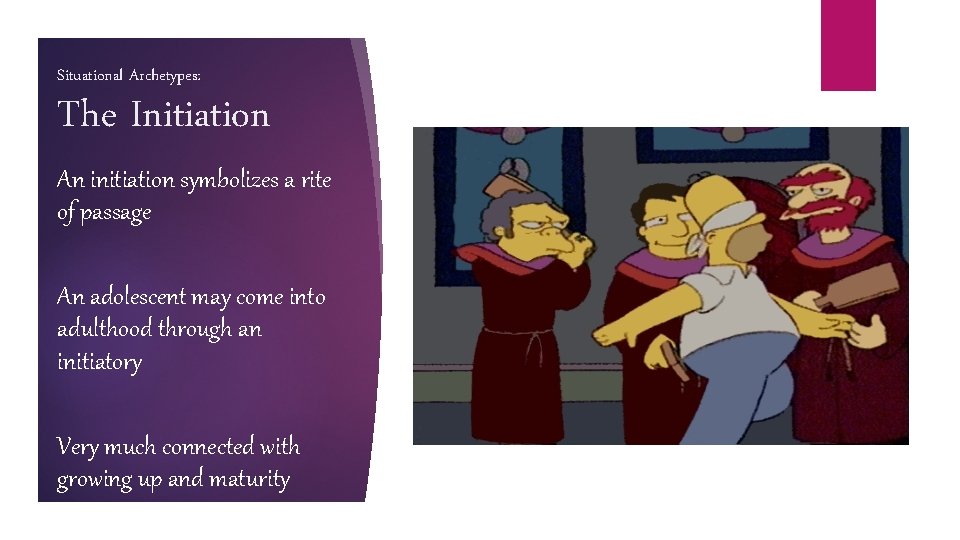
Situational Archetypes: The Initiation An initiation symbolizes a rite of passage An adolescent may come into adulthood through an initiatory Very much connected with growing up and maturity
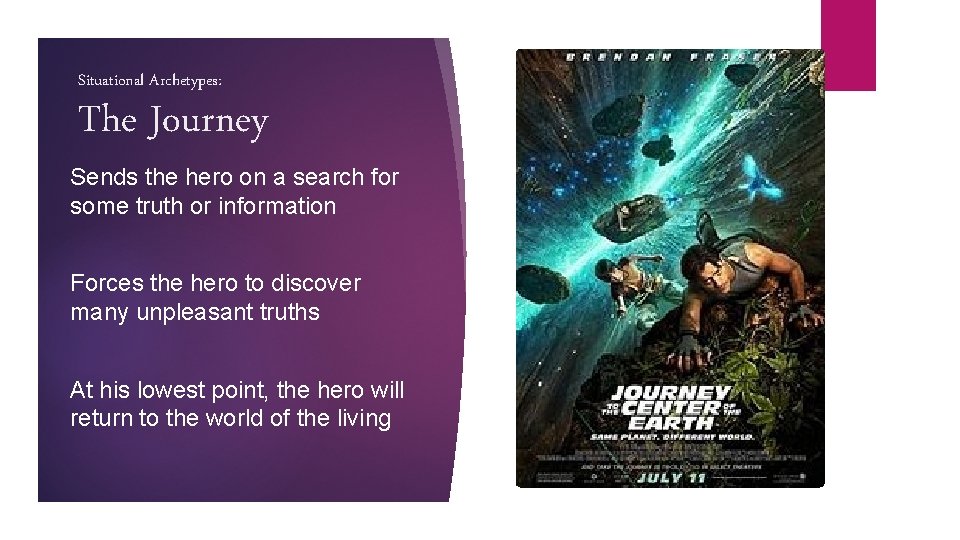
Situational Archetypes: The Journey Sends the hero on a search for some truth or information Forces the hero to discover many unpleasant truths At his lowest point, the hero will return to the world of the living
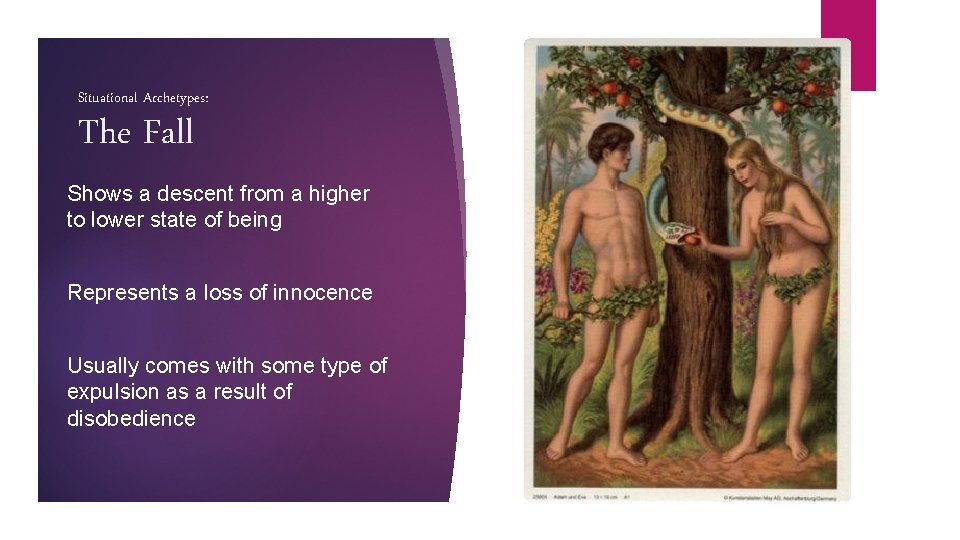
Situational Archetypes: The Fall Shows a descent from a higher to lower state of being Represents a loss of innocence Usually comes with some type of expulsion as a result of disobedience
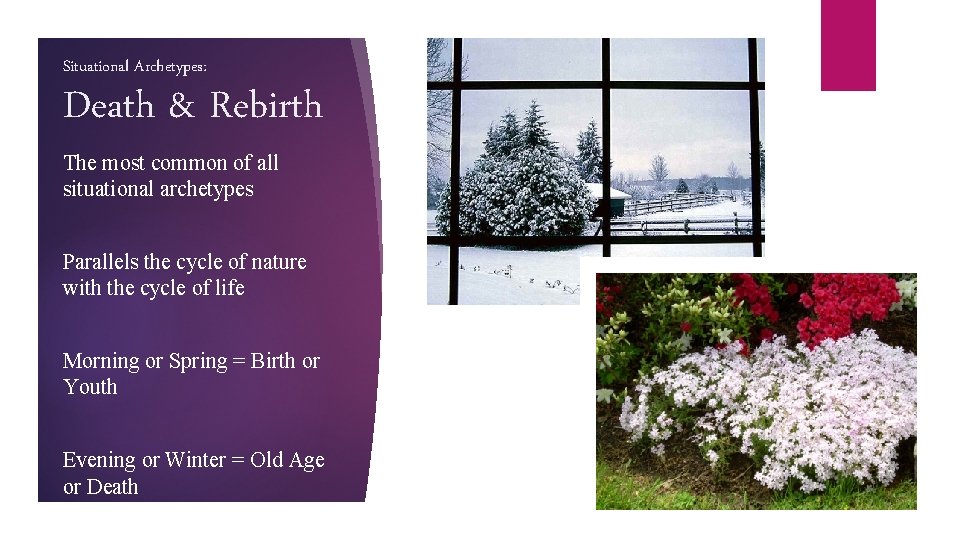
Situational Archetypes: Death & Rebirth The most common of all situational archetypes Parallels the cycle of nature with the cycle of life Morning or Spring = Birth or Youth Evening or Winter = Old Age or Death
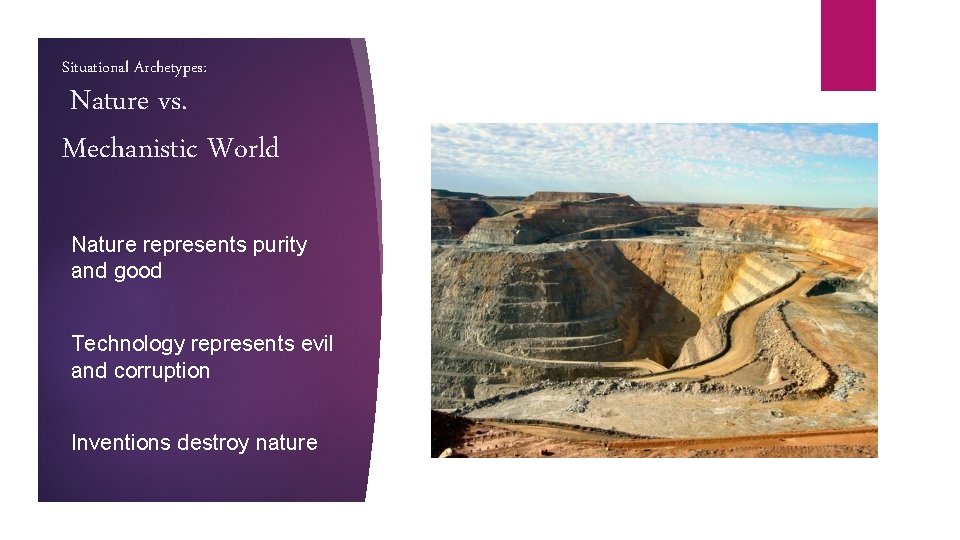
Situational Archetypes: Nature vs. Mechanistic World Nature represents purity and good Technology represents evil and corruption Inventions destroy nature
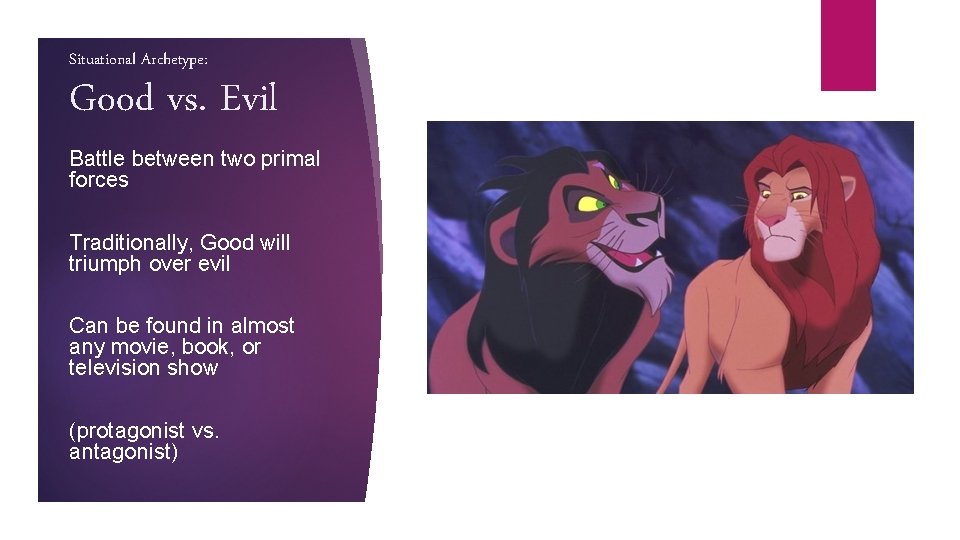
Situational Archetype: Good vs. Evil Battle between two primal forces Traditionally, Good will triumph over evil Can be found in almost any movie, book, or television show (protagonist vs. antagonist)
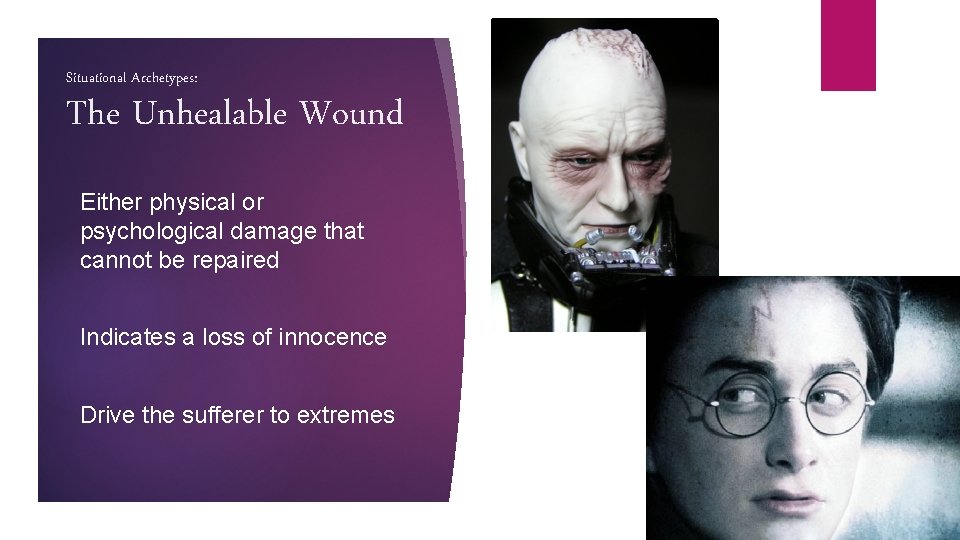
Situational Archetypes: The Unhealable Wound Either physical or psychological damage that cannot be repaired Indicates a loss of innocence Drive the sufferer to extremes
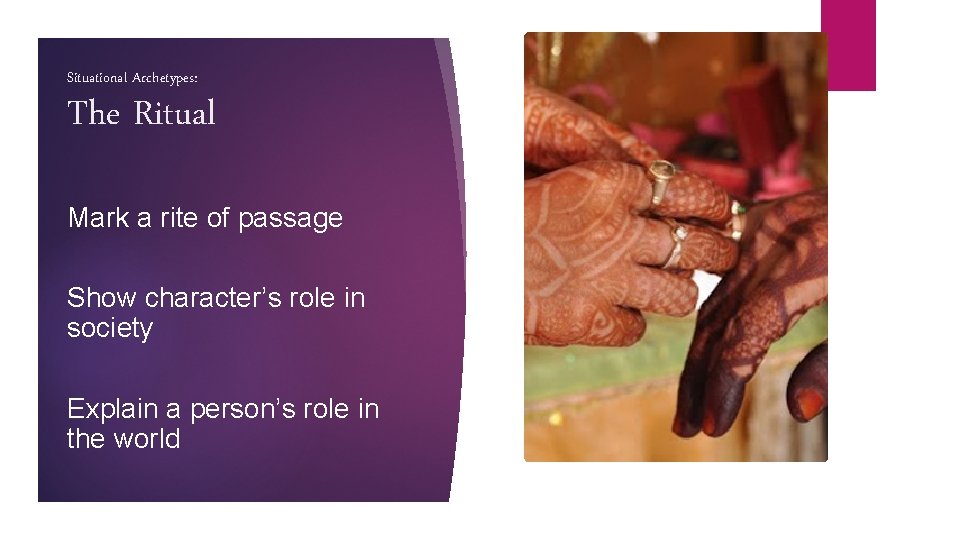
Situational Archetypes: The Ritual Mark a rite of passage Show character’s role in society Explain a person’s role in the world
Situational Archetypes Let’s Review. Situational Archetypes are events or happenings that a character goes through in order to transcend from one place to the next. They include : ü ü ü ü ü The Quest Death & Rebirth The Task Nature vs. Tech. The Initiation Good vs. Evil The Journey Unhealable Wound The Fall The Ritual
Symbolic Archetypes Serve as a representation of a specific person, act, deed, place or conflict. They are easily recognizable but not as common as situational archetypes. The Archetypes Include: Light vs. Darkness Water vs. Desert Heaven vs. Hell The Magic Weapon Innate Wisdom vs. Educated Stupidity Haven vs. Wilderness Supernatural Intervention Fire vs. Ice
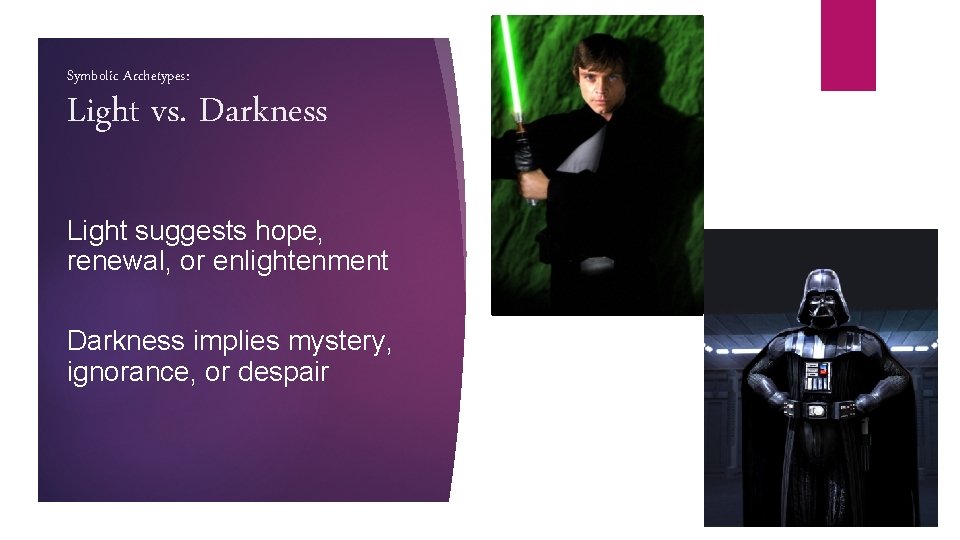
Symbolic Archetypes: Light vs. Darkness Light suggests hope, renewal, or enlightenment Darkness implies mystery, ignorance, or despair
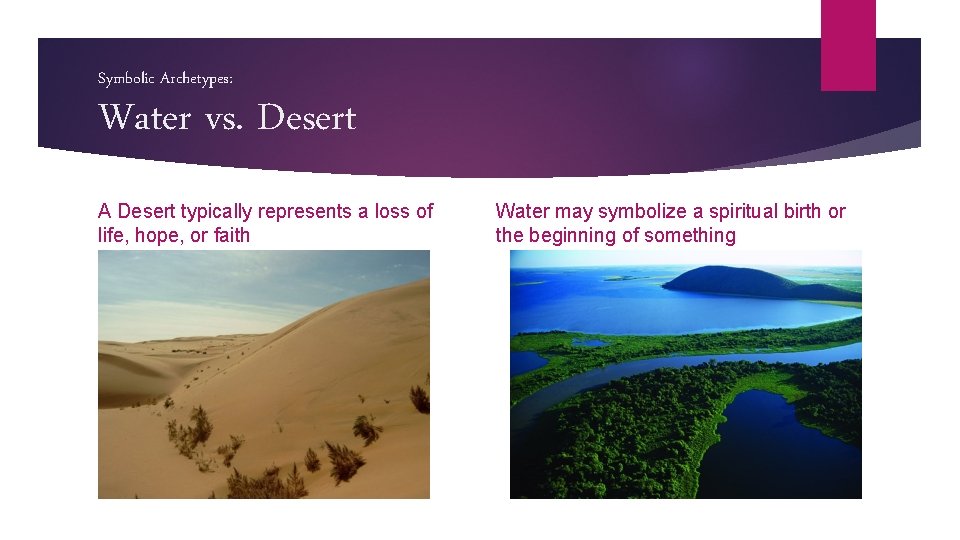
Symbolic Archetypes: Water vs. Desert A Desert typically represents a loss of life, hope, or faith Water may symbolize a spiritual birth or the beginning of something
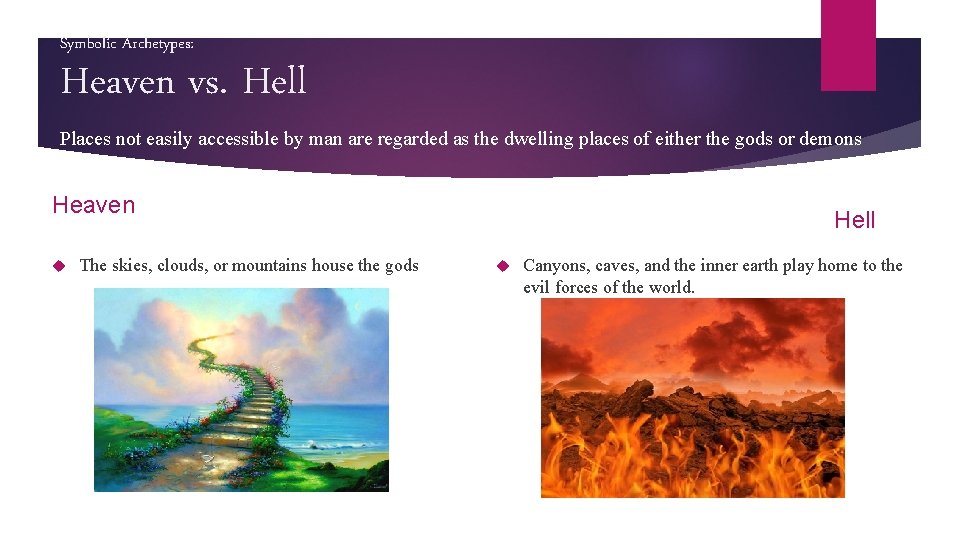
Symbolic Archetypes: Heaven vs. Hell Places not easily accessible by man are regarded as the dwelling places of either the gods or demons Heaven The skies, clouds, or mountains house the gods Hell Canyons, caves, and the inner earth play home to the evil forces of the world.
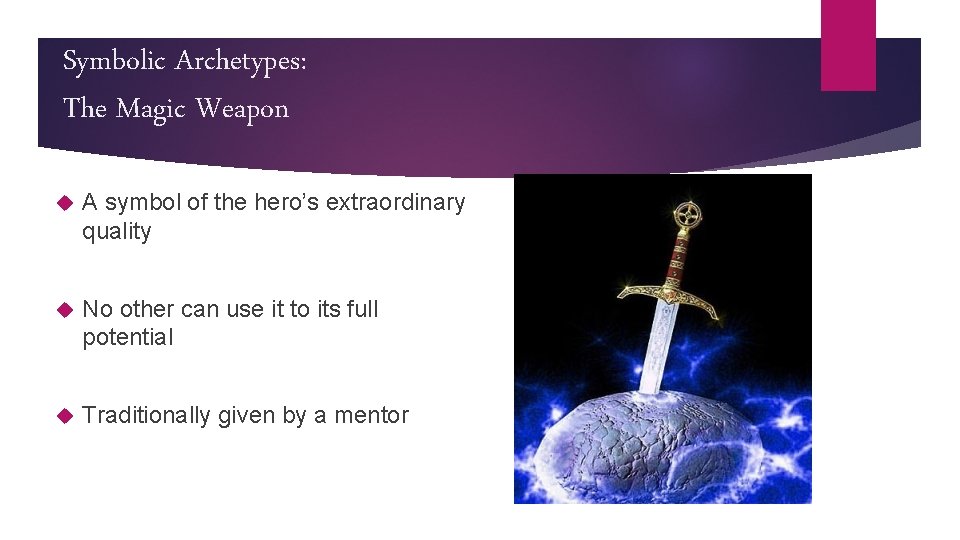
Symbolic Archetypes: The Magic Weapon A symbol of the hero’s extraordinary quality No other can use it to its full potential Traditionally given by a mentor
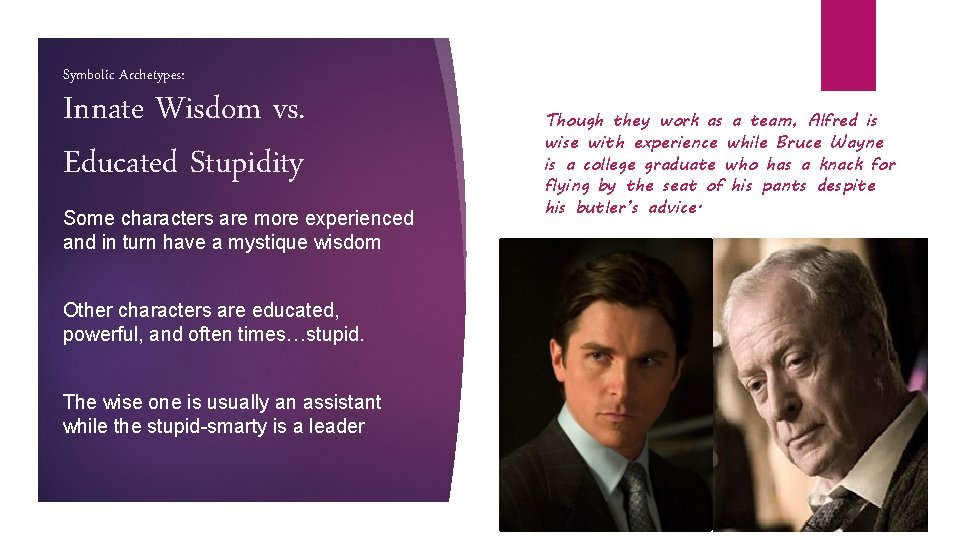
Symbolic Archetypes: Innate Wisdom vs. Educated Stupidity Some characters are more experienced and in turn have a mystique wisdom Other characters are educated, powerful, and often times…stupid. The wise one is usually an assistant while the stupid-smarty is a leader Though they work as a team, Alfred is wise with experience while Bruce Wayne is a college graduate who has a knack for flying by the seat of his pants despite his butler’s advice.
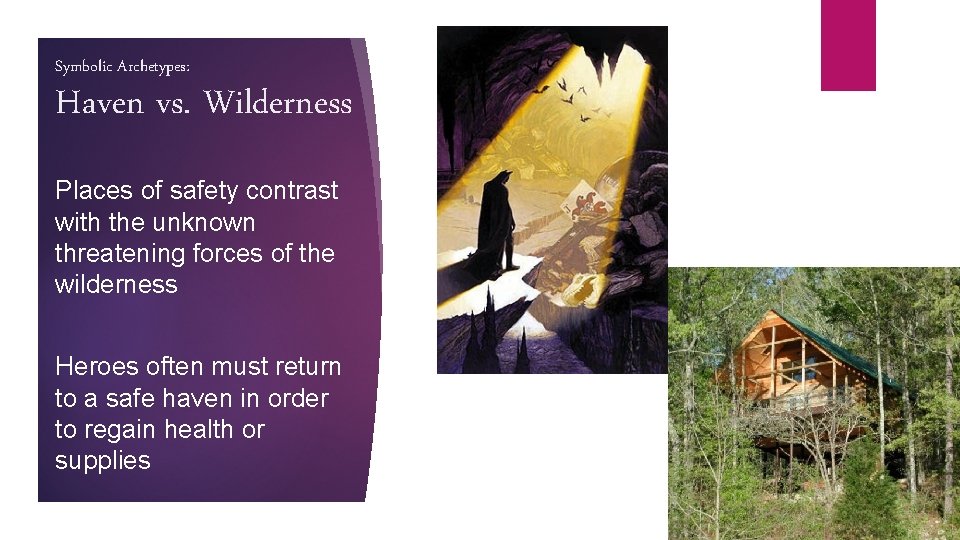
Symbolic Archetypes: Haven vs. Wilderness Places of safety contrast with the unknown threatening forces of the wilderness Heroes often must return to a safe haven in order to regain health or supplies
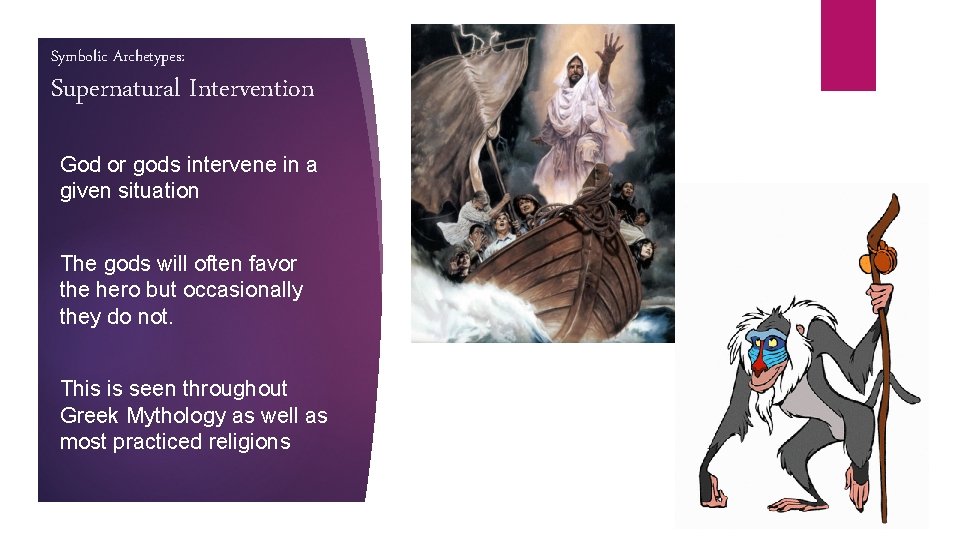
Symbolic Archetypes: Supernatural Intervention God or gods intervene in a given situation The gods will often favor the hero but occasionally they do not. This is seen throughout Greek Mythology as well as most practiced religions
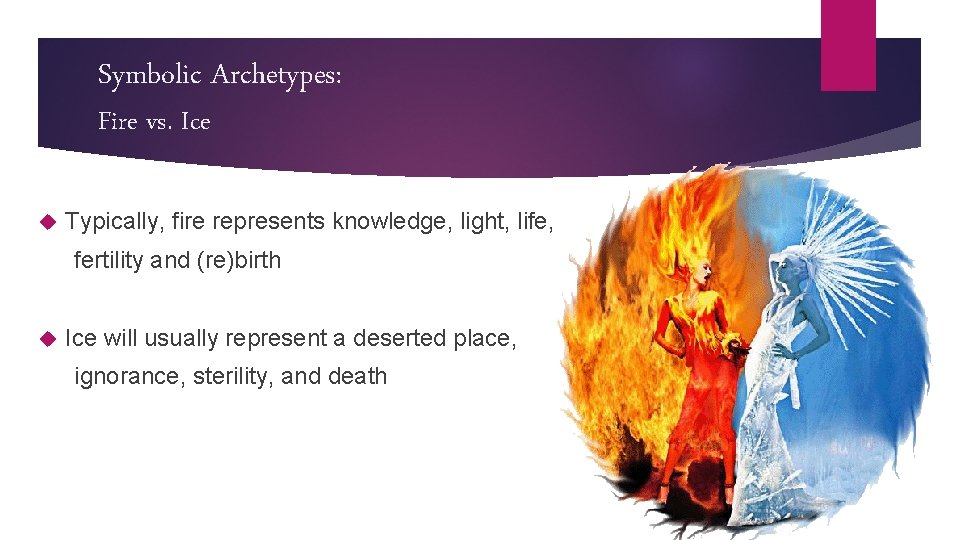
Symbolic Archetypes: Fire vs. Ice Typically, fire represents knowledge, light, life, fertility and (re)birth Ice will usually represent a deserted place, ignorance, sterility, and death
Symbolic Archetypes Let’s Review. Symbolic Archetypes represent a specific person, act, deed, place or conflict. Symbolic Archetypes Include: Light vs. Darkness Water vs. Desert Heaven vs. Hell Innate Wisdom vs. Educated Stupidity Haven vs. Wilderness Supernatural Intervention Fire vs. Ice
Character Archetypes A person or being that serves as a representative of a greater ideal Character Archetypes include the following: Unfaithful Wife Temptress Star-Crossed Lovers Damsel In Distress The Scapegoat The Devil Figure The Creature of Nightmares Friendly Beast The Hero Mentor Young man from the Provinces The Initiates Hunting Group of Companions Loyal Retainers The Outcast The Evil Figure with the Ultimately Good Heart Earthmother
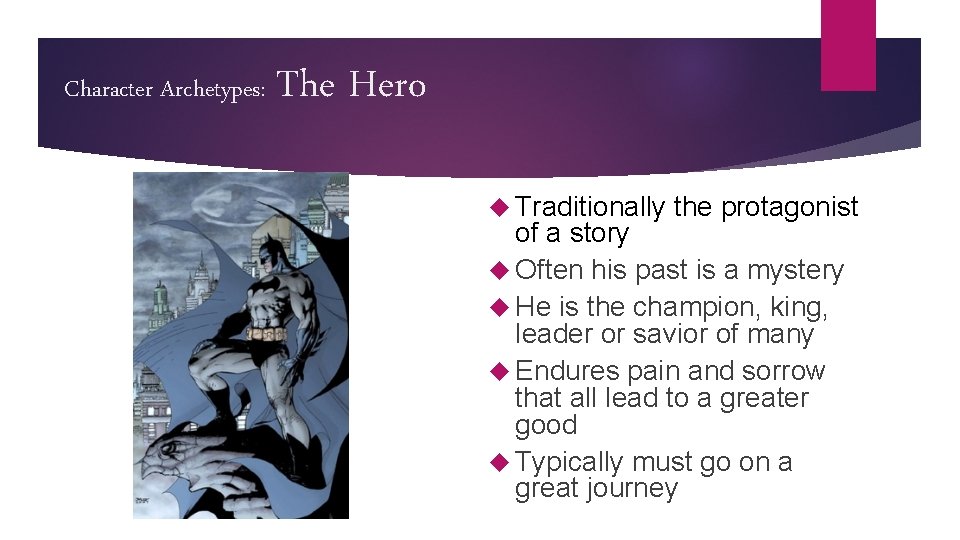
Character Archetypes: The Hero Traditionally the protagonist of a story Often his past is a mystery He is the champion, king, leader or savior of many Endures pain and sorrow that all lead to a greater good Typically must go on a great journey
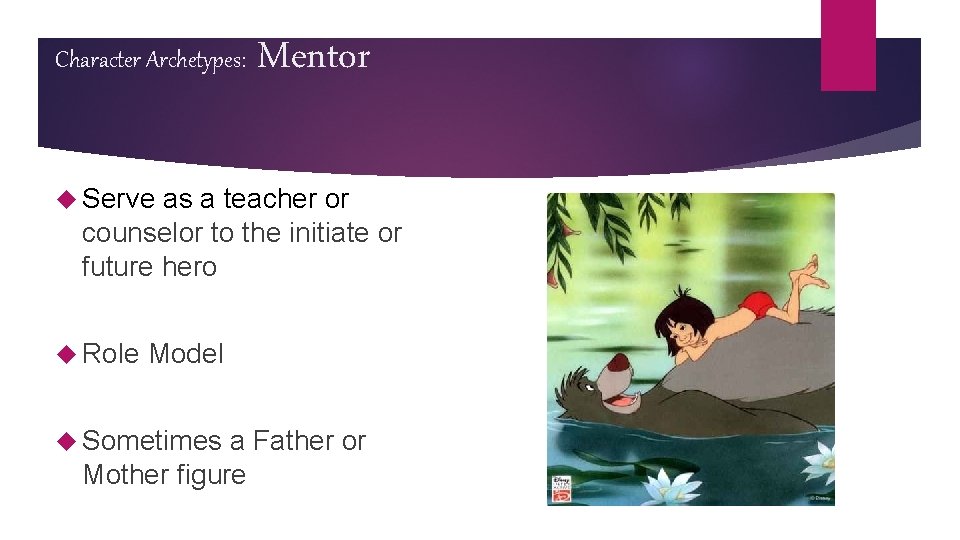
Character Archetypes: Mentor Serve as a teacher or counselor to the initiate or future hero Role Model Sometimes a Father or Mother figure
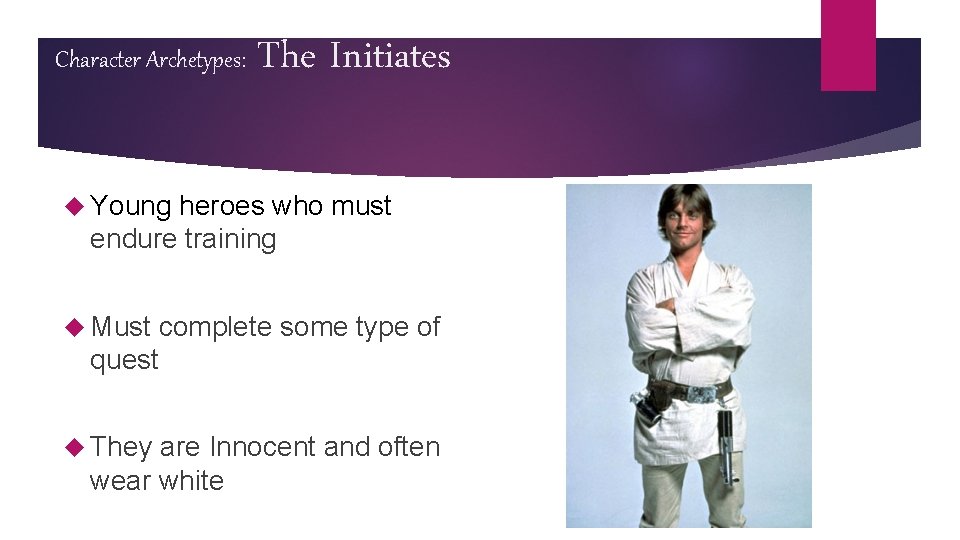
Character Archetypes: The Initiates Young heroes who must endure training Must complete some type of quest They are Innocent and often wear white
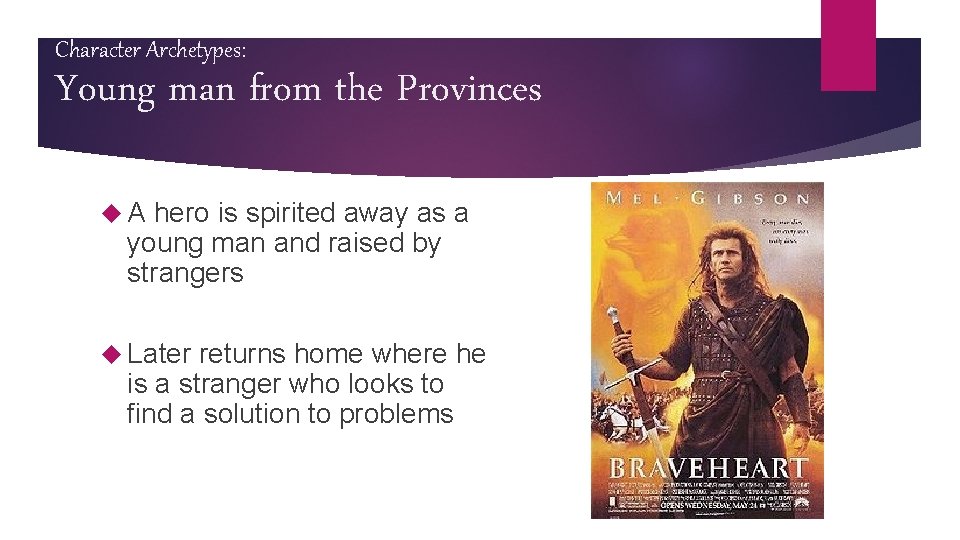
Character Archetypes: Young man from the Provinces A hero is spirited away as a young man and raised by strangers Later returns home where he is a stranger who looks to find a solution to problems
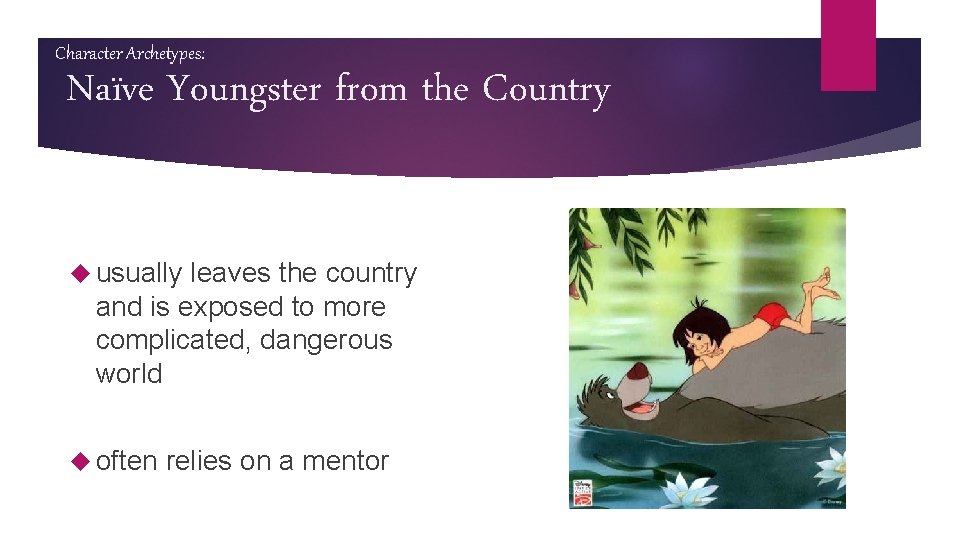
Character Archetypes: Naïve Youngster from the Country usually leaves the country and is exposed to more complicated, dangerous world often relies on a mentor
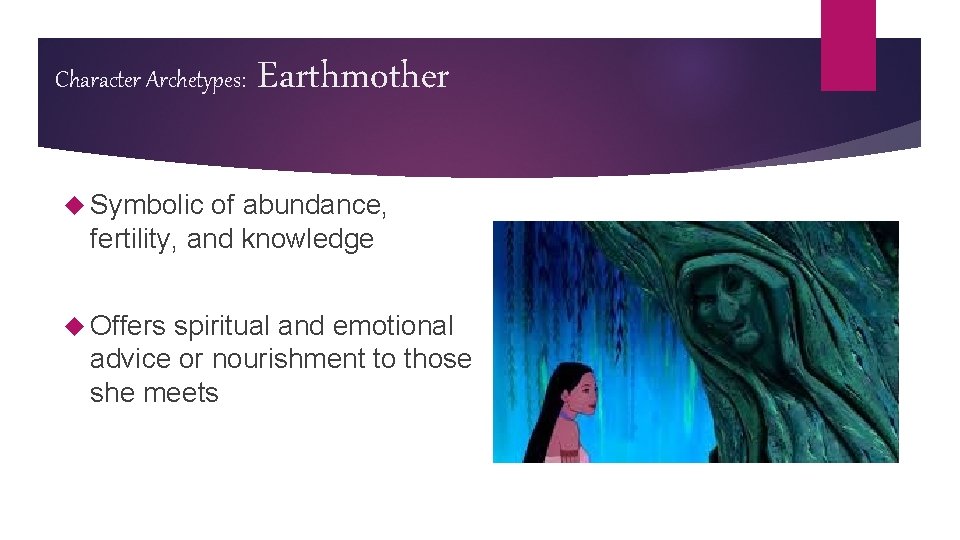
Character Archetypes: Earthmother Symbolic of abundance, fertility, and knowledge Offers spiritual and emotional advice or nourishment to those she meets
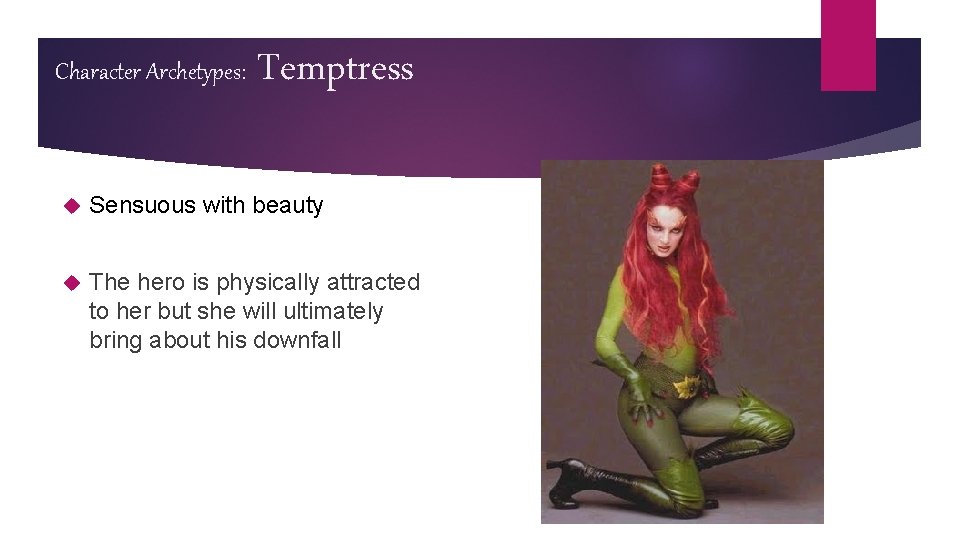
Character Archetypes: Temptress Sensuous with beauty The hero is physically attracted to her but she will ultimately bring about his downfall
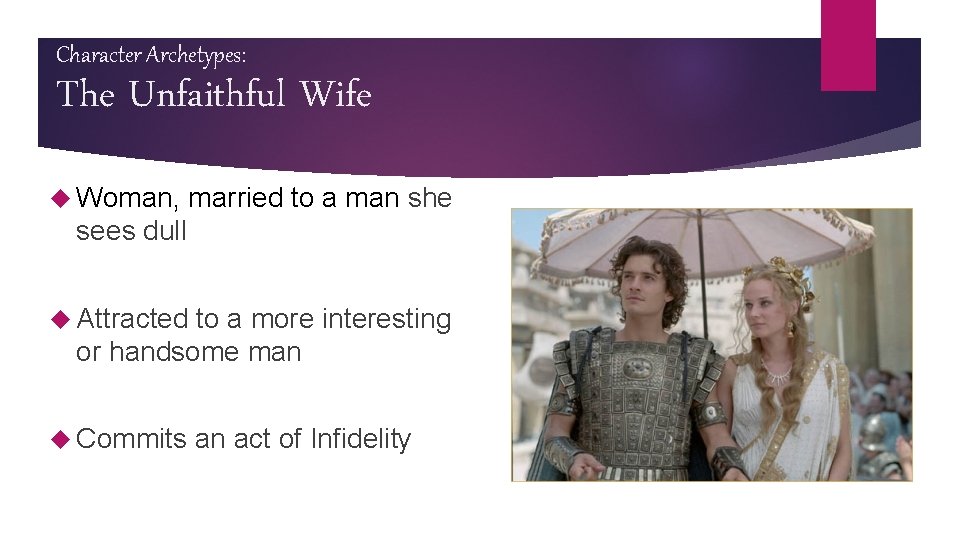
Character Archetypes: The Unfaithful Wife Woman, married to a man she sees dull Attracted to a more interesting or handsome man Commits an act of Infidelity
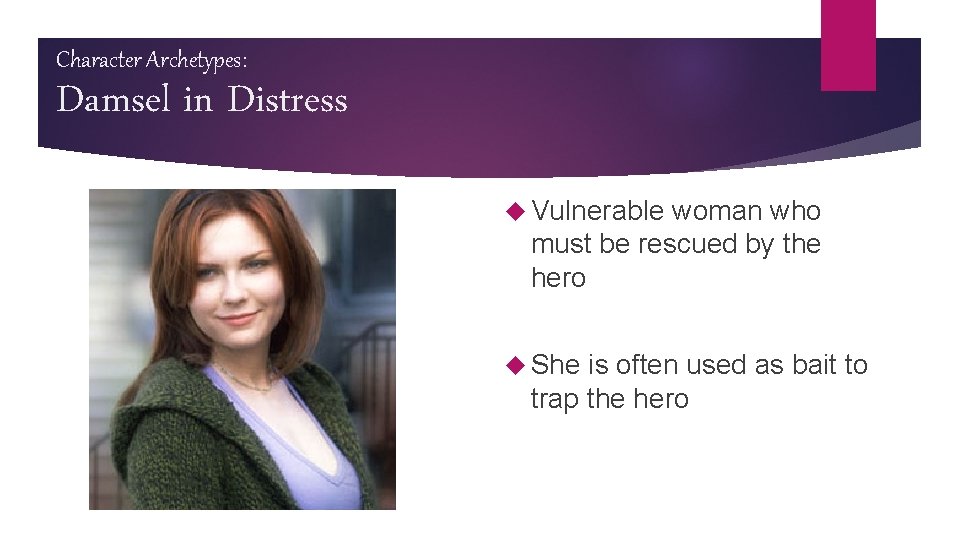
Character Archetypes: Damsel in Distress Vulnerable woman who must be rescued by the hero She is often used as bait to trap the hero
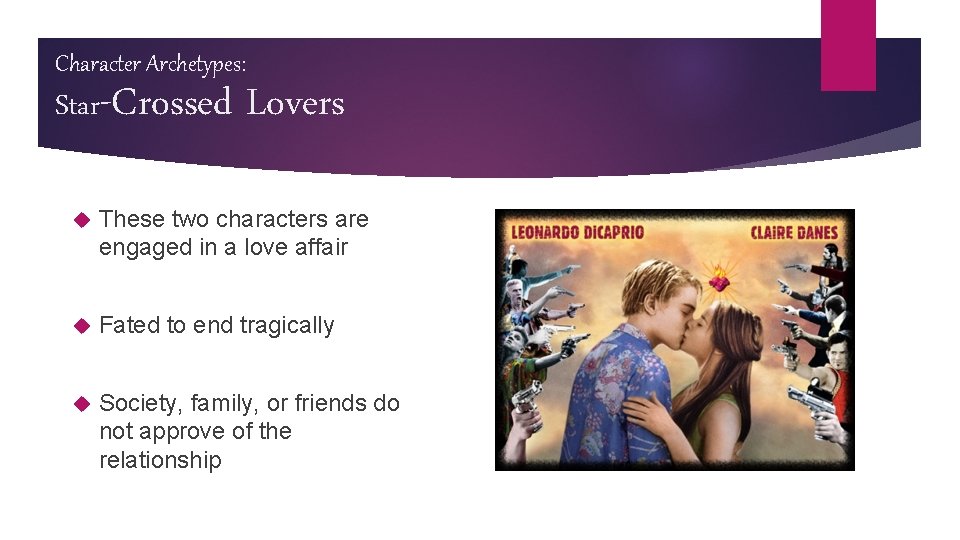
Character Archetypes: Star-Crossed Lovers These two characters are engaged in a love affair Fated to end tragically Society, family, or friends do not approve of the relationship
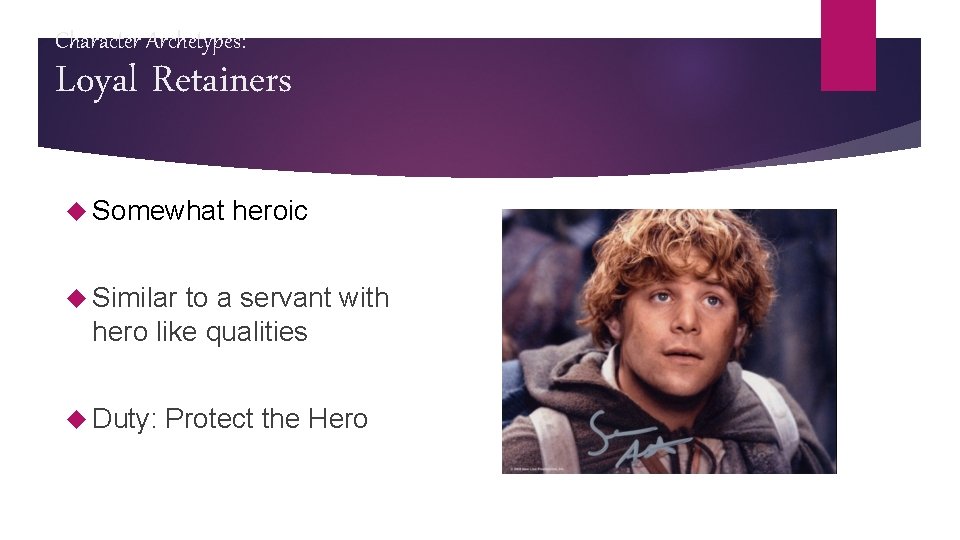
Character Archetypes: Loyal Retainers Somewhat heroic Similar to a servant with hero like qualities Duty: Protect the Hero
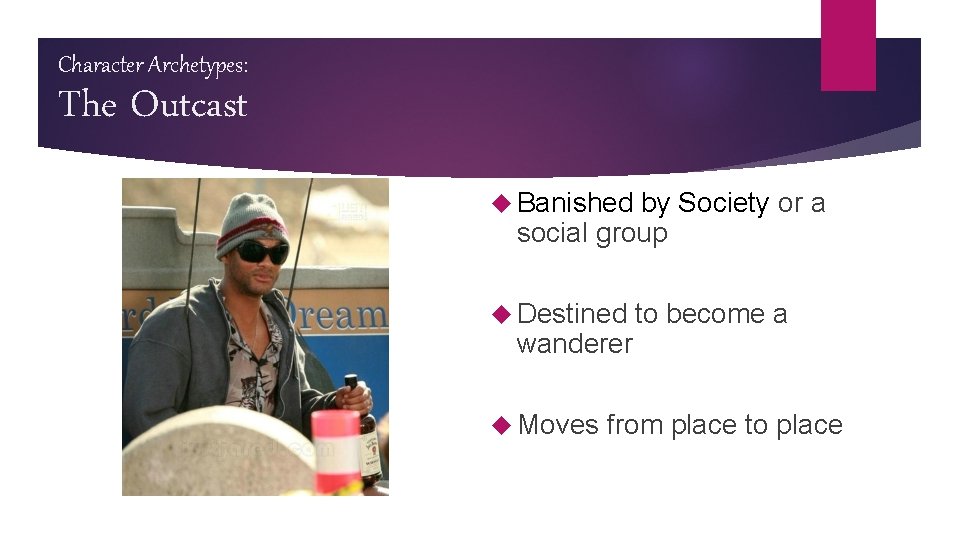
Character Archetypes: The Outcast Banished by Society or a social group Destined wanderer Moves to become a from place to place
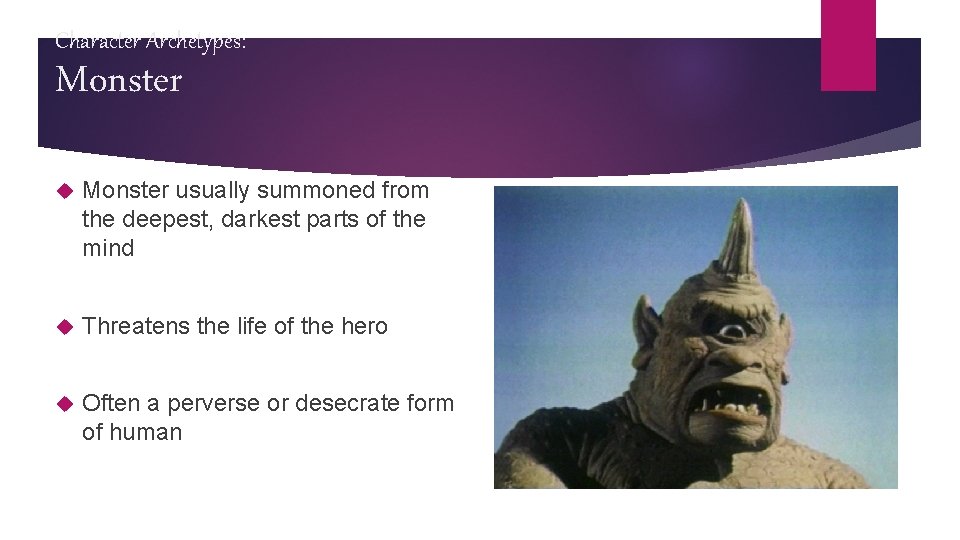
Character Archetypes: Monster usually summoned from the deepest, darkest parts of the mind Threatens the life of the hero Often a perverse or desecrate form of human
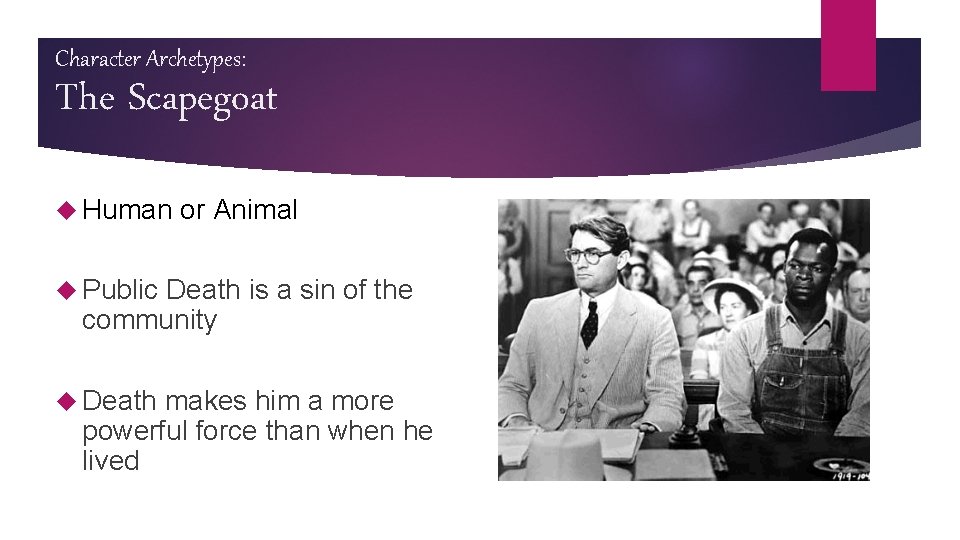
Character Archetypes: The Scapegoat Human or Animal Public Death is a sin of the community Death makes him a more powerful force than when he lived
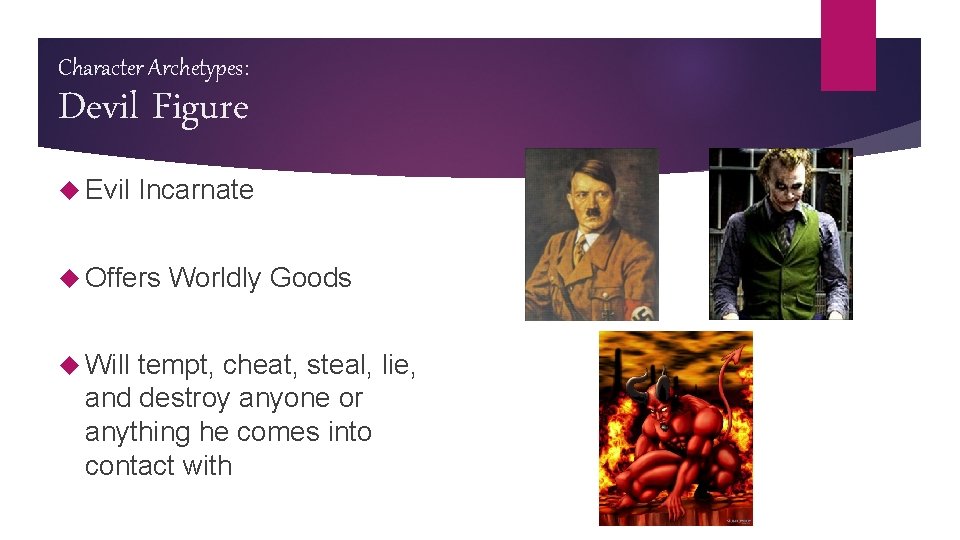
Character Archetypes: Devil Figure Evil Incarnate Offers Will Worldly Goods tempt, cheat, steal, lie, and destroy anyone or anything he comes into contact with
Let’s Review! Character Archetypes include the following… Temptress Unfaithful wife Star-Crossed Lovers Damsel In Distress The Scapegoat The Devil Figure The Creature of Nightmares Friendly Beast The Hero Mentor Young man from the Provinces The Initiates Hunting Group of Companions Loyal Retainers The Outcast The Evil Figure with the Ultimately Good Heart Earthmother