AP World History Chapter 10 East Asia in




- Slides: 41
AP World History Chapter 10 East Asia in the Post-Classical Period
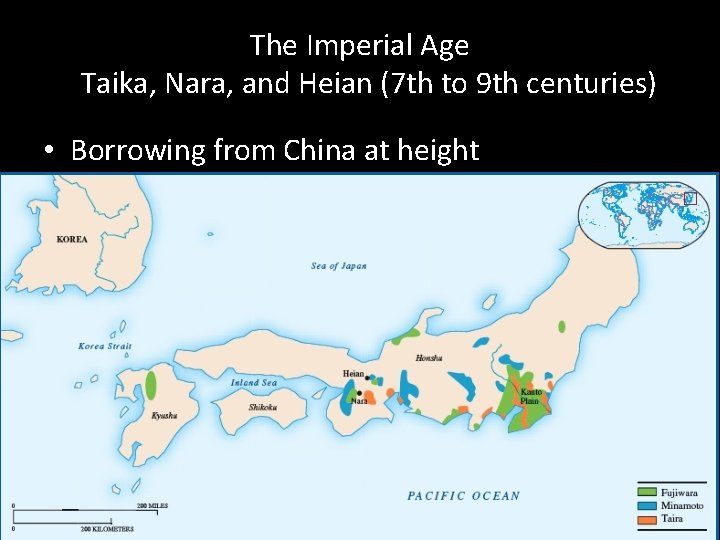
The Imperial Age Taika, Nara, and Heian (7 th to 9 th centuries) • Borrowing from China at height
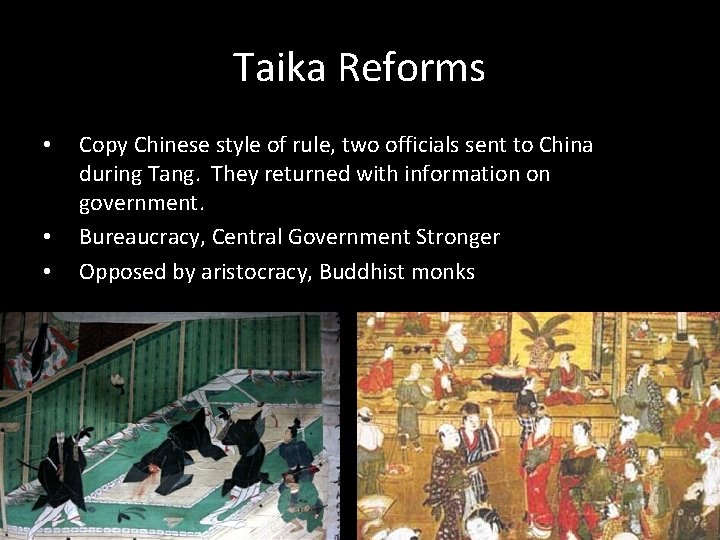
Taika Reforms • • • Copy Chinese style of rule, two officials sent to China during Tang. They returned with information on government. Bureaucracy, Central Government Stronger Opposed by aristocracy, Buddhist monks
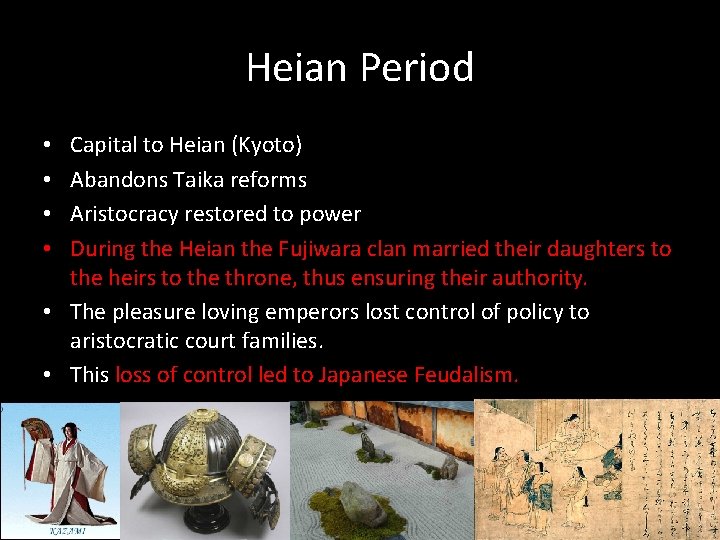
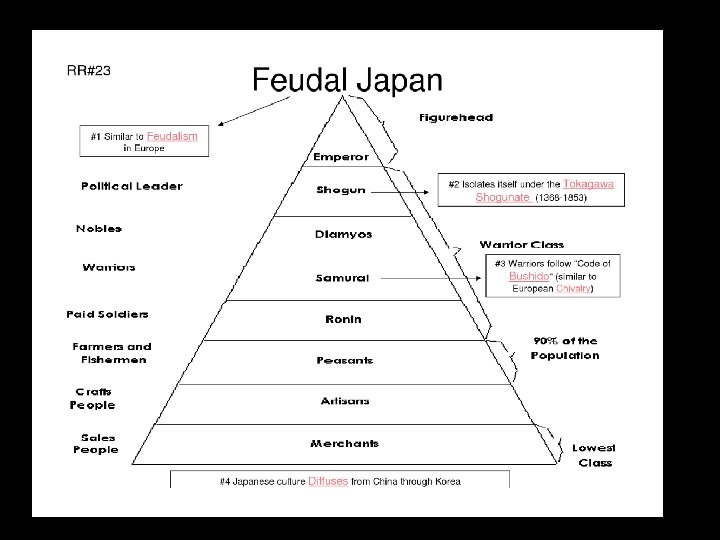
Heian Period Capital to Heian (Kyoto) Abandons Taika reforms Aristocracy restored to power During the Heian the Fujiwara clan married their daughters to the heirs to the throne, thus ensuring their authority. • The pleasure loving emperors lost control of policy to aristocratic court families. • This loss of control led to Japanese Feudalism. • •
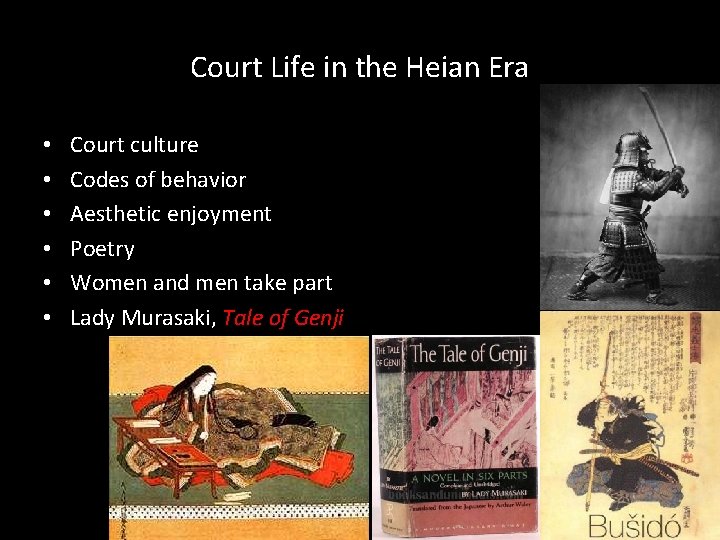
Court Life in the Heian Era • • • Court culture Codes of behavior Aesthetic enjoyment Poetry Women and men take part Lady Murasaki, Tale of Genji
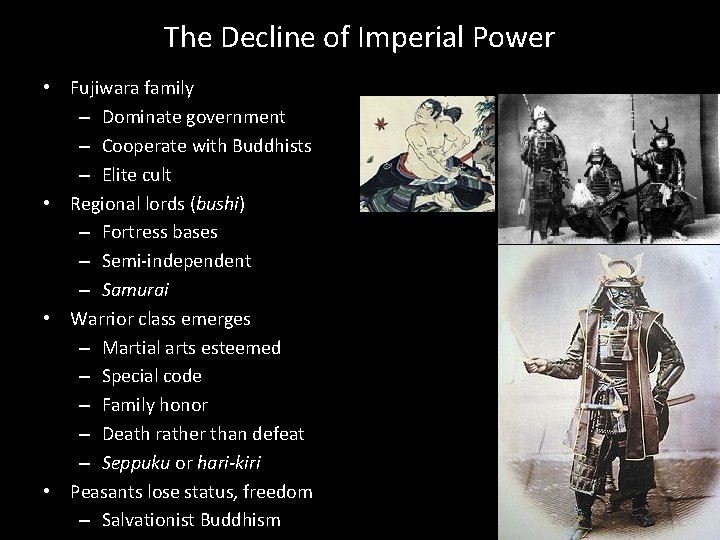
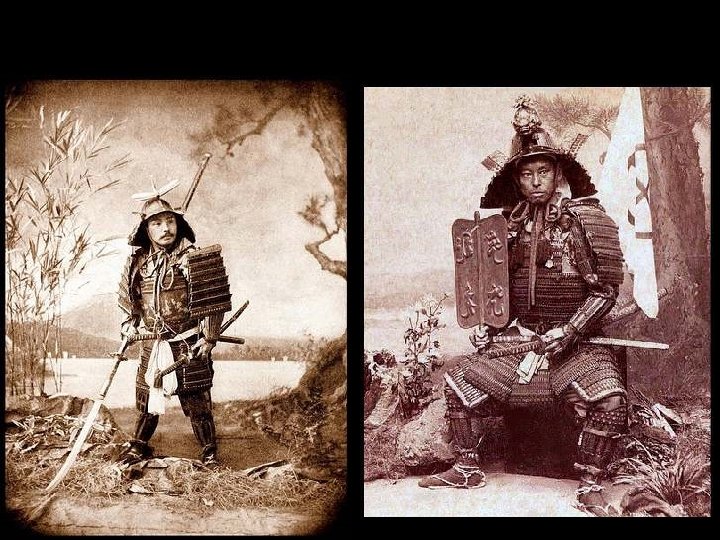
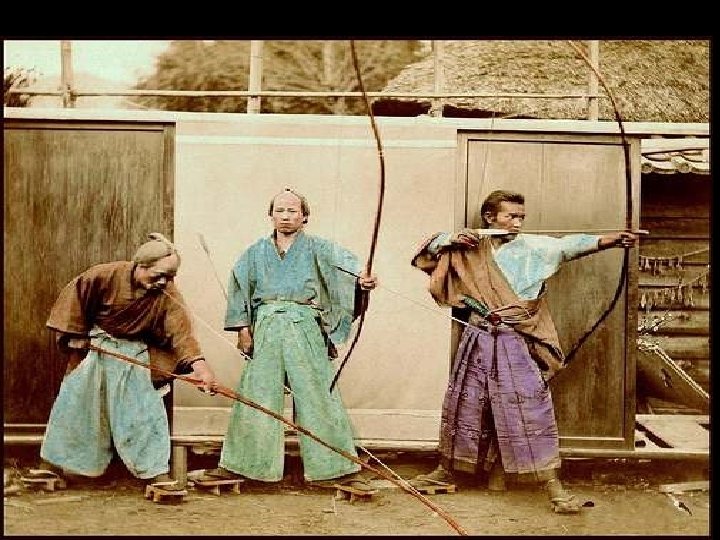
The Decline of Imperial Power • Fujiwara family – Dominate government – Cooperate with Buddhists – Elite cult • Regional lords (bushi) – Fortress bases – Semi-independent – Samurai • Warrior class emerges – Martial arts esteemed – Special code – Family honor – Death rather than defeat – Seppuku or hari-kiri • Peasants lose status, freedom – Salvationist Buddhism
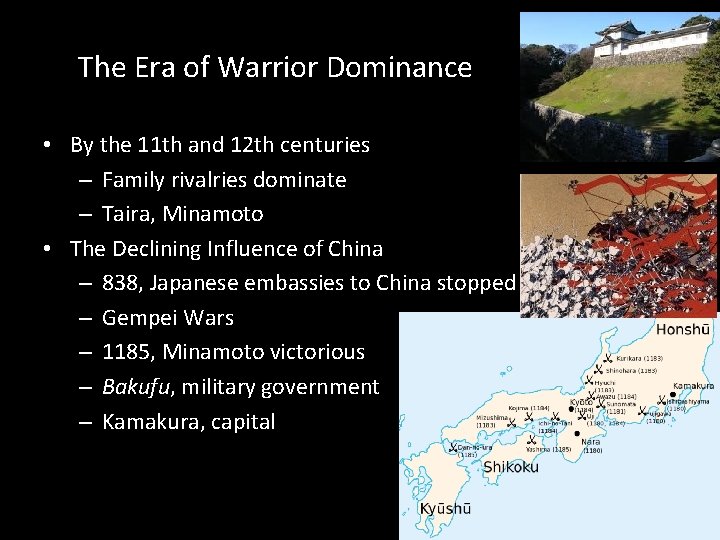
The Era of Warrior Dominance • By the 11 th and 12 th centuries – Family rivalries dominate – Taira, Minamoto • The Declining Influence of China – 838, Japanese embassies to China stopped – Gempei Wars – 1185, Minamoto victorious – Bakufu, military government – Kamakura, capital
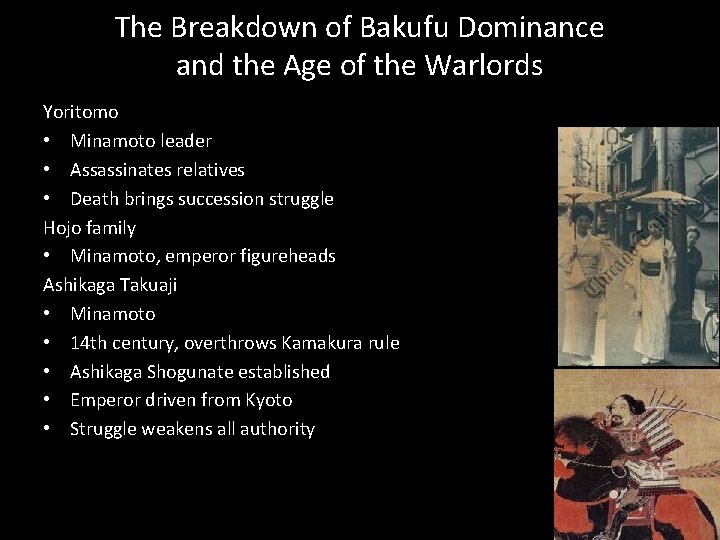
The Breakdown of Bakufu Dominance and the Age of the Warlords Yoritomo • Minamoto leader • Assassinates relatives • Death brings succession struggle Hojo family • Minamoto, emperor figureheads Ashikaga Takuaji • Minamoto • 14 th century, overthrows Kamakura rule • Ashikaga Shogunate established • Emperor driven from Kyoto • Struggle weakens all authority
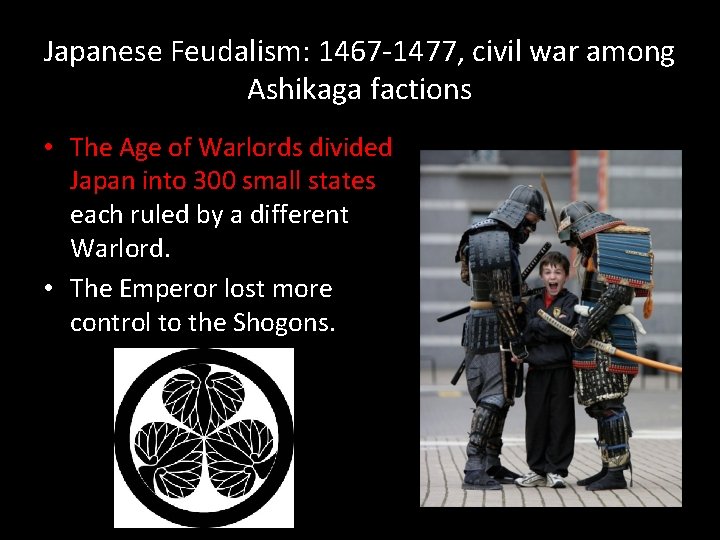
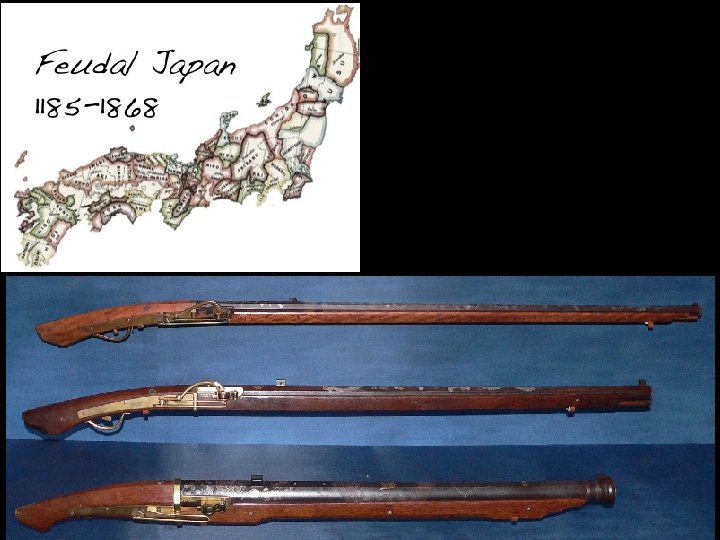
Japanese Feudalism: 1467 -1477, civil war among Ashikaga factions • The Age of Warlords divided Japan into 300 small states each ruled by a different Warlord. • The Emperor lost more control to the Shogons.
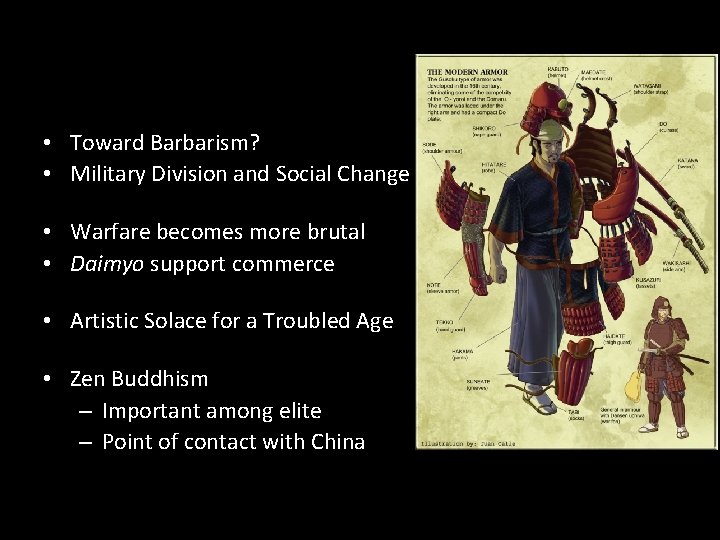
• Toward Barbarism? • Military Division and Social Change • Warfare becomes more brutal • Daimyo support commerce • Artistic Solace for a Troubled Age • Zen Buddhism – Important among elite – Point of contact with China
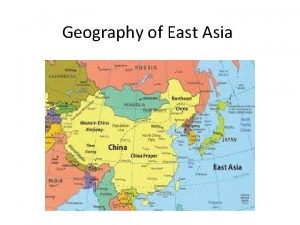
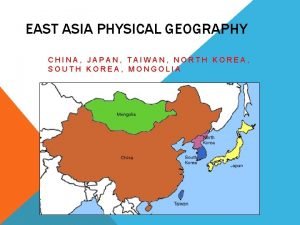
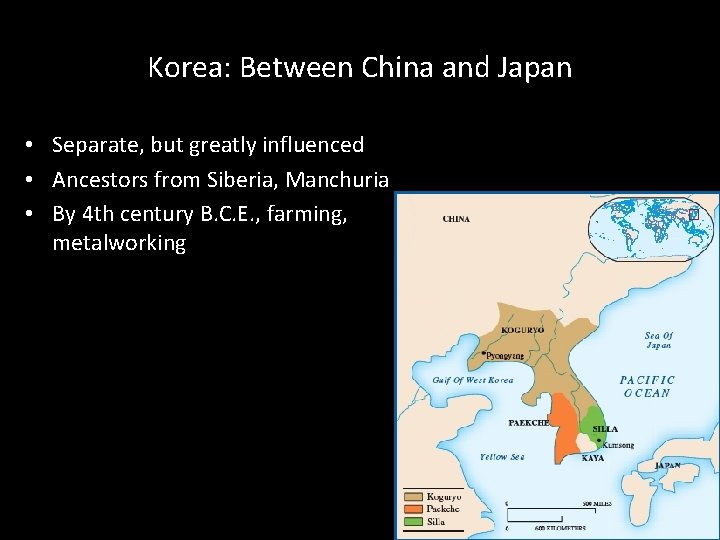
Korea: Between China and Japan • Separate, but greatly influenced • Ancestors from Siberia, Manchuria • By 4 th century B. C. E. , farming, metalworking
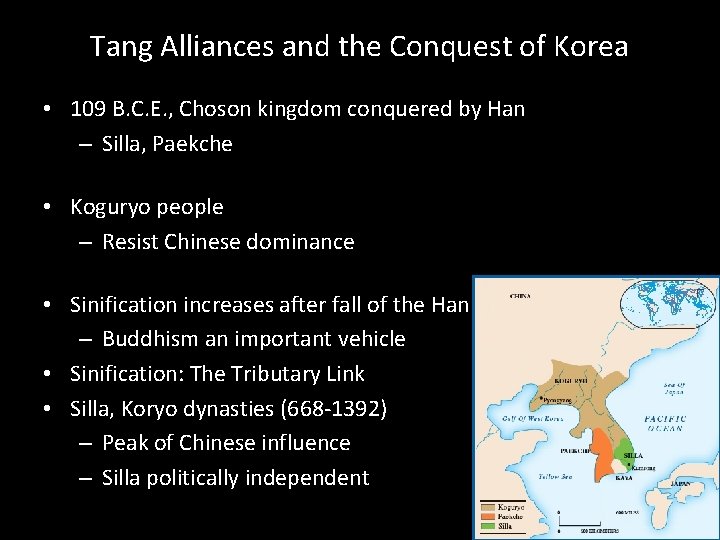
Tang Alliances and the Conquest of Korea • 109 B. C. E. , Choson kingdom conquered by Han – Silla, Paekche • Koguryo people – Resist Chinese dominance • Sinification increases after fall of the Han – Buddhism an important vehicle • Sinification: The Tributary Link • Silla, Koryo dynasties (668 -1392) – Peak of Chinese influence – Silla politically independent
Koryo Collapse, Dynastic Renewal Revolts • Caused by labor, tax burdens • Weaken Silla, Koryo governments 1231, Mongol invasion • Followed by turmoil 1392, Yi dynasty founded • Lasts until 1910
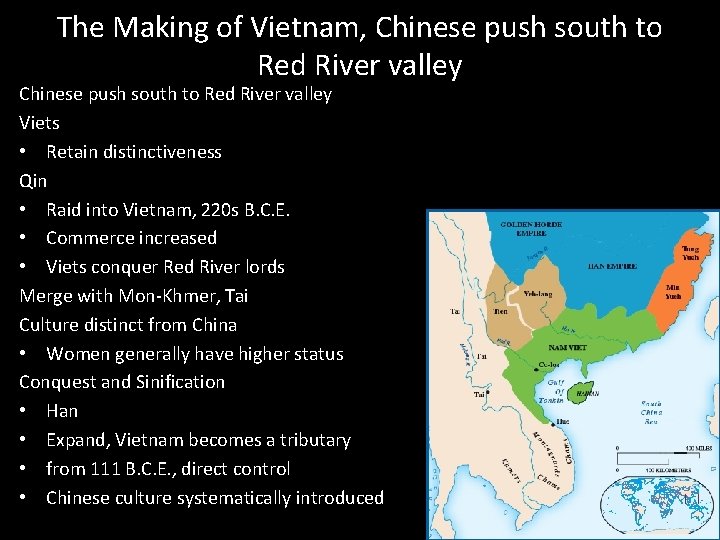
The Making of Vietnam, Chinese push south to Red River valley Viets • Retain distinctiveness Qin • Raid into Vietnam, 220 s B. C. E. • Commerce increased • Viets conquer Red River lords Merge with Mon-Khmer, Tai Culture distinct from China • Women generally have higher status Conquest and Sinification • Han • Expand, Vietnam becomes a tributary • from 111 B. C. E. , direct control • Chinese culture systematically introduced
The Making of Vietnam Roots of Resistance • Resistance from aristocracy, peasants • Women participate • 39 C. E. , Revolt of Trung sisters Winning Independence and Continuing Chinese Influences • Distance from China helps resistance • Independence by 939 until 19 th century • Le Dynasty (980 -1009) – Using Chinese-style bureaucracy
The Making of Vietnam The Vietnamese Drive to the South • Indianized Khmer • Defeated, Viets expand into Mekong delta region Expansion and Division Hanoi • Far from frontiers • Cultural divisions develop following intermarriage with Chams, Khmers Nguyen dynasty • Capital at Hue, by late 1500 s • Challenge Trinh in North • Rivalry until 18 th century
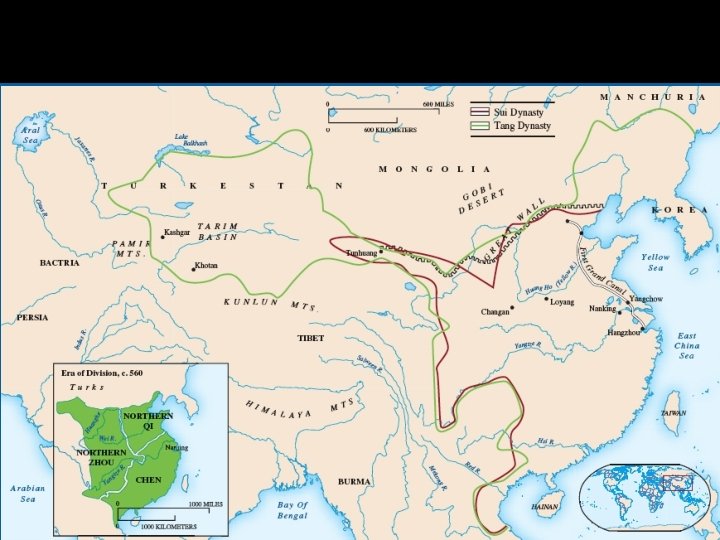
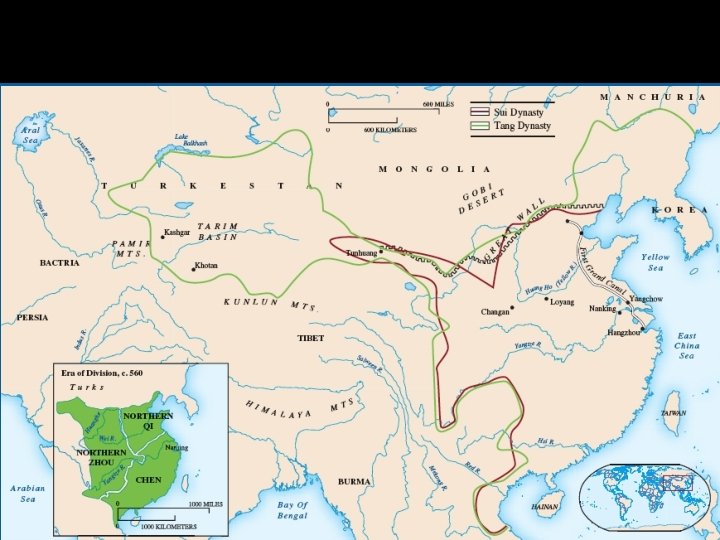
Sui Dynasty Wendi • Nobleman • Victory over Chen united traditional Chinese Core. • Built grain bins for storing grain. • Lowered taxes and built massive canals. • Leads nomadic leaders to control northern China • 589, defeat of Chen kingdom Yangdi Emperor • Murdered Father. • Established milder legal code • Upgraded Confucian education and restored examination system. • Extravagant living and building led to social upheaval.
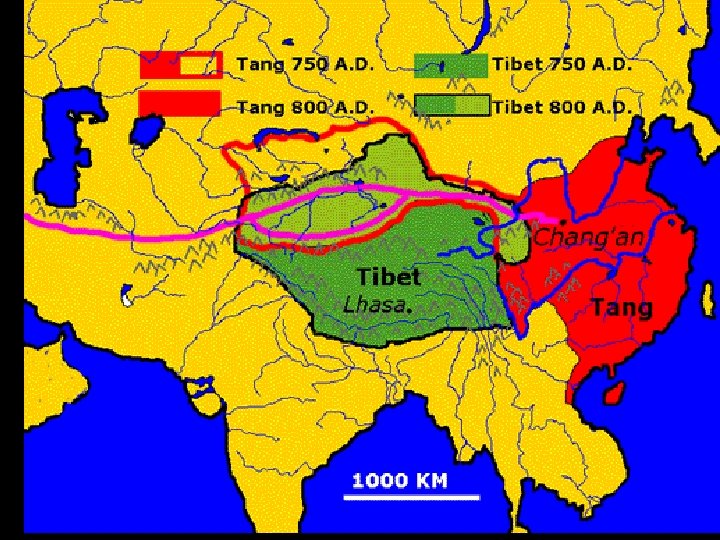
Tang Dynasty • Extended boarder to Afghanistan. • Continued the re-building of the Great Wall. • Re-building of the bureaucracy. –Aristocracy weakened –Confucian ideology revised –Scholar-gentry elite reestablished –Bureaucracy –Bureau of Censors
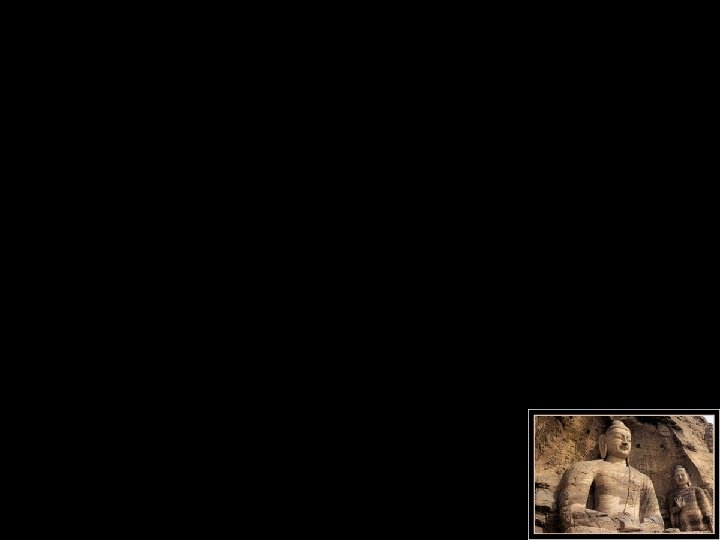
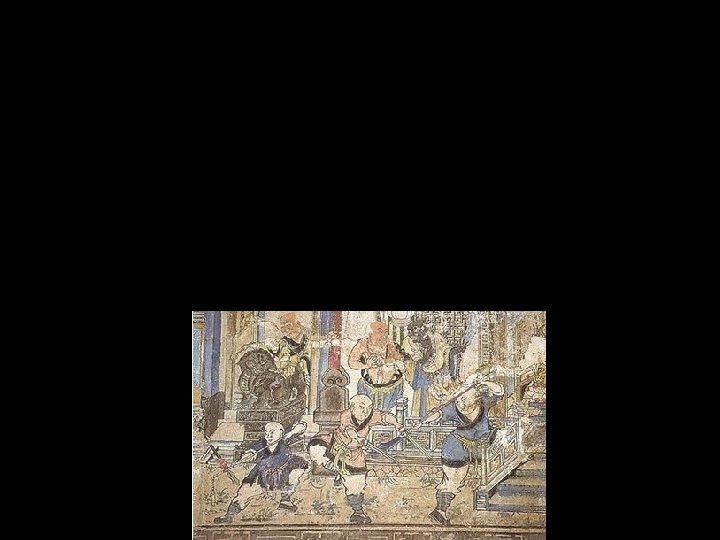
Confucianism and Buddhism potential rivals Buddhism had been central Mahayana Buddhism popular in era of turmoil Chan (Zen) Buddhism common among elite Early Tang support Buddhism Empress Wu (690 -705) Endows monasteries Tried to make Buddhism the state religion 50, 000 monasteries by c. 850
The Anti-Buddhist Backlash Confucians in administration • Support taxation of Buddhist monasteries Persecution under Emperor Wuzong (841 -847) • Monasteries destroyed • Lands redistributed Confucian emerges the central ideology
Tang Decline • • • 755 CE, Revolts Ineffective leaders Frontier boarders raided Corrupt government officials 907 CE, last Tang emperor resigns
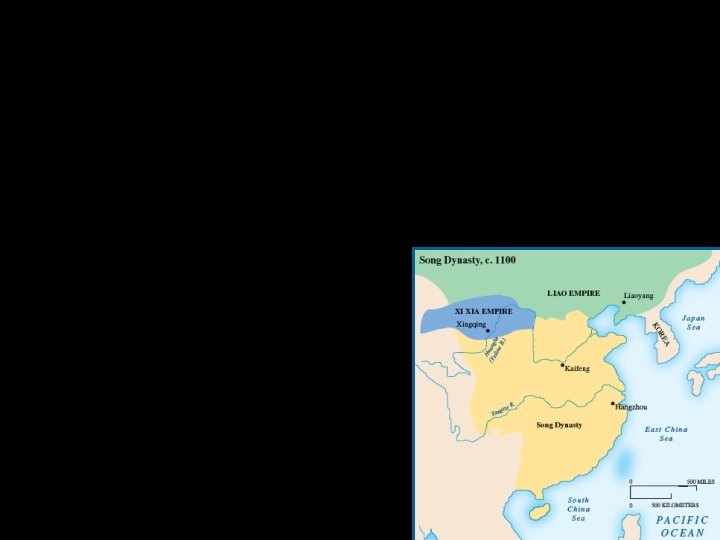
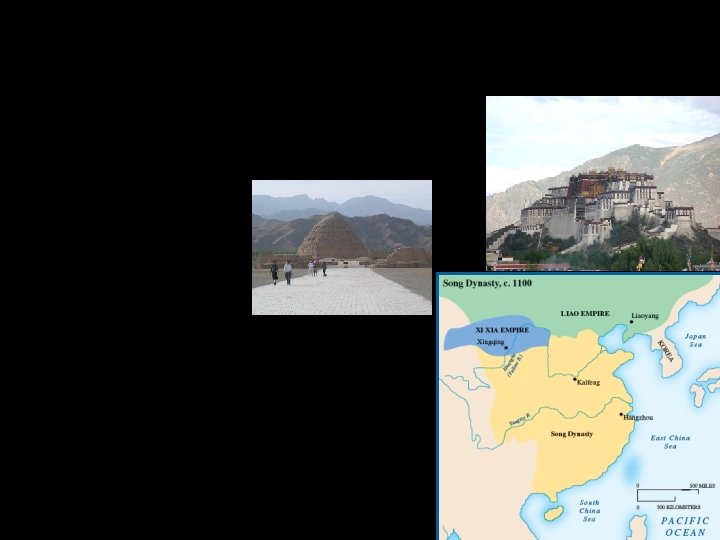
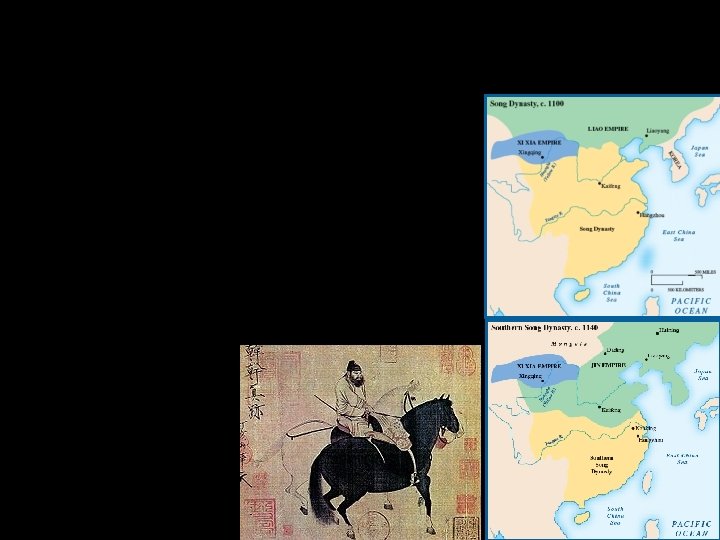
Song Dynasty • Song founded in 960 C. E • Song unable to defeat northern nomads. • Song payed tribute to Liao
Song Politics Settling for Partial Restoration • Scholar-gentry patronized • Given power over military The Revival of Confucian Thought • Libraries established • Old texts recovered Neo-confucians • Stress on personal morality • Zhu Xi • Importance of philosophy in everyday life • Hostility to foreign ideas • Gender, class, age distinctions reinforced
Roots of Decline: Attempts at Reform Khitan independence encourages others Tangut, Tibet • Xi Xia • Song pay tribute Wang Anshi • Confucian scholar, chief minister • Reforms • Supported agricultural expansion • Landlords, scholar-gentry taxed
Southern Song Dynasty Jurchens defeat Liao in the North • 1115, found Jin kingdom • Invade China Southern Song Dynasty • New capital at Hangzhou • Southern Song Dynasty (1127 -1279)
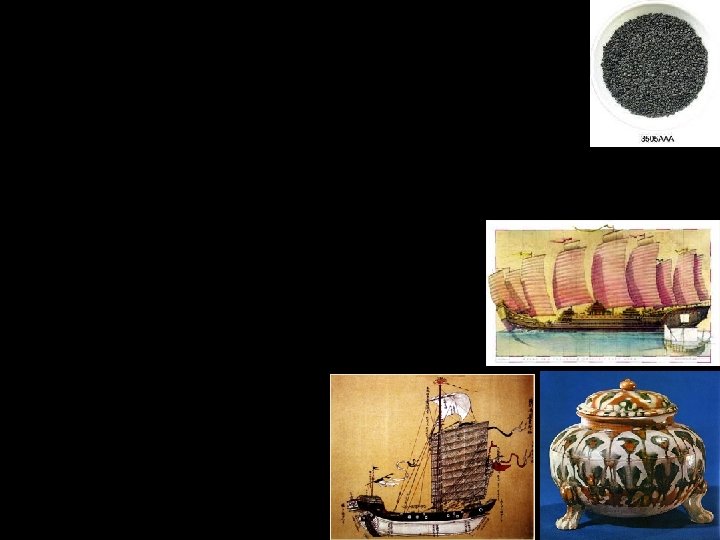
Tang and Song Prosperity: The Basis of a Golden Age Canal system • Built to accommodate population shift • Yangdi's Grand Canal • Links North to South Silk routes reopened • Greater contact with Buddhist, Islamic regions Sea trade • Developed by late Tang, Song • Junks Commerce expands • Credit • Deposit shops • Flying money Urban growth • Changan – Tang capital – 2 million
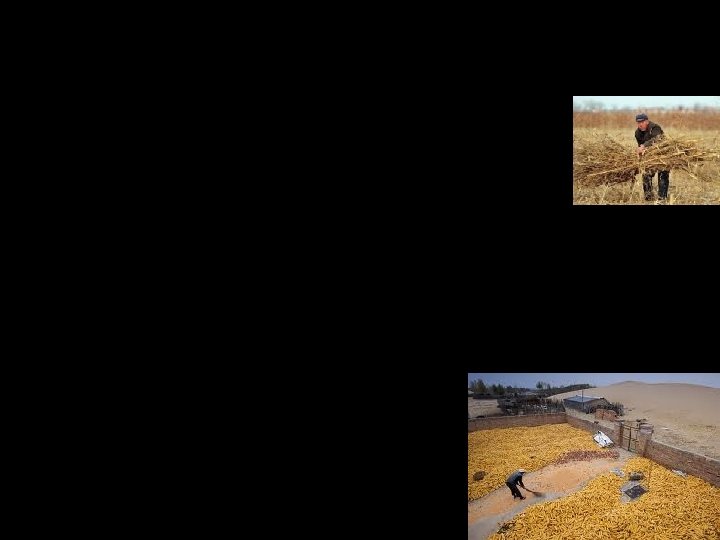
Tang and Song Prosperity: The Basis of a Golden Age Expanding Agrarian Production and Life in the Country • New areas cultivated • Canals help transport produce Aristocratic estates • Divided among peasants • Scholar-gentry replace aristocracy Family and Society in the Tang-Song Era • Great continuity • Marriage brokers • Elite women have broader opportunities – Empresses Wu, Wei • Divorce widely available
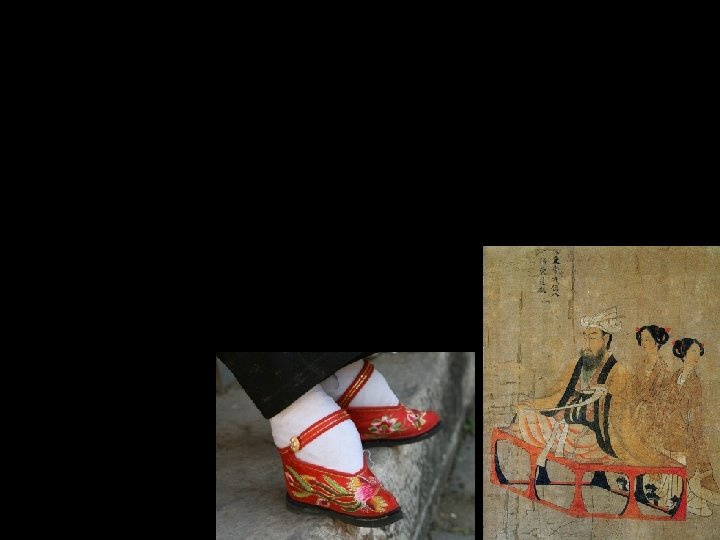
The Neo-Confucian Assertion of Male Dominance Neo-Confucians reduce role of women • Confinement • Men allowed great freedom • Men favored in inheritance, divorce • Women not educated • Foot binding
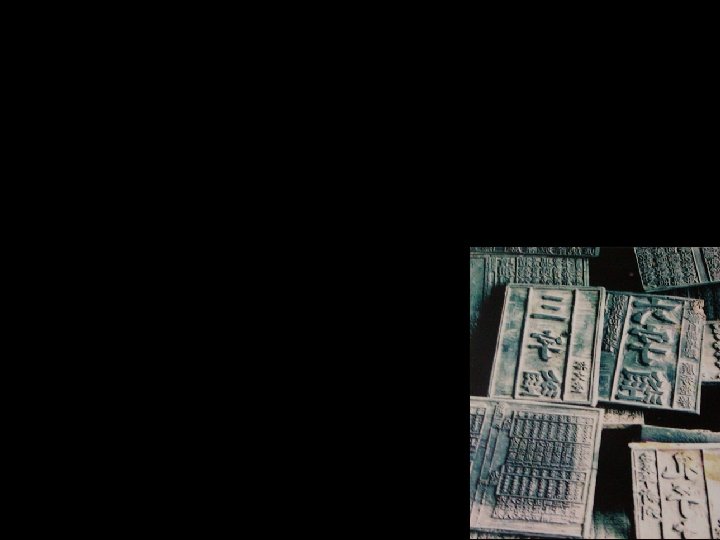
Glorious Age Conclusion Invention and Artistic Creativity • Influence over neighbors • Economy stimulated by advances in farming, finance • Explosives • Used by Song for armaments • Compasses, abacus • Bi Sheng – Printing with moveable type • Scholarly Refinement and Artistic Accomplishment – Scholar-gentry key – Change from Buddhist artists – Secular scenes more common • Li Bo – Poet – Nature a common theme in poetry, art