ANNA MOLKA AHMED 1917 1994 Art in Pakistan











- Slides: 31
ANNA MOLKA AHMED (1917 - 1994) “Art in Pakistan” BFA-IV (Visual Arts) Class Incharge: Ms. Farah Khan Institute of Design & Visual Arts, LCWU
Anna Molka Ahmed (1917 -1994) was a prolific Pakistani artist and pioneer of fine arts in the newly born Pakistan in 1947. She was the first female artist of Pakistan and inspired the younger lot of female artists after independence. An English woman of mixed Russian and Polish parentage, She was born to Jewish parents, in London, UK in 1917. Her mother was Polish and father was a Russian. At an early age Anna Molka was determined to make her life in art. Defying parental disapproval, Anna achieved first a scholarship to St. Martin’s School of Art, London, followed by a scholarship from the Royal College of Art. She studied painting, sculpture and design at St. Martin School of Arts, London. During her studies, She met Sheikh Ahmed, who was an Indian Muslim. Their relationship got strengthened and then she got married to him after embracing Islam in 1939. They left for India to be landed over the Indian soil and settled in Lahore. The process of her life continued with vigor and enthusiasm, she lived in Lahore from beginning to the last moment of her life. She had two daughters from Sheikh Ahmed but because of instability in their relationship, their marriage ended up in 1951.
Anna Molka Ahmed The art scene in the subcontinent was quite different than that of England. The base of professional art was extremely restricted, quite a few artists were actually professional and there was no school or college of art with particular emphasis on academics. Anna Molka brought new trends and methods to teach art and art education in which practical and theory were considered equally important. At the age of twenty two in 1940, she was selected art teacher in the Department of Fine Arts, Punjab University, Lahore. She designed syllabus first for bachelor and then for master classes. She remained in service almost for four decades. She was among the pioneers of women artists in Pakistan and had been a long-time director and moving spirit behind the Fine Arts Department of the Punjab University, Lahore - the first institution that was opened to the women artists in Pakistan. "In fact she has been the facilitator of a movement that made the proactive role of women artists a possibility". writes Nilofur Farrukh She was the first female chairperson in the subcontinent and first female professor emeritus, an honor awarded to her by the Punjab University, Lahore. At the time of independence, there were only five or six Muslim students in the art department, and Anna Molka Ahmed went from one college to another seeking students for the arts department and thus was able to introduce art courses in the Punjab University.
Anna Molka Ahmed She played a pivotal role to introduce art and art education in the newly born country. Through dynamism and sole commitment she produced many celebrated artists and art teachers, who have acted or still acting as heads or directors of different institutions or art galleries. She also introduced art classes for children at the Lahore Arts Council at Alhamra, which are continuing even today. She also developed syllabus for schools, colleges and universities. Anna Molka’s professional career can be analyzed in two different manners, first as a scholar and then as an artist. Anna Molka’s scholarly insight made her a good critic of her time. She was considered one of the most profound critics on art. She wrote vigorously and sincerely. As a head of the Department, she regularly conducted exhibitions and wrote about all the participants. She published several monographs on national and international artists who participated or exhibited their work in the Department. In order to create a scholarly atmosphere she encouraged students and faculty members to write about art. Their writings were published in the first art journal of Pakistan Vista. Scholarly writings produced by Anna Molka reflect her tremendous writing skill, deep insight, keen observation and vital criticism.
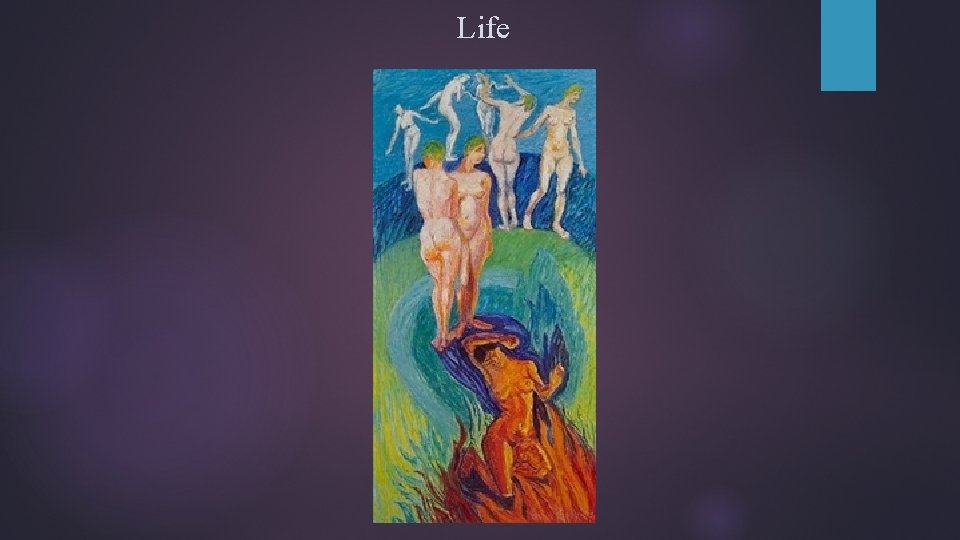
Anna Molka Ahmed Dynamic and bold in every respect, she introduced new ways of seeing art in Pakistan. For her, creativity was identical to life. She believed that life is not something static but something which influences its surroundings and keeps on changing under new circumstances. It is this sense of process that prevailed in her every undertaking, to do something vigorously and confidently. An artist gains aesthetic experience from two sources: inward and outward. Inward experience comes from artist’s own intuition, feelings and emotions and outward experience comes from the external world. The practice of Anna Molka Ahmed revolved around these two which were well represented in her works and she wanted her students to reflect the same in their practice too. As an artist, she has been considered an expressionist. Marcella Nesom Sirhandi in the “Contemporary Painting in Pakistan, ” considers her, an expressionist artist. Elaborating on her expressionistic tendencies, She said: “Anna eschewed a carefully rendered, slick effect. Her instinct made her more comfortable with the palette knife than with the brush and she preferred impasto over thin washes. ” Salima Hashmi, also wrote after acknowledging her expressionistic tendencies that: “Anna Molka exhibited her work regularly after her arrival in the subcontinent in 1939. She often acknowledged the influence of Gauguin whom she passionately admired, but her own use of color impasto owned more to the expressionists. ”
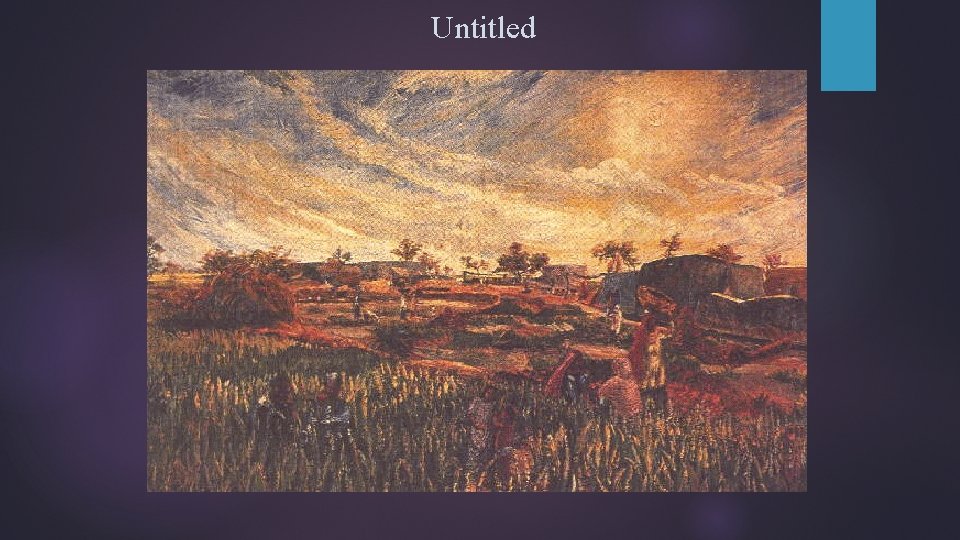
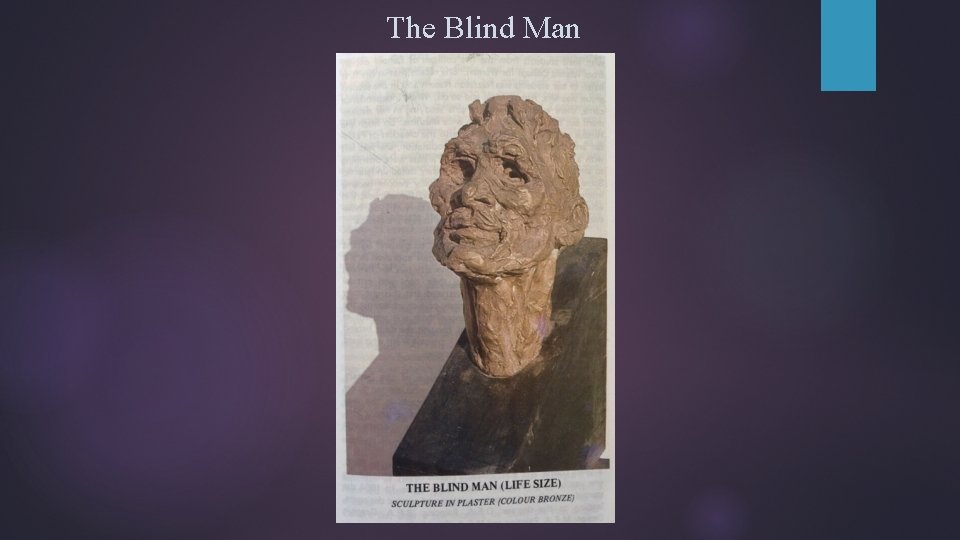
Anna Molka Ahmed In a brochure published at a retrospective exhibition organized by Pakistan National Council of Arts in May-June 2004, Mussarrat Nahid Imam also highlights some of the expressionistic characteristics in her art. She said that: “as a painter Anna Molka could be described as an Expressionist, ‟ applying bold strokes, vibrant colors in thick impasto technique. Use of loud and brilliant palette was her forte. In fact her palette demonstrated the intensity of her emotions and feelings. At times her colors were so strong that they over powered her emotions and feelings. ” All of the above statements considered Anna Molka expressionist because of her use of color and the emphasis on thick bold strokes. As a teacher, Anna Molka Ahmed was the first in Pakistan to take her students outdoors to paint their surroundings and to focus on the indigenous features while painting. Her own work, thick impasto impressions often appeared to capture the very essence of sunshine and the spirit of the land reflected through the lens of expressionistic style. Her creative impulse cannot be fully admired without discussing her sculpture pieces. She executed a number of busts in clay and cast them in plaster. One of them is life size bust of Prof. Khalid Iqbal.
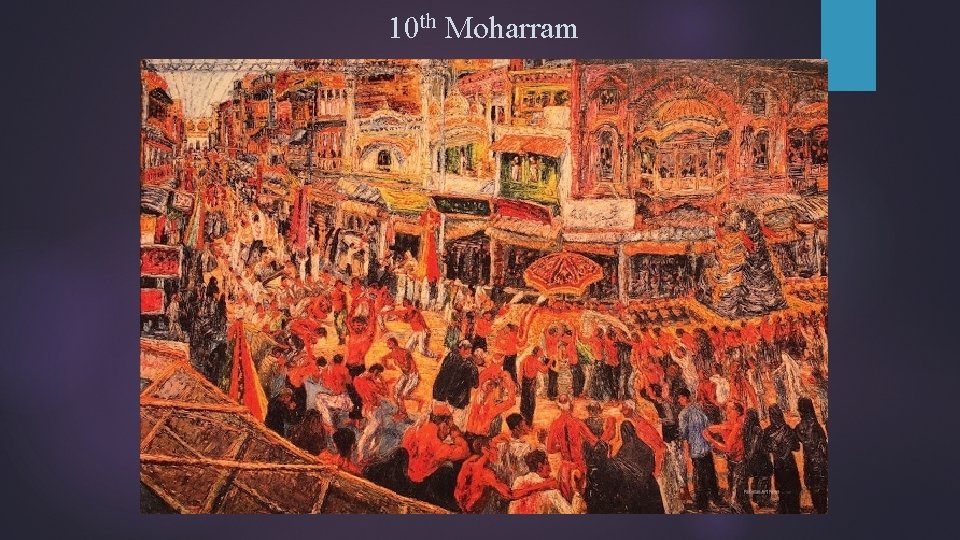
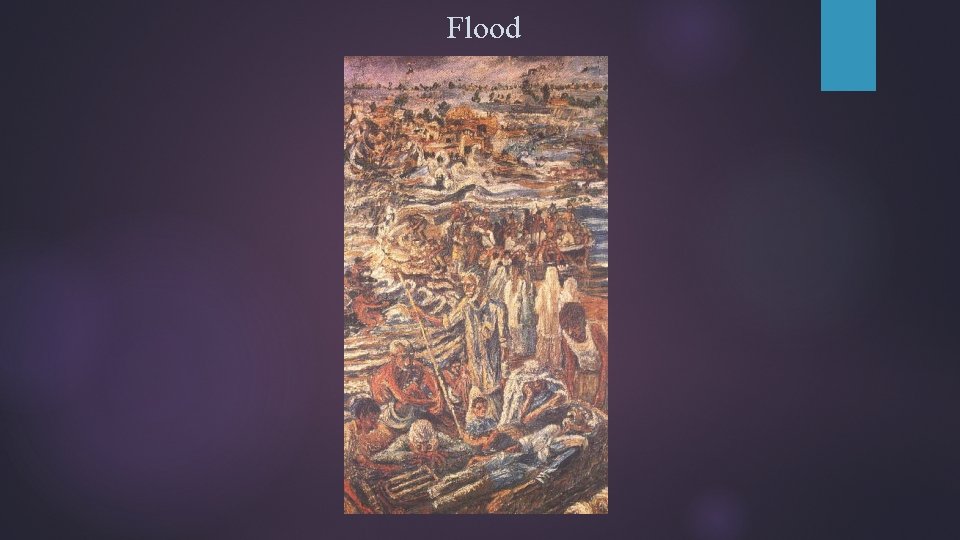
Anna Molka Ahmed The intensity of the facial expression reveals in the most vivid and astonishing fashion the state of mind. The strongly individualized features may leave no doubt in our minds that this is indeed a faithful likeness of the subject. However, it is chiefly the state of mind of the sitter she aimed to accomplish. Another important example of sculpture was of Moeen Najmi, which also reveals the character of the model. Her execution in terms of style remained the same in both painting and sculpture. Besides painting and sculpture, she executed a large number of drawings in pencil, charcoal and pastel. Almost in every art work she attempted to capture the vigor of life. She was bold and passionate; this is what each of her stroke stand for. Anna Molka Ahmad’s artworks are not a mere copy of nature. They represent nature not in a manner a person sees but in a manner an artist’s creativity endures. She created and expressed what she saw and experienced. She recorded the social and political turmoil, specifically the Partition, religious events, festivals. Besides such critical subject matter she also painted several portraits of leaders, friends and other members of the society. Her panoramic landscapes with bright sunny sky, with beautiful dawn and dusk colors and with a strong emphasis on the essential details have historical significance.
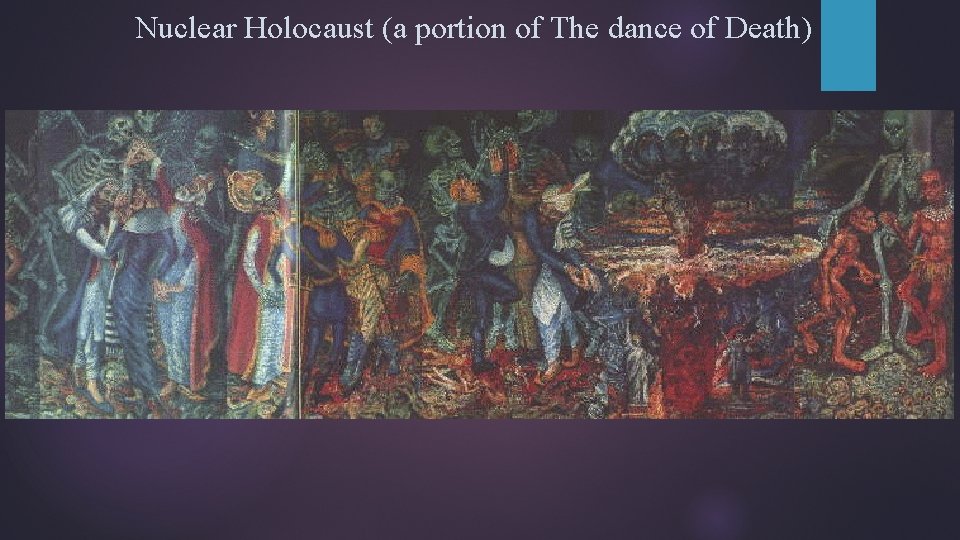
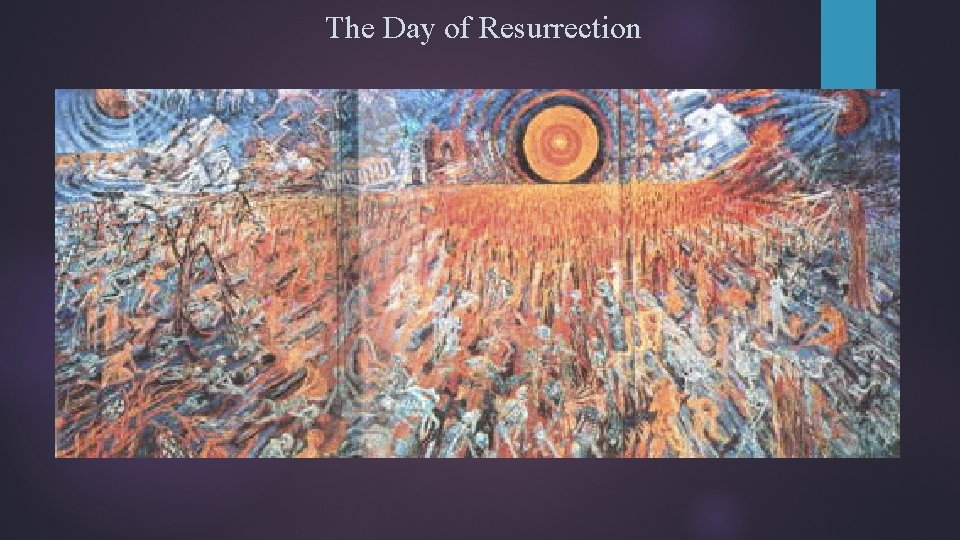
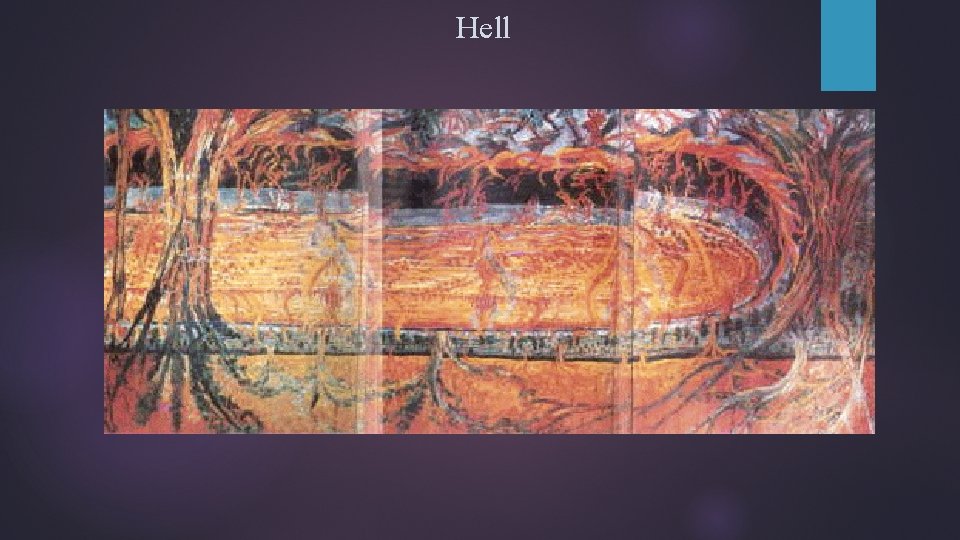
Anna Molka Ahmed She often described her feelings about Pakistan and its people in these words: “Pakistan is an independent country and its people are custodian of variety of cultures and civilizations which must be preserved and enriched. Sincere study and creative understanding can help evolving characteristic art which can make us feel proud among other nations. ” She was a true observer, her portraits of young age to old age tell the pains she had gone through after getting divorce from her husband taking care of her two daughters. Despite all the upheavals she remained confident and bold. She was always close to Allah and the teachings of holy Quran and remained stick to her belief in Tauheed in all circumstances. Ultimately she got peace after painting several large panels, depicting Day of Judgment and Heaven and Hell. All of these paintings were painted in the Department of Fine Arts, where she had her permanent office. It was surprising the way she vigorously applied paint to these panels in order to acquire motion and movement in the picture. Sometime she squeezed the whole tube on the canvas and spread it over with her fingers. Standing on a ladder, completely absorbed in her work, she was unaware the fact that how keenly students were watching her technique. Preserving the spirit of her age, she made every effort to reach out to the masses. She believed that art is one of the most effective tools of education.
Anna Molka Ahmed In her own words: “a country cannot progress without art which expresses feelings, opinion and taste of a society and its people. ” Beside painting, she was an avid gardener. She would wear her trade mark while tending the garden, cutting hedges in new and artistic pattern, and went on painting and gardening till the very last time until she was ordered by the doctors to stop because it was straining her health badly She was awarded with Tamgha-i-Imtiaz, President’s Pride of Performance Award in 1979, Quaid-e. Azam Award in 1982 and the Khdejatul Kubra Award in 1983 for her services in the field of fine arts education in the country. She also wrote poetry in later part of her life. A reference is quoted below to express her courageous personality. “Daylight after night. Spring when birds sing. Sunshine after rain. So with life’s pain. And confidence does not wane. And courage sustains”
Anna Molka Ahmed in front of her canvas
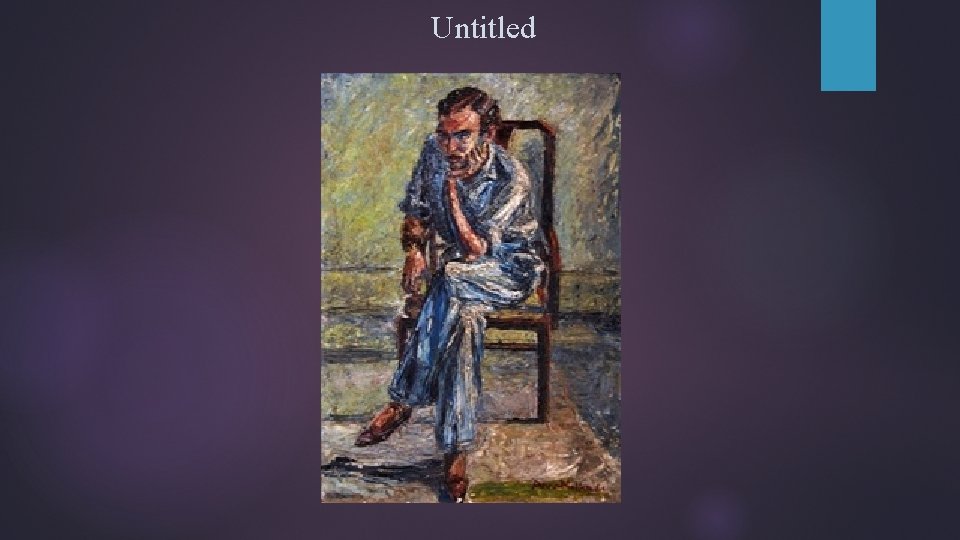
Untitled
Beggar Woman
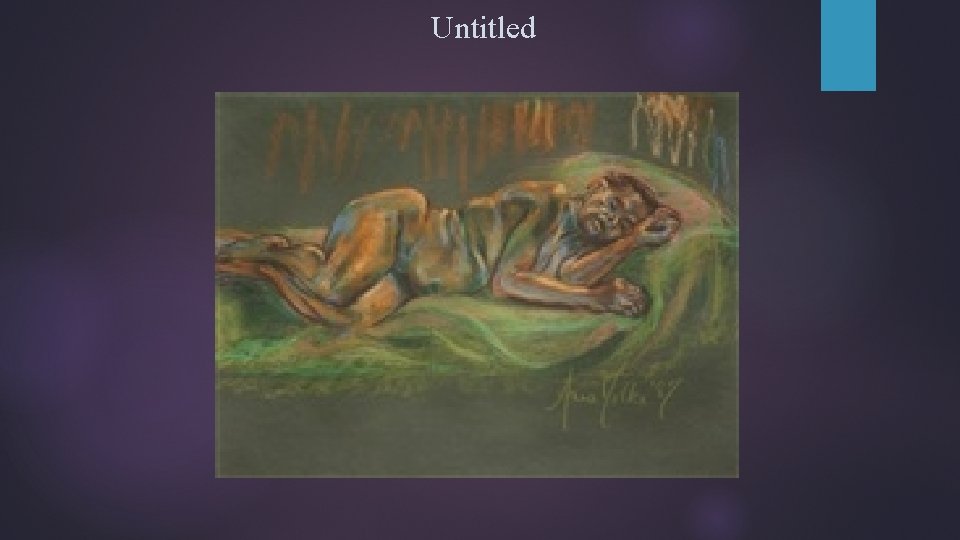
Untitled
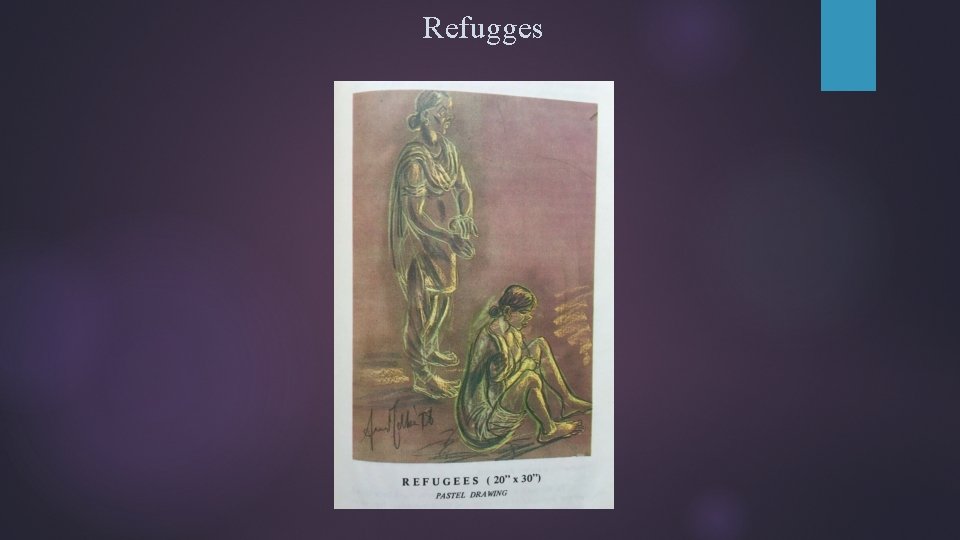
Refugges
Views of Punjab University with 10 th Moharram
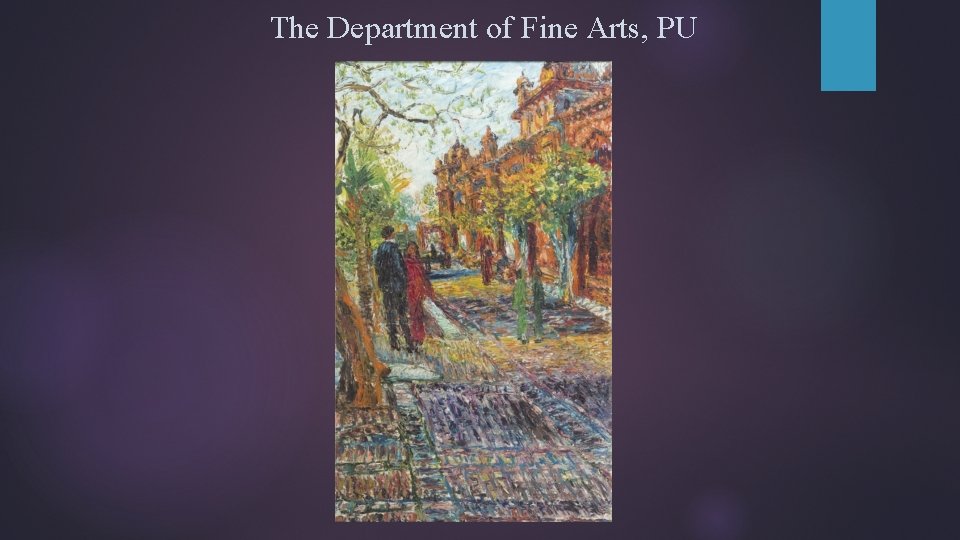
The Department of Fine Arts, PU
Punjab University
Anna Molka painting on her canvas
10 th Moharram
Untitled
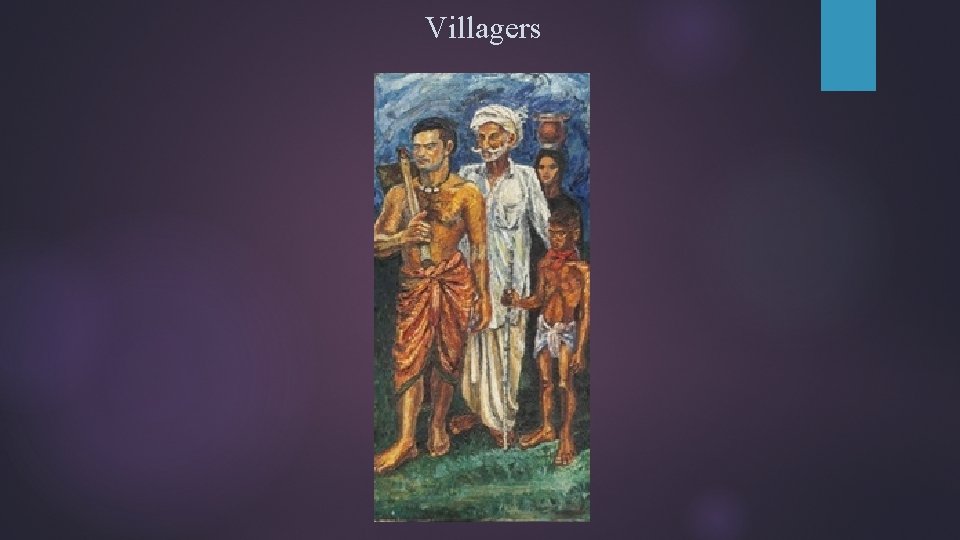
Villagers
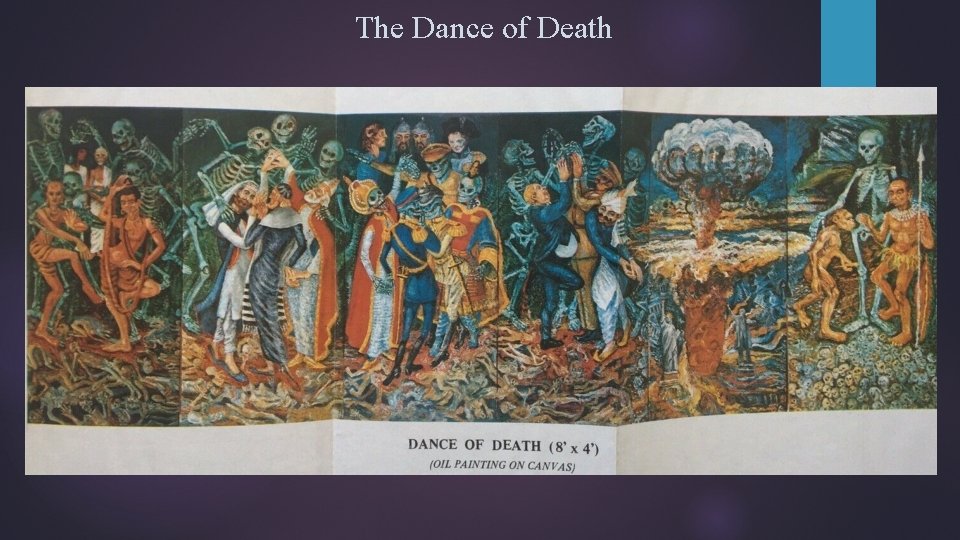
The Dance of Death
Nuclear Holocaust (a portion of The dance of Death)
Life
Evening Garden Party
Flood
The Day of Resurrection
Heaven
Hell
The Blind Man
Stamp dedicated to Anna Molka Ahmed