Wood Types from the Tree Longwood The area

- Slides: 32
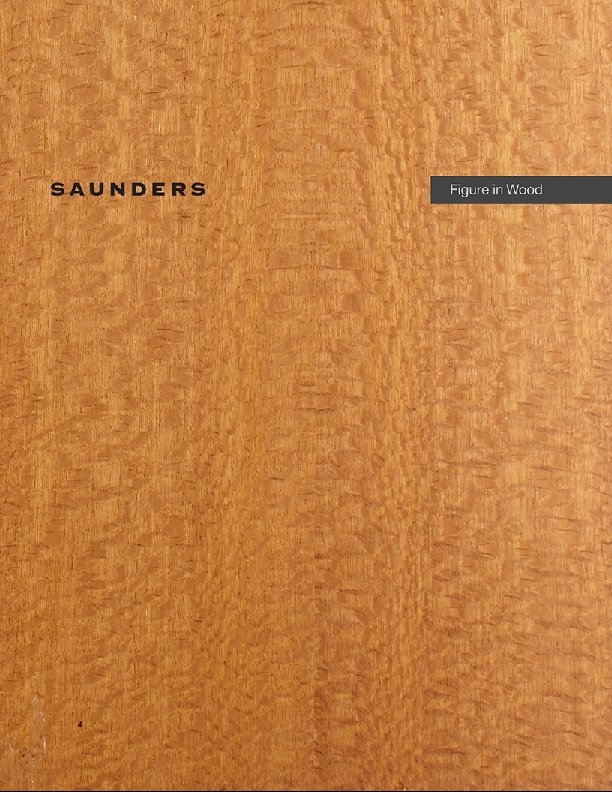
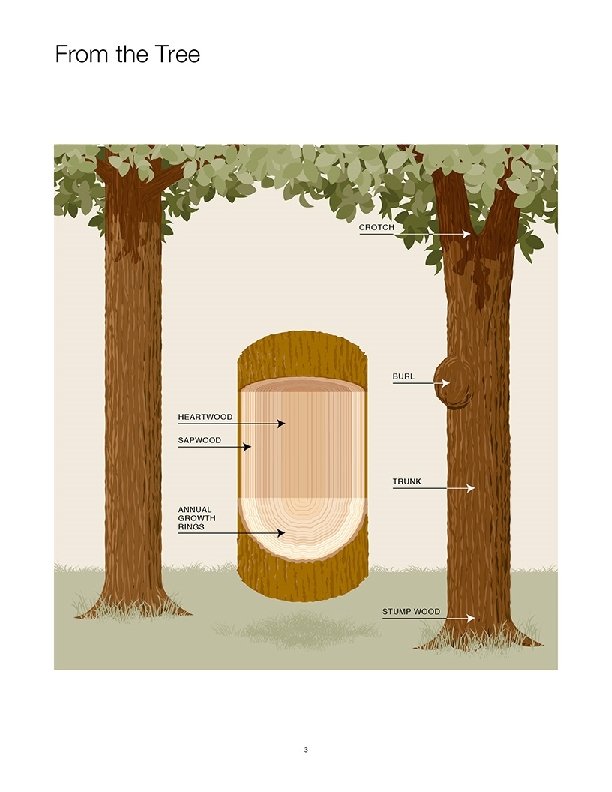
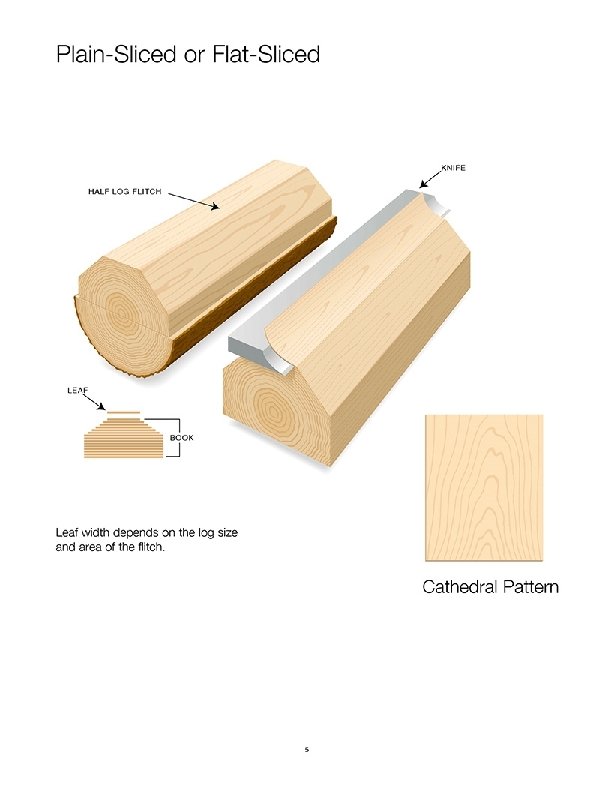
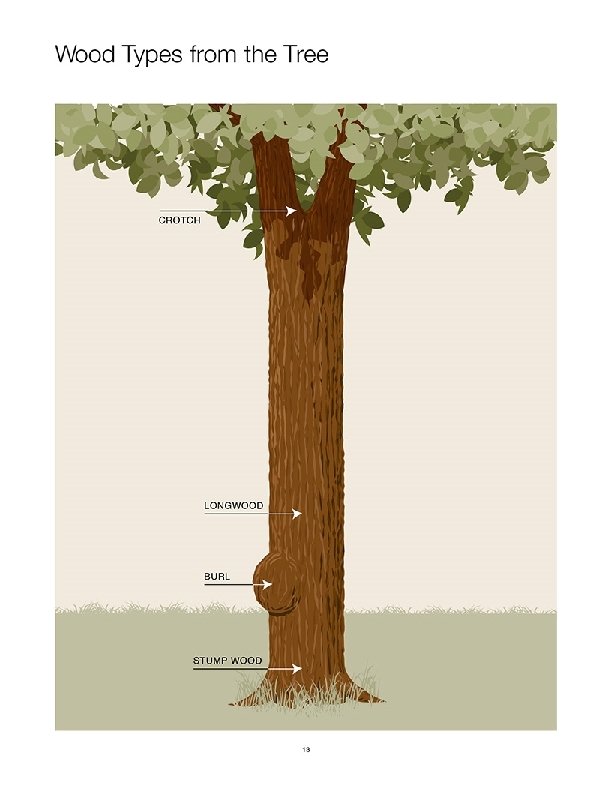
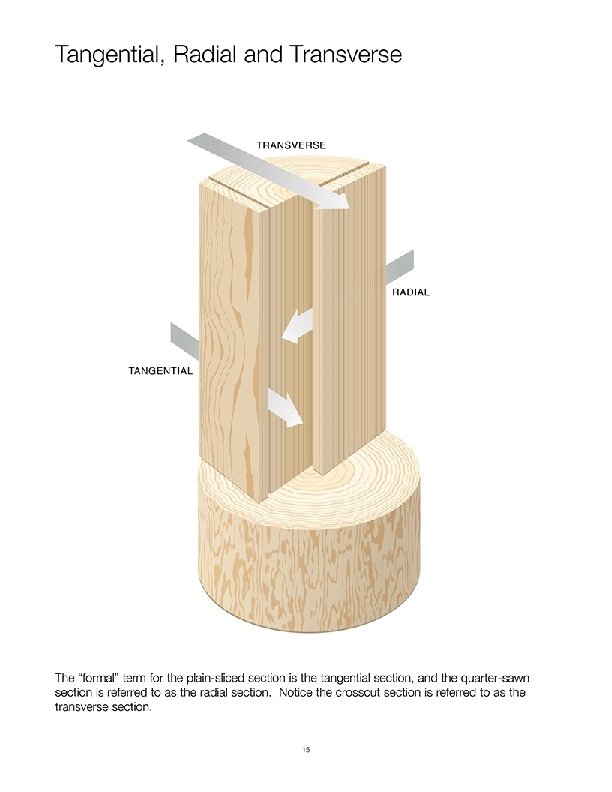
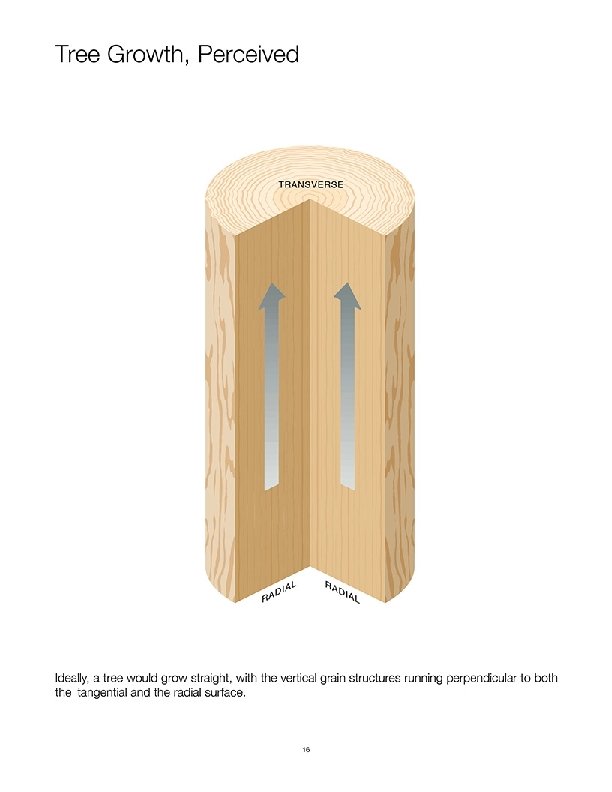
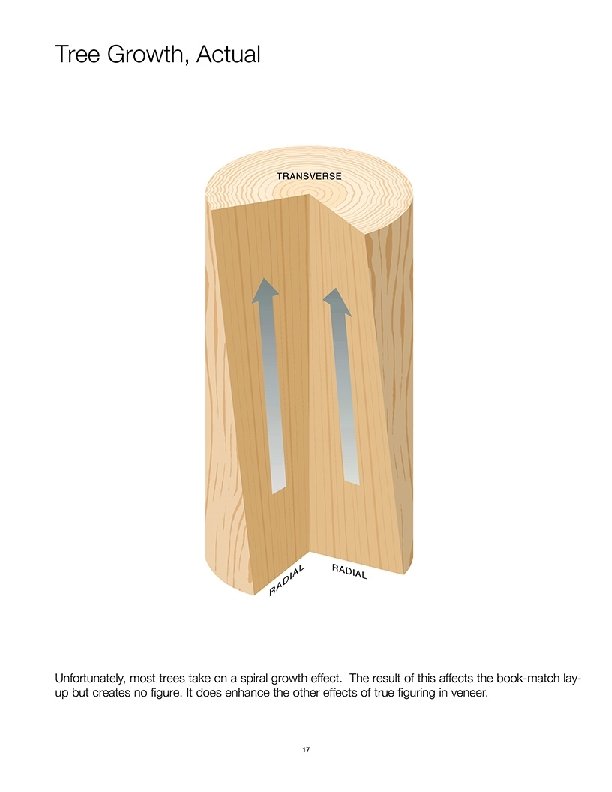
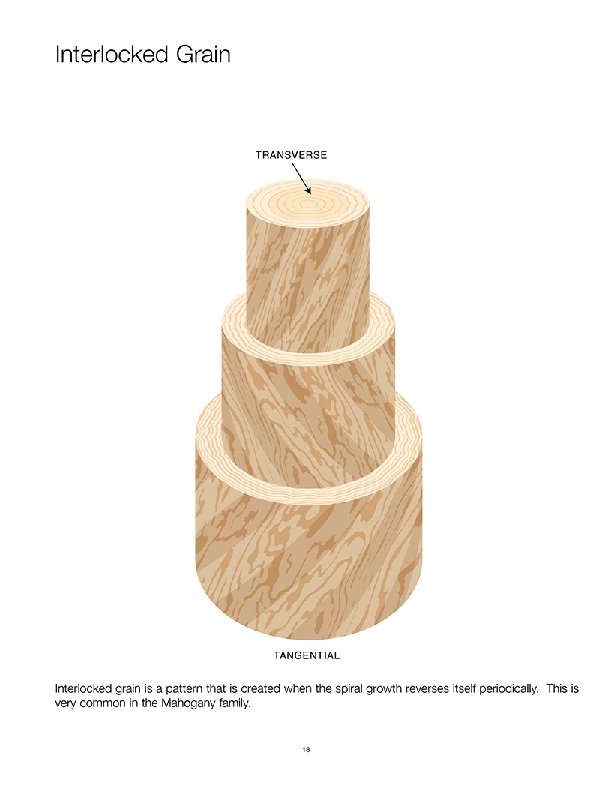
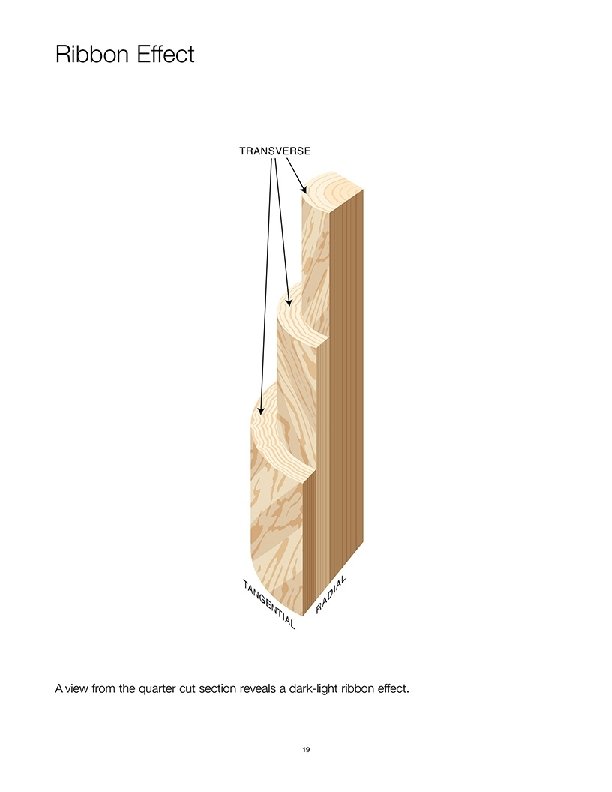
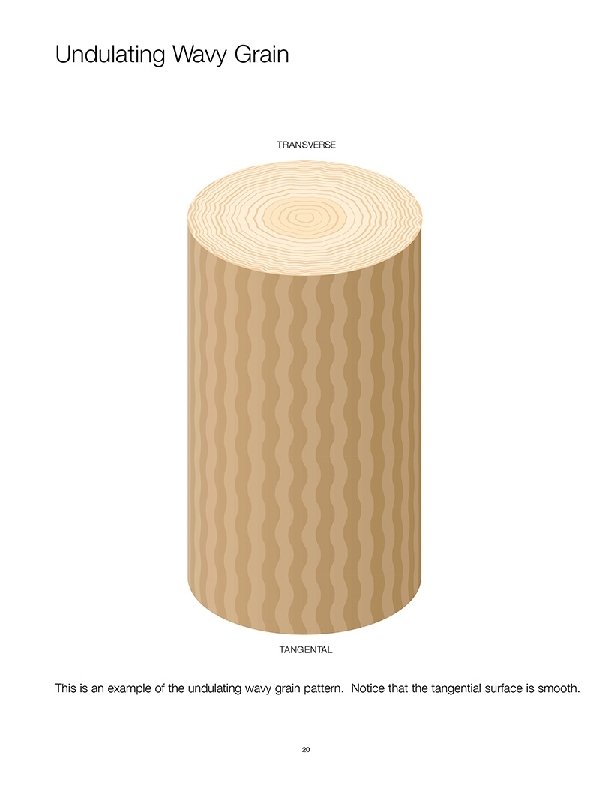
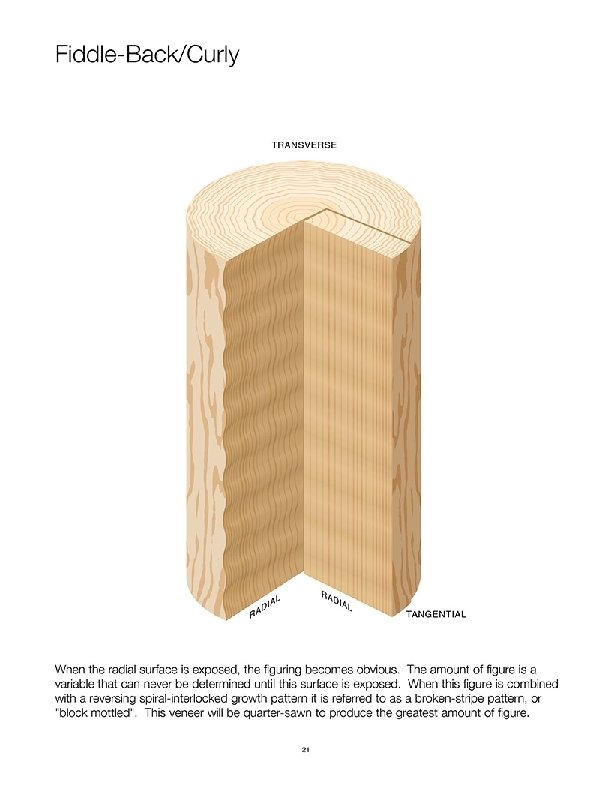
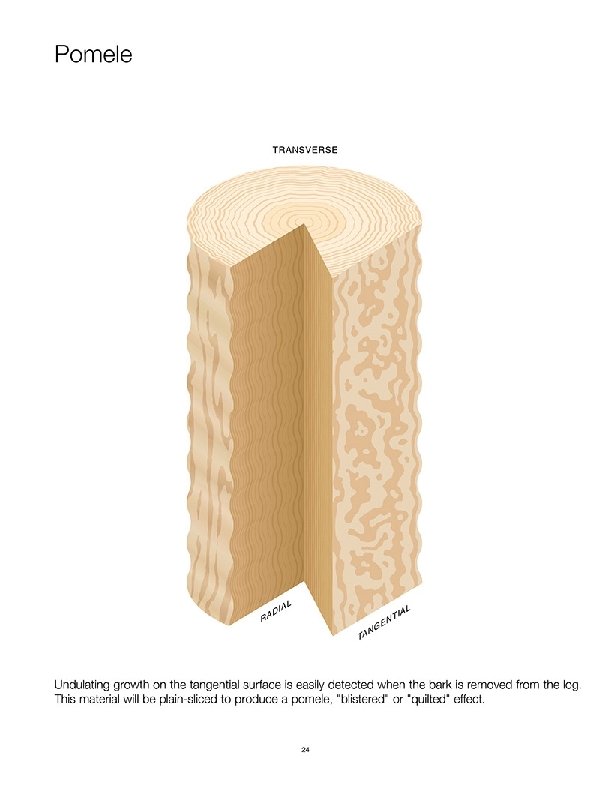
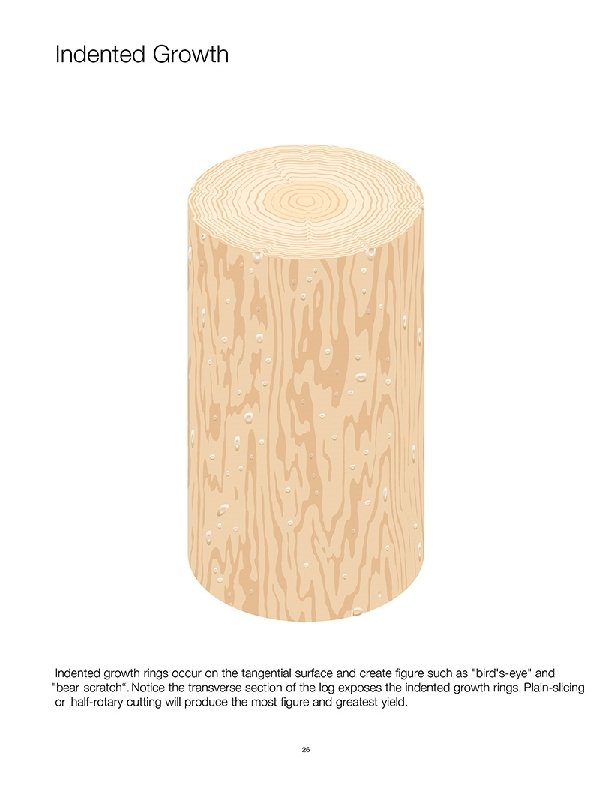
Wood Types from the Tree Longwood The area from the stump to the first limb of the tree produces the majority of the veneer from the tree. It will be harvested as plain sliced (flat sawn) or quarter sawn cuts. This material, as, is most veneer, is sliced when it is wet; this prevents "ripping" of the veneer leaves. Crotch This area produces the feather-like veneer grain pattern that most are familiar with. As expected, this is harvested from the fork area of the tree where the limbs branch out from the Longwood section of the tree. Stump Wood As the name implies, this particular grain type is obtained from the stumps of trees. It is seldom seen except in walnut and it is characterized by wrinkles and blotches of color variations. Some of this material is used as veneer for furniture, but the majority of the product is used for solid material such as gun stocks. Burls These goiter-like growths are found predominately at the base of elm, walnut, mahogany, and redwood trees. They produce wild swirling grain patterns that are many times loaded with wood grain tension that cause the burl stump to pop and crack as they are sliced. Ray Fleck Effect In some species such as oak, sycamore, and lacewood, the medullar rays are exposed parallel to the slice of the veneer. This produces a series of shiny, light-reflecting surfaces. All of the above grain patterns do create a "figure" in the veneer but are not commonly referred to as "specific" figure in wood. There are three categories of specific figure in wood: (1) Figure related to spiral growth (2) Figure related to undulating growth; and (3) Figure related to indented growth rings. 14
Incidence of Figured Patterns Figured wood occurs in almost every species that produces wood. The amount and frequency of figuring vary from species to species. In the hardwood furniture industry, usable highly figured veneer appears in approximately 35% of the material harvested. It has not been determined what causes the unusual growth that produces figuring in wood. Some observers feel it has to do with the minerals in the ground. Others feel it is due to an abrupt change in climate, or a change in the length of the growing season. The only certainty is there is no known, documented cause for any of these disrupted growth patterns. Therefore, they cannot be reproduced by man, adding to the value of these rare specimens of nature. 31