Venil N Sumantran Ph D OMICS and Drug
- Slides: 51
Venil N. Sumantran, Ph. D. OMICS and Drug Discovery Indian Institute of Technology, Madras (IIT-M) Chennai, INDIA April 20, 2015
Using OMICS for Drug Discovery • How the Genotype-Phenotype Gap makes Drug Discovery Difficult!
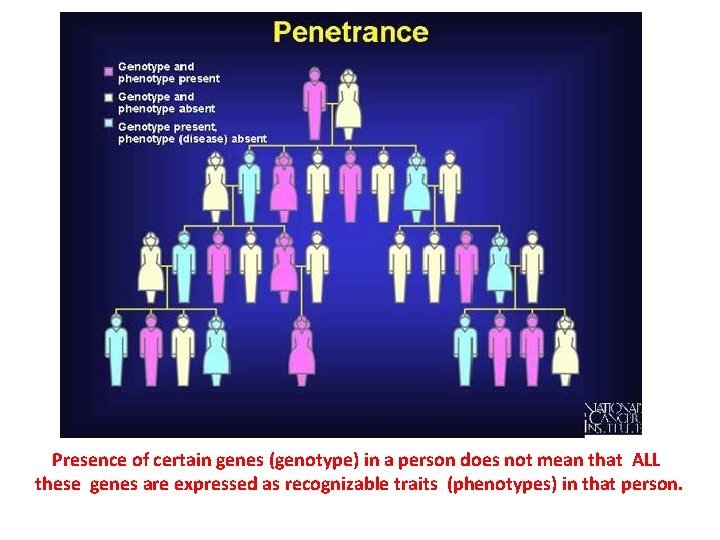
Presence of certain genes (genotype) in a person does not mean that ALL these genes are expressed as recognizable traits (phenotypes) in that person.
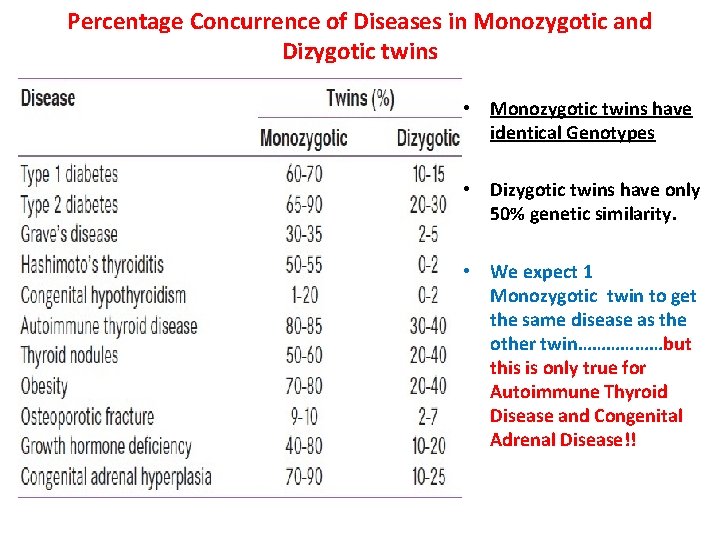
Percentage Concurrence of Diseases in Monozygotic and Dizygotic twins • Monozygotic twins have identical Genotypes • Dizygotic twins have only 50% genetic similarity. • We expect 1 Monozygotic twin to get the same disease as the other twin………………but this is only true for Autoimmune Thyroid Disease and Congenital Adrenal Disease!!
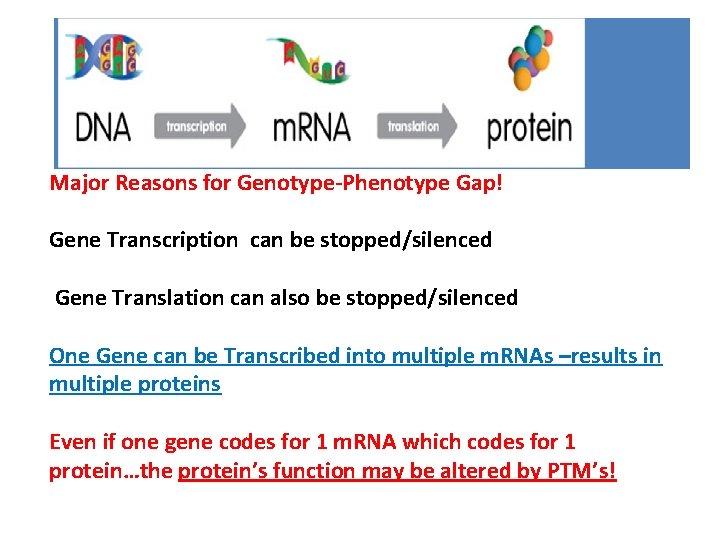
Major Reasons for Genotype-Phenotype Gap! Gene Transcription can be stopped/silenced Gene Translation can also be stopped/silenced One Gene can be Transcribed into multiple m. RNAs –results in multiple proteins Even if one gene codes for 1 m. RNA which codes for 1 protein…the protein’s function may be altered by PTM’s!
Using OMICS for Drug Discovery in Cancer • How the Genotype-Phenotype Gap makes Drug Discovery Difficult • Gene Expression Signatures and Applications in Personalized Breast Cancer Treatment • Impact of Next-Generation Sequencing (NGS) and Metabolomics on Personalized Medicine • Phenotype Based Drug Discovery OR Target Based Drug Discovery ? • Bio-informatic Tool-Connectivity Map (CMAP) to find correlations between Genes, Drugs, and Diseases
Using OMICS for Drug Discovery • Gene Expression Signatures and Applications in Personalized Breast Cancer Treatment
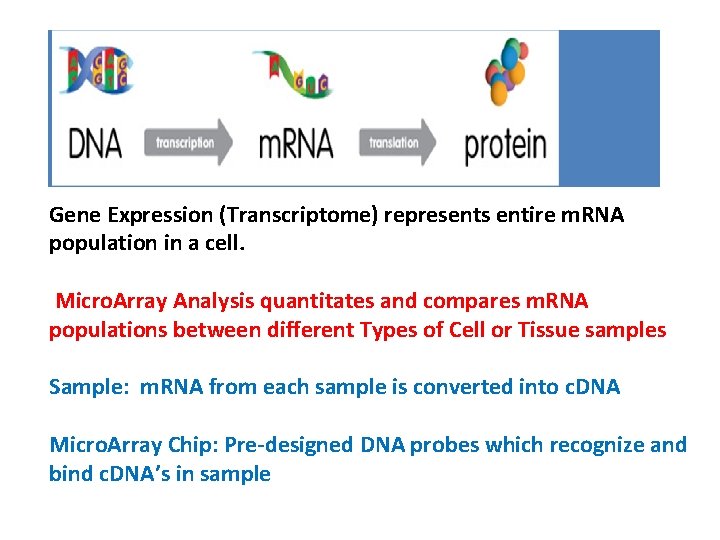
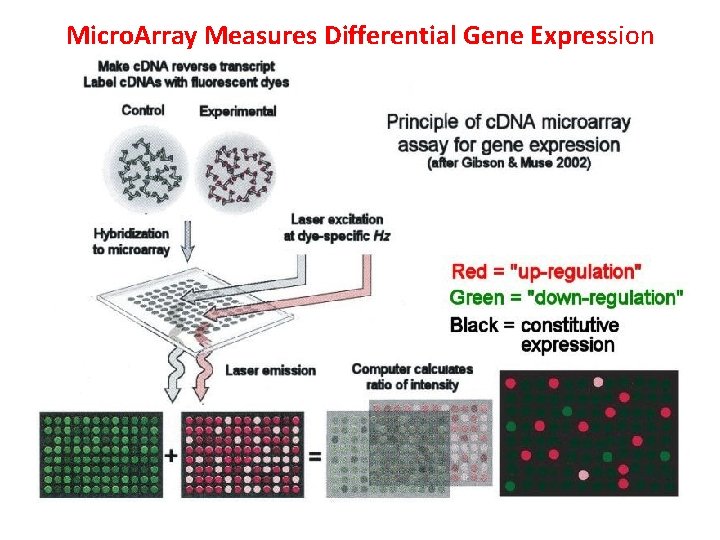
Gene Expression (Transcriptome) represents entire m. RNA population in a cell. Micro. Array Analysis quantitates and compares m. RNA populations between different Types of Cell or Tissue samples Sample: m. RNA from each sample is converted into c. DNA Micro. Array Chip: Pre-designed DNA probes which recognize and bind c. DNA’s in sample
Examples of OMICS Data • • • Microarray Tissue Microarray Proteomics Kinome Profiling Lipidome Profiling “Personal” OMICS
Micro. Array Measures Differential Gene Expression
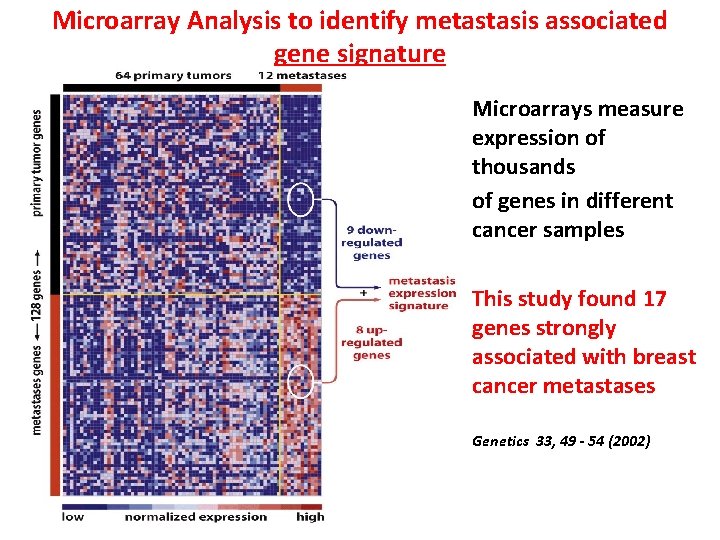
Microarray Analysis to identify metastasis associated gene signature • Microarrays measure expression of thousands • of genes in different cancer samples • This study found 17 genes strongly associated with breast cancer metastases • Genetics 33, 49 - 54 (2002)
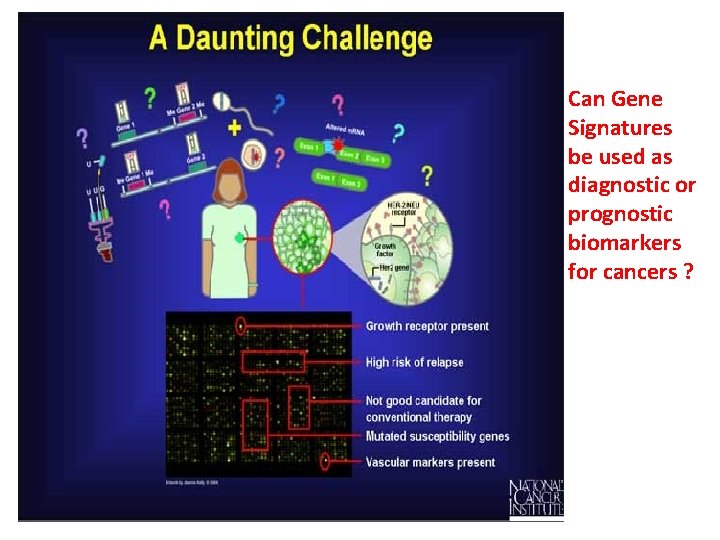
Can Gene Signatures be used as diagnostic or prognostic biomarkers for cancers ?
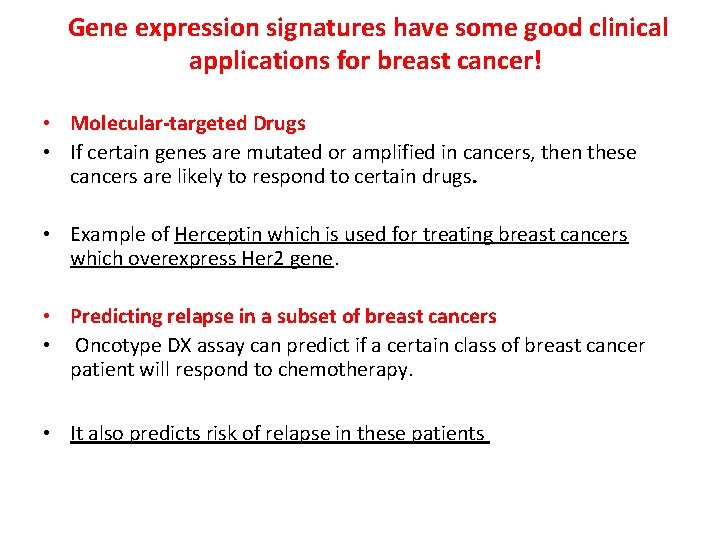
Gene expression signatures have some good clinical applications for breast cancer! • Molecular-targeted Drugs • If certain genes are mutated or amplified in cancers, then these cancers are likely to respond to certain drugs. • Example of Herceptin which is used for treating breast cancers which overexpress Her 2 gene. • Predicting relapse in a subset of breast cancers • Oncotype DX assay can predict if a certain class of breast cancer patient will respond to chemotherapy. • It also predicts risk of relapse in these patients
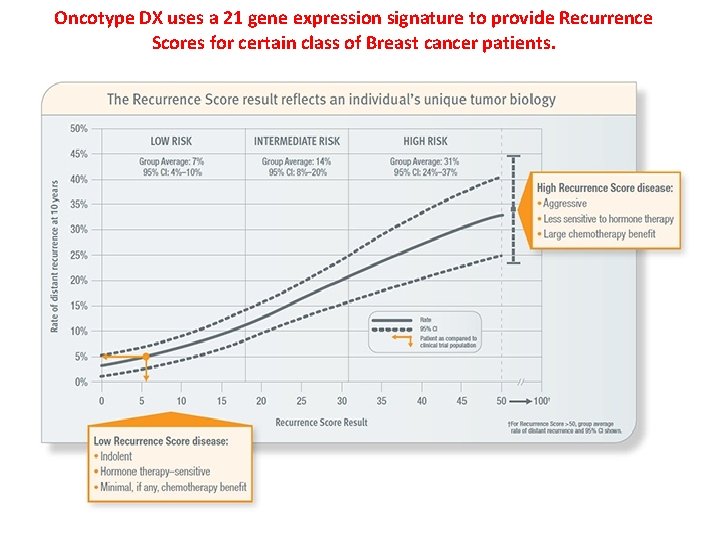
Oncotype DX uses a 21 gene expression signature to provide Recurrence Scores for certain class of Breast cancer patients.
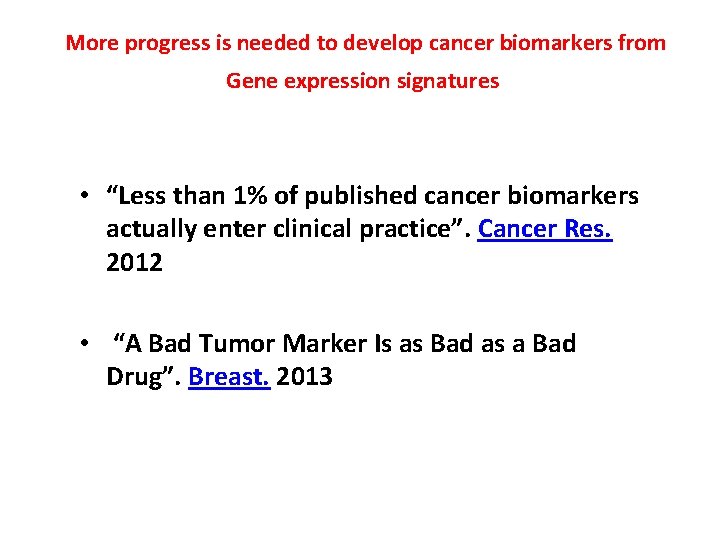
More progress is needed to develop cancer biomarkers from Gene expression signatures • “Less than 1% of published cancer biomarkers actually enter clinical practice”. Cancer Res. 2012 • “A Bad Tumor Marker Is as Bad as a Bad Drug”. Breast. 2013
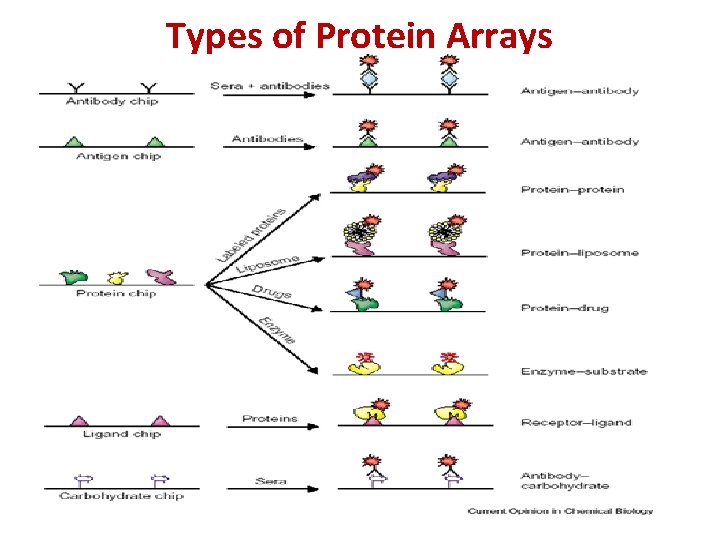
Types of Protein Arrays
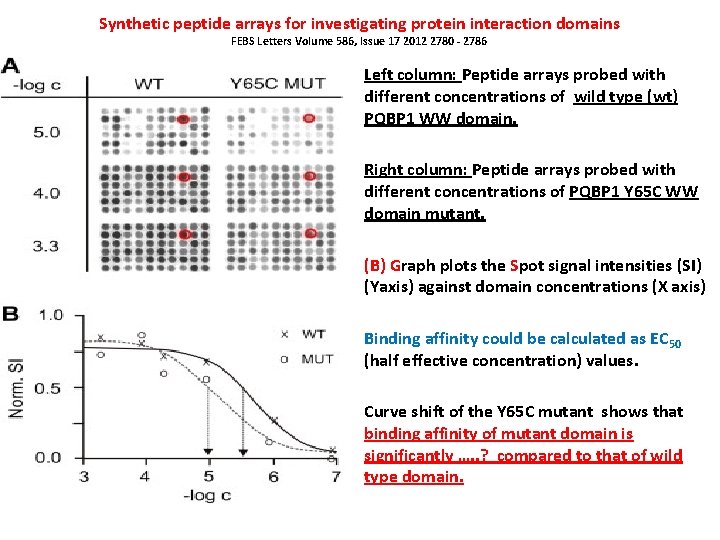
Synthetic peptide arrays for investigating protein interaction domains FEBS Letters Volume 586, Issue 17 2012 2780 - 2786 • Left column: Peptide arrays probed with different concentrations of wild type (wt) PQBP 1 WW domain. • Right column: Peptide arrays probed with different concentrations of PQBP 1 Y 65 C WW domain mutant. • (B) Graph plots the Spot signal intensities (SI) (Yaxis) against domain concentrations (X axis) • Binding affinity could be calculated as EC 50 (half effective concentration) values. • Curve shift of the Y 65 C mutant shows that binding affinity of mutant domain is significantly …. . ? compared to that of wild type domain.
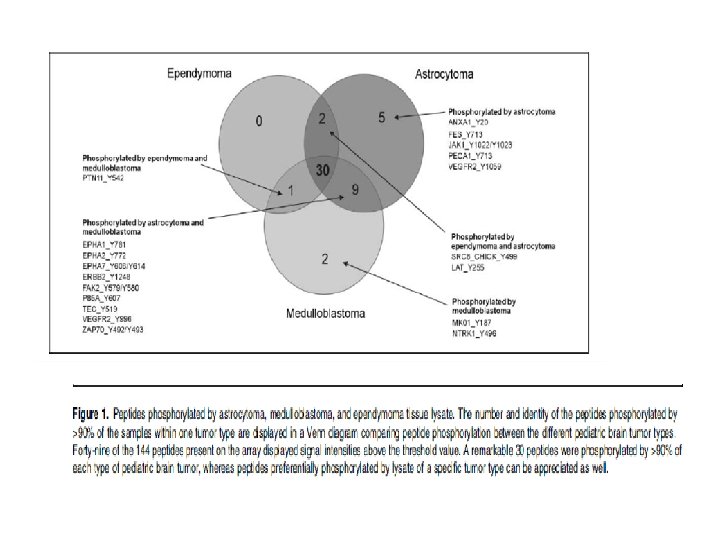
Kinome Profiling in Pediatric Brain Tumors as a New Approach for Discovery of Drug Target Cancer Res 2009; 69(14): 5987– 95 • • Chip kinome profiling system. Tumor Samples were pumped through a Microarray of 144 kinase substrates. • Use anti-phosphotyrosine antibody to detect if any of the 144 kinase substrates got phosphorylated by Tyrosine Kinases in 29 pediatric brain tumors samples. • Results • • 30 peptides showed Tyr phosphorylation in >90% of all pediatric brain tumors. Src kinases showed high levels in tumors (compared with normal tissue) • Thus, kinome profiling using flow-through peptide microarrays can generate clinically relevant tyrosine kinase activity profiles for pediatric brain tumors. • This experimental approach can be used clinically OR for drug discovery
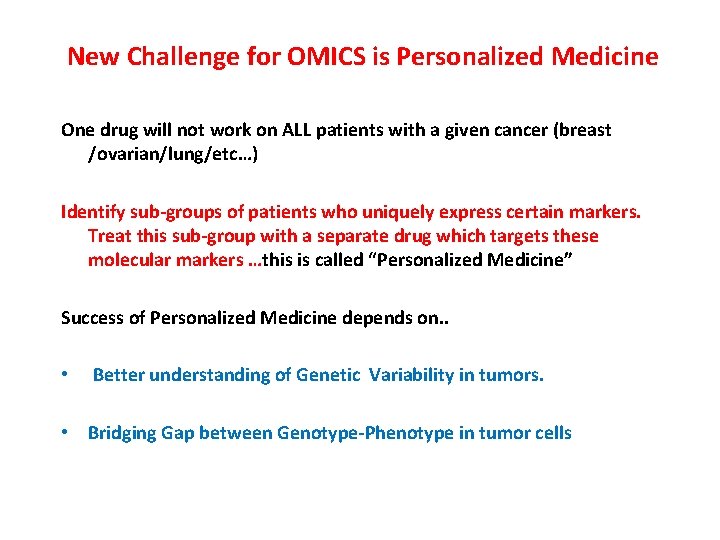
New Challenge for OMICS is Personalized Medicine One drug will not work on ALL patients with a given cancer (breast /ovarian/lung/etc…) Identify sub-groups of patients who uniquely express certain markers. Treat this sub-group with a separate drug which targets these molecular markers …this is called “Personalized Medicine” Success of Personalized Medicine depends on. . • Better understanding of Genetic Variability in tumors. • Bridging Gap between Genotype-Phenotype in tumor cells
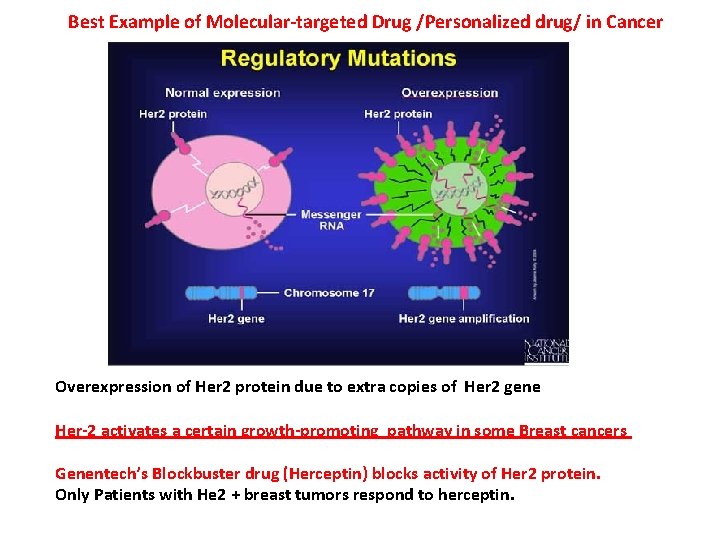
Best Example of Molecular-targeted Drug /Personalized drug/ in Cancer Overexpression of Her 2 protein due to extra copies of Her 2 gene Her-2 activates a certain growth-promoting pathway in some Breast cancers Genentech’s Blockbuster drug (Herceptin) blocks activity of Her 2 protein. Only Patients with He 2 + breast tumors respond to herceptin.
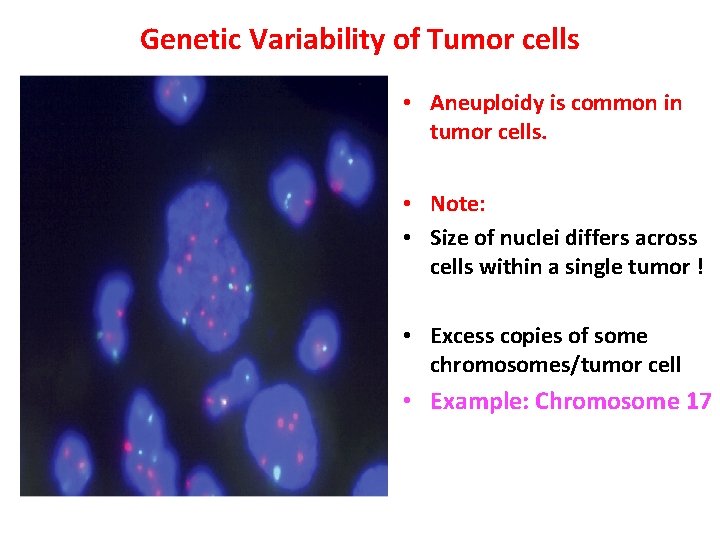
Genetic Variability of Tumor cells • Aneuploidy is common in tumor cells. • Note: • Size of nuclei differs across cells within a single tumor ! • Excess copies of some chromosomes/tumor cell • Example: Chromosome 17
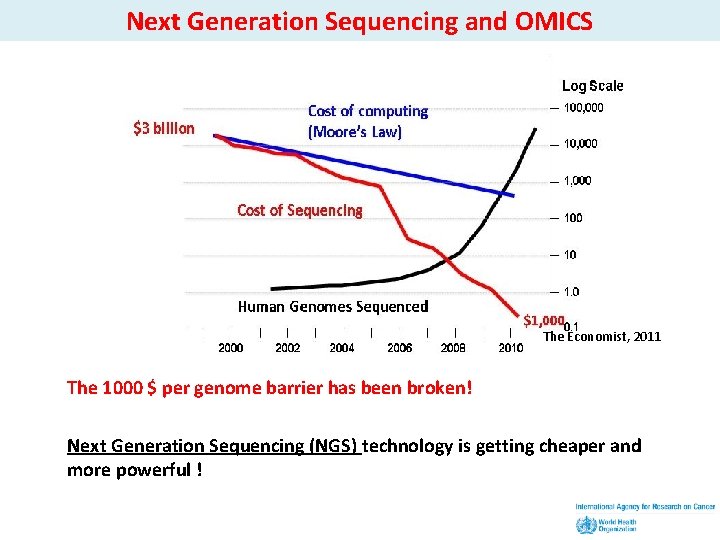
Next Generation Sequencing and OMICS The Economist, 2011 The 1000 $ per genome barrier has been broken! Next Generation Sequencing (NGS) technology is getting cheaper and more powerful !
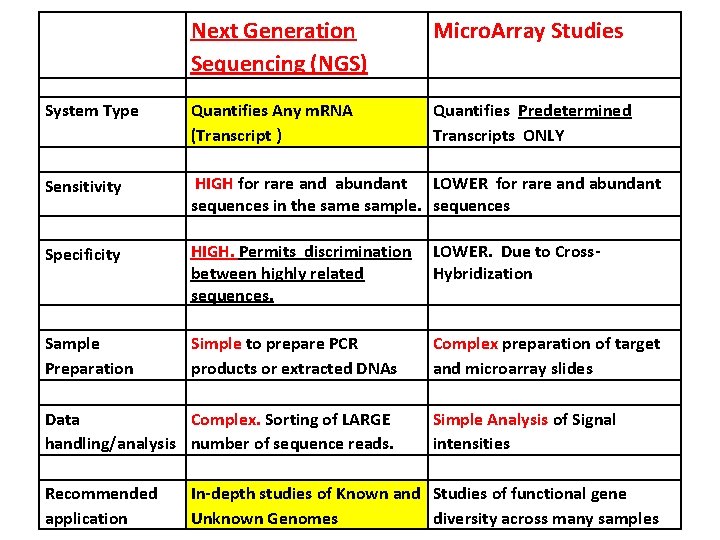
Next Generation Sequencing (NGS) Micro. Array Studies System Type Quantifies Any m. RNA (Transcript ) Quantifies Predetermined Transcripts ONLY Sensitivity HIGH for rare and abundant LOWER for rare and abundant sequences in the sample. sequences Specificity HIGH. Permits discrimination LOWER. Due to Crossbetween highly related Hybridization sequences. Sample Preparation Simple to prepare PCR products or extracted DNAs Data Complex. Sorting of LARGE handling/analysis number of sequence reads. Recommended application Complex preparation of target and microarray slides Simple Analysis of Signal intensities In-depth studies of Known and Studies of functional gene Unknown Genomes diversity across many samples
Using OMICS for Drug Discovery • Next-Generation Sequencing (NGS) and Metabolomics on Personalized Medicine • NGS is helping us bridge the gap between Genotype and Phenotype!
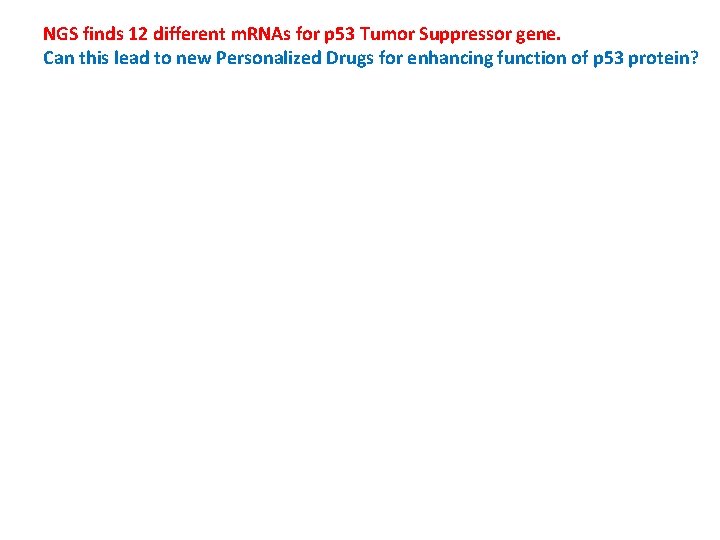
NGS finds 12 different m. RNAs for p 53 Tumor Suppressor gene. Can this lead to new Personalized Drugs for enhancing function of p 53 protein?
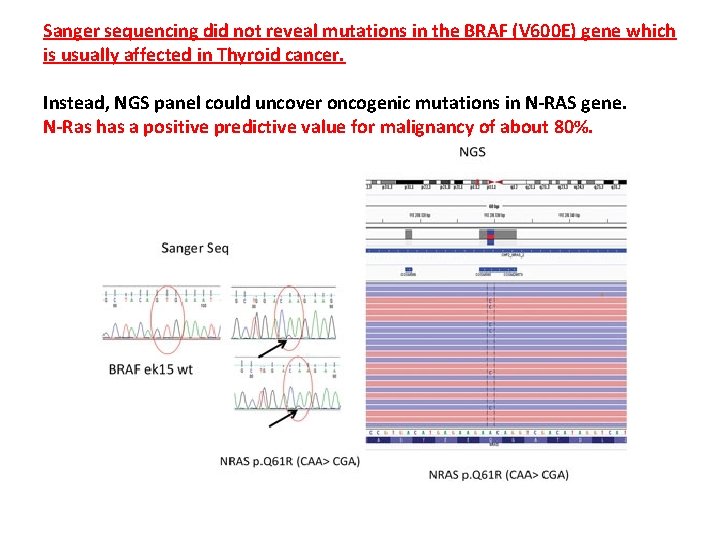
Sanger sequencing did not reveal mutations in the BRAF (V 600 E) gene which is usually affected in Thyroid cancer. Instead, NGS panel could uncover oncogenic mutations in N-RAS gene. N-Ras has a positive predictive value for malignancy of about 80%.
Metabolomics can detect the unexpected ! • Metabolomics gives quantitative assessment of ALL biochemical activity within a cell! • Metabolome CANNOT be deduced from Genome or Proteome ! • Metabolomics may bridge gap between Genotype. Phenotype!! • Metabolomics is a hot topic in Translational Research and Personalized Medicine because it can strongly link Lab Data with clinical observations !!
Scope of Metabolomics
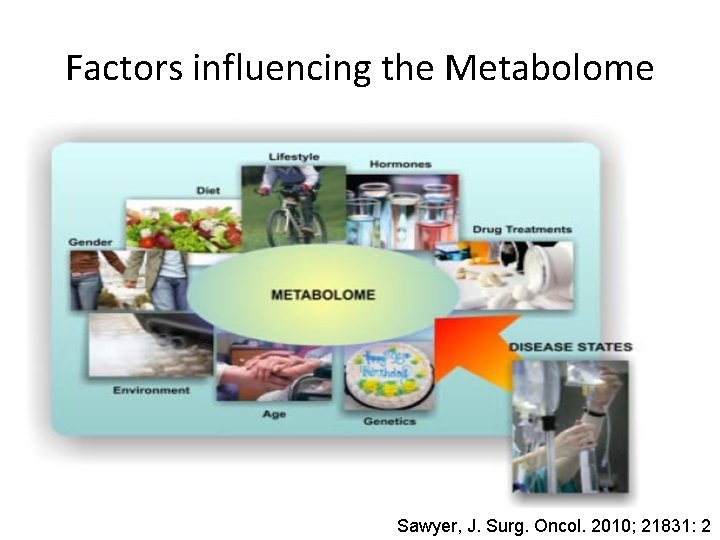
Factors influencing the Metabolome Sawyer, J. Surg. Oncol. 2010; 21831: 2
Metabolomics can detect Breast Cancer BMC Genomics. 2012 Jul 23; 13: 334 • A cohort of 271 breast cancer and 98 normal tissue samples was investigated using metabolomics. • A total of 468 metabolites/biochemicals were detected. • 368 out of 468 (79%) of metabolites were significantly changed between cancer and normal tissues (p<0. 05) • Ratio of 2 particular metabolites allowed detection of breast cancer with a sensitivity and specificity >93 %.
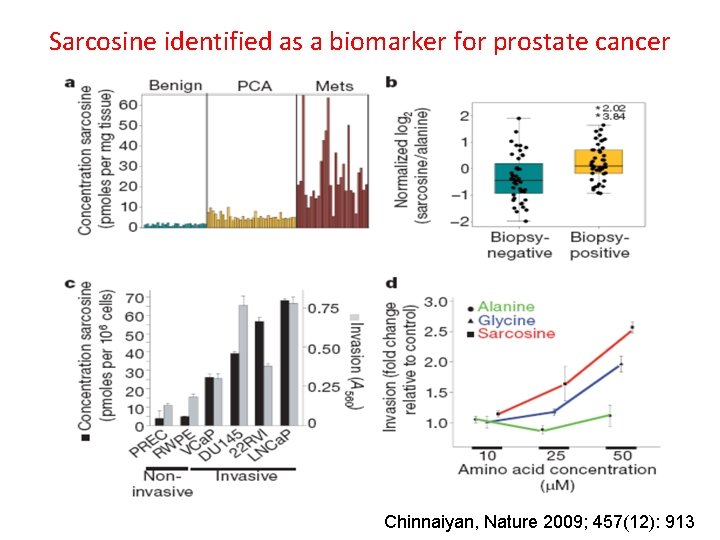
Sarcosine identified as a biomarker for prostate cancer Chinnaiyan, Nature 2009; 457(12): 913
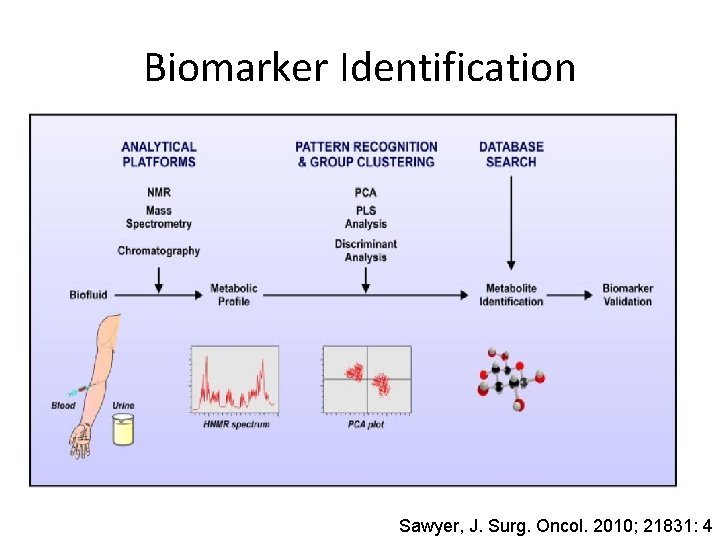
Biomarker Identification Sawyer, J. Surg. Oncol. 2010; 21831: 4
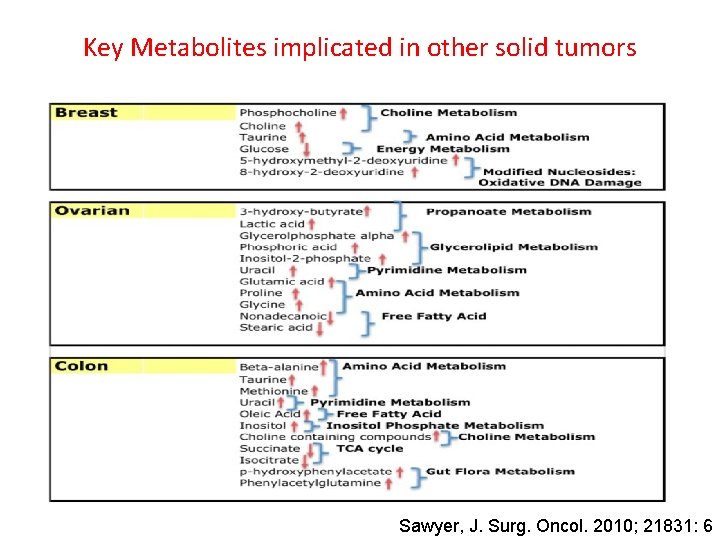
Key Metabolites implicated in other solid tumors Sawyer, J. Surg. Oncol. 2010; 21831: 6
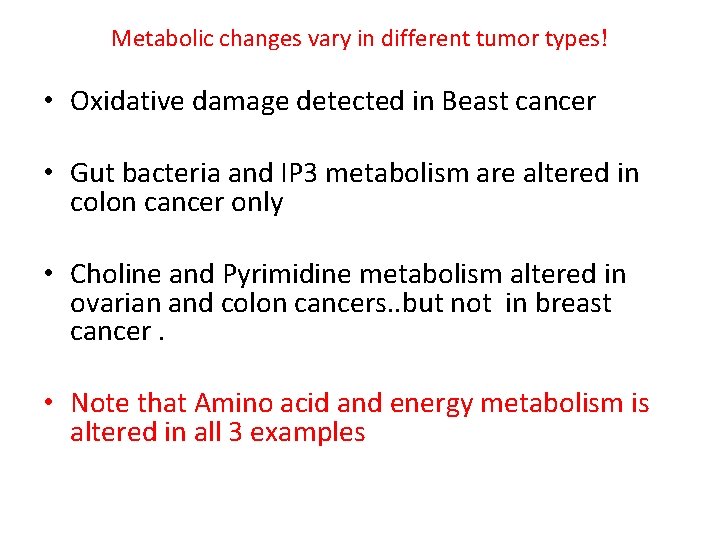
Metabolic changes vary in different tumor types! • Oxidative damage detected in Beast cancer • Gut bacteria and IP 3 metabolism are altered in colon cancer only • Choline and Pyrimidine metabolism altered in ovarian and colon cancers. . but not in breast cancer. • Note that Amino acid and energy metabolism is altered in all 3 examples
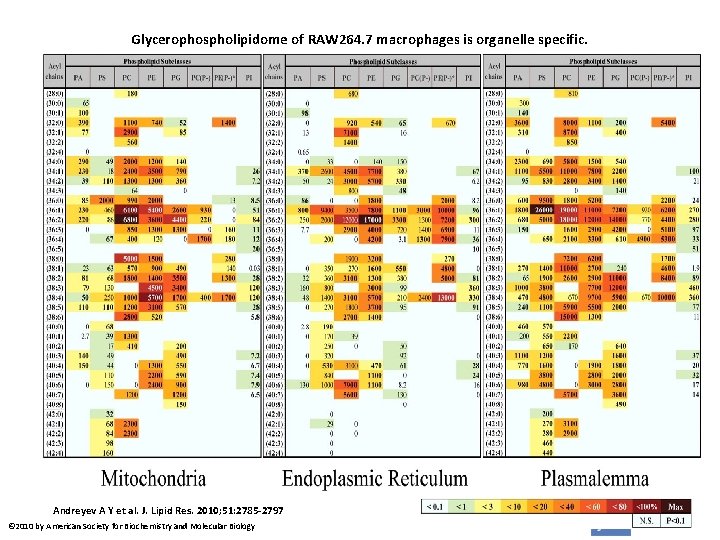
Glycerophospholipidome of RAW 264. 7 macrophages is organelle specific. Andreyev A Y et al. J. Lipid Res. 2010; 51: 2785 -2797 © 2010 by American Society for Biochemistry and Molecular Biology
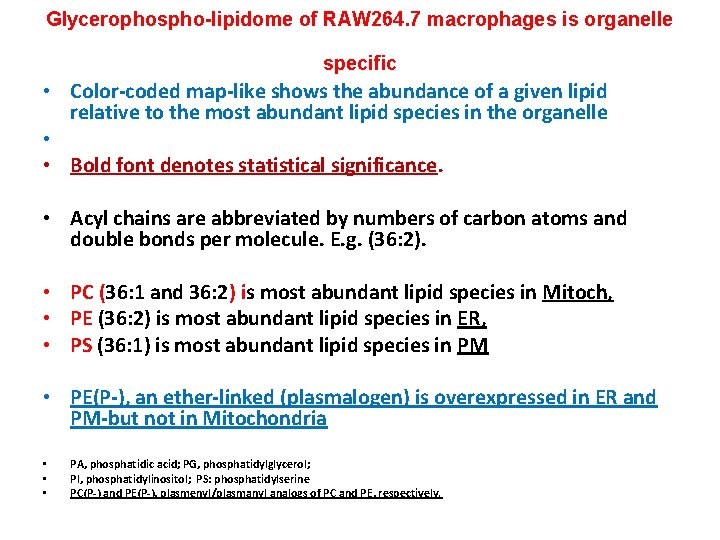
Glycerophospho-lipidome of RAW 264. 7 macrophages is organelle specific • Color-coded map-like shows the abundance of a given lipid relative to the most abundant lipid species in the organelle • • Bold font denotes statistical significance. • Acyl chains are abbreviated by numbers of carbon atoms and double bonds per molecule. E. g. (36: 2). • PC (36: 1 and 36: 2) is most abundant lipid species in Mitoch, • PE (36: 2) is most abundant lipid species in ER, • PS (36: 1) is most abundant lipid species in PM • PE(P-), an ether-linked (plasmalogen) is overexpressed in ER and PM-but not in Mitochondria • • • PA, phosphatidic acid; PG, phosphatidylglycerol; PI, phosphatidylinositol; PS: phosphatidylserine PC(P-) and PE(P-), plasmenyl/plasmanyl analogs of PC and PE, respectively.
Phenotype Based Drug Discovery OR Target Based Drug Discovery ? Which type of Drug Discovery does OMICS contribute to?
Advantages of Phenotypic screening Strategies for Drug Discovery • Phenotypic screening identifies molecules/drugs with particular biological effects in cell-based assays or animal models…e. g. mouse, zebra-fish Phenotypic screening is a relatively non-biased compared to target based approach. • Phenotypic screening is disease and patient-centric. • Most OMICS studies are designed for Target based approach is based on molecular profiing only. . e. g. Development of Herceptin Drug • One study showed that phenotypic screening approach discovered more drugs than target-based approach!
Advantages of Phenotypic screening Strategies for Drug Discovery • Phenotypic screening identifies molecules/drugs with particular biological effects in cell-based assays or animal models…e. g. mouse, zebra-fish Phenotypic screening is relatively non-biased compared to target based approach. • Phenotypic screening is disease and patient-centric. • OMICS studies give us molecular profiles which are used to identify “druggable target molecules”. . e. g. Development of Herceptin • One study showed that phenotypic screening approach discovered more drugs than target-based approach!
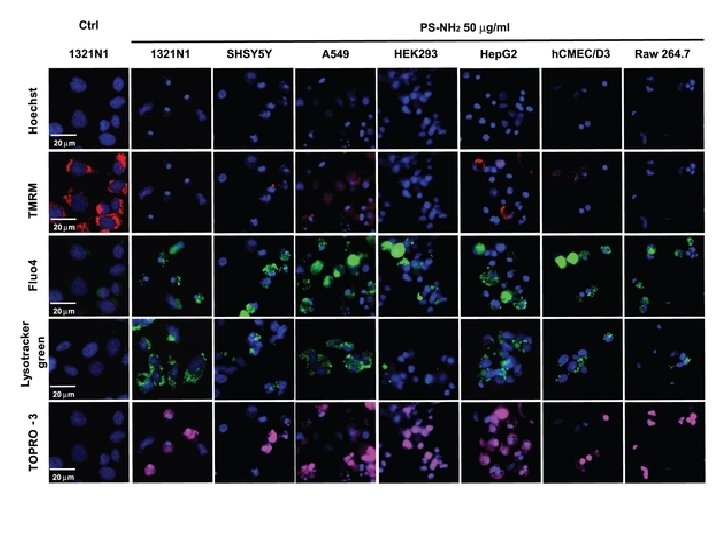
Examples of High-Throughput Phenotypic Screening Assays • High-content Multi-parametric Cytotoxicity assay: • A chemical-genetic phenotype profiling system, based on imaging different parts of a cell.
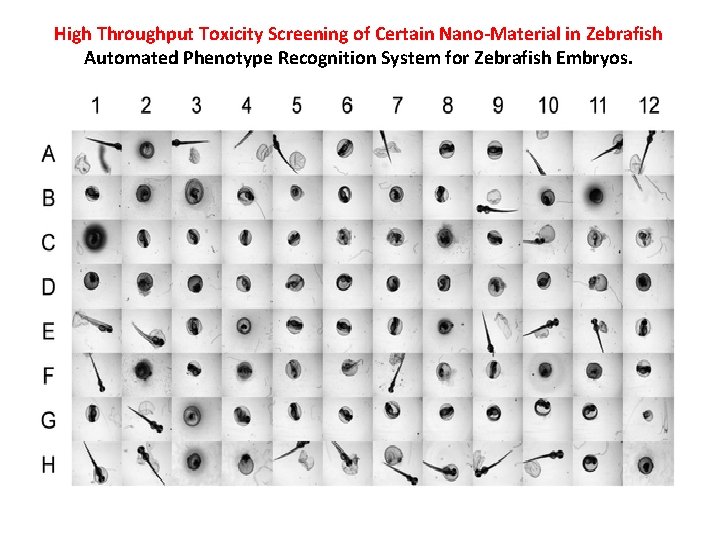
In vivo -Phenotypic Screening Assays • For drug discovery, zebrafish have emerged as the only vertebrate amenable to high-throughput and highcontent chemical screening in vivo. • Zebrafish embryos are ideal for toxicology studies due to their small size, rapid development of organs, and ability to absorb compounds from water. • Zebrafish larvae commercially used as an early-stage in vivo screen for hepatotoxicity
High Throughput Toxicity Screening of Certain Nano-Material in Zebrafish Automated Phenotype Recognition System for Zebrafish Embryos.
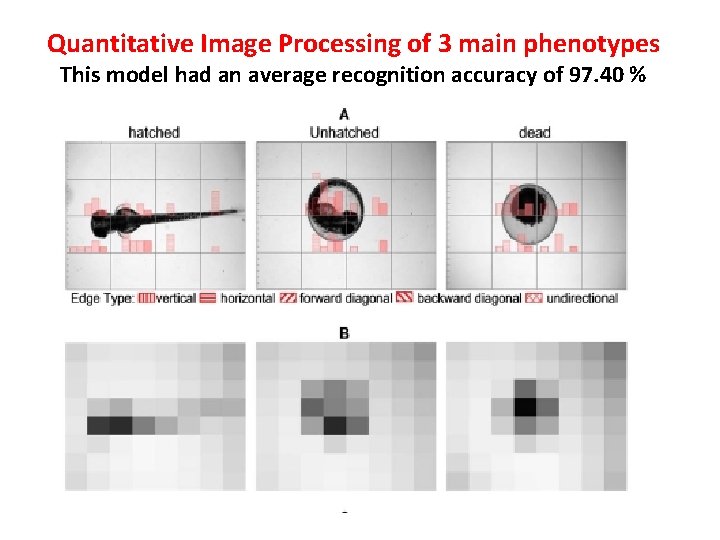
Quantitative Image Processing of 3 main phenotypes This model had an average recognition accuracy of 97. 40 %
Zebrafish Model for High-Throughput Phenotypic Screening Assays • Zebrafish genome is known and mutants are available • Now, Zebrafish studies on cancer, diabetes, heart disease, and stem cell biology are being done.
OMICS for Drug Discovery • “It is striking that the targets of numerous widely used FDA-approved drugs remain unknown”. Methods Mol Biol. 2012. • Free Bioinformatic Tool called Connectivity Map (CMAP) from Broad Institute, MIT-Boston, USA. • CMAP can find correlations between Genes, Drugs, and Diseases.
Connectivity Map (CMAP) can help find mechanism of action of new drugs
CMAP gave good + score for genistein (a phytoestrogen) CMAP gave good - score for fulvestrant, (an anti-estrogen)
• If you don’t know how a new drug acts—enter it as a query into CMAP. • Connectivity scores for the “new drug” can give clues on its possible mechanism of action!
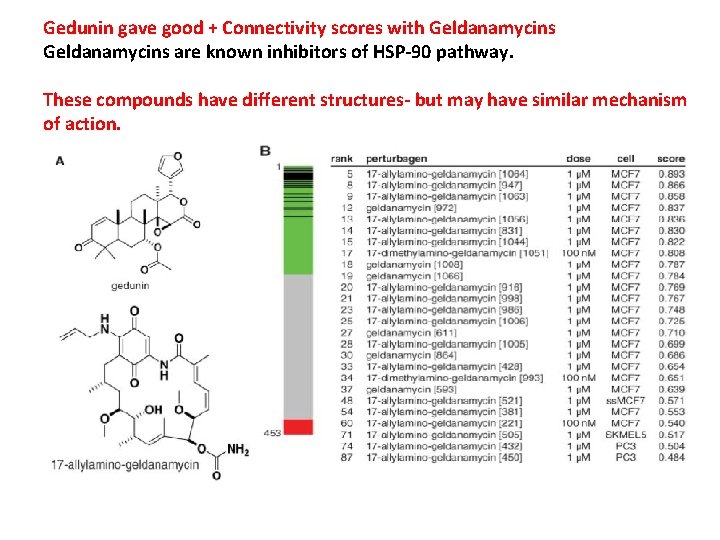
Gedunin gave good + Connectivity scores with Geldanamycins are known inhibitors of HSP-90 pathway. These compounds have different structures- but may have similar mechanism of action.