The Crusades Directions l Finish the sentences on
- Slides: 34
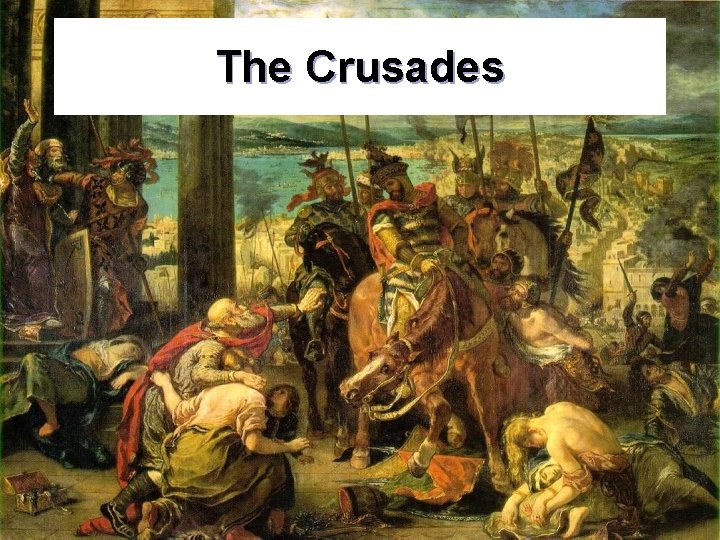
The Crusades
Directions: l Finish the sentences on your Crusades worksheet using the information you see on this Crusades Power Point. l You will have to paraphrase (put into your own words) some of the information to use it properly in your sentences.
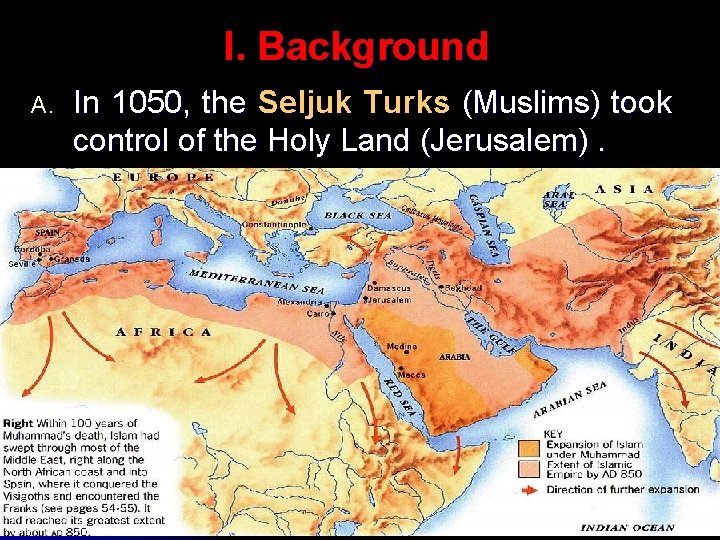
I. Background A. In 1050, the Seljuk Turks (Muslims) took control of the Holy Land (Jerusalem).
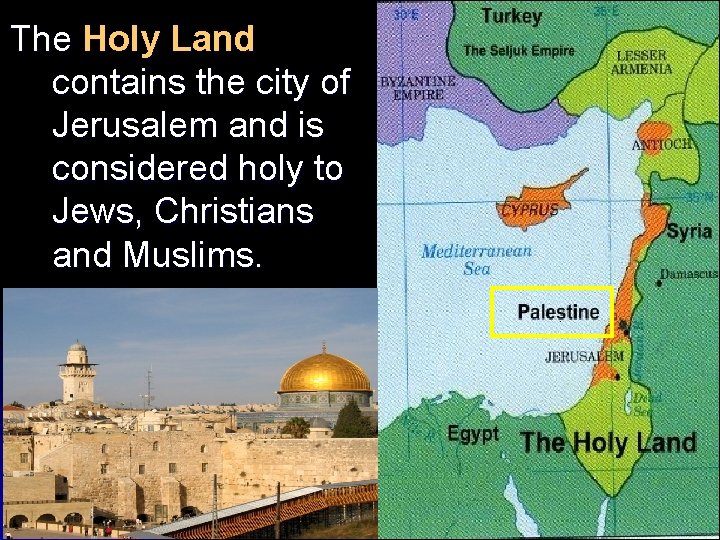
The Holy Land contains the city of Jerusalem and is considered holy to Jews, Christians and Muslims.
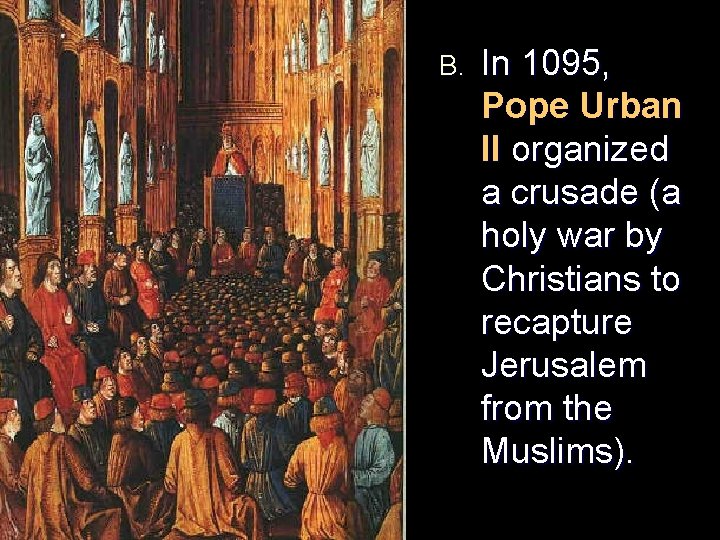
B. In 1095, Pope Urban II organized a crusade (a holy war by Christians to recapture Jerusalem from the Muslims).
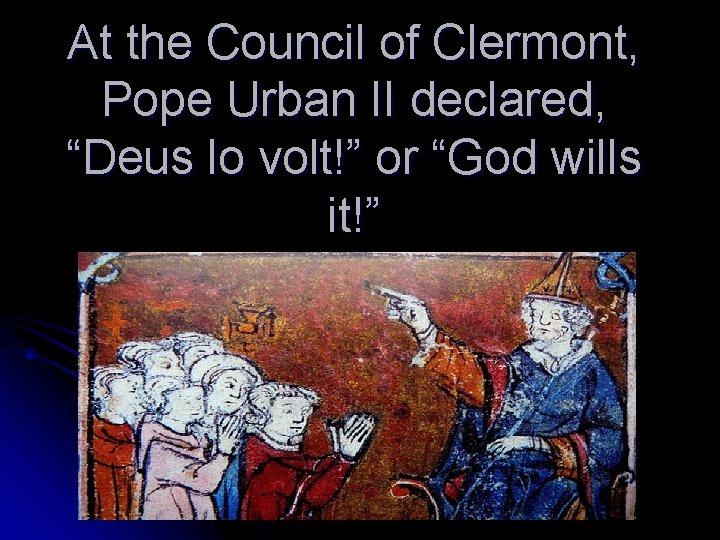
At the Council of Clermont, Pope Urban II declared, “Deus lo volt!” or “God wills it!”
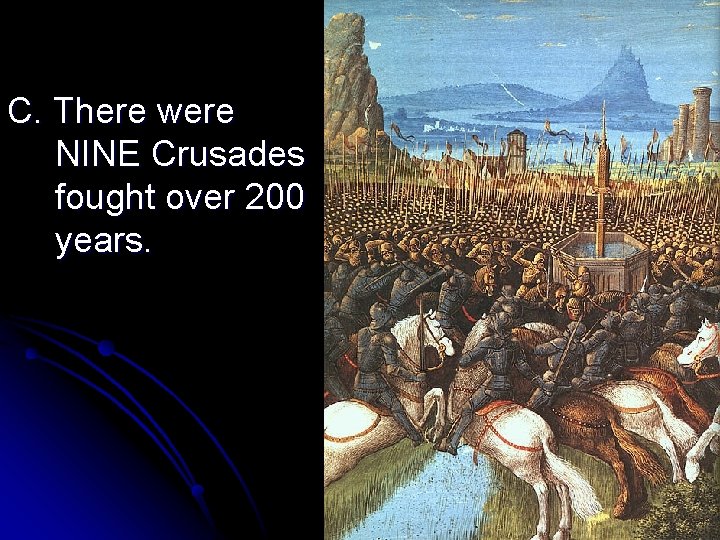
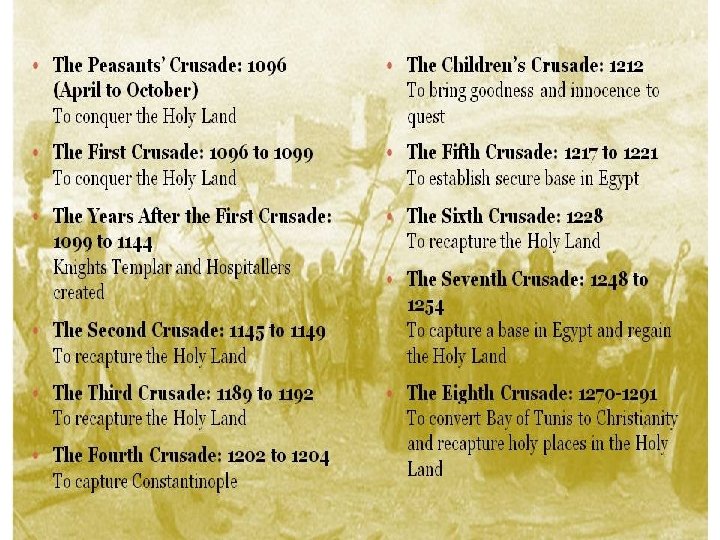
C. There were NINE Crusades fought over 200 years.
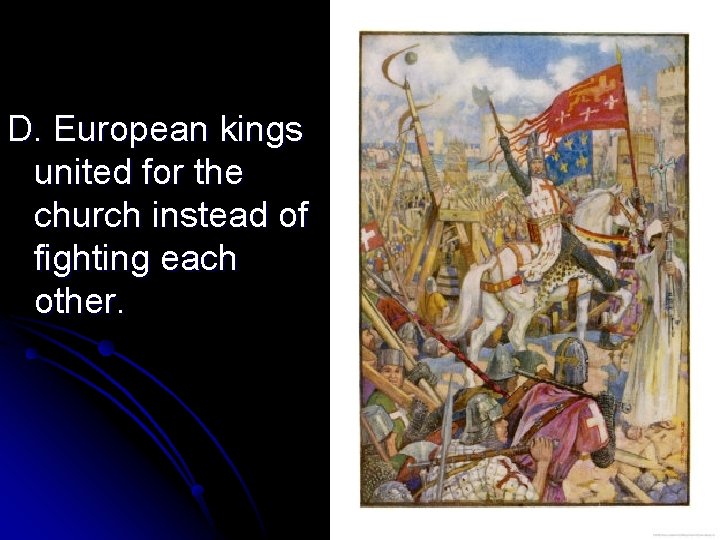
D. European kings united for the church instead of fighting each other.
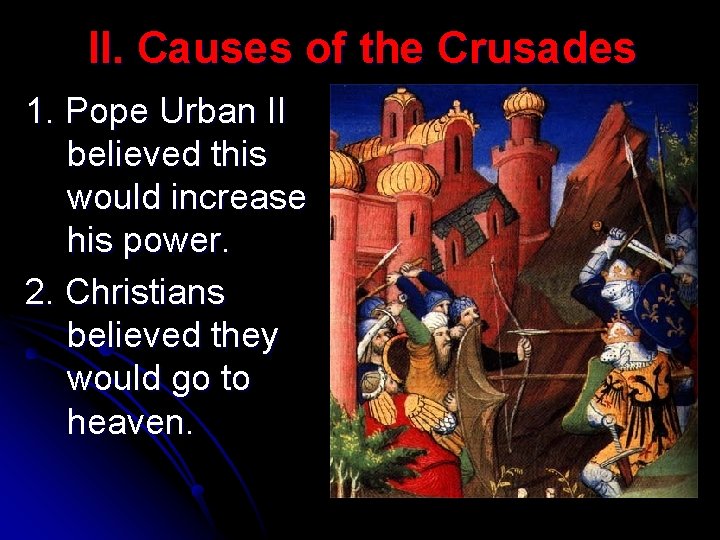
II. Causes of the Crusades 1. Pope Urban II believed this would increase his power. 2. Christians believed they would go to heaven.
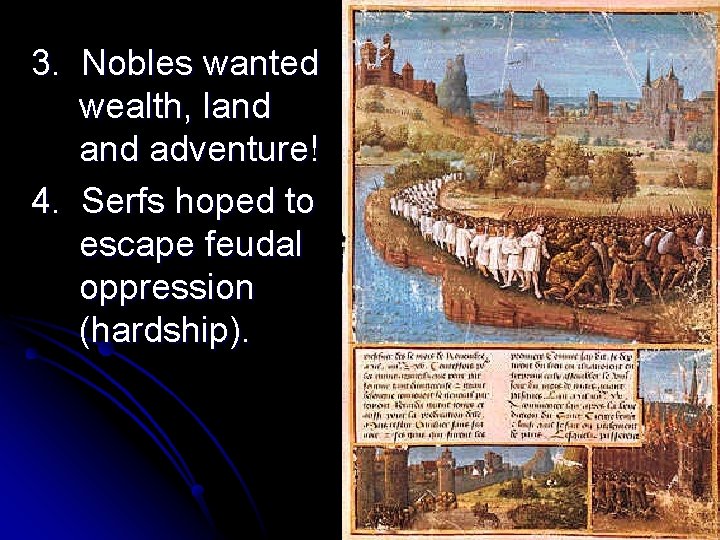
3. Nobles wanted wealth, land adventure! 4. Serfs hoped to escape feudal oppression (hardship).
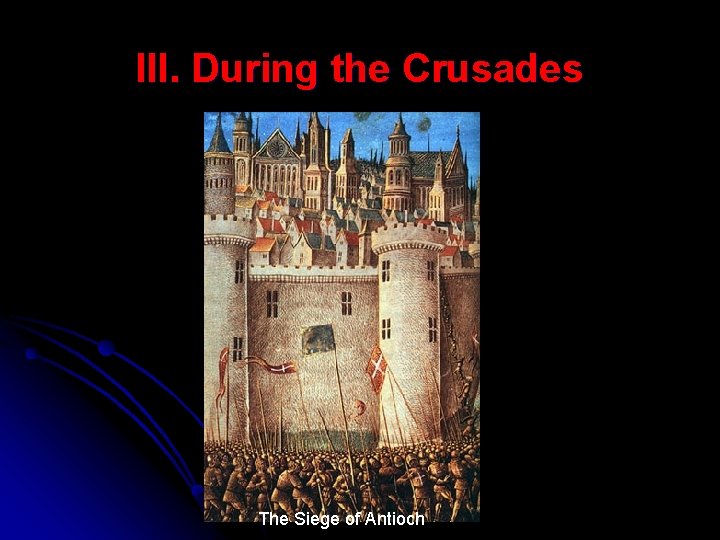
III. During the Crusades The Siege of Antioch
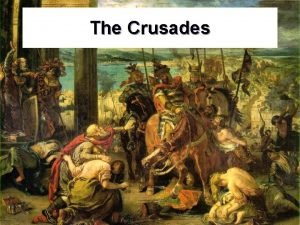
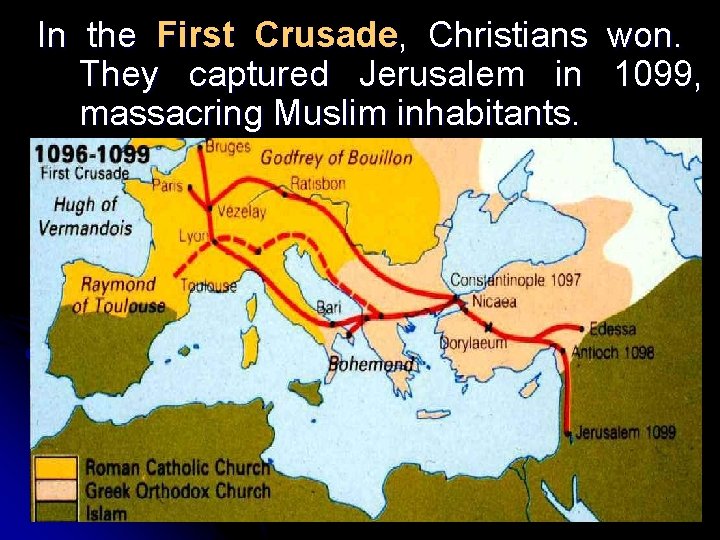
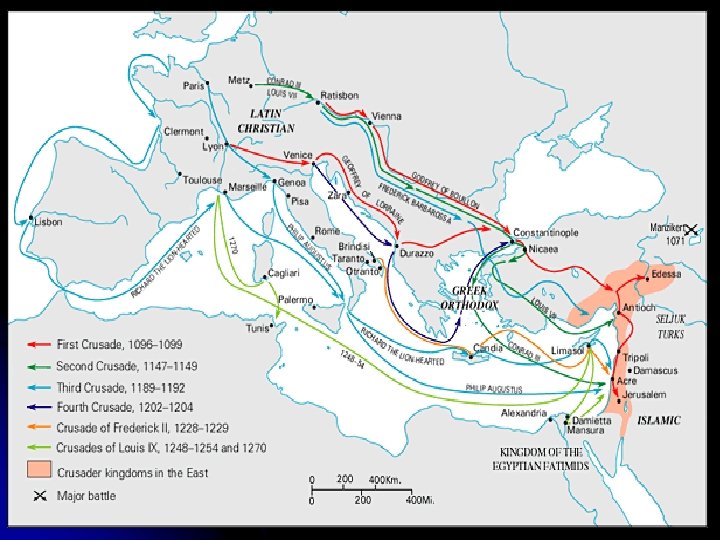
In the First Crusade, Christians won. They captured Jerusalem in 1099, massacring Muslim inhabitants.
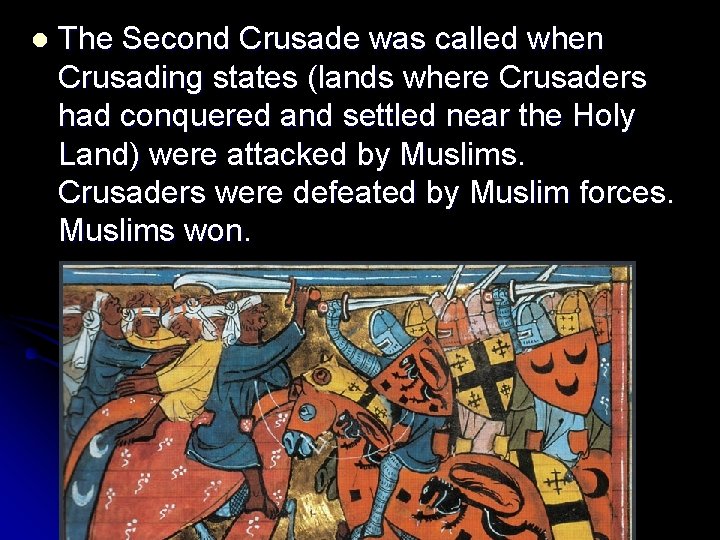
l The Second Crusade was called when Crusading states (lands where Crusaders had conquered and settled near the Holy Land) were attacked by Muslims. Crusaders were defeated by Muslim forces. Muslims won.
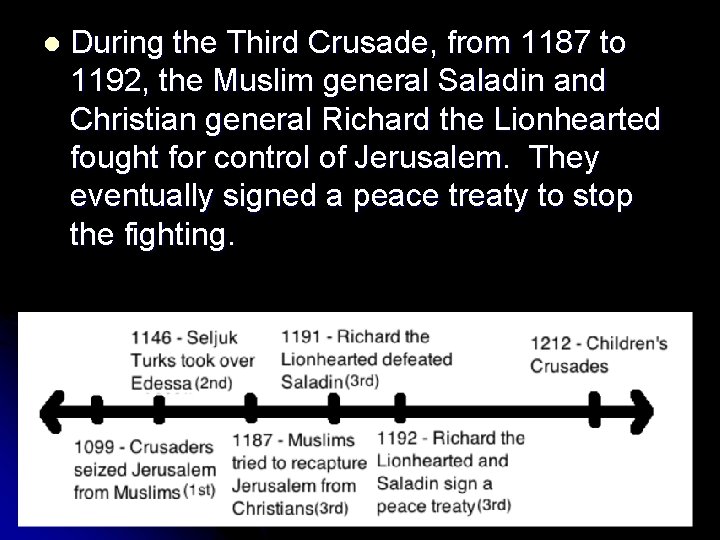
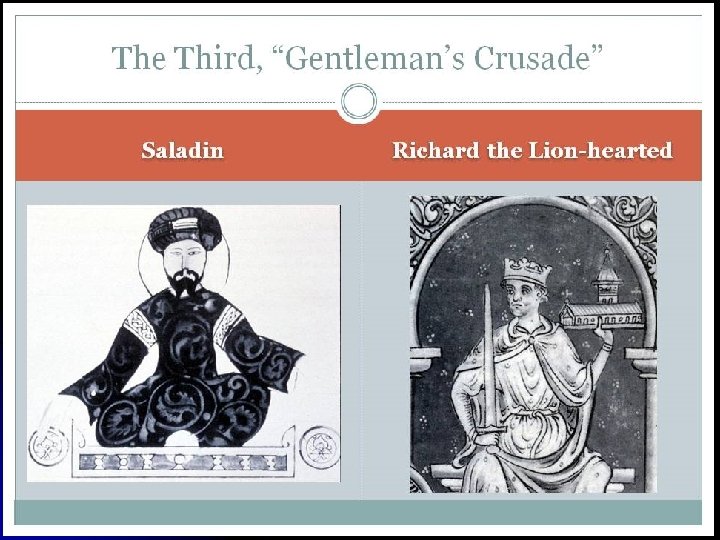
l During the Third Crusade, from 1187 to 1192, the Muslim general Saladin and Christian general Richard the Lionhearted fought for control of Jerusalem. They eventually signed a peace treaty to stop the fighting.
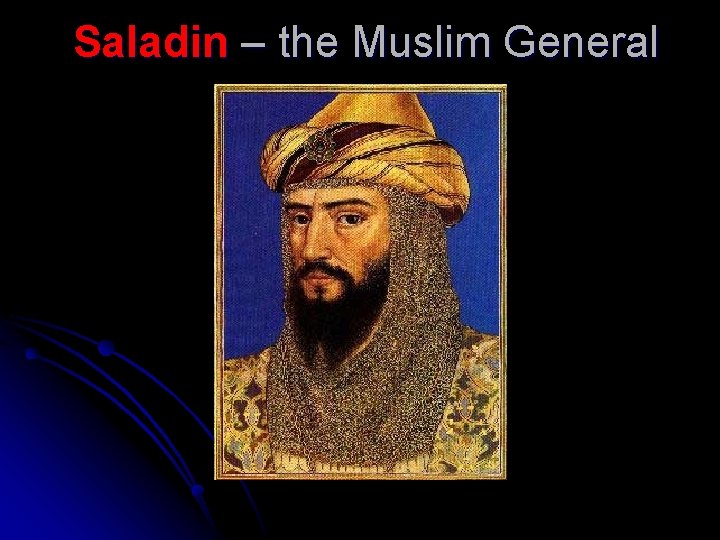
Saladin – the Muslim General
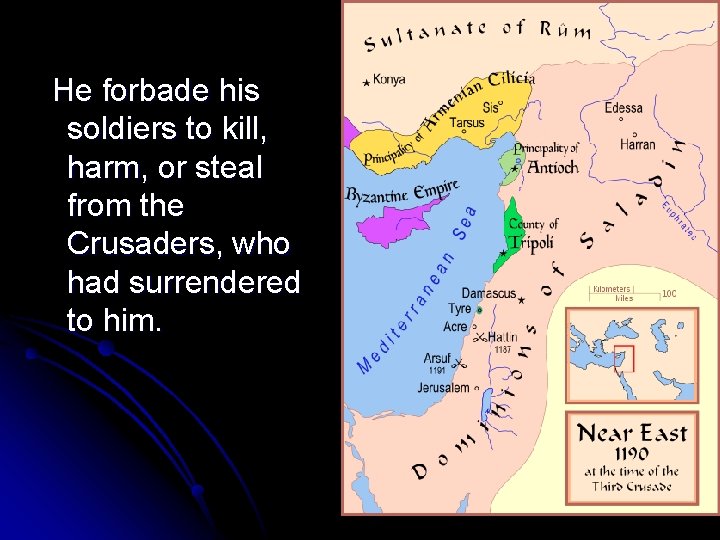
He forbade his soldiers to kill, harm, or steal from the Crusaders, who had surrendered to him.
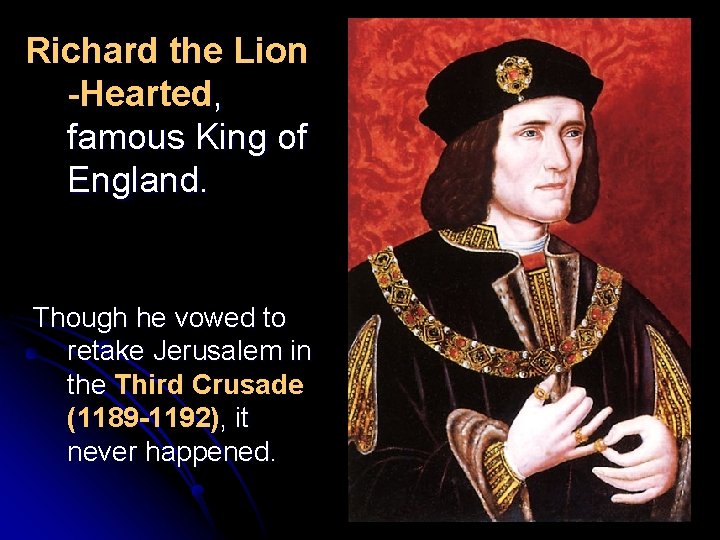
Richard the Lion -Hearted, famous King of England. Though he vowed to retake Jerusalem in the Third Crusade (1189 -1192), it never happened.
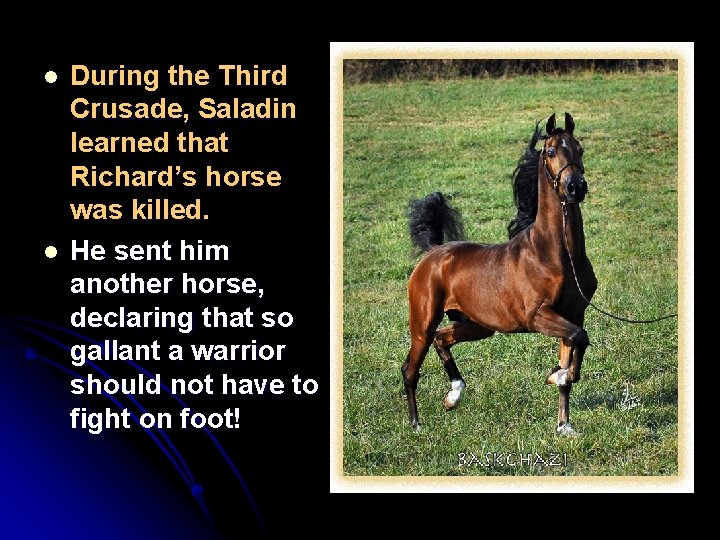
l l During the Third Crusade, Saladin learned that Richard’s horse was killed. He sent him another horse, declaring that so gallant a warrior should not have to fight on foot!
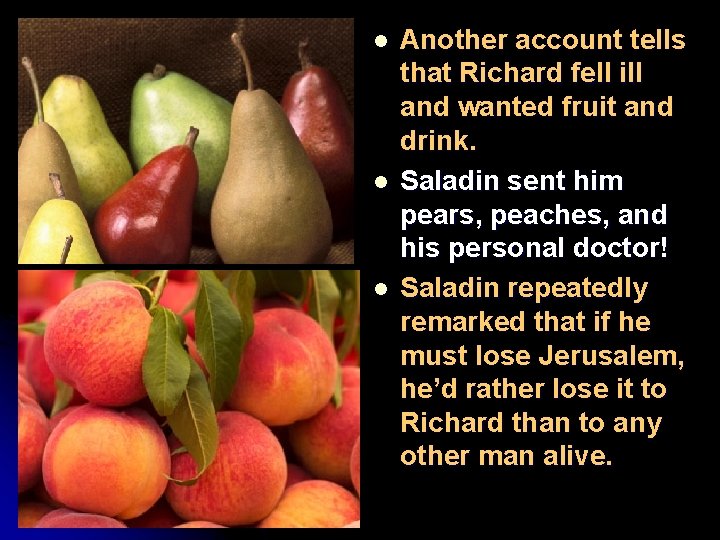
l l l Another account tells that Richard fell ill and wanted fruit and drink. Saladin sent him pears, peaches, and his personal doctor! Saladin repeatedly remarked that if he must lose Jerusalem, he’d rather lose it to Richard than to any other man alive.
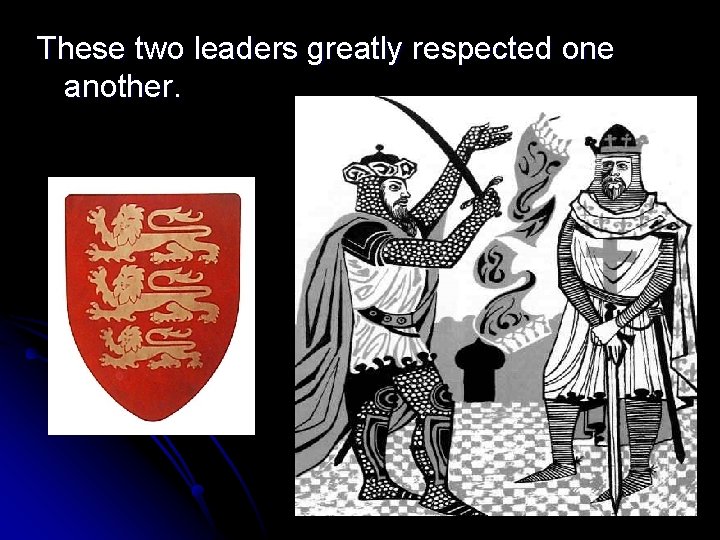
These two leaders greatly respected one another.
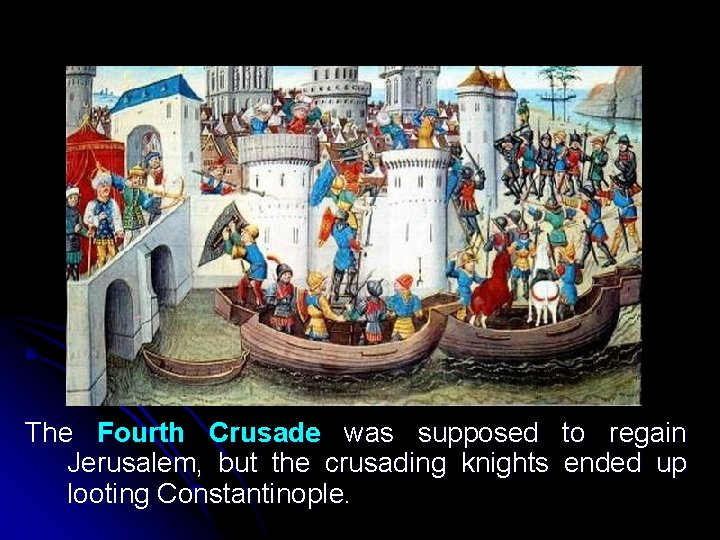
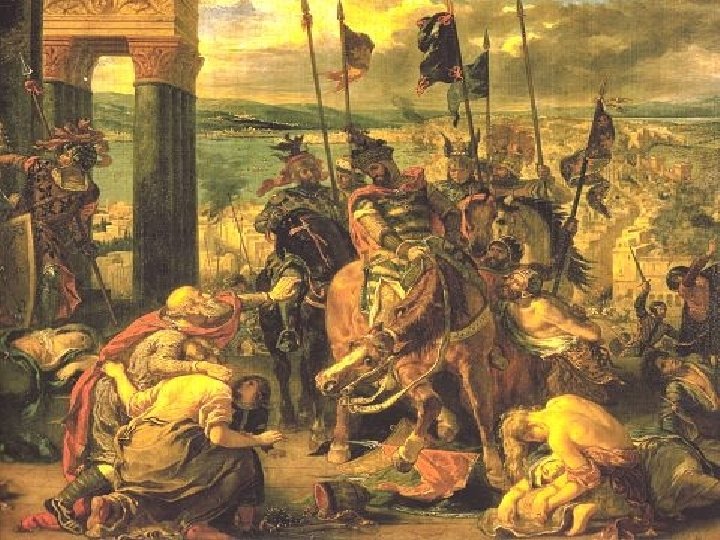
The Fourth Crusade was supposed to regain Jerusalem, but the crusading knights ended up looting Constantinople.
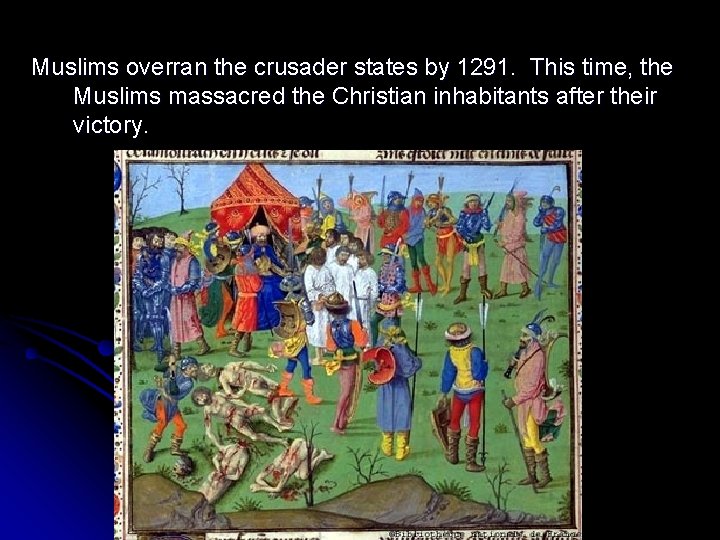
Muslims overran the crusader states by 1291. This time, the Muslims massacred the Christian inhabitants after their victory.
How many Crusades were there? There’s some debate about this, because defining the nature of a Crusade gets a little more difficult as we head toward the early modern period. For example, some Crusades, like the Fourth, never even made it to the Holy Land—and others, like that against the Cathars in France, never even intended to head toward Jerusalem. If we define Crusade as a military effort to bring portions of the Middle East—particularly Jerusalem—under Christian control, then we can identify roughly eight or nine within the medieval period.
Short Crusades Summary Videos l https: //www. youtube. com/watch? v=d. Bim 4 Ma 0 QKA (6 minutes) l http: //www. history. com/topics/crusades/vid eos/the-crusades (4 minutes)
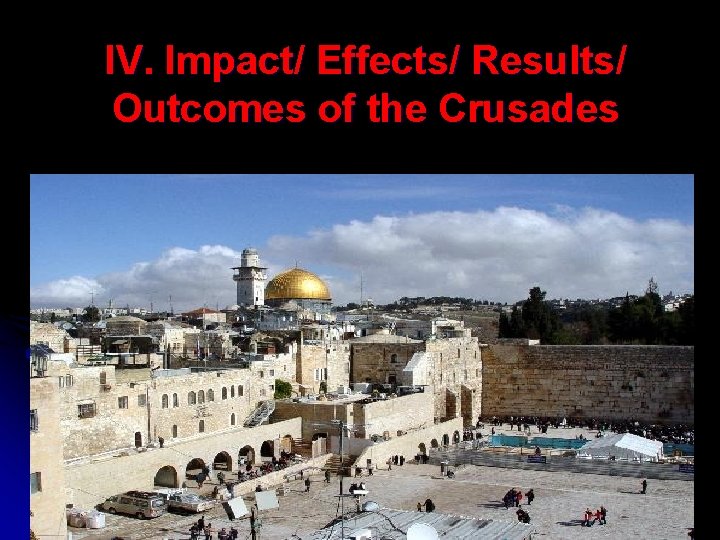
IV. Impact/ Effects/ Results/ Outcomes of the Crusades
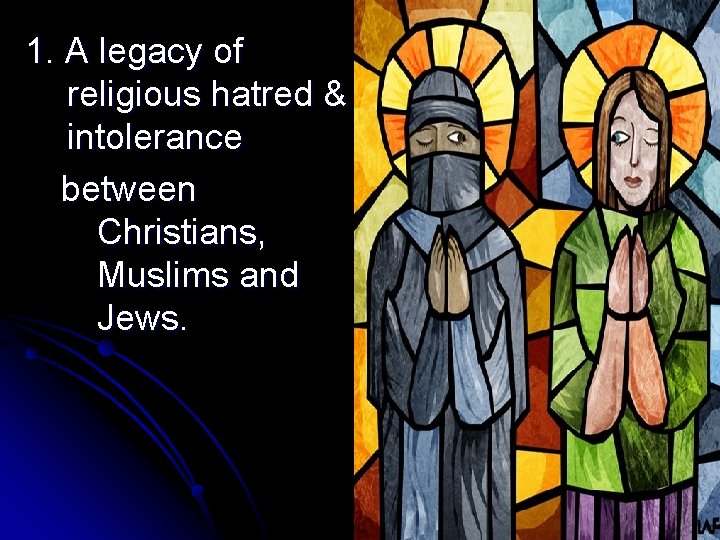
1. A legacy of religious hatred & intolerance between Christians, Muslims and Jews.
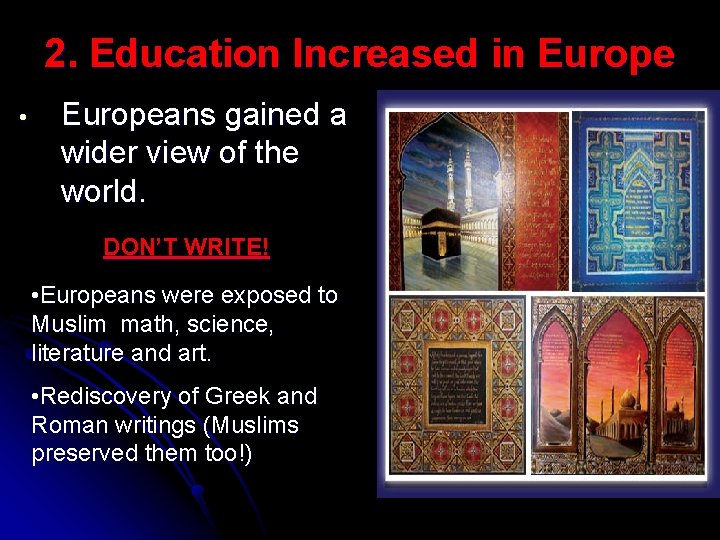
2. Education Increased in Europe • Europeans gained a wider view of the world. DON’T WRITE! • Europeans were exposed to Muslim math, science, literature and art. • Rediscovery of Greek and Roman writings (Muslims preserved them too!)
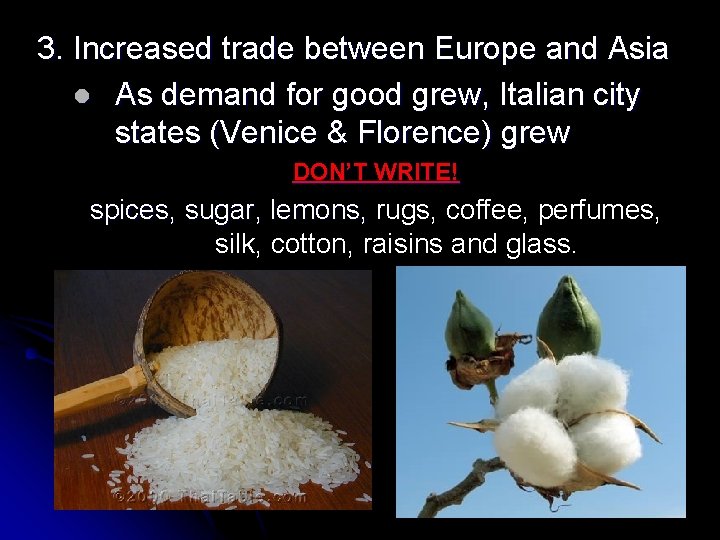
3. Increased trade between Europe and Asia l As demand for good grew, Italian city states (Venice & Florence) grew DON’T WRITE! spices, sugar, lemons, rugs, coffee, perfumes, silk, cotton, raisins and glass.
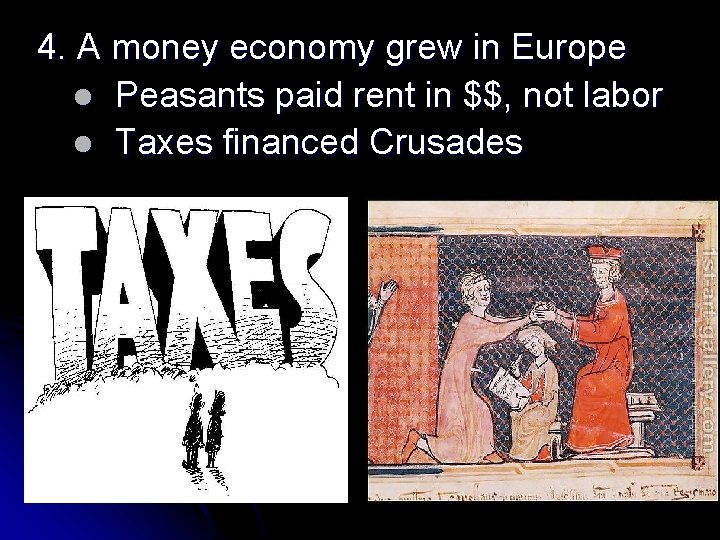
4. A money economy grew in Europe l Peasants paid rent in $$, not labor l Taxes financed Crusades
5. Increased power of European kings l Kings won the right to tax people. l The power of the feudal nobility declined.