Power Politics Influence Allison M Vaillancourt Ph D



- Slides: 34
Power, Politics & Influence Allison M. Vaillancourt, Ph. D. , SPHR Vice President, Human Resources & Institutional Effectiveness The University of Arizona 2014 Western Region Administrative Officers' Meeting October 2014
“I don’t do politics!” 2 2
3
4
5
Why Are Organizational Politics Like: 6
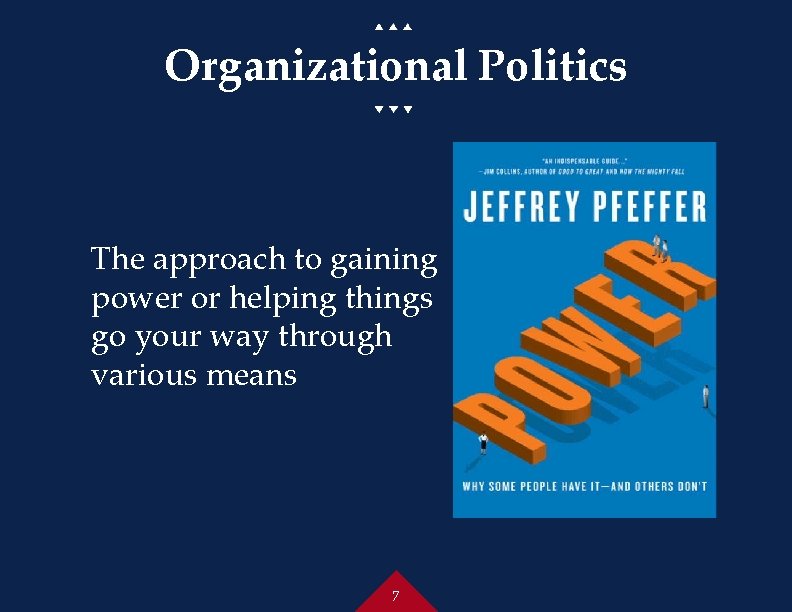
Organizational Politics The approach to gaining power or helping things go your way through various means 7
4 Universal Rules of Organizational Politics 1. You ignore organizational politics at your own peril 2. You engage in the politics of your organization at your own peril 3. All organizations are political flickr. com/photos/pasukaru 76/ 4. You need to get over #3 8 Source: artpetty. com/2011/06/20/leadership-caffeine-4 -ideas-for-navigating-organizational-politics/
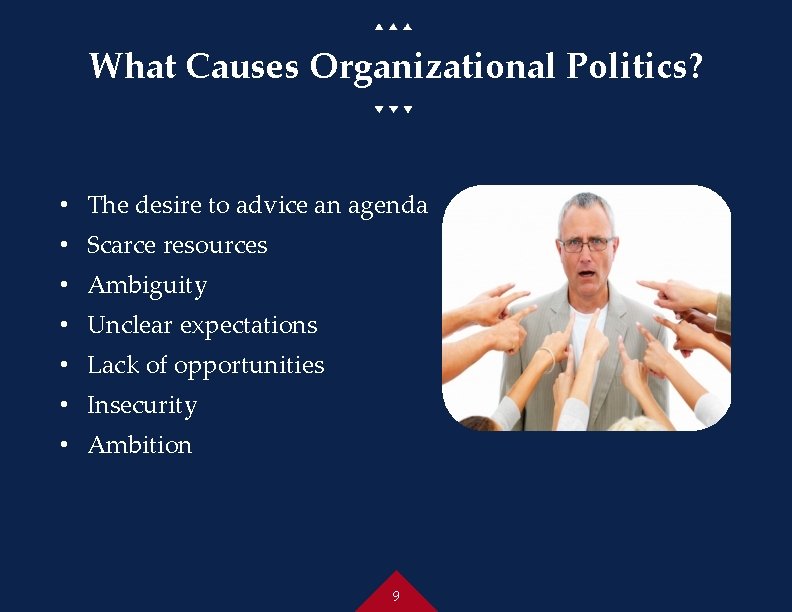
What Causes Organizational Politics? • The desire to advice an agenda • Scarce resources • Ambiguity • Unclear expectations • Lack of opportunities • Insecurity • Ambition 9
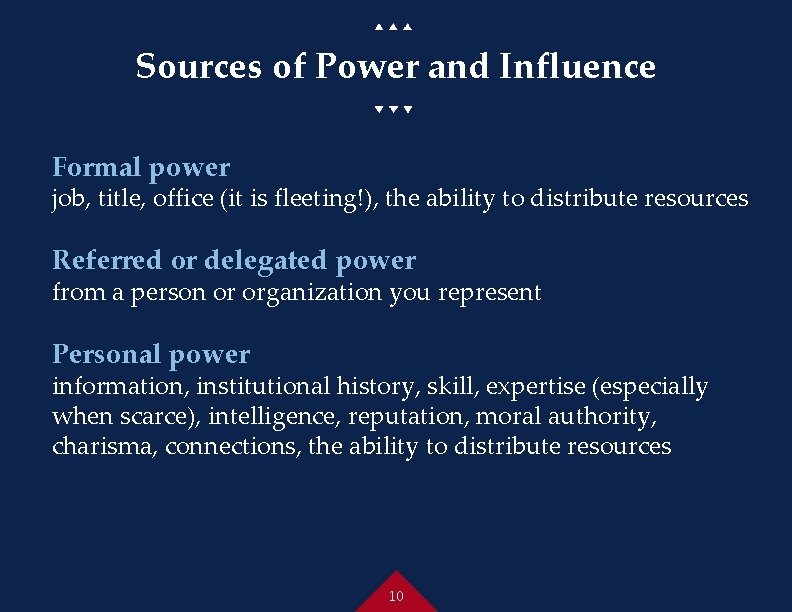
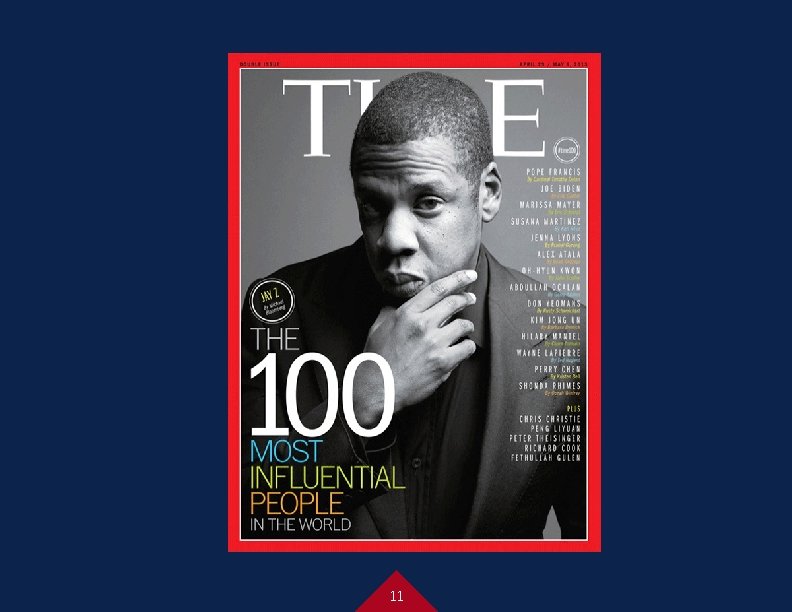
Sources of Power and Influence Formal power job, title, office (it is fleeting!), the ability to distribute resources Referred or delegated power from a person or organization you represent Personal power information, institutional history, skill, expertise (especially when scarce), intelligence, reputation, moral authority, charisma, connections, the ability to distribute resources 10
11
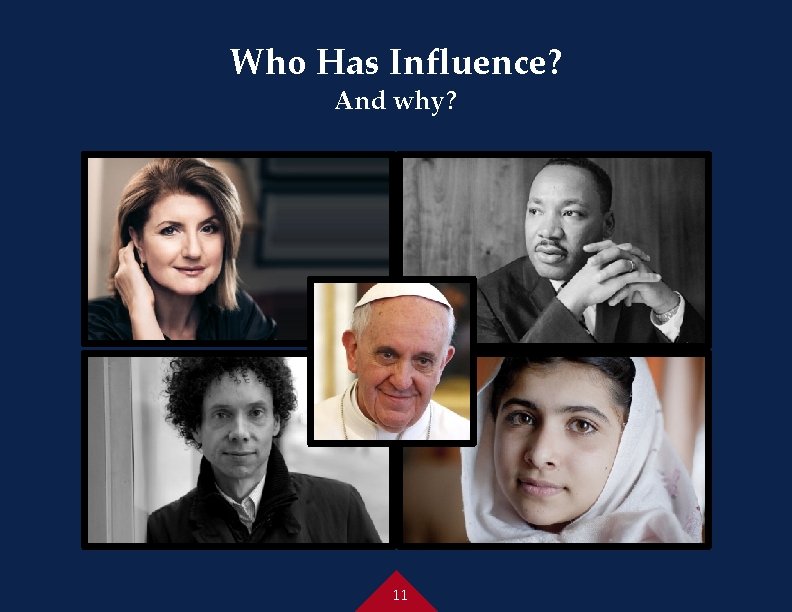
Who Has Influence? And why? 11
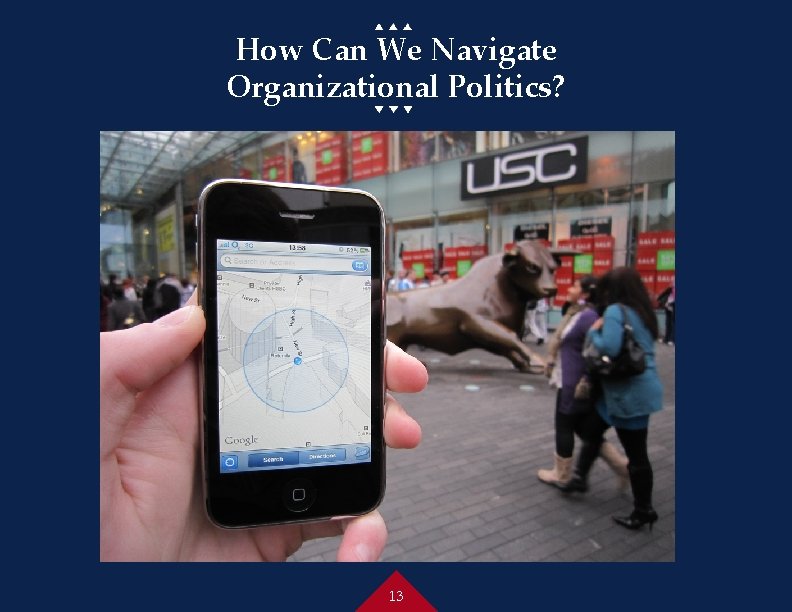
How Can We Navigate Organizational Politics? 13
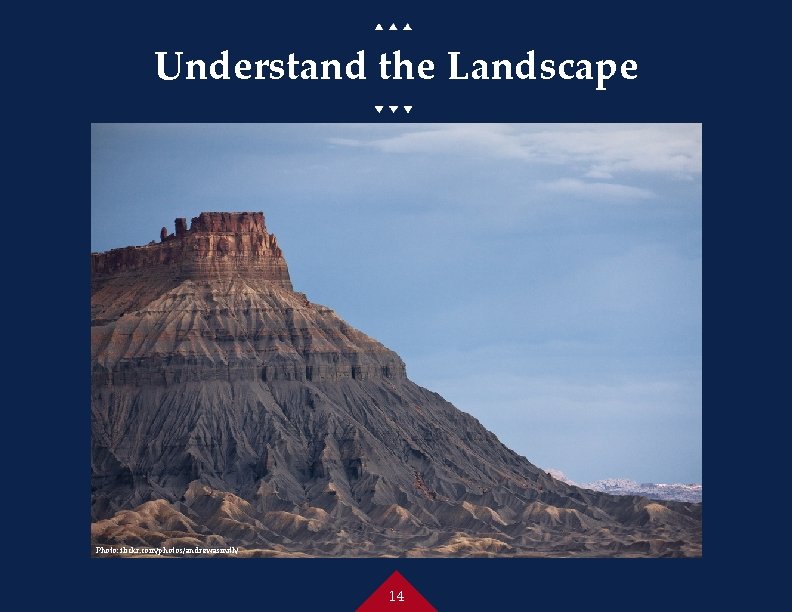
Understand the Landscape Photo: flickr. com/photos/andrewasmith/ 14
Follow the Rising Stars 15
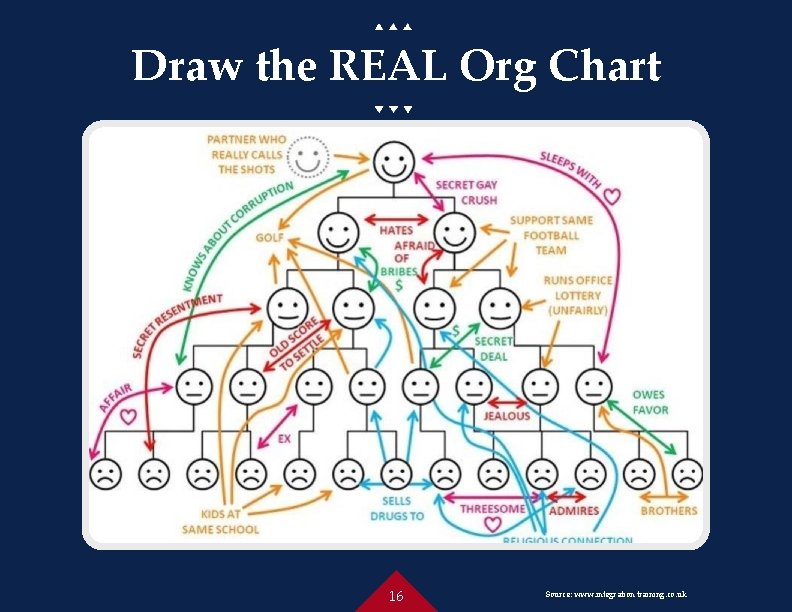
Draw the REAL Org Chart 16 Source: www. integration training. co. uk
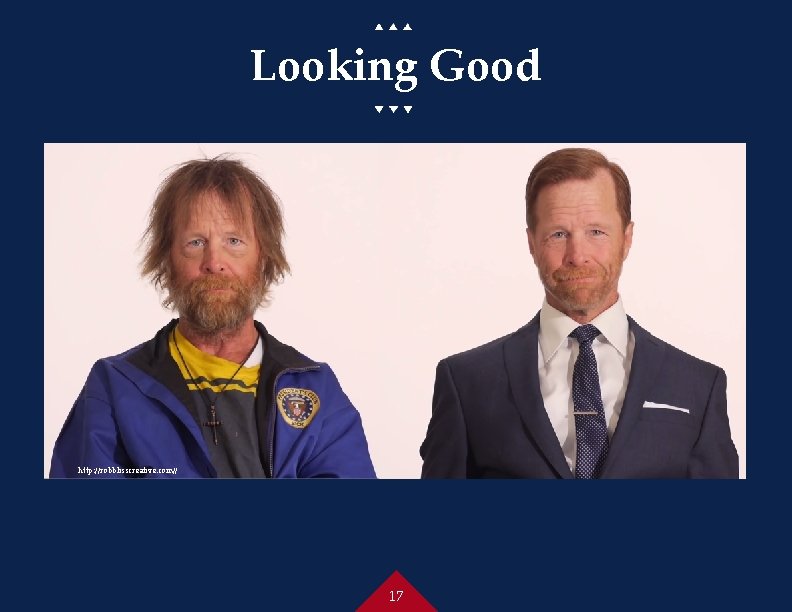
Looking Good http: //robblisscreative. com// 17
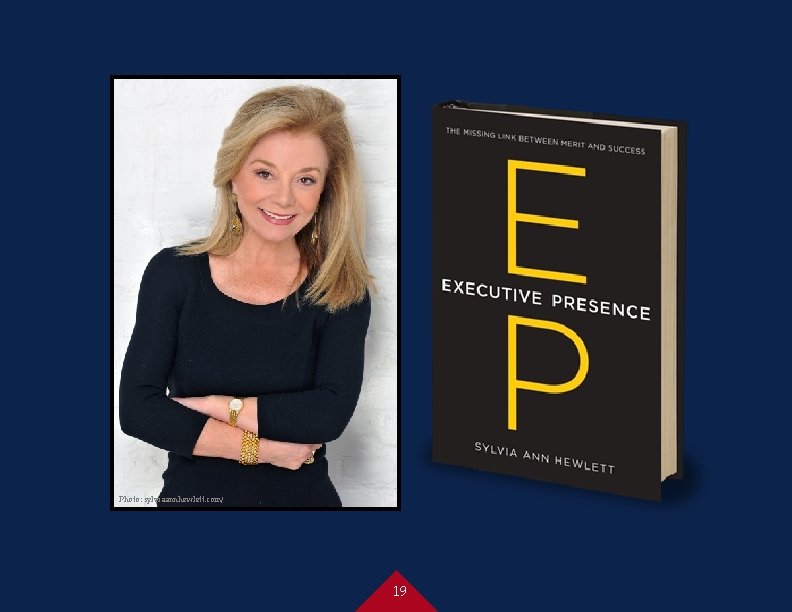
Photo: sylviaannhewlett. com/ 19
GRAVITAS Confidence and staying calm in a stressful situation, then demonstrating decisiveness. 20
COMMUNICATION • The ability to express your point of view in a compelling way. • Confident body language. • Speaking concisely. 21
APPEARANCE This is the least important, but it serves as a filter of how others view us. 22
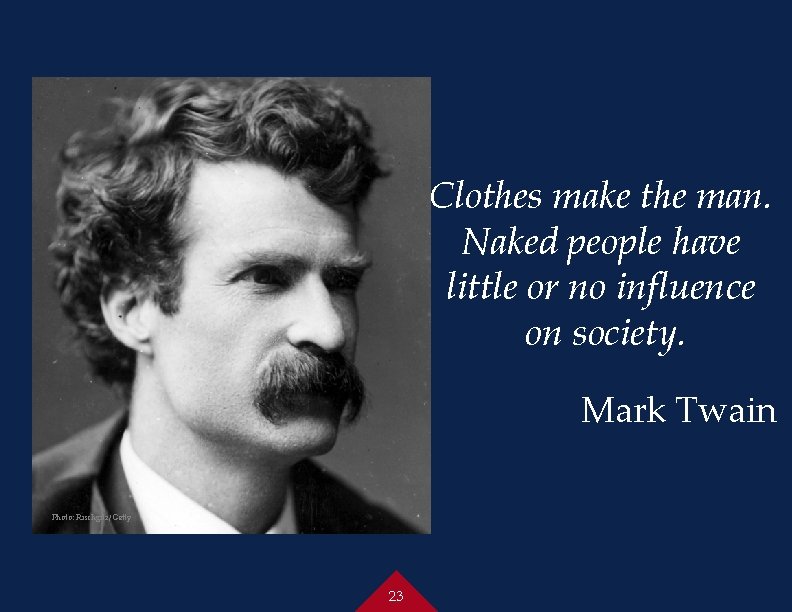
Clothes make the man. Naked people have little or no influence on society. Mark Twain Photo: Rischgitz/Getty 23
What THEY want, matters. 23
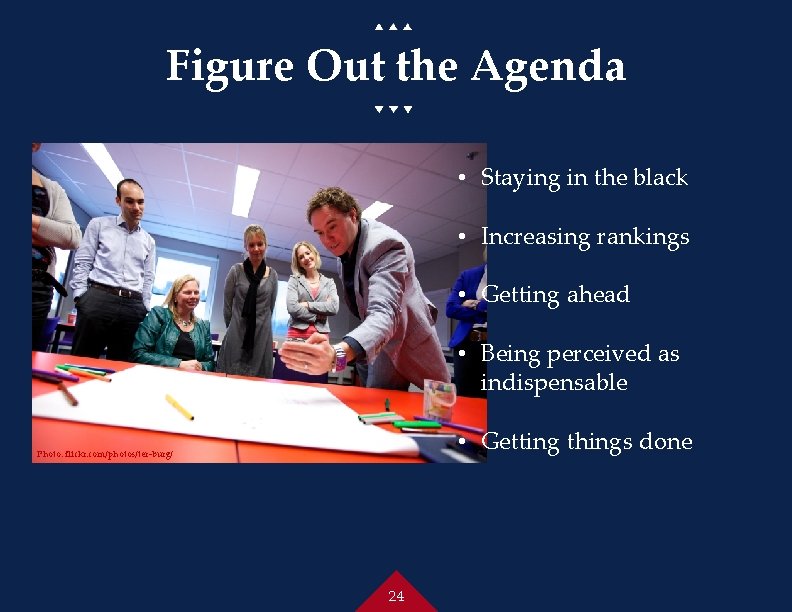
Figure Out the Agenda • Staying in the black • Increasing rankings • Getting ahead • Being perceived as indispensable • Getting things done Photo: flickr. com/photos/ter-burg/ 24
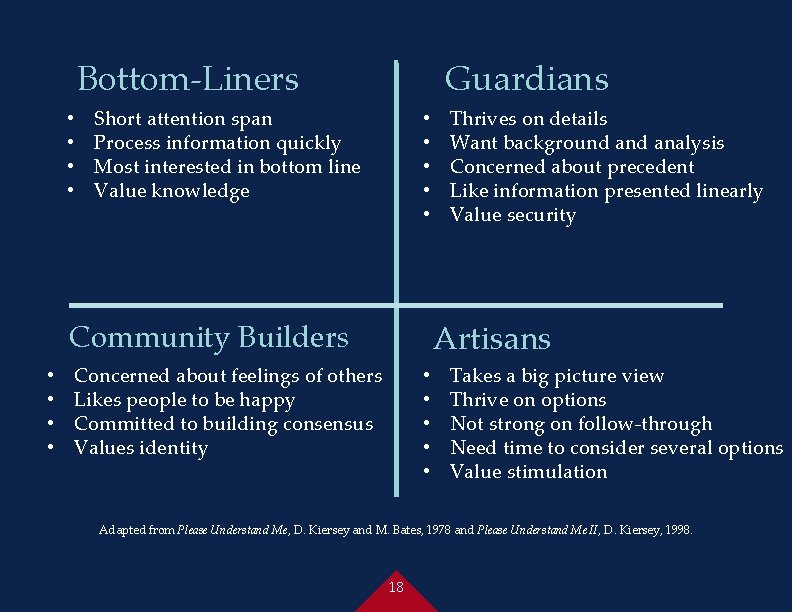
Guardians Bottom-Liners • • Short attention span Process information quickly Most interested in bottom line Value knowledge • • • Artisans Community Builders • • Thrives on details Want background analysis Concerned about precedent Like information presented linearly Value security Concerned about feelings of others Likes people to be happy Committed to building consensus Values identity • • • Takes a big picture view Thrive on options Not strong on follow-through Need time to consider several options Value stimulation Adapted from Please Understand Me, D. Kiersey and M. Bates, 1978 and Please Understand Me II, D. Kiersey, 1998. 18
Four years ago, you became a vegan and started running five miles a day – and your life was changed forever. You feel amazing and you are convinced that if everyone in your company adopted the same lifestyle, productivity would skyrocket and health care costs would plummet. While you can’t mandate diet changes, you can advocate for an hour of paid time each day for exercise. How will you make your pitch and who will you ask to be part of your coalition? 20
Forge Relationships
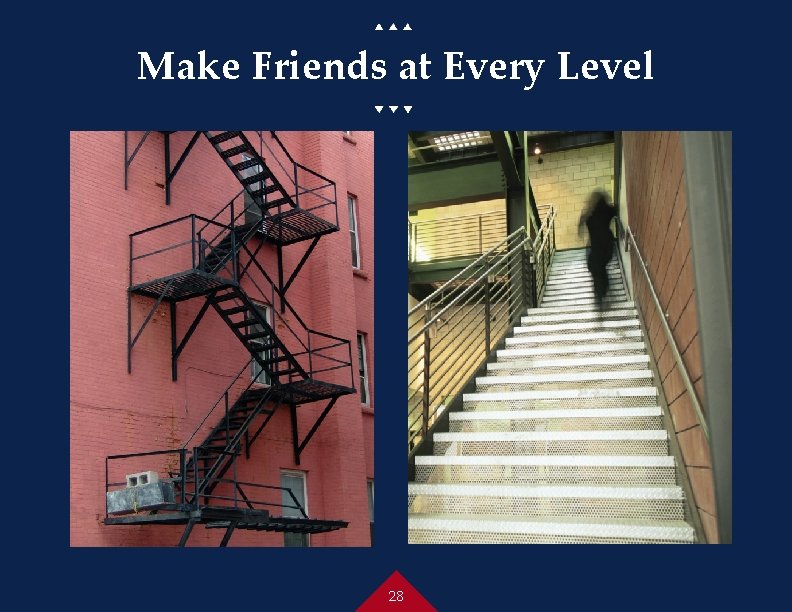
Make Friends at Every Level 28
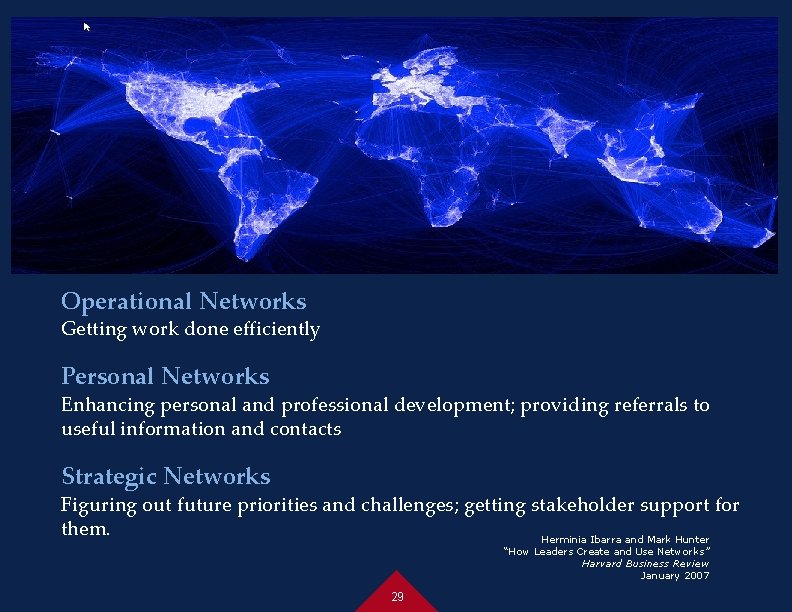
Operational Networks Getting work done efficiently Personal Networks Enhancing personal and professional development; providing referrals to useful information and contacts Strategic Networks Figuring out future priorities and challenges; getting stakeholder support for them. Herminia Ibarra and Mark Hunter “How Leaders Create and Use Networks” Harvard Business Review January 2007 29
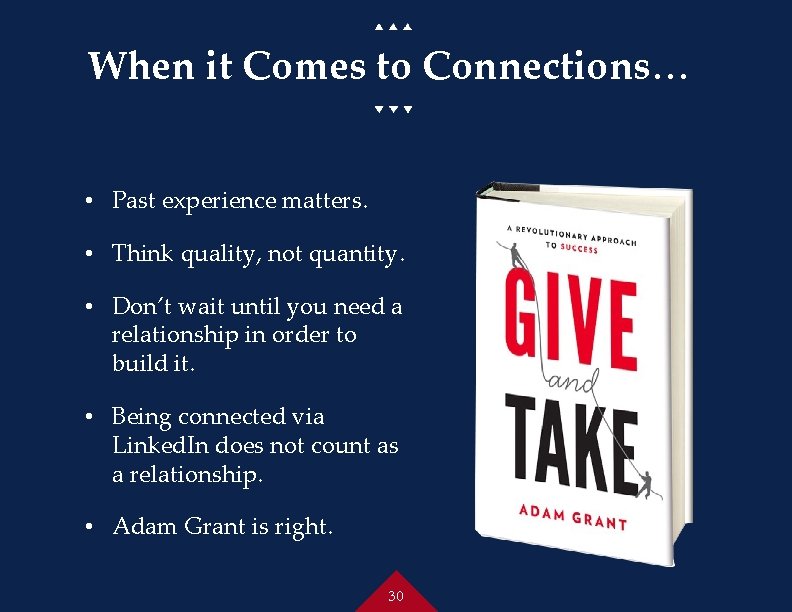
When it Comes to Connections… • Past experience matters. • Think quality, not quantity. • Don’t wait until you need a relationship in order to build it. • Being connected via Linked. In does not count as a relationship. • Adam Grant is right. 30
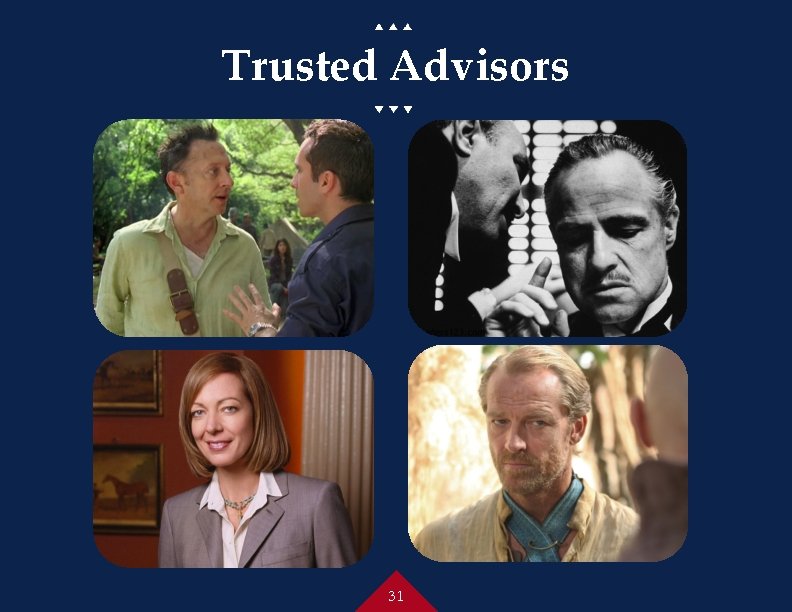
Trusted Advisors 31
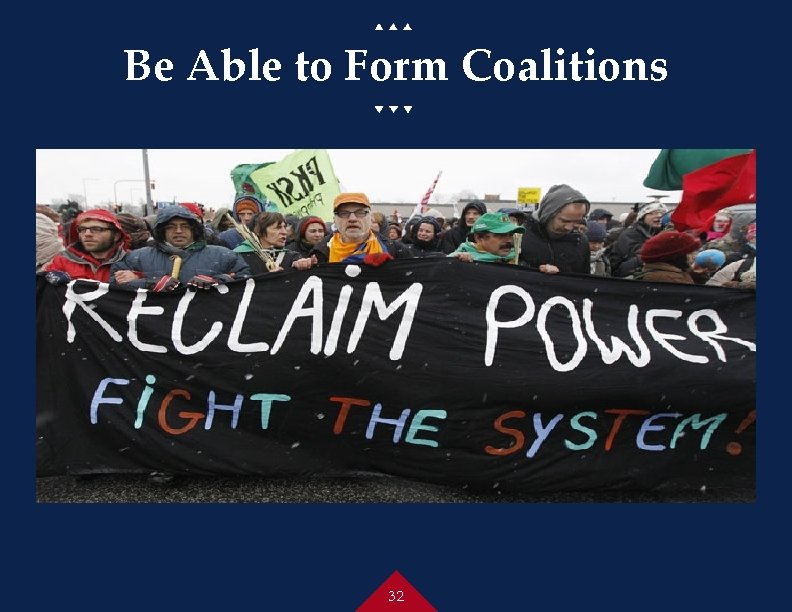
Be Able to Form Coalitions 32
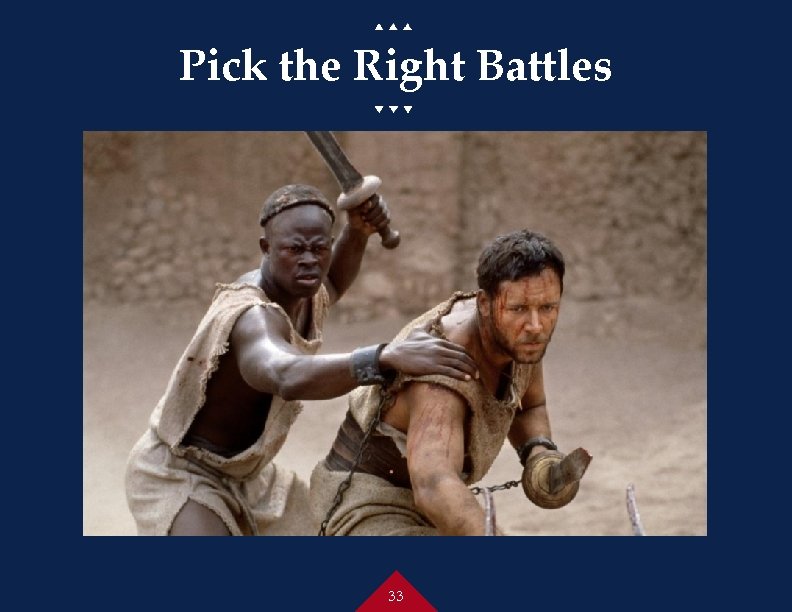
Pick the Right Battles 33
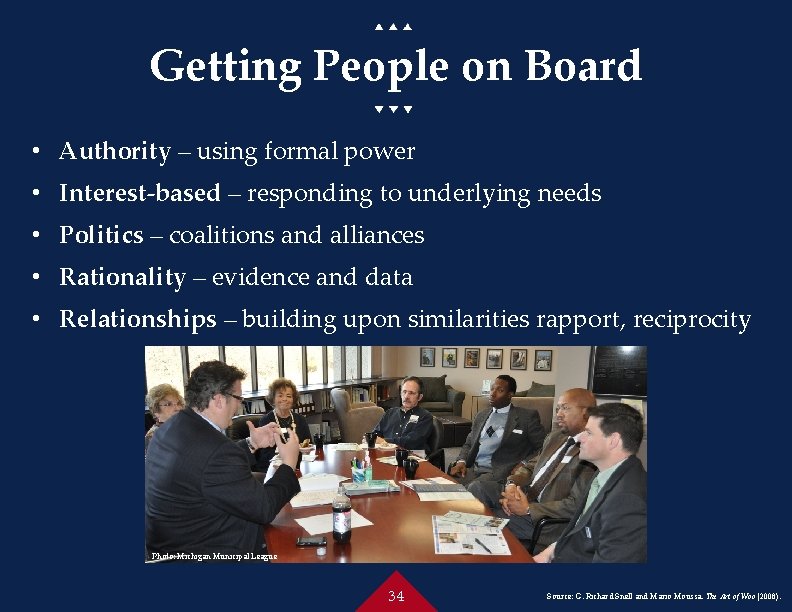
Getting People on Board • Authority – using formal power • Interest-based – responding to underlying needs • Politics – coalitions and alliances • Rationality – evidence and data • Relationships – building upon similarities rapport, reciprocity Photo: Michigan Municipal League 34 Source: G. Richard Snell and Mario Moussa. The Art of Woo (2008).