Planning learning teaching and assessment using the NAR






- Slides: 33
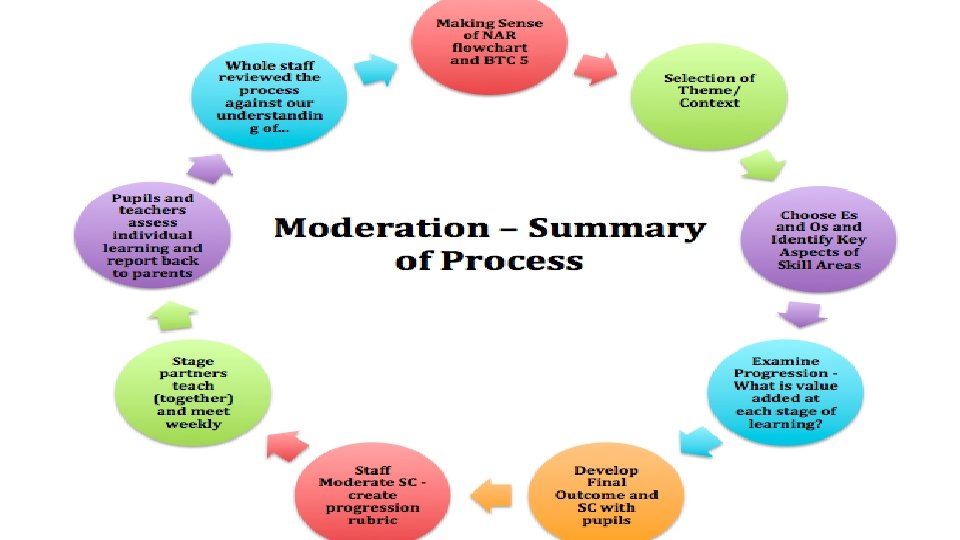
Planning learning, teaching and assessment using the NAR flowchart.
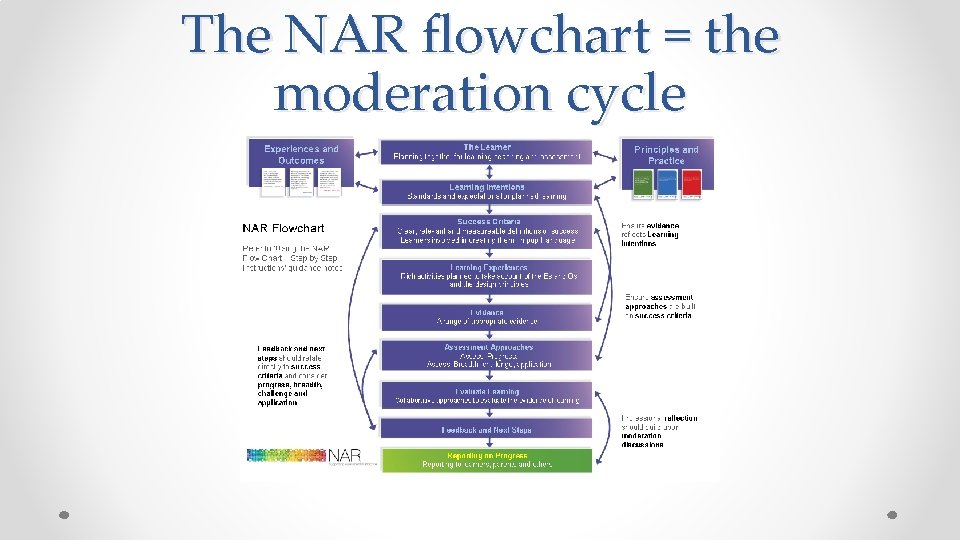
The NAR flowchart = the moderation cycle
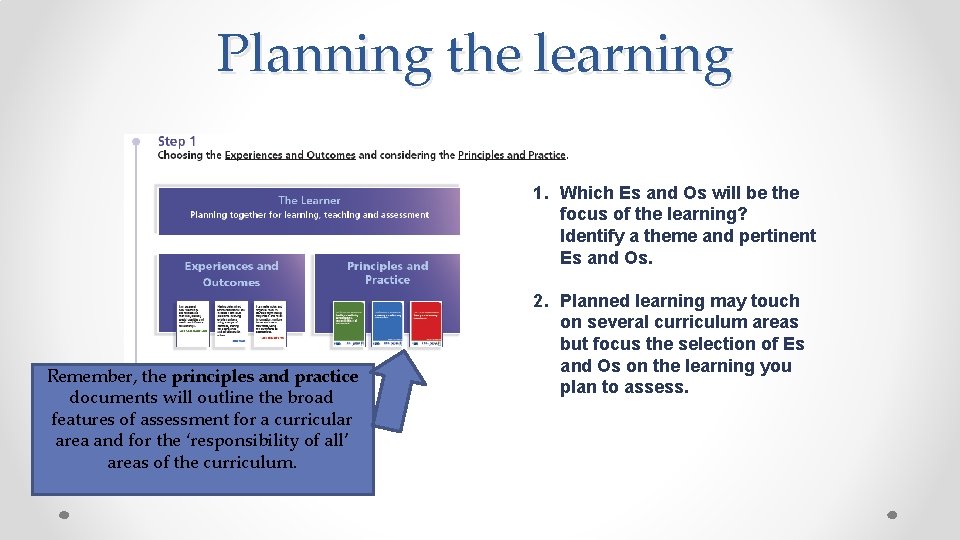
Planning the learning 1. Which Es and Os will be the focus of the learning? Identify a theme and pertinent Es and Os. Remember, the principles and practice documents will outline the broad features of assessment for a curricular area and for the ‘responsibility of all’ areas of the curriculum. 2. Planned learning may touch on several curriculum areas but focus the selection of Es and Os on the learning you plan to assess.
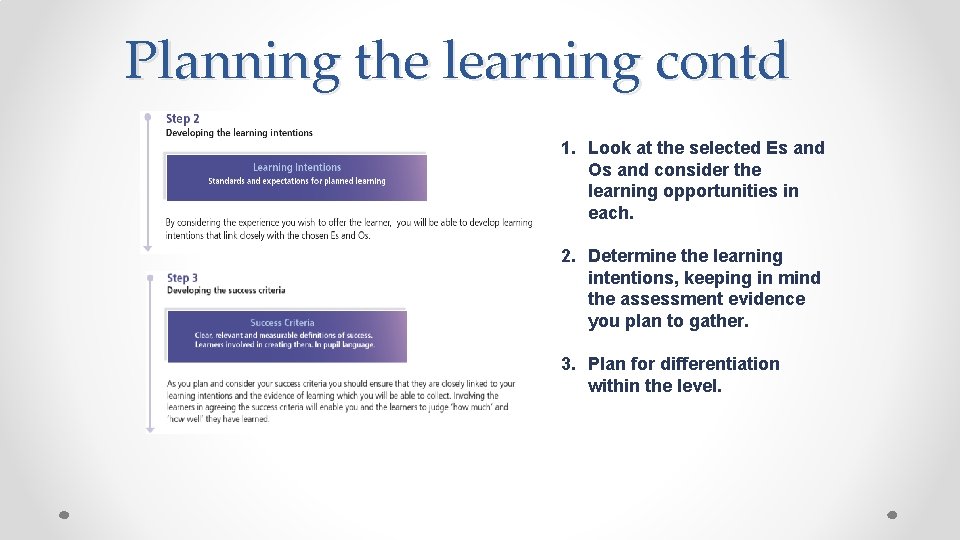
Planning the learning contd 1. Look at the selected Es and Os and consider the learning opportunities in each. 2. Determine the learning intentions, keeping in mind the assessment evidence you plan to gather. 3. Plan for differentiation within the level.
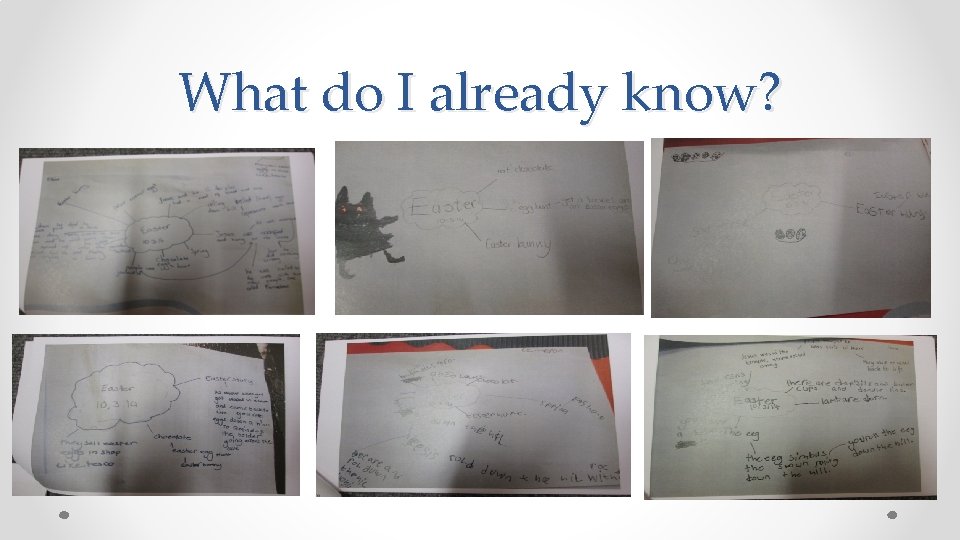
What do I already know?
What is a learning intention? § What learners should know, understand or be able to do by the end of a learning experience. § The focus should be on what is to be learned What makes a good Learning Intention? § set the learning intention in context § keep it focused § use language the pupils will understand § use words associated with learning
Why are learning intentions important? § Learners will be more focused and actively engaged in their own learning. § Sharing the learning intention makes it easier to give quality feedback specifically on what has been learned.
The first ‘active’ element of formative assessment in the classroom is the sharing of learning intentions with children… Without the learning intention, children are merely victims of the teacher’s whim. Unlocking Formative Assessment Shirley Clarke, 2001
Over to you. . . • Looking at the learning intentions for this training, create your own success criteria.
What are success criteria? • Success criteria are suggested ways to achieve the learning intention. As you plan and consider your success criteria you should ensure that they are directly linked to your learning intentions and the evidence of learning which you will be aiming to collect. • Children should be co-constructing success criteria from early level onwards.
• • • Guiding Questions to help… What can you do to show me that you have learnt this? What could we make? What can you do to show me that you played a role? How will we know if our _____ has been a success? What roles are required for a successful ______? What skills would a person require to fill each of these roles? How will you know that you have been successful as an individual and as part of a group? How will we measure our success? What evidence might you gather to show me that you were successful? How will you record your evidence? How will you tell your parents about our project and show them that you were successful in your role?
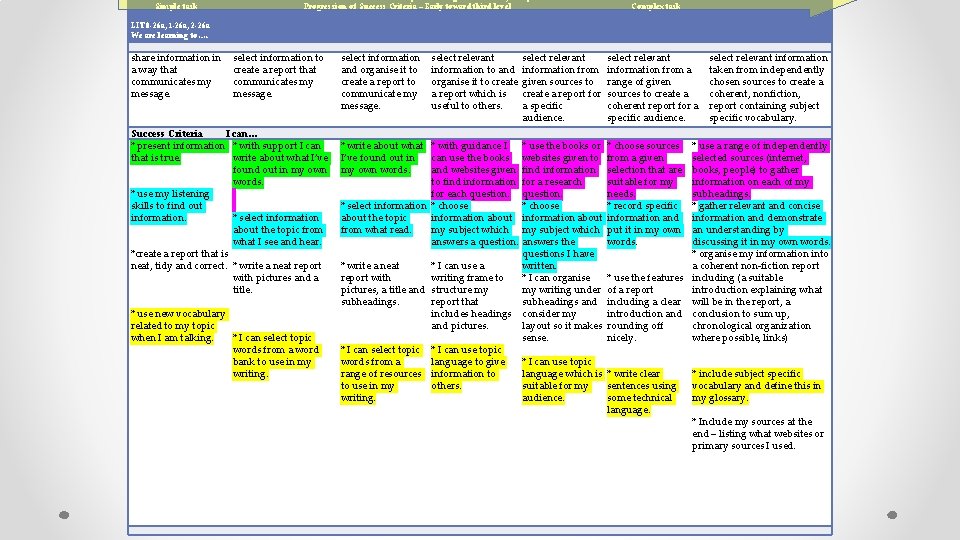
Simple task Progression of Success Criteria – Early toward third level Complex task LIT 0 -26 a, 1 -26 a, 2 -26 a We are learning to…. share information in a way that communicates my message. select information to create a report that communicates my message. Success Criteria I can… * present information * with support I can that is true. write about what I’ve found out in my own words. * use my listening skills to find out information. * select information about the topic from what I see and hear. *create a report that is neat, tidy and correct. * write a neat report with pictures and a title. * use new vocabulary related to my topic when I am talking. * I can select topic words from a word bank to use in my writing. select information and organise it to create a report to communicate my message. select relevant information to and organise it to create a report which is useful to others. select relevant information from given sources to create a report for a specific audience. select relevant information from a range of given sources to create a coherent report for a specific audience. * write about what * with guidance I I’ve found out in can use the books my own words. and websites given to find information for each question. * select information * choose about the topic information about from what read. my subject which answers a question. * use the books or websites given to find information for a research question. * choose information about my subject which answers the questions I have written. * I can organise my writing under subheadings and consider my layout so it makes sense. * choose sources from a given selection that are suitable for my needs. * record specific information and put it in my own words. * write a neat report with pictures, a title and subheadings. * I can use a writing frame to structure my report that includes headings and pictures. * I can select topic words from a range of resources to use in my writing. * I can use topic language to give information to others. select relevant information taken from independently chosen sources to create a coherent, nonfiction, report containing subject specific vocabulary. * use a range of independently selected sources (internet, books, people) to gather information on each of my subheadings. * gather relevant and concise information and demonstrate an understanding by discussing it in my own words. * organise my information into a coherent non-fiction report * use the features including (a suitable of a report introduction explaining what including a clear will be in the report, a introduction and conclusion to sum up, rounding off chronological organization nicely. where possible, links) * I can use topic language which is * write clear suitable for my sentences using audience. some technical language. * include subject specific vocabulary and define this in my glossary. * Include my sources at the end – listing what websites or primary sources I used.
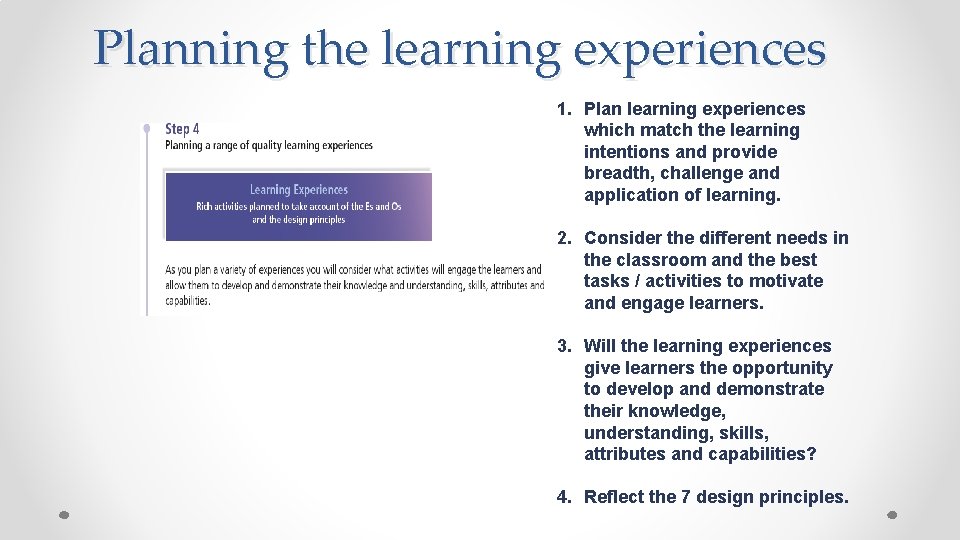
Planning the learning experiences 1. Plan learning experiences which match the learning intentions and provide breadth, challenge and application of learning. 2. Consider the different needs in the classroom and the best tasks / activities to motivate and engage learners. 3. Will the learning experiences give learners the opportunity to develop and demonstrate their knowledge, understanding, skills, attributes and capabilities? 4. Reflect the 7 design principles.
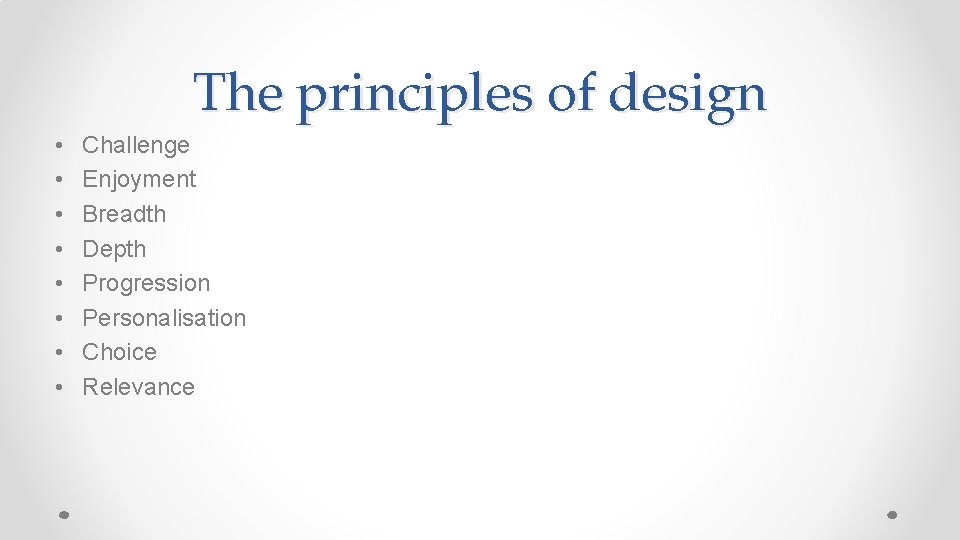
The principles of design • • Challenge Enjoyment Breadth Depth Progression Personalisation Choice Relevance
“Buzzwords” • How many examples of good practice have you heard about over the years? ! • List as many as you can in 1 minute • http: //www. online-stopwatch. com/countdown-timer/
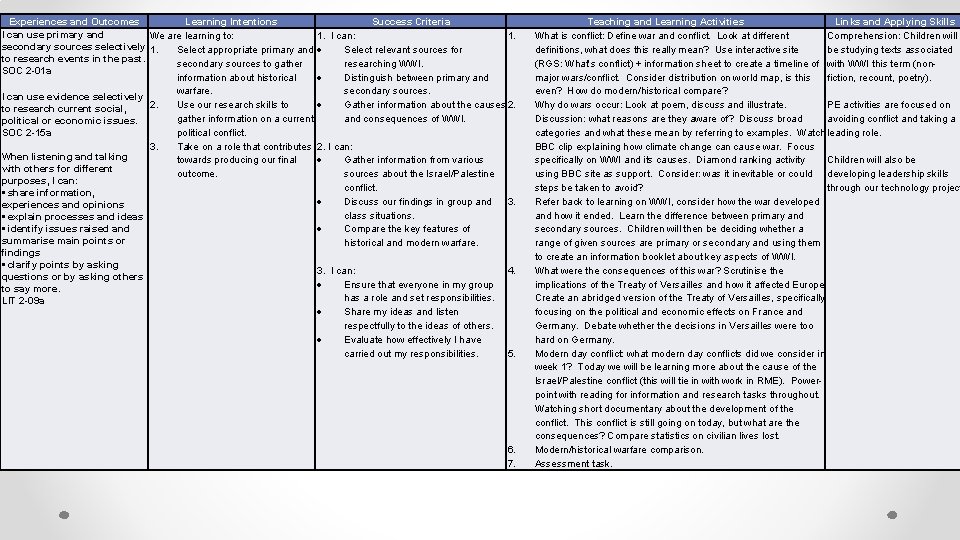
Experiences and Outcomes Learning Intentions I can use primary and We are learning to: secondary sources selectively 1. Select appropriate primary and to research events in the past. secondary sources to gather SOC 2 -01 a information about historical warfare. I can use evidence selectively 2. Use our research skills to to research current social, gather information on a current political or economic issues. SOC 2 -15 a political conflict. 3. Take on a role that contributes When listening and talking towards producing our final with others for different outcome. purposes, I can: • share information, experiences and opinions • explain processes and ideas • identify issues raised and summarise main points or findings • clarify points by asking questions or by asking others to say more. LIT 2 -09 a Success Criteria 1. I can: 1. Select relevant sources for researching WWI. Distinguish between primary and secondary sources. Gather information about the causes 2. and consequences of WWI. 2. I can: Gather information from various sources about the Israel/Palestine conflict. Discuss our findings in group and class situations. Compare the key features of historical and modern warfare. 3. I can: Ensure that everyone in my group has a role and set responsibilities. Share my ideas and listen respectfully to the ideas of others. Evaluate how effectively I have carried out my responsibilities. 3. 4. 5. 6. 7. Teaching and Learning Activities Links and Applying Skills What is conflict: Define war and conflict. Look at different Comprehension: Children will definitions, what does this really mean? Use interactive site be studying texts associated (RGS: What’s conflict) + information sheet to create a timeline of with WWI this term (nonmajor wars/conflict. Consider distribution on world map, is this fiction, recount, poetry). even? How do modern/historical compare? Why do wars occur: Look at poem, discuss and illustrate. PE activities are focused on Discussion: what reasons are they aware of? Discuss broad avoiding conflict and taking a categories and what these mean by referring to examples. Watch leading role. BBC clip explaining how climate change can cause war. Focus specifically on WWI and its causes. Diamond ranking activity Children will also be using BBC site as support. Consider: was it inevitable or could developing leadership skills steps be taken to avoid? through our technology project Refer back to learning on WWI, consider how the war developed and how it ended. Learn the difference between primary and secondary sources. Children will then be deciding whether a range of given sources are primary or secondary and using them to create an information booklet about key aspects of WWI. What were the consequences of this war? Scrutinise the implications of the Treaty of Versailles and how it affected Europe. Create an abridged version of the Treaty of Versailles, specifically focusing on the political and economic effects on France and Germany. Debate whether the decisions in Versailles were too hard on Germany. Modern day conflict: what modern day conflicts did we consider in week 1? Today we will be learning more about the cause of the Israel/Palestine conflict (this will tie in with work in RME). Powerpoint with reading for information and research tasks throughout. Watching short documentary about the development of the conflict. This conflict is still going on today, but what are the consequences? Compare statistics on civilian lives lost. Modern/historical warfare comparison. Assessment task.
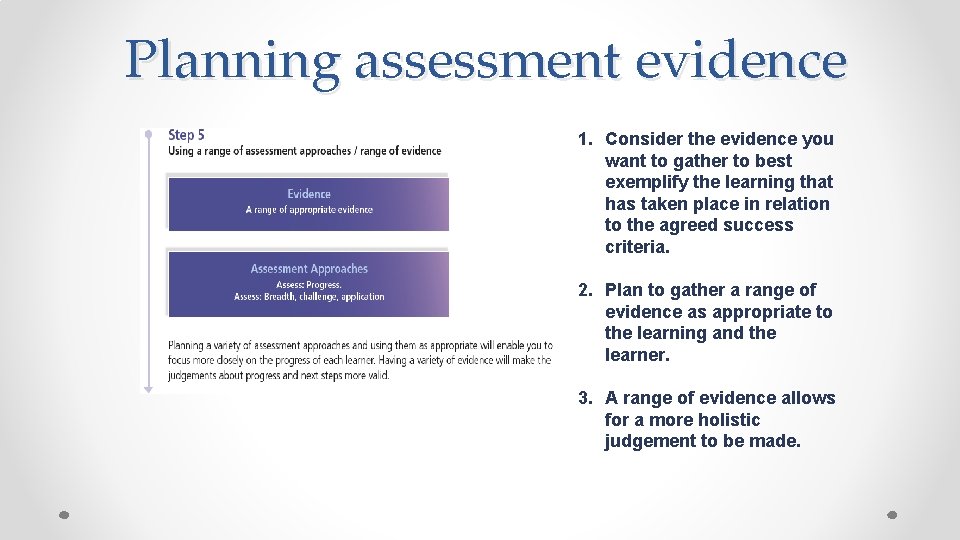
Planning assessment evidence 1. Consider the evidence you want to gather to best exemplify the learning that has taken place in relation to the agreed success criteria. 2. Plan to gather a range of evidence as appropriate to the learning and the learner. 3. A range of evidence allows for a more holistic judgement to be made.
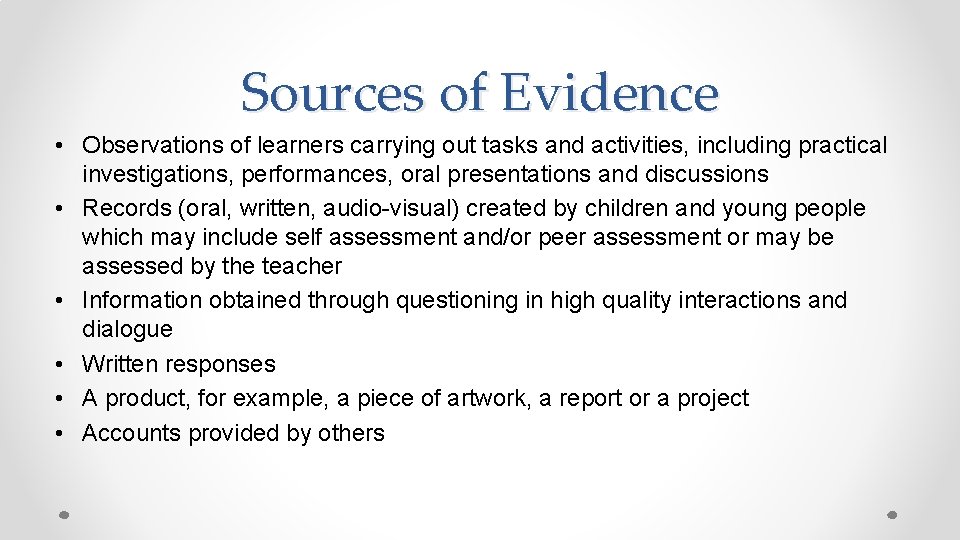
Sources of Evidence • Observations of learners carrying out tasks and activities, including practical investigations, performances, oral presentations and discussions • Records (oral, written, audio-visual) created by children and young people which may include self assessment and/or peer assessment or may be assessed by the teacher • Information obtained through questioning in high quality interactions and dialogue • Written responses • A product, for example, a piece of artwork, a report or a project • Accounts provided by others
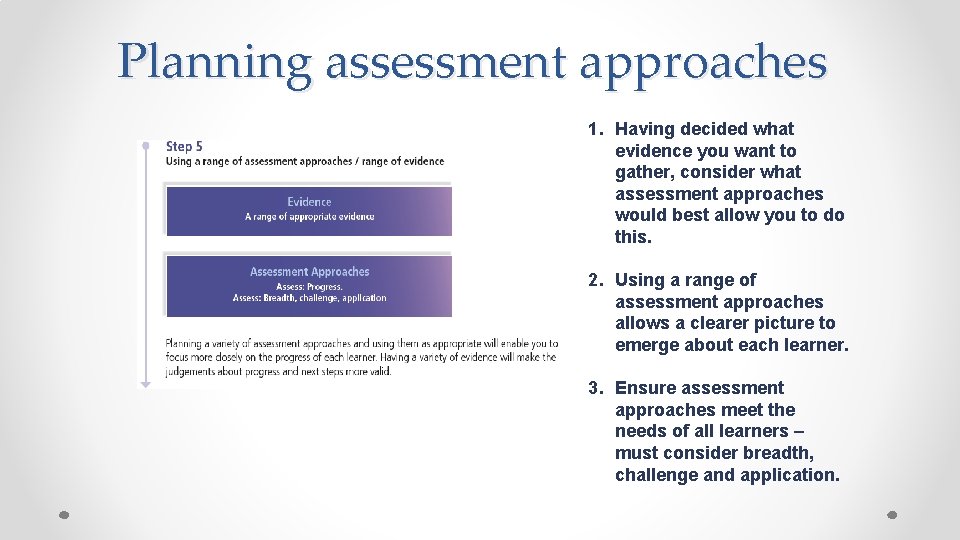
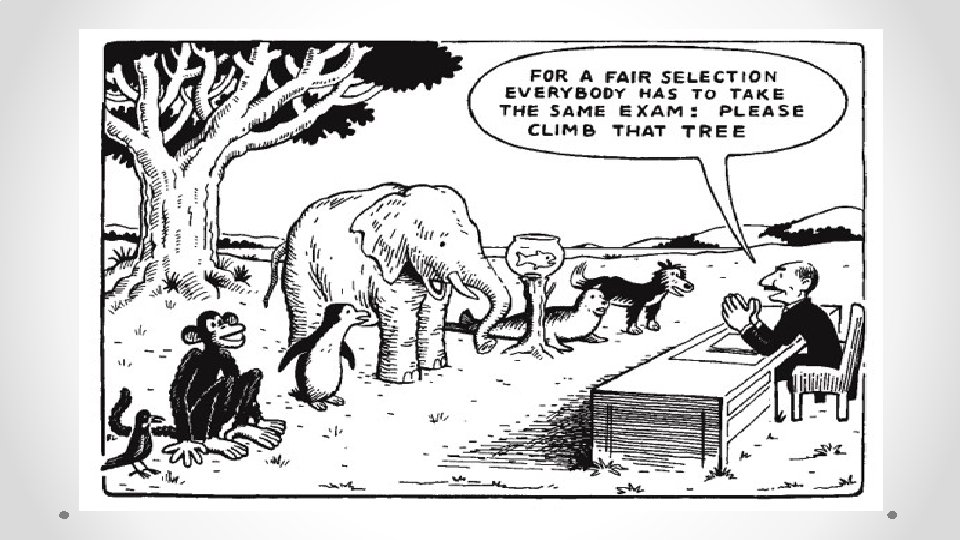
Planning assessment approaches 1. Having decided what evidence you want to gather, consider what assessment approaches would best allow you to do this. 2. Using a range of assessment approaches allows a clearer picture to emerge about each learner. 3. Ensure assessment approaches meet the needs of all learners – must consider breadth, challenge and application.
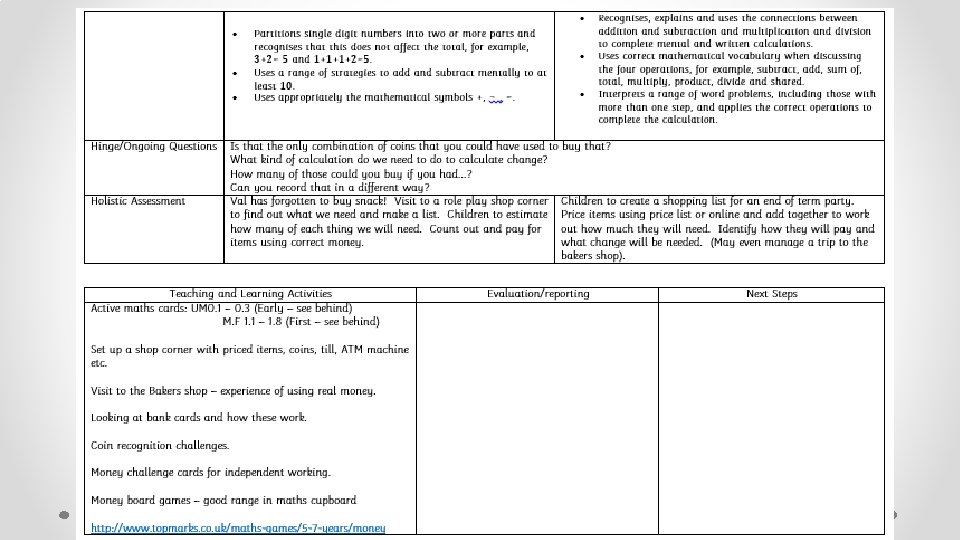
Holistic assessment tasks • Demonstrate breadth of learning • Require the learner to draw on a range of learning from a number of Es and Os across different organisers • Demonstrate challenge • Promote higher order thinking skills-analyse, evaluate & create • Demonstrate application of learning in new and unfamiliar situations • Come from one of the four contexts of learning • Tackling bureaucracy – reducing the time for assessment as focusing on bundles of Es and Os
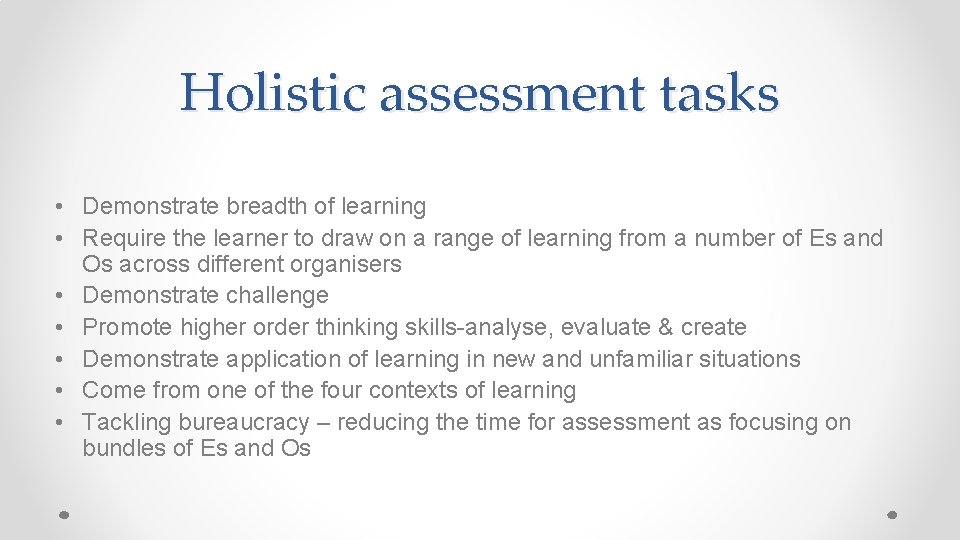
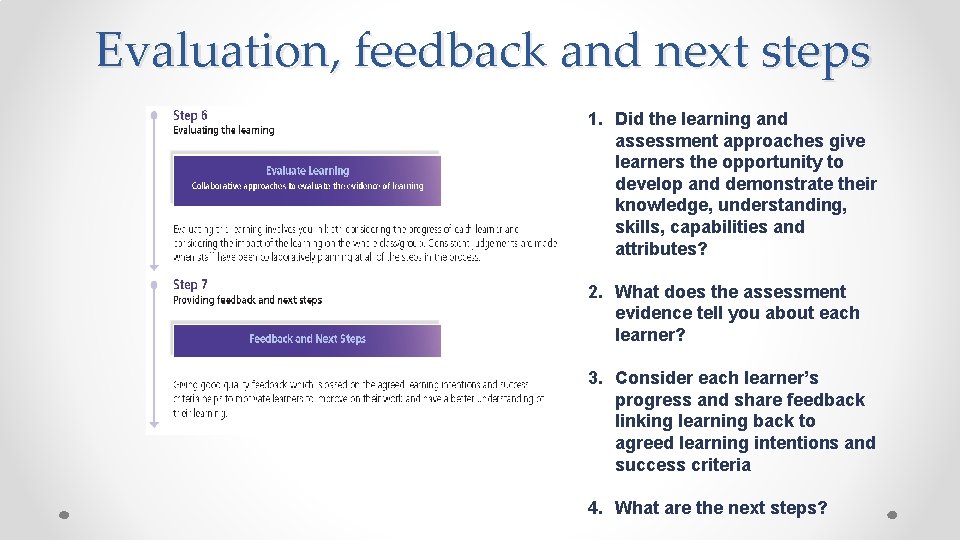
Evaluation, feedback and next steps 1. Did the learning and assessment approaches give learners the opportunity to develop and demonstrate their knowledge, understanding, skills, capabilities and attributes? 2. What does the assessment evidence tell you about each learner? 3. Consider each learner’s progress and share feedback linking learning back to agreed learning intentions and success criteria 4. What are the next steps?
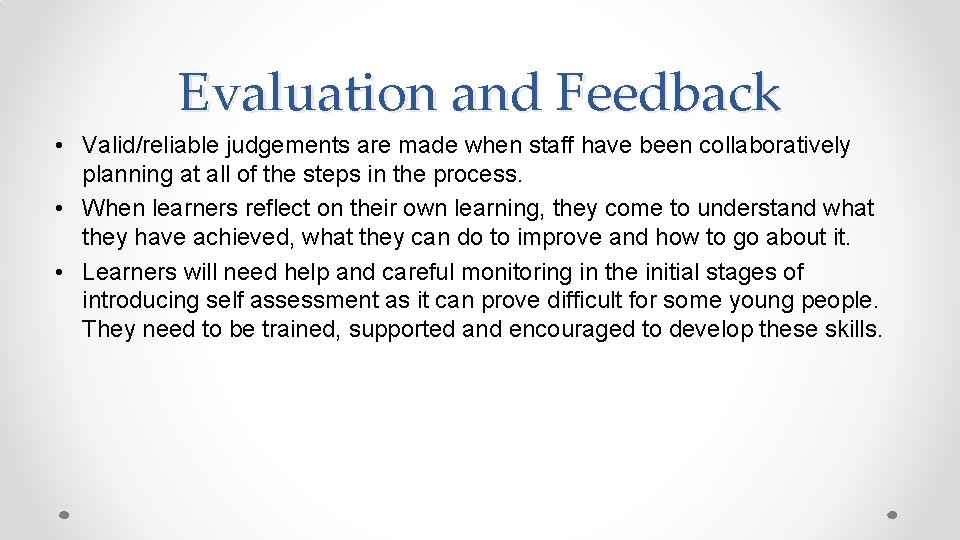
Evaluation and Feedback • Valid/reliable judgements are made when staff have been collaboratively planning at all of the steps in the process. • When learners reflect on their own learning, they come to understand what they have achieved, what they can do to improve and how to go about it. • Learners will need help and careful monitoring in the initial stages of introducing self assessment as it can prove difficult for some young people. They need to be trained, supported and encouraged to develop these skills.
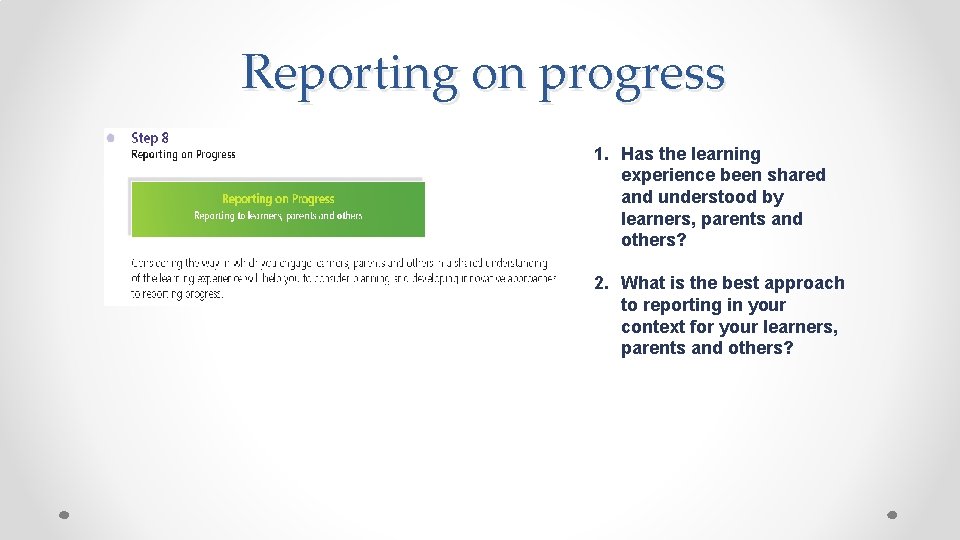
Reporting on progress 1. Has the learning experience been shared and understood by learners, parents and others? 2. What is the best approach to reporting in your context for your learners, parents and others?
Reporting on Progress • • • Must be regular! Child’s voice/teacher’s voice and opportunity for the parent voice Reflect on learning that has taken place – successes/setbacks Plan next steps together KU, skills, attributes and capabilities – 4 contexts Learning Logs Learning overviews End of year reports Profiles
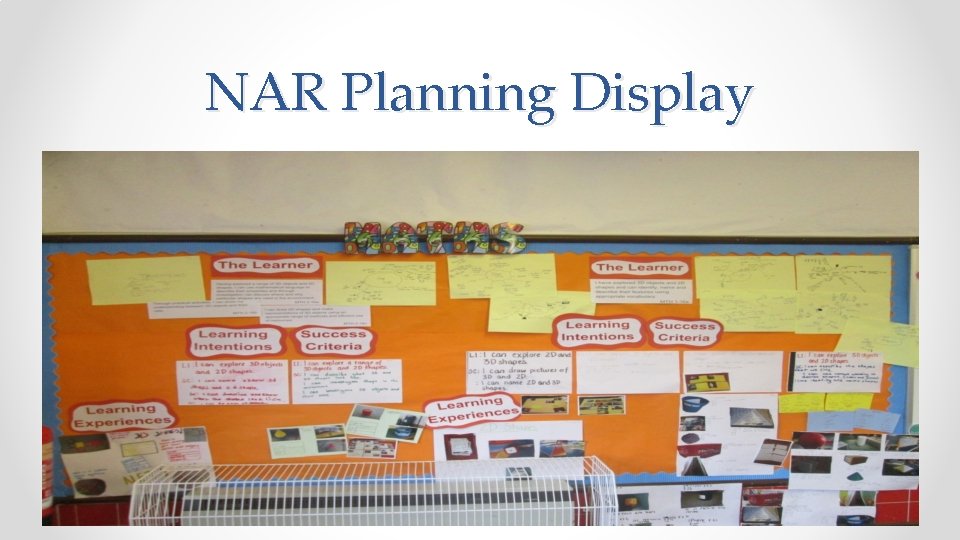
NAR Planning Display
Question to consider in your groups: How could you gather evidence for numeracy/literacy across the four contexts of learning?