Part 1 Planets and SS models Part 2
- Slides: 33
Part 1: Planets and SS models Part 2: Kepler’s Laws of Motion
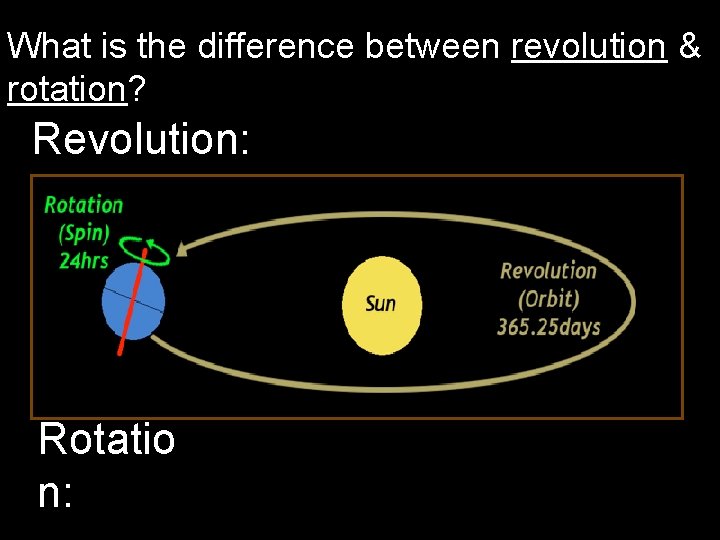
What is the difference between revolution & rotation? Revolution: Rotatio n:
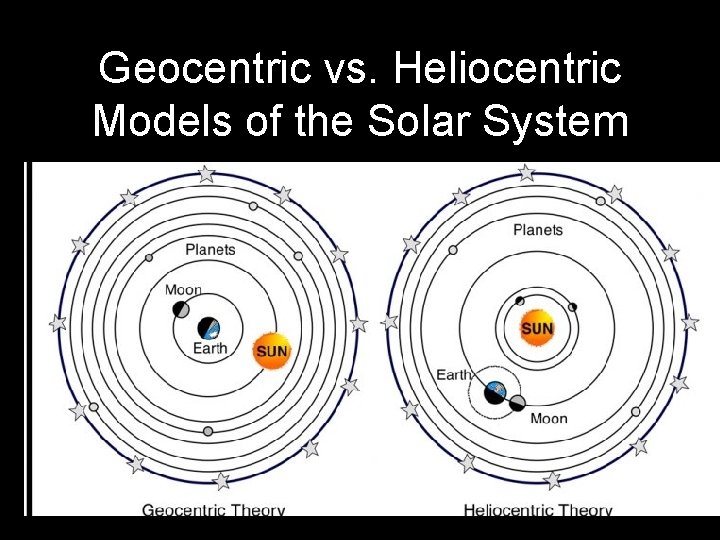
Geocentric vs. Heliocentric Models of the Solar System
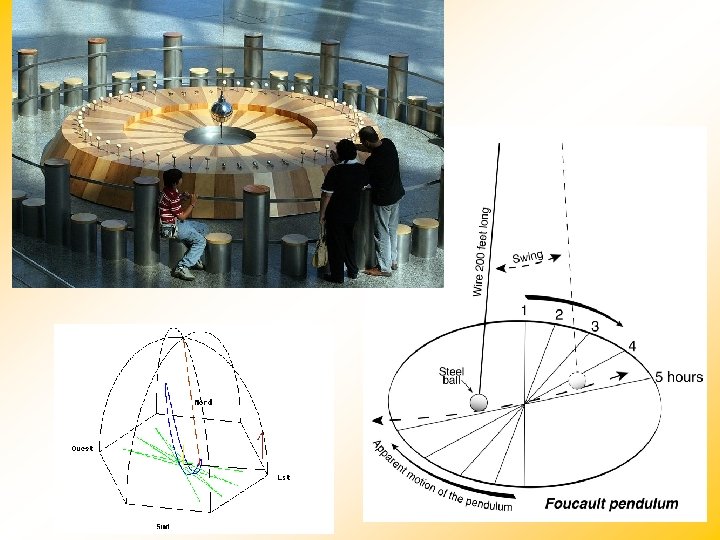
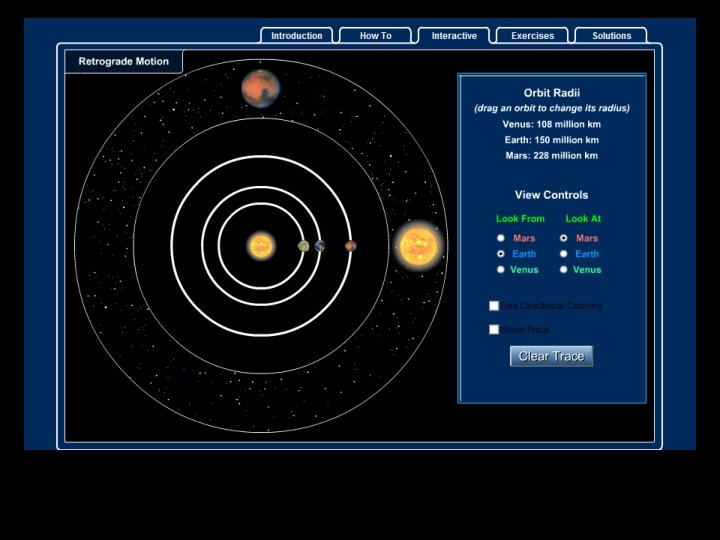
Geocentric Model –Earth was the center of the universe -all objects (the sun, planets, and stars) revolved around Earth -orbits were circular CAN NOT ACUURATELY Explain: 1. ) Motion of a Foucault's Pendulum 2. ) Retrograde motion (when we pass another planet in our orbit and it appears to move backward)
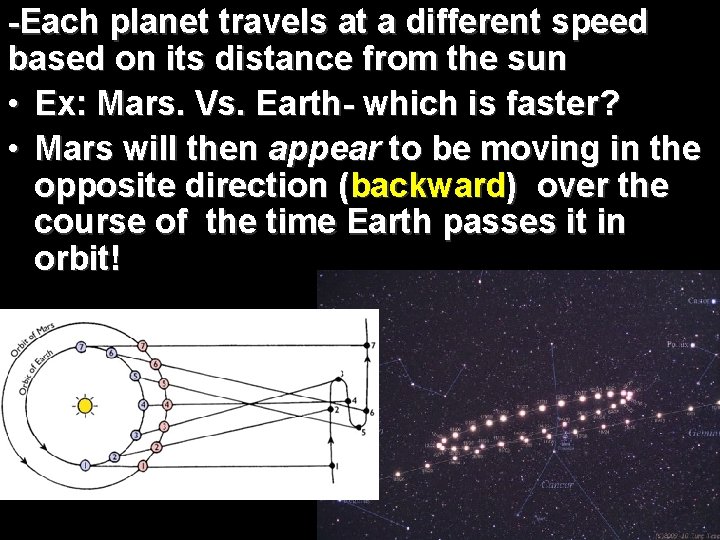
-Each planet travels at a different speed based on its distance from the sun • Ex: Mars. Vs. Earth- which is faster? • Mars will then appear to be moving in the opposite direction (backward) over the course of the time Earth passes it in orbit! Mars in retrograde Retrograde
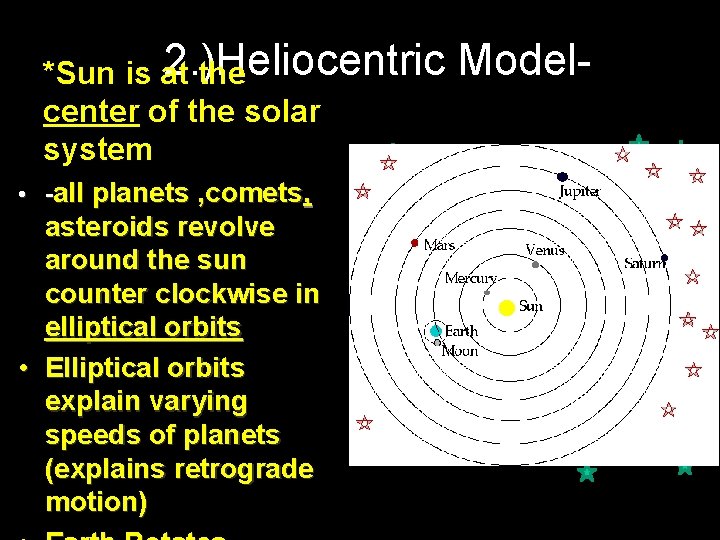
2. )Heliocentric *Sun is at the center of the solar system • -all planets , comets, asteroids revolve around the sun counter clockwise in elliptical orbits • Elliptical orbits explain varying speeds of planets (explains retrograde motion) Model-
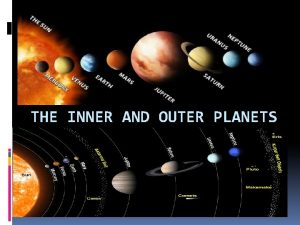
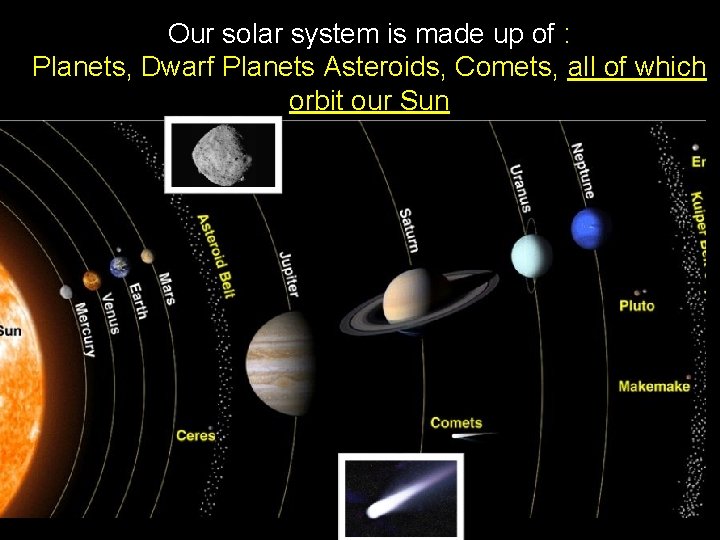
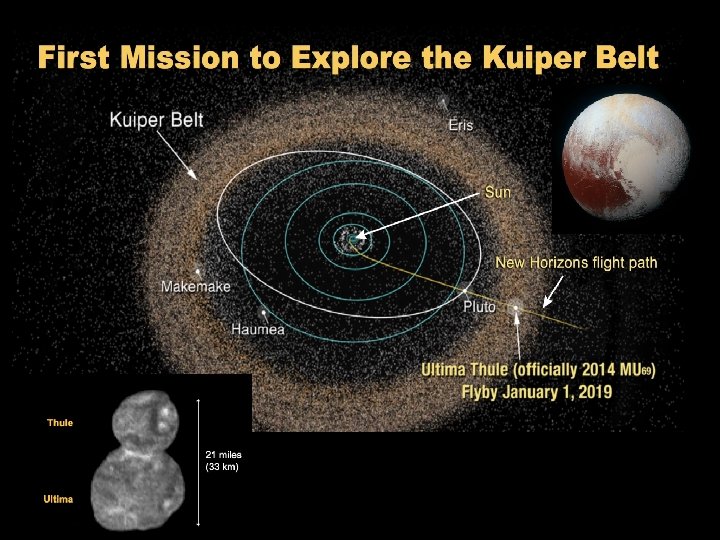
Our solar system is made up of : Planets, Dwarf Planets Asteroids, Comets, all of which orbit our Sun
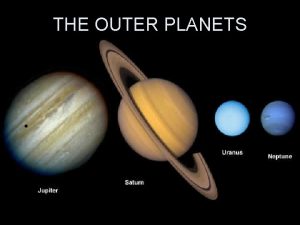
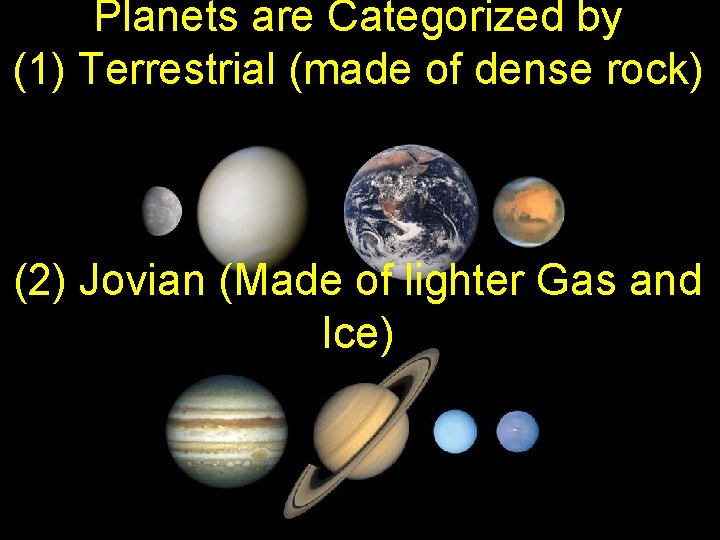
Planets are Categorized by (1) Terrestrial (made of dense rock) (2) Jovian (Made of lighter Gas and Ice)
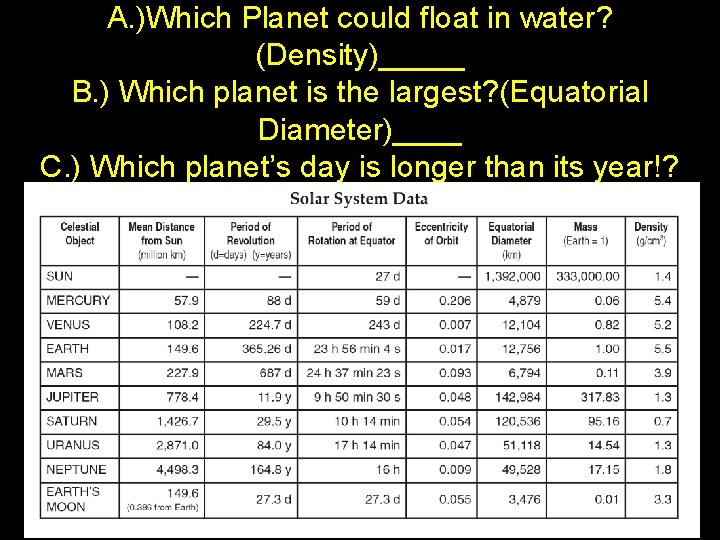
A. )Which Planet could float in water? (Density)_____ B. ) Which planet is the largest? (Equatorial Diameter)____ C. ) Which planet’s day is longer than its year!? (Rotation/day vs. Revolution/year)_______
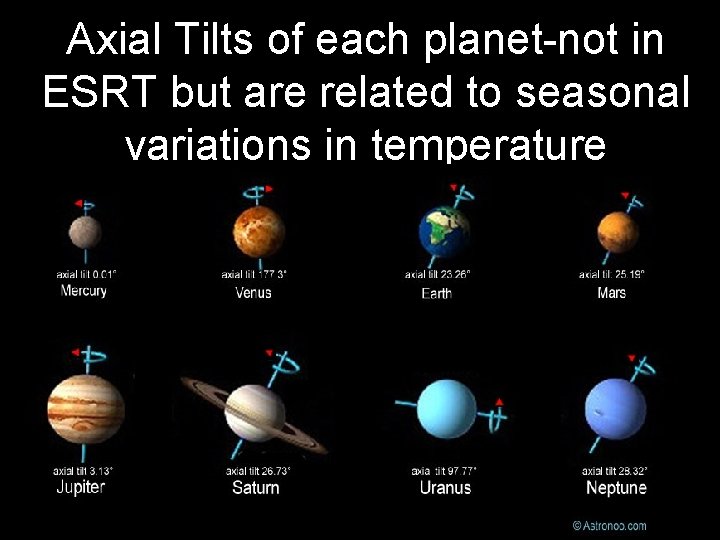
Axial Tilts of each planet-not in ESRT but are related to seasonal variations in temperature
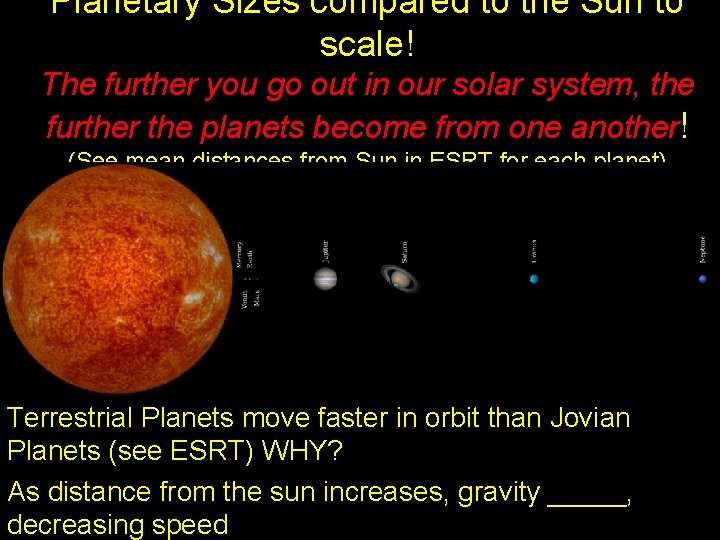
Planetary Sizes compared to the Sun to scale! The further you go out in our solar system, the further the planets become from one another! (See mean distances from Sun in ESRT for each planet) Terrestrial Planets move faster in orbit than Jovian Planets (see ESRT) WHY? As distance from the sun increases, gravity _____, decreasing speed
Kepler’s Laws of Planetary Motion (Responsible for the Information on the “Motions of Planets” in
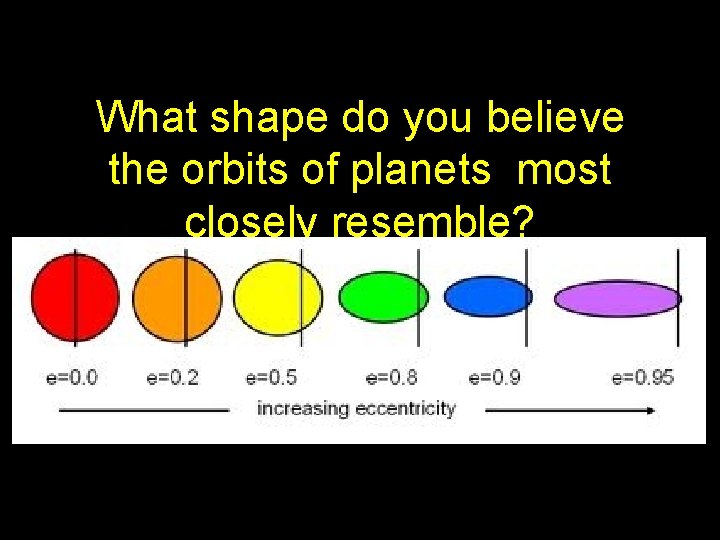
What shape do you believe the orbits of planets most closely resemble?
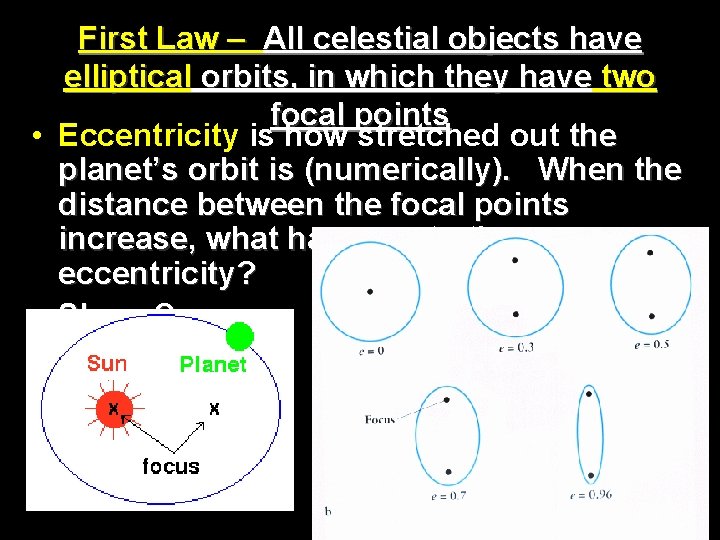
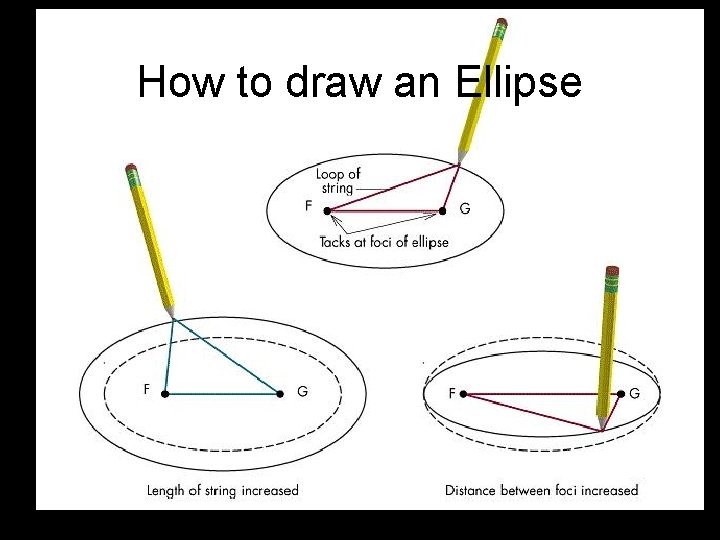
First Law – All celestial objects have elliptical orbits, in which they have two focal points • Eccentricity is how stretched out the planet’s orbit is (numerically). When the distance between the focal points increase, what happens to the eccentricity? • Shape?
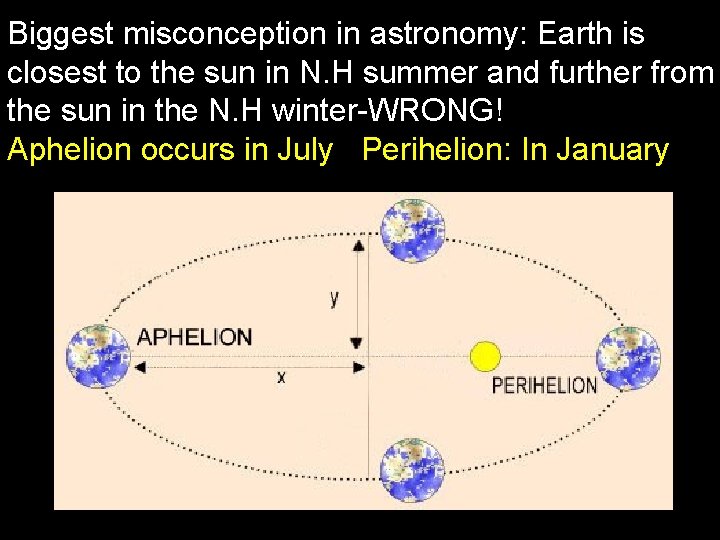
Biggest misconception in astronomy: Earth is closest to the sun in N. H summer and further from the sun in the N. H winter-WRONG! Aphelion occurs in July Perihelion: In January
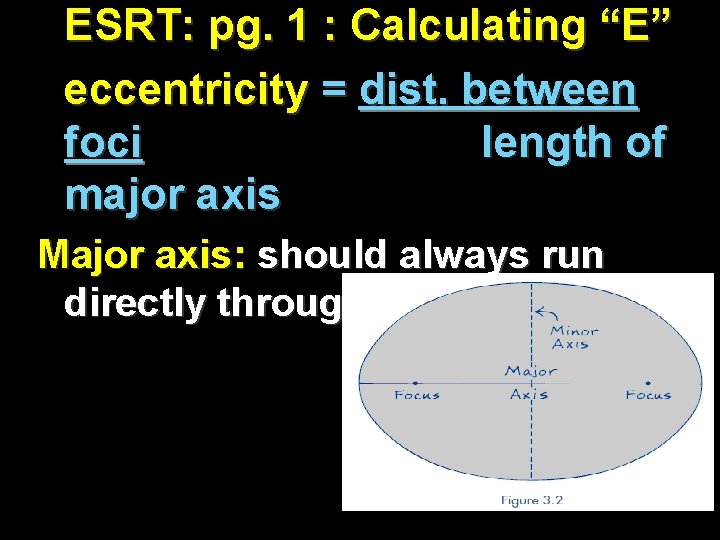
ESRT: pg. 1 : Calculating “E” eccentricity = dist. between foci length of major axis Major axis: should always run directly through the focal points
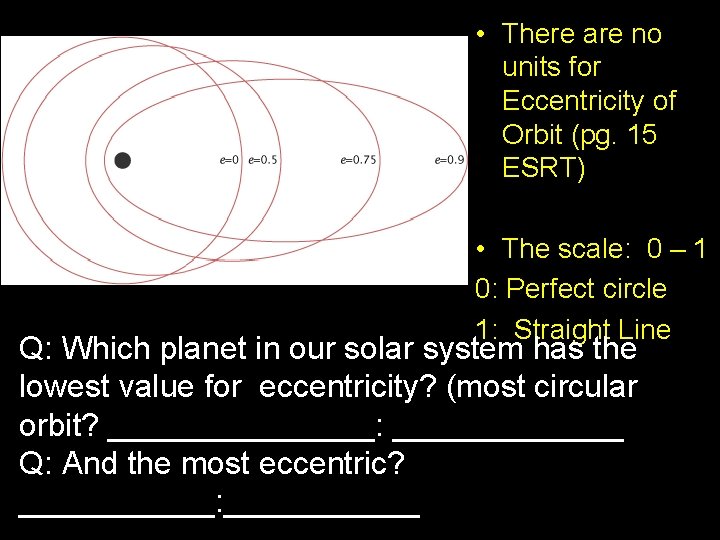
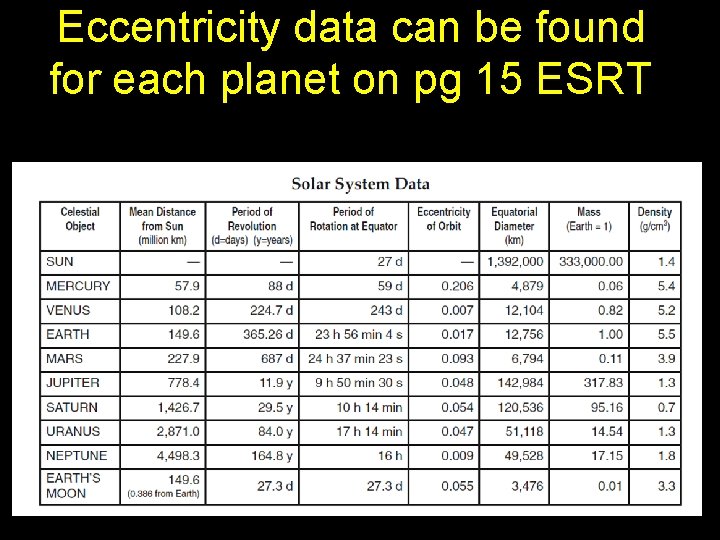
• There are no units for Eccentricity of Orbit (pg. 15 ESRT) • The scale: 0 – 1 0: Perfect circle 1: Straight Line Q: Which planet in our solar system has the lowest value for eccentricity? (most circular orbit? ________: _______ Q: And the most eccentric? ______: ______
Eccentricity data can be found for each planet on pg 15 ESRT
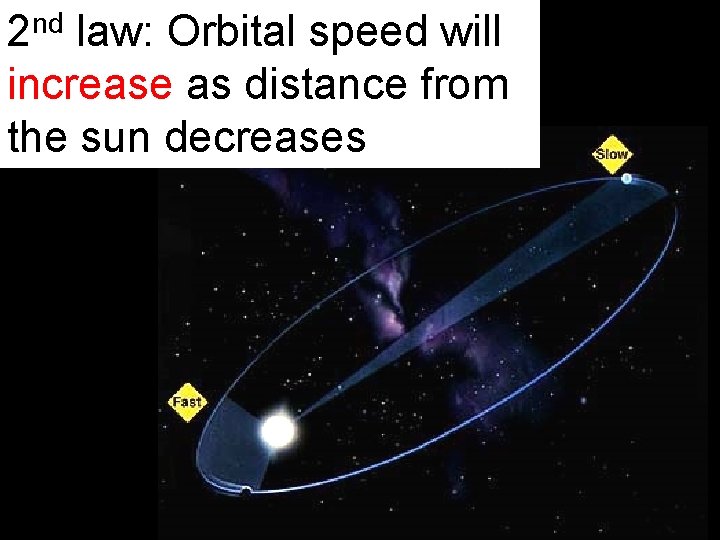
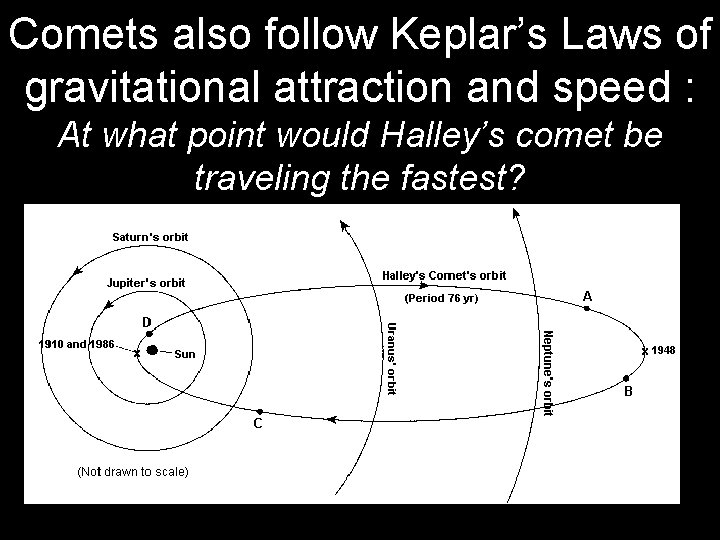
2 nd law: Orbital speed will increase as distance from the sun decreases
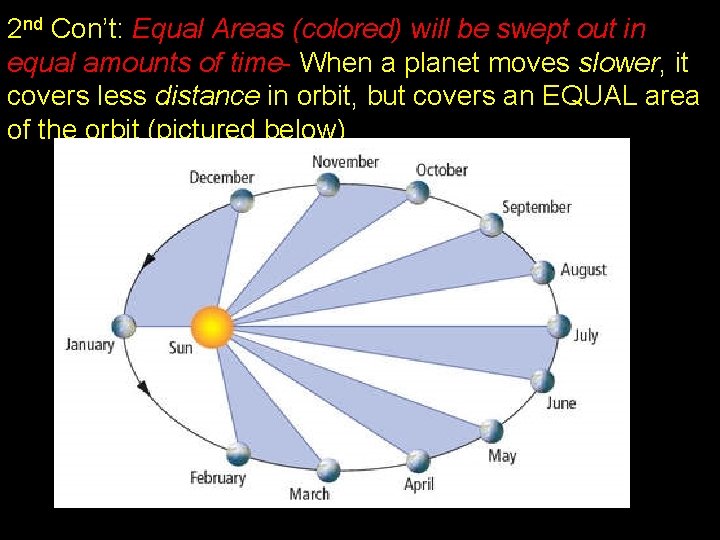
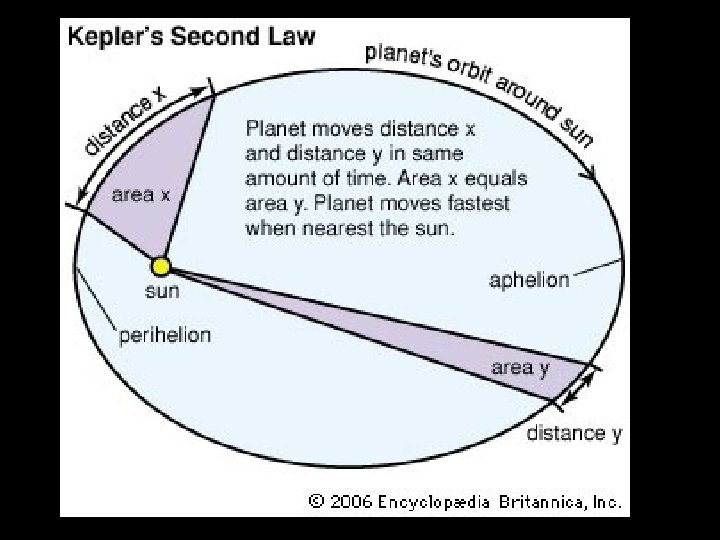
2 nd Con’t: Equal Areas (colored) will be swept out in equal amounts of time- When a planet moves slower, it covers less distance in orbit, but covers an EQUAL area of the orbit (pictured below)
Comets also follow Keplar’s Laws of gravitational attraction and speed : At what point would Halley’s comet be traveling the fastest?
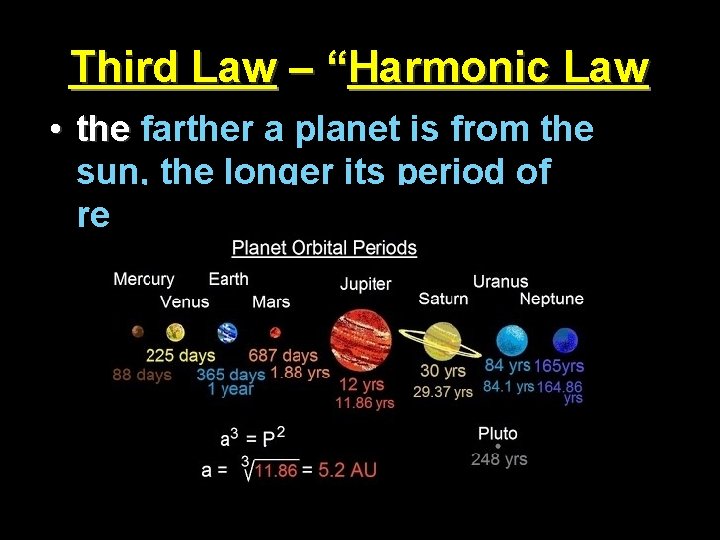
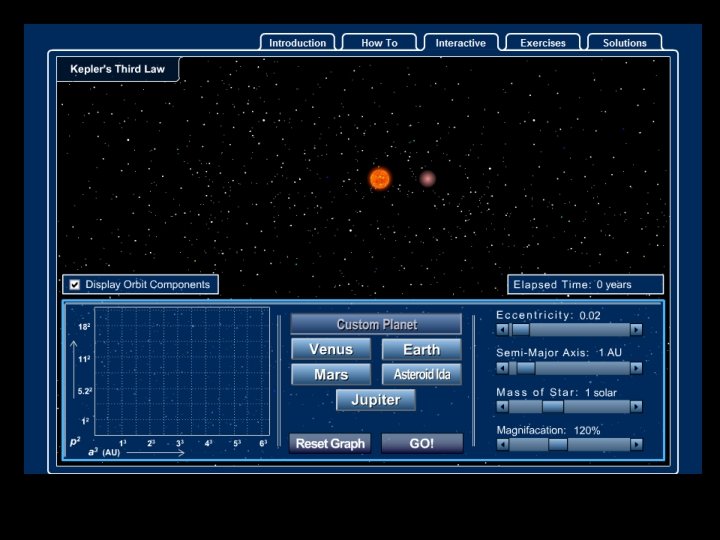
Third Law – “Harmonic Law” Harmonic Law • the farther a planet is from the sun, the longer its period of revolution
How to draw an Ellipse
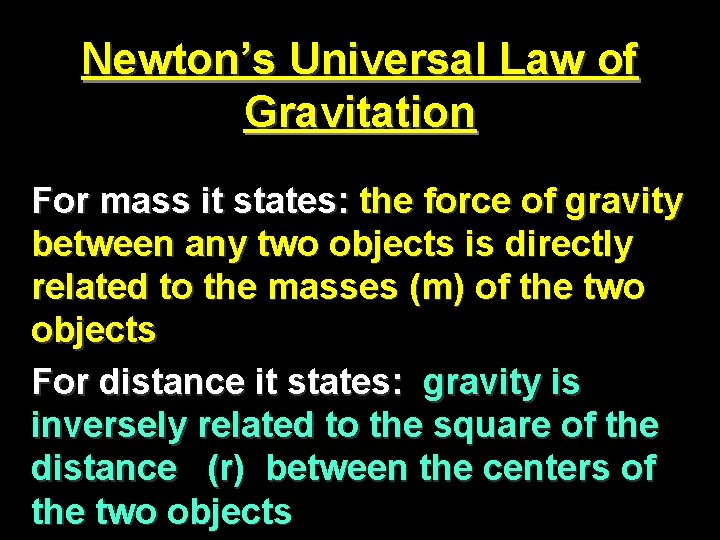
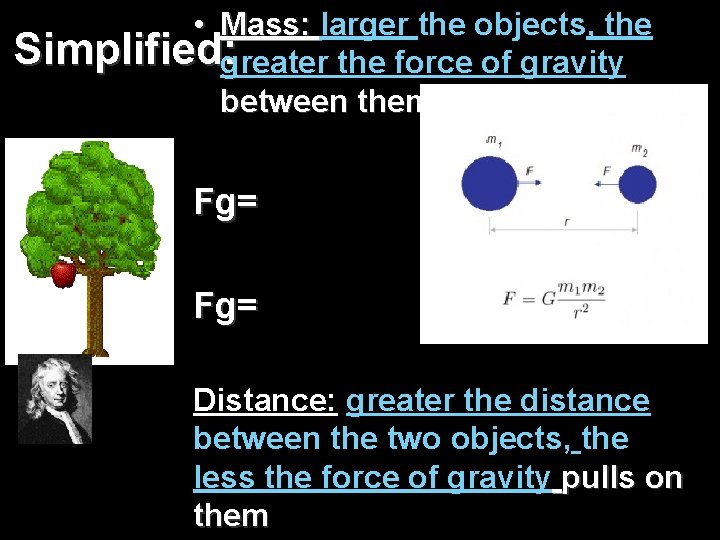
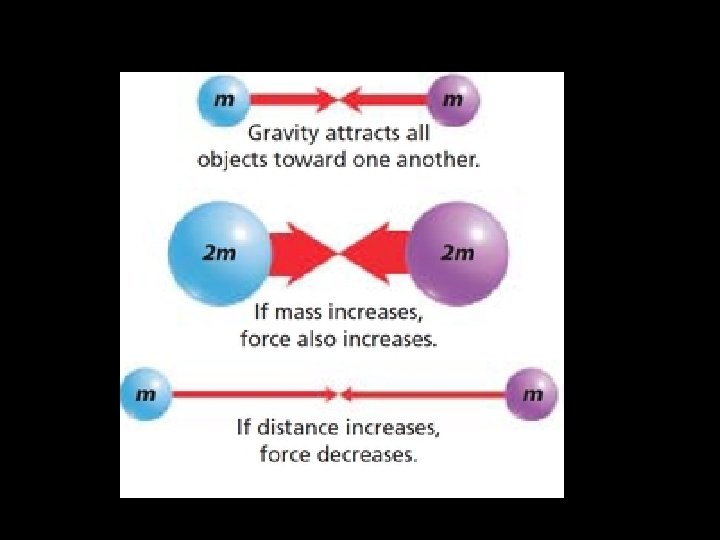
Newton’s Universal Law of Gravitation For mass it states: the force of gravity between any two objects is directly related to the masses (m) of the two objects For distance it states: gravity is inversely related to the square of the distance (r) between the centers of the two objects
• Mass: larger the objects, the Mass: Simplified: greater the force of gravity between them Fg= Distance: greater the distance between the two objects, the less the force of gravity pulls on them
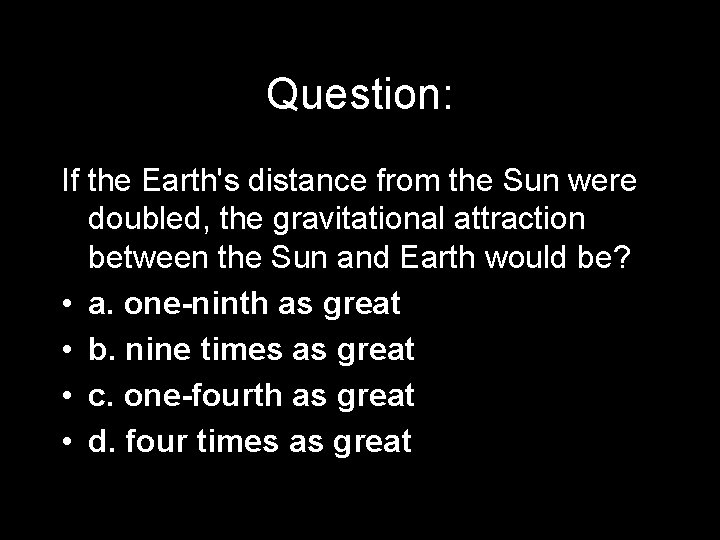
Question: If the Earth's distance from the Sun were doubled, the gravitational attraction between the Sun and Earth would be? • a. one-ninth as great • b. nine times as great • c. one-fourth as great • d. four times as great
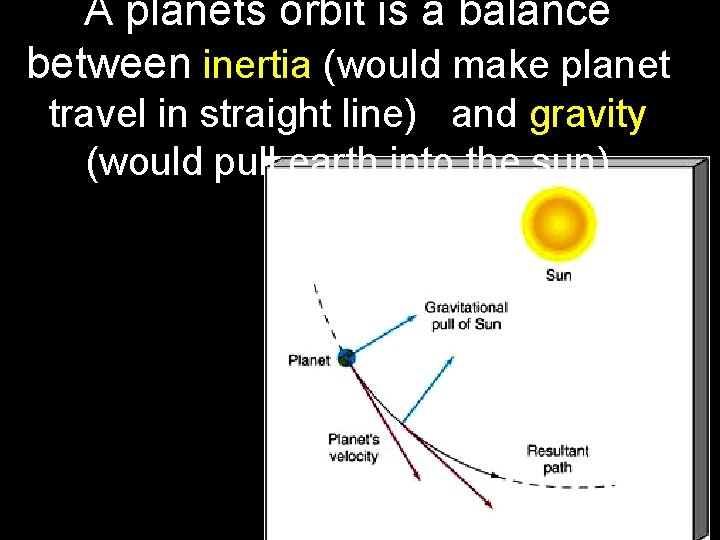
A planets orbit is a balance between inertia (would make planet travel in straight line) and gravity (would pull earth into the sun)