
Parsing and Syntax Syntactic Formalisms Historic Perspective Syntax
- Slides: 32
Parsing and Syntax
Syntactic Formalisms: Historic Perspective • “Syntax” comes from Greek word “syntaxis”, meaning “setting out together or arrangement” • Early grammars: 4 th century BC – Panini compiled Sanskrit grammar • Idea of constituency – Bloomfield (1914): method for breaking up sentence into a hierarchy of units – Harris (1954): substitutability test for constituent definition • Formal work on Syntax goes back to Chomsky’s Ph. D thesis in 1950 s *Some slides in this lecture adapted from slides of Michael Collins
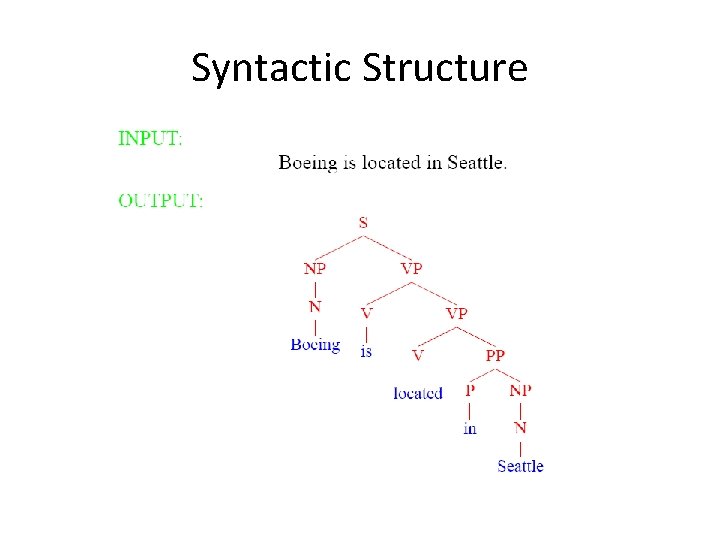
Syntactic Structure
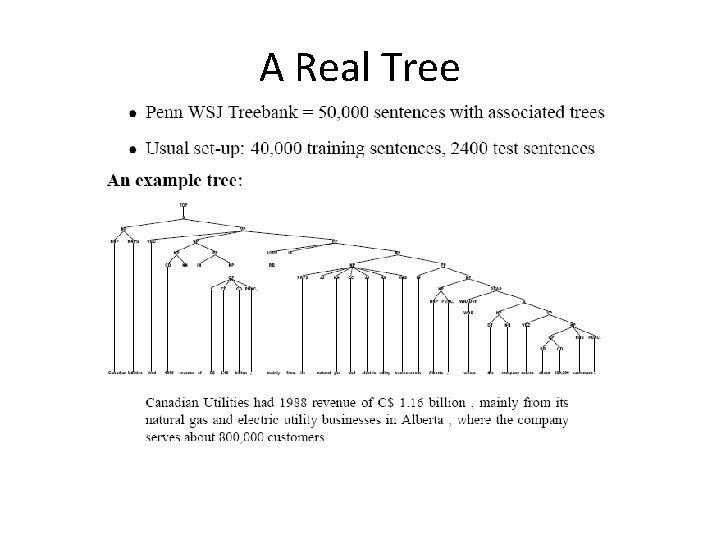
A Real Tree
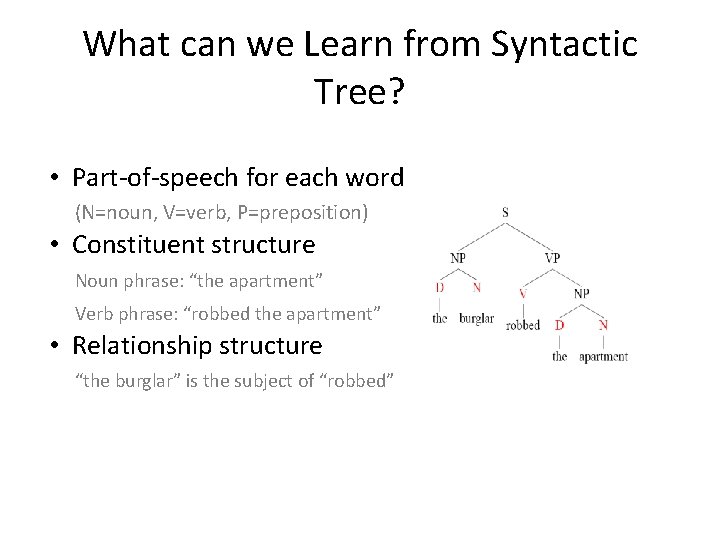
What can we Learn from Syntactic Tree? • Part-of-speech for each word (N=noun, V=verb, P=preposition) • Constituent structure Noun phrase: “the apartment” Verb phrase: “robbed the apartment” • Relationship structure “the burglar” is the subject of “robbed”
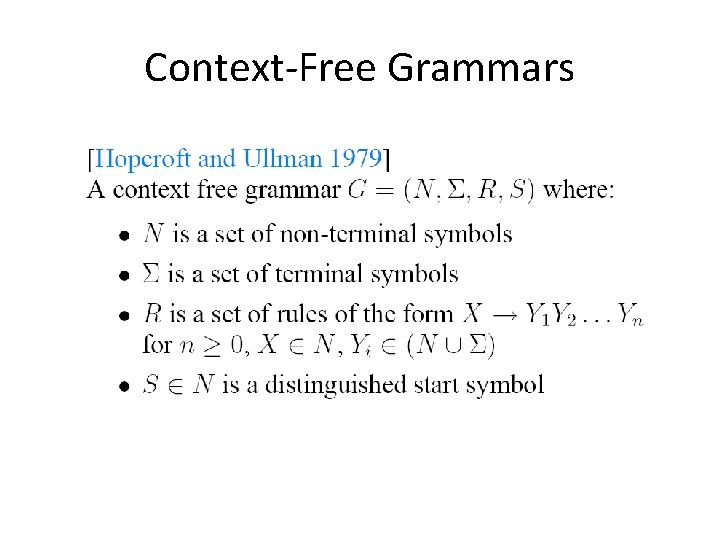
Context-Free Grammars
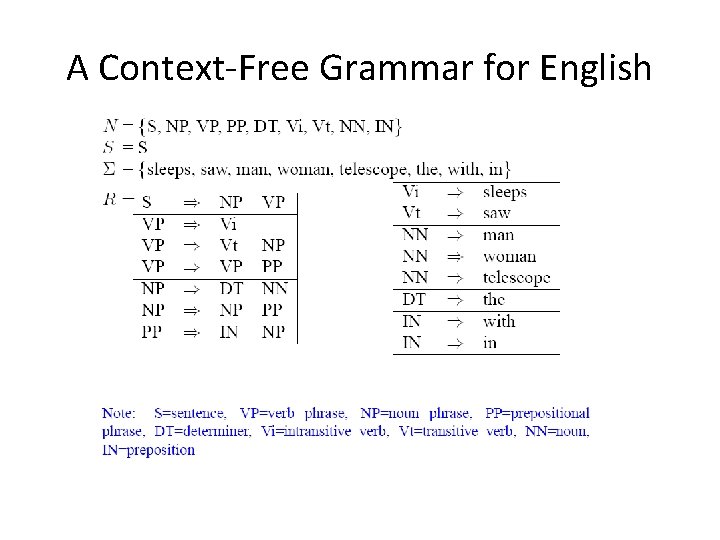
A Context-Free Grammar for English
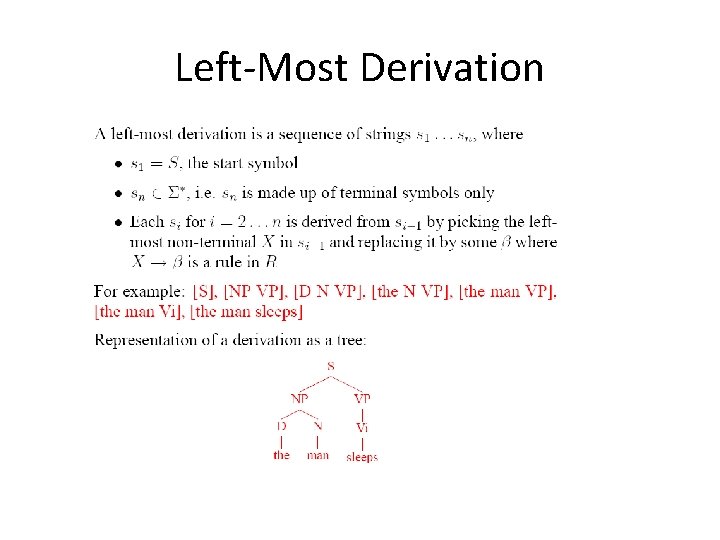
Left-Most Derivation
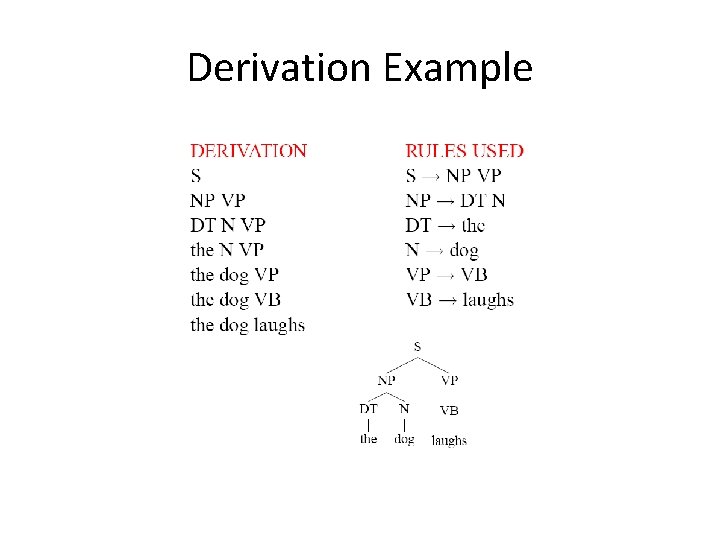
Derivation Example
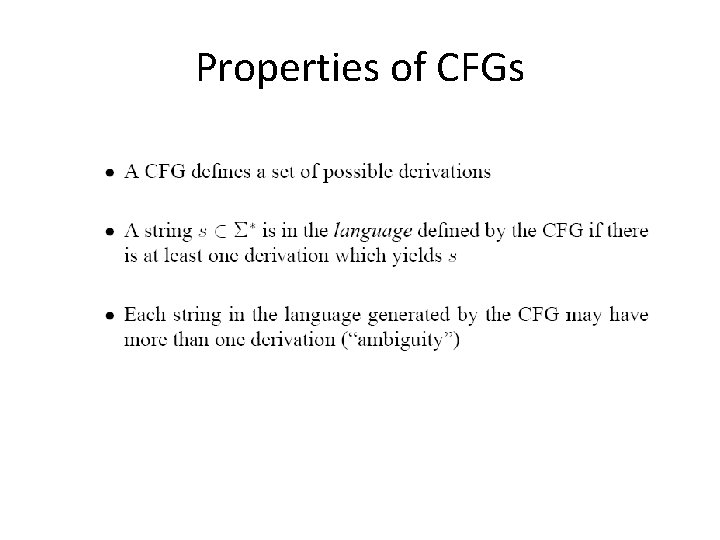
Properties of CFGs
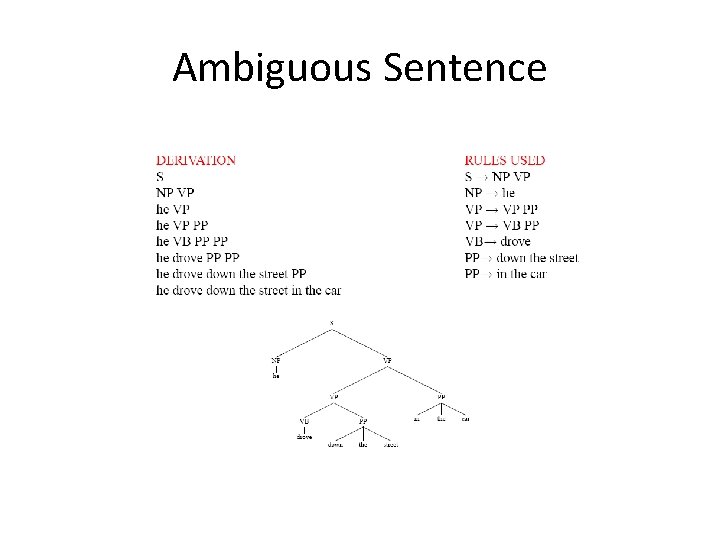
Ambiguous Sentence
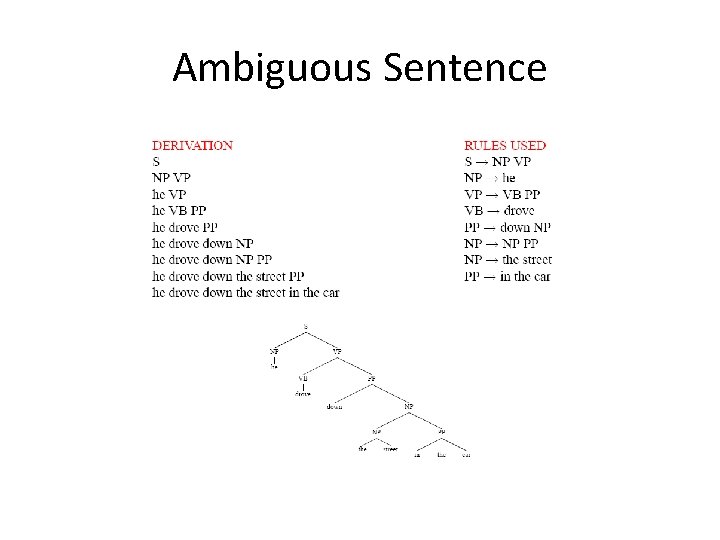
Ambiguous Sentence
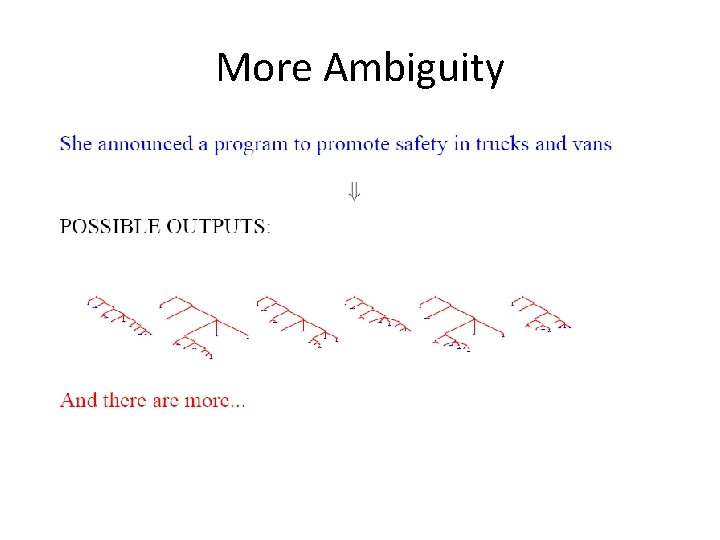
More Ambiguity
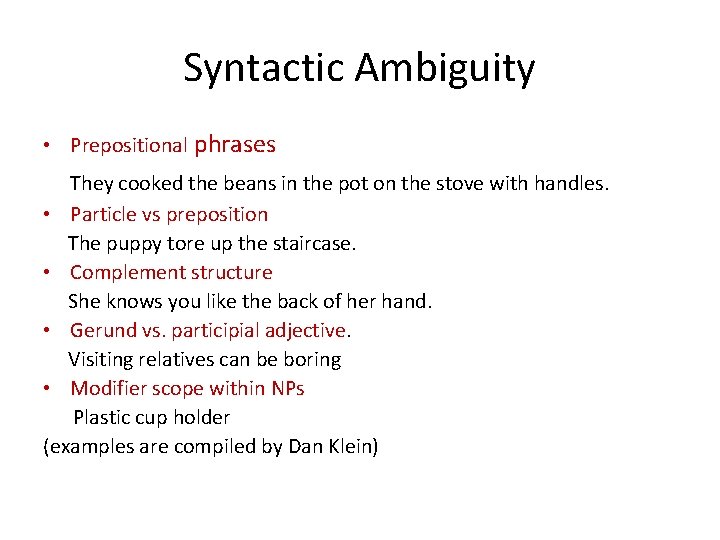
Syntactic Ambiguity • Prepositional phrases They cooked the beans in the pot on the stove with handles. • Particle vs preposition The puppy tore up the staircase. • Complement structure She knows you like the back of her hand. • Gerund vs. participial adjective. Visiting relatives can be boring • Modifier scope within NPs Plastic cup holder (examples are compiled by Dan Klein)
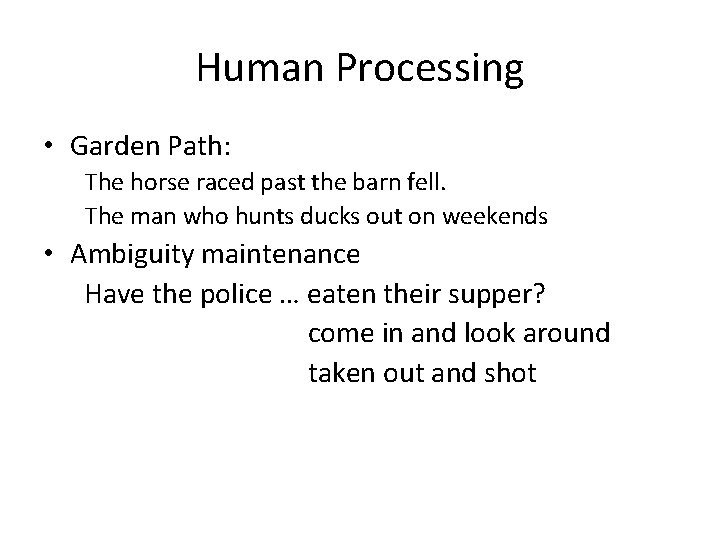
Human Processing • Garden Path: The horse raced past the barn fell. The man who hunts ducks out on weekends • Ambiguity maintenance Have the police … eaten their supper? come in and look around taken out and shot
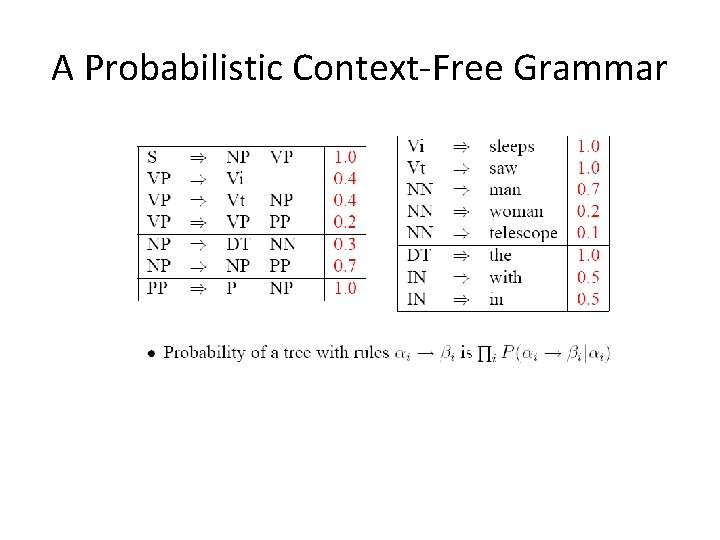
A Probabilistic Context-Free Grammar
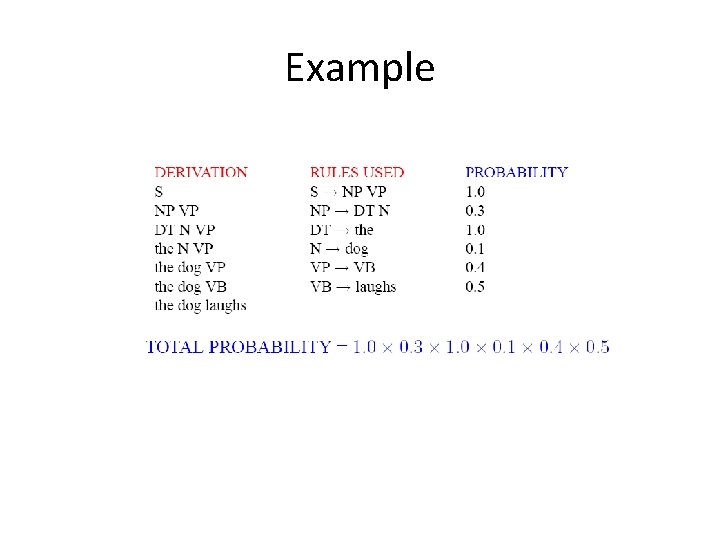
Example
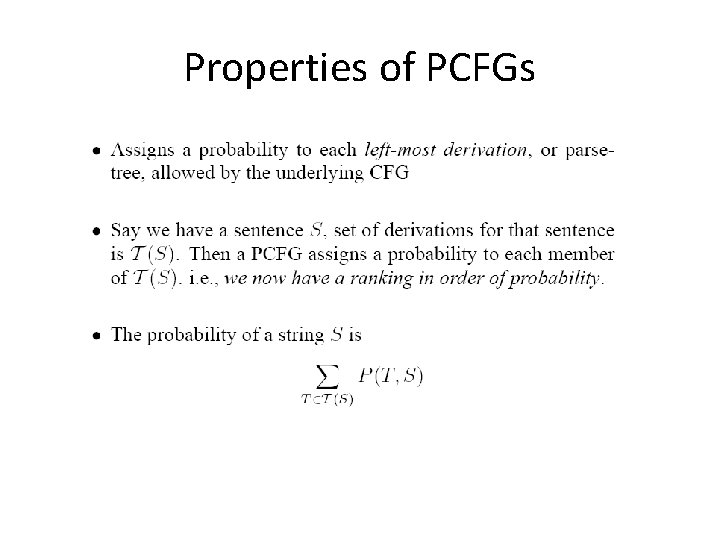
Properties of PCFGs
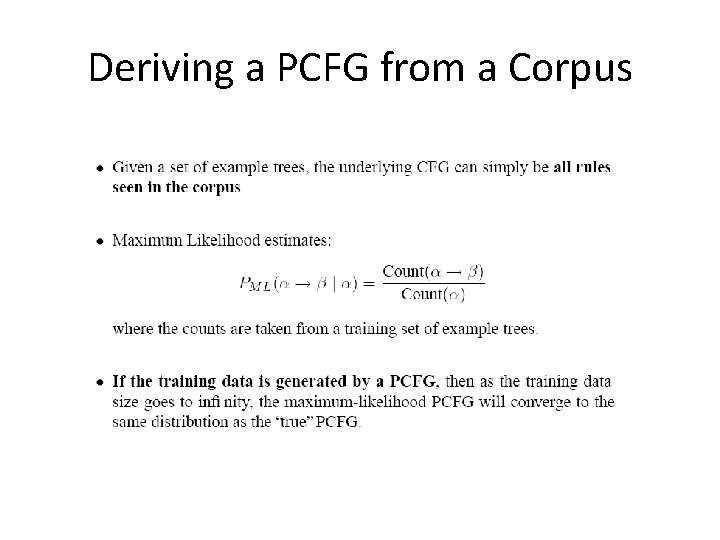
Deriving a PCFG from a Corpus
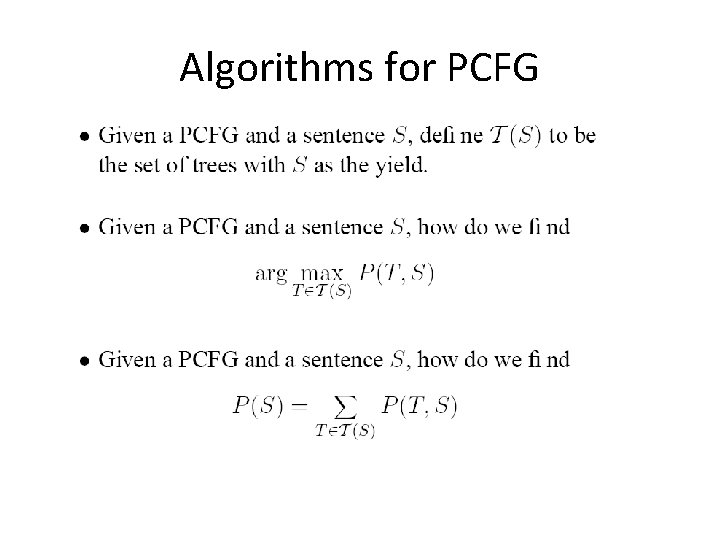
Algorithms for PCFG
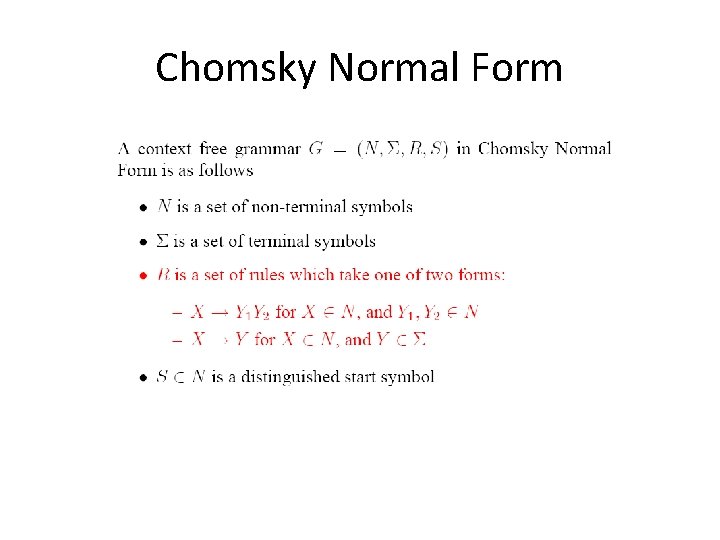
Chomsky Normal Form
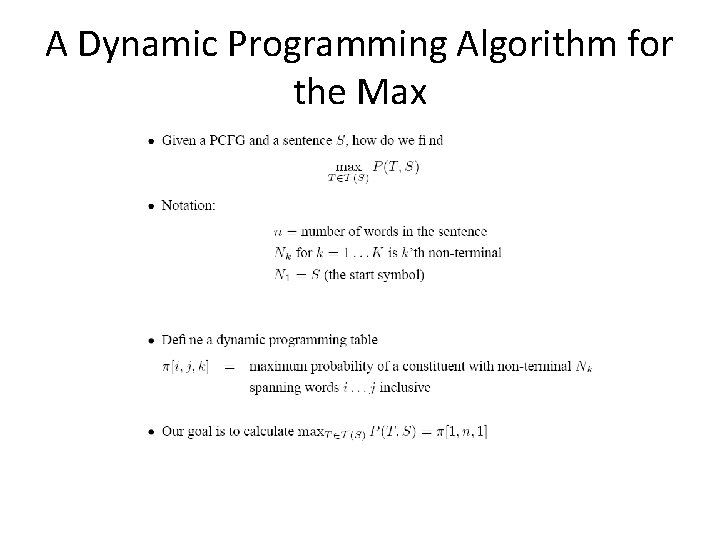
A Dynamic Programming Algorithm for the Max
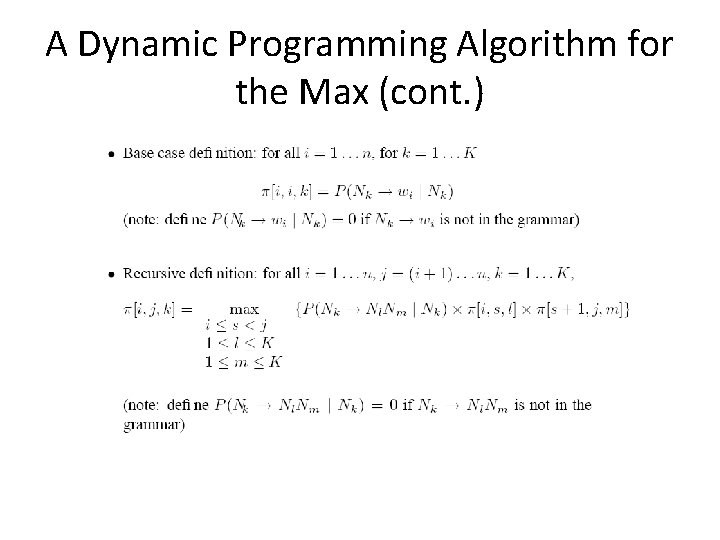
A Dynamic Programming Algorithm for the Max (cont. )
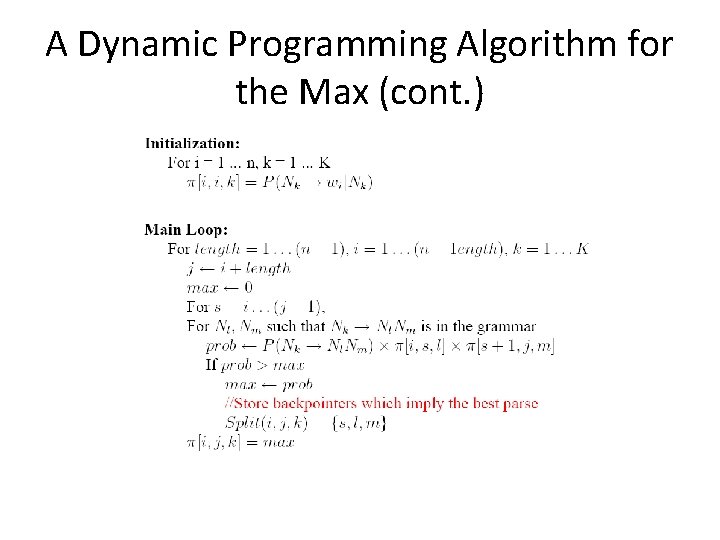
A Dynamic Programming Algorithm for the Max (cont. )
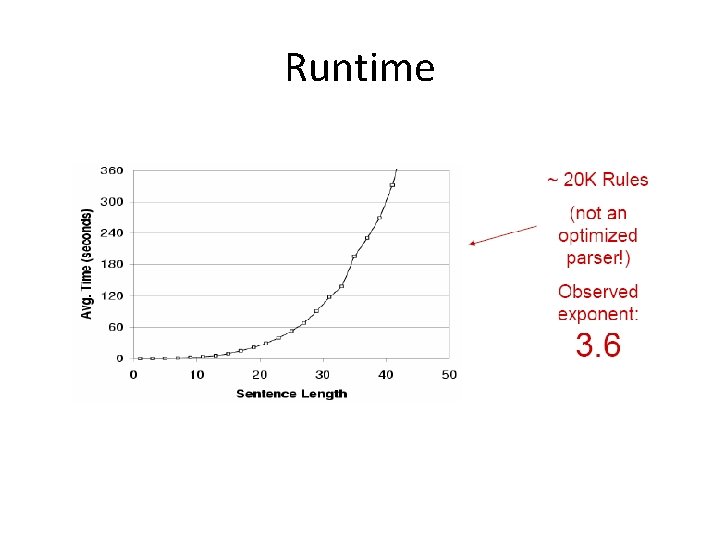
Runtime
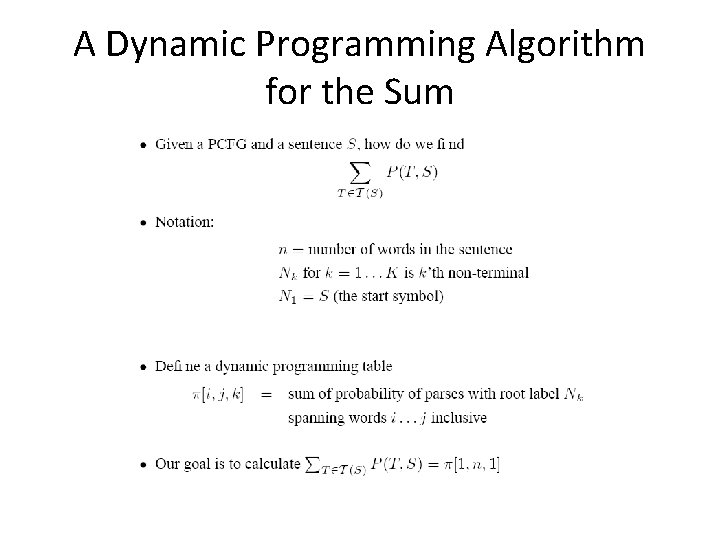
A Dynamic Programming Algorithm for the Sum
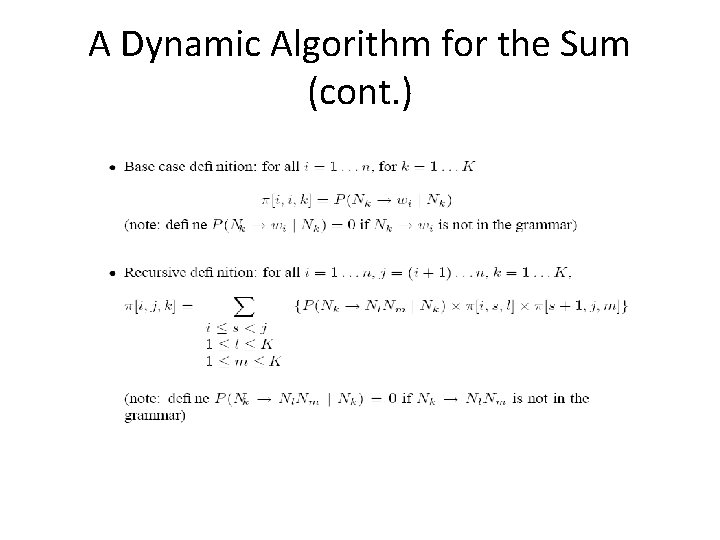
A Dynamic Algorithm for the Sum (cont. )
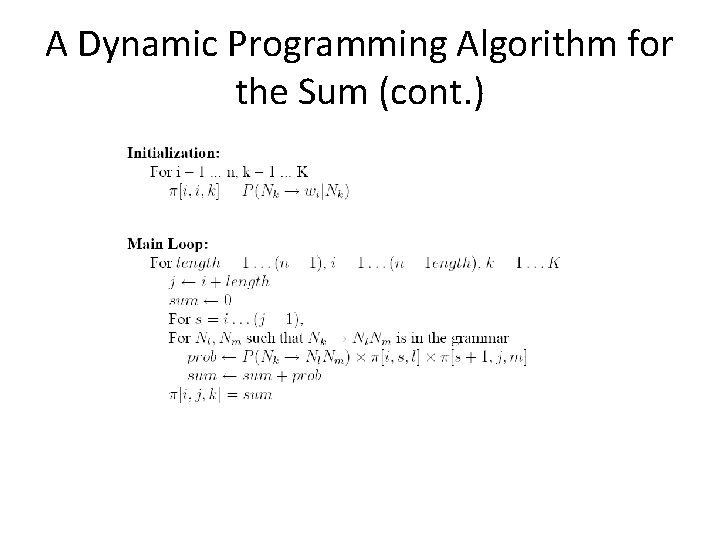
A Dynamic Programming Algorithm for the Sum (cont. )
Weaknesses of PCFGs • Lack of sensitivity to lexical information • Lack of sensitivity to structural frequencies
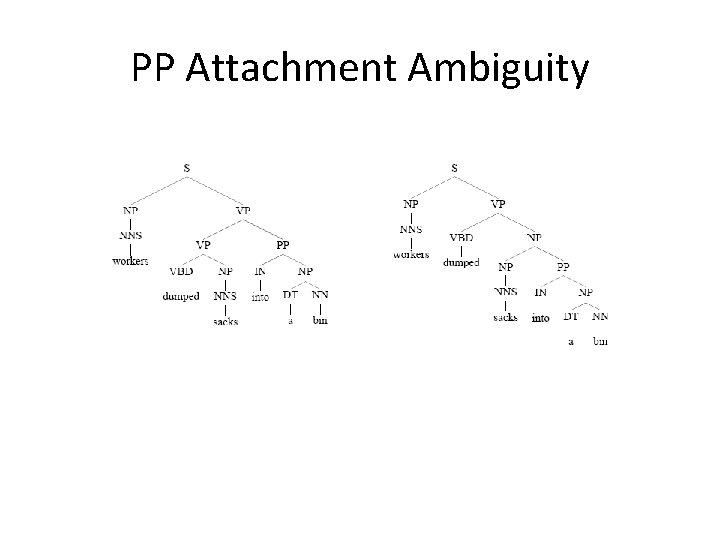
PP Attachment Ambiguity
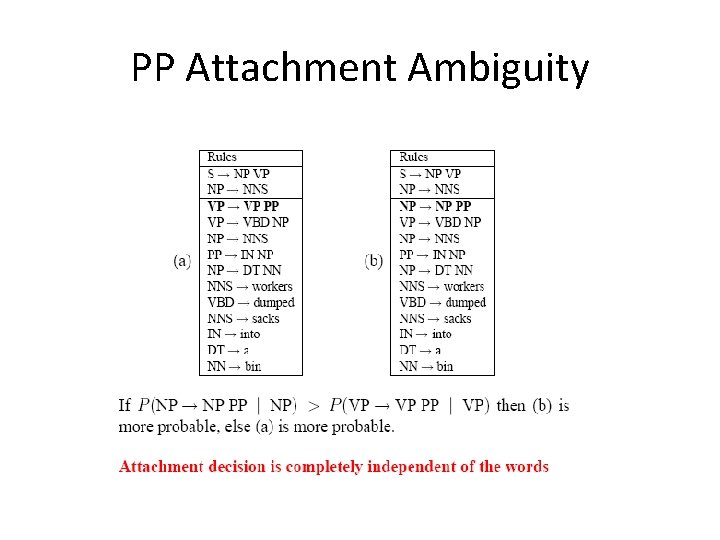
PP Attachment Ambiguity
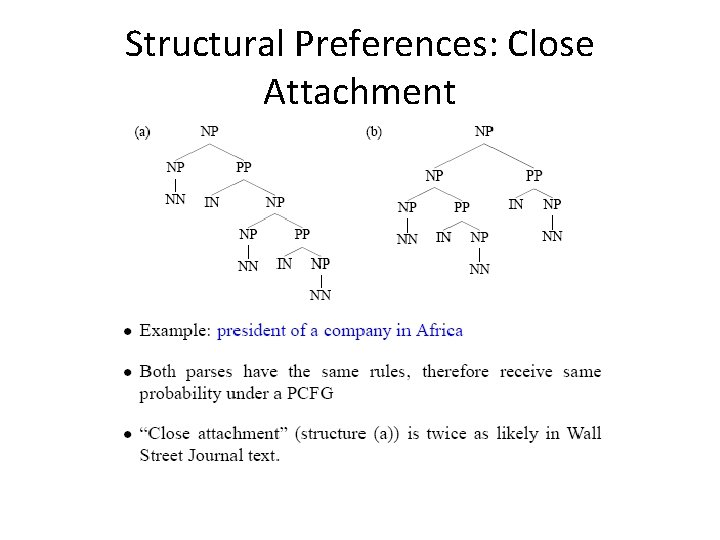
Structural Preferences: Close Attachment