Parametric Optical Limiters Alessandro Salandrino EECS Department University

- Slides: 37
Parametric Optical Limiters Alessandro Salandrino EECS Department, University of Kansas a. salandrino@ku. edu
Outline • Motivation and relevance. • Optical limiters and optical switches. • Electromagnetic Parametric Resonances in Time-Varying Media. • Parametric Optical Limiters. • Conclusions and outlook.
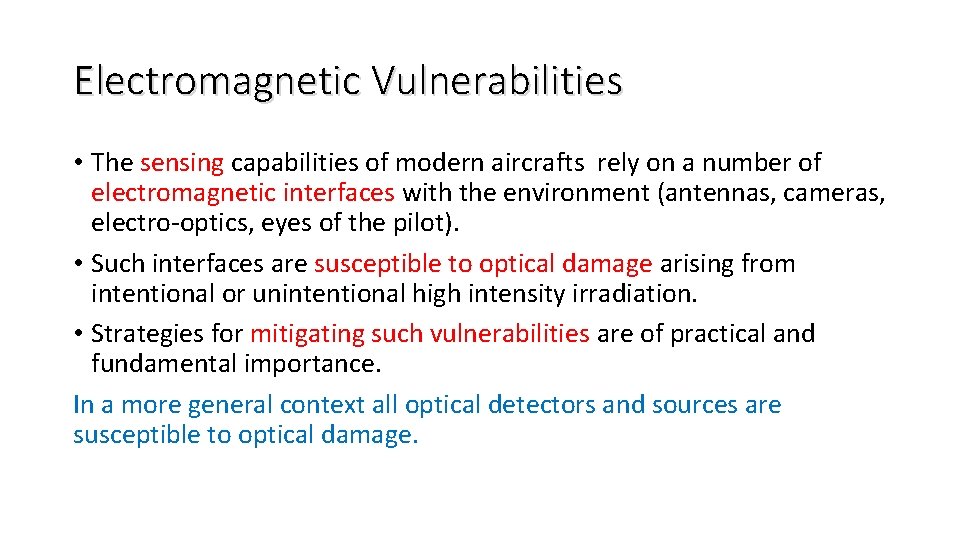
Electromagnetic Vulnerabilities • The sensing capabilities of modern aircrafts rely on a number of electromagnetic interfaces with the environment (antennas, cameras, electro-optics, eyes of the pilot). • Such interfaces are susceptible to optical damage arising from intentional or unintentional high intensity irradiation. • Strategies for mitigating such vulnerabilities are of practical and fundamental importance. In a more general context all optical detectors and sources are susceptible to optical damage.
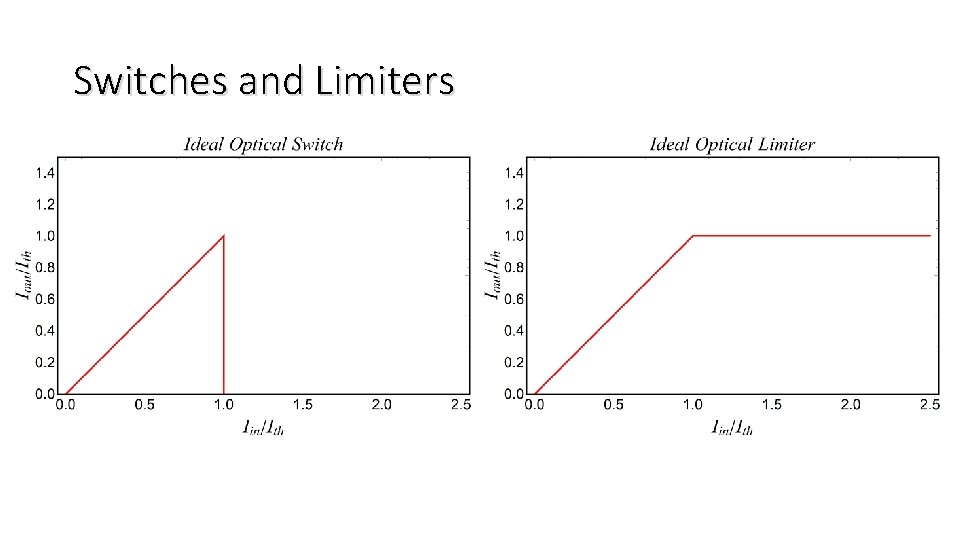
Switches and Limiters
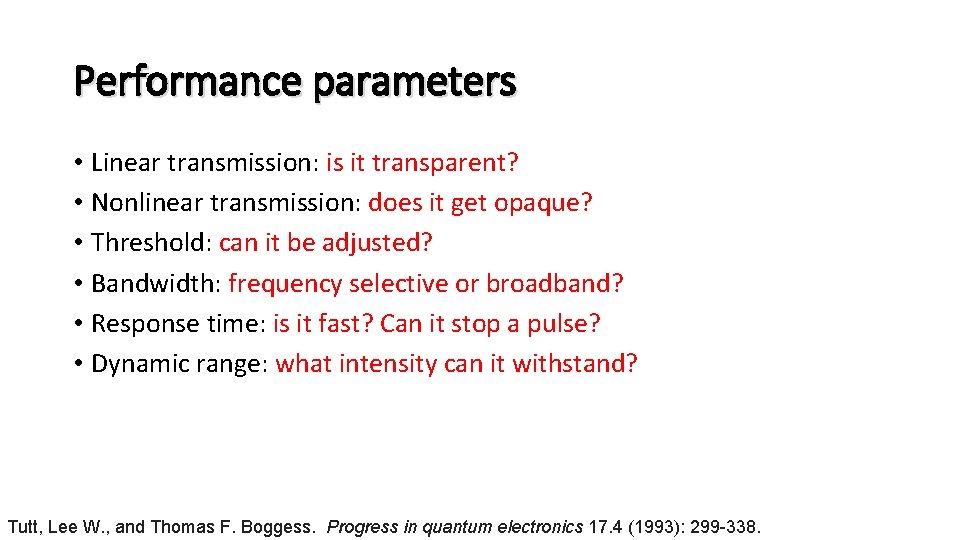
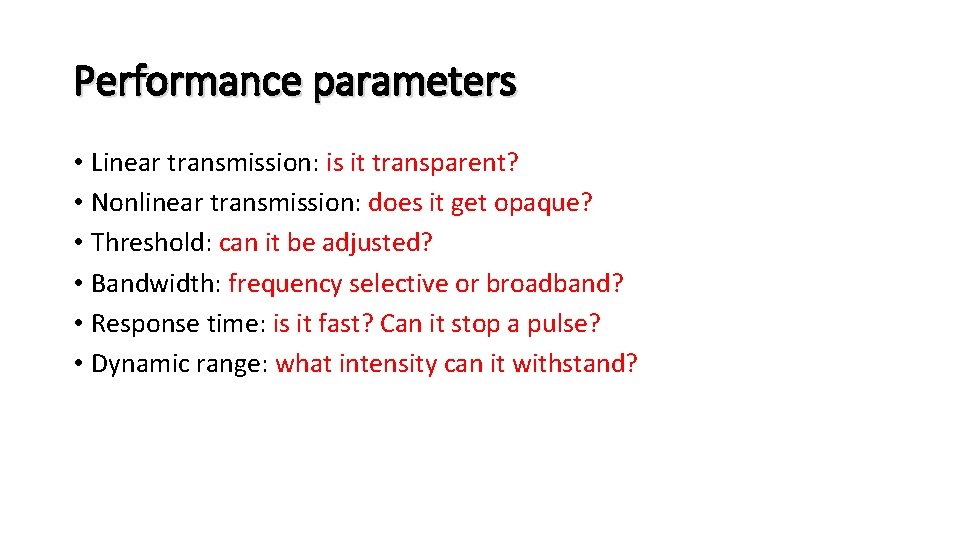
Performance parameters • Linear transmission: is it transparent? • Nonlinear transmission: does it get opaque? • Threshold: can it be adjusted? • Bandwidth: frequency selective or broadband? • Response time: is it fast? Can it stop a pulse? • Dynamic range: what intensity can it withstand? Tutt, Lee W. , and Thomas F. Boggess. Progress in quantum electronics 17. 4 (1993): 299 -338.
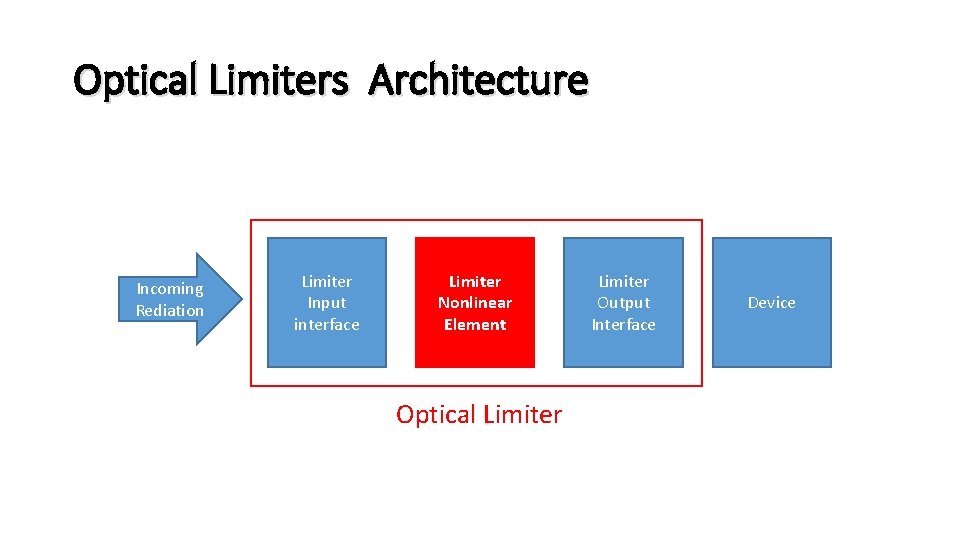
Optical Limiters Architecture Incoming Rediation Limiter Input interface Limiter Nonlinear Element Optical Limiter Output Interface Device
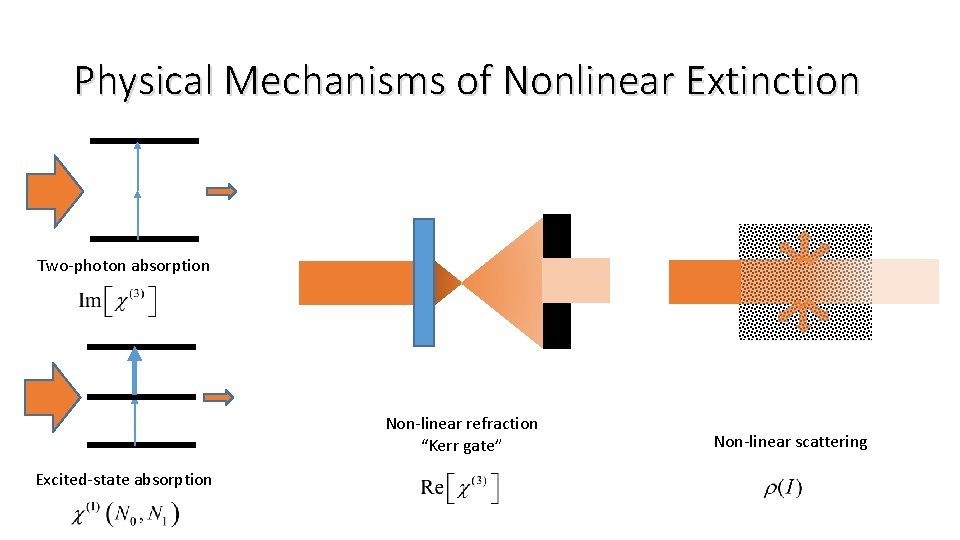
Physical Mechanisms of Nonlinear Extinction Two-photon absorption Non-linear refraction “Kerr gate” Excited-state absorption Non-linear scattering
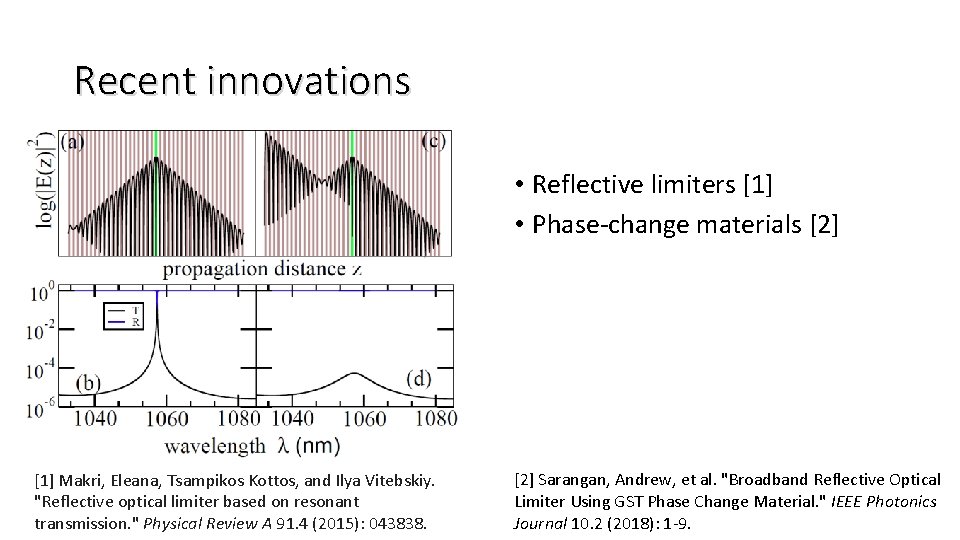
Recent innovations • Reflective limiters [1] • Phase-change materials [2] [1] Makri, Eleana, Tsampikos Kottos, and Ilya Vitebskiy. "Reflective optical limiter based on resonant transmission. " Physical Review A 91. 4 (2015): 043838. [2] Sarangan, Andrew, et al. "Broadband Reflective Optical Limiter Using GST Phase Change Material. " IEEE Photonics Journal 10. 2 (2018): 1 -9.
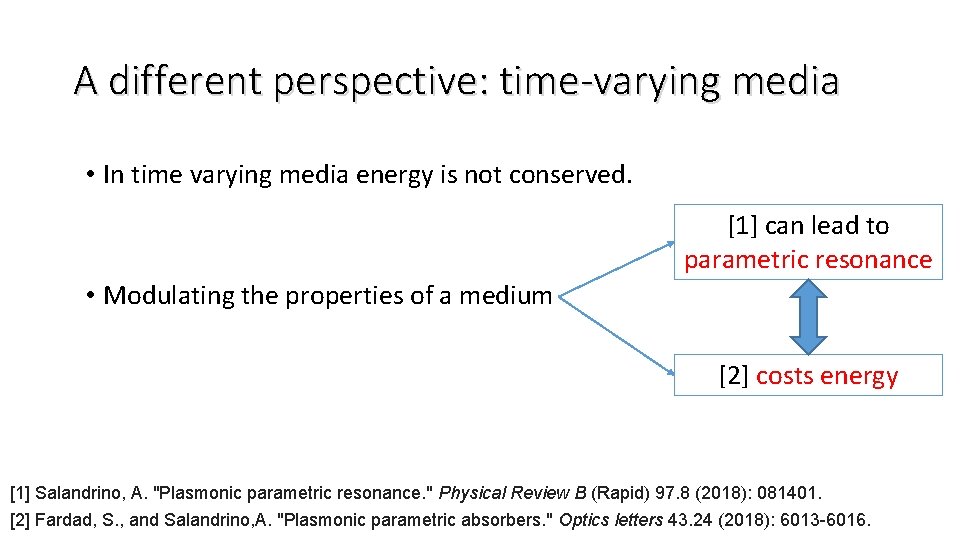
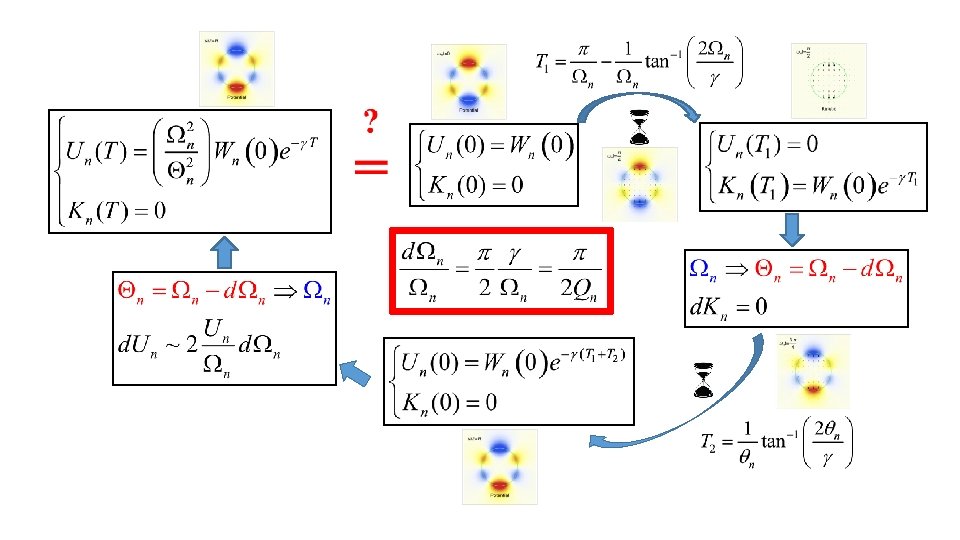
A different perspective: time-varying media • In time varying media energy is not conserved. [1] can lead to parametric resonance • Modulating the properties of a medium [2] costs energy [1] Salandrino, A. "Plasmonic parametric resonance. " Physical Review B (Rapid) 97. 8 (2018): 081401. [2] Fardad, S. , and Salandrino, A. "Plasmonic parametric absorbers. " Optics letters 43. 24 (2018): 6013 -6016.
How does linear absorption work? • The electromagnetic field performs work on a system of charges. • A portion of that energy is radiated back coherently. • A portion of that energy is dissipated (i. e. transferred to other degrees of freedom of the system of charges that are decoupled from the incident radiation). • What is the rate of linear absorption?
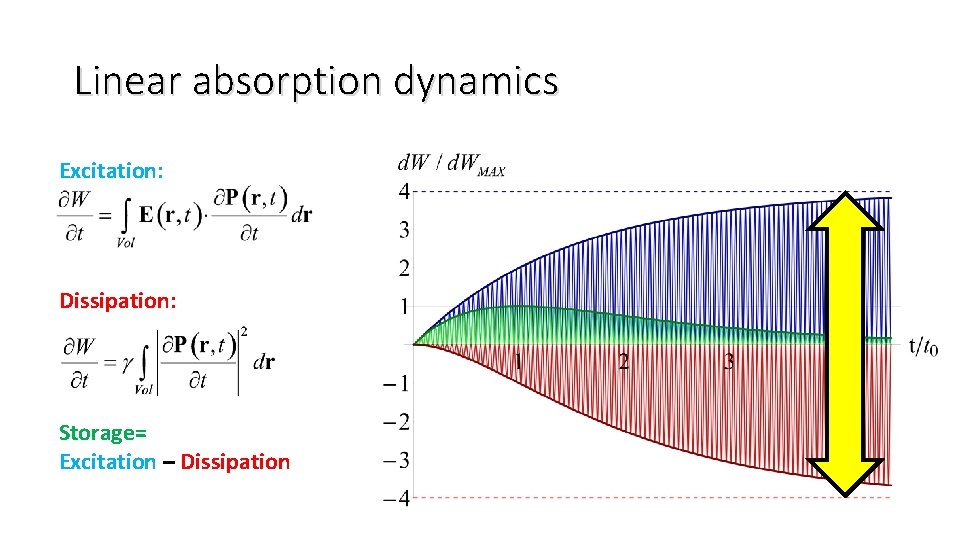
Linear absorption dynamics Excitation: Dissipation: Storage= Excitation – Dissipation
Lessons learned from linear absorption • If the goal is increasing extinction, more energy must be transferred from the field to the medium. • Trade-off between large currents and large dissipation: • The amount of energy extracted from the field is proportional to the current density J. • The maximum current density J that can be achieved is limited by dissipation. 2 questions: • Can time-varying media be used to increase extinction? extinction • Can time-varying media lead to reverse saturable extinction? extinction
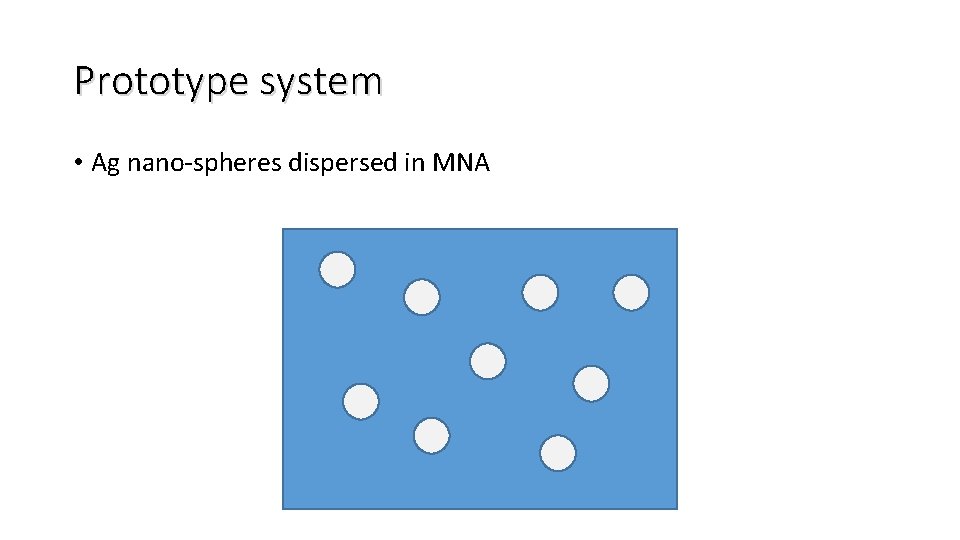
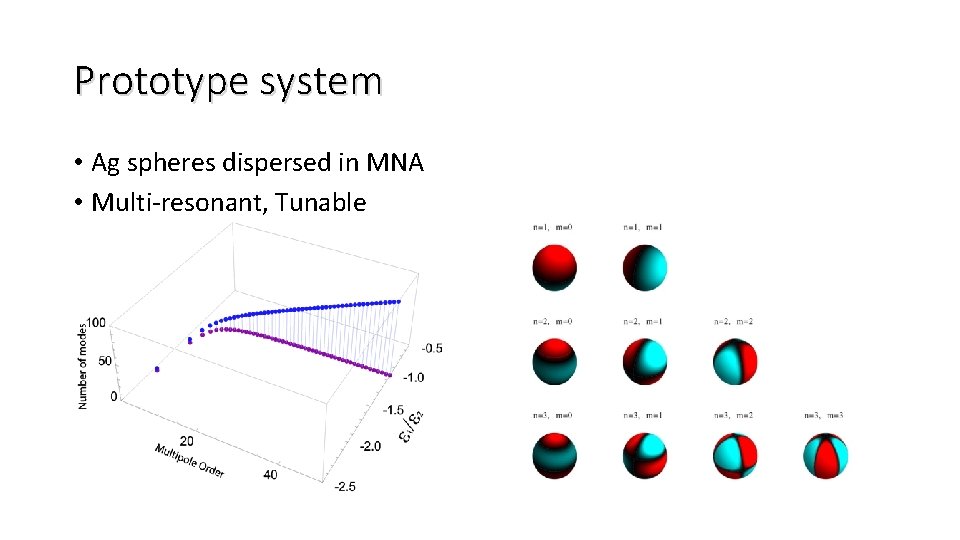
Prototype system • Ag nano-spheres dispersed in MNA
Prototype system • Ag spheres dispersed in MNA • Multi-resonant, Tunable
Intermission Plasmonic Parametric Resonance Salandrino, A. "Plasmonic parametric resonance. " Physical Review B 97. 8 (2018): 081401.
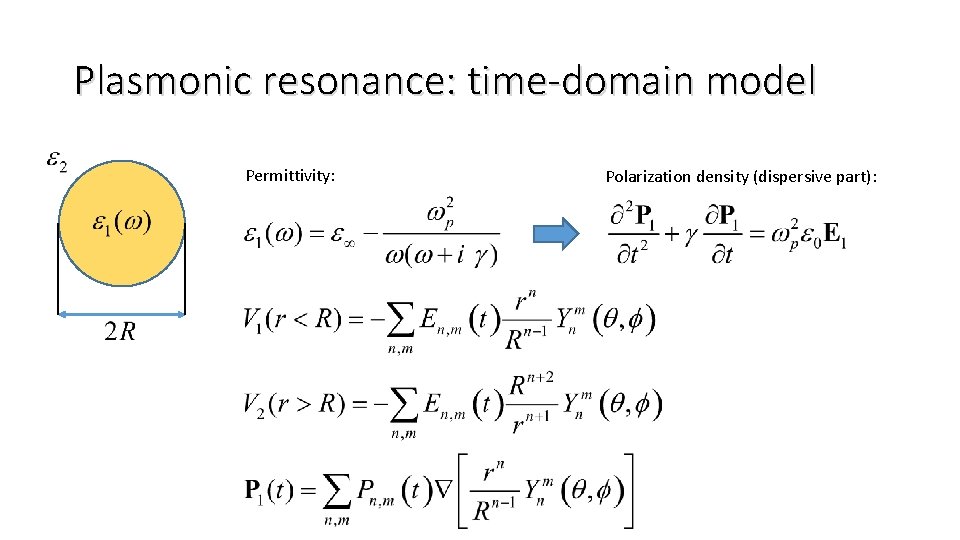
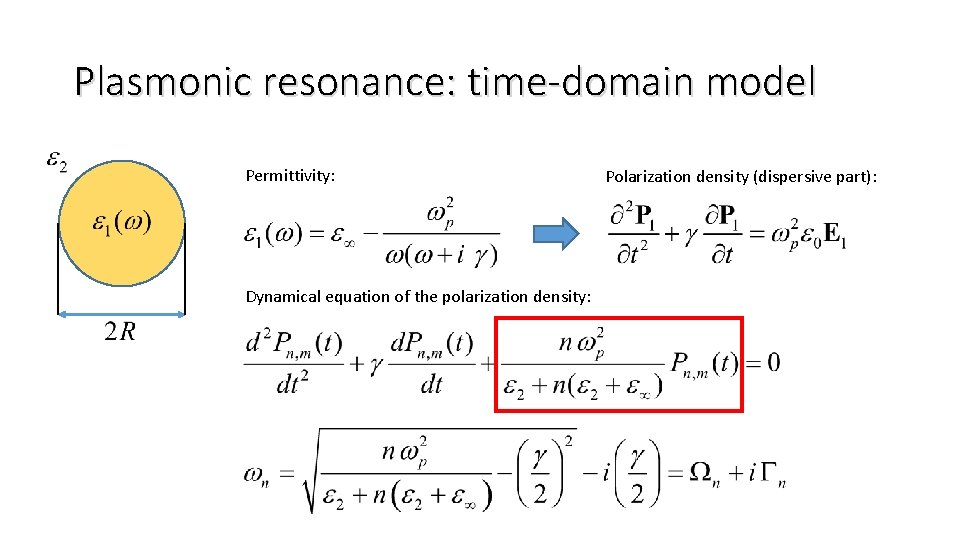
Plasmonic resonance: time-domain model Permittivity: Polarization density (dispersive part):
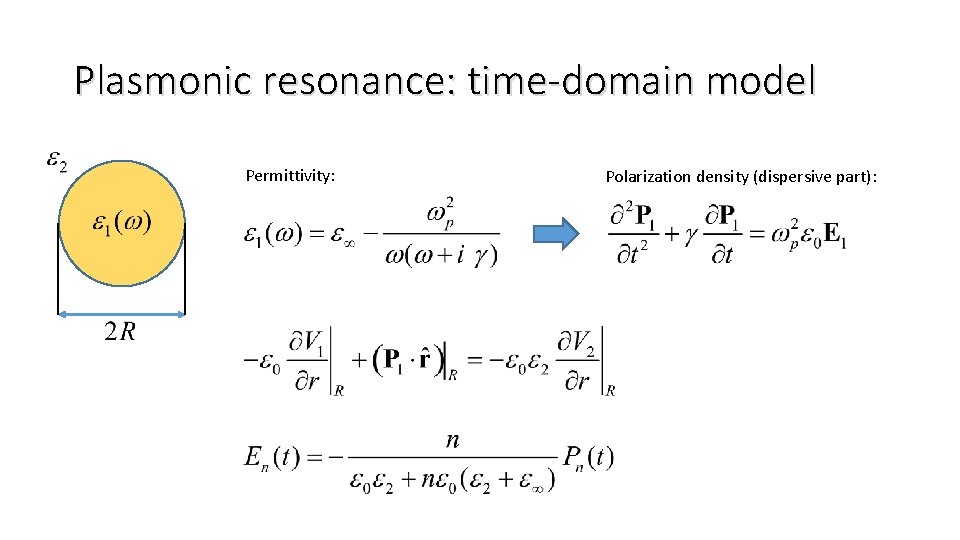
Plasmonic resonance: time-domain model Permittivity: Polarization density (dispersive part):
Plasmonic resonance: time-domain model Permittivity: Dynamical equation of the polarization density: Polarization density (dispersive part):
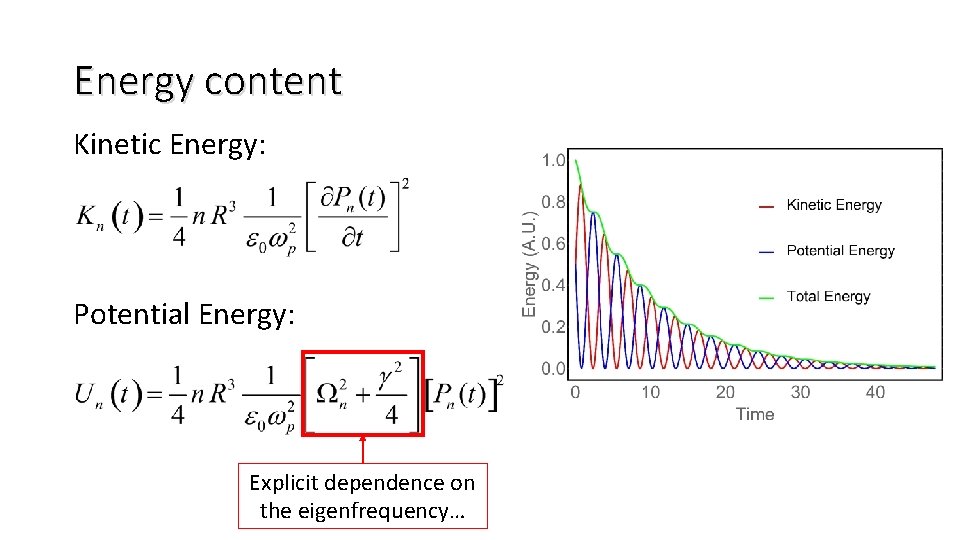
Energy content Kinetic Energy: Potential Energy: Explicit dependence on the eigenfrequency…
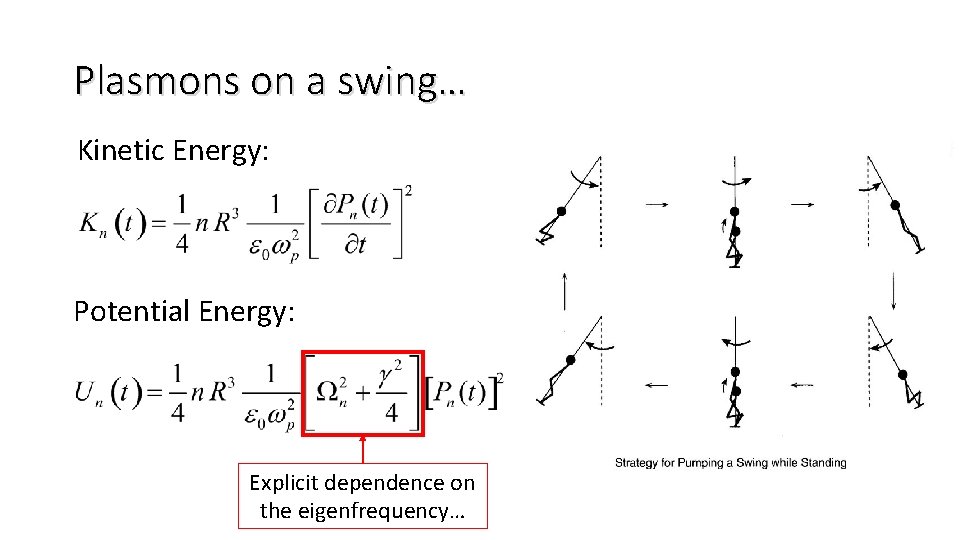
Plasmons on a swing… Kinetic Energy: Potential Energy: Explicit dependence on the eigenfrequency…
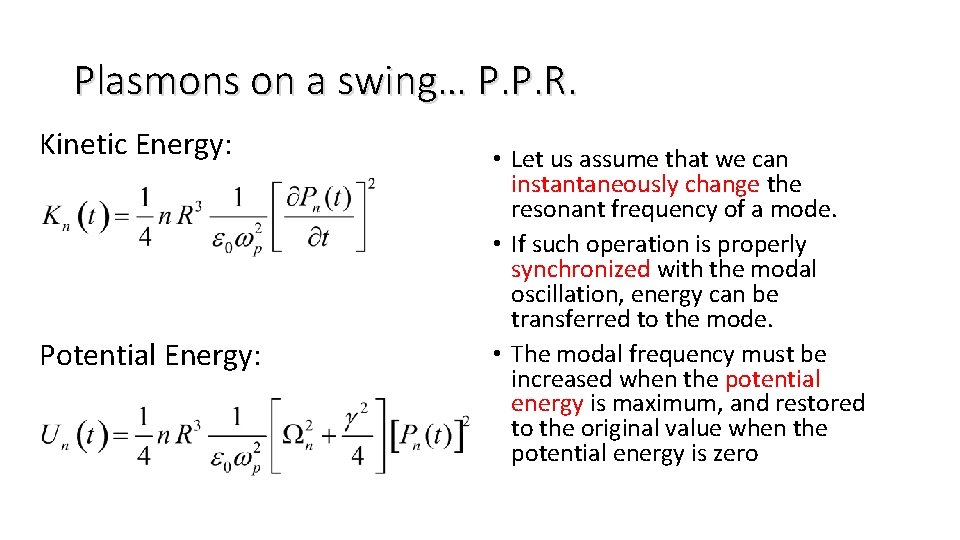
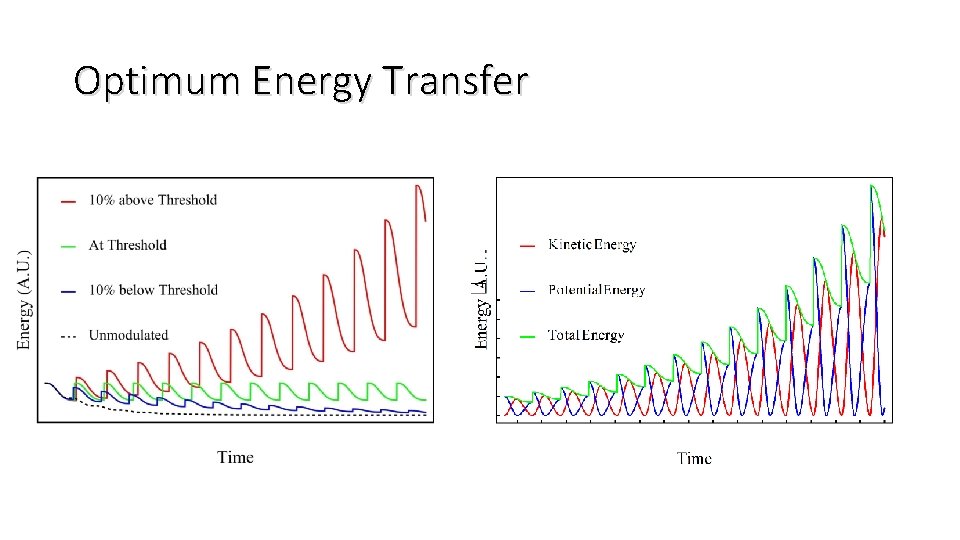
Plasmons on a swing… P. P. R. Kinetic Energy: Potential Energy: • Let us assume that we can instantaneously change the resonant frequency of a mode. • If such operation is properly synchronized with the modal oscillation, energy can be transferred to the mode. • The modal frequency must be increased when the potential energy is maximum, and restored to the original value when the potential energy is zero
Optimum Energy Transfer
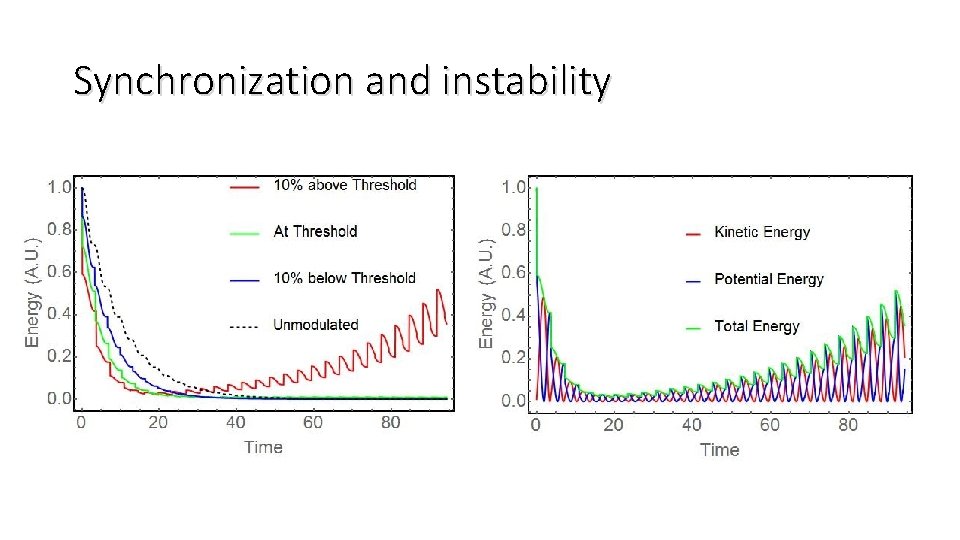
Synchronization and instability
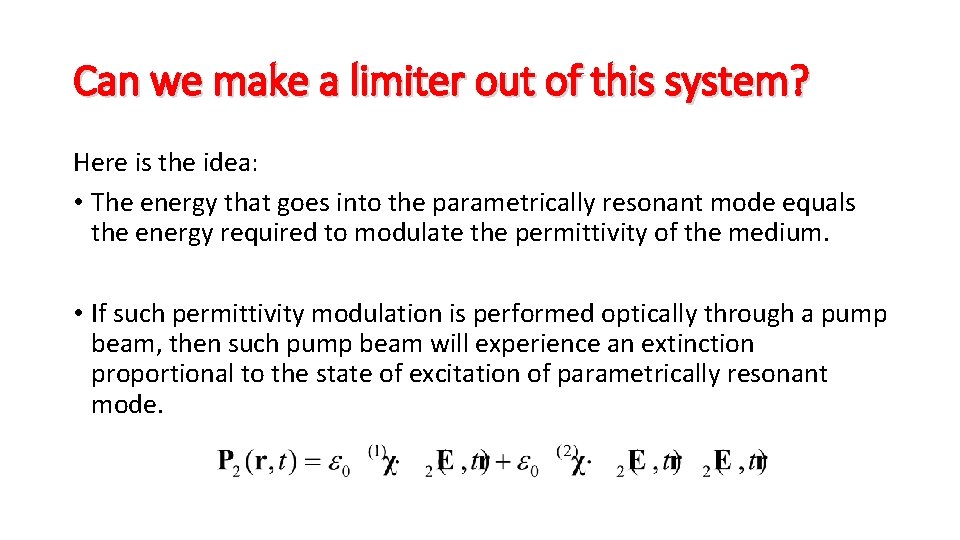
Can we make a limiter out of this system? Here is the idea: • The energy that goes into the parametrically resonant mode equals the energy required to modulate the permittivity of the medium. • If such permittivity modulation is performed optically through a pump beam, then such pump beam will experience an extinction proportional to the state of excitation of parametrically resonant mode.
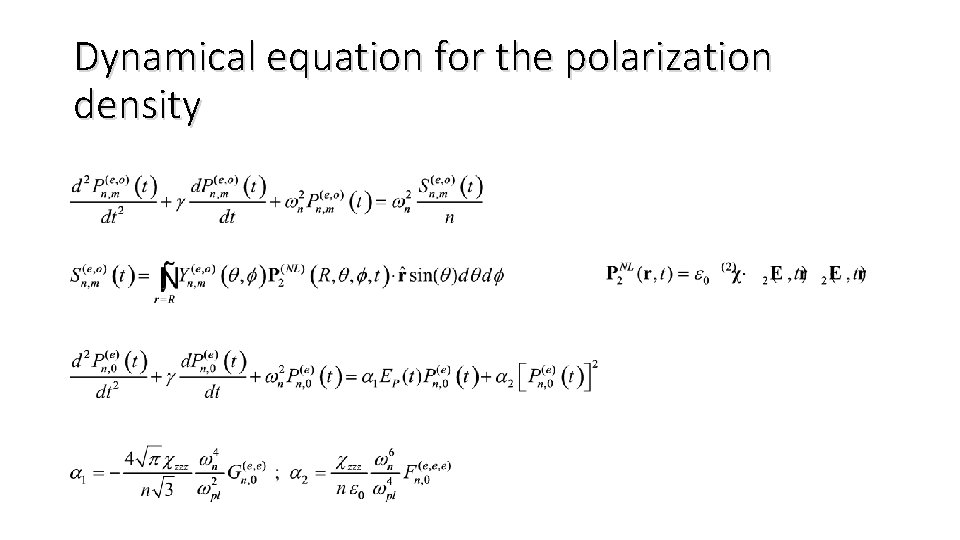
Dynamical equation for the polarization density
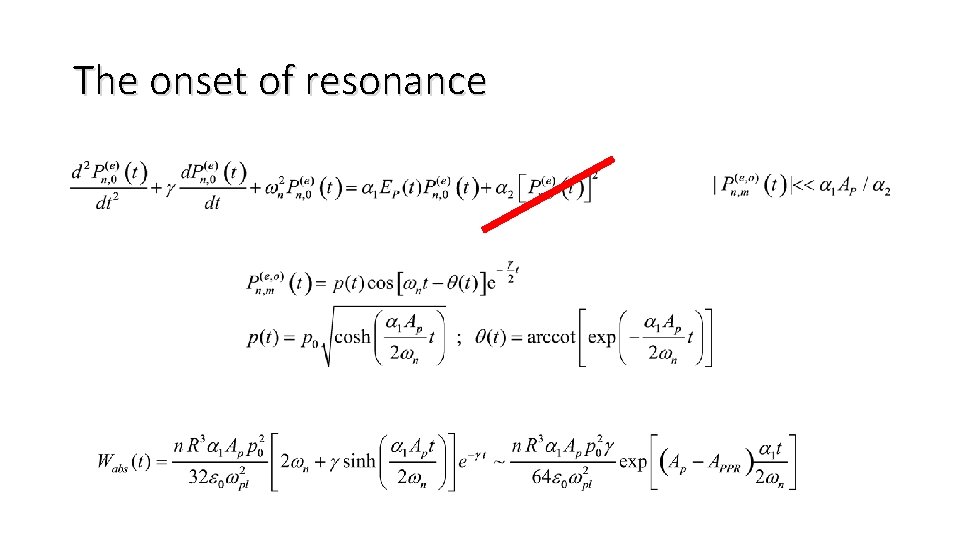
The onset of resonance
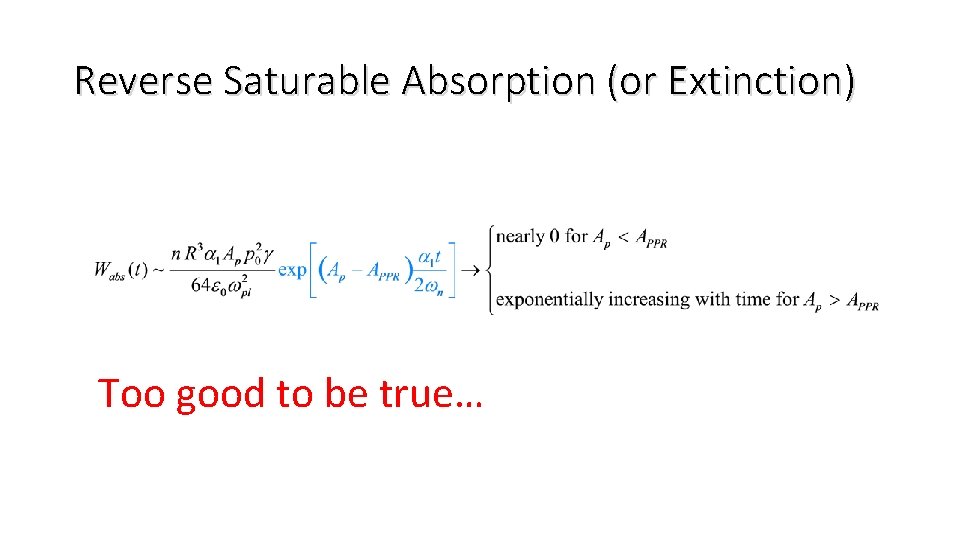
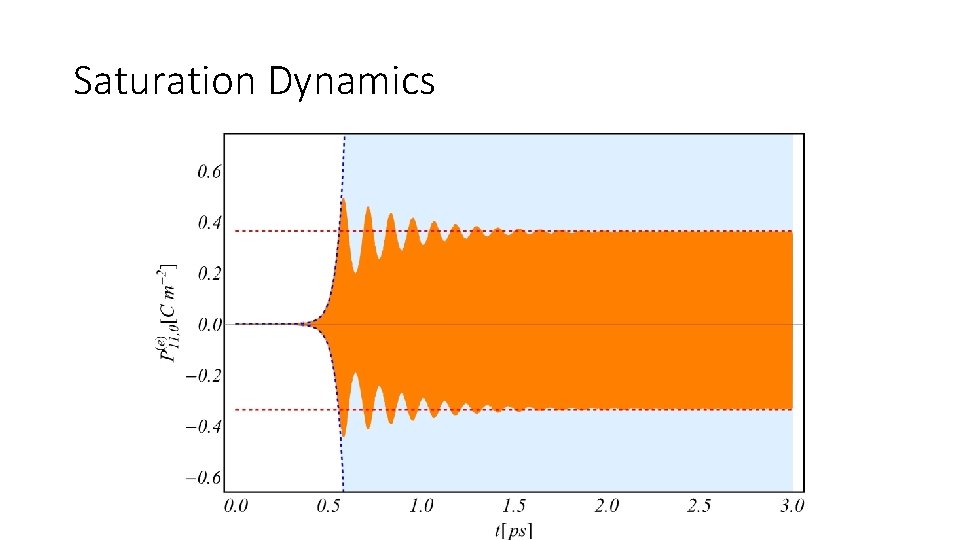
Reverse Saturable Absorption (or Extinction) Too good to be true…
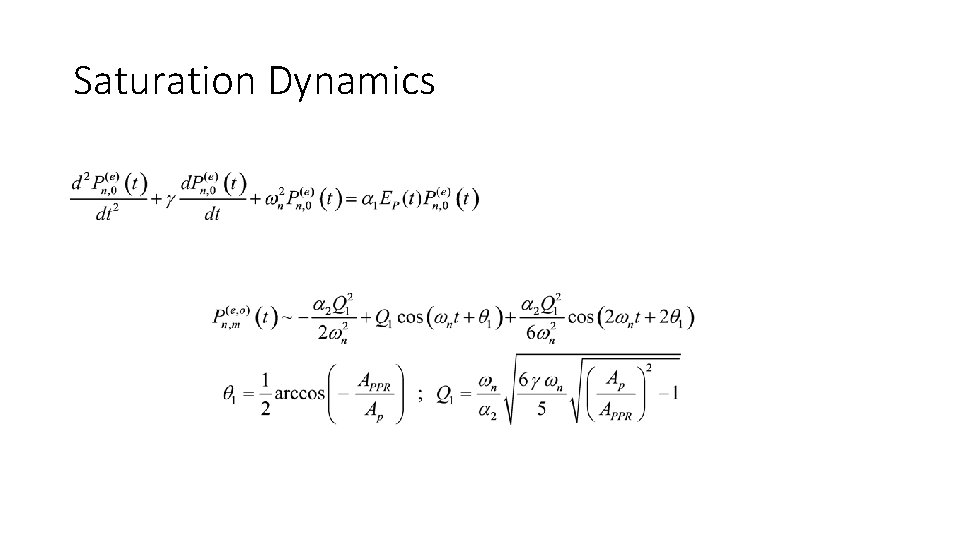
Saturation Dynamics
Saturation Dynamics
Performance parameters • Linear transmission: is it transparent? • Nonlinear transmission: does it get opaque? • Threshold: can it be adjusted? • Bandwidth: frequency selective or broadband? • Response time: is it fast? Can it stop a pulse? • Dynamic range: what intensity can it withstand?
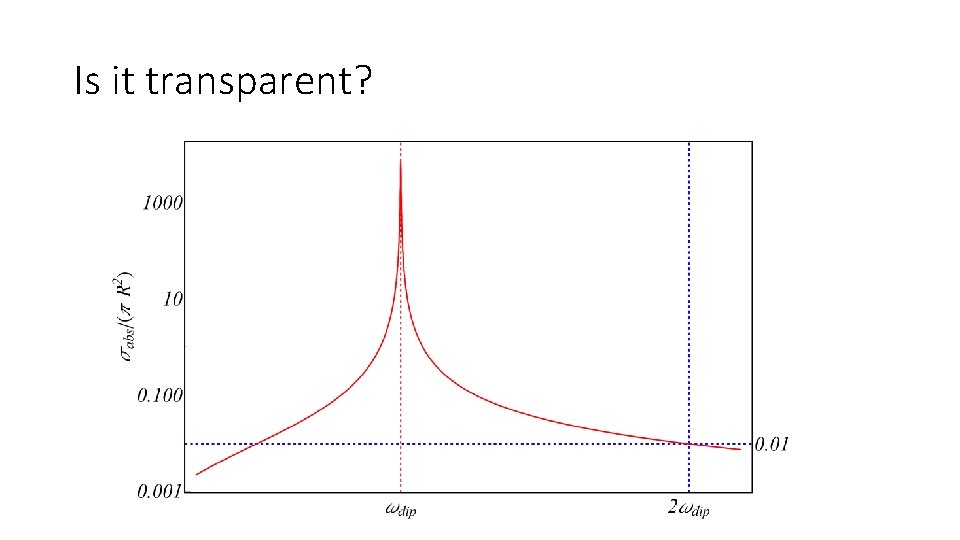
Is it transparent?
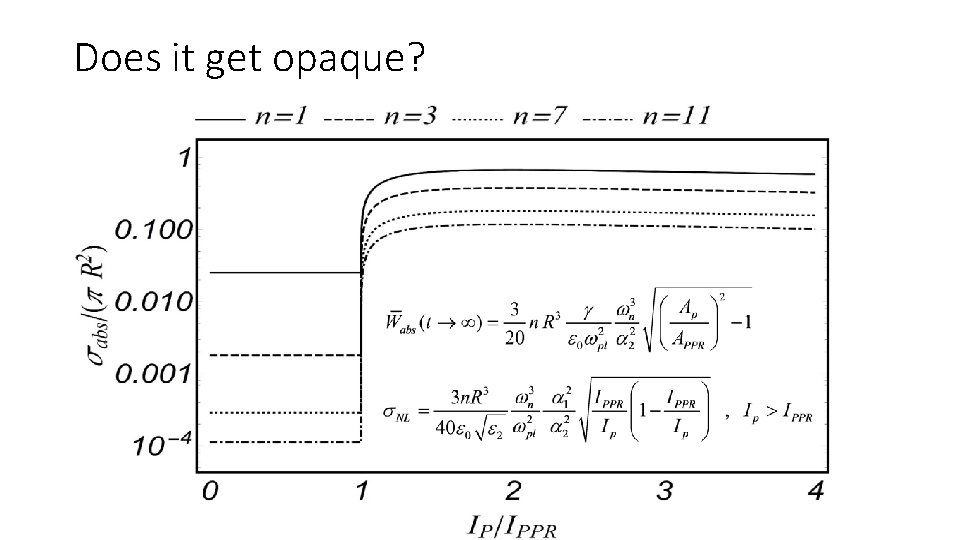
Does it get opaque?
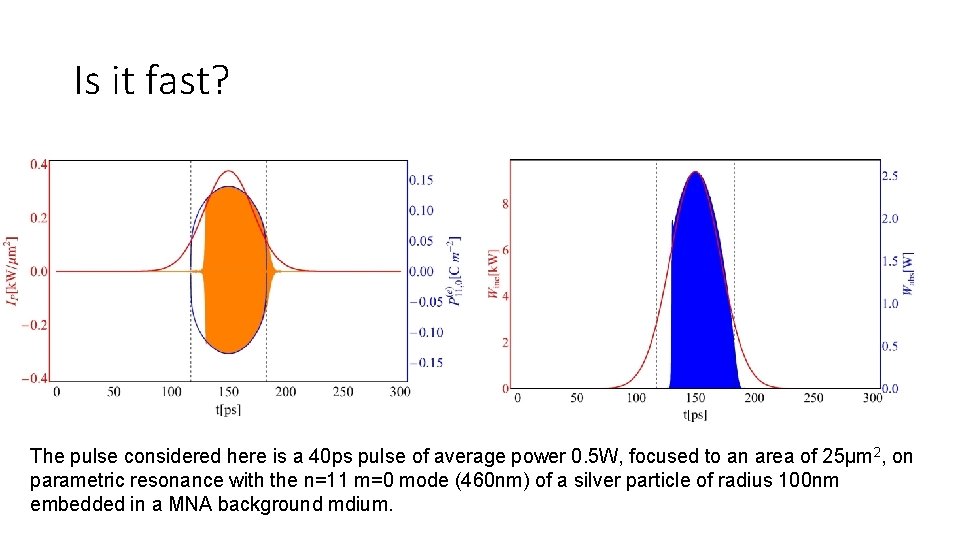
Is it fast? The pulse considered here is a 40 ps pulse of average power 0. 5 W, focused to an area of 25µm 2, on parametric resonance with the n=11 m=0 mode (460 nm) of a silver particle of radius 100 nm embedded in a MNA background mdium.
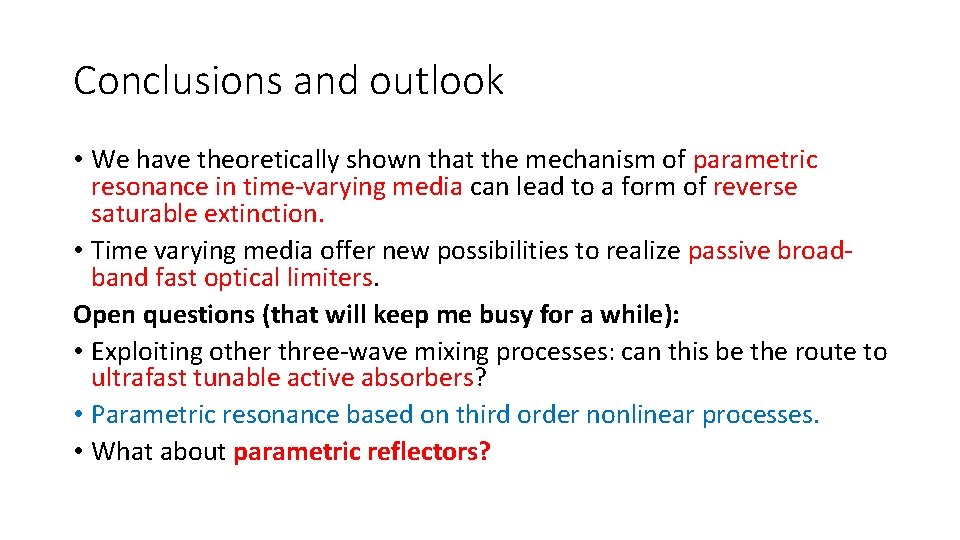
Conclusions and outlook • We have theoretically shown that the mechanism of parametric resonance in time-varying media can lead to a form of reverse saturable extinction. • Time varying media offer new possibilities to realize passive broadband fast optical limiters. Open questions (that will keep me busy for a while): • Exploiting other three-wave mixing processes: can this be the route to ultrafast tunable active absorbers? • Parametric resonance based on third order nonlinear processes. • What about parametric reflectors?
Publications [J 1] Salandrino, A. "Plasmonic parametric resonance. " Physical Review B (Rapid) 97. 8, 081401 (2018). [J 2] Fardad, S. , and Salandrino, A. "Plasmonic parametric absorbers. " Optics letters 43. 24 : 60136016 (2018). [J 3] Das, S. , Salandrino, A. , and Hui, R. , "Tunable hyperbolic photonic devices based on periodic structures of graphene and Hf. O 2, " J. Opt. Soc. Am. B 35, 2616 -2624 (2018). [C 1] Alessandro Salandrino, E. Alexander Ramos, "Accumulation layer surface plasmons, " Proc. SPIE 10719, Metamaterials, Metadevices, and Metasystems 2018 (invited). [C 2] Alessandro Salandrino, “Plasmonic Parametric Resonance, ” IEEE IPC 2018 (invited).
Acknowledgements • AFOSR 2016 Young Investigator Program award FA 9550 -16 -1 -0152 Thanks for your attention Contact: a. salandrino@ku. edu