Mosquito Control Update Zika Preparedness Christopher Hunter MD
- Slides: 27
Mosquito Control Update: Zika Preparedness Christopher Hunter, MD, Ph. D Director, Health Services Department 1
Presentation Overview § Zika Virus § Aedes Aegypti and Aedes Albopictus § Orange County Mosquito Control § Response Plans 2
Zika Virus § Flavivirus § Transmission – The bite of an infected mosquito (Main Source) – Maternal-fetal transmission – Sex – Blood transfusion – Organ transplant – Laboratory exposure
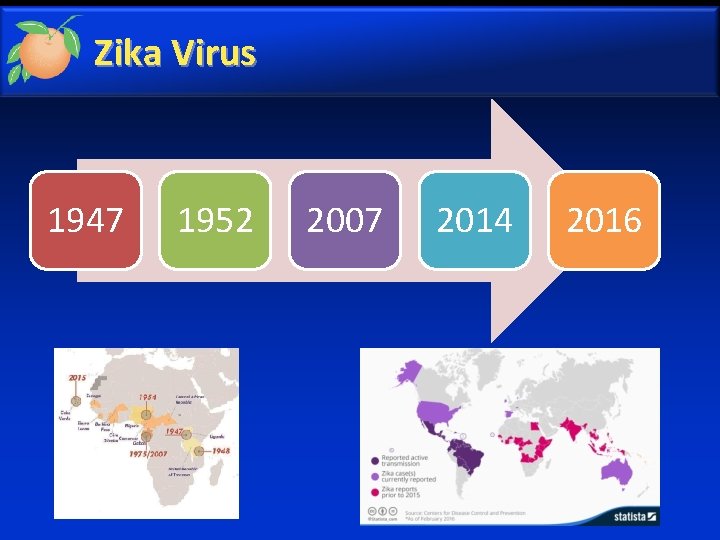
Zika Virus 1947 1952 2007 2014 2016
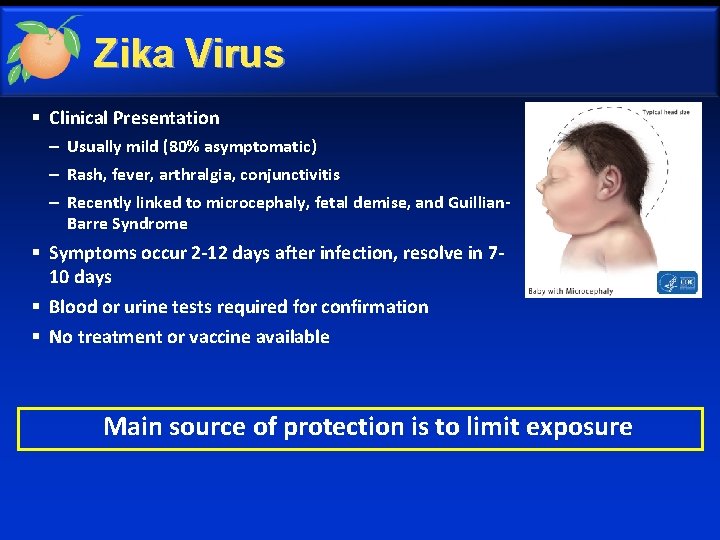
Zika Virus § Clinical Presentation – Usually mild (80% asymptomatic) – Rash, fever, arthralgia, conjunctivitis – Recently linked to microcephaly, fetal demise, and Guillian. Barre Syndrome § Symptoms occur 2 -12 days after infection, resolve in 710 days § Blood or urine tests required for confirmation § No treatment or vaccine available Main source of protection is to limit exposure
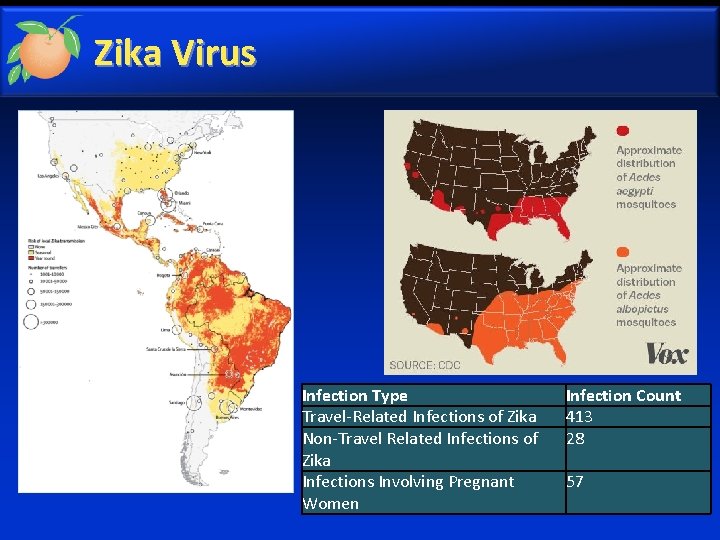
Zika Virus Infection Type Travel-Related Infections of Zika Non-Travel Related Infections of Zika Infections Involving Pregnant Women Infection Count 413 28 57
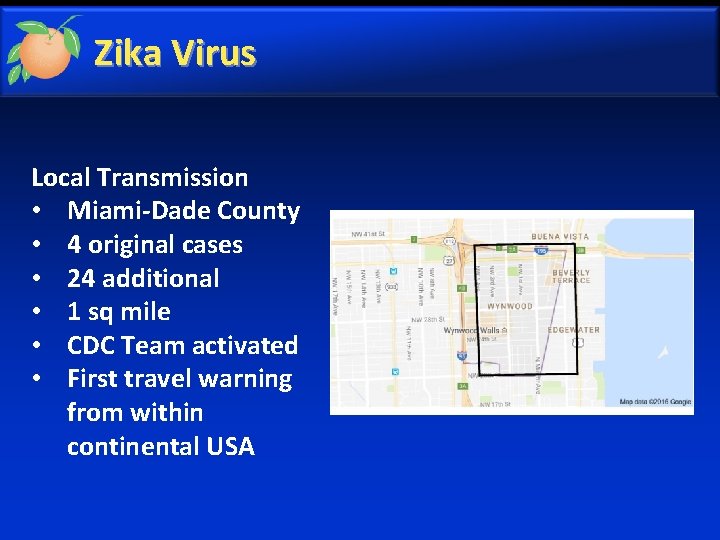
Zika Virus Local Transmission • Miami-Dade County • 4 original cases • 24 additional • 1 sq mile • CDC Team activated • First travel warning from within continental USA
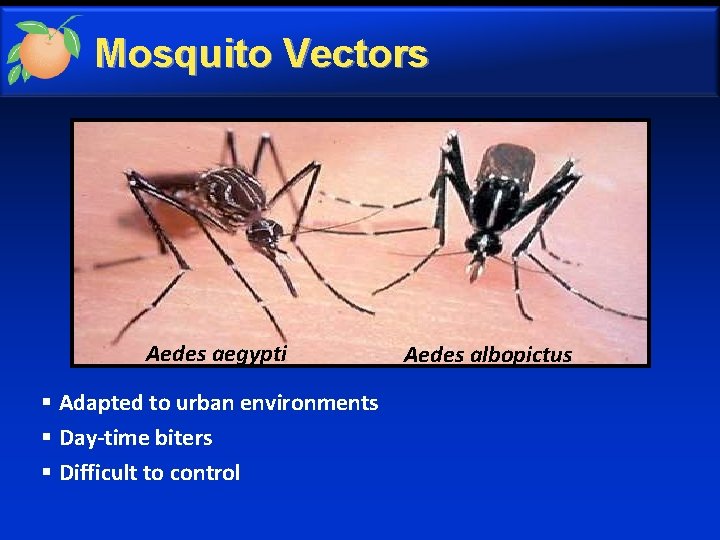
Mosquito Vectors Aedes aegypti § Adapted to urban environments § Day-time biters § Difficult to control Aedes albopictus
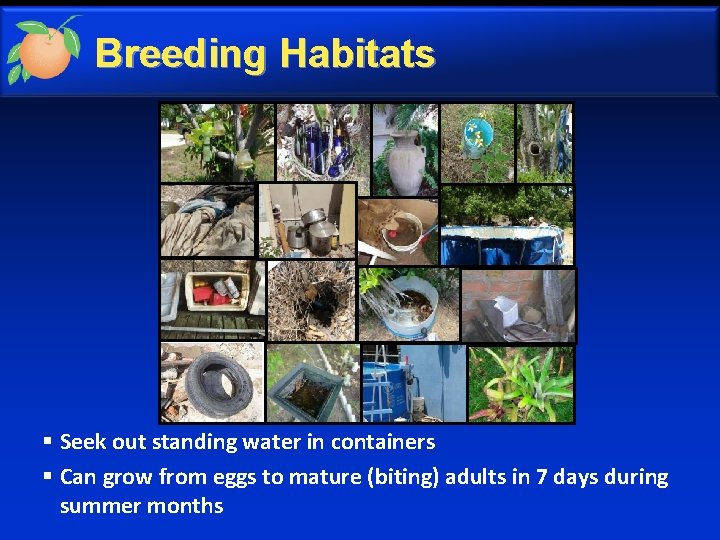
Breeding Habitats § Seek out standing water in containers § Can grow from eggs to mature (biting) adults in 7 days during summer months
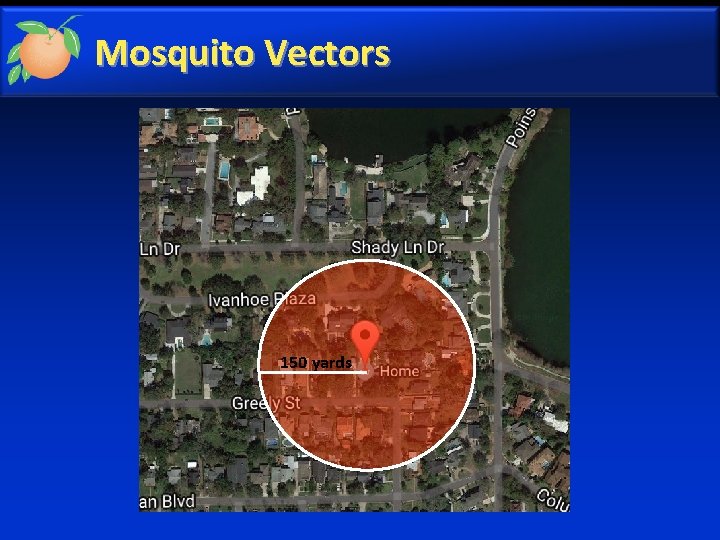
Mosquito Vectors 150 yards
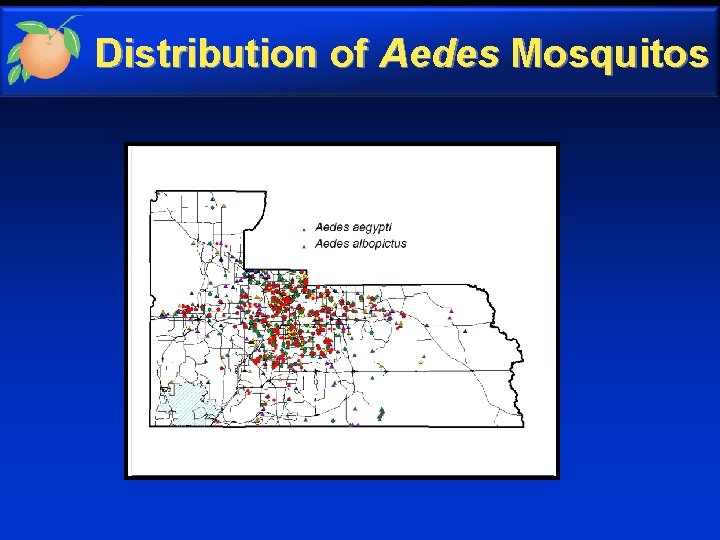
Distribution of Aedes Mosquitos
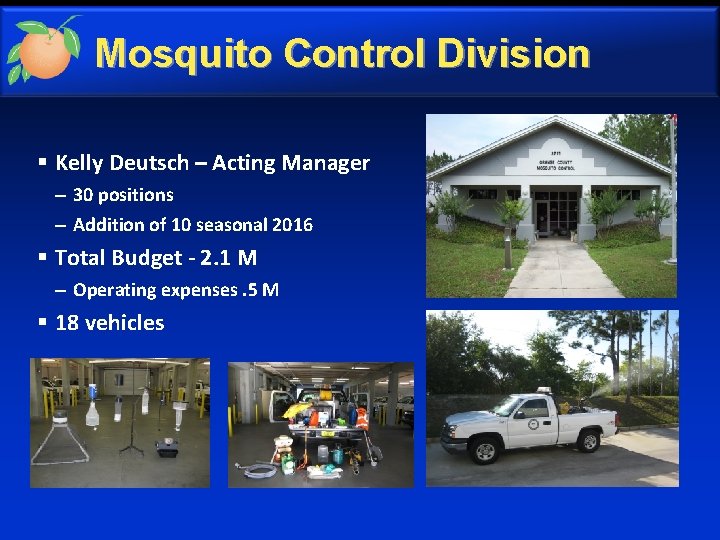
Mosquito Control Division § Kelly Deutsch – Acting Manager – 30 positions – Addition of 10 seasonal 2016 § Total Budget - 2. 1 M – Operating expenses. 5 M § 18 vehicles
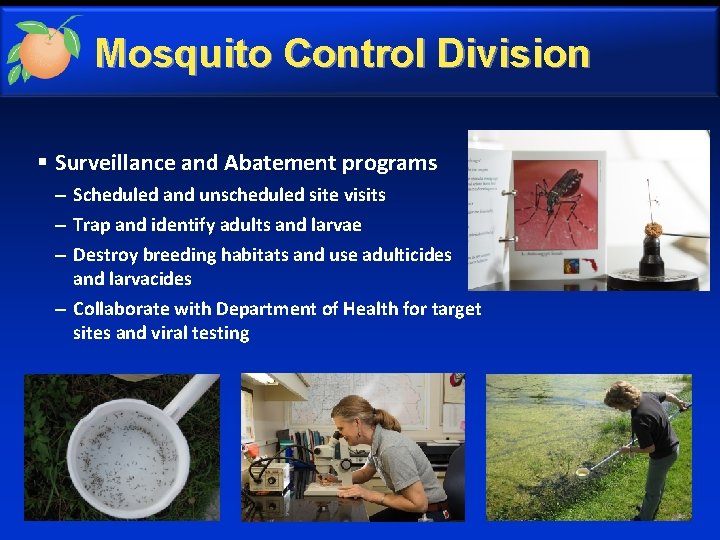
Mosquito Control Division § Surveillance and Abatement programs – Scheduled and unscheduled site visits – Trap and identify adults and larvae – Destroy breeding habitats and use adulticides and larvacides – Collaborate with Department of Health for target sites and viral testing
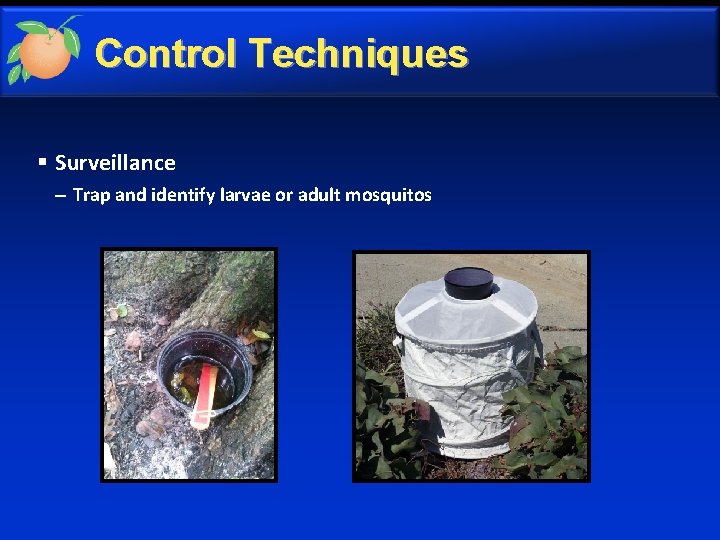
Control Techniques § Surveillance – Trap and identify larvae or adult mosquitos
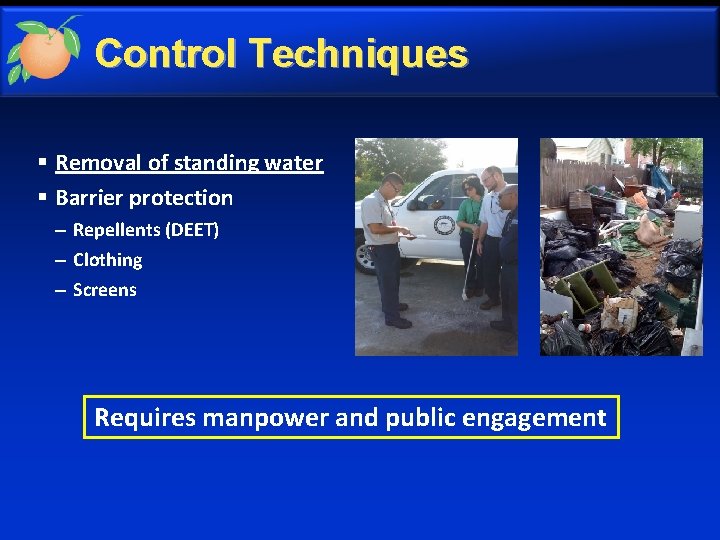
Control Techniques § Removal of standing water § Barrier protection – Repellents (DEET) – Clothing – Screens Requires manpower and public engagement
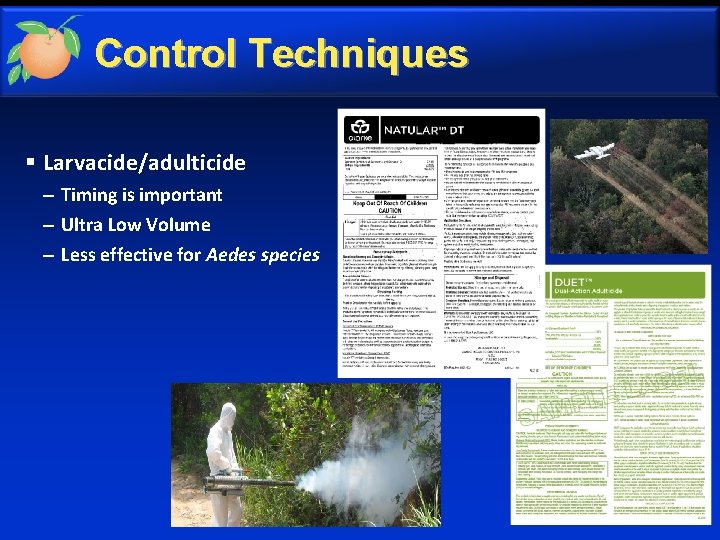
Control Techniques § Larvacide/adulticide – Timing is important – Ultra Low Volume – Less effective for Aedes species
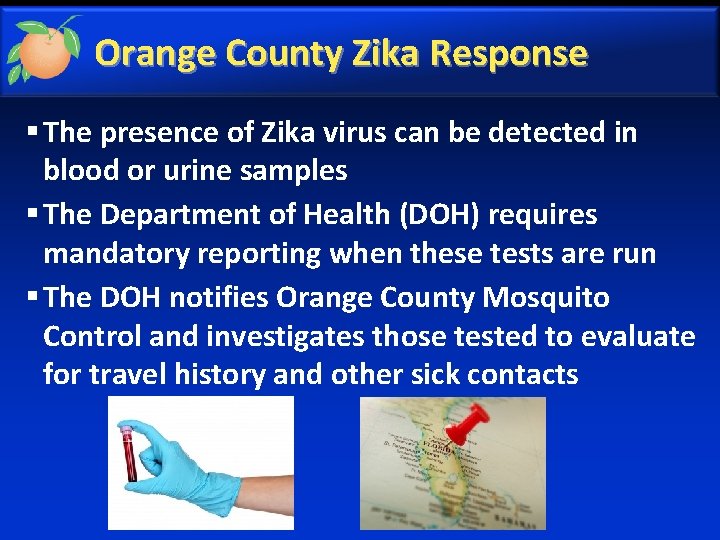
Orange County Zika Response § The presence of Zika virus can be detected in blood or urine samples § The Department of Health (DOH) requires mandatory reporting when these tests are run § The DOH notifies Orange County Mosquito Control and investigates those tested to evaluate for travel history and other sick contacts
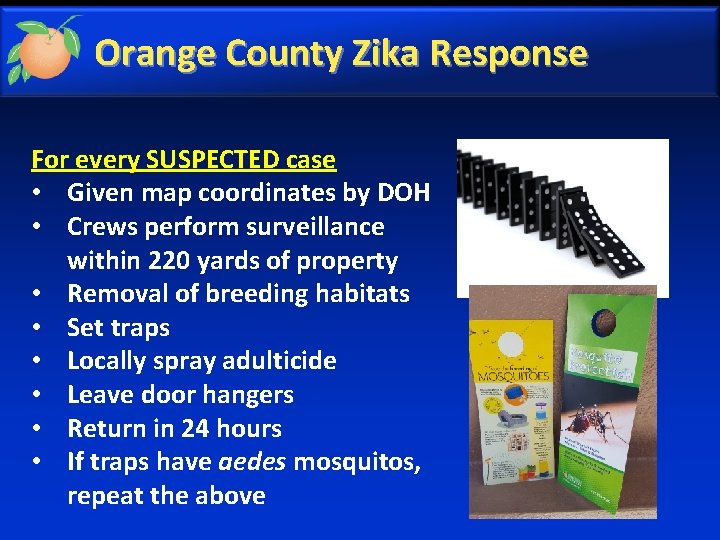
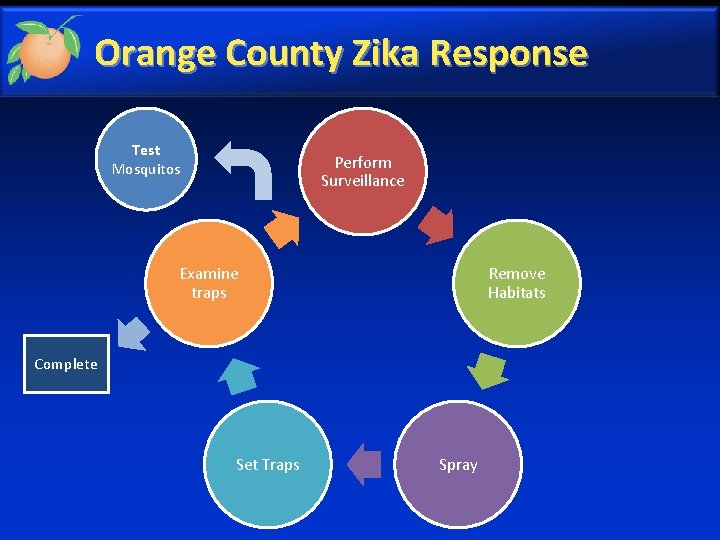
Orange County Zika Response For every SUSPECTED case • Given map coordinates by DOH • Crews perform surveillance within 220 yards of property • Removal of breeding habitats • Set traps • Locally spray adulticide • Leave door hangers • Return in 24 hours • If traps have aedes mosquitos, repeat the above
Orange County Zika Response Test Mosquitos Perform Surveillance Examine traps Remove Habitats Complete Set Traps Spray
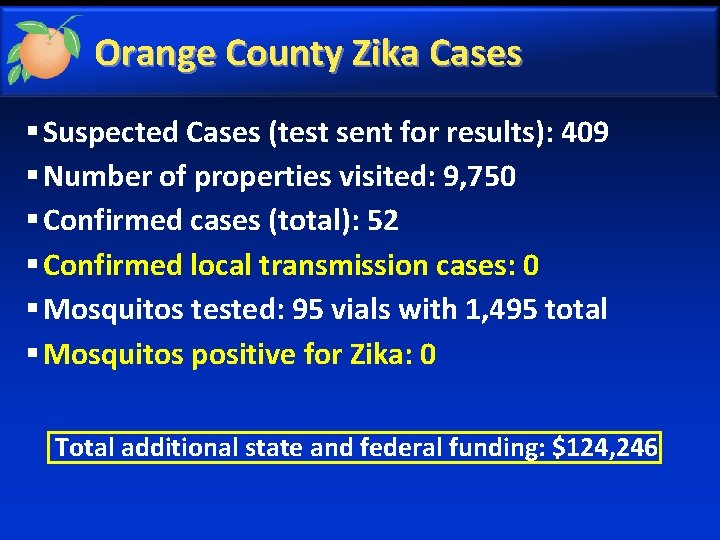
Orange County Zika Cases § Suspected Cases (test sent for results): 409 § Number of properties visited: 9, 750 § Confirmed cases (total): 52 § Confirmed local transmission cases: 0 § Mosquitos tested: 95 vials with 1, 495 total § Mosquitos positive for Zika: 0 Total additional state and federal funding: $124, 246
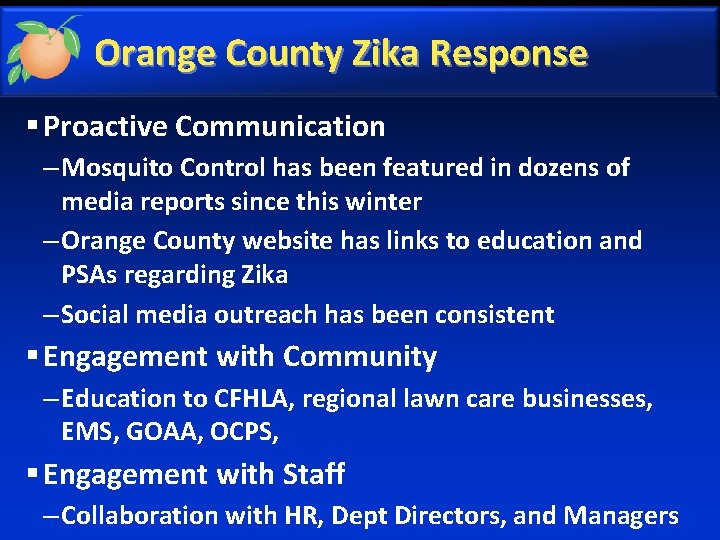
Orange County Zika Response § Proactive Communication – Mosquito Control has been featured in dozens of media reports since this winter – Orange County website has links to education and PSAs regarding Zika – Social media outreach has been consistent § Engagement with Community – Education to CFHLA, regional lawn care businesses, EMS, GOAA, OCPS, § Engagement with Staff – Collaboration with HR, Dept Directors, and Managers
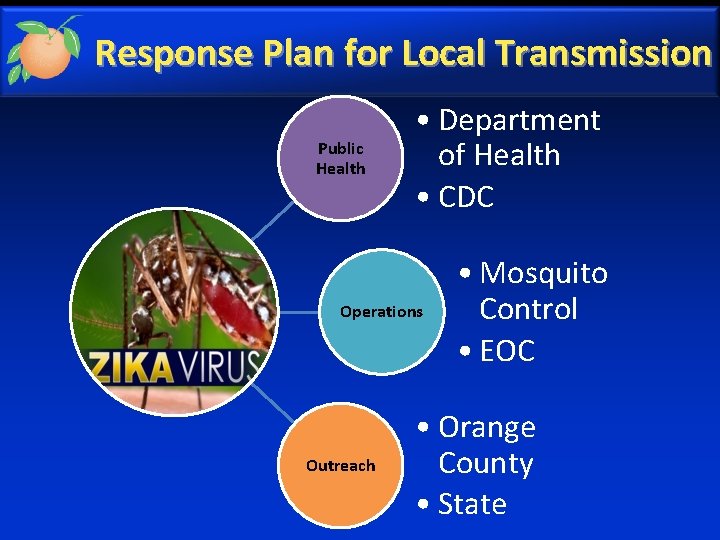
Response Plan for Local Transmission Public Health • Department of Health • CDC Operations Outreach • Mosquito Control • EOC • Orange County • State
Response Plan for Local Transmission § Orange County Mosquito Control – Increase Surveillance (door-to-door, traps) – Utilize Citizen Emergency Response Teams, HOA volunteers, and Medical Reserve Corps for manpower § Department of Health – Test sero-prevalence among contacts of positive cases – Provide access to private property – Coordinate with mosquito control § Orange County Communications – Organize press releases, PSAs, and media events to encourage community action – Coordinate messaging with partners in tourism, schools, etc.
Response Plan for Local Transmission § Challenges – Addressing emergent area while maintaining normal mosquito control operations – Minimizing the potential economic impact by empowering our business partners to join the mitigation effort – Ensuring our message is reaching all Orange County residents – Collaborating with the entire Central Florida region
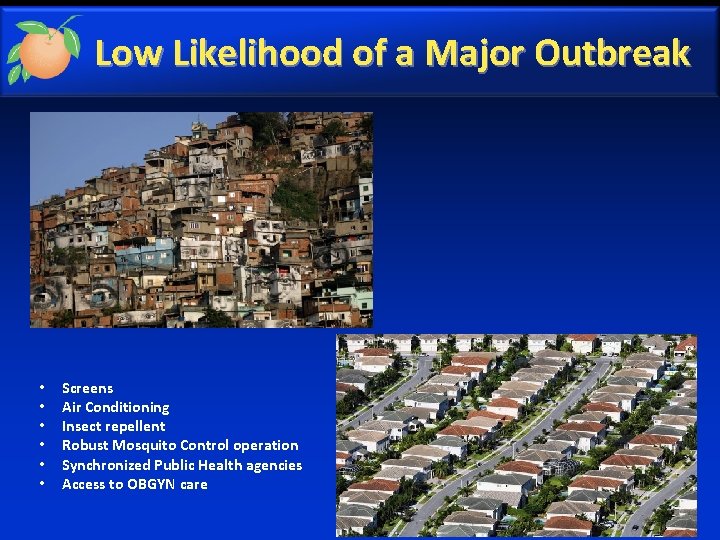
Low Likelihood of a Major Outbreak • • • Screens Air Conditioning Insect repellent Robust Mosquito Control operation Synchronized Public Health agencies Access to OBGYN care
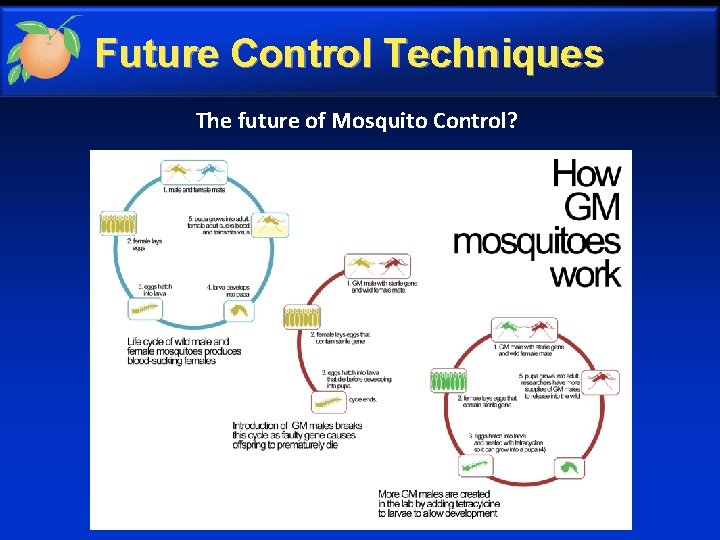
Future Control Techniques The future of Mosquito Control?
Mosquito Control Update: Zika Preparedness Christopher Hunter, MD, Ph. D Director, Health Services Department 1