Media coverage of foreign policy Effects of media
- Slides: 22
Media coverage of foreign policy
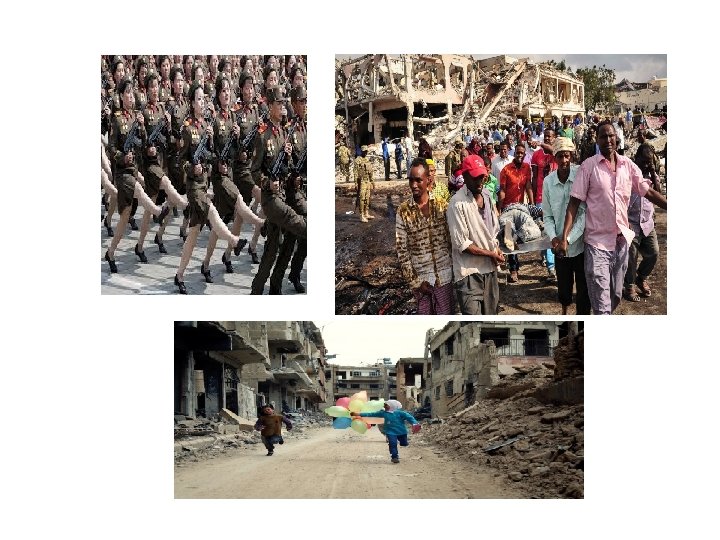
Effects of media coverage of foreign policy? • Potential for greater impact than coverage of domestic policy: • CNN effect (powerful images push leaders to policy action) • Reverse CNN effect
Positive and negative effects of foreign affairs coverage • Positive: promote democracy • Negative: harmful effects on conduct of foreign policy by existing democracies, e. g. Iran hostage situation in 1979
Chomsky chs. 2 and 3 • Review: Propaganda function of media due to 5 filters • 1) Size/ownership/profit orientation of media system, • 2) Advertising, • 3) Sourcing – Heavy reliance on gov’t officials, 4) Flak, • 5)Anticommunism
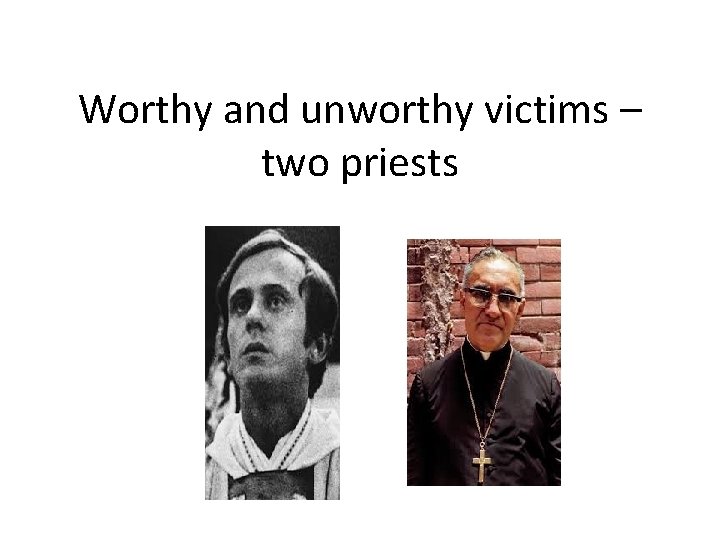
Worthy and unworthy victims – two priests
Worthy and Unworthy Victims • Look at coverage by NYT, Time, Newsweek, CBS • Compare coverage of Polish priest killed by Polish police in 1984 - murdered in an enemy state • Priests, Archbishop who criticized US-backed military gov’t in El Salvador, 4 American women, activists killed in friendly states in Latin America (1970 s, ‘ 80 s) – Guatemala, Chile, El Salvador. • HOW DID COVERAGE DIFFER? ?
Chomsky Ch 2 -3 continued • Quantity of coverage – how many stories, how long, placement of stories (front page? ), editorials condemning the murders? • Language used – “thuggery, shameless, crude” to describe Polish state. For those killed in friendly states, few quotes of outrage - attribution of responsibility is blurred, avoided
• “propagandistic coverage” of murders in Polish state and in client state (murder of 4 US churchwomen killed by Salvadoran National Guard) • Also personalization of victims- graphic details when people killed in enemy states, hardly any detail/humanization of those killed by friendly states
Third World Elections • Coverage of elections in Third World will vary depending on whether the gov’t holding elections is a friendly state or an enemy state • Looked at NYT coverage • In client states, media should emphasize the positives: elections promote democracy and spur hope, army as protector of election, high turnout but deemphasize topics incompatible with US gov’t’s agenda (fraud, lack of free speech, free press and assembly, power of armed forces).
• In enemy states, media will emphasize topics that place enemy state in bad light (lack of freedom of press and assembly, power of armed forces as a bad thing) Nicaragua – enemy state in 1980 s (communist run government) – held elections treated by American media as illegitimate, a sham, meaningless. “Not a very good election, just a piece of theatre for Sandinistas”
• El Salvadoran (ally state) elections presented as “step toward democracy”. Same as with Turkey (ally) in 1983, despite flaws in election process. • In enemy states, more media attention to problematic “basic conditions” necessary to democracy, such as freedom of press and assembly – media emphasized that these conditions were missing in Nicaragua.
• But C. says freedom of press was more impaired in El Salvador than Nicaragua, and freedom of parties to run candidates was impaired also in El Salvador. • Leftist groups couldn’t run because had been destroyed, demobilized prior to election by army. Not covered by media.
• Key to propaganda-oriented nature of American media coverage: • SOURCING • e. g. for Guatemalan election, almost entirely US officials, official observers, but not “main opposition” – smaller parties, churches, human rights group who would have a different view of the elections than US govt.
• Iraq – after we invaded post-9/11 – how did media cover elections and vote on Constitution? • Context: US gov’t wanted these events to succeed, show that we helped bring democracy to Iraq after invading.
Theories of media coverage of foreign policy (Entman) Chomsky’s “hegemony” theory Indexing theory Entman: cascading activation (builds on indexing theory, adds to it)
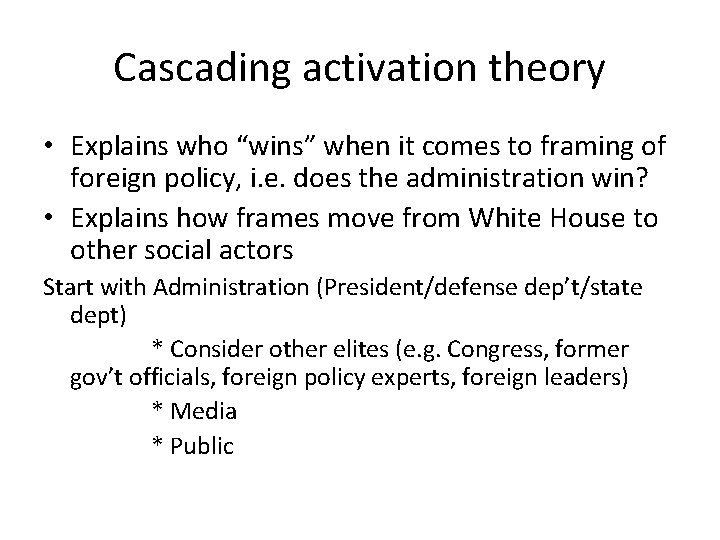
Cascading activation theory • Explains who “wins” when it comes to framing of foreign policy, i. e. does the administration win? • Explains how frames move from White House to other social actors Start with Administration (President/defense dep’t/state dept) * Consider other elites (e. g. Congress, former gov’t officials, foreign policy experts, foreign leaders) * Media * Public
• How do frames spread from administration to public?
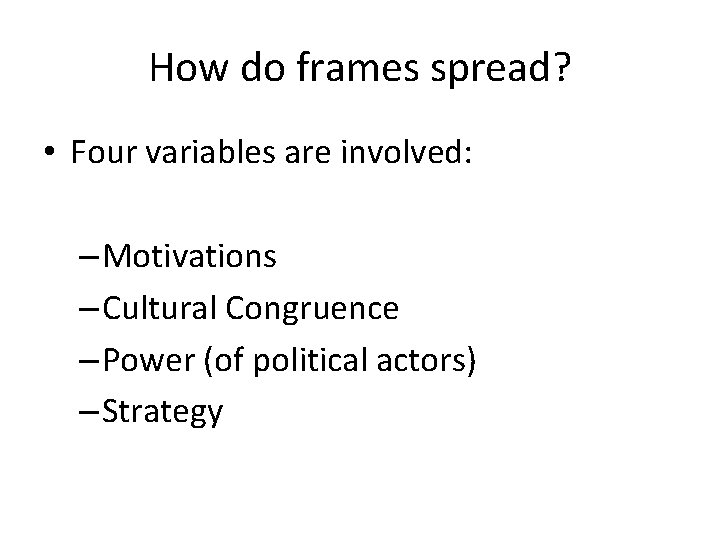
How do frames spread? • Four variables are involved: – Motivations – Cultural Congruence – Power (of political actors) – Strategy
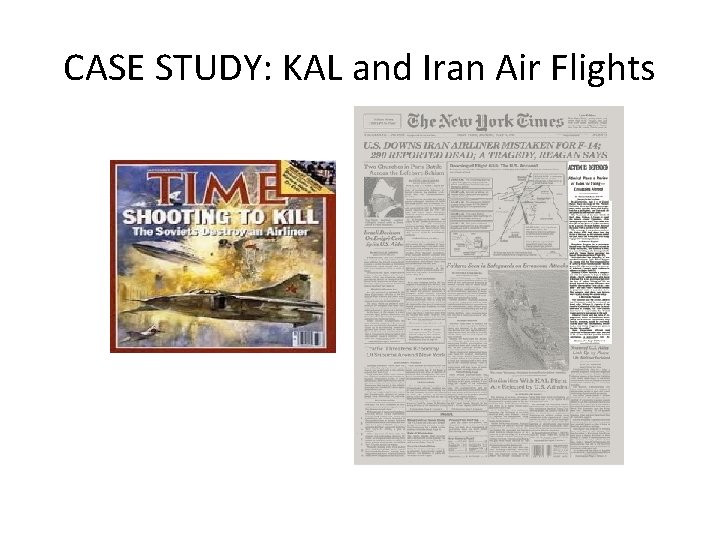
CASE STUDY: KAL and Iran Air Flights
KAL: 1983, Soviet Air Force shot down a Korean Air Lines flight, over 250 died Iran Air: 1988, US navy ship shot down Iran Air Flight, over 250 died How did American media frame the two incidents?
• How did difference in coverage manifest itself? • (number of stories: many more for KAL story – seen as bigger tragedy by American media, in part because over 20 Americans were on that flight • Different portrayals of government responsibility (USSR versus American government) • Use of language, graphics