Marketing Communications II Sales Promotion Vehicles ConsumerOriented TradeOriented

- Slides: 60
Marketing Communications II
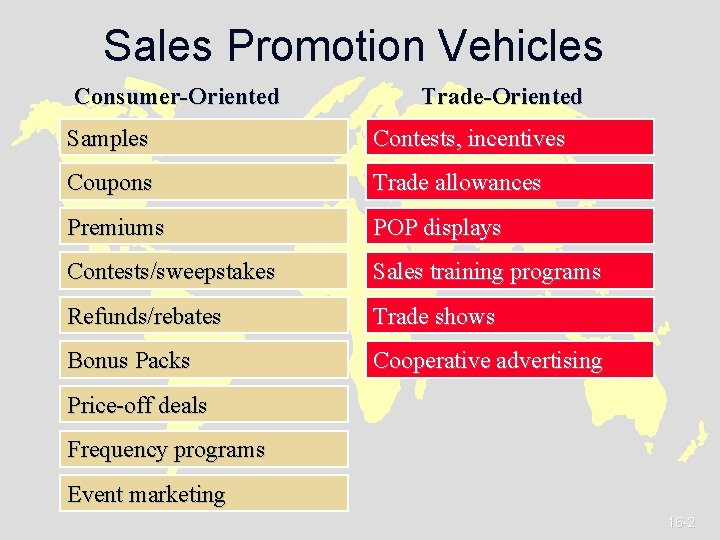
Sales Promotion Vehicles Consumer-Oriented Trade-Oriented Samples Contests, incentives Coupons Trade allowances Premiums POP displays Contests/sweepstakes Sales training programs Refunds/rebates Trade shows Bonus Packs Cooperative advertising Price-off deals Frequency programs Event marketing 16 -2
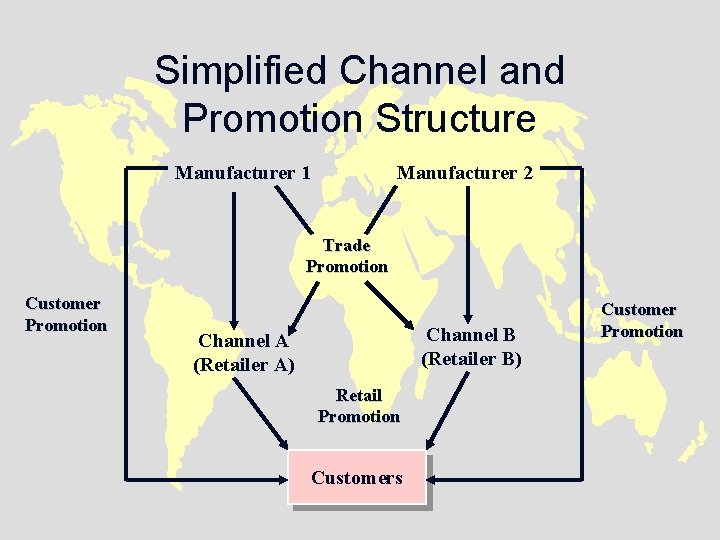
Simplified Channel and Promotion Structure Manufacturer 1 Manufacturer 2 Trade Promotion Customer Promotion Channel B (Retailer B) Channel A (Retailer A) Retail Promotion Customers Customer Promotion
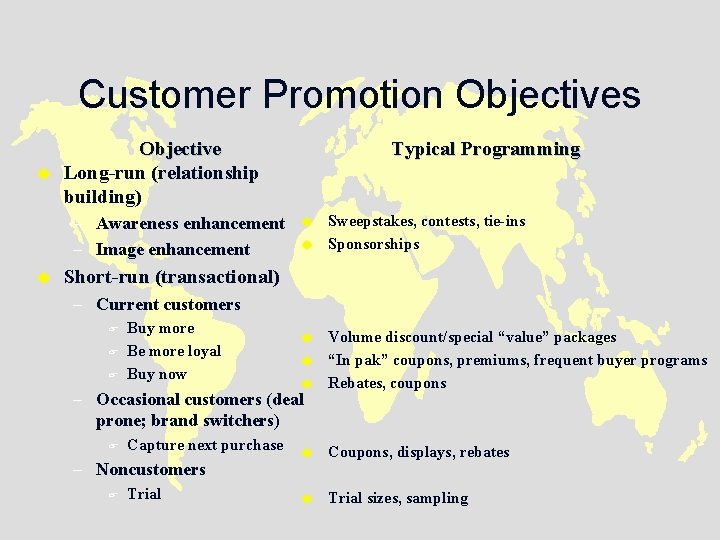
Customer Promotion Objectives u Objective Long-run (relationship building) – Awareness enhancement – Image enhancement u Typical Programming u u Sweepstakes, contests, tie-ins Sponsorships Short-run (transactional) – Current customers F F F Buy more Be more loyal Buy now u Volume discount/special “value” packages “In pak” coupons, premiums, frequent buyer programs Rebates, coupons u Coupons, displays, rebates u Trial sizes, sampling u u – Occasional customers (deal prone; brand switchers) F Capture next purchase – Noncustomers F Trial
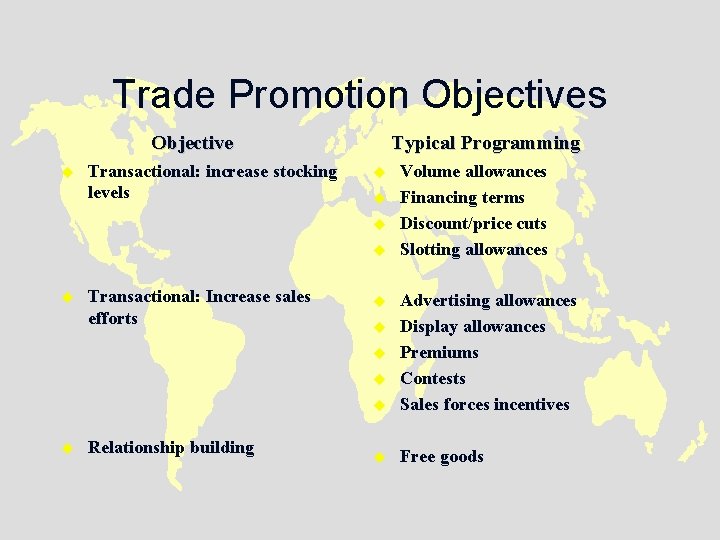
Trade Promotion Objectives Objective u Transactional: increase stocking levels Typical Programming u u u Transactional: Increase sales efforts u Advertising allowances Display allowances Premiums Contests Sales forces incentives u Free goods u u u Relationship building Volume allowances Financing terms Discount/price cuts Slotting allowances
Public Relations and Publicity u u Any company that is increasingly its activities outside the home country can utilize PR personnel as boundary spanners between the company and employees, unions, stockholders, customers, the media, financial analysts, governments, and suppliers Internationally, PR expenditures are growing an average of 20 percent annually In the United States, PR is increasingly viewed as a separate management function; In Europe, PR professionals are viewed as part of the marketing function The ultimate test of an organization’s understanding of the power and importance of public relations occurs during a time of environmental turbulence, especially a potential or actual crisis
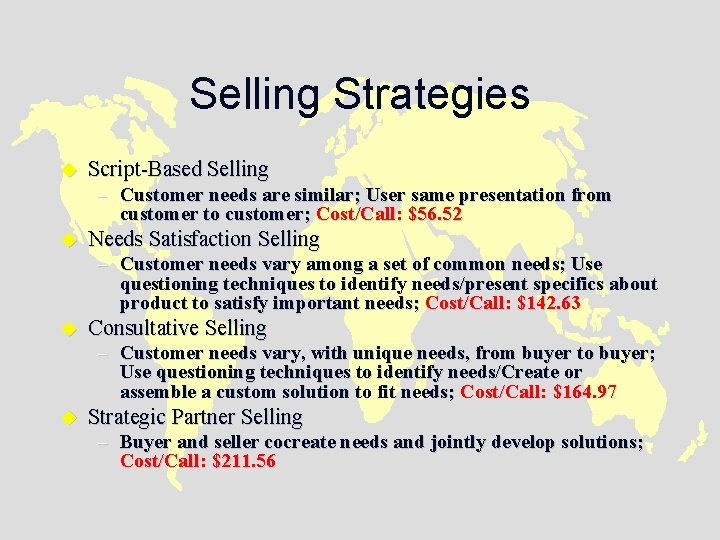
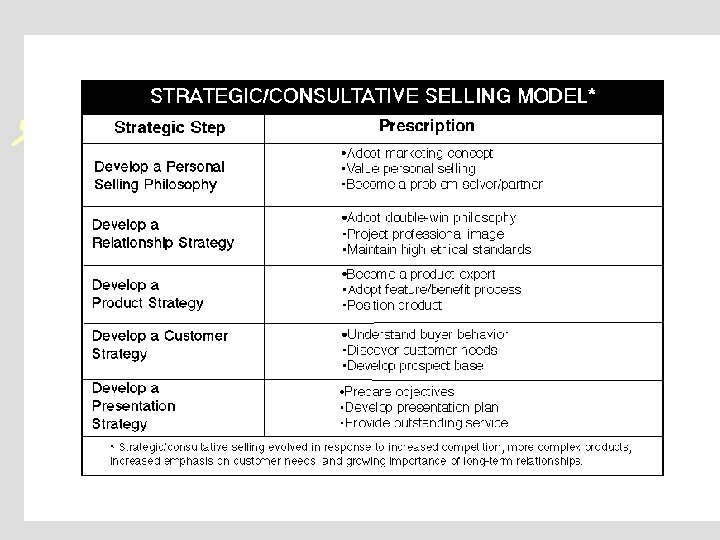
Selling Strategies u Script-Based Selling – Customer needs are similar; User same presentation from customer to customer; Cost/Call: $56. 52 u Needs Satisfaction Selling – Customer needs vary among a set of common needs; Use questioning techniques to identify needs/present specifics about product to satisfy important needs; Cost/Call: $142. 63 u Consultative Selling – Customer needs vary, with unique needs, from buyer to buyer; Use questioning techniques to identify needs/Create or assemble a custom solution to fit needs; Cost/Call: $164. 97 u Strategic Partner Selling – Buyer and seller cocreate needs and jointly develop solutions; Cost/Call: $211. 56
Script-Based Selling u u u In situations where customer needs do not vary much from one customer to another, script-based selling can be very effective The product should be relatively simple and easy to understand Script-based selling involves using scripts or memorized sales pitches from which the salesperson does not deviate Many people believe script selling to be outdated and obsolete Script selling is popular in telemarketing and in selling MRO (maintenance, repair, and operations) items and other supplies
Needs Satisfaction Selling u A process of selling that involves identifying the buyer’s needs and tailoring the sales pitch to fit those needs u Needs satisfaction selling involves two components: identifying the needs and making the presentation u Needs satisfaction selling works best when there is variance in needs across buyers and choices have to be made among products, as opposed to custom -made solutions
Consultative Selling u u When a seller uses consultative selling, the solution choices are not simply a matter of choosing from an array of finished products When truly using consultative selling, the seller is bringing specialized expertise into a complex problem in order to create a somewhat customized solution In consultative selling, the salesperson is a consultant More of the knowledge lies with the salesperson than with the customer in comparison to needs satisfaction selling
Strategic Partner Selling u u u Partnership as a sales strategy goes beyond consultative selling In strategic partner selling, both parties share expertise and resources to create customized solutions, and there is a commitment to joint planning for mutual benefit As a sales strategy, partnership selling requires a commitment of resources well beyond that of just the salesperson and customer support staff A company must also commit resources in all other areas of the firm in order to support the most effective creation of value possible Further, the result should be a maximization of revenue for all areas of the company
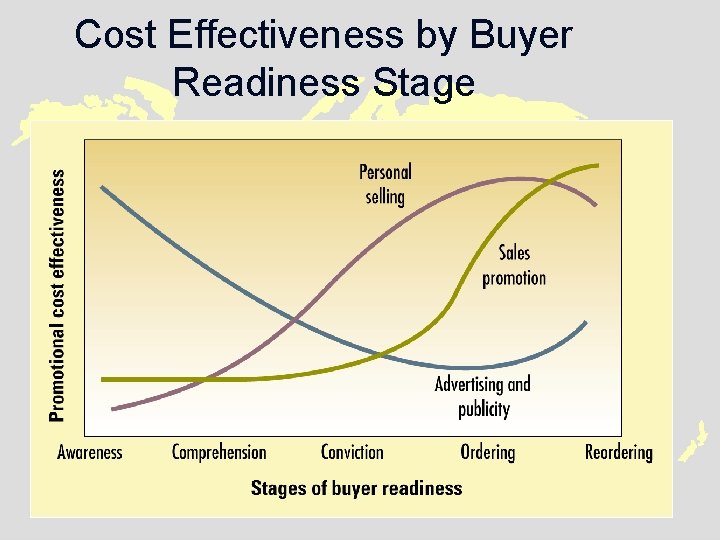
Cost Effectiveness by Buyer Readiness Stage 17 -15
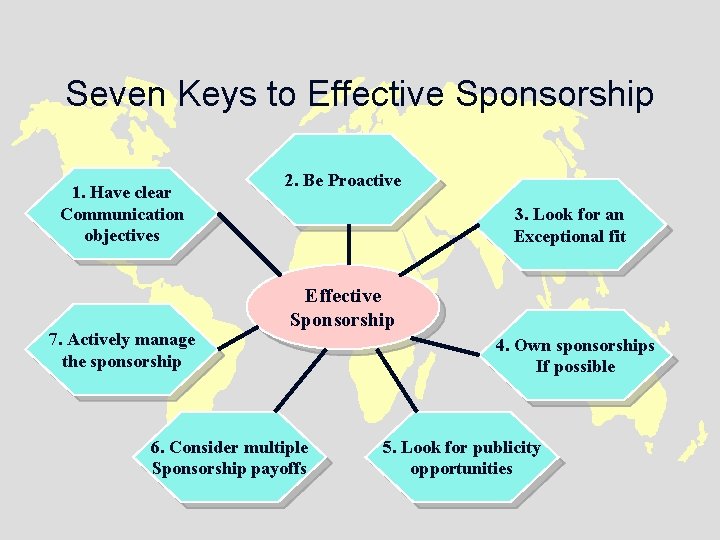
Seven Keys to Effective Sponsorship 1. Have clear Communication objectives 7. Actively manage the sponsorship 2. Be Proactive 3. Look for an Exceptional fit Effective Sponsorship 6. Consider multiple Sponsorship payoffs 4. Own sponsorships If possible 5. Look for publicity opportunities
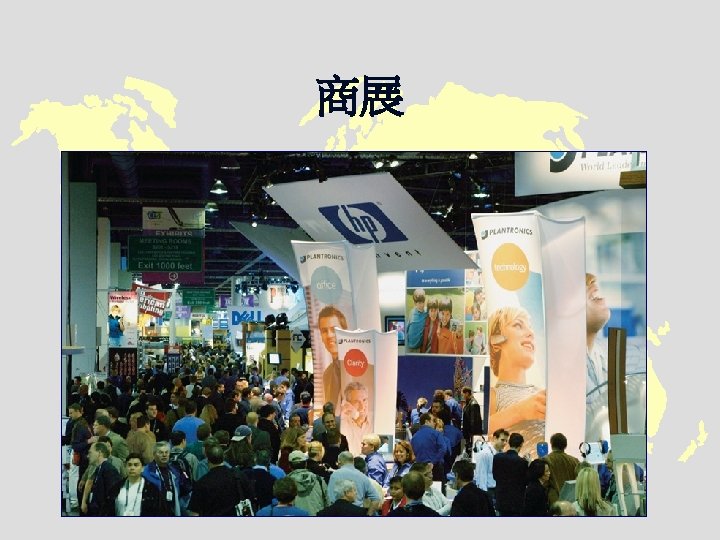
Basic Objectives u Increase sales through new orders or qualified trade show leads u Introduce new products or services u Enhance your relationships with current customers u Conduct market research u Obtain contact names for the company’s email list u Open new markets or territories
Basic Objectives (Cont’d) 24 u Gain media exposure u Check out the competition u Enhance the company image or brand u Conduct sales meetings in conjunction with the exhibit u Provide education to the visitors u Recruit new employees
Quantify Your Objectives u Quantifiable objectives set standards that can be measured u Quantifiable objectives can be checked periodically u Quantifiable objectives can be divided among your booth staff u Be specific when you quantify your objectives u Be Realistic about your objectives
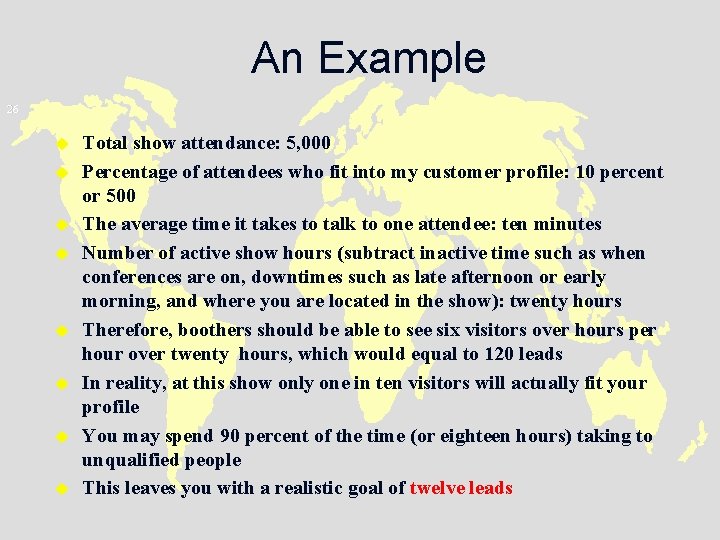
An Example 26 u u u u Total show attendance: 5, 000 Percentage of attendees who fit into my customer profile: 10 percent or 500 The average time it takes to talk to one attendee: ten minutes Number of active show hours (subtract inactive time such as when conferences are on, downtimes such as late afternoon or early morning, and where you are located in the show): twenty hours Therefore, boothers should be able to see six visitors over hours per hour over twenty hours, which would equal to 120 leads In reality, at this show only one in ten visitors will actually fit your profile You may spend 90 percent of the time (or eighteen hours) taking to unqualified people This leaves you with a realistic goal of twelve leads
Ten Points Help to Achieve Trade Show Goals u u u u u Feature the product(s), making them the star(s) of the show Set reachable goals Staff the booth with the company’s most outgoing sales people Set reasonable booth-duty hours so sales people are always fresh because they are on stage Review performance and goals every day for revision Make sure each prospect receives information requested along with a thank-you cover letter Have a technical factory representative on hand to answer tough questions Concentrate on and show a limited number of products Overcome trade show fright by training sales force before the trade show Make prospects feel good about spending their money
Analysis Summary Your Design Needs Analysis Description 1. Reasons for exhibiting Focus on objectives 2. Corporate history Corporate background information 3. Competition Identify your competitors’ exhibiting practices 4. Budget Develop a realistic budget 5. Show plans Create a holistic, integrated show experience 6. Your targets Develop a customer profile 7. Marketing materials Catalog samples of all current marketing materials 8. History Chronicle past exhibit experiences 9. Product display List products, samples, or other materials to be displayed 10. In-booth activities Develop a list of other attention-getting activities 11. The business environment List the tools you need to do business
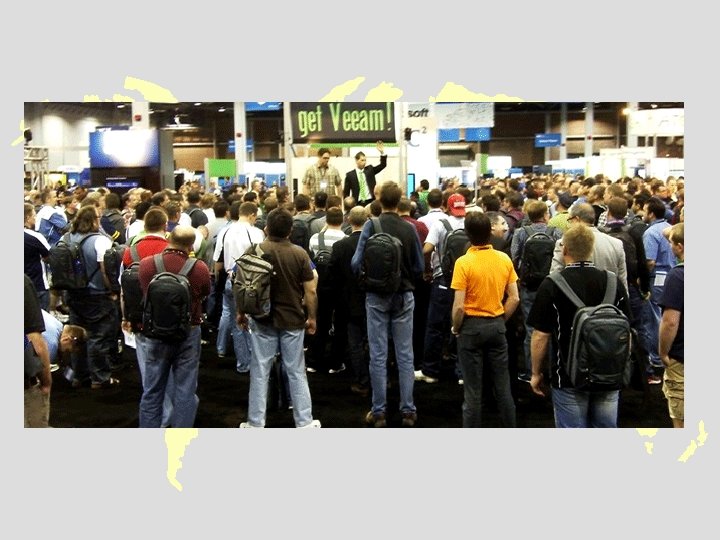
29 Three Dimensional Marketing Experience u Interest – “How can I stand out in the crowd and differentiate myself from the competition – At a show, your real competition is other exhibitors who are vying for attention from the same visitors you want to approach – Walking through a show is like drinking a fire hose—it is simply too much
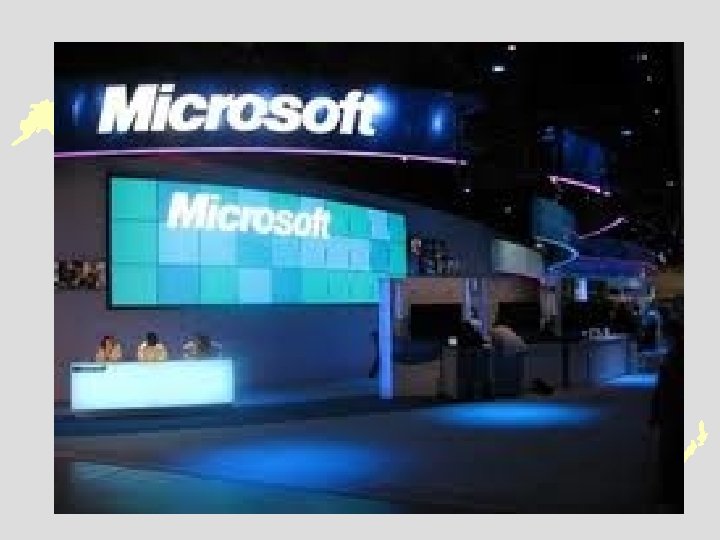
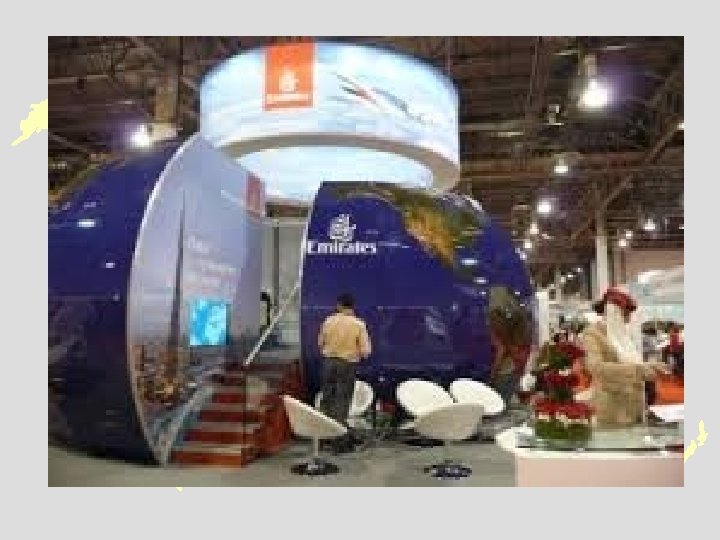
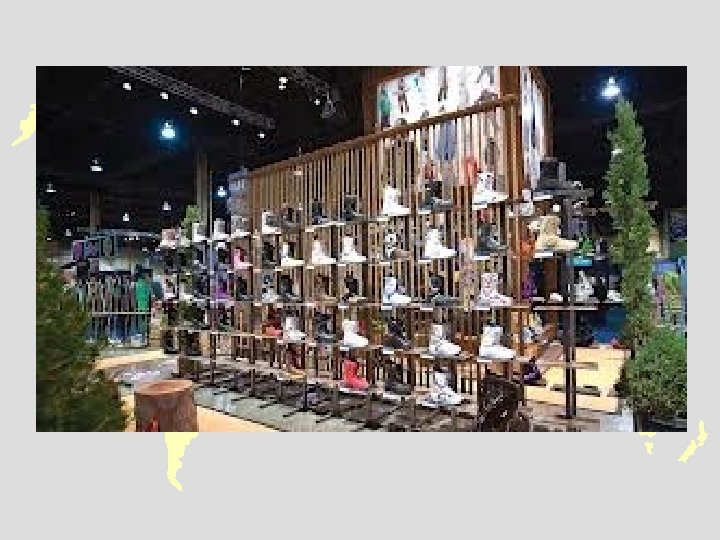
Memorability u The exhibit manager’s job is to create a holistic experience from beginning to end that is so strong and meaningful that the visitor will be less likely to forget – The overall professionalism of your booth – A special feature such as a waterfall – The welcoming feeling of attentive booth staff – The cohesiveness of an overall theme – Sound, lights, hospitality, entertainment etc.
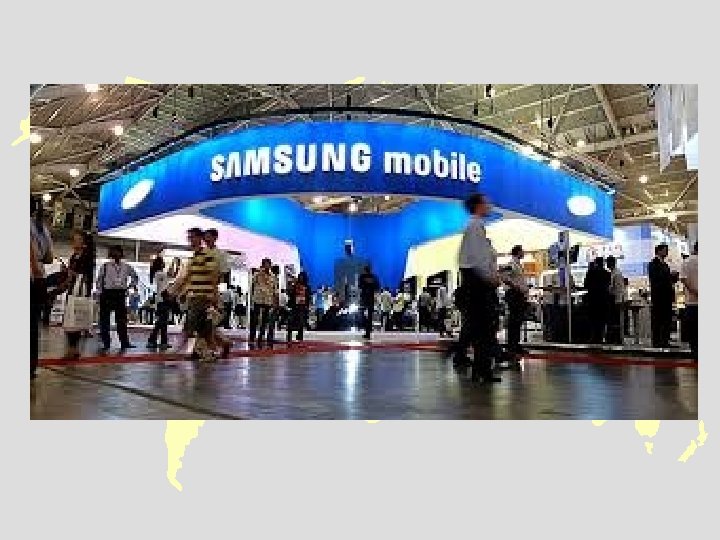
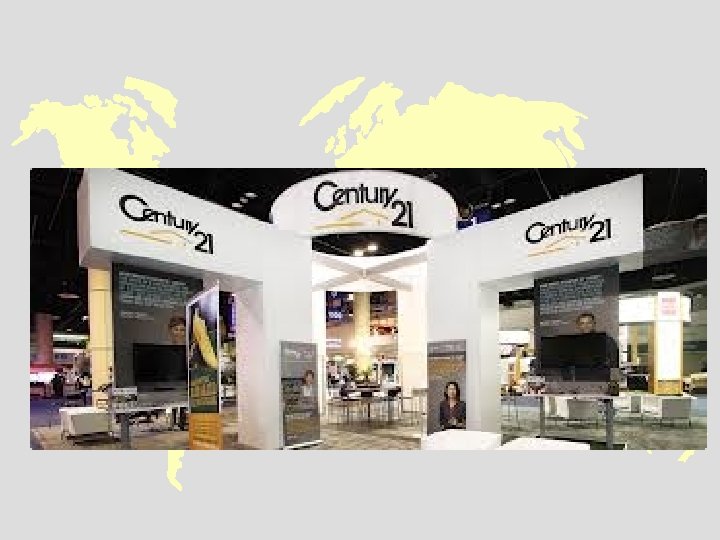
Connectivity 36 u Visitors recognize something in your display that reminds them of something they saw in an ad, on a store shelf, or at a previous exhibition u Connectivity is a result of branding—the creation of something familiar that customers begin to recognize as part of your company or product u It is the sum total of all the promises and perceptions you have created
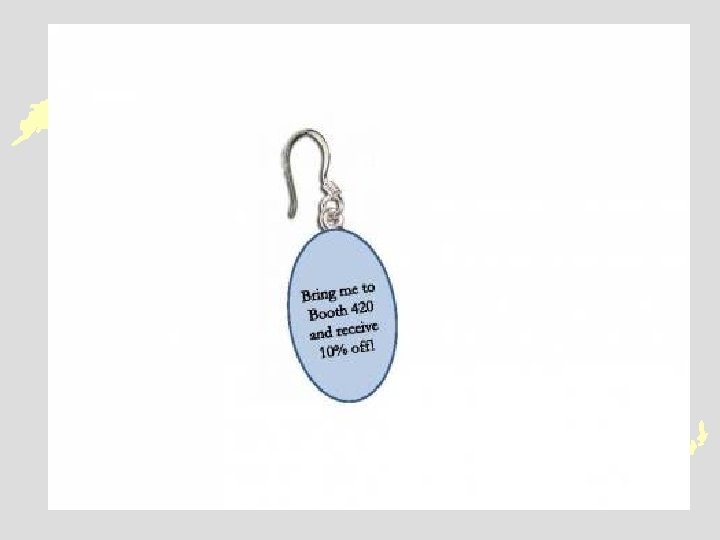
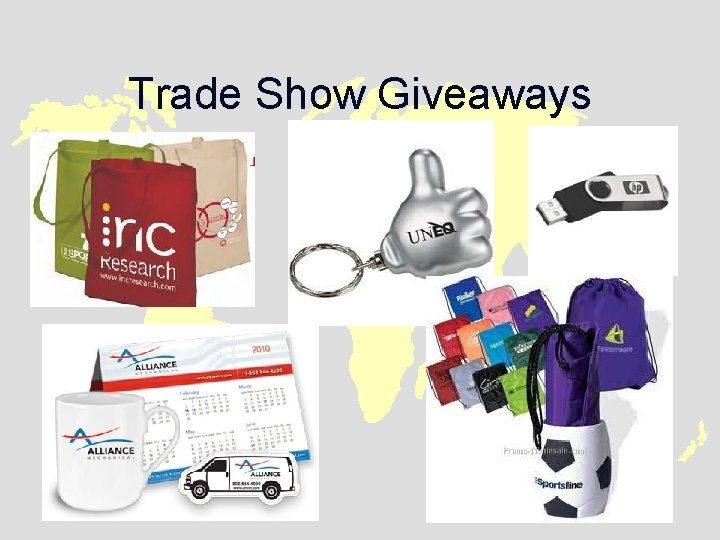
Trade Show Giveaways
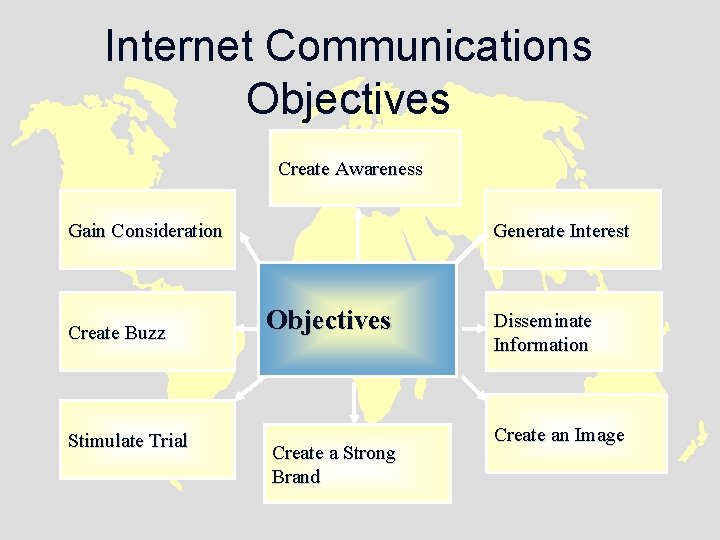
Internet Communications Objectives Create Awareness Gain Consideration Create Buzz Stimulate Trial Generate Interest Objectives Create a Strong Brand Disseminate Information Create an Image
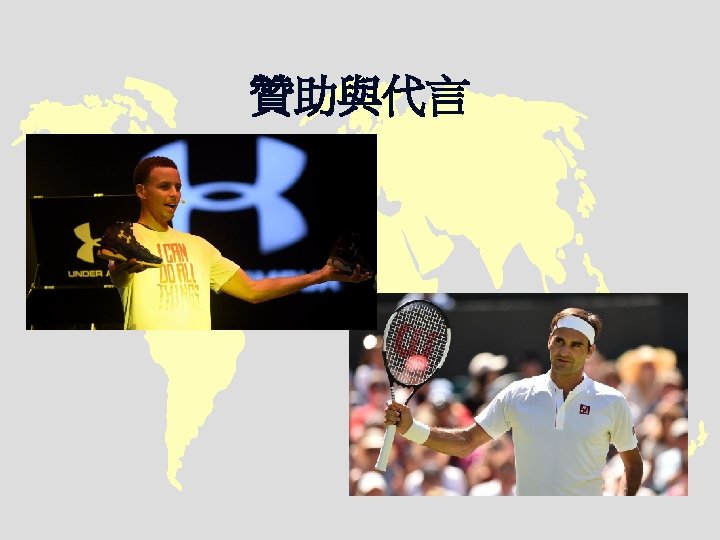
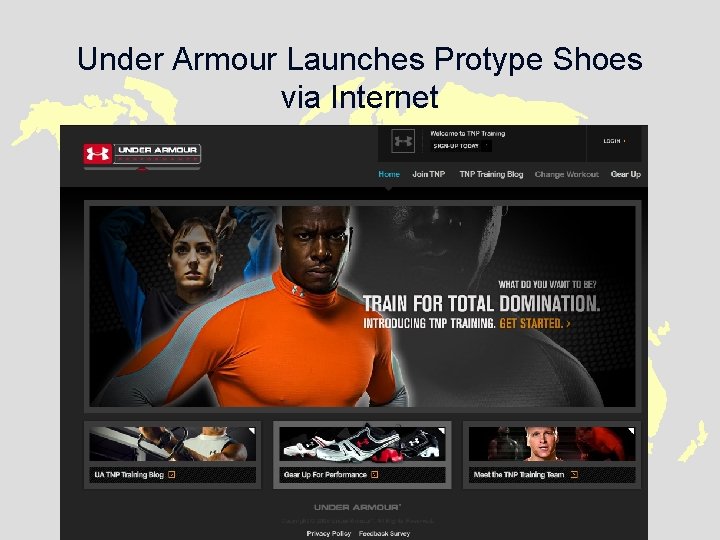
Under Armour Launches Protype Shoes via Internet
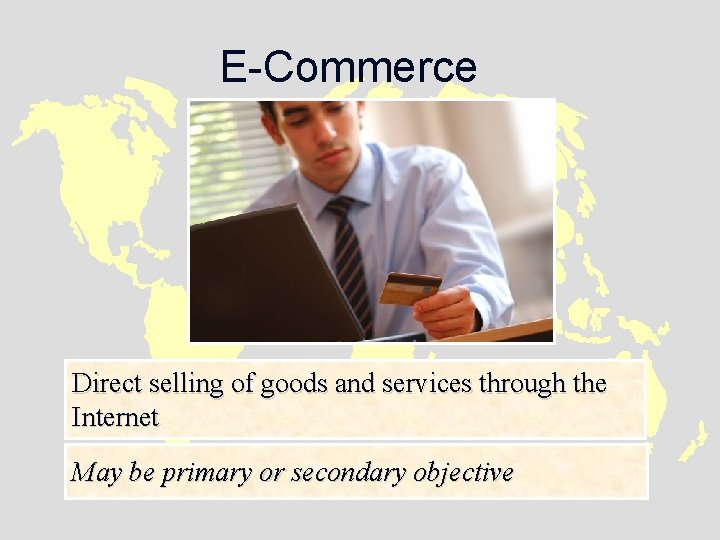
E-Commerce Direct selling of goods and services through the Internet May be primary or secondary objective
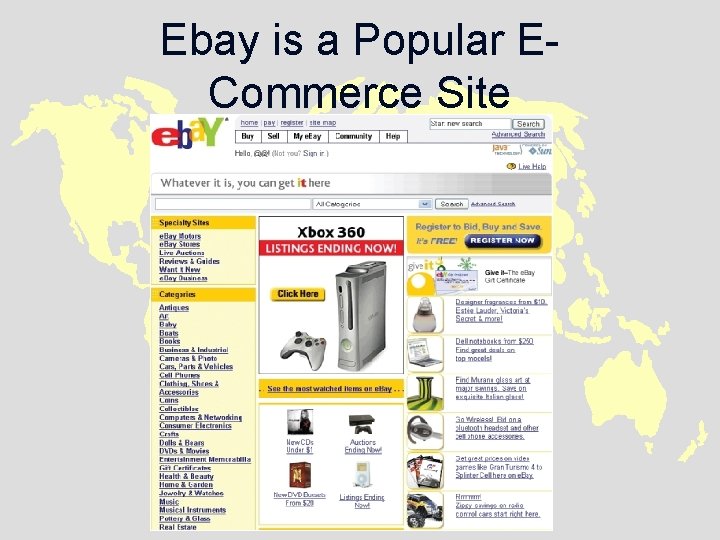
Ebay is a Popular ECommerce Site
Social Media u Internet Social Media – Online technologies and practices that people use to share content, opinions, insights, experiences, perspectives and media themselves – Created, initiated, circulated and used by consumers intent on educating one another about products, brands, services, people and other topics of interest
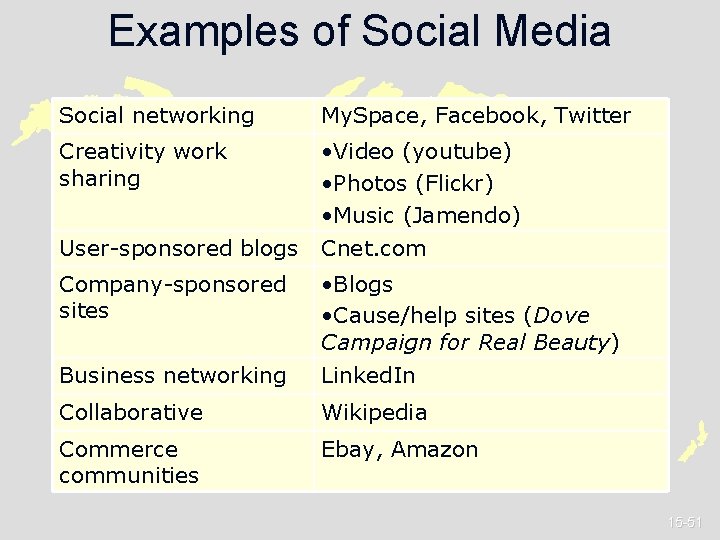
Examples of Social Media Social networking My. Space, Facebook, Twitter Creativity work sharing • Video (youtube) • Photos (Flickr) • Music (Jamendo) Cnet. com User-sponsored blogs Business networking • Blogs • Cause/help sites (Dove Campaign for Real Beauty) Linked. In Collaborative Wikipedia Commerce communities Ebay, Amazon Company-sponsored sites 15 -51
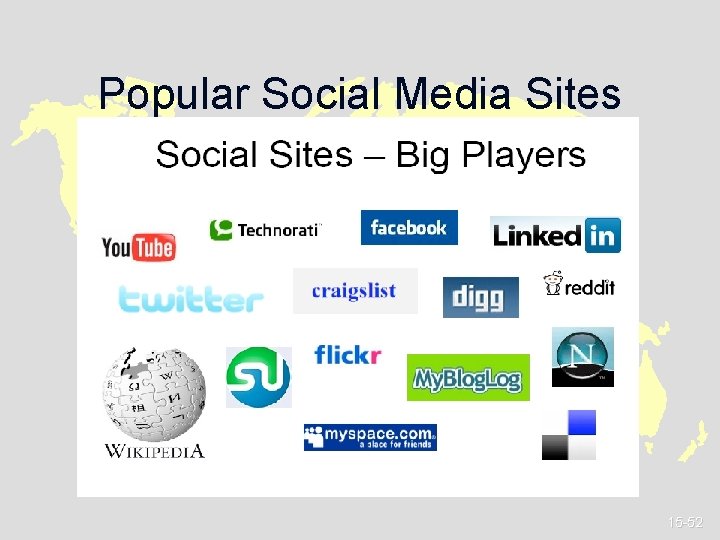
Popular Social Media Sites 15 -52
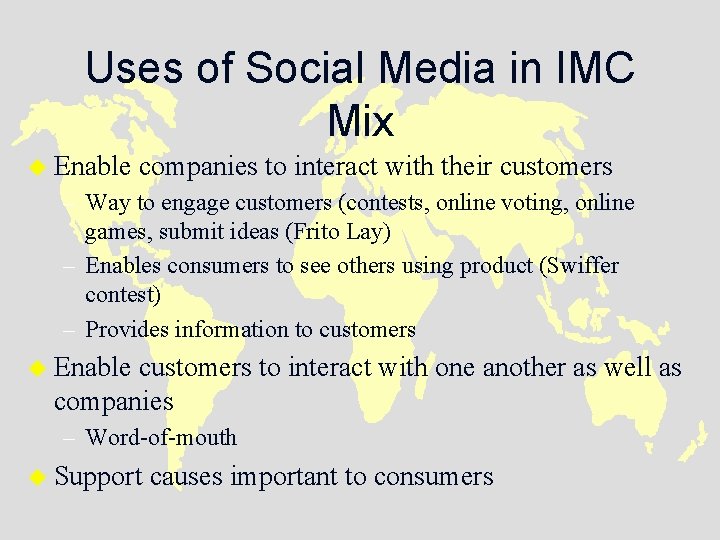
Uses of Social Media in IMC Mix u Enable companies to interact with their customers – Way to engage customers (contests, online voting, online games, submit ideas (Frito Lay) – Enables consumers to see others using product (Swiffer contest) – Provides information to customers u Enable customers to interact with one another as well as companies – Word-of-mouth u Support causes important to consumers
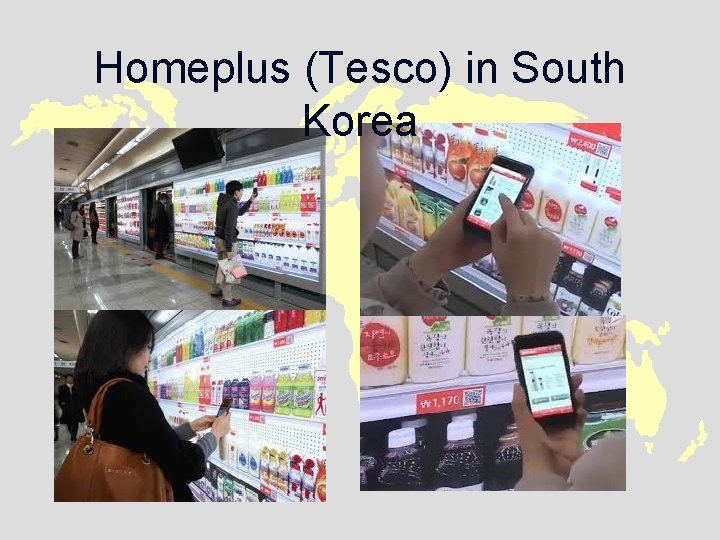
Homeplus (Tesco) in South Korea
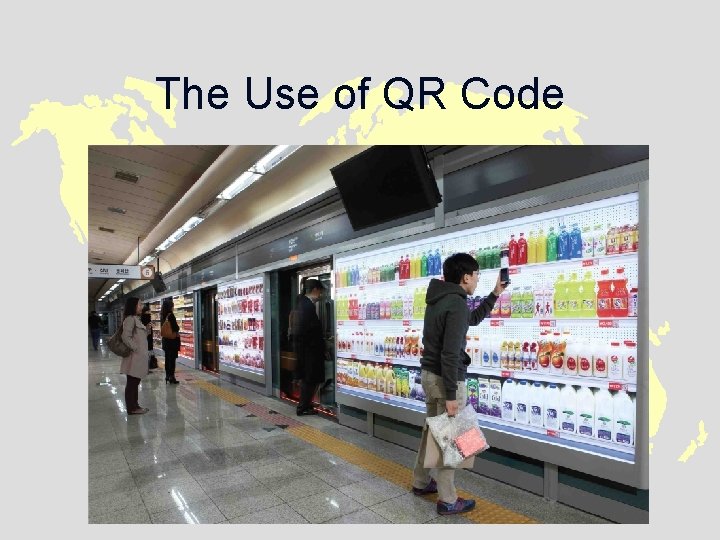
The Use of QR Code
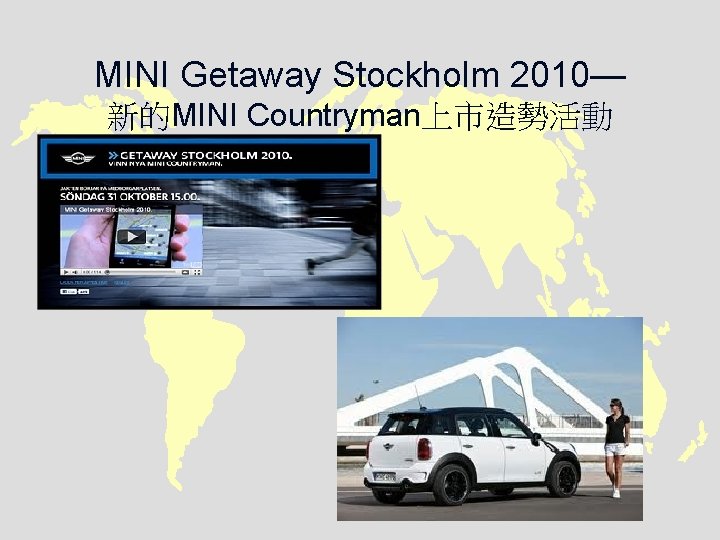
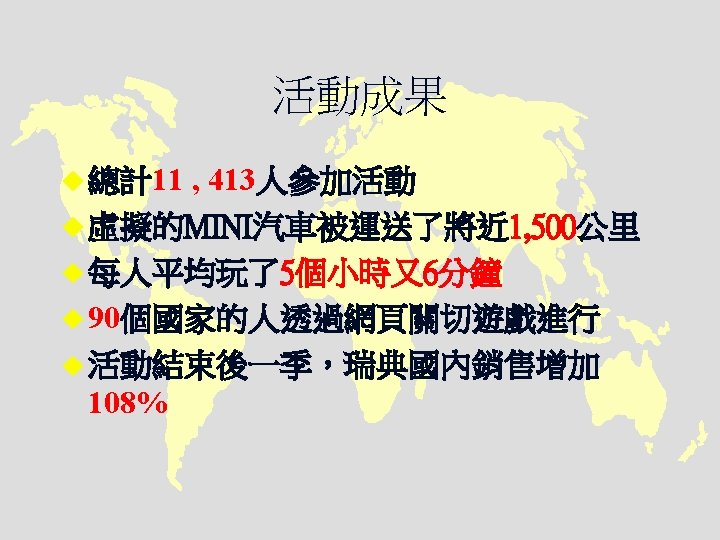
MINI Getaway Stockholm 2010— 新的MINI Countryman上市造勢活動