KY Science Summative Assessment Update Sean Elkinseducation ky

- Slides: 31
KY Science. Summative Assessment Update Sean. Elkins@education. ky. gov 9/25/2017
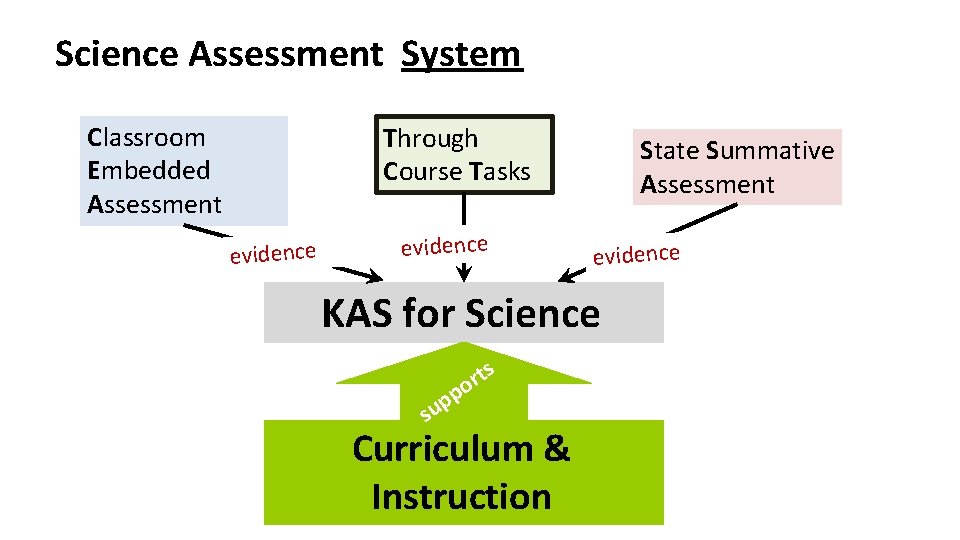
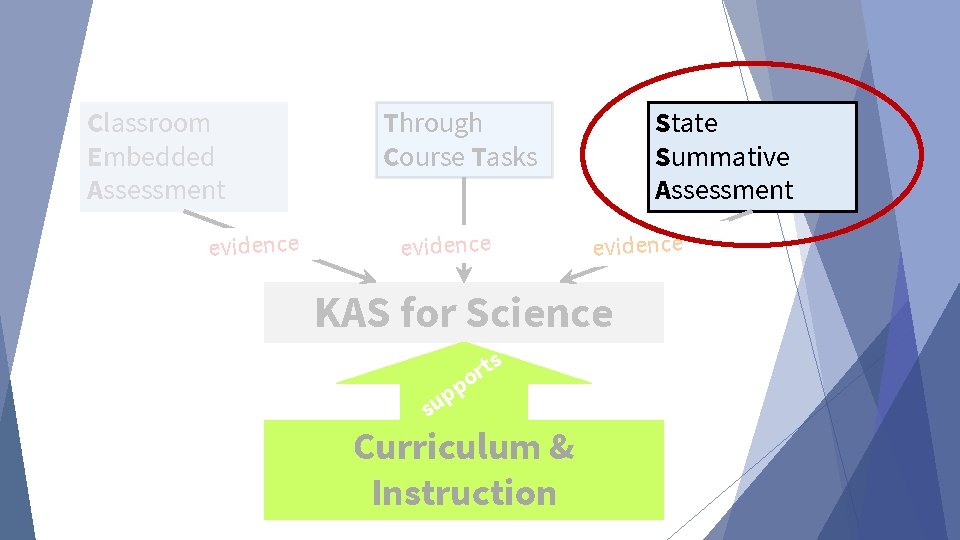
Science Assessment System Classroom Embedded Assessment Through Course Tasks evidence State Summative Assessment evidence KAS for Science s p p u ts r o Curriculum & Instruction
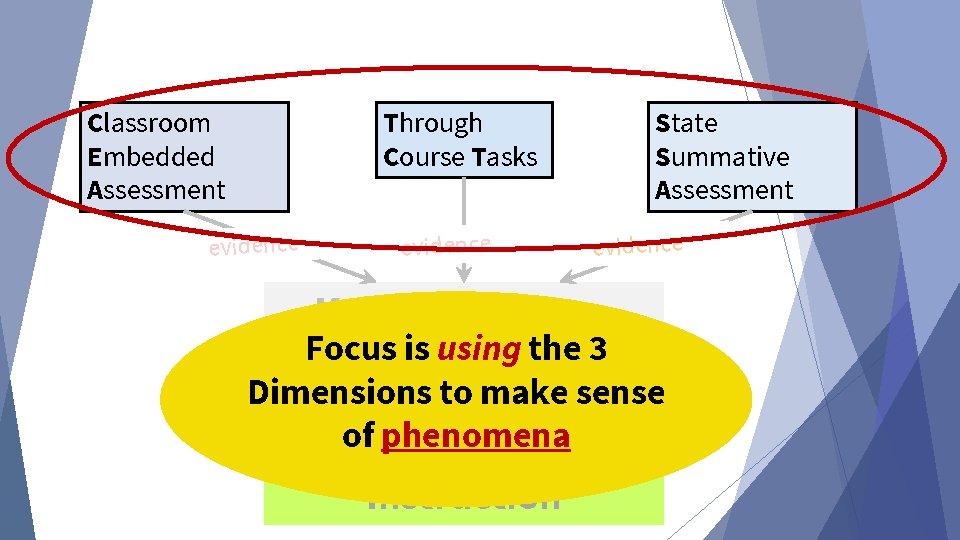
Classroom Embedded Assessment Through Course Tasks evidence State Summative Assessment evidence KAS for Science Focus is using the 3 s rt o Dimensionssuto pp make sense of phenomena Curriculum & Instruction
What does it mean to “use the 3 dimensions? ” What do we mean by “phenomena? ” 4
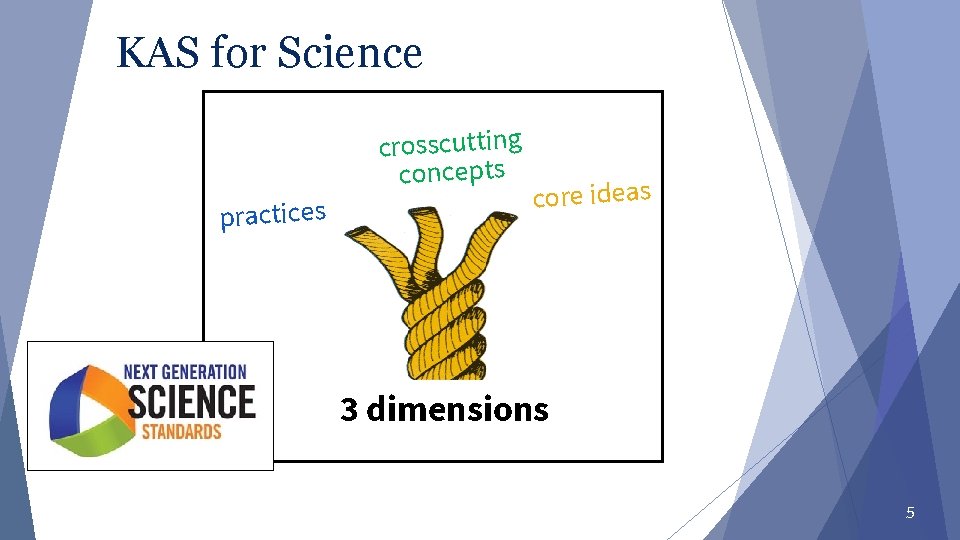
KAS for Science crosscutting concepts practices core ideas 3 dimensions 5
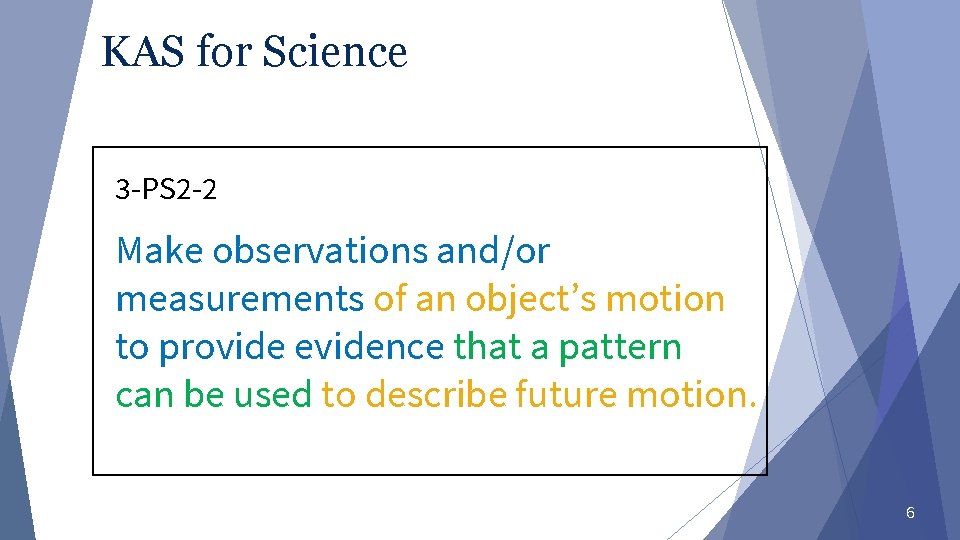
KAS for Science 3 -PS 2 -2 Make observations and/or measurements of an object’s motion to provide evidence that a pattern can be used to describe future motion. 6
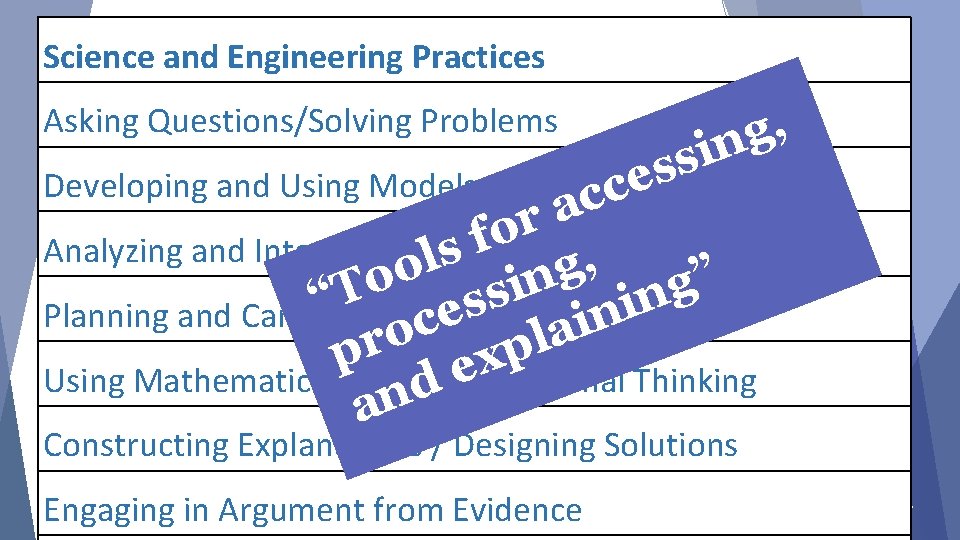
Science and Engineering Practices Asking Questions/Solving Problems Developing and Using Models s s ce , g in c a r o f Analyzing and Interpretingl. Data s , g o ” o n i g T s n “ s i Planning and Carrying Outc. Investigations e n i a o l r p p x e Using Mathematical and Computational Thinking d an Constructing Explanations / Designing Solutions Engaging in Argument from Evidence 7
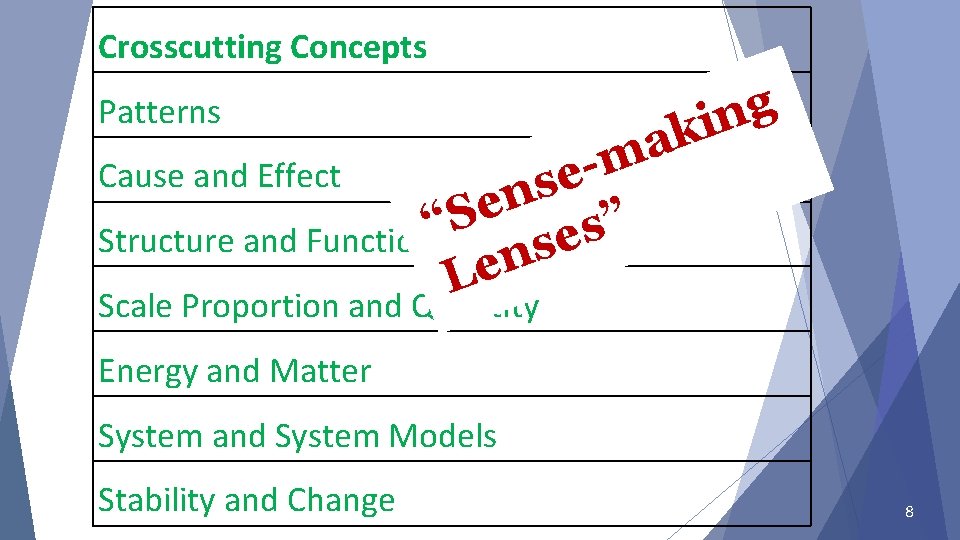
Crosscutting Concepts Patterns g n i k a m e s n e S ” “ s Structure and Function e s n e L Scale Proportion and Quantity Cause and Effect Energy and Matter System and System Models Stability and Change 8
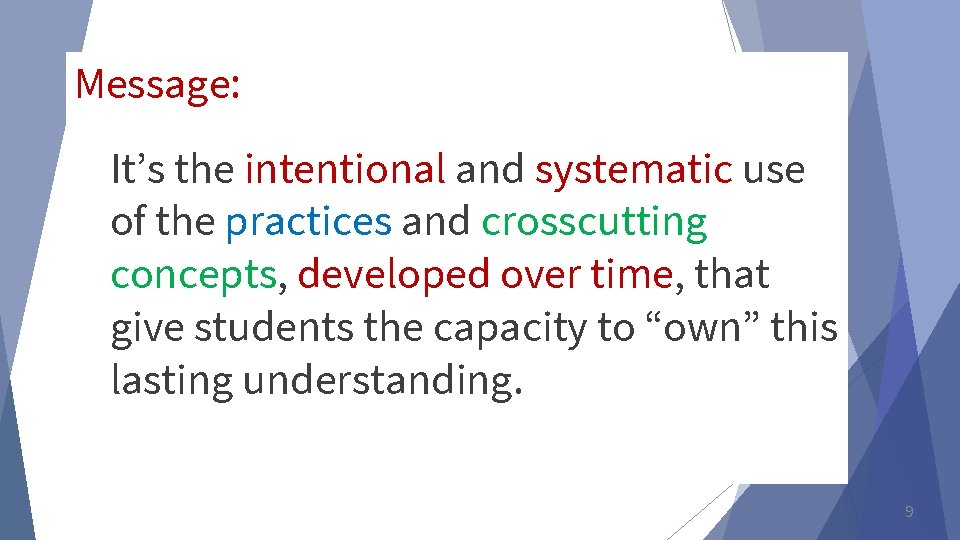
Message: It’s the intentional and systematic use of the practices and crosscutting concepts, developed over time, that give students the capacity to “own” this lasting understanding. 9
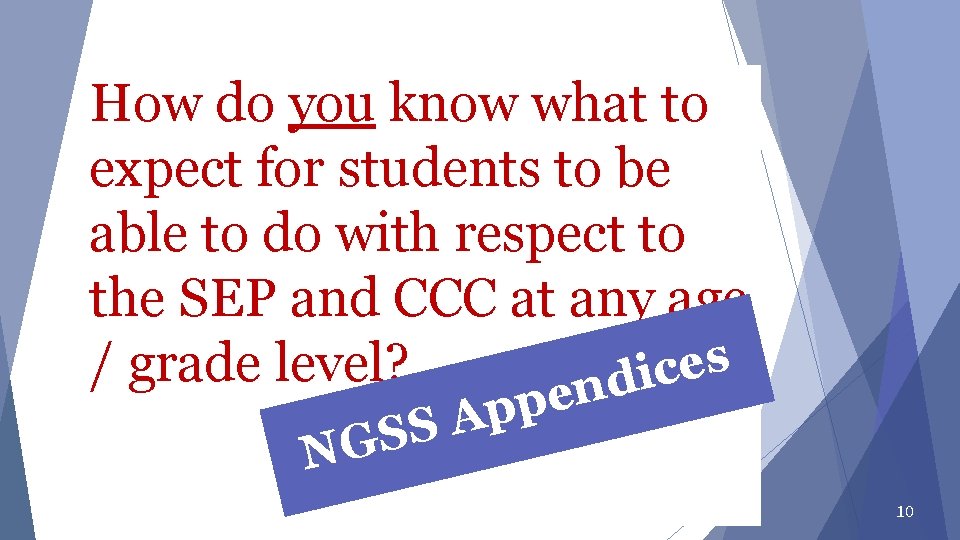
How do you know what to expect for students to be able to do with respect to the SEP and CCC at any age s / grade level? e c i d n S S NG e p Ap 10
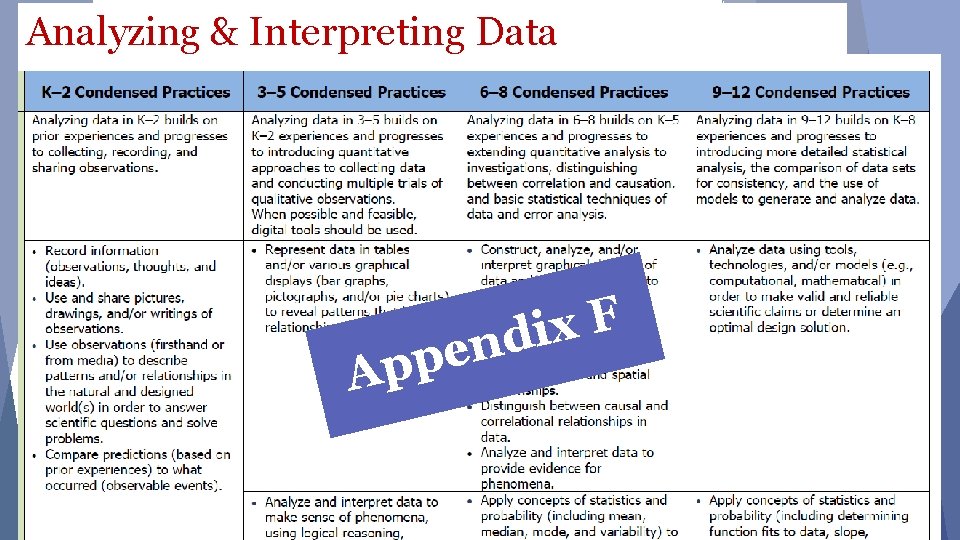
Analyzing & Interpreting Data F x i d n e p p A 11
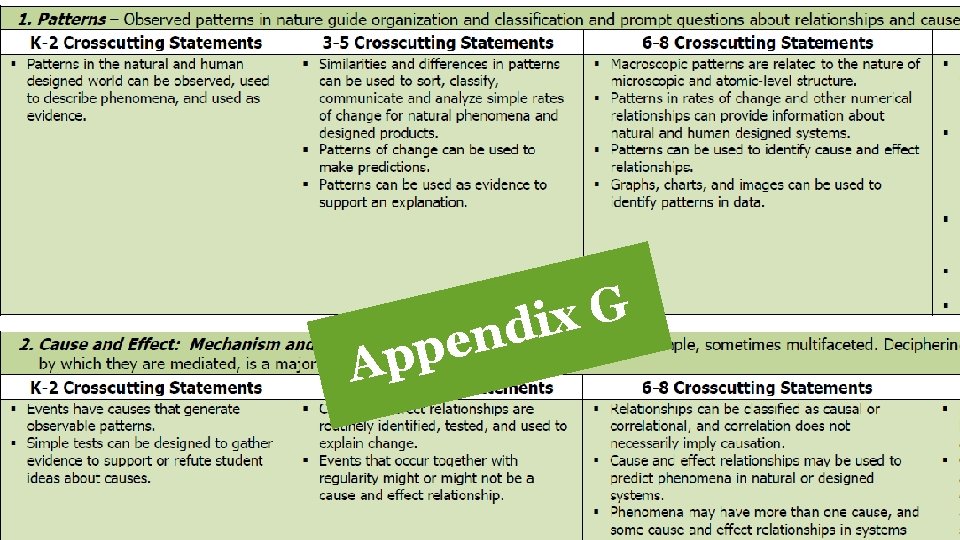
Analyzing & Interpreting Data G x i end p p A 12
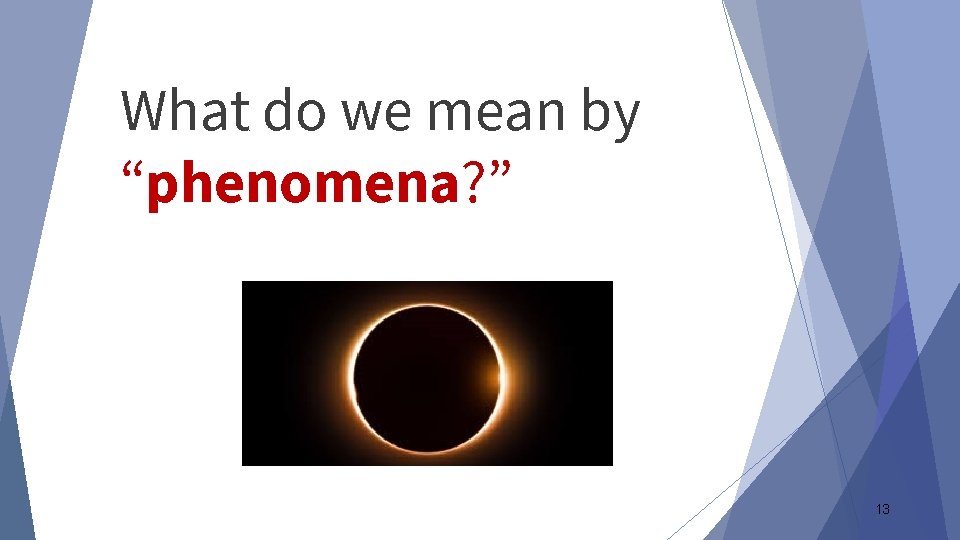
What do we mean by “phenomena? ” 13
Classroom Embedded Assessment evidence Through Course Tasks evidence State Summative Assessment evidence KAS for Science ts r o p p u s Curriculum & Instruction
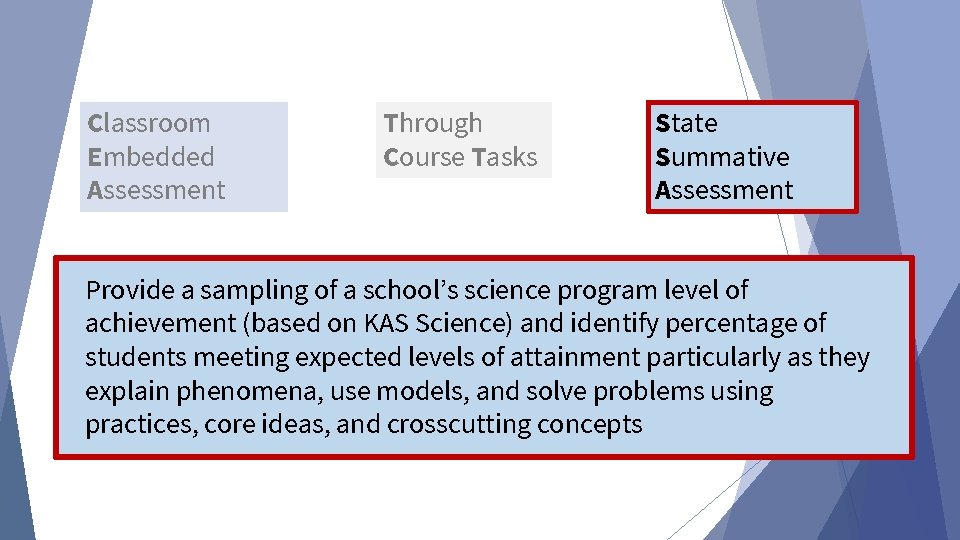
Classroom Embedded Assessment Through Course Tasks State Summative Assessment Provide a sampling of a school’s science program level of achievement (based on KAS Science) and identify percentage of students meeting expected levels of attainment particularly as they explain phenomena, use models, and solve problems using practices, core ideas, and crosscutting concepts
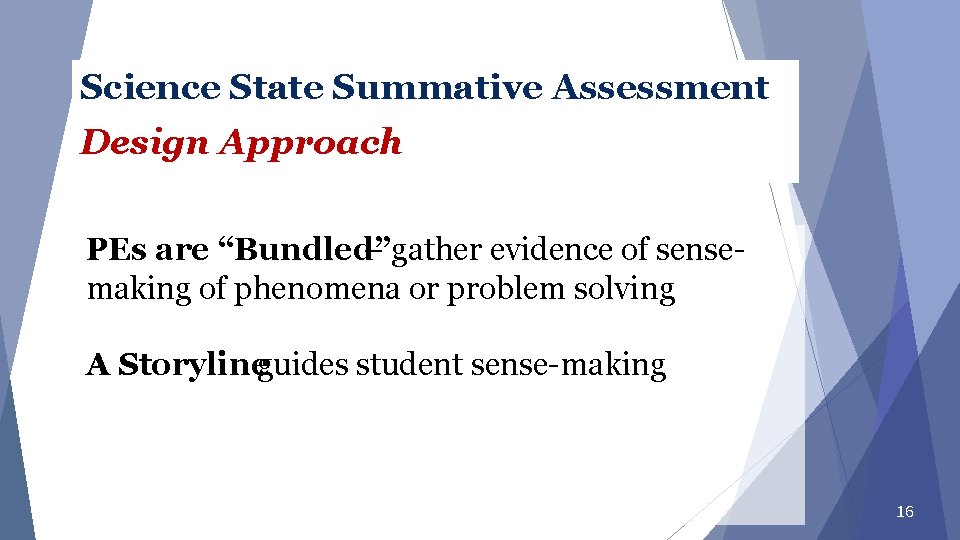
Science State Summative Assessment Design Approach PEs are “Bundled” – gather evidence of sensemaking of phenomena or problem solving A Storylineguides student sense-making 16
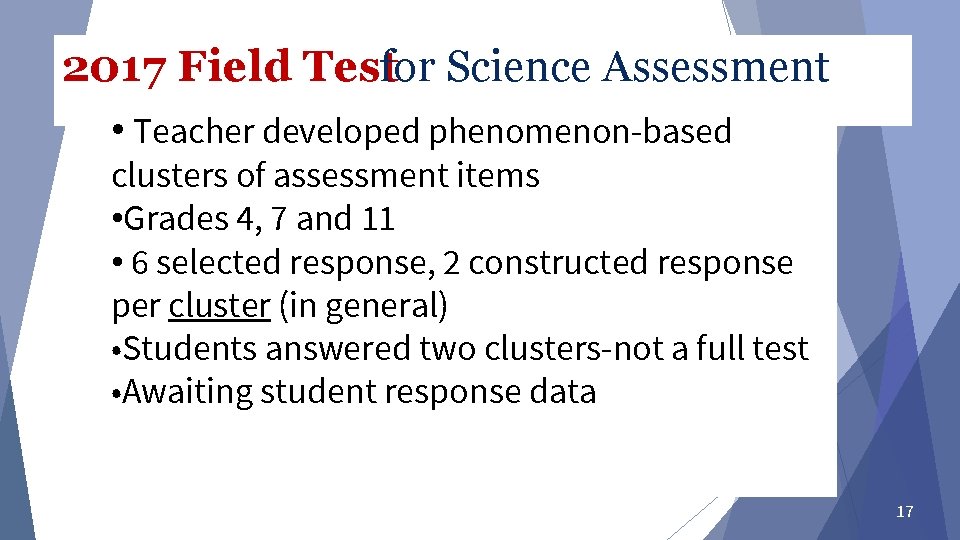
2017 Field Testfor Science Assessment • Teacher developed phenomenon-based clusters of assessment items • Grades 4, 7 and 11 • 6 selected response, 2 constructed response per cluster (in general) • Students answered two clusters-not a full test • Awaiting student response data 17
Resources for today kysas. weebly. com 18
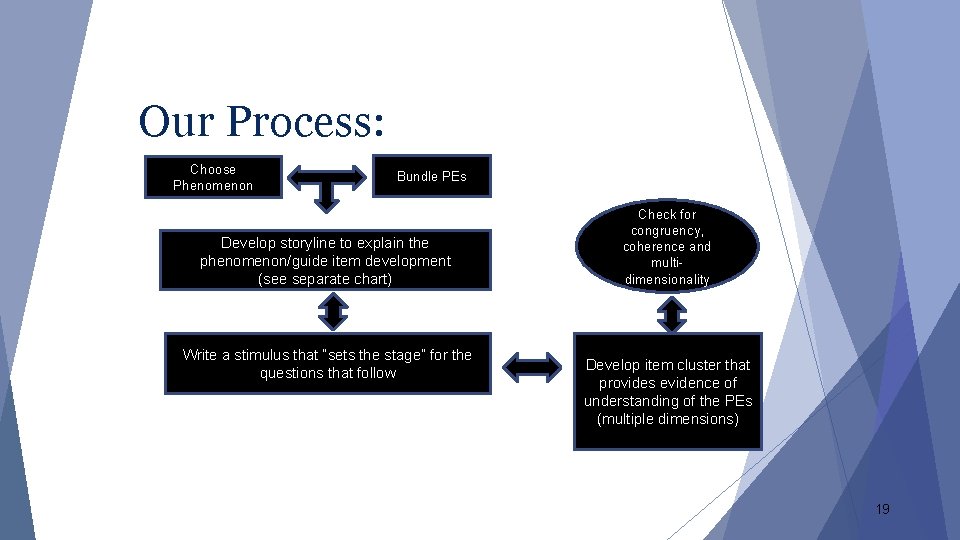
Our Process: Choose Phenomenon Bundle PEs Develop storyline to explain the phenomenon/guide item development (see separate chart) Write a stimulus that “sets the stage” for the questions that follow Check for congruency, coherence and multidimensionality Develop item cluster that provides evidence of understanding of the PEs (multiple dimensions) 19
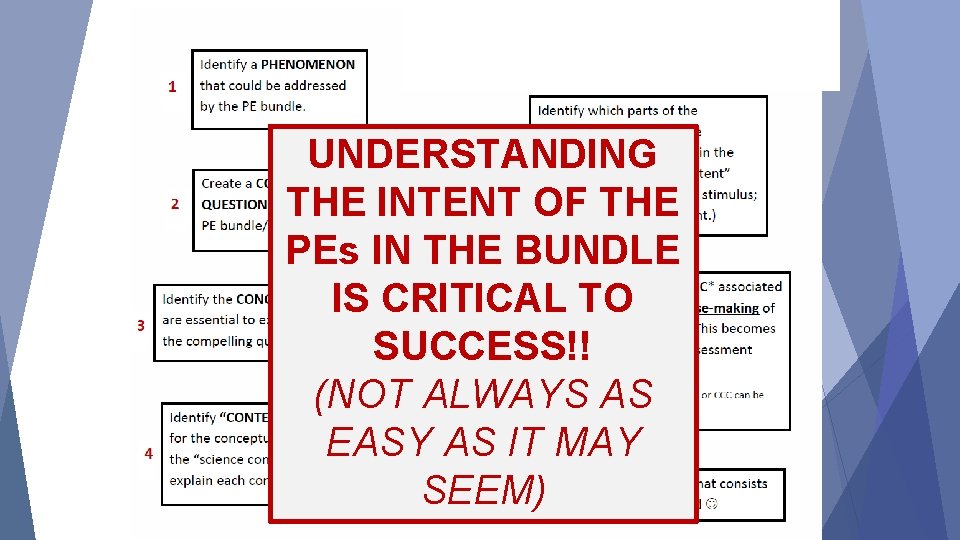
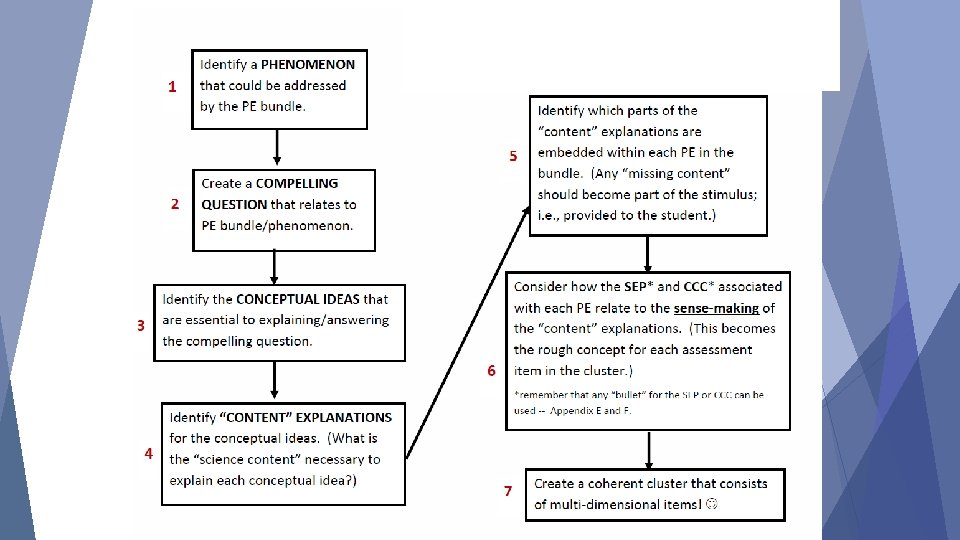
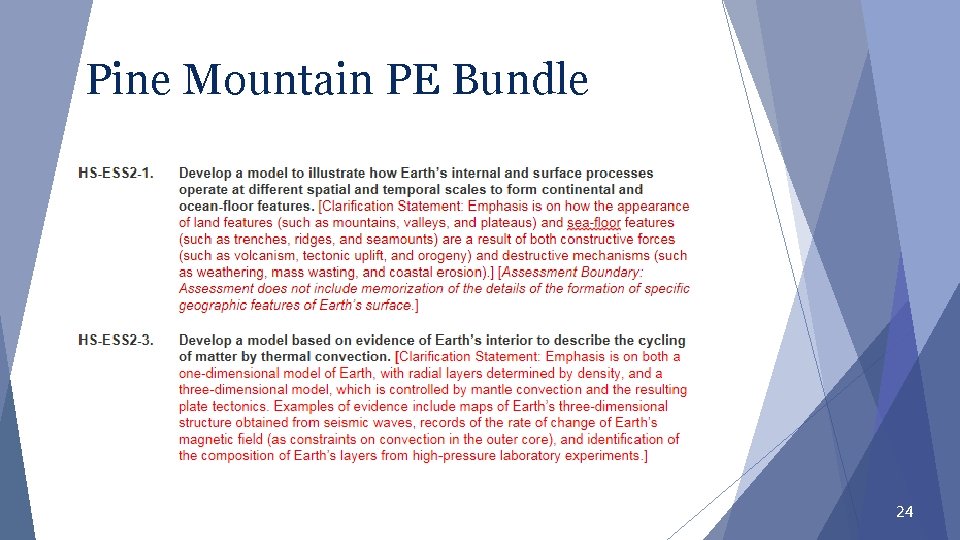
UNDERSTANDING THE INTENT OF THE PEs IN THE BUNDLE IS CRITICAL TO SUCCESS!! (NOT ALWAYS AS EASY AS IT MAY SEEM)
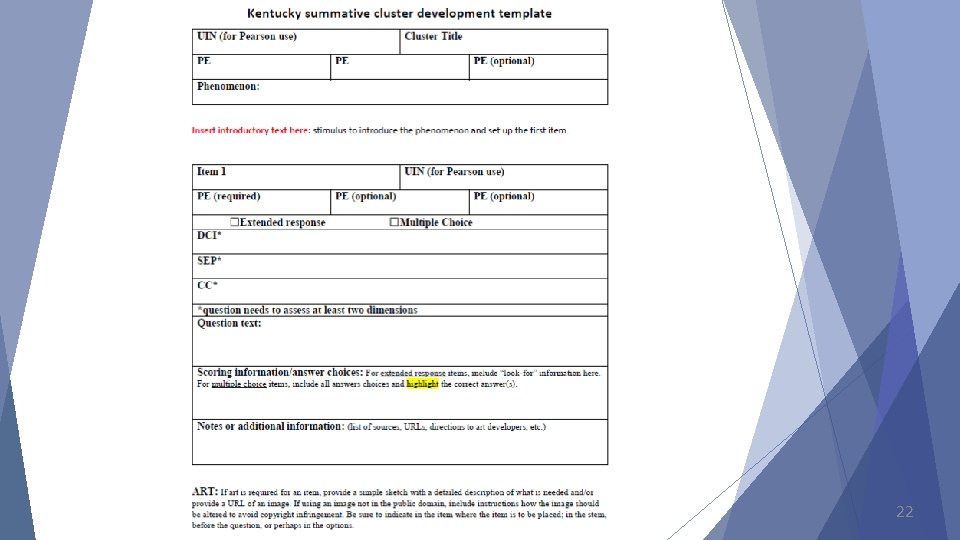
22
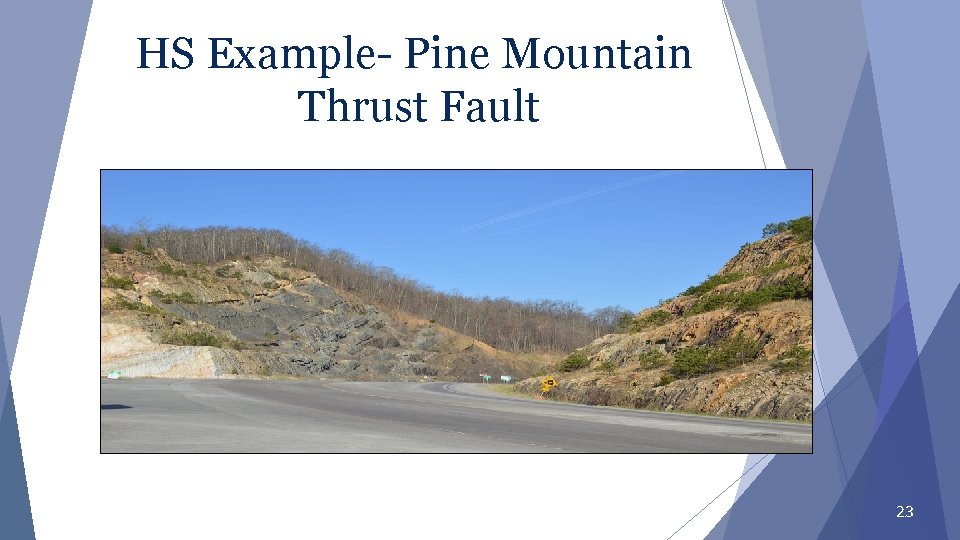
HS Example- Pine Mountain Thrust Fault 23
Pine Mountain PE Bundle 24
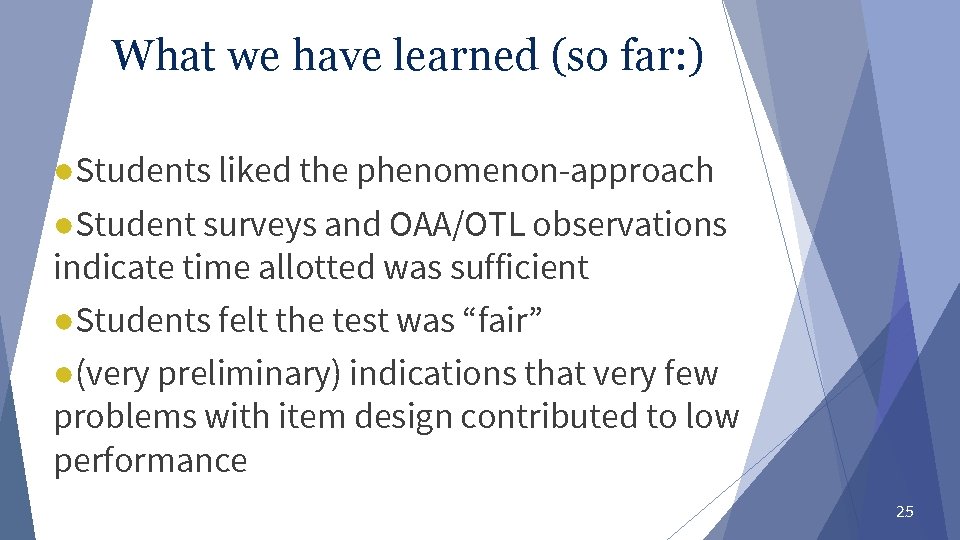
What we have learned (so far: ) ●Students liked the phenomenon-approach ●Student surveys and OAA/OTL observations indicate time allotted was sufficient ●Students felt the test was “fair” ●(very preliminary) indications that very few problems with item design contributed to low performance 25
2018 Science Assessment • Expected operational assessment at grades 4 & 7. Configuration TBD. • Field Test of Biology EOC. 7 selected response, 1 constructed response per cluster (in general. ) • Students will likely not complete a full assessment. • Biology EOC Field Test likely administered online. • PEs eligible for Biology EOC: all HS LS, 8 th grade LS, HS ETS • Writers not limited to “bundled” SEP and CCC 26
Cluster development: average 30 hours to create a draft 27
Things to think about: 4 & 7 ●Are you focusing on the SEP and CCC? Or is instruction only DCI? The summative measures all three parts of the standards. ●Is instruction being planned to investigate phenomena? ●Don’t forget the ETS standards for your grade band. Do students know what criteria and constraints are? 28
Things to think about: 4 & 7 ●The test will not reward memorizing definitions. Teach the word AFTER the concept is familiar. ●Develop assessment when developing instruction. ●Practice test banks built around phenomena aren’t practical in our experience. Do you have 30 hours to spare? 29
Things to think about: BIO EOC ●All the advice for 4 & 7 applies equally well to the BIO EOC Field Test. ● All HS life science (LS), 8 th grade LS, HS ETS are eligible for assessment. ●Field Test will not generate student scores. Biology teachers will need to develop their own final. ●SBDM may wish to revise policies regarding impact on grades in EOC classes. 30
Where do I go for answers: ●Start with your BAC or DAC. ●The DAC emails are archived on the KDE website. ●Science assessment info on the KDE Science Assessment webpage. ●dacinfo@education. ky. gov 31