Intercultural Communication Levan Tsagareli Aims The aim of
- Slides: 27
Intercultural Communication Levan Tsagareli
Aims � The aim of the workshop is to provide space for reflection on variety of cultural identities and � to develop understanding for behavior, customs and values valid in a social environment other than one’s own. � The participants will become aware of cultural relativity and � learn how to handle the culture shock in an intercultural encounter. � Within the workshop discussions they will have opportunity to reflect critically on their own perception and beliefs from the perspective of an outsider, thus � getting able to interpret the divergent cultural practices without bias.
Topics � What Is Culture? � Why Are Cultures So Different? � But Are We Really So Different? � Where Do the Cultural Differences Actually Emerge? � Othering and Stereotyping � What Is Intercultural Competence? � Critical Incidents � Comparing Cultures
What Is Culture? Colere �cultivation / domestication, cult, transformation of nature (forest �garden, animal �human…) � Holistic notion of culture: � � � Exclusive notion of culture: � � “Georgian culture”, “Ancient culture”, “Oriental culture”… Culture = civilization cultural / civilized nations vs. non-civilized nations (colonization) “Cultural events”, “Cultural programme”, “Department of Culture”… Certain segment of the social life: arts, literature, music, theatre… “high” culture vs. “low” culture (elitism) Universal notion of culture: � � � “political culture”, “food culture”, “wine culture”, culture of dialogue”… Everything constructed by men: a totality of beliefs, ideas, perceptions, values and meanings which is materialized in practices, techniques, traditions and artefacts and serves as means of interpreting and understanding the reality. Determines our world view and behaviour (time and place bound!)
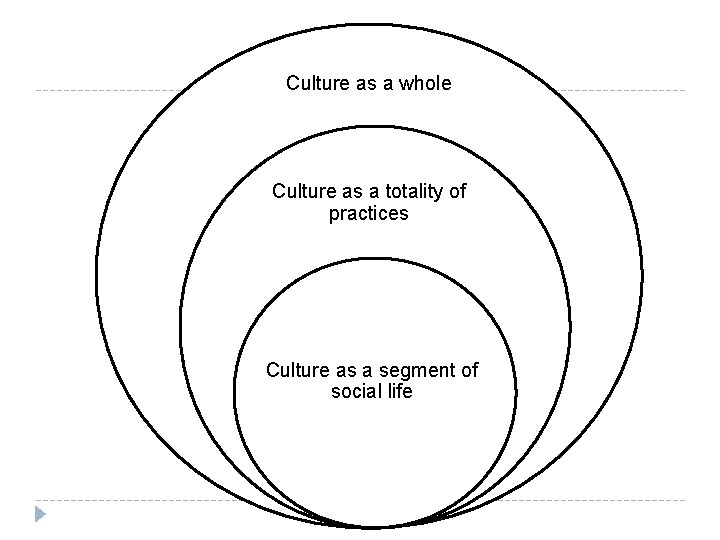
Culture as a whole Culture as a totality of practices Culture as a segment of social life
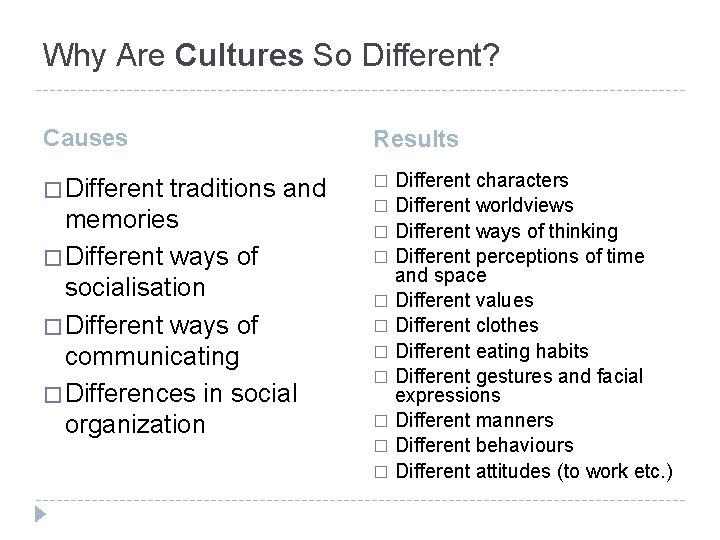
Why Are Cultures So Different? Causes Results � Different � traditions and memories � Different ways of socialisation � Different ways of communicating � Differences in social organization Different characters � Different worldviews � Different ways of thinking � Different perceptions of time and space � Different values � Different clothes � Different eating habits � Different gestures and facial expressions � Different manners � Different behaviours � Different attitudes (to work etc. )
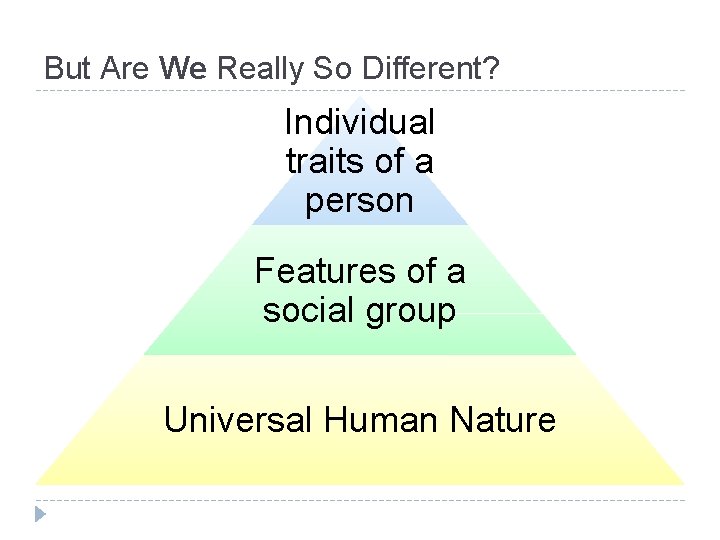
But Are We Really So Different? Individual traits of a person Features of a social group Universal Human Nature
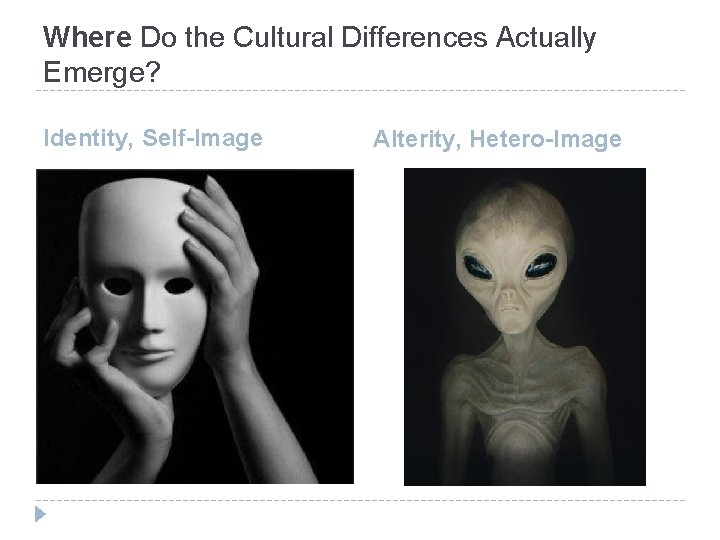
Where Do the Cultural Differences Actually Emerge? Identity, Self-Image Alterity, Hetero-Image
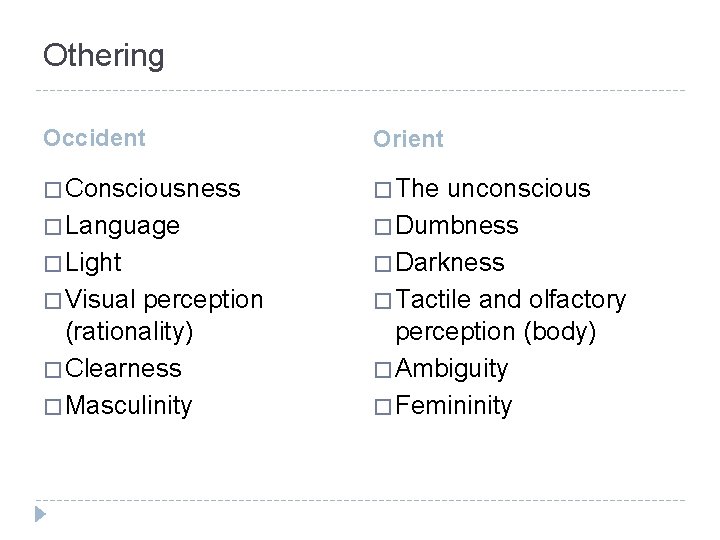
Othering Occident Orient � Consciousness � The � Language � Light � Visual perception (rationality) � Clearness � Masculinity unconscious � Dumbness � Darkness � Tactile and olfactory perception (body) � Ambiguity � Femininity
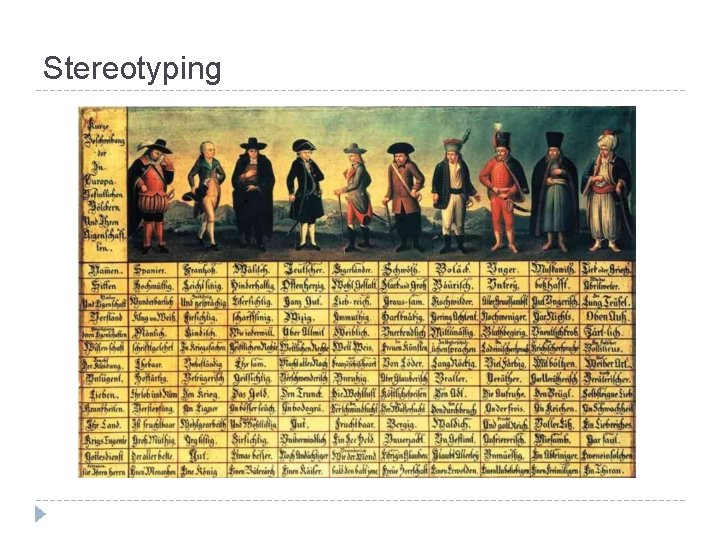
Stereotyping
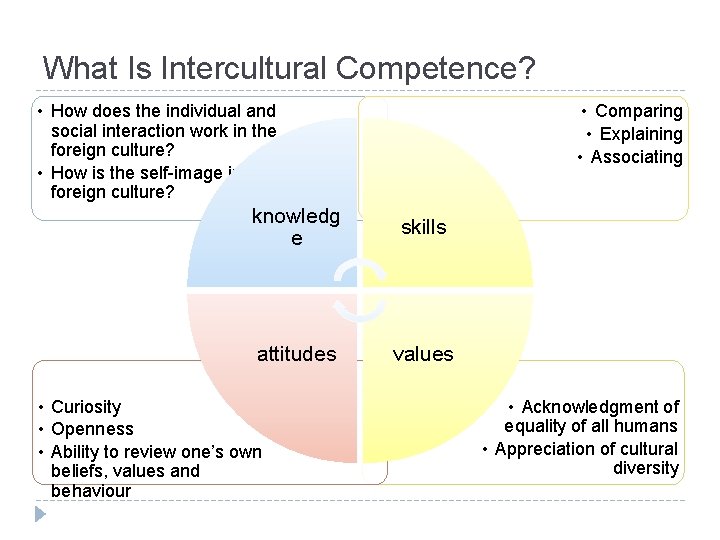
What Is Intercultural Competence? • How does the individual and social interaction work in the foreign culture? • How is the self-image in the foreign culture? • Comparing • Explaining • Associating knowledg e skills attitudes values • Curiosity • Openness • Ability to review one’s own beliefs, values and behaviour • Acknowledgment of equality of all humans • Appreciation of cultural diversity
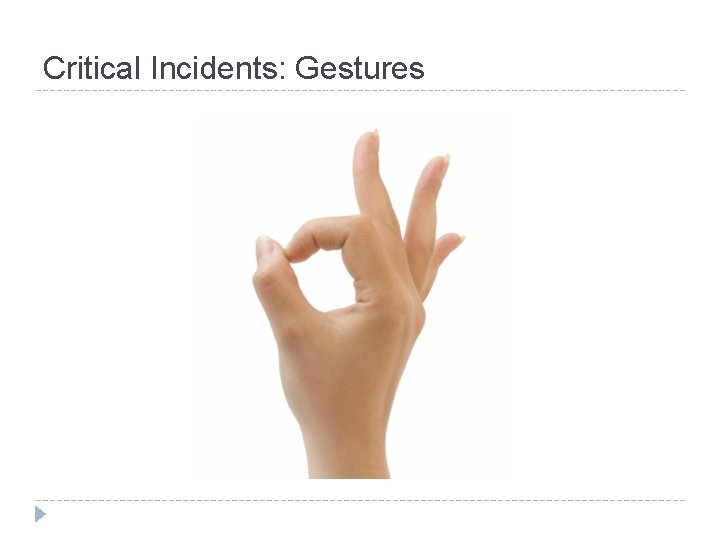
Critical Incidents: Gestures
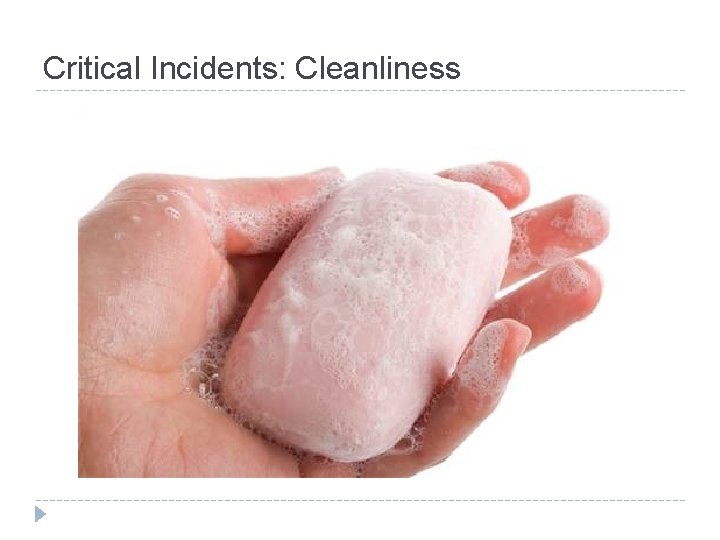
Critical Incidents: Cleanliness
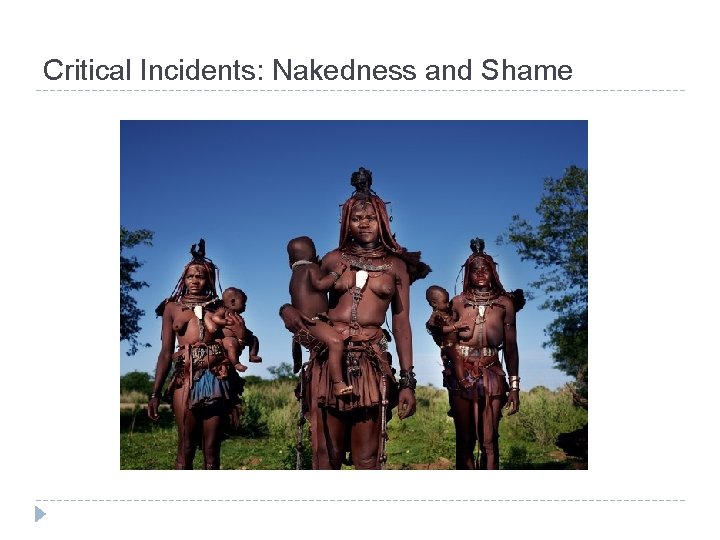
Critical Incidents: Nakedness and Shame
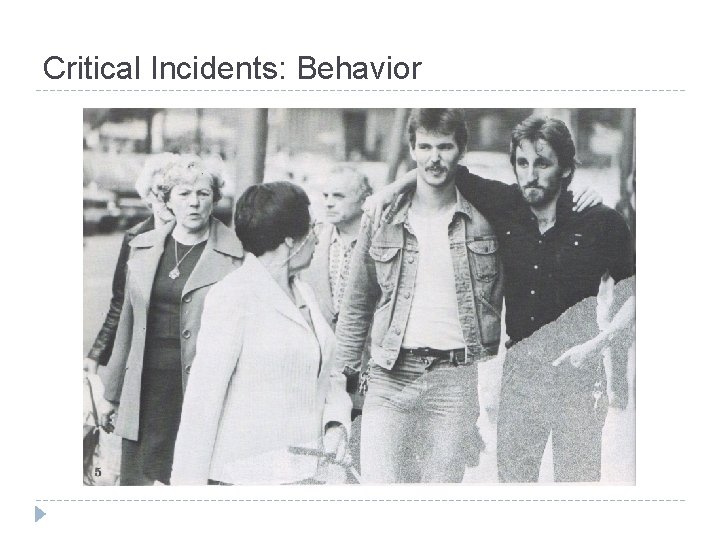
Critical Incidents: Behavior
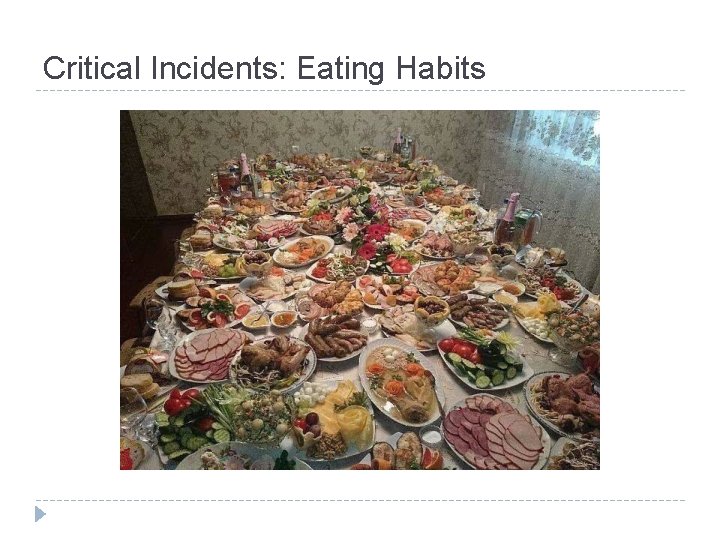
Critical Incidents: Eating Habits
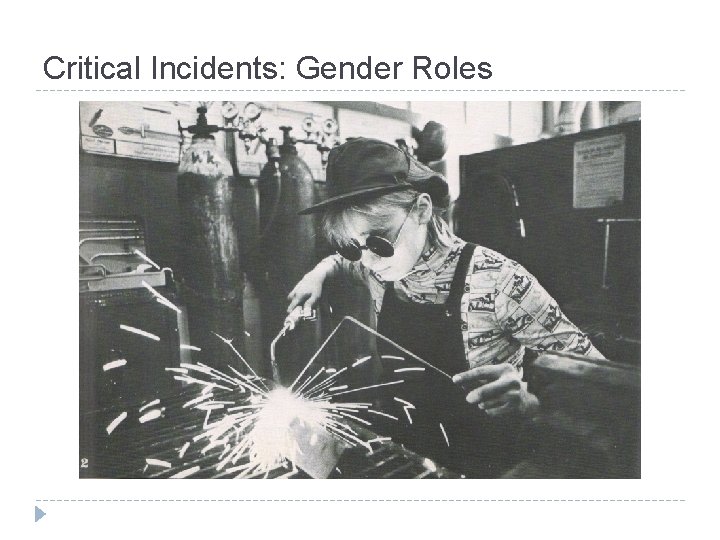
Critical Incidents: Gender Roles
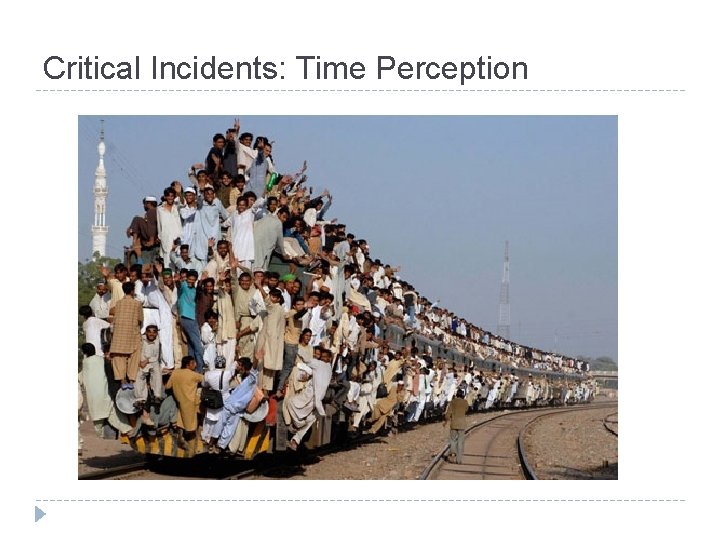
Critical Incidents: Time Perception
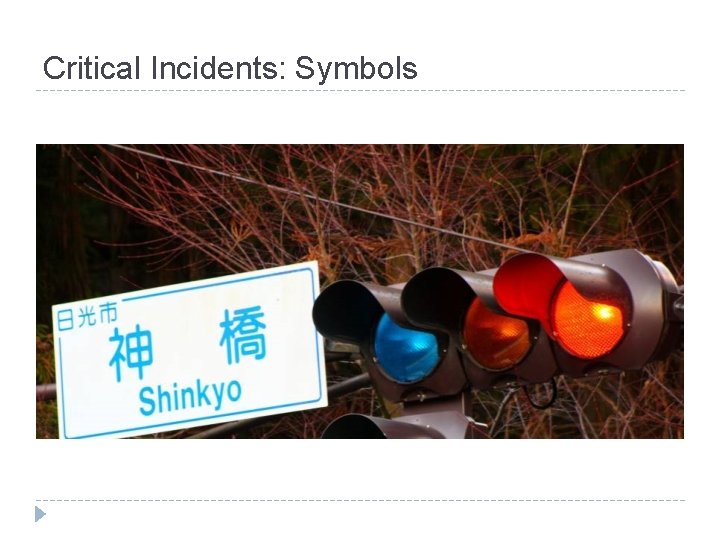
Critical Incidents: Symbols
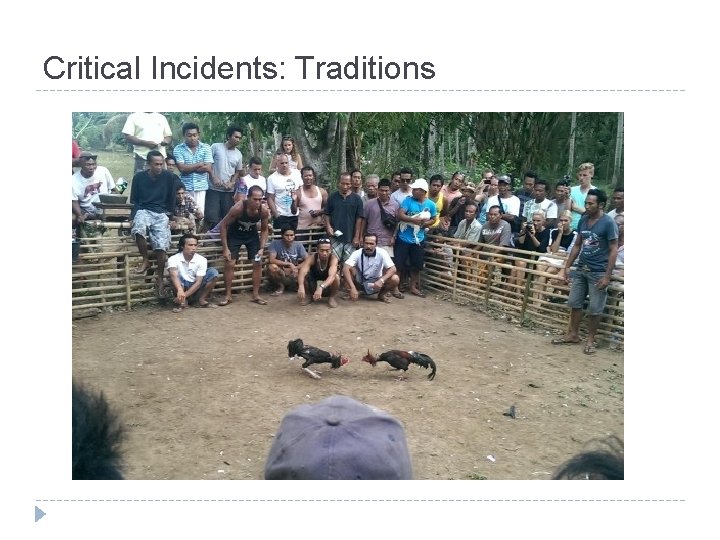
Critical Incidents: Traditions
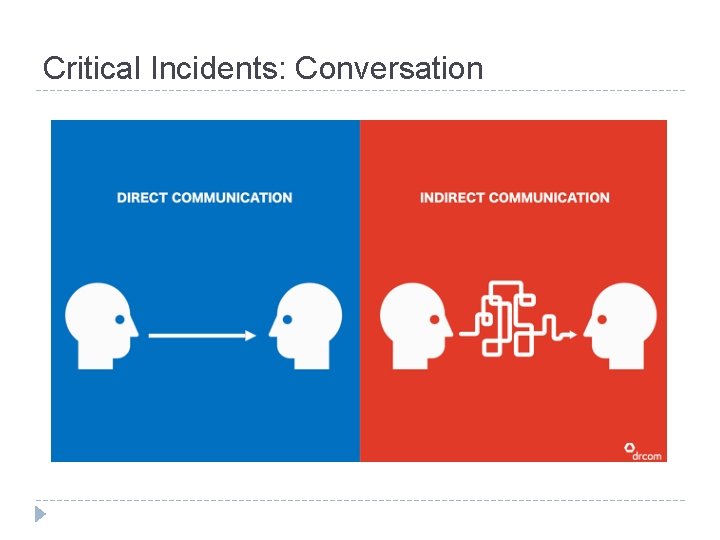
Critical Incidents: Conversation
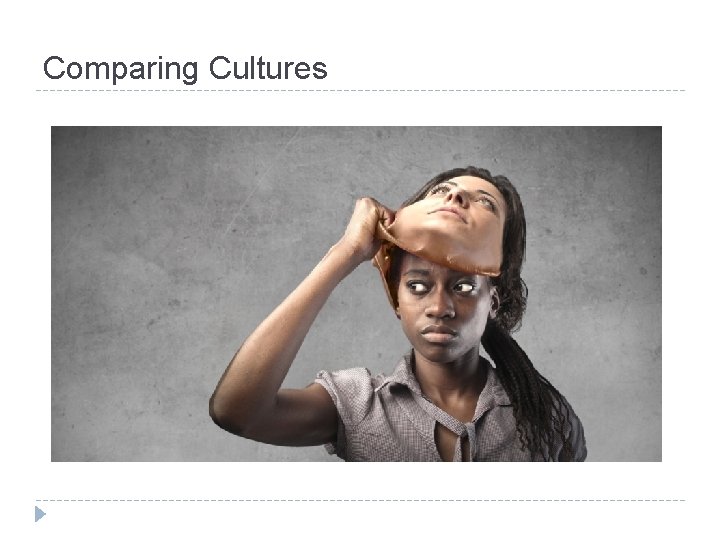
Comparing Cultures
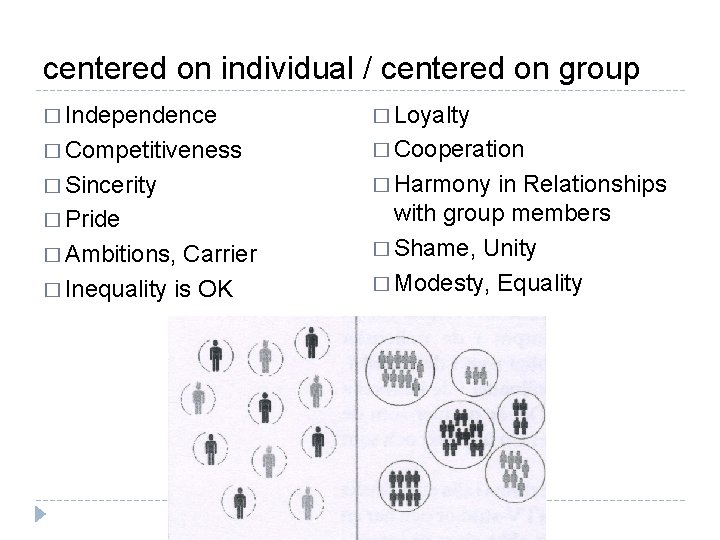
centered on individual / centered on group � Independence � Loyalty � Competitiveness � Cooperation � Sincerity � Harmony � Pride � Ambitions, Carrier � Inequality is OK in Relationships with group members � Shame, Unity � Modesty, Equality
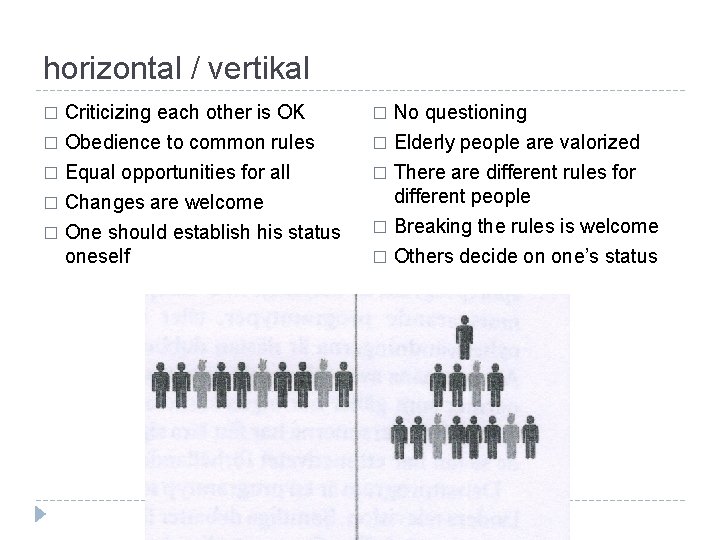
horizontal / vertikal No questioning � Elderly people are valorized � Criticizing each other is OK � Obedience to common rules � Equal opportunities for all � Changes are welcome � One should establish his status oneself � � There are different rules for different people � Breaking the rules is welcome � Others decide on one’s status
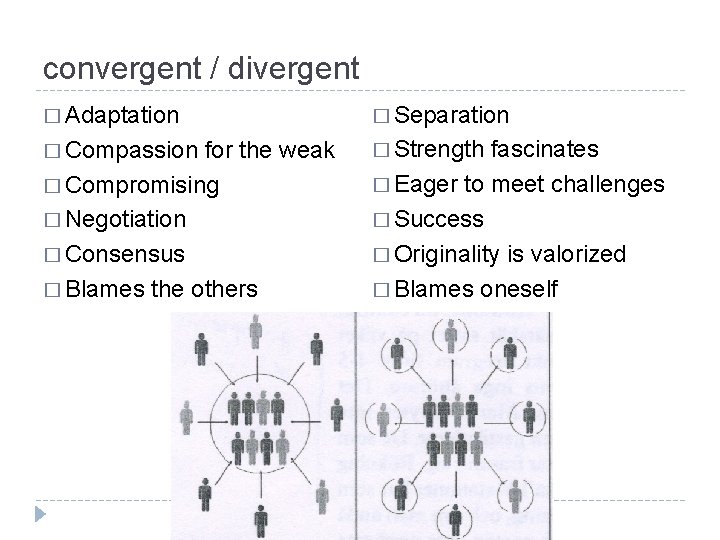
convergent / divergent � Adaptation � Separation � Compassion � Strength for the weak � Compromising � Negotiation � Consensus � Blames the others fascinates � Eager to meet challenges � Success � Originality is valorized � Blames oneself
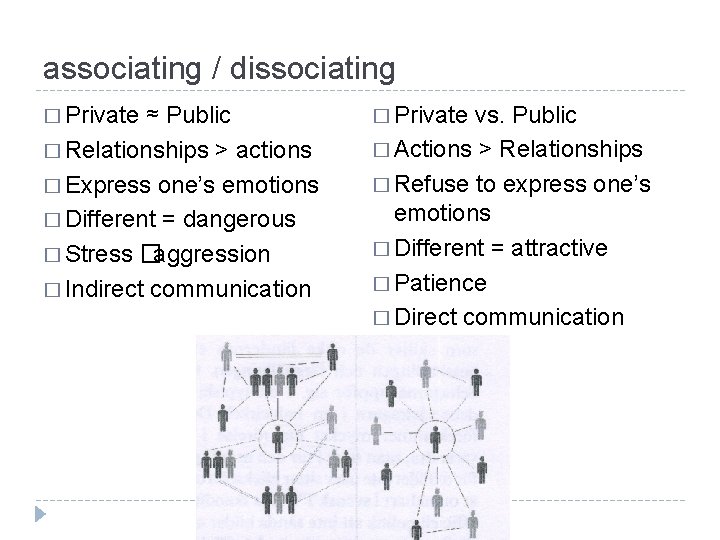
associating / dissociating � Private ≈ Public � Relationships > actions � Express one’s emotions � Different = dangerous � Stress � aggression � Indirect communication � Private vs. Public � Actions > Relationships � Refuse to express one’s emotions � Different = attractive � Patience � Direct communication
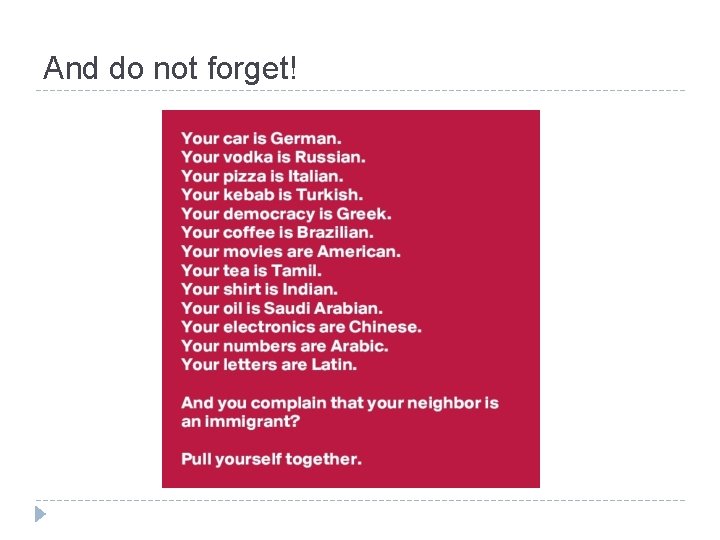
And do not forget!