HUMAN COMPUTER INTERACTIONCOM 402 Umarani Jayaraman Outline Early


- Slides: 25
HUMAN COMPUTER INTERACTION-COM 402 Umarani Jayaraman
Outline Early Human Computer Interaction Development of HCI Interaction Paradigms Types of user interfaces Disciplines contributing to HCI Aim-Approach for this course
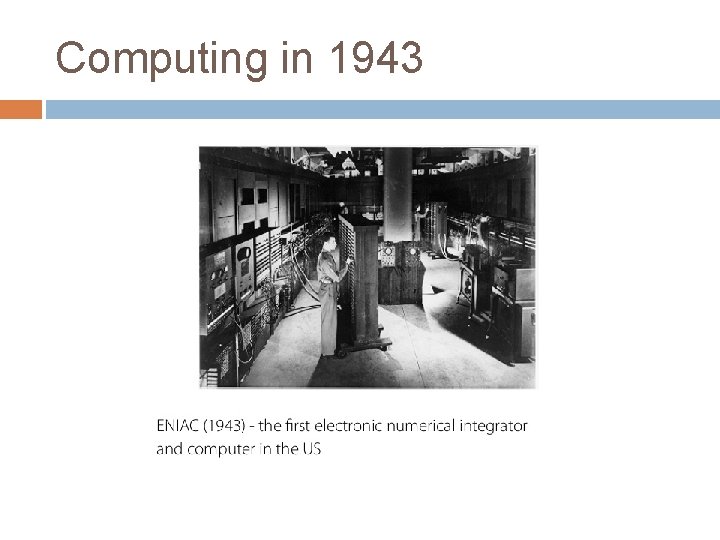
Computing in 1943
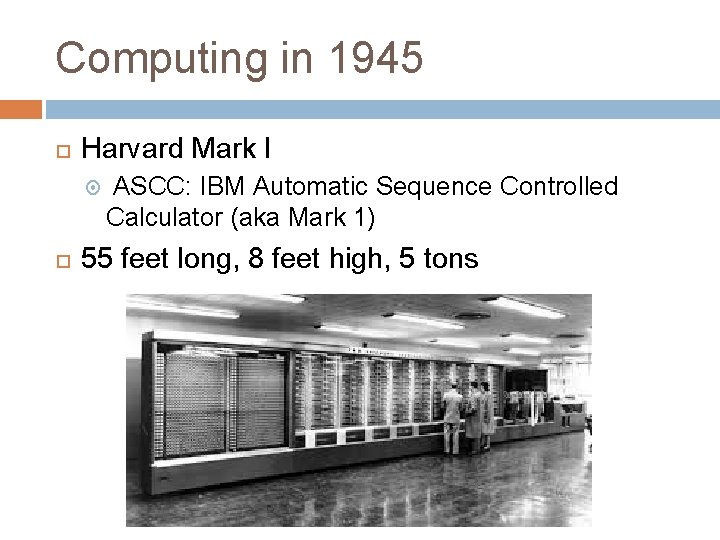
Computing in 1945 Harvard Mark I ASCC: IBM Automatic Sequence Controlled Calculator (aka Mark 1) 55 feet long, 8 feet high, 5 tons
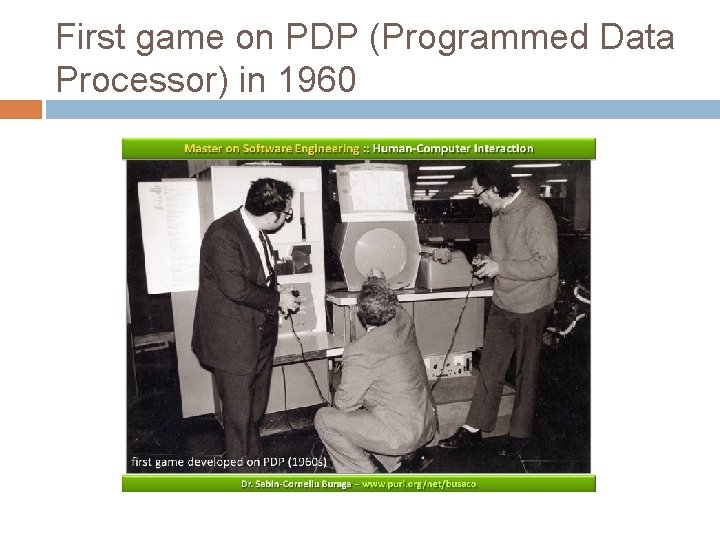
First game on PDP (Programmed Data Processor) in 1960
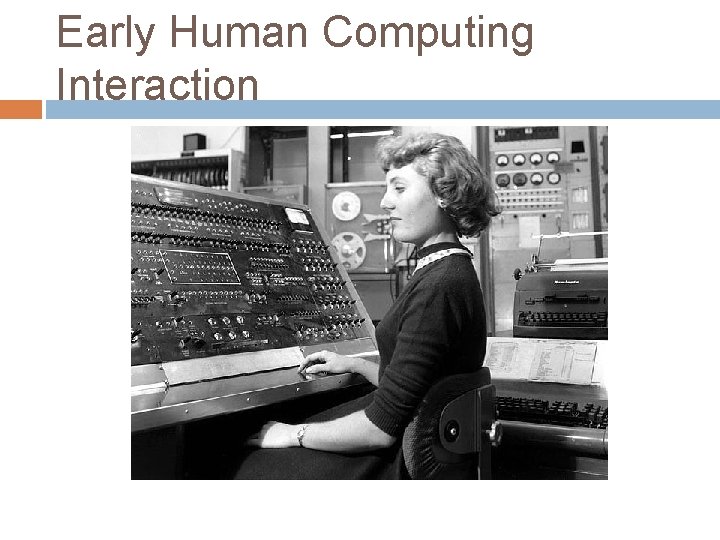
Early Human Computing Interaction
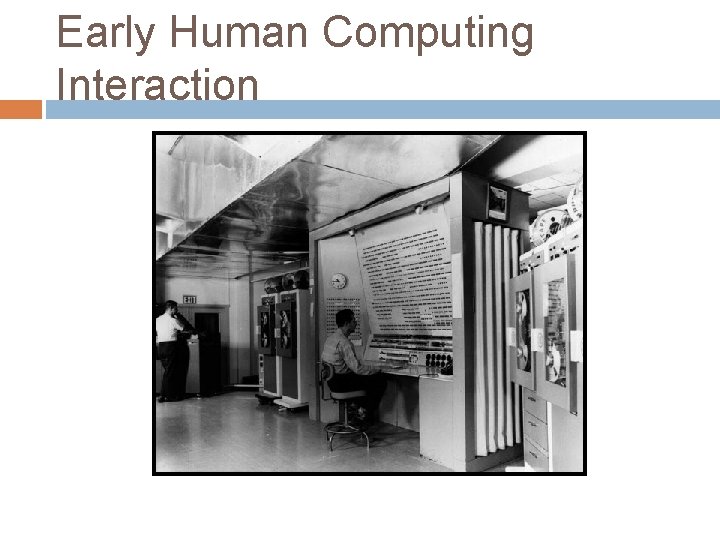
Early Human Computing Interaction
What Interactions Did We See?
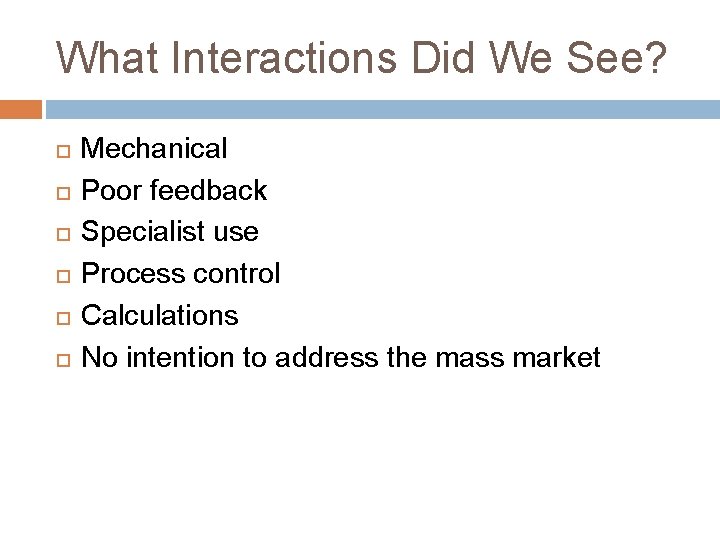
What Interactions Did We See? Mechanical Poor feedback Specialist use Process control Calculations No intention to address the mass market
Computing in 1980
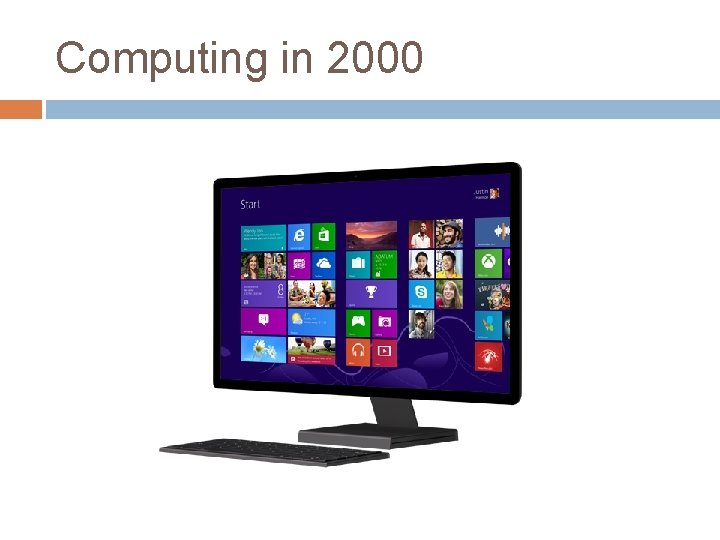
Computing in 2000
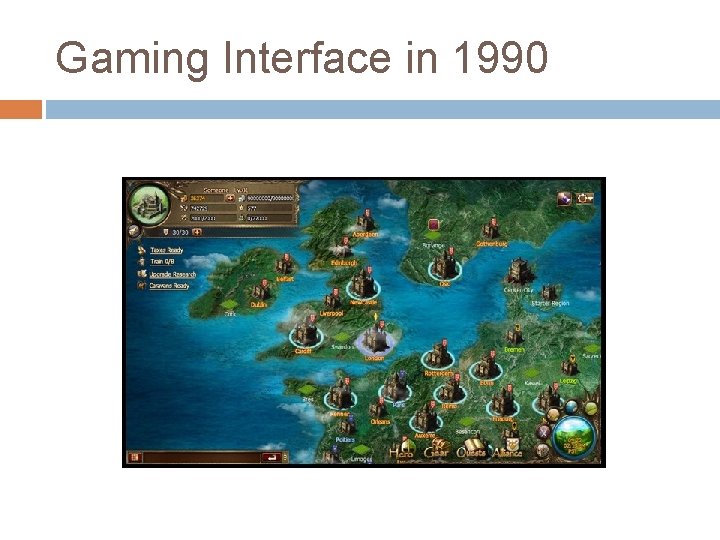
Gaming Interface in 1990
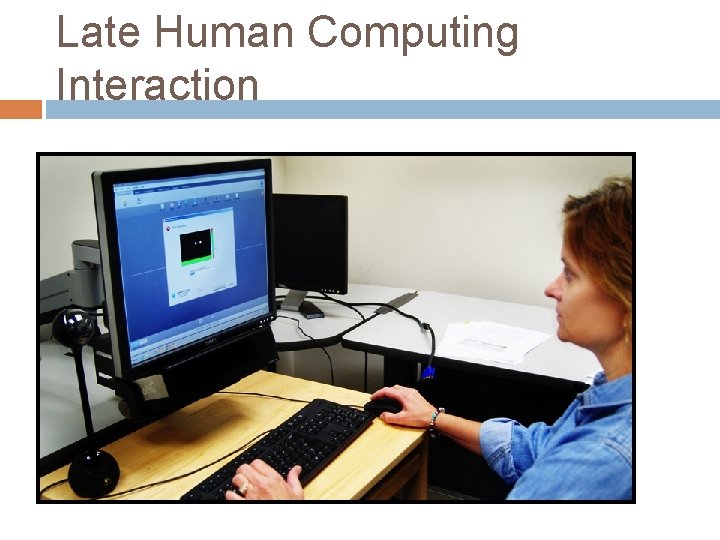
Late Human Computing Interaction
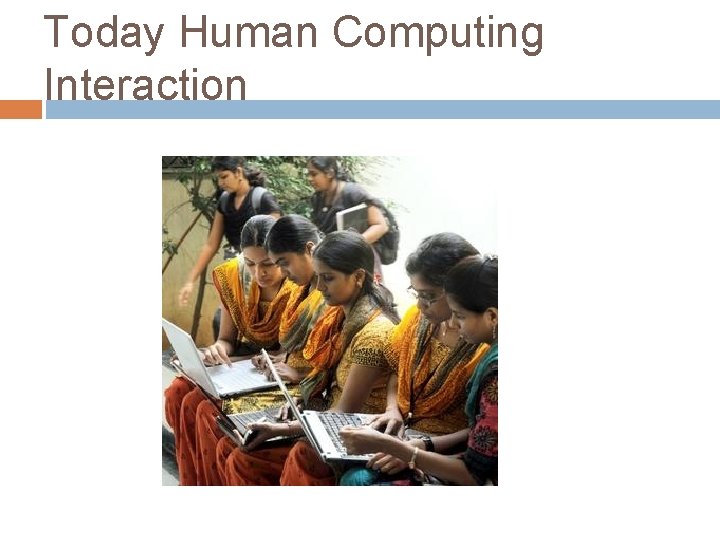
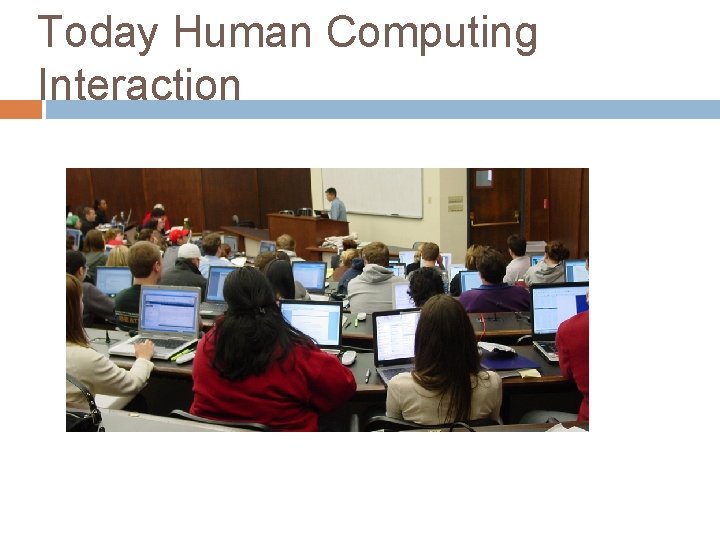
Today Human Computing Interaction
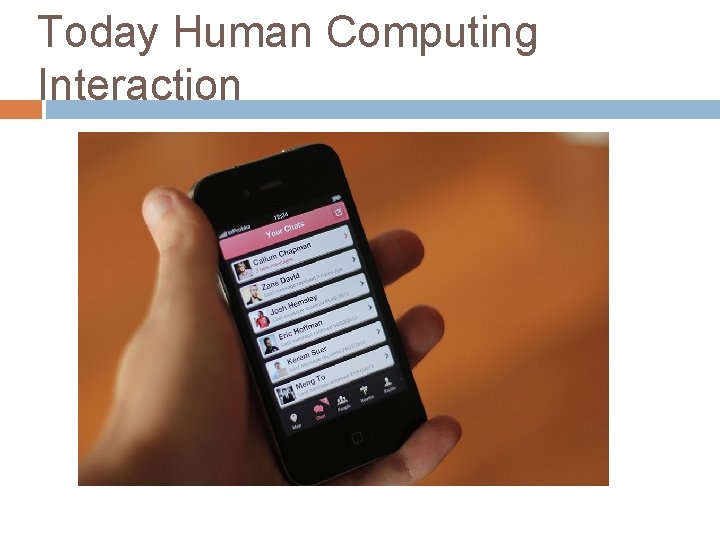
Today Human Computing Interaction
Today Human Computing Interaction
What are the Development in HCI?
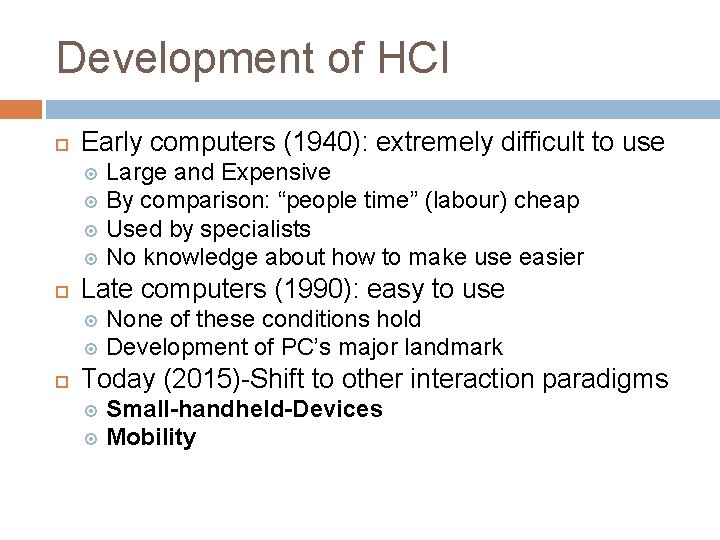
Development of HCI Early computers (1940): extremely difficult to use Large and Expensive By comparison: “people time” (labour) cheap Used by specialists No knowledge about how to make use easier Late computers (1990): easy to use None of these conditions hold Development of PC’s major landmark Today (2015)-Shift to other interaction paradigms Small-handheld-Devices Mobility
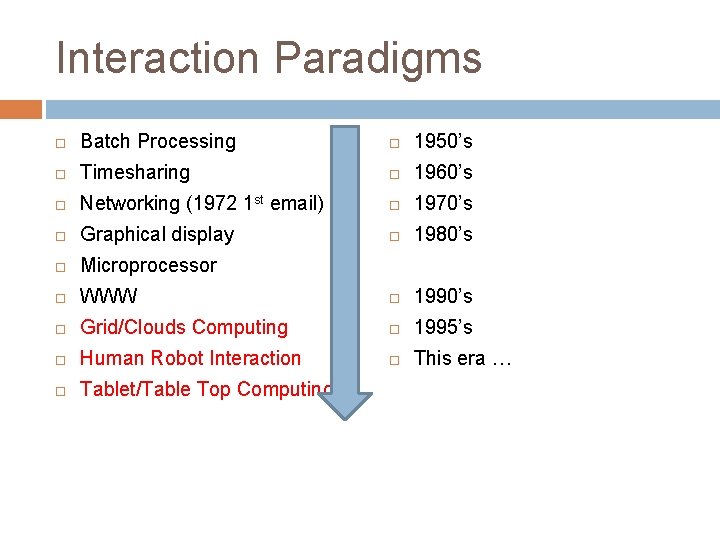
Interaction Paradigms Batch Processing 1950’s Timesharing 1960’s Networking (1972 1 st email) 1970’s Graphical display 1980’s Microprocessor WWW 1990’s Grid/Clouds Computing 1995’s Human Robot Interaction This era … Tablet/Table Top Computing
What are the types of user interface?
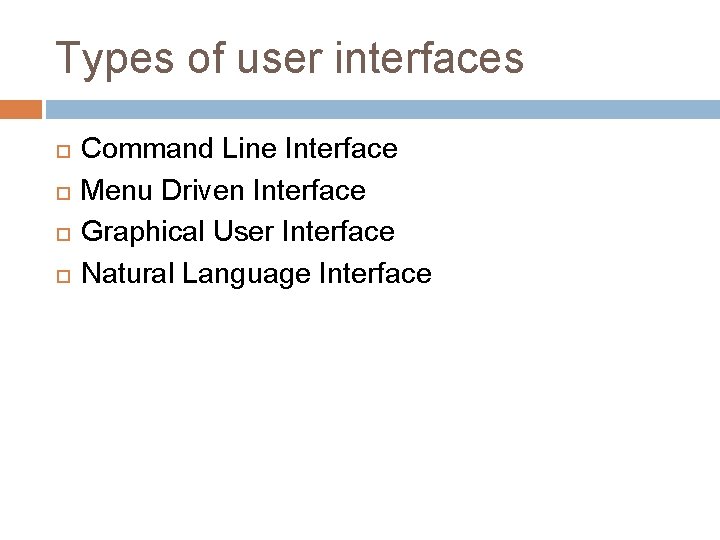
Types of user interfaces Command Line Interface Menu Driven Interface Graphical User Interface Natural Language Interface
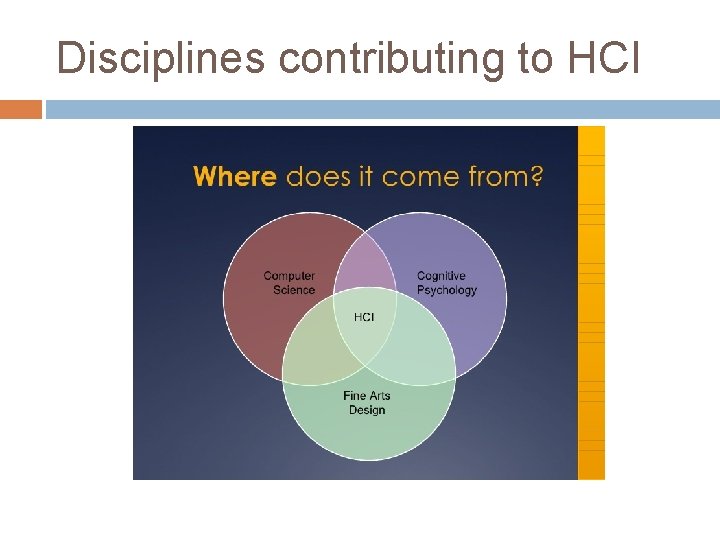
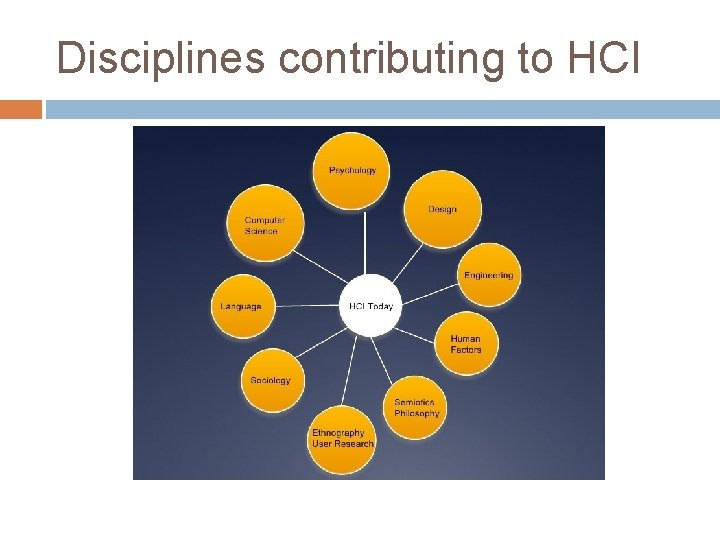
Disciplines contributing to HCI
Disciplines contributing to HCI
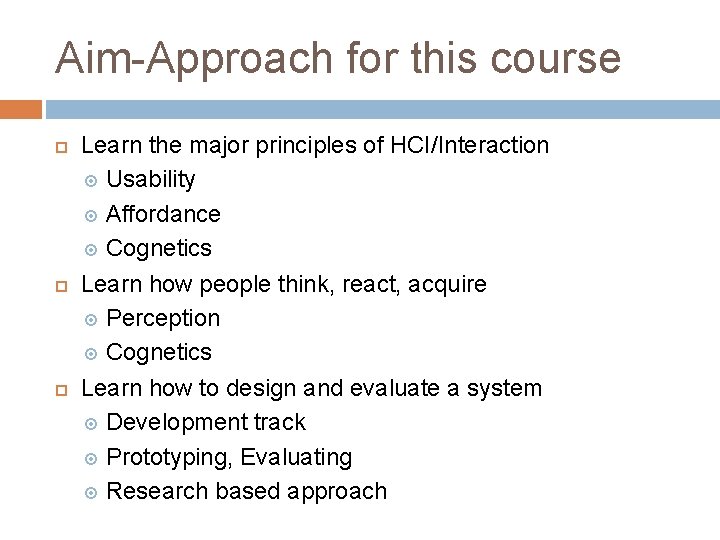
Aim-Approach for this course Learn the major principles of HCI/Interaction Usability Affordance Cognetics Learn how people think, react, acquire Perception Cognetics Learn how to design and evaluate a system Development track Prototyping, Evaluating Research based approach