
CGS 3066 Web Programming and Design Spring 2015
CGS 3066: Web Programming and Design Spring 2015 Instructor Sharanya Jayaraman
Course Information • Instructor: Sharanya Jayaraman • Office Hours: Tue, Wed 3: 00 -5: 00 pm- 006 LOV • Email: jayarama@cs. fsu. edu • Course Site: ww 2. cs. fsu. edu/~jayarama/cgs 3066. php • TA: Ashleigh Davis • Email: adavis@cs. fsu. edu • Office Hours: Mondays 3: 00 PM to 5: 00 PM
Attendance and Class Schedule • Monday, Wednesday • 5: 15 pm – 6: 30 pm • LOV 103 Attendance is crucial to understanding the topic and performing well in this class.
Goal • This course involves an overview of Internet communications and information services as well as technologies on which the Internet and Web are built. It focuses on Web design, development, and scripting with participants learning the latest tools and techniques for building professional-grade, dynamic, and interactive web pages and sites.
Grading Policy –Quizzes and Class Participation: 10%. –Assignment: 25%; –Midterm: 20%; –Final exam: 20%; –Project: 25% –The class is on an absolute grading scale. NO Curves at the end of the course.
6 1 / 7 / 1 5 WW 2 accounts • You’re eligible for a CS Department WW 2 account for this class. • Your ww 2 account will be set up once you sign up for a CS account. • Sign up for a CS account here: https: //system. cs. fsu. edu/index. php/newusers/newaccount –You might need the Secure Shell for this.
7 1 / 7 / 1 5 Programming Assignments • Programming Assignments should be uploaded to your CS WW 2 account. • Software requirements –Notepad++ or a similar text editor. –A web browser to test your code. –SFTP client to upload your files. • Windows: Secure Shell can be downloaded from the course webpage. • Mac: Get Filezilla or similar.
8 1 / 7 / 1 5 Why learn Web Development? • Reach • Today, we have around 12. 5 billion web enabled devices. • Visual Medium • It’s easier to market your product if people can “see” it. • The Social Nature of the web.
9 1 / 7 / 1 5 Why learn Web Development? • It’s fun. • It pays very well. $$ • You can market your own idea (as opposed to having a “technical co-founder” for your start-up). • It’s important to do it well.
How it Works
How it Works
Objectives The assignments and structure of the class is organized to accomplish the following learning objectives: • HTML 5 • CSS 3. 0 • Javascript and j. Query • PHP • My. SQL • Content Management System and more items if time permits
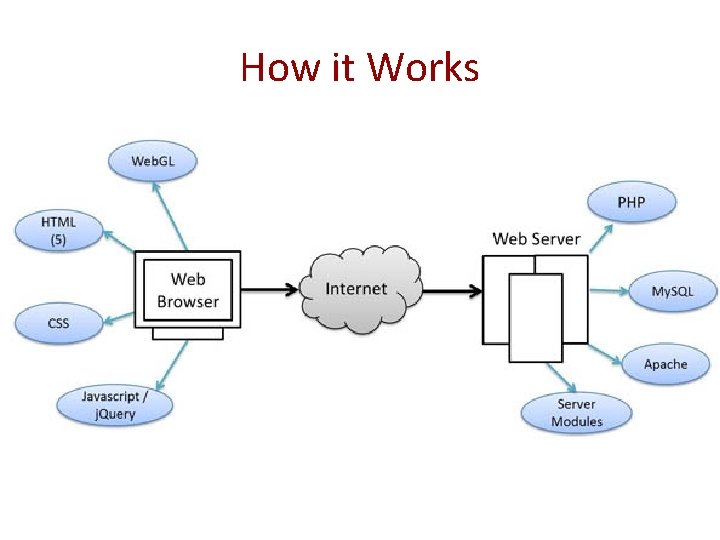
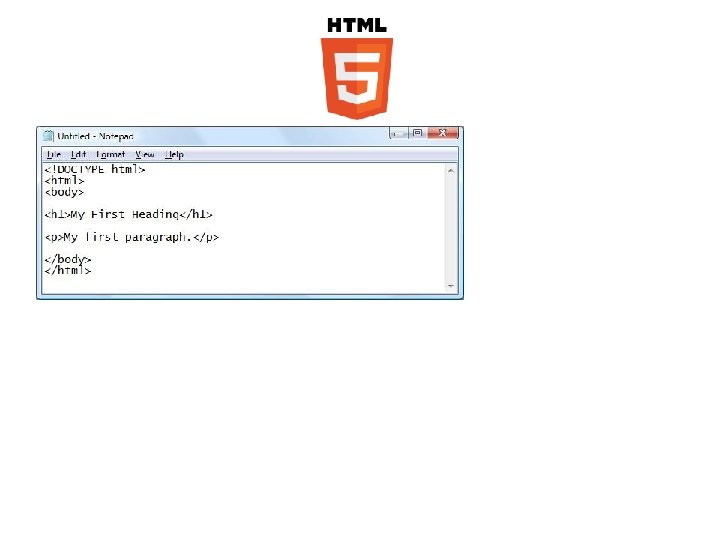
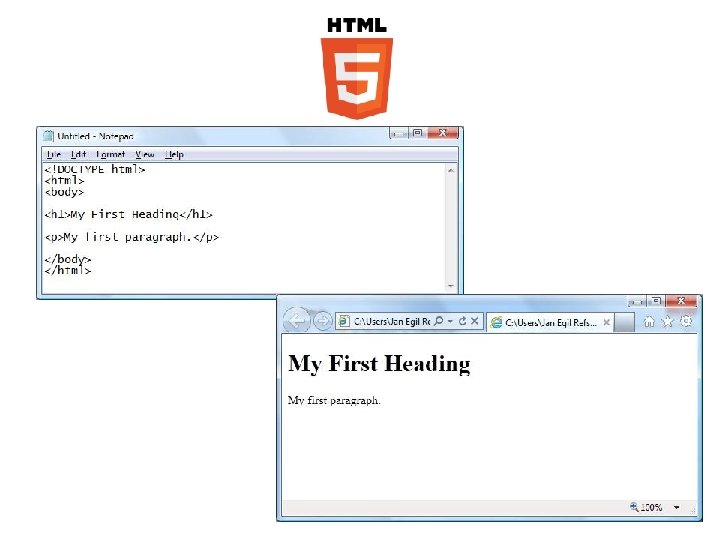
• HTML stands for Hyper Text Markup Language • HTML is a markup language • A markup language is a set of markup tags • The tags describe document content • HTML documents contain HTML tags and plain text
• CSS stands for Cascading Style Sheets • Styles define how to display HTML elements • Styles were added to HTML 4. 0 to solve a problem • External Style Sheets can save a lot of work • External Style Sheets are stored in CSS files
h 1 { color: orange; text-align: center; } p { font-family: "Times New Roman"; font-size: 20 px; }
• Java. Script is the programming language of the Web. • HTML to define the content of web pages • CSS to specify the layout of web pages • Java. Script to program the behavior of web pages. document. get. Element. By. Id("demo"). i nner. HTML = "Hello Java. Script";
• j. Query is the most popular Java. Script framework on the Internet today. • It uses CSS selectors to access and manipulate HTML elements (DOM Objects) on a web page. • j. Query also provides a companion UI (user interface) framework and numerous other plugins.
• PHP is a server scripting language • PHP is a powerful tool for making dynamic and interactive Web pages quickly. • PHP files can contain text, HTML, CSS, Java. Script, and PHP code • PHP code are executed on the server, and the result is returned to the browser as plain HTML
• My. SQL is a relational database management system • SQL is a standard language for accessing databases. • You’ll use PHP and My. SQL to allow for a webpage to interact with a database.
Content Management System
- Slides: 23